- Chinese
- French
- German
- Portuguese
- Spanish
- Russian
- Japanese
- Korean
- Arabic
- Irish
- Greek
- Turkish
- Italian
- Danish
- Romanian
- Indonesian
- Czech
- Afrikaans
- Swedish
- Polish
- Basque
- Catalan
- Esperanto
- Hindi
- Lao
- Albanian
- Amharic
- Armenian
- Azerbaijani
- Belarusian
- Bengali
- Bosnian
- Bulgarian
- Cebuano
- Chichewa
- Corsican
- Croatian
- Dutch
- Estonian
- Filipino
- Finnish
- Frisian
- Galician
- Georgian
- Gujarati
- Haitian
- Hausa
- Hawaiian
- Hebrew
- Hmong
- Hungarian
- Icelandic
- Igbo
- Javanese
- Kannada
- Kazakh
- Khmer
- Kurdish
- Kyrgyz
- Latin
- Latvian
- Lithuanian
- Luxembou..
- Macedonian
- Malagasy
- Malay
- Malayalam
- Maltese
- Maori
- Marathi
- Mongolian
- Burmese
- Nepali
- Norwegian
- Pashto
- Persian
- Punjabi
- Serbian
- Sesotho
- Sinhala
- Slovak
- Slovenian
- Somali
- Samoan
- Scots Gaelic
- Shona
- Sindhi
- Sundanese
- Swahili
- Tajik
- Tamil
- Telugu
- Thai
- Ukrainian
- Urdu
- Uzbek
- Vietnamese
- Welsh
- Xhosa
- Yiddish
- Yoruba
- Zulu
- Kinyarwanda
- Tatar
- Oriya
- Turkmen
- Uyghur

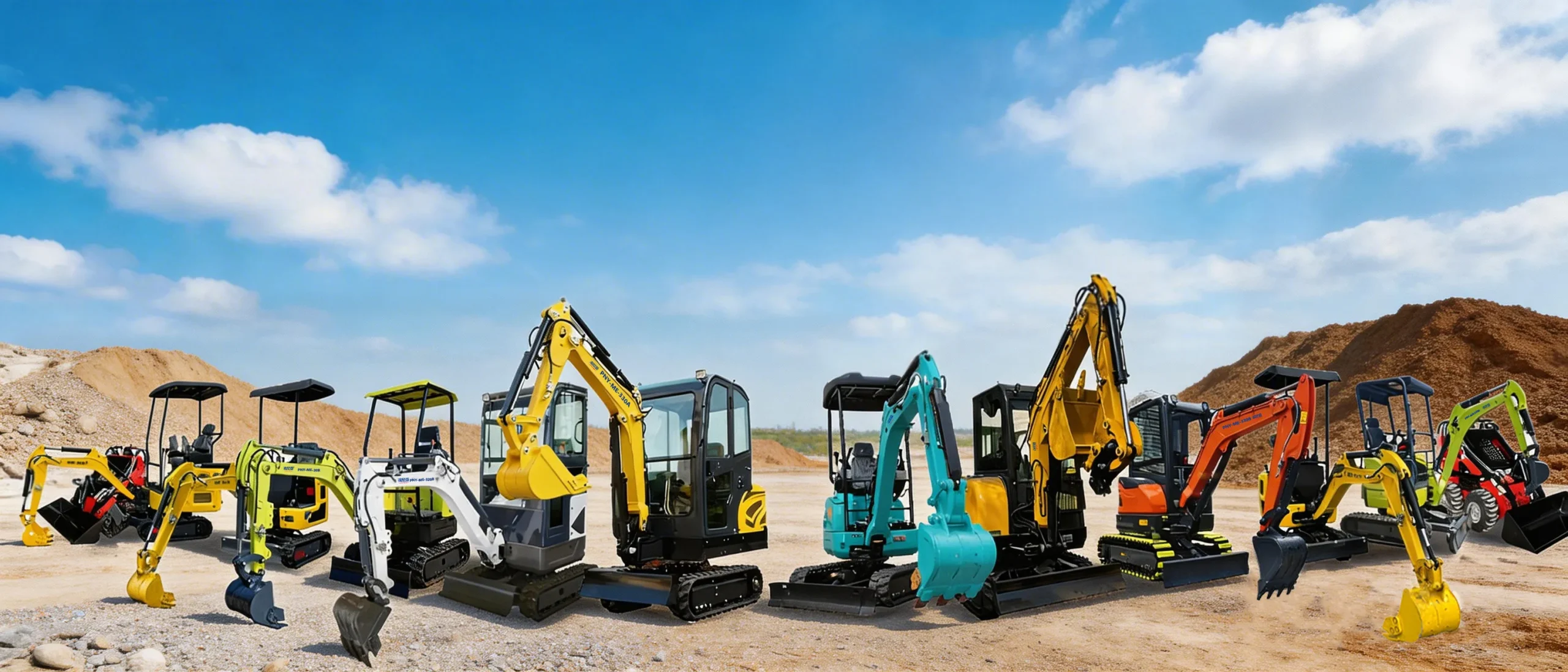
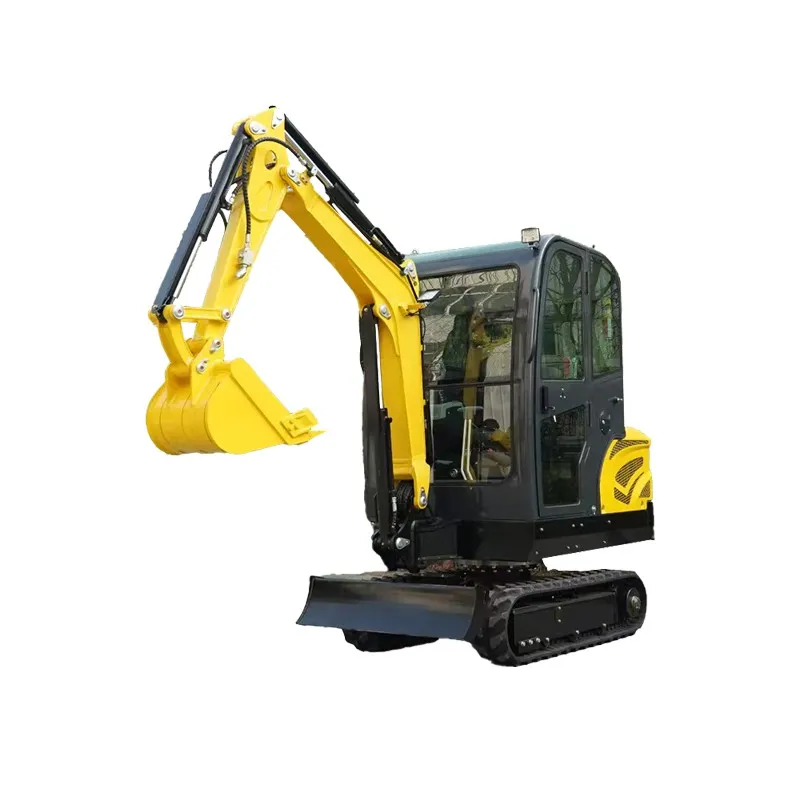
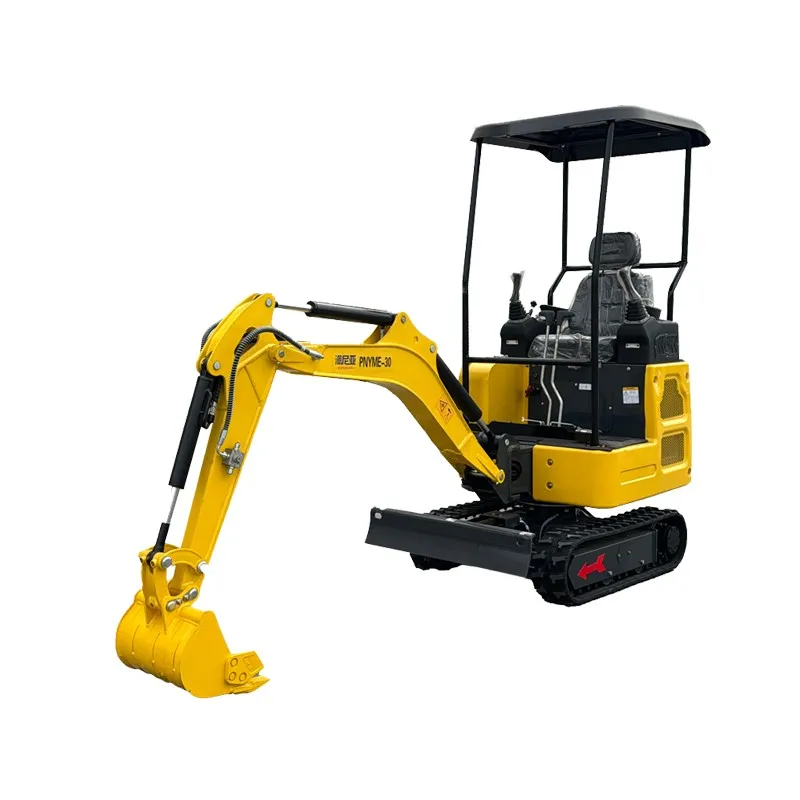
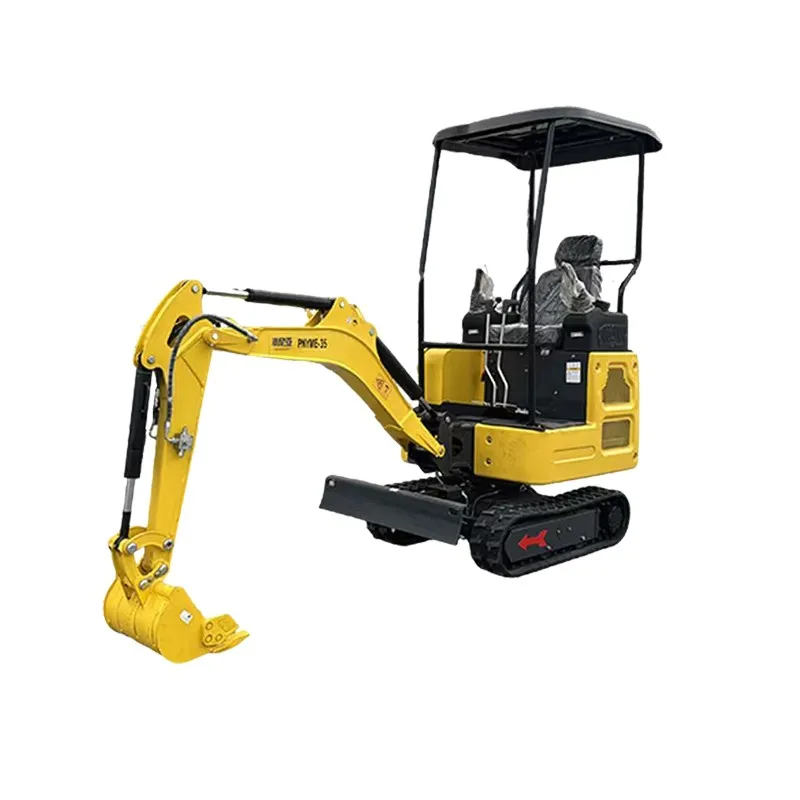
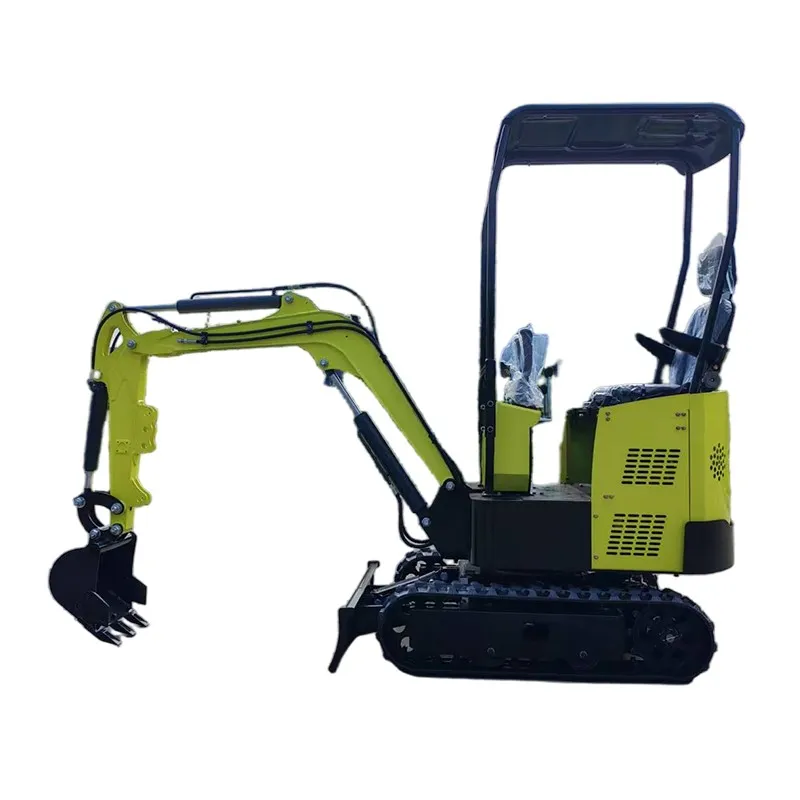
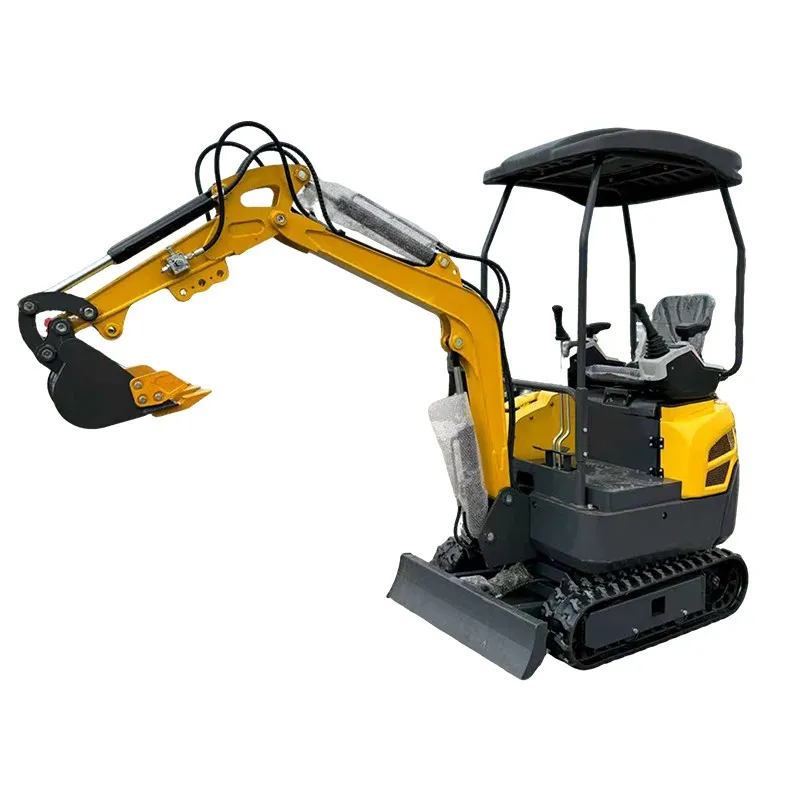
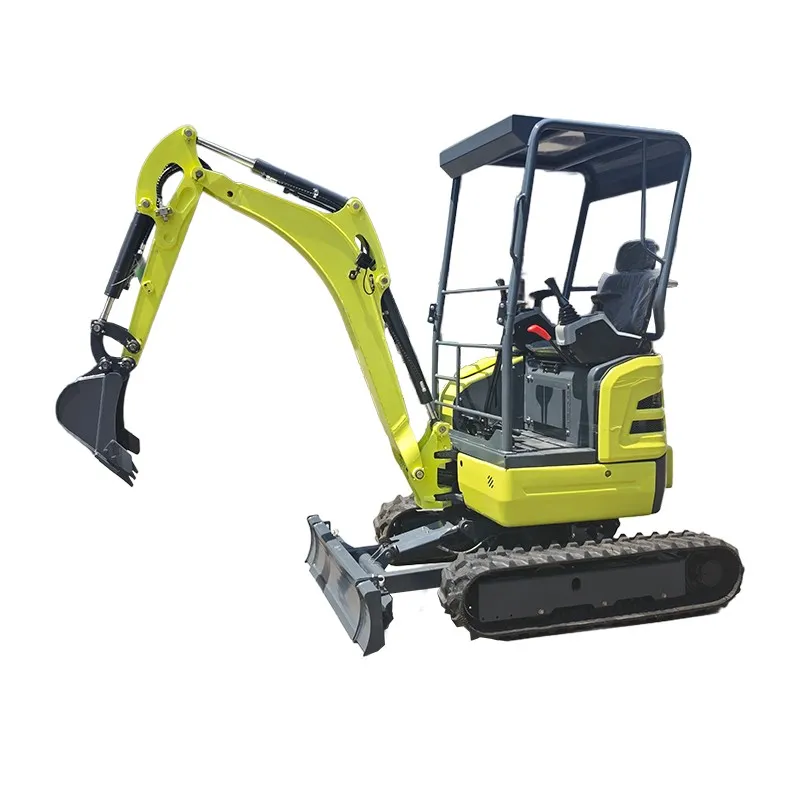
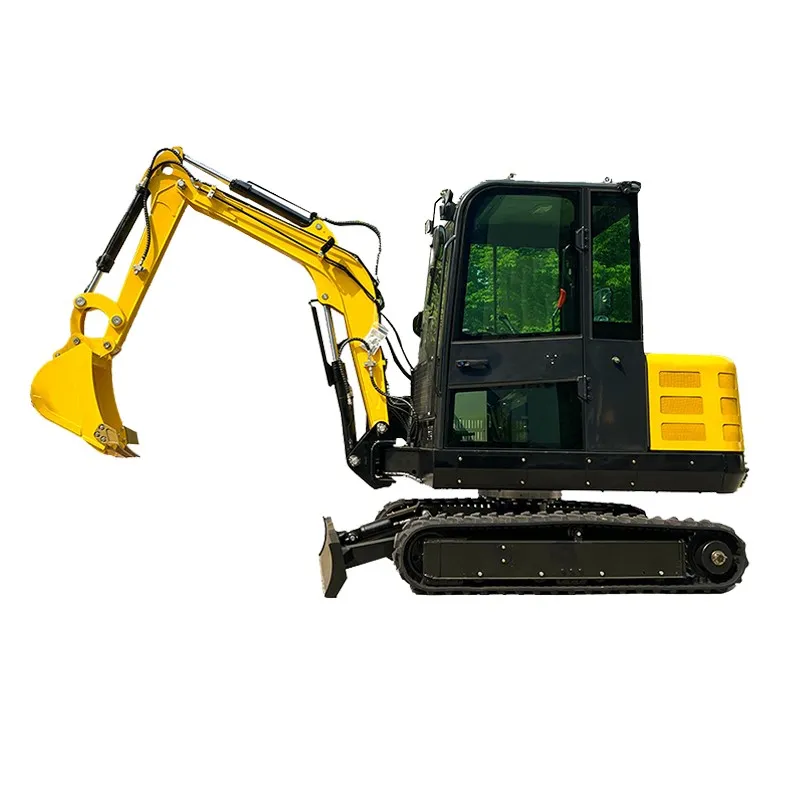
1.5 ton mini excavator
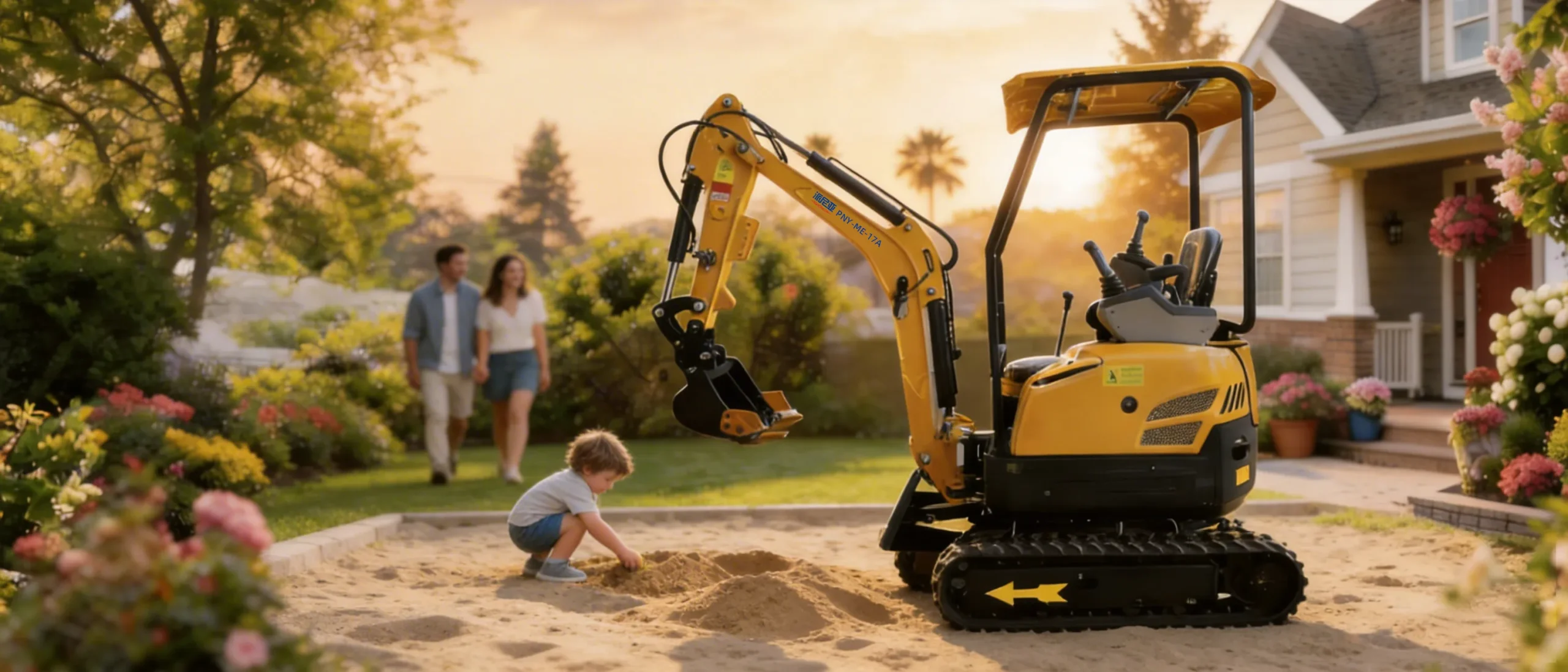
When you hear '1.5 ton mini excavator', a lot of folks immediately picture a toy-like machine, something barely capable of real work. That's the first misconception I want to tackle. Having spent years around these compact units, from sales to on-site troubleshooting, I've learned their value is entirely context-dependent. They're not just 'small diggers'; they're access solutions, precision tools for tight spaces where a 3-tonner simply can't fit, or where ground pressure is a critical concern. But the market is flooded with options, and the gap between a reliable workhorse and a problematic machine is surprisingly wide for this class.
The Weight Class Conundrum: Why 1.5 Tons?
It's a sweet spot, really. Go lighter, and you often sacrifice stability and substantive breakout force. Go heavier, and you lose the primary advantage: transportability and access. A true 1.5-tonner, like the models we often handled from manufacturers like Shandong Pioneer Engineering Machinery Co., Ltd, can typically be towed behind a robust pickup without requiring a heavy-duty trailer or CDL in many regions. That's a huge operational cost saver. But here's the catch – manufacturers play games with weight. Some list 'operating weight' dry, without the essential counterweight, fluids, or a standard bucket. You might think you're buying a 1.5-ton machine, only to find it's actually 1.8 tons configured. That extra 300 kg can be the difference between a simple tow and a logistical headache.
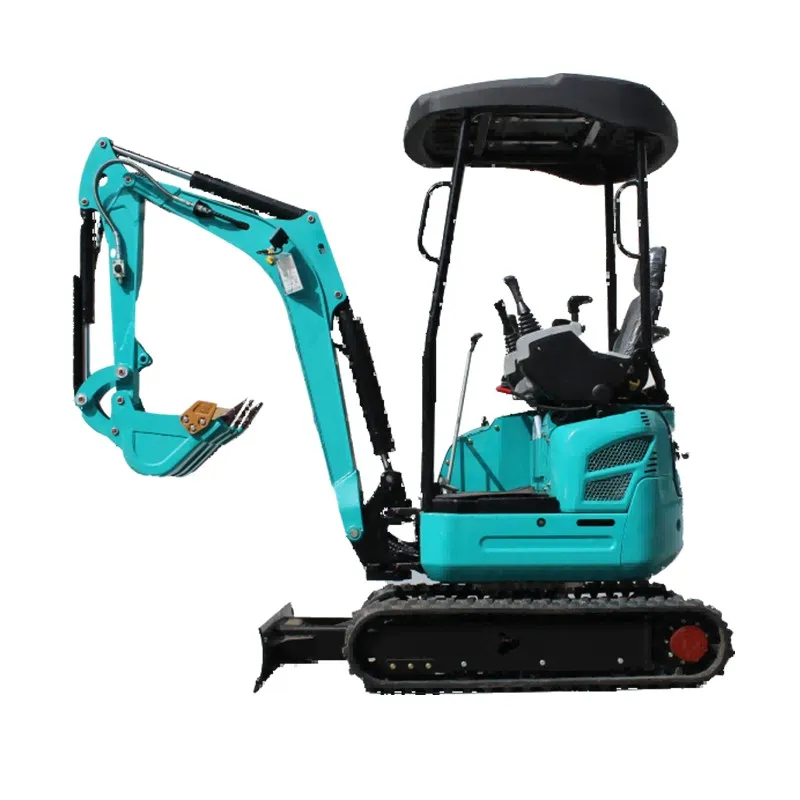
The design philosophy here is about compromise. The engine is usually in the 15-20 hp range, enough for the hydraulics but never overpowered. The undercarriage is narrow, often around 1 meter or less. This is where you see the first major quality split. A cheap machine will have a flimsy, single-pin track frame with minimal ground clearance. A well-built one, and I've seen this in the better units from Pioneer's line, has a reinforced X-frame chassis. It doesn't sound glamorous, but that frame absorbs the twisting forces from side-slope work or lifting. I've seen machines where a cracked chassis wasn't a repair, it was a total write-off.
Hydraulic flow is another silent differentiator. Everyone talks about dig depth and reach (typically around 2-2.5m and 3-3.5m respectively for this class), but the finesse comes from the pump and valve block. A jerky, on/off control system makes precision trenching for utilities miserable. The good systems offer proportional control, where the joystick movement directly correlates to speed and power. It's the difference between digging a neat trench and a ragged ditch. I remember a landscaping contractor complaining about his new, budget-brand machine 'jumping' when he tried to grade a gentle slope for a patio. The issue wasn't him; it was a cheap, non-proportional valve. We swapped him into a different model, and the problem vanished.
Real-World Applications and the Pitfalls
Their natural habitat isn't big earthmoving. It's the residential backyard, the interior of a building for slab breakouts, the narrow alley between city houses, or inside a greenhouse. I've seen them used for tree planting, pool digging (with a skilled op), and demolition in confined spaces. But this is where operational knowledge is key. The stability is limited. Lifting a heavy slab close to the max reach on uneven ground? That's a tip-over waiting to happen. The safety manual says not to do it, but on-site, pressure mounts. I always advise clients to treat the rated lift capacity as a theoretical maximum under perfect, level, hard-ground conditions. In reality, you should derate it by 30-40% for any real-world, variable-condition work.
A common failure point I've witnessed is the swing bearing. In a constant left-right, tight-quarters digging pattern, like for foundation piers, that bearing takes a beating. Lower-end models use smaller-diameter bearings with less ball or roller count. The failure manifests as increasing lash or 'play' in the upper structure, eventually leading to a grinding noise and complete seizure. It's a major repair, often requiring a shop teardown. A manufacturer that uses a robust, oversized swing bearing is thinking about the machine's lifespan, not just its sticker price.
Then there's attachment compatibility. Most 1.5-ton machines use a standard auxiliary hydraulic circuit, but the flow rate (often around 15-20 L/min) dictates what attachments are truly effective. A hydraulic breaker might work, but it will be slow and can easily over-stress the machine's frame if it's not a matched, lightweight model. A tilt rotator, while incredibly useful for grading, adds significant weight at the end of the arm, reducing your effective lifting capacity. You really have to think of the machine as a system, not just a base unit.
The Manufacturing Perspective and Supplier Reliability
This brings me to the source. A huge portion of the global market for these compact machines is supplied from China's manufacturing hubs, like Shandong province. The quality spectrum is vast. You have assembly shops that basically bolt together bought-in components with minimal QC, and you have integrated manufacturers with proper engineering, testing, and supply chain control. The difference is in the details: weld quality on the boom and arm (look for continuous, smooth beads, not spotty tack welds), the brand of hydraulic hoses and fittings (reliable brands vs. no-name), and the paint process (proper primer and cathodic electrocoating vs. a simple spray-over).
Working with a company like Shandong Pioneer Engineering Machinery Co., Ltd (https://www.sdpioneer.com) offers a case study. Established in 2004 and now operating from a newer facility in Tai'an, they represent the evolved tier of Chinese exporters. They're not just traders; their structure with Shandong Hexin handling manufacturing and Pioneer handling overseas trade suggests a focus on the export market's demands. This matters because export markets like the US, Canada, and Australia have higher expectations for durability, documentation, and after-sales support than some domestic markets. A company that has sustained exports for years, as their brief mentions trust from customers worldwide, has likely had to adapt its product to meet stricter standards. It doesn't mean every machine is perfect, but it indicates a learning curve and a business model built on repeat orders, not just one-off sales.
When evaluating such a supplier, I don't just look at the spec sheet. I ask for videos of the factory floor, the welding stations, the assembly line. I ask about their testing protocol – do they run each machine for a break-in period, check for leaks, and calibrate the controls? I inquire about the sourcing of key components: the engine (Yanmar, Kubota, or a reliable Chinese brand like Changchai?), the hydraulic pumps and motors (Kawasaki, Danfoss, or in-house?). The answers tell you more than any brochure. Pioneer's two-decade history and recent relocation to a larger plant suggest growth and reinvestment, which is a positive signal in a competitive industry.
Cost of Ownership vs. Purchase Price
This is the ultimate lesson, often learned the hard way. The cheapest 1.5-ton mini excavator can have a terrifyingly high total cost of ownership. It's the downtime from a failed hydraulic pump in the middle of a fencing contract. It's the three-week wait for a specific seal kit to be shipped from overseas because the dealer has no local parts stock. It's the fuel inefficiency from a poorly tuned, emissions-non-compliant engine.
A prudent buyer looks beyond the initial quote. They ask: What is the parts availability? Does the supplier maintain a parts depot in my region or country? What is the warranty process – is it a replace-first policy or a repair-after-investigation? For a company like the one mentioned, their ability to serve markets from Germany to Australia implies they've had to establish some level of parts logistics and support network. That's not trivial.
Finally, consider resale value. A no-name machine might lose 50% of its value in two years because the market has no confidence in its longevity. A machine from an established brand with a known track record, even if it costs 15-20% more upfront, will hold its value significantly better. That residual value is real money in your pocket at trade-in time. In essence, buying a 1.5 ton mini excavator is an exercise in evaluating hidden variables. The weight, dimensions, and dig depth are just the starting point for a conversation that needs to delve into engineering, support, and the true economics of putting it to work.
Related Products
Related Products