- Chinese
- French
- German
- Portuguese
- Spanish
- Russian
- Japanese
- Korean
- Arabic
- Irish
- Greek
- Turkish
- Italian
- Danish
- Romanian
- Indonesian
- Czech
- Afrikaans
- Swedish
- Polish
- Basque
- Catalan
- Esperanto
- Hindi
- Lao
- Albanian
- Amharic
- Armenian
- Azerbaijani
- Belarusian
- Bengali
- Bosnian
- Bulgarian
- Cebuano
- Chichewa
- Corsican
- Croatian
- Dutch
- Estonian
- Filipino
- Finnish
- Frisian
- Galician
- Georgian
- Gujarati
- Haitian
- Hausa
- Hawaiian
- Hebrew
- Hmong
- Hungarian
- Icelandic
- Igbo
- Javanese
- Kannada
- Kazakh
- Khmer
- Kurdish
- Kyrgyz
- Latin
- Latvian
- Lithuanian
- Luxembou..
- Macedonian
- Malagasy
- Malay
- Malayalam
- Maltese
- Maori
- Marathi
- Mongolian
- Burmese
- Nepali
- Norwegian
- Pashto
- Persian
- Punjabi
- Serbian
- Sesotho
- Sinhala
- Slovak
- Slovenian
- Somali
- Samoan
- Scots Gaelic
- Shona
- Sindhi
- Sundanese
- Swahili
- Tajik
- Tamil
- Telugu
- Thai
- Ukrainian
- Urdu
- Uzbek
- Vietnamese
- Welsh
- Xhosa
- Yiddish
- Yoruba
- Zulu
- Kinyarwanda
- Tatar
- Oriya
- Turkmen
- Uyghur


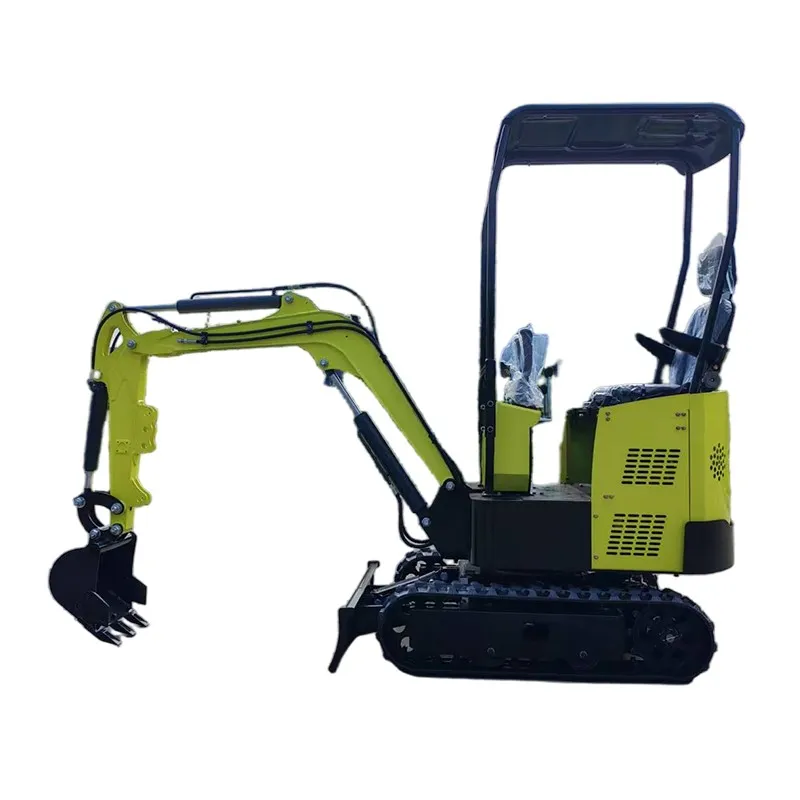
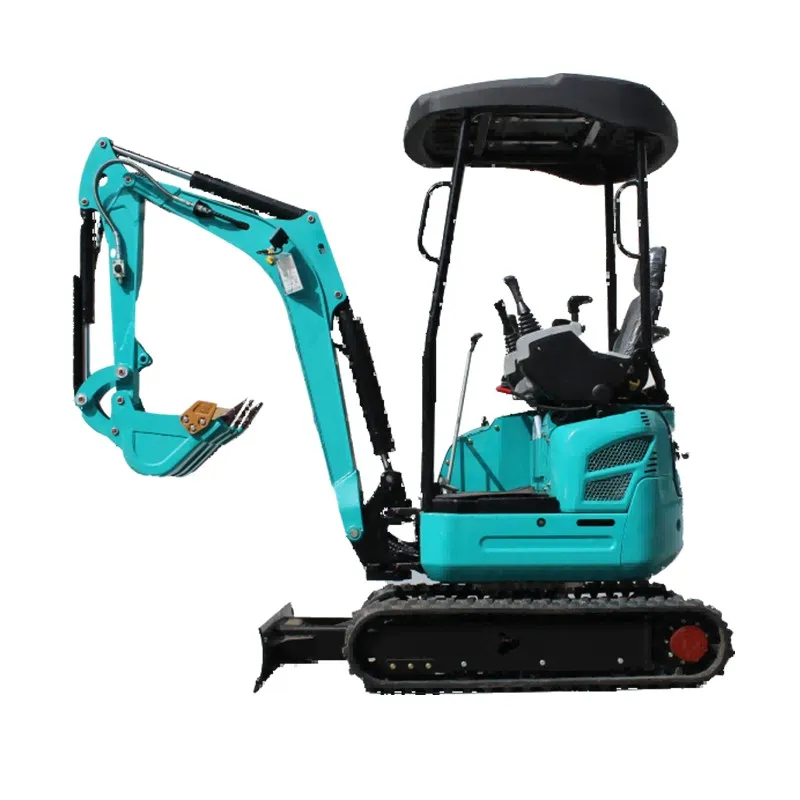
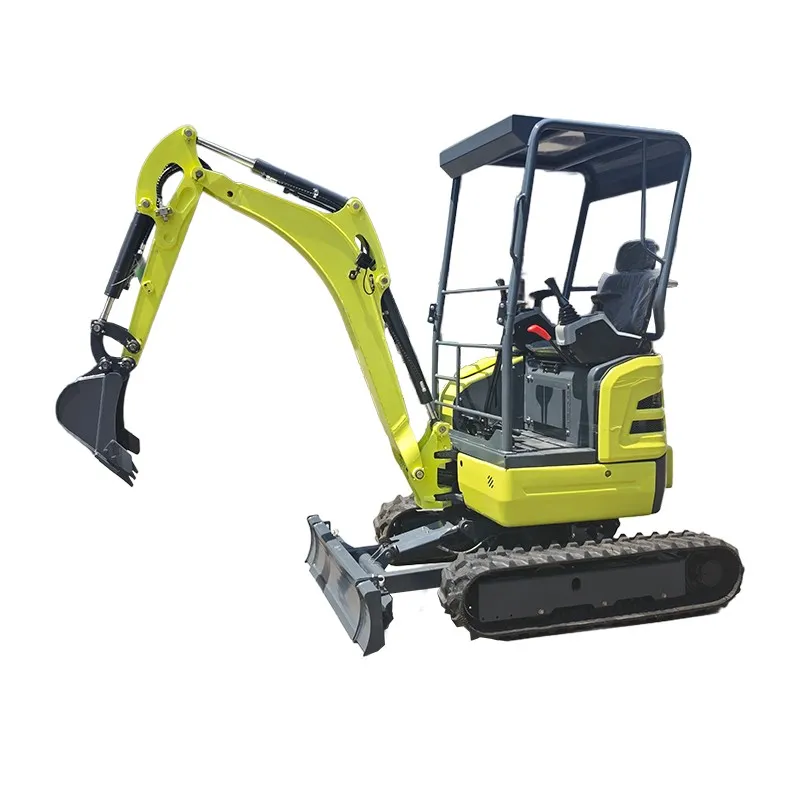
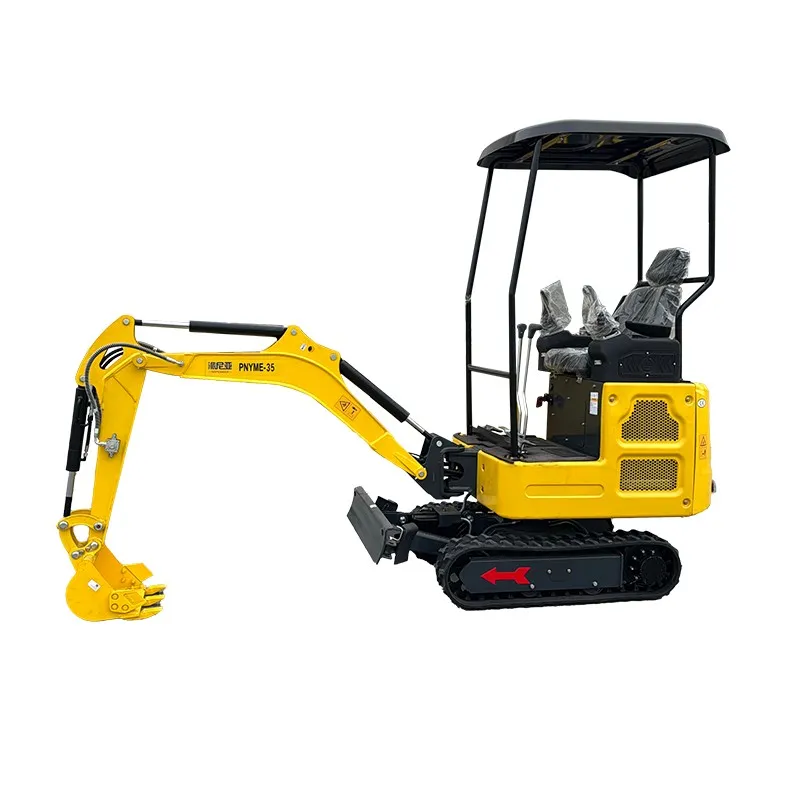
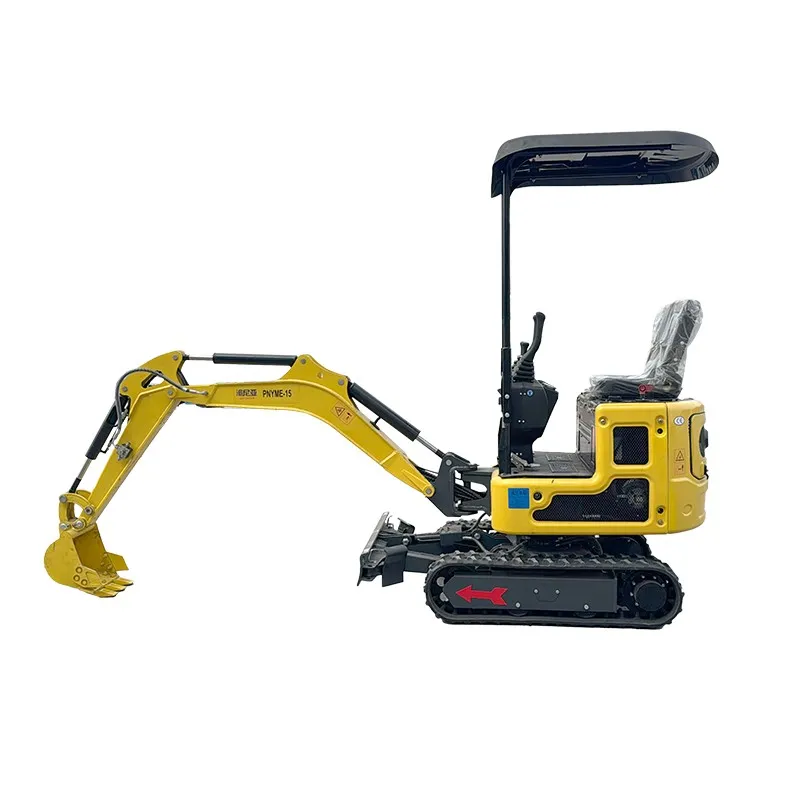
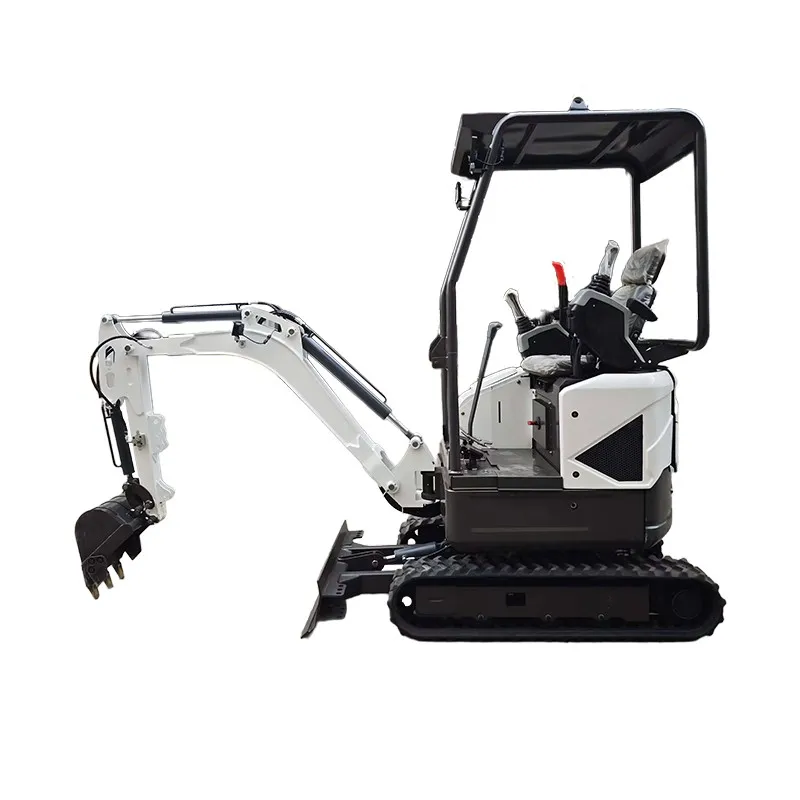
1 ton mini excavator
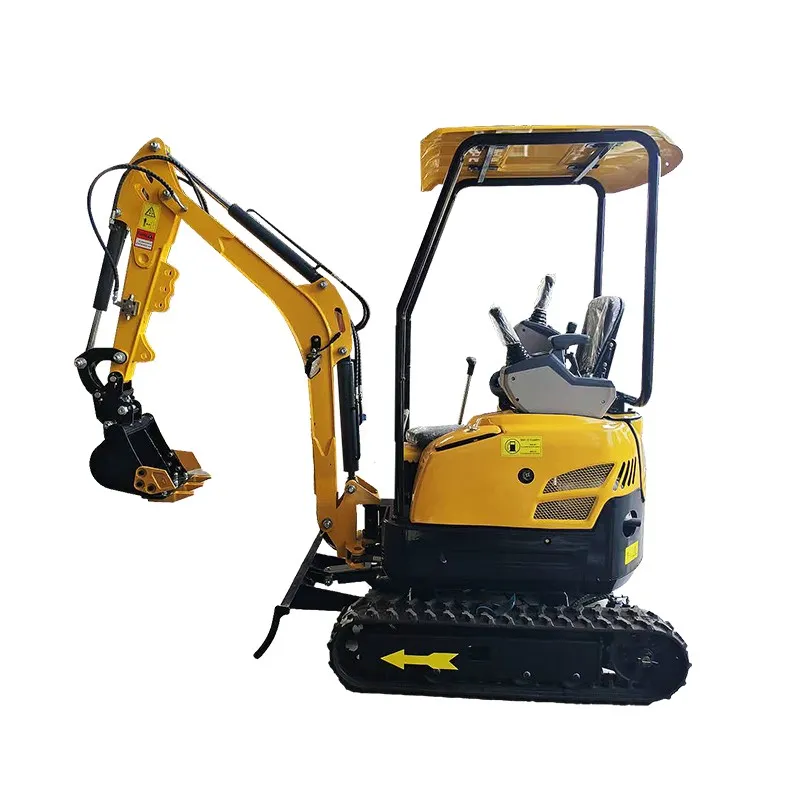
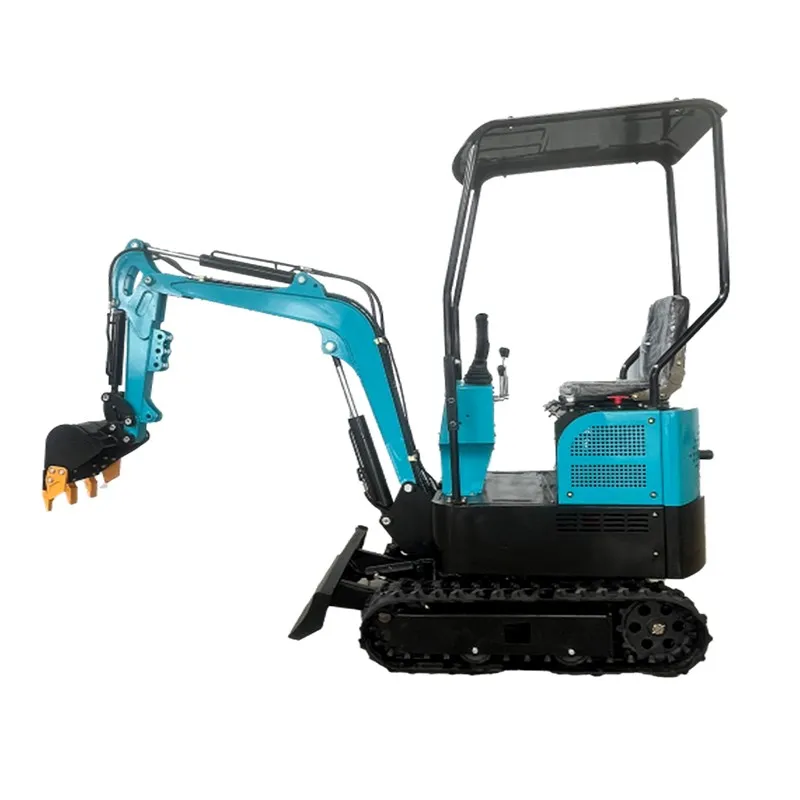
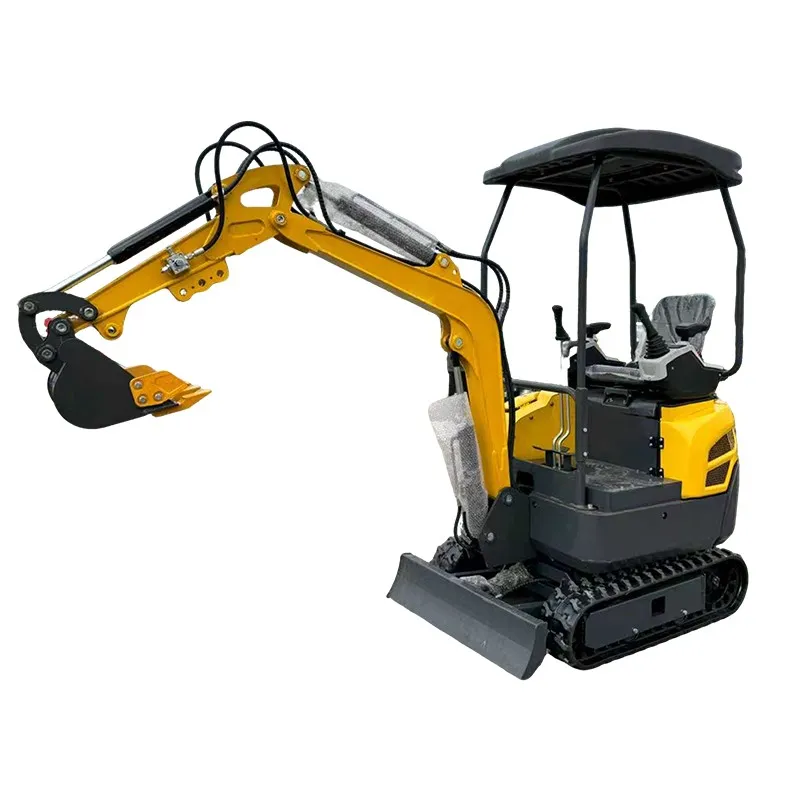
When most folks hear '1 ton mini excavator', they picture a cute, tiny machine, maybe for a bit of light gardening. That's the first mistake. The real story isn't about its size; it's about the specific, often brutal, niche it has to survive in. It's the machine you call when a skid steer won't fit and a man with a shovel would take a week. The weight class is deceptive—it's not about raw power, but about precision in confined spaces, about being the surgical tool instead of the sledgehammer. I've seen too many projects buy one thinking it's a toy, only to burn out the hydraulics or snap a stick because they pushed it into a 3-ton job. The 1-tonner demands respect for its limits and a sharp understanding of its purpose.
The Anatomy of a Workhorse, Not a Toy
Let's break down what you're actually getting. We're talking an operating weight around kg, typically. The key metric everyone skips over is the digging depth. For a decent 1-ton model, you want at least 1.5 meters, preferably pushing 1.8m. That's the difference between trenching for a drain line and just scratching the surface. The auxiliary hydraulic flow rate is another silent killer. Too low, and you can't run a decent hydraulic breaker or auger effectively; it'll just stutter. You need a consistent 15-20 L/min at a decent pressure, say 150 bar plus, to make attachments worthwhile.
The undercarriage is where the cheap ones show their flaws. Some use a rigid, non-slewing design to cut costs. For real work, you need 360-degree continuous slew. The difference in maneuverability, especially when you're tucked against a foundation wall, is night and day. Track width matters more than you'd think—wider tracks (around 180mm) for soft ground, narrower for hard surfaces. I've spent half a day digging a machine out of mud because someone chose the wrong shoe option for a soggy backyard job.
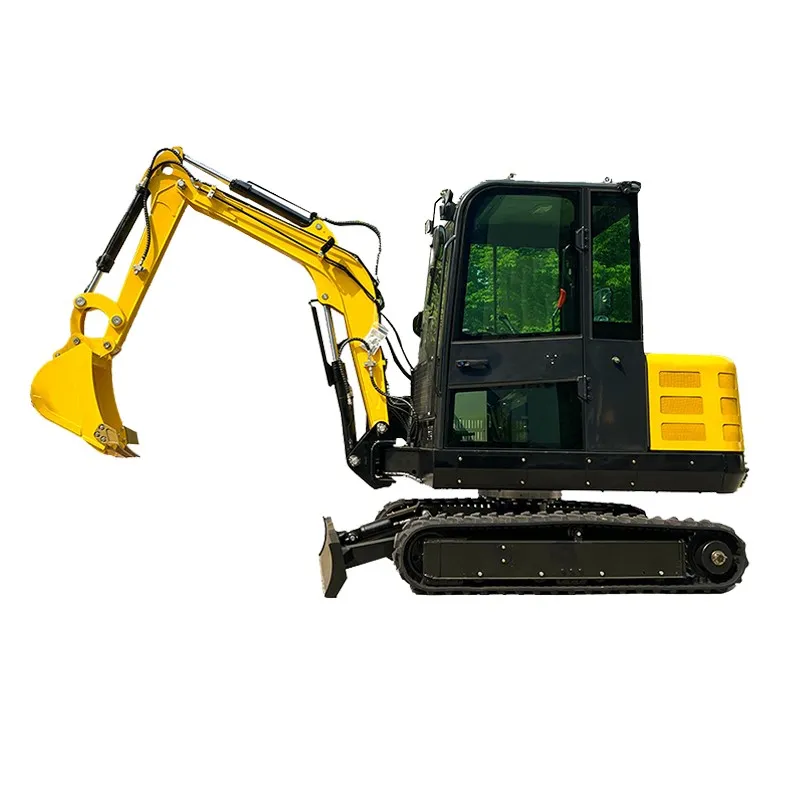
Then there's the engine. Kubota is the industry standard for a reason: reliability and parts availability. A 3-cylinder diesel around 15-18 kW is the sweet spot. I've encountered units with obscure brand engines, and when a fuel pump goes, you're down for weeks waiting on a part. The cab, if it has one, is another point. An open canopy is fine, but a fully enclosed cab with a heater isn't a luxury in a northern winter—it's what lets you work a full day. These aren't just specs; they're the factors that decide if the machine earns its keep or becomes a yard ornament.
Where It Shines (And Where It Doesn't)
The perfect scenario for a 1 ton mini excavator is urban utility work. Think digging a trench from the street to a house for fiber optic cable, working between existing gas and water lines. Its zero-tail-swing design is crucial here. I once had a job renovating an inner-city courtyard—access through a 90cm gate, over a historic tile path we couldn't damage. The mini ex was the only thing that could get in, dig the footings for a new patio, and get out without leaving a mark. A wheelbarrow crew would have taken ten times as long.
Landscaping is another natural fit, but with caveats. Grading slopes, digging precise planting holes for large trees, installing small retaining walls. But you have to be mindful of ground pressure. Even a 1-tonner can leave deep ruts in a soft, manicured lawn if you're not using mats. It's a lesson learned the hard way after an unhappy client made us re-sod a whole section.
Now, the limits. Demolition of anything substantial is a no-go. Trying to break up a thick concrete slab will just shake the machine apart. Lifting capacity is also modest—maybe 200-300kg at full reach. Don't try to swing a large culvert pipe with it. I saw a guy try to use one as a crane to set a small shed; he nearly tipped it because he forgot the load chart changes dramatically once you swing off-center. It's a digger and a fine grader, not a forklift.
The Pitfalls of Price Shopping
The market is flooded with options, and the price range is wild. The super-cheap models, often direct from unknown workshops, are a gamble. The savings evaporate on the first breakdown. The issue is often in the hydraulics—poorly machined valve blocks causing internal leaks, leading to sluggish performance and heat buildup. The first sign is the machine getting slow as it warms up. I learned to run a demo unit for a solid hour under load before even considering it. If the performance drops, walk away.
Spare parts and dealer support are everything. This is where a company with a long-term track record makes the difference. I've had good experiences with units from established exporters who understand the international market. For instance, Shandong Pioneer Engineering Machinery Co., Ltd has been in this game since 2004. A company that's been exporting to places like the US, Canada, and Germany for years typically has a better handle on the quality control and parts logistics needed to support their machines overseas. Their recent relocation to a new facility in Ningyang in 2023 suggests growth and reinvestment, which is a positive signal in this industry. You can check their range at their website, https://www.sdpioneer.com. The point isn't to push one brand, but to highlight that a manufacturer's history and export footprint are critical, practical considerations beyond the sticker price.
Another hidden cost is attachment compatibility. Some manufacturers use proprietary quick-coupler systems. Make sure the machine you buy uses a standard geometry (like the European style) so you can rent or swap attachments easily. I've been stuck with a perfectly good breaker I couldn't use because the new machine's hydraulic lines and coupler pins didn't match.
Maintenance: The Operator's Responsibility
These machines are simple, but neglect is costly. The daily checks are non-negotiable: track tension, grease all pins and bushings (especially the bucket linkage—it gets hammered), check for hydraulic leaks. The swing gearbox oil is often forgotten until it starts groaning. I change hydraulic oil and filters more frequently than the manual says, especially in dusty conditions. Contaminated oil is the fastest way to kill pumps and motors.
One specific quirk with mini excavators is the cooling system. Radiators are small and prone to clogging with dust, grass, and debris. You have to blow them out almost daily during heavy work. I've overheated one on a summer day because the rad was packed with cottonwood seeds. Now, it's part of the shutdown routine.
Storage matters too. If it's sitting for a while, run it to operating temperature monthly to circulate oils and prevent seals from drying out. Battery maintenance is another simple thing that leads to big headaches. A dead machine on a Monday morning costs more than a cheap battery tender.
A Real-World Test: The Fence Line Job
Let me describe a recent, typical job that perfectly suited the 1-tonner. We had to install 30 post holes for a ranch fence. The ground was rocky, the terrain sloped, and access was along an existing tree line. A post hole auger on a tractor was impossible due to the trees and slope. The mini excavator, fitted with a 250mm auger, was ideal. One person could operate it and place all the holes exactly on line. We hit a few large rocks; here, the machine's ability to switch from the auger to a digging bucket quickly was key. We'd pop the rock out with the bucket, then go back to augering. Done in a day and a half with perfect alignment.
The alternative would have been a two-man team with a handheld auger, fighting rocks and exhaustion for a week. The economics were clear: the machine paid for its rental in a day through labor savings and precision. This is the calculus that makes the 1 ton mini excavator indispensable. It's not about moving mountains; it's about completing the small, awkward, precise tasks that are the bread and butter of construction and landscaping, with an efficiency that hand labor can't touch.
In the end, success with these machines comes down to matching expectations to reality. They are incredibly capable within a strict window. Choose based on robust components and support, not just price. Operate with an awareness of its precise strengths and very real limitations. Maintain it with religious diligence. Do that, and the 1-ton mini excavator stops being a piece of equipment and becomes a reliable partner on site, the one you go to for the jobs that would otherwise be a nightmare.
Related Products
Related Products