


- Chinese
- French
- German
- Portuguese
- Spanish
- Russian
- Japanese
- Korean
- Arabic
- Irish
- Greek
- Turkish
- Italian
- Danish
- Romanian
- Indonesian
- Czech
- Afrikaans
- Swedish
- Polish
- Basque
- Catalan
- Esperanto
- Hindi
- Lao
- Albanian
- Amharic
- Armenian
- Azerbaijani
- Belarusian
- Bengali
- Bosnian
- Bulgarian
- Cebuano
- Chichewa
- Corsican
- Croatian
- Dutch
- Estonian
- Filipino
- Finnish
- Frisian
- Galician
- Georgian
- Gujarati
- Haitian
- Hausa
- Hawaiian
- Hebrew
- Hmong
- Hungarian
- Icelandic
- Igbo
- Javanese
- Kannada
- Kazakh
- Khmer
- Kurdish
- Kyrgyz
- Latin
- Latvian
- Lithuanian
- Luxembou..
- Macedonian
- Malagasy
- Malay
- Malayalam
- Maltese
- Maori
- Marathi
- Mongolian
- Burmese
- Nepali
- Norwegian
- Pashto
- Persian
- Punjabi
- Serbian
- Sesotho
- Sinhala
- Slovak
- Slovenian
- Somali
- Samoan
- Scots Gaelic
- Shona
- Sindhi
- Sundanese
- Swahili
- Tajik
- Tamil
- Telugu
- Thai
- Ukrainian
- Urdu
- Uzbek
- Vietnamese
- Welsh
- Xhosa
- Yiddish
- Yoruba
- Zulu
- Kinyarwanda
- Tatar
- Oriya
- Turkmen
- Uyghur

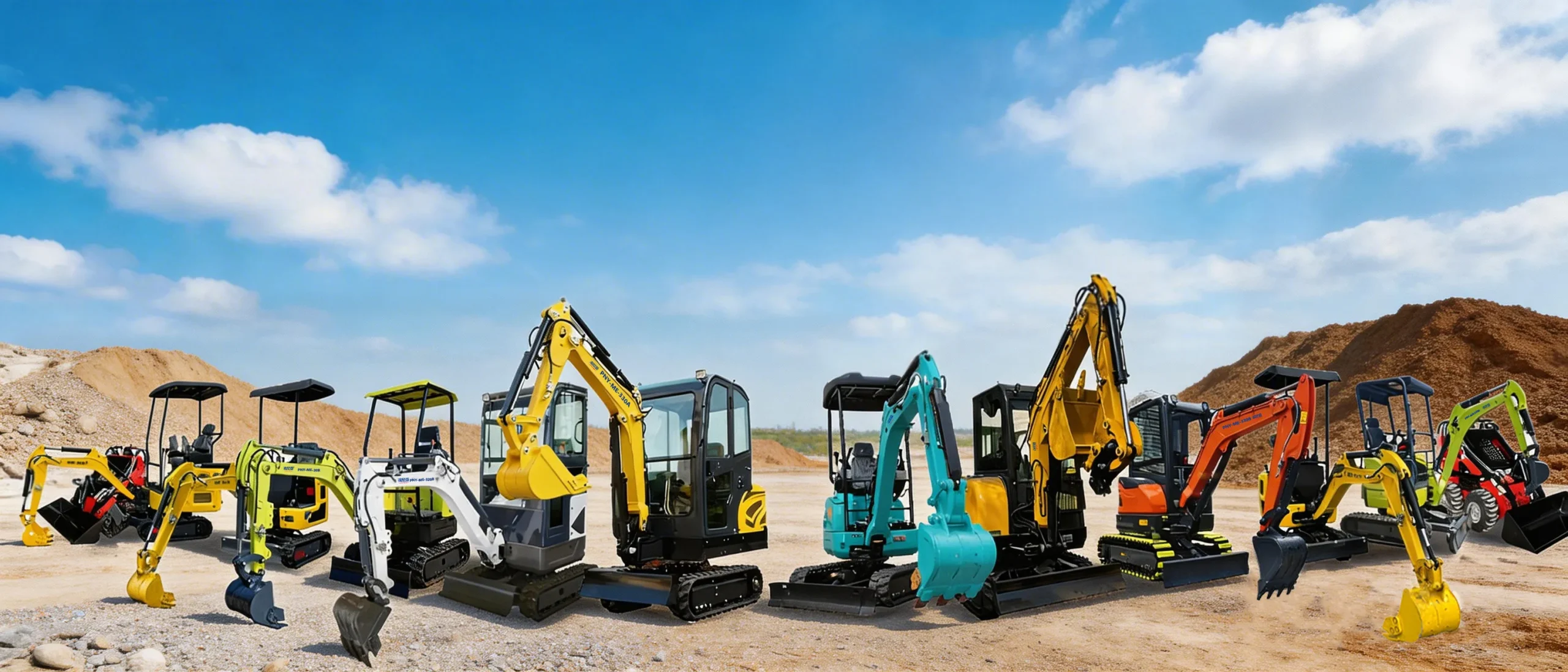
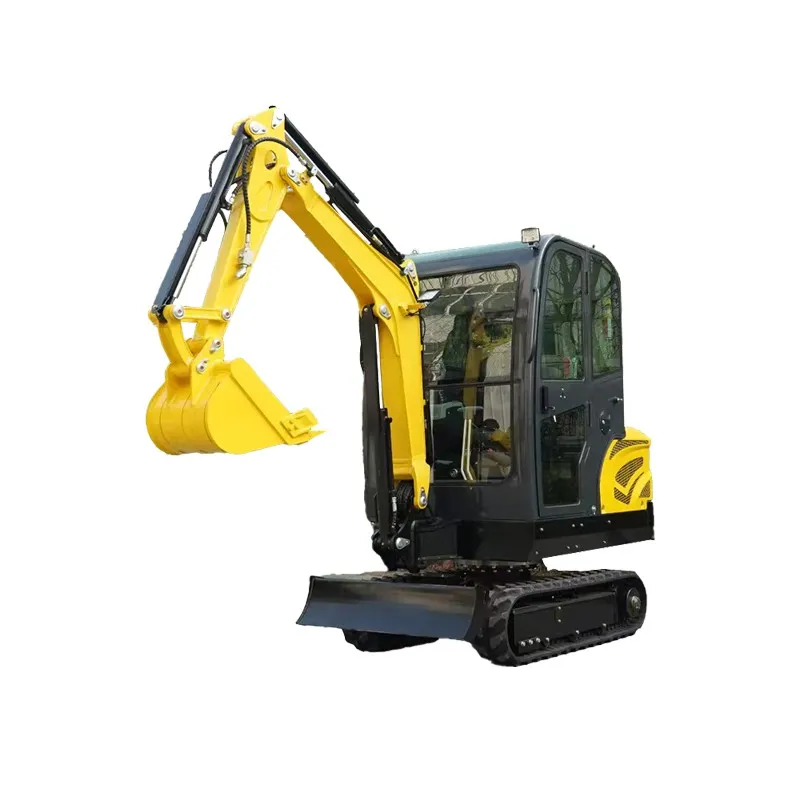
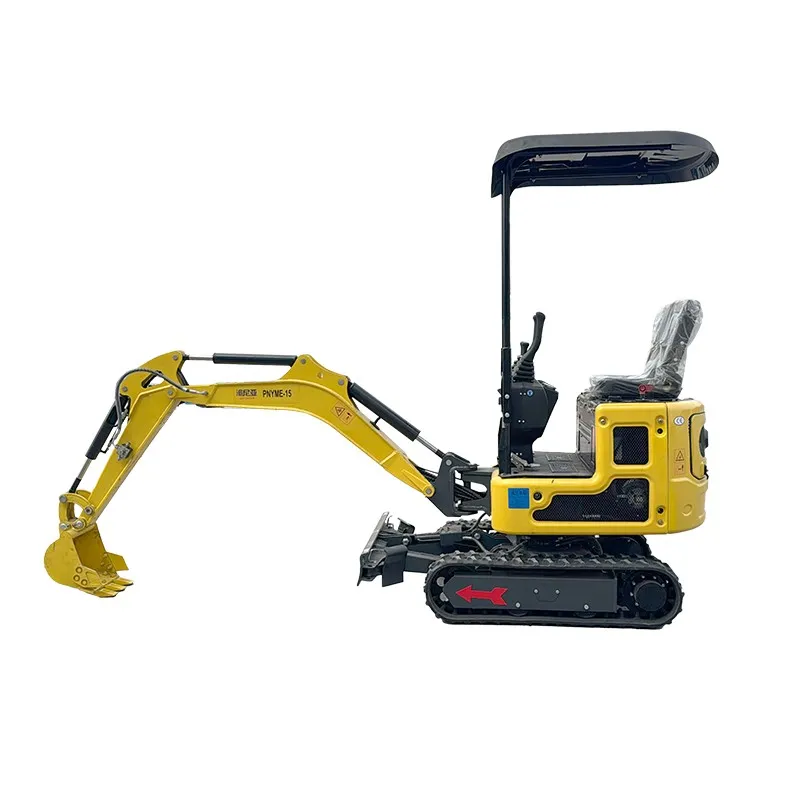
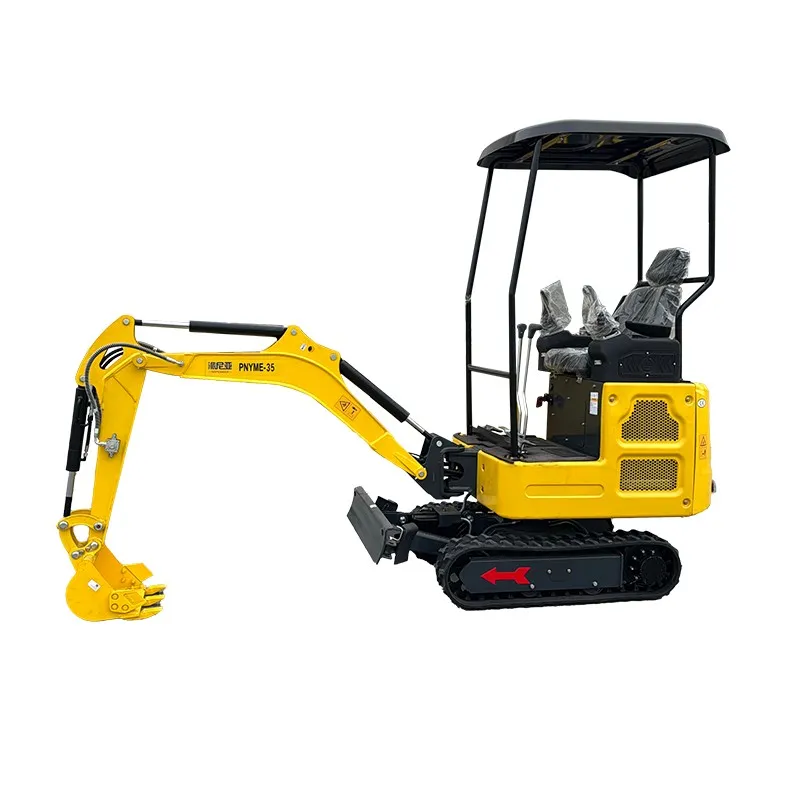
1 ton mini excavator for sale
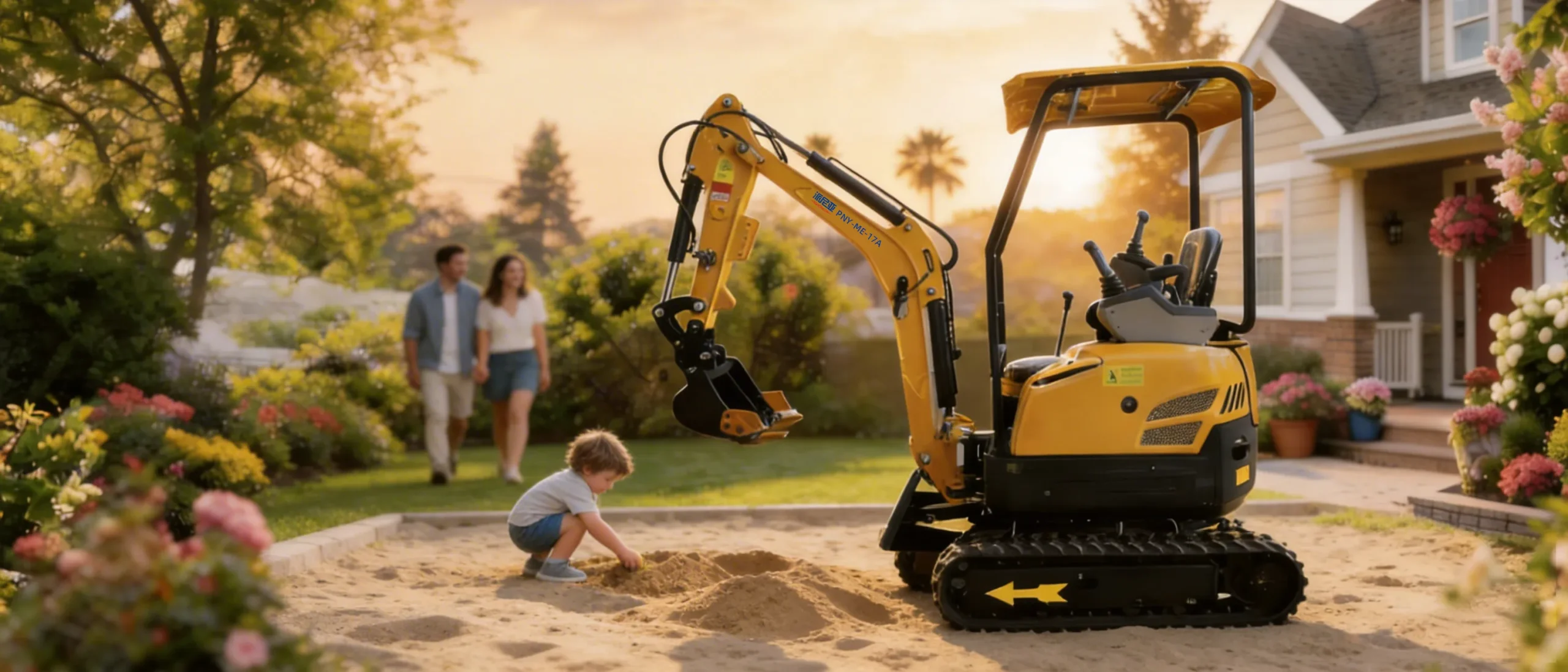
When someone types '1 ton mini excavator for sale' into a search bar, they're usually picturing a simple, cheap, universal little machine. That's the first misconception. The 1-ton class isn't one thing; it's a spectrum from glorified toys to legit compact workhorses, and the price difference reflects that chasm. I've seen guys buy based on sticker price alone and end up with a unit that can't even handle consistent trenching in damp clay—the pumps give up, the undercarriage flexes. The keyword here isn't just 'for sale'; it's 'capable'.
The Core Specs That Aren't in the Brochure
Everyone lists digging depth, engine horsepower, and transport width. Ignore that for a second. For a 1-tonner, you need to ask about the hydraulic pump type. A fixed-displacement gear pump is common on the budget end; it's simple, loud, and wastes a lot of energy as heat. The better units, the ones that can run a hydraulic breaker without overheating in 30 minutes, use variable-displacement piston pumps. You won't see this highlighted in a flashy ad, but it's the difference between a machine that works and one that just runs.
Then there's the swing mechanism. A lot of the cheaper models use a simple pinion-and-gear swing, which is fine for light, occasional use. But for precision work or frequent full-swing cycles, you want a proper slew bearing. It's smoother, more durable, and doesn't develop slop over time. I learned this the hard way on a landscaping job where we needed to precisely place pavers. The machine's swing kept drifting, just a tiny bit, throwing everything off. That machine was a budget import; we sold it at a loss within a year.
Check the steel grade on the boom and arm, especially around the weld points. On some models, you'll see cracking appear after a few hundred hours of moderate use. It's not always a design flaw; sometimes it's just lower-quality, high-sulfur steel that's more brittle. A manufacturer confident in their sourcing will often talk about this, or at least have the specs available. If they're vague, be wary.
Where For Sale Meets From Who
The market is flooded. You've got major Japanese brands at a premium, then a swarm of manufacturers, mainly from China, offering seemingly identical specs for 40% less. This is where the real risk is. The brand name on the side often isn't the manufacturer; it's a trading company. You need to find the actual factory. Their longevity and specialization matter. A factory that's been making mini excavators for 15 years is different from one that switched from making agricultural trailers last year.
I've had decent experiences with units from Shandong, where a lot of this industry is clustered. For instance, Shandong Pioneer Engineering Machinery Co., Ltd is a name that comes up. They've been around since 2004, which in this fast-moving sector, suggests some stability. Their recent relocation in 2023 to a new facility in Ningyang usually indicates growth and investment in production lines, which is a positive signal. They operate with Shandong Hexin handling manufacturing and Pioneer handling overseas trade, which is a common and sensible structure for export-focused firms. Their machines are in markets like the US, Canada, and Australia—countries with stringent safety and emissions expectations. That's a better proxy for quality than a website's fancy graphics.
But exported to doesn't automatically mean perfect for. You must match the machine's design ethos to your work. Some are built for lightweight utility work in confined spaces—think indoor demolition or garden landscaping. Others are built tougher, for rental yards or light construction. A company like the one mentioned often caters to the latter segment, building machines meant to withstand more cyclical use.
The On-Site Reality Check
Let's talk about the actual job site. A 1-ton machine's greatest asset is its accessibility. It fits through a standard yard gate, can be towed behind a heavy-duty pickup, and doesn't require a low-loader. But this advantage vanishes if the machine lacks the power to do its job. I used one for basement window well excavations. The soil was compacted clay. A good machine with well-calibrated hydraulics and adequate bucket force could curl and lift. A poor one would just stall or drag the machine toward the hole.
Operator comfort is huge for productivity. Does the cab have room for a full-size adult? Are the controls adjustable? Is there a proper suspension seat, or just a plastic pad? You'll be on it for hours. A machine that fatigues the operator is an expensive machine, no matter its purchase price. Look for proportional auxiliary hydraulics, too. The ability to finely control a thumb or a breaker is not a luxury; it's what separates a precision tool from a blunt instrument.
Pricing and the Hidden Cost of a Deal
Seeing a 1 ton mini excavator for sale at $12,000 is tempting when the known brands start at $18,000. But you have to build a total cost model. First, parts availability. Does the supplier or manufacturer stock common wear items—track pads, sprockets, hydraulic hoses, filters—in your region? Waiting six weeks for a $50 seal from overseas means your machine is a $12,000 paperweight.
Second, service support. Is there a technical manual you can access? Are there wiring diagrams? Some of the lower-tier machines have documentation that's poorly translated or nonexistent. I spent two days tracing a electrical fault on a machine once because the wiring diagram was literally wrong. That's downtime you pay for.
The duty cycle matters. A machine designed for intermittent use (say, 4 hours a day) will have different cooling and filtration systems than one built for 8-10 hour days. Pushing the former into the latter's role leads to premature failure. The price often reflects this intended use. A true industrial-grade 1-tonner, even from a value-focused manufacturer, will rarely be the absolute cheapest on the market.
Final Judgment: Making the Call
So, how do you decide? It starts by being brutally honest about your needs. Is this for occasional farm use, or for a small contracting business where it will earn its keep daily? For the former, a simpler, more affordable unit might suffice. For the latter, you're buying a piece of your livelihood. You need durability, support, and capable engineering.
Look beyond the first page of search results. Dig into the manufacturer's history. A company like Shandong Pioneer, with nearly two decades in the game and a clear export footprint, represents a different tier than anonymous online sellers. Their establishment in 2004 and subsequent growth suggests accumulated know-how. Visit their site, look for detail in their specifications, and see if they discuss the components they use. Do they name their hydraulic pump supplier? Their engine partner? Transparency is a good indicator of confidence.
Ultimately, the right mini excavator for sale is the one whose total cost of ownership—purchase price, maintenance cost, downtime cost, and resale value—aligns with your work. It's never just about the tonnage or the price tag. It's about the steel, the hydraulics, the support behind it, and whether it can reliably do the job you're buying it for, hour after hour, without becoming a project itself. Test it, if you can. Feel the controls, listen to the hydraulics under strain. Your gut feeling, informed by these details, is usually right.
Related Products
Related Products