- Chinese
- French
- German
- Portuguese
- Spanish
- Russian
- Japanese
- Korean
- Arabic
- Irish
- Greek
- Turkish
- Italian
- Danish
- Romanian
- Indonesian
- Czech
- Afrikaans
- Swedish
- Polish
- Basque
- Catalan
- Esperanto
- Hindi
- Lao
- Albanian
- Amharic
- Armenian
- Azerbaijani
- Belarusian
- Bengali
- Bosnian
- Bulgarian
- Cebuano
- Chichewa
- Corsican
- Croatian
- Dutch
- Estonian
- Filipino
- Finnish
- Frisian
- Galician
- Georgian
- Gujarati
- Haitian
- Hausa
- Hawaiian
- Hebrew
- Hmong
- Hungarian
- Icelandic
- Igbo
- Javanese
- Kannada
- Kazakh
- Khmer
- Kurdish
- Kyrgyz
- Latin
- Latvian
- Lithuanian
- Luxembou..
- Macedonian
- Malagasy
- Malay
- Malayalam
- Maltese
- Maori
- Marathi
- Mongolian
- Burmese
- Nepali
- Norwegian
- Pashto
- Persian
- Punjabi
- Serbian
- Sesotho
- Sinhala
- Slovak
- Slovenian
- Somali
- Samoan
- Scots Gaelic
- Shona
- Sindhi
- Sundanese
- Swahili
- Tajik
- Tamil
- Telugu
- Thai
- Ukrainian
- Urdu
- Uzbek
- Vietnamese
- Welsh
- Xhosa
- Yiddish
- Yoruba
- Zulu
- Kinyarwanda
- Tatar
- Oriya
- Turkmen
- Uyghur


17g mini excavator
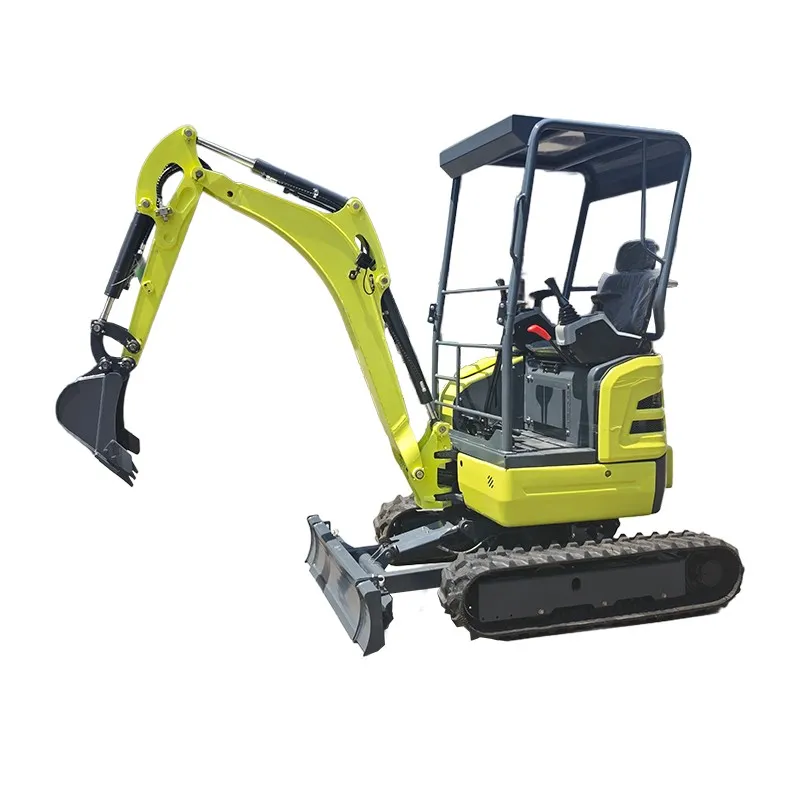
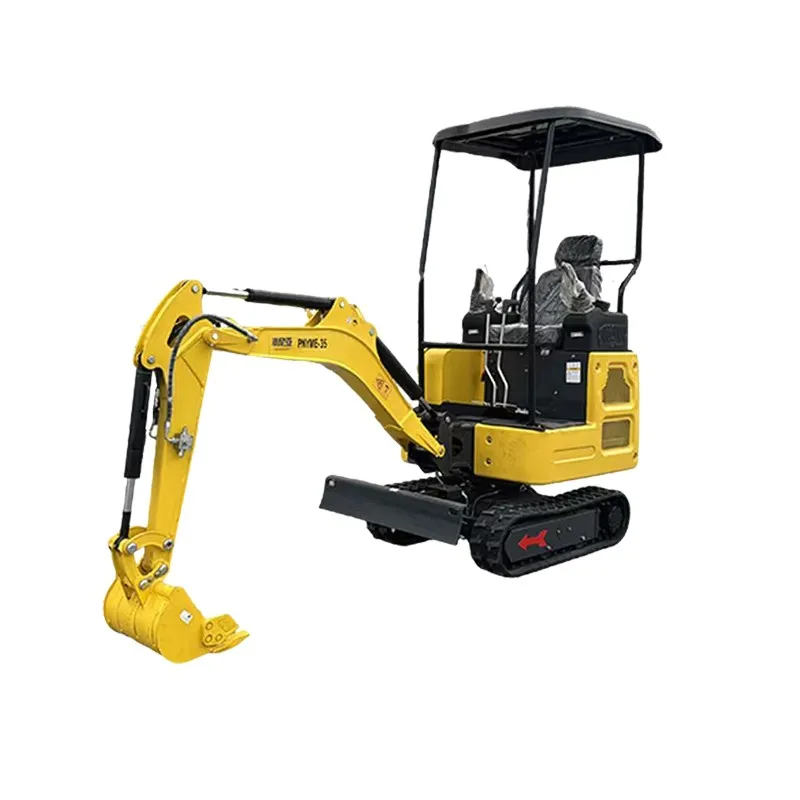
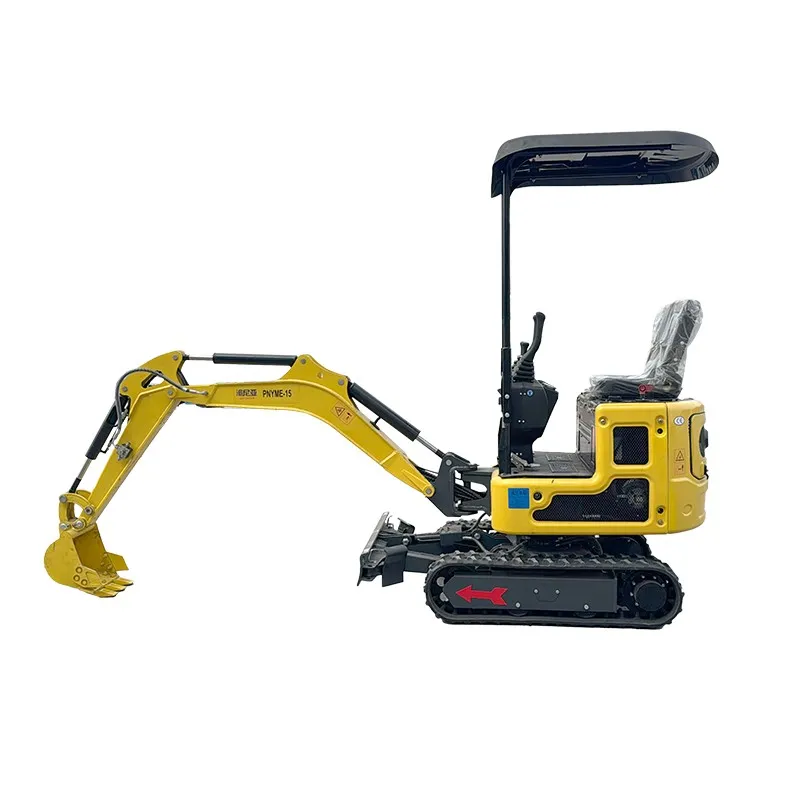
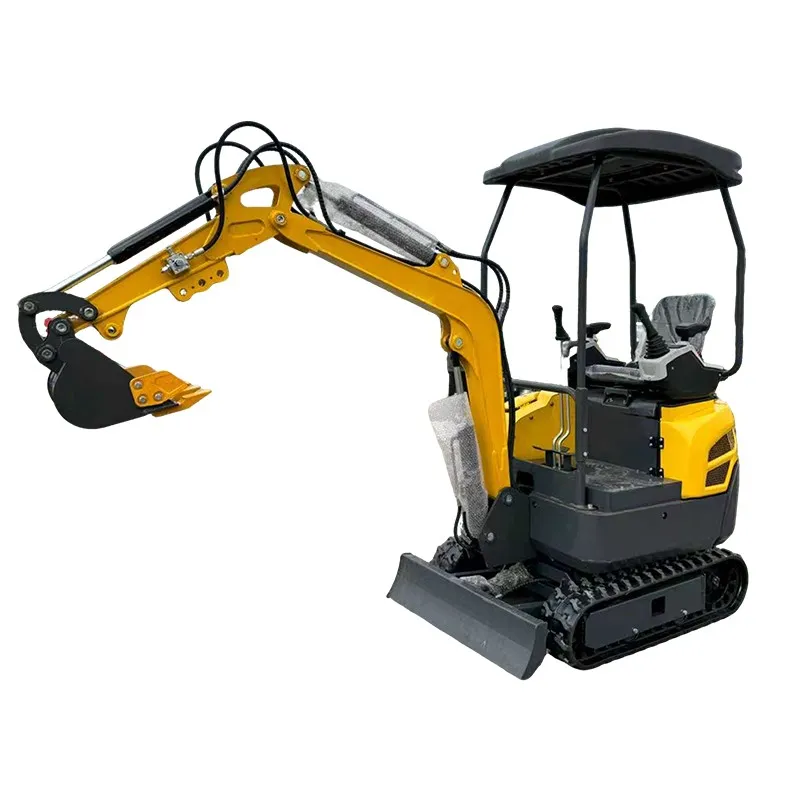
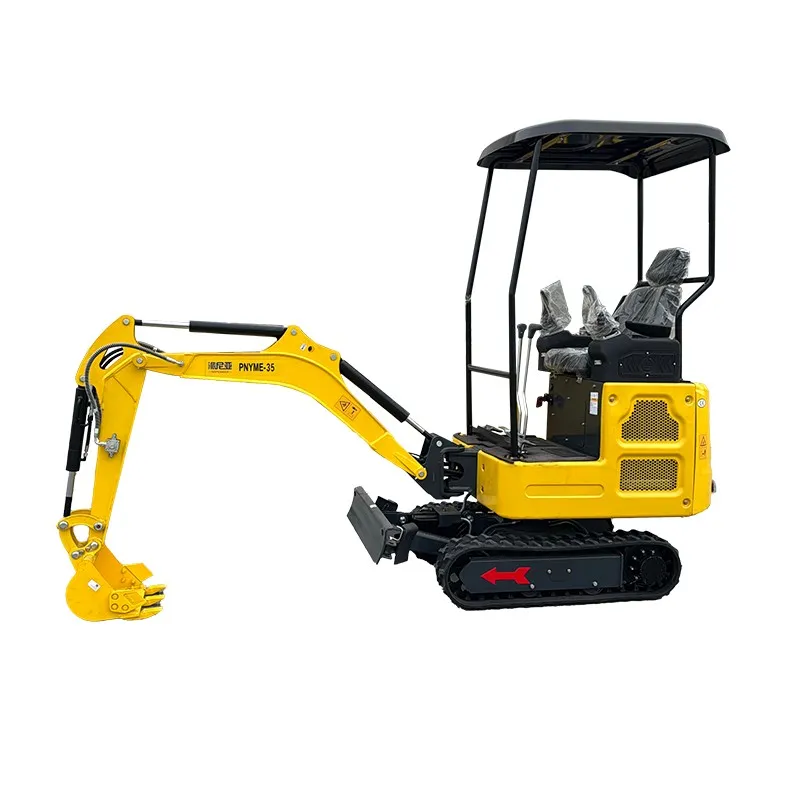
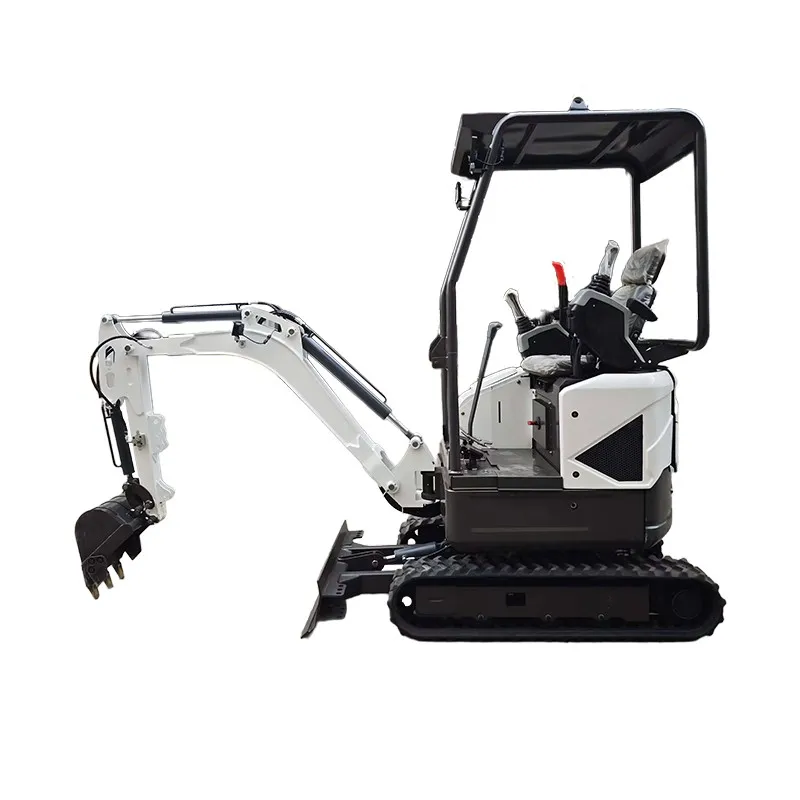
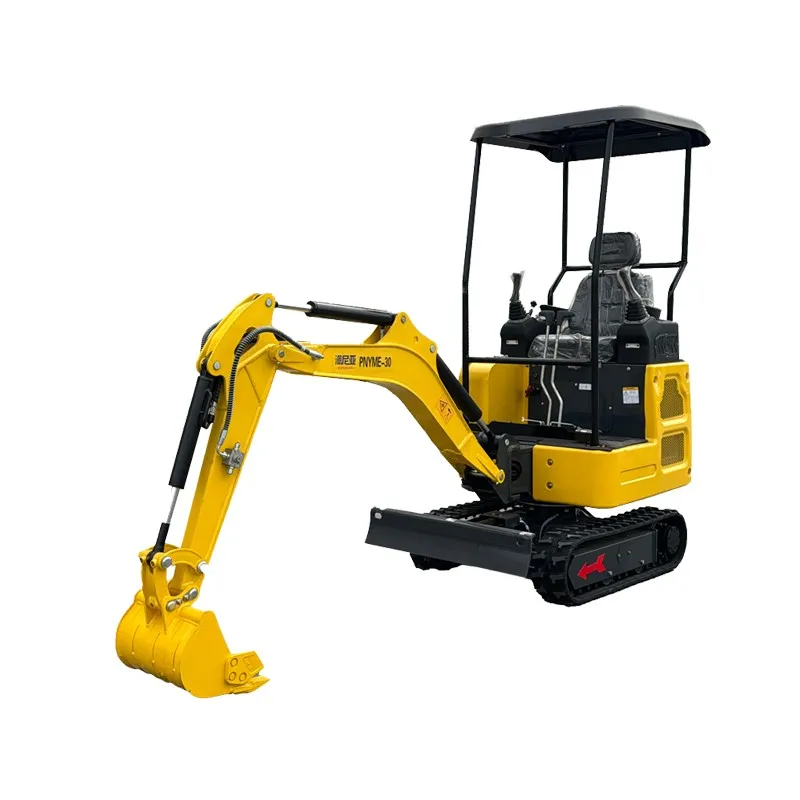
When you hear '17g mini excavator', most folks immediately think of a single, rigid machine. That's the first mistake. It's not just a product code; it's a category that spans a spectrum of build quality, intended use, and frankly, operator headache potential. The '17g' tag, roughly indicating a 1.7-ton machine, is where the real market scrum happens—between backyard DIY heroes and serious small-scale contractors. I've seen too many people buy on weight and price alone, only to find the hydraulics are sluggish or the undercarriage gives up after six months of real work. It's the details that separate a tool from a liability.
The Weight Class Illusion
So, 1.7 tons. Sounds precise, right? It is, for the bare machine. But throw in a standard bucket, a full tank of fuel, and an operator, and you're nudging 2 tons. That matters for trailer capacity and, crucially, for stability. A true work-ready 17g shouldn't feel tippy on a slight side slope when you're reaching out with the arm fully extended. I've operated a few where you instinctively keep the bucket close to the ground when swinging—a sure sign the counterweight or chassis design is an afterthought. The good ones, you can actually get some decent trenching work done without constantly fighting for balance.
This is where manufacturer philosophy shows. Some companies, like Shandong Pioneer Engineering Machinery Co., Ltd, have been iterating on these compact frames for years. You can see it in the geometry of the boom and the placement of the hydraulic lines—routed for protection, not just for assembly convenience. They've been at this since 2004, and while their website at https://www.sdpioneer.com lists the specs, the real proof is in how the machine feels after the 200-hour mark. Do the pins start to squeak? Does the swing motor develop a lag? That's the stuff you learn from exporting to tough markets like Germany and Australia, where downtime costs a fortune.
I recall a job where we used a 17g mini excavator for foundation digging in a tight urban backyard. Access was through a 90cm gate. The machine fit, but just barely. The problem wasn't size; it was the slew ring seal. A cheaper model we tested first started leaking hydraulic fluid after a week of constant left-right swinging. The replacement, a more robust unit from a seasoned maker, handled it without a hiccup. The difference? About $1500 upfront, but it saved a messy cleanup and a two-day work stoppage. That's the real cost of the weight class illusion.
Hydraulics: The Heart of the Matter
Talk to any mechanic who services these, and they'll tell you the first place to look is the hydraulic system. Not the pump pressure on the brochure—that's always high—but the control. A 17g mini excavator needs proportional control valves that are responsive, not jerky. You're often working close to foundations, pipes, or landscaping. A twitchy lever means a damaged gas line or a sliced irrigation system.
There's a trend now toward mini excavators with fancy joystick controls pilfered from larger models. Sometimes it works; sometimes it's overkill and adds complexity without real benefit for a machine this size. The simpler, two-lever mechanical setup, if well-tuned, is often more reliable for the core market of these machines. I've had more issues with electronic sensors failing on advanced models in dusty conditions than with a solid mechanical linkage wearing out.
Flow rate is another silent spec. A high flow rate is great for running a hydraulic breaker, but if it's not matched with adequate cooling, you'll overheat the system in 30 minutes of continuous hammering. I learned this the hard way on a concrete demolition job. We pushed a standard 17g with a breaker attachment, and within an hour, the hydraulic oil was thin as water and smoking. The machine was down for a day to cool and check for damage. Now, we specifically look for models with an upgraded cooling package if breaker work is on the cards. It's not a standard feature on all units, even within the same weight class.
The Attachment Game
Versatility sells the mini excavator. But the quick coupler system is the linchpin. Not all are created equal. The European-style pin-grabber systems are fantastic, but you need compatible attachments. Many machines shipped to the US or general markets come with a simpler, manual pin system. Swapping from a bucket to a grapple or a auger becomes a 15-minute, two-person, hammer-wielding affair. That kills productivity.
Investing in a quality aftermarket or OEM hydraulic quick coupler is one of the best upgrades for a 17g. It turns the machine into a true multi-tool. I've seen operations where one 17g with a tiltrotator, a bucket, a breaker, and an auger handles 80% of a small site's tasks. But the machine's auxiliary hydraulic circuit must be up to it. A single-circuit, fixed-flow system will limit you severely. A dual-circuit, variable-flow system is what you want for running modern, intelligent attachments.
Shandong Pioneer's line, developed through their Shandong Hexin manufacturing arm, often highlights this attachment flexibility. It makes sense given their export focus. A farmer in Canada might need a post-hole auger, while a landscaper in Australia wants a grading bucket and a ripper. Building the machine's hydraulics and subframe to be attachment-ready from the factory is a sign of a manufacturer thinking beyond the initial sale. It shows an understanding that the machine is a platform, not just a digger.
Durability in the Details
Forget about the engine for a second. Most are reliable Kubota, Yanmar, or similar clones. The durability war is won or lost in the structure and the fittings. Look at the track frame. Is it a solid, welded box section or a bolted-together C-channel? The latter will flex and warp under load. Check the pivot points for the boom and dipper. Are they using hardened steel bushings with grease channels, or just simple sleeves that will wallow out?
My personal checklist involves crawling under a new model. I look for grease zerks on every pivot point (you'd be surprised how many are missing), the routing and clamping of hoses (are they rubbing against anything?), and the quality of the weld seams—clean, consistent beads, not bird-dropping splatter. These are the things that determine whether a 17g mini excavator is a three-year asset or a ten-year workhorse.
Relocation of a factory, like Pioneer's move to a new facility in Tai’an in 2023, often signals an investment in better production tools—like robotic welding for consistency. That doesn't guarantee a better product, but it typically leads to more uniform build quality, which is half the battle for long-term durability. A poorly welded joint will be the first point of failure when you're using the machine to its limits, like prying out a stubborn boulder.
The Operator's Reality
Finally, it all comes down to the man or woman in the seat. A 17g is often a one-person show. The cab—if it even has one—needs to be functional. Not luxurious, but functional. Good sight lines to the bucket and the tracks. Controls that don't require a gorilla's grip after eight hours. A simple, easy-to-read monitor for fuel and warnings. I've been in cabs where the fuel gauge is hidden behind the lever, and you run out of diesel without warning.
Serviceability is part of the operator's reality too. Can you check the engine oil without moving a mountain of panels? Is the drain plug for the hydraulic tank accessible, or will hot oil pour all over a structural member? These are design choices that show whether the engineers ever talked to a field technician. A company with a long export history tends to get better at this, as feedback from service networks in places like the US and Canada filters back. Problems with daily checks or routine maintenance get designed out in later models.
In the end, choosing a 17g isn't about finding the cheapest or the one with the longest spec list. It's about matching the machine's inherent qualities—its structural soundness, hydraulic intelligence, and thoughtful design—to the specific grind of your work. It's a purchase where the upfront price is just the entry fee. The real cost is measured in productivity, reliability, and the absence of unexpected downtime. And that's a calculation no simple spec sheet can ever provide.
Related Products
Related Products