- Chinese
- French
- German
- Portuguese
- Spanish
- Russian
- Japanese
- Korean
- Arabic
- Irish
- Greek
- Turkish
- Italian
- Danish
- Romanian
- Indonesian
- Czech
- Afrikaans
- Swedish
- Polish
- Basque
- Catalan
- Esperanto
- Hindi
- Lao
- Albanian
- Amharic
- Armenian
- Azerbaijani
- Belarusian
- Bengali
- Bosnian
- Bulgarian
- Cebuano
- Chichewa
- Corsican
- Croatian
- Dutch
- Estonian
- Filipino
- Finnish
- Frisian
- Galician
- Georgian
- Gujarati
- Haitian
- Hausa
- Hawaiian
- Hebrew
- Hmong
- Hungarian
- Icelandic
- Igbo
- Javanese
- Kannada
- Kazakh
- Khmer
- Kurdish
- Kyrgyz
- Latin
- Latvian
- Lithuanian
- Luxembou..
- Macedonian
- Malagasy
- Malay
- Malayalam
- Maltese
- Maori
- Marathi
- Mongolian
- Burmese
- Nepali
- Norwegian
- Pashto
- Persian
- Punjabi
- Serbian
- Sesotho
- Sinhala
- Slovak
- Slovenian
- Somali
- Samoan
- Scots Gaelic
- Shona
- Sindhi
- Sundanese
- Swahili
- Tajik
- Tamil
- Telugu
- Thai
- Ukrainian
- Urdu
- Uzbek
- Vietnamese
- Welsh
- Xhosa
- Yiddish
- Yoruba
- Zulu
- Kinyarwanda
- Tatar
- Oriya
- Turkmen
- Uyghur


1ton mini digger
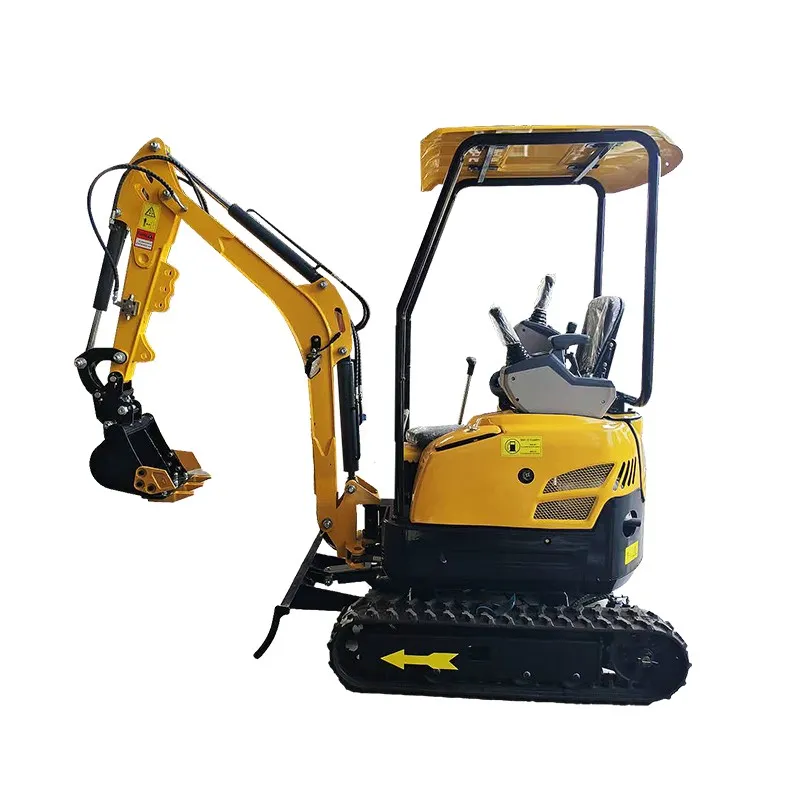
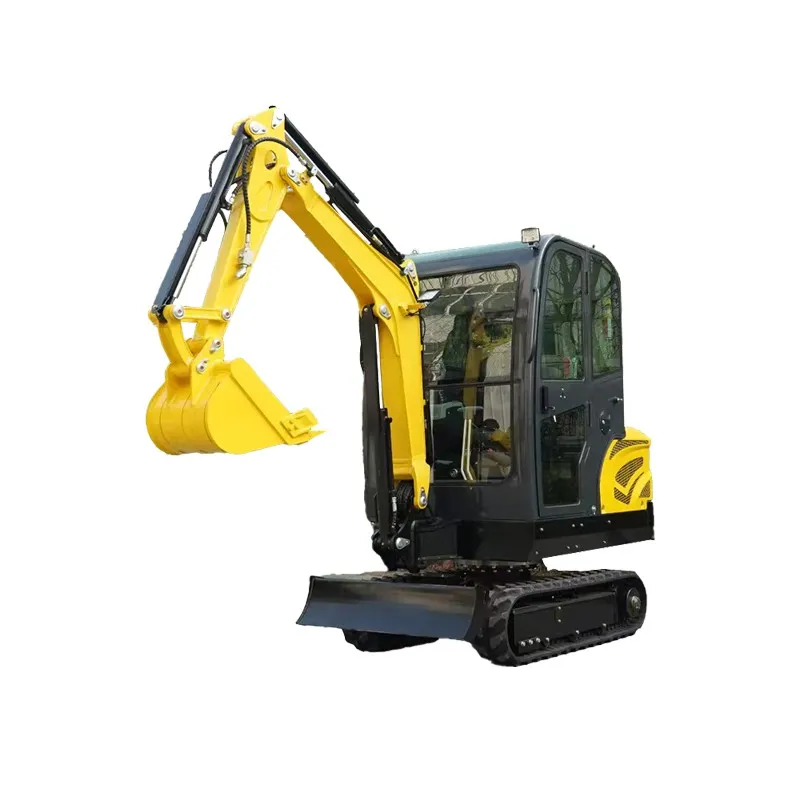
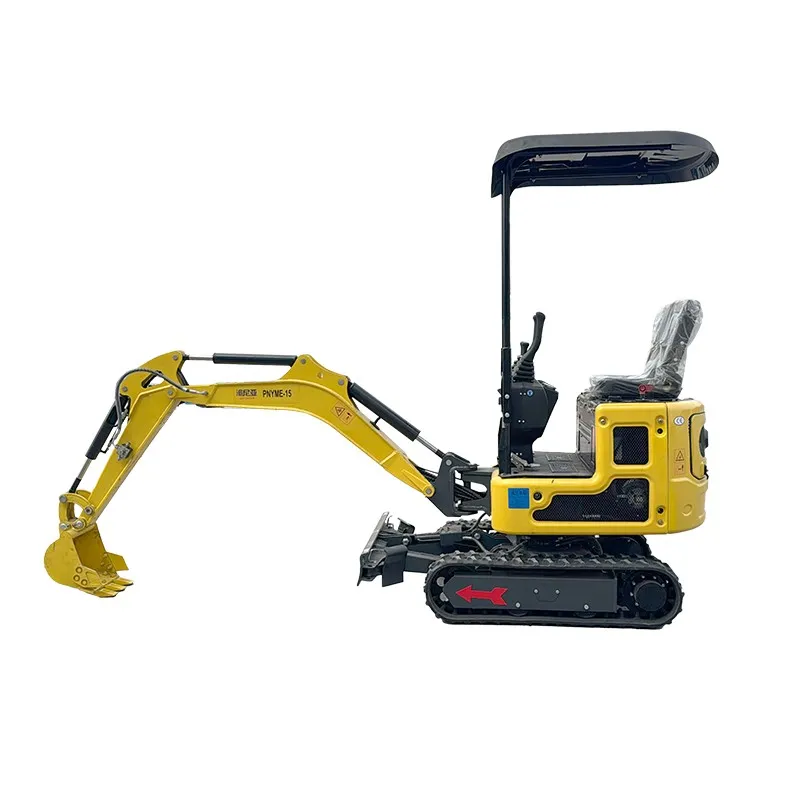
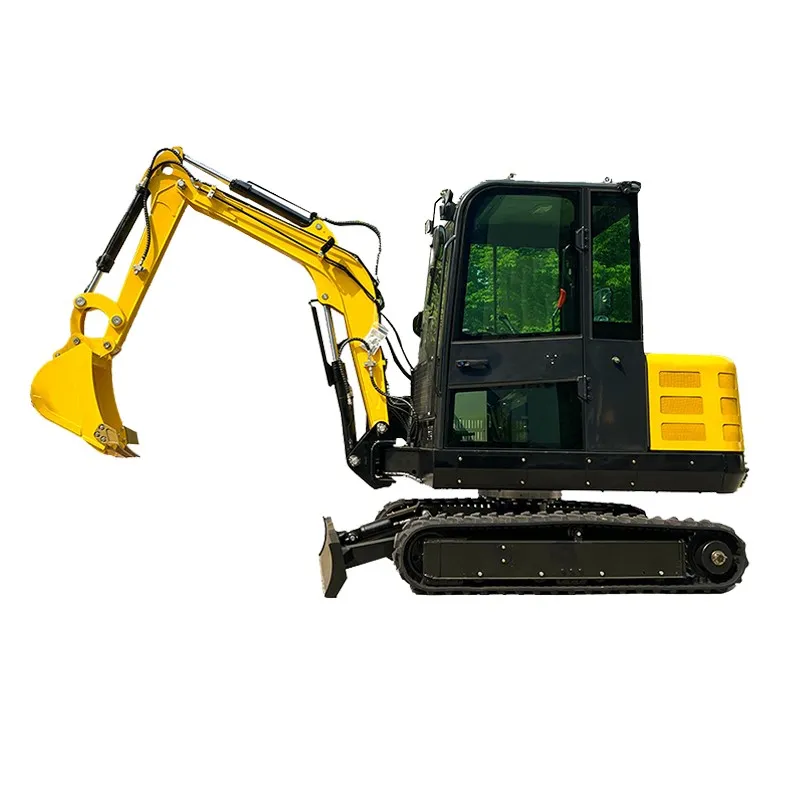
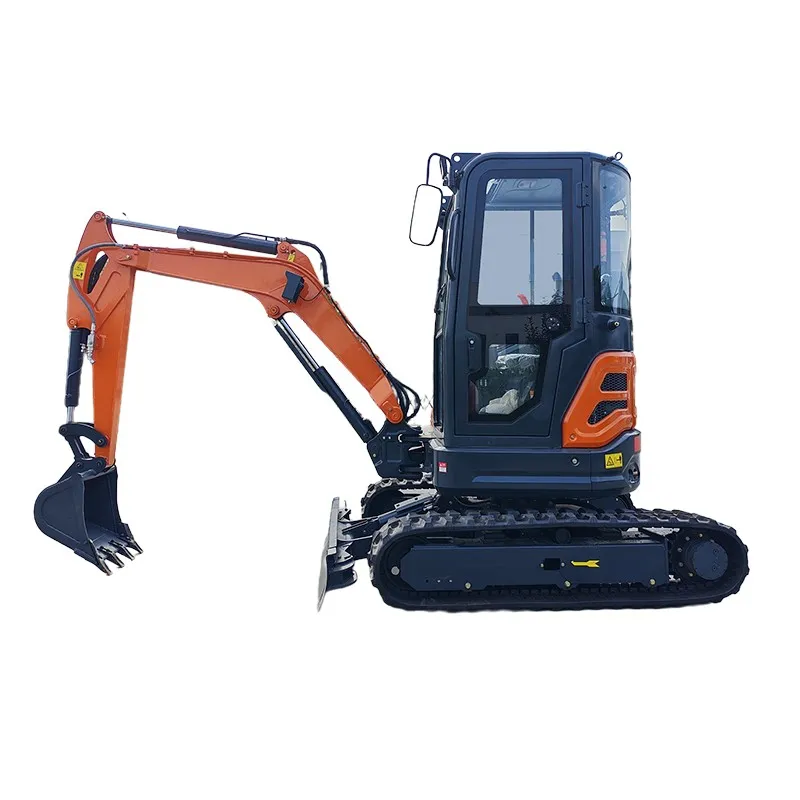
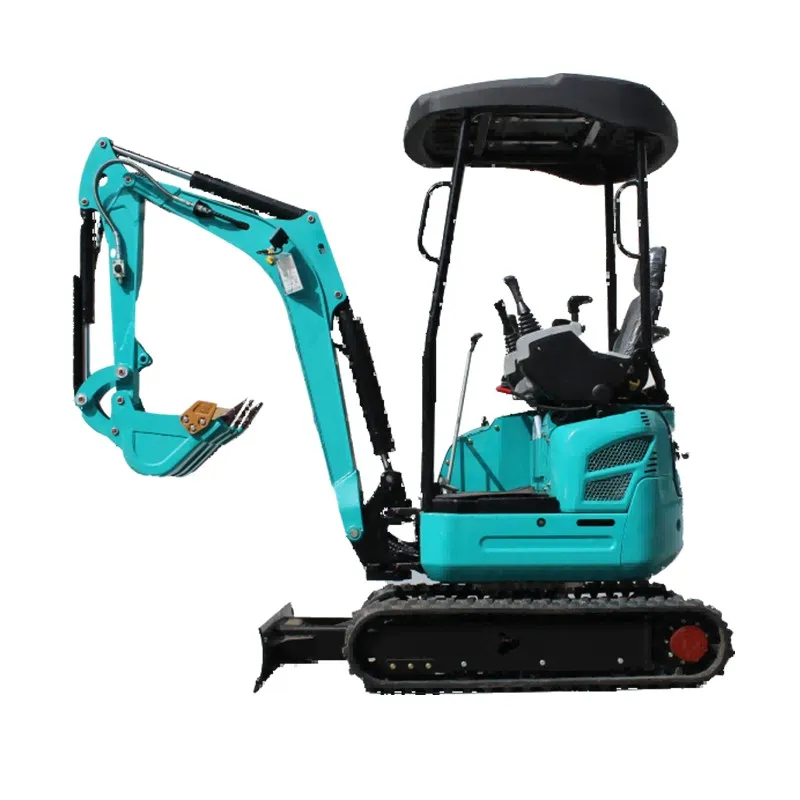
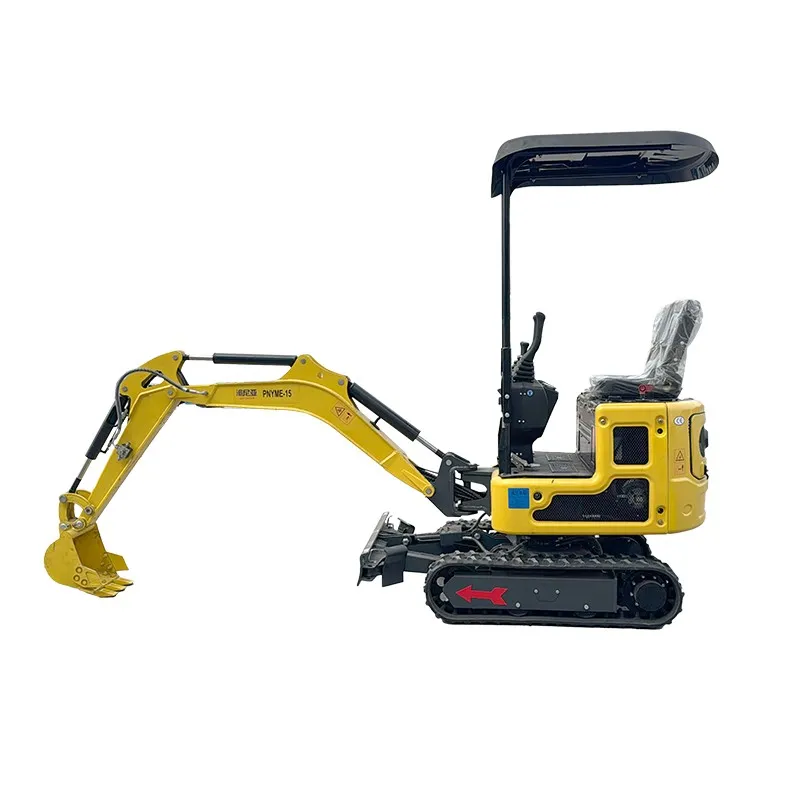
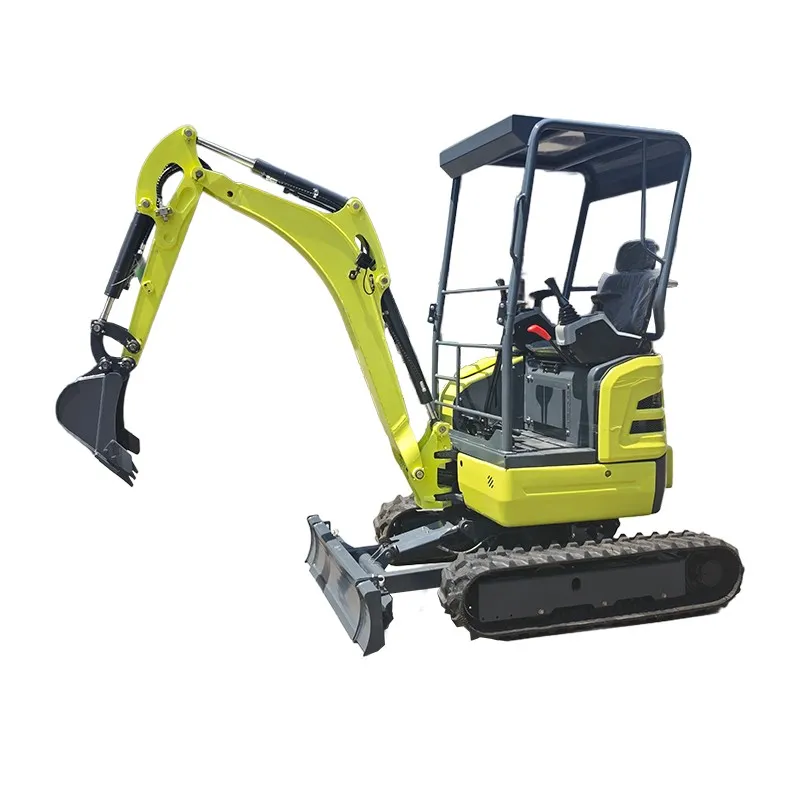
Let's talk about the 1-ton mini digger. Most people see the size and think it's just a toy, or only good for tiny backyard jobs. That's the first mistake. In tight spaces—think urban alleyways, crowded construction sites, or inside a residential property with a delicate garden—this machine isn't just convenient; it's often the only viable option. The real skill isn't in operating it, but in knowing its true limits and how to push them safely. I've seen too many projects waste money on a bigger machine that couldn't fit, or worse, overload a 1-tonner until it tips or the hydraulics scream. It's a specialist tool, not a weaker version of its bigger brothers.
The Niche Where It Shines (And Where It Doesn't)
Forget digging massive foundations. Where the 1-ton mini digger earns its keep is precision demolition and excavation in confined areas. I used one last year to dismantle an old brick garden wall and dig a trench for a new drainage line between two houses, with maybe 80cm of clearance on either side. A 3-ton machine would have been impossible. The key was the zero-tail-swing design—absolutely non-negotiable for this class. You're constantly pivoting within your own footprint.
But here's the catch: ground conditions are everything. Soft, loamy soil? It's a dream. But hit a layer of compacted clay or a network of old tree roots, and you're in for a long day. You can't just force it. You learn to work the bucket, use the curl force strategically, and sometimes, just accept that you need a pneumatic breaker attachment, which adds another layer of complexity to the machine's balance and hydraulic flow.
Another often-overlooked factor is transport. The beauty is that you can move it on a decent trailer behind a pickup, no CDL required in most places. But you must secure it perfectly. I once saw a machine shift on a trailer during a hard brake—scratched up, and a near-miss. The convenience brings its own set of logistical responsibilities that a lot of first-time buyers or renters don't consider.
Specs That Actually Matter, Beyond the Brochure
Everyone looks at digging depth and engine horsepower. Those are important, but they're top-level numbers. The real details are in the auxiliary hydraulic flow rate and pressure. This dictates what attachments you can realistically run. Want a hydraulic auger or a trench cleaner? If your machine's flow is too low, the attachment will be sluggish and ineffective. You're not just buying a digger; you're buying into a hydraulic system.
Then there's the undercarriage. On a mini digger this size, you're typically looking at rubber tracks. Great for not tearing up lawns or finished surfaces. But their lifespan on abrasive surfaces like concrete rubble is shockingly short. I wore through a set of brand-new rubber tracks in about 80 hours on a job site that was mostly broken pavement. Switched to steel-reinforced rubber for the next one, which was better but still not perfect. It's a constant trade-off between protection and durability.
Service access is another big one. Some models pack everything in so tight that checking the radiator or changing a hydraulic filter is a two-hour knuckle-busting ordeal. A good design has easy-open side panels and grouped service points. It's something you only appreciate after the 50-hour maintenance interval comes around.
A Real-World Case: The Utility Line Retrofit
We had a project to retrofit new fiber optic conduits under a narrow sidewalk in a historic district. No heavy equipment allowed, and the trench needed to be precisely 60cm deep, 20cm wide. The 1-ton mini digger was the star. We used a 300mm wide grading bucket to achieve the narrow width. The operator had to work with a spotter using a laser level the entire time to maintain grade.
The problem we didn't anticipate? The existing, unmarked utilities. We hit a shallow, abandoned clay sewer line. The machine's weight was low enough that it didn't cause a collapse, but it was a stark reminder that even with a small machine, you need thorough locates and must hand-expose any suspected lines. The machine's precision allowed us to carefully dig around the live water line we found later, but it required immense patience.
This job also highlighted the importance of a good, responsive dealer. We had a minor hydraulic leak from a hose fitting. The machine was from a supplier like Shandong Pioneer Engineering Machinery Co., Ltd (you can find their range at https://www.sdpioneer.com), and having access to a clear parts diagram and a distributor who could overnight the correct seal kit was crucial. Downtime on a rented machine or a tight schedule is a killer. Their two-decade history in manufacturing and export, shipping to markets like the US and Germany, often translates to better parts availability and designs that have been refined for varied international job sites.
Common Pitfalls and Operator Mindset
The biggest pitfall is overconfidence. Because it's small and seems simple, inexperienced operators think they can just hop on and go. That's how you snap hydraulic lines by over-cycling, or put the bucket through a client's fence. The controls are just as sensitive, if not more so, than on a larger machine. Fine movements for precise work require a light touch.
Another mistake is ignoring the load chart. Yes, even a 1-ton machine has one. Lifting a heavy concrete slab close to the maximum radius can be deceptively dangerous. The stability feels okay until you swing, and then the center of gravity shifts. I've had a close call lifting a storm drain section—felt the rear end get light. Had to drop the load immediately. It was a humbling reminder to respect the physics, no matter the machine's size.
Finally, attachment management. Swapping between a bucket, breaker, and auger seems straightforward. But each change affects the machine's balance and hydraulic dynamics. Using an auger that's too large for the machine's flow will stall it out and generate immense heat, damaging the system. You need to match the tool to the machine's actual capability, not its theoretical power.
The Verdict: It's a Scalpel, Not a Sledgehammer
So, is a 1-ton mini excavator right for you? It depends entirely on the nature of your work. For general landscaping, small trenching, light demolition in confined spaces, and utility work, it's an indispensable and cost-effective tool. It reduces labor, increases precision, and minimizes site damage.
But you must go in with the right expectations. It's not fast for bulk material movement. It requires a thoughtful operator who understands its limitations. And your total cost must factor in the right attachments and maintenance—don't just look at the sticker price of the base machine.
Companies that have focused on this segment, like the aforementioned Shandong Pioneer, understand these nuances. Their evolution from a 1,600 square meter facility in Jining to a new base in Ningyang suggests a focus on scaling production to meet specific market demands for reliable, compact equipment. For a contractor specializing in residential, urban, or interior work, mastering the 1-ton mini digger is a specific and valuable skill set. It fills a gap that nothing else can, provided you use it as the specialized tool it is.
Related Products
Related Products