- Chinese
- French
- German
- Portuguese
- Spanish
- Russian
- Japanese
- Korean
- Arabic
- Irish
- Greek
- Turkish
- Italian
- Danish
- Romanian
- Indonesian
- Czech
- Afrikaans
- Swedish
- Polish
- Basque
- Catalan
- Esperanto
- Hindi
- Lao
- Albanian
- Amharic
- Armenian
- Azerbaijani
- Belarusian
- Bengali
- Bosnian
- Bulgarian
- Cebuano
- Chichewa
- Corsican
- Croatian
- Dutch
- Estonian
- Filipino
- Finnish
- Frisian
- Galician
- Georgian
- Gujarati
- Haitian
- Hausa
- Hawaiian
- Hebrew
- Hmong
- Hungarian
- Icelandic
- Igbo
- Javanese
- Kannada
- Kazakh
- Khmer
- Kurdish
- Kyrgyz
- Latin
- Latvian
- Lithuanian
- Luxembou..
- Macedonian
- Malagasy
- Malay
- Malayalam
- Maltese
- Maori
- Marathi
- Mongolian
- Burmese
- Nepali
- Norwegian
- Pashto
- Persian
- Punjabi
- Serbian
- Sesotho
- Sinhala
- Slovak
- Slovenian
- Somali
- Samoan
- Scots Gaelic
- Shona
- Sindhi
- Sundanese
- Swahili
- Tajik
- Tamil
- Telugu
- Thai
- Ukrainian
- Urdu
- Uzbek
- Vietnamese
- Welsh
- Xhosa
- Yiddish
- Yoruba
- Zulu
- Kinyarwanda
- Tatar
- Oriya
- Turkmen
- Uyghur


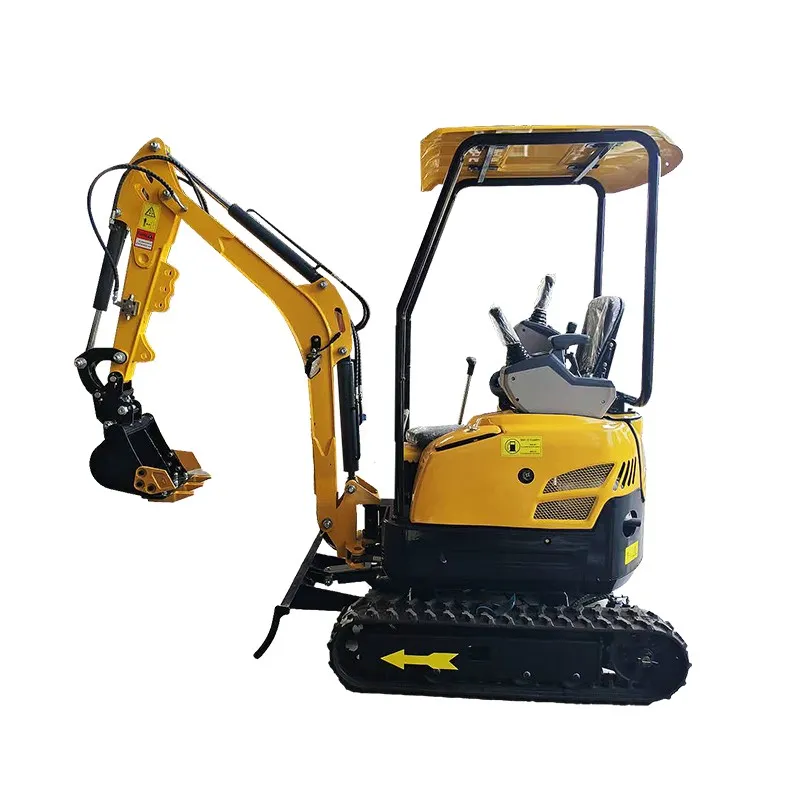
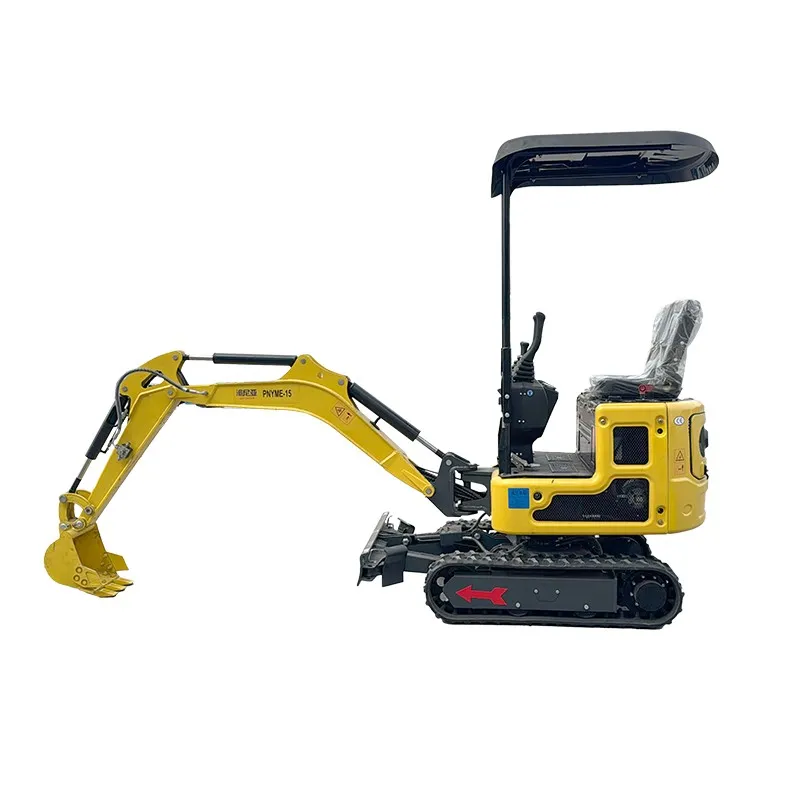
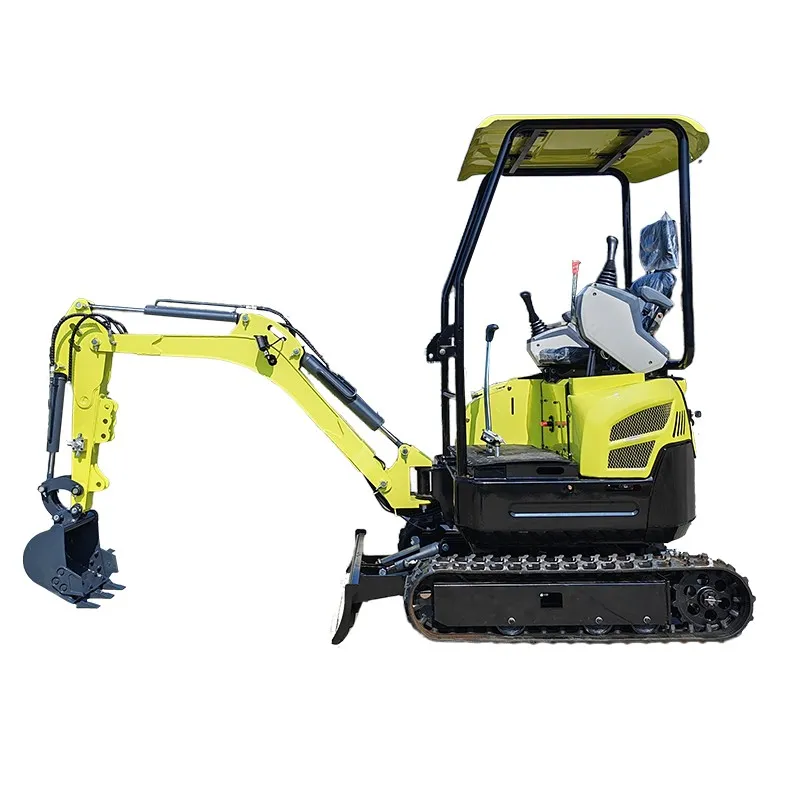
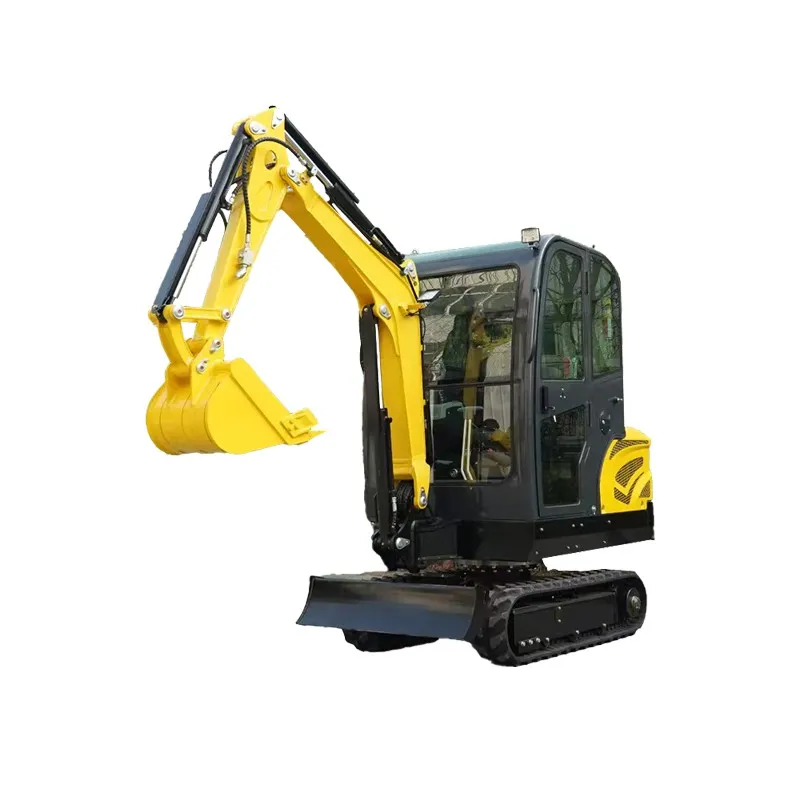
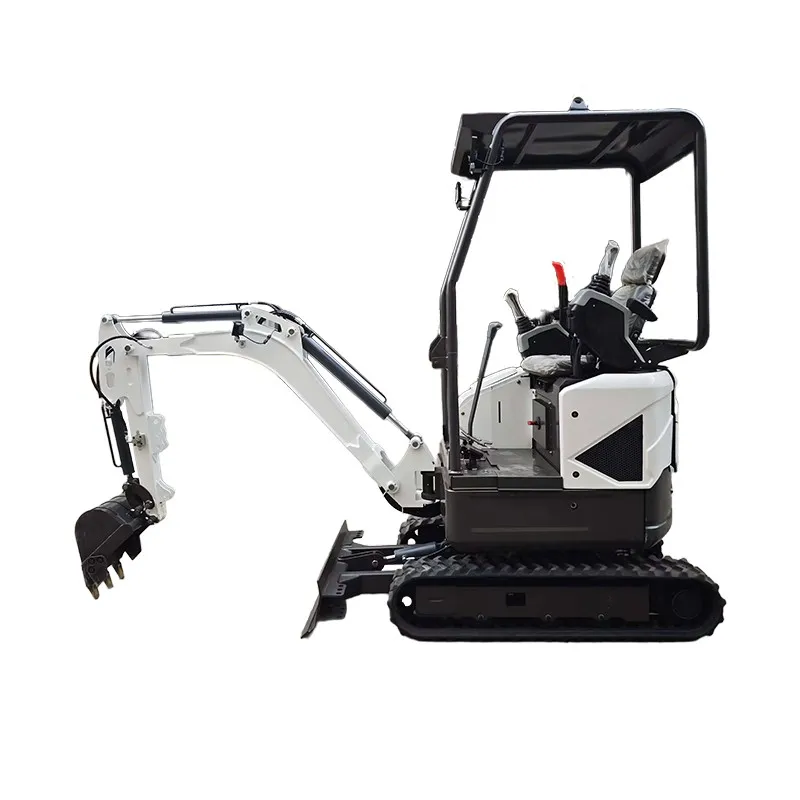
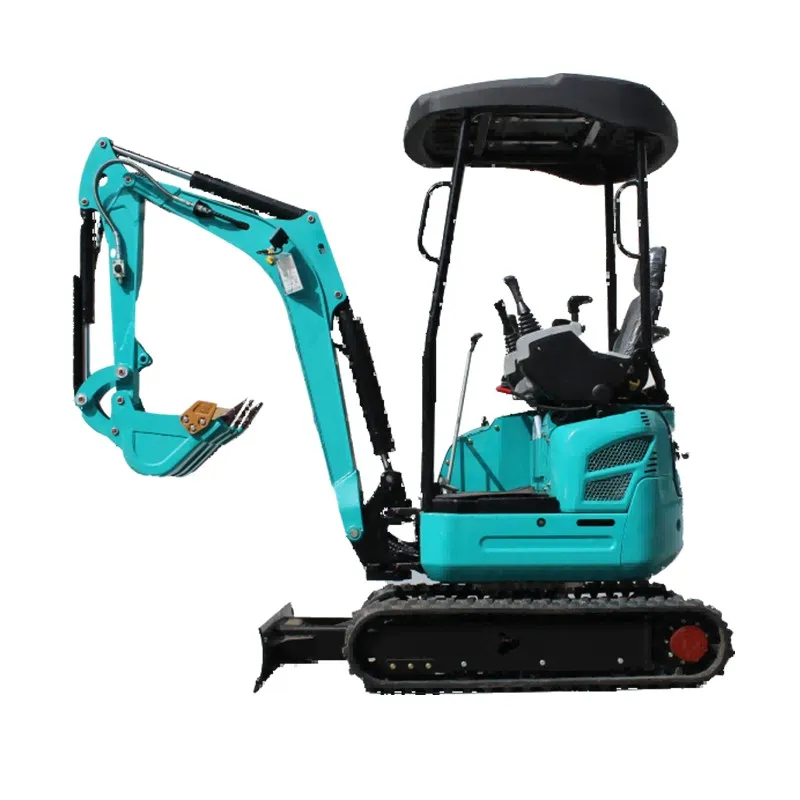
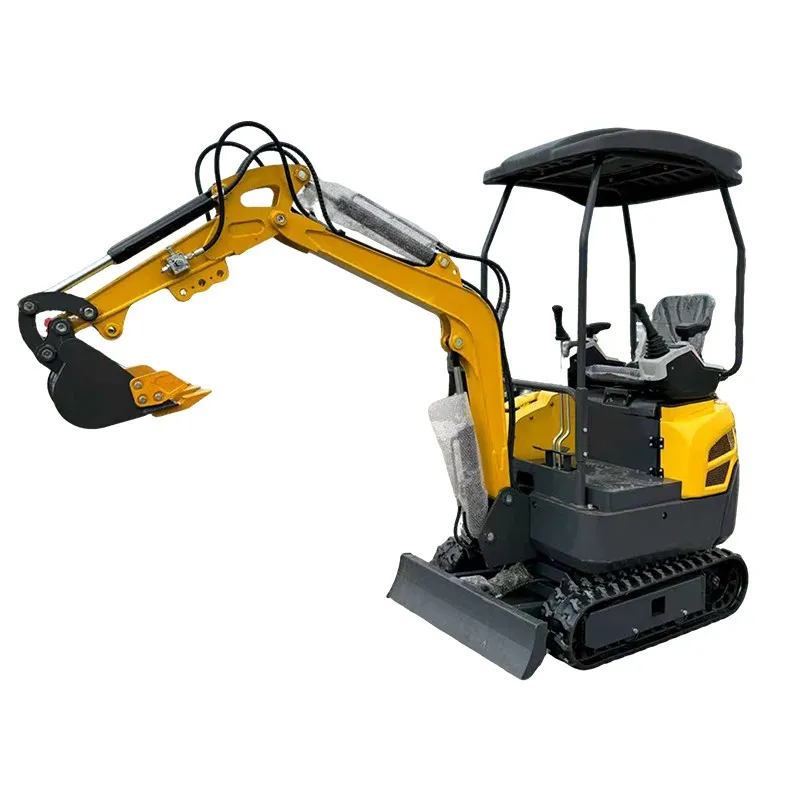
2 ton mini excavator
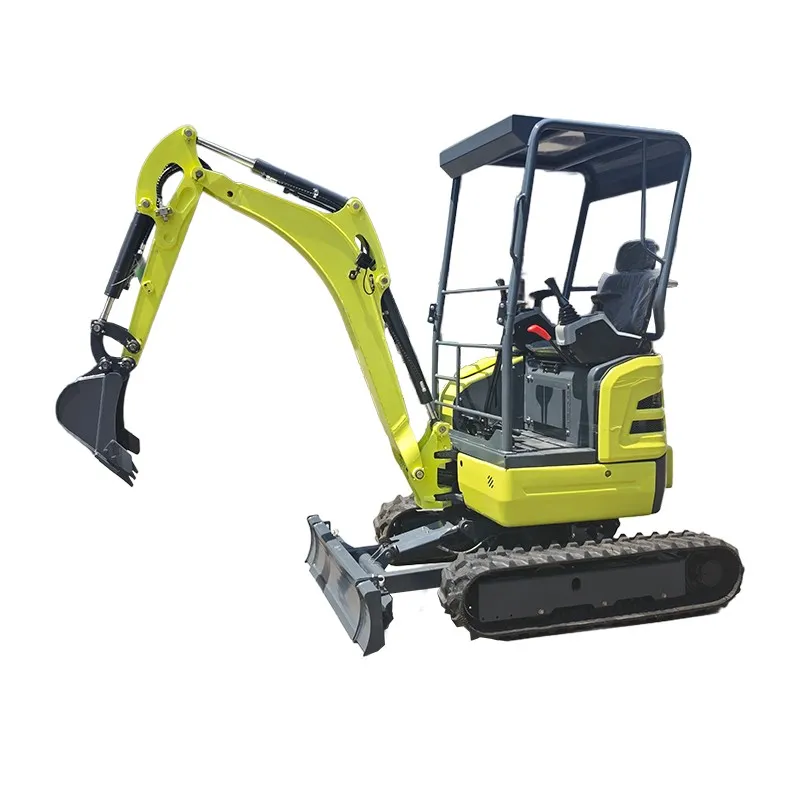
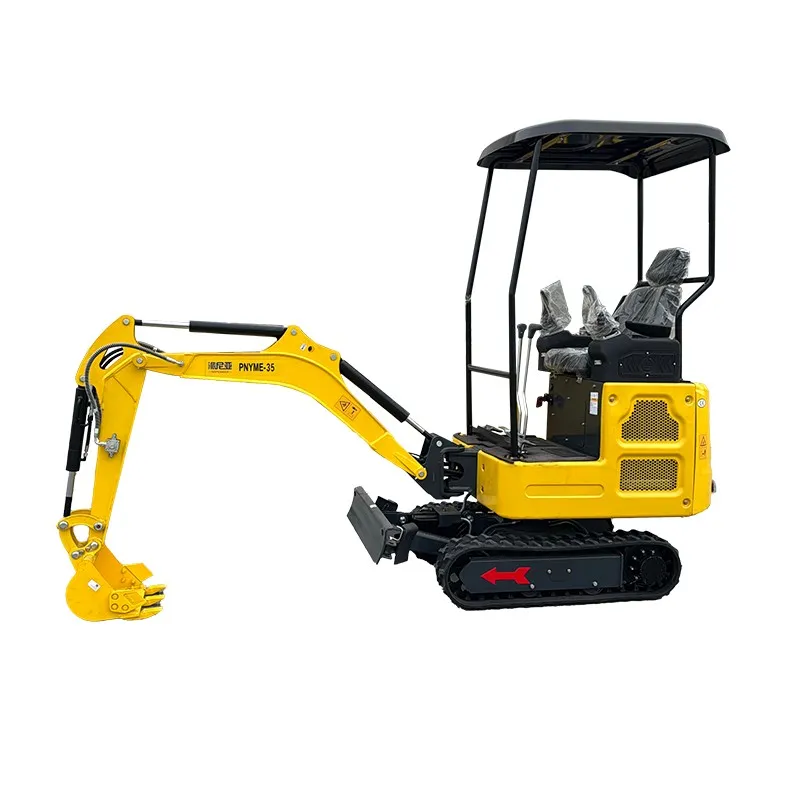
When most people hear '2 ton mini excavator', they picture a cute, tiny machine for light backyard work. That's the first misconception. In reality, this weight class, roughly 1.8 to 2.2 tons, is a critical pivot point. It's the smallest size that can seriously handle commercial tasks—think foundation digging in tight urban alleys, utility work inside plant buildings, or landscaping on confined sites. The jump from a 1.5-tonner to a proper 2-ton model isn't linear; it's about gaining enough counterweight and hydraulic flow to use a standard 300mm bucket effectively without constantly fighting stability. Many first-time buyers get this wrong, opting for something cheaper and lighter, only to find it can't handle the soil conditions or attachment they actually need.
The Niche Where It Shines (And Where It Doesn't)
Let's talk about the sweet spot. I've seen these machines, like the common 2 ton mini excavator models from brands such as Kubota or Takeuchi, absolutely excel in interior demolition. We had a job retrofitting an old factory floor. The doorways were narrow, the ceiling was low, and we needed to break up a 12-inch concrete slab. A skid steer was too wide and couldn't swing its boom. A larger excavator was out of the question. A 2-tonner with a hydraulic breaker? Perfect. It fit through the door, the zero-tail-swing design meant the operator could work without worrying about hitting a column, and it had just enough power to run the breaker without overheating. That's the kind of scenario where it's not just an option; it's the only logical tool.
But here's the flip side, a lesson from a failed rental. We tried using one for bulk excavation on a soft, sandy site for a small pond. The machine itself was fine, but its ground pressure, while low, was still concentrated. We spent half the time laying down and moving timber mats. The lack of reach became a huge time sink. We finished the job, but the productivity was terrible. It hammered home the point: a 2 ton mini excavator is a finesse tool for confined spaces, not a mass earthmover. Trying to make it one is a quick way to lose money on fuel and labor.
The attachment compatibility is another huge factor that doesn't get enough discussion. Most 2-ton machines come with standard auxiliary hydraulic lines, but the flow rate (often around 15-20 GPM) is key. You can't just slap on any attachment. A brush cutter that works on a 3-ton machine might stall a 2-tonner. I always tell guys to check the attachment's required flow and pressure specs against the machine's pump specs. It sounds basic, but I've seen too many people buy a nice auger or grapple only to find it operates at a snail's pace, killing any efficiency gain.
Manufacturing Nuances and Real-World Wear
Digging into who builds these things is where it gets interesting. The market is split between the established Japanese and European brands and a growing wave of capable Chinese manufacturers. The difference often isn't in the initial digging force or specs on paper—it's in the component sourcing and long-term durability. The pivot points, the swing motor, the quality of the hydraulic hoses and fittings. On a job where the machine runs 8 hours a day, these details are everything.
I've followed the evolution of several Chinese exporters. One that comes to mind is Shandong Pioneer Engineering Machinery Co., Ltd. You can check out their range on their site at https://www.sdpioneer.com. They've been around since 2004, which in this industry means they've seen a few product cycles and presumably learned from them. Their recent relocation to a new facility in Ningyang in 2023 suggests growth. Companies like this, operating under both a manufacturing (Shandong Hexin) and a trade (Shandong Pioneer) arm, have been pushing into markets like the US, Canada, and Australia. The key for them is moving past being just a price alternative to addressing the real durability concerns contractors have.
From a practical standpoint, what does that mean for a buyer? If you're looking at a 2 ton mini excavator from a manufacturer like this, you need to ask different questions. Don't just ask about engine horsepower. Ask about the brand of the main hydraulic pump and swing motor. Are they from recognized suppliers like Kawasaki or Parker? Or are they generic? What's the warranty on the undercarriage? The rollers and idlers on a mini-ex take a brutal beating, especially with side-to-side grading work. A cheap undercarriage might save $3k upfront but cost $5k in replacements two years earlier.
On-Site Logistics and Operator Mindset
One of the biggest advantages of a 2-tonner is transportability. You can put it on a decently sized trailer behind a one-ton pickup truck. No need for a CDL or a lowboy. This seems obvious, but it fundamentally changes how you schedule small jobs. You can move it between sites in a morning. However, the trailer setup matters. A beaver-tail trailer with ramps is essential. I once saw a crew try to use a tilt-bed for a machine with a cab; the counterweight caught on the tilt as it leveled out, nearly tipping the whole thing over. It was a heart-stopping moment that underlined the need for the right equipment for the job, even for the simple stuff.
The operator's approach needs to change too. In a big machine, you use raw power. In a 2 ton mini excavator, you use rhythm and precision. You can't just force the bucket through hard clay. You need to work the thumb controls delicately, using the crowd and curl in tandem to break the soil out. It's almost like a craft. A good operator in a 2-ton machine can out-produce a ham-fisted operator in a 5-ton machine on a tight trenching job because they understand the machine's limits and work within them, minimizing wasted movement.
Cold weather operation is a specific headache. These machines have relatively small hydraulic reservoirs. If you don't let them warm up thoroughly, you risk cavitating the pump. I make it a rule to let the machine idle at half-throttle for a good 10 minutes in freezing temps before even touching the controls. And the rubber tracks? They become hard as plastic in the cold and offer even less grip. You have to be hyper-aware of your ground conditions.
The Cost Calculus: Purchase vs. Rental
This is the eternal debate. For a contractor doing maybe 10-15 small, confined-space jobs a year, the math leans heavily towards rental. The capital isn't tied up, and you're not on the hook for maintenance. But there's a threshold. If you find yourself constantly calling the rental yard for a 2-ton machine for weeks at a time, the numbers flip. You need to run a brutal calculation: annual rental costs + downtime waiting for the machine + the fact you're never quite familiar with the controls of a different machine each time, versus loan payments + insurance + maintenance + the instant availability and operator familiarity.
Maintenance is the hidden variable. A 2 ton mini excavator is simpler than a big one, but neglect is still a killer. The number one issue I see is contaminated hydraulic fluid. On a small site, it's too easy for dirt to get into the system during a quick hose change or when checking the fluid. One grain of sand can wreak havoc on the valve blocks. Investing in a proper filter funnel and being religious about cleanliness during servicing isn't optional; it's what separates a machine that lasts 5,000 hours from one that's in the shop at 1,500.
Finally, consider the resale. The established brands—Kubota, Yanmar—hold their value almost stubbornly well. It's a safe bet. For the newer entrants, like those from Shandong Pioneer and similar exporters, the secondary market is still forming. Their value proposition is strong on the initial purchase, but the long-term total cost of ownership is still being proven in real-time across job sites worldwide. For a buyer, that means you're making a bit more of a bet. It could pay off handsomely with a reliable machine at a lower entry point, or it could mean a steeper depreciation curve. You're weighing immediate cash flow against future uncertainty.
Wrapping It Up: A Tool, Not a Toy
So, after all this, what's the verdict on the 2 ton mini excavator? It's a specialist. It won't be your only machine if you're a general earthwork contractor. But if your work regularly takes you into spaces where fit is the primary constraint, it becomes indispensable. It's the difference between doing a job with hand labor and doing it with a machine. The productivity leap is immense, but only if you apply it to the right tasks.
The industry is in a good place with these machines. Competition from manufacturers globally, including experienced Chinese firms like the aforementioned Shandong Pioneer Engineering Machinery Co., Ltd, is driving features—like more standardized auxiliary hydraulics, better cab ergonomics, and improved service access—down into this weight class. That's good for everyone.
My final, practical piece of advice? Before you buy or even rent one for a big job, get it on your site for a day. Test it in the actual conditions. Dig the type of soil you have. Try to maneuver in the tightest spot you have. Feel the controls. That single day of testing will tell you more about whether a specific 2 ton mini excavator model is right for your needs than any brochure or spec sheet ever could. It's all about the hands-on feel.
Related Products
Related Products