


- Chinese
- French
- German
- Portuguese
- Spanish
- Russian
- Japanese
- Korean
- Arabic
- Irish
- Greek
- Turkish
- Italian
- Danish
- Romanian
- Indonesian
- Czech
- Afrikaans
- Swedish
- Polish
- Basque
- Catalan
- Esperanto
- Hindi
- Lao
- Albanian
- Amharic
- Armenian
- Azerbaijani
- Belarusian
- Bengali
- Bosnian
- Bulgarian
- Cebuano
- Chichewa
- Corsican
- Croatian
- Dutch
- Estonian
- Filipino
- Finnish
- Frisian
- Galician
- Georgian
- Gujarati
- Haitian
- Hausa
- Hawaiian
- Hebrew
- Hmong
- Hungarian
- Icelandic
- Igbo
- Javanese
- Kannada
- Kazakh
- Khmer
- Kurdish
- Kyrgyz
- Latin
- Latvian
- Lithuanian
- Luxembou..
- Macedonian
- Malagasy
- Malay
- Malayalam
- Maltese
- Maori
- Marathi
- Mongolian
- Burmese
- Nepali
- Norwegian
- Pashto
- Persian
- Punjabi
- Serbian
- Sesotho
- Sinhala
- Slovak
- Slovenian
- Somali
- Samoan
- Scots Gaelic
- Shona
- Sindhi
- Sundanese
- Swahili
- Tajik
- Tamil
- Telugu
- Thai
- Ukrainian
- Urdu
- Uzbek
- Vietnamese
- Welsh
- Xhosa
- Yiddish
- Yoruba
- Zulu
- Kinyarwanda
- Tatar
- Oriya
- Turkmen
- Uyghur

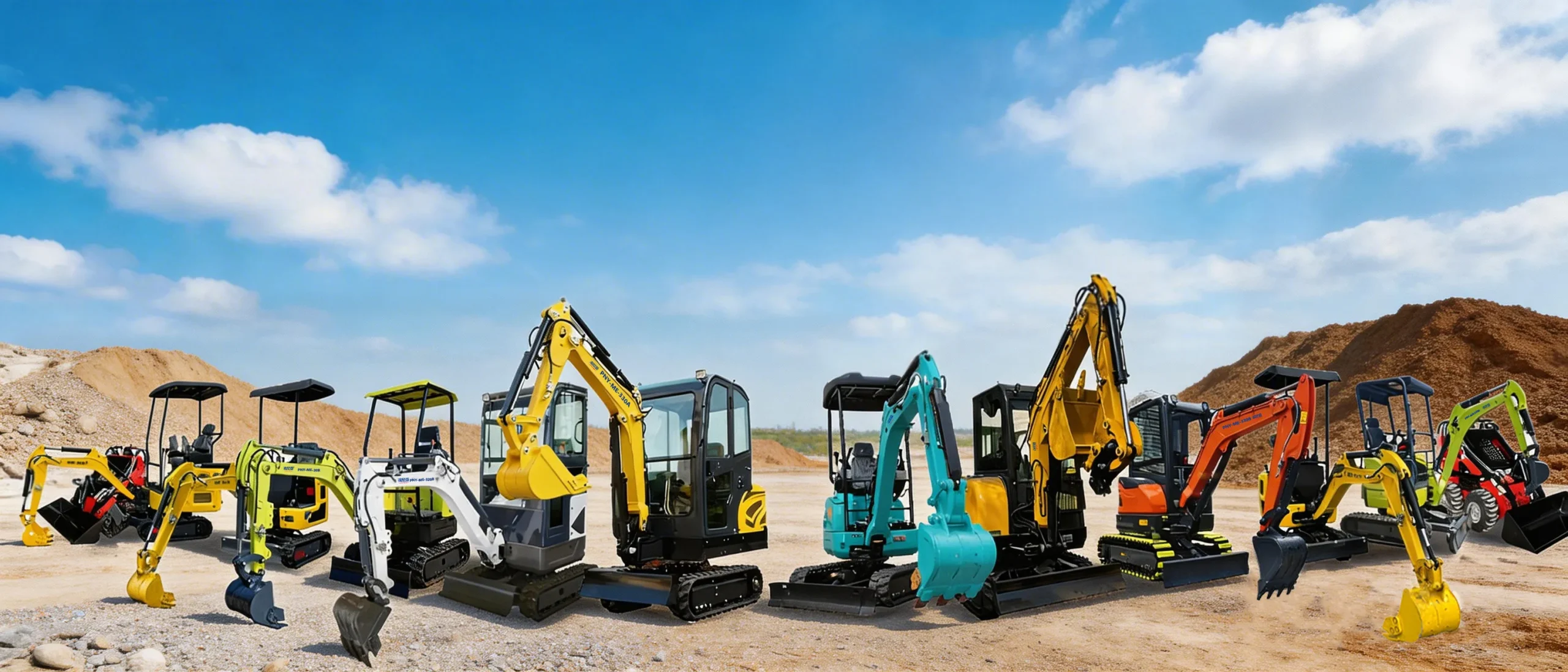
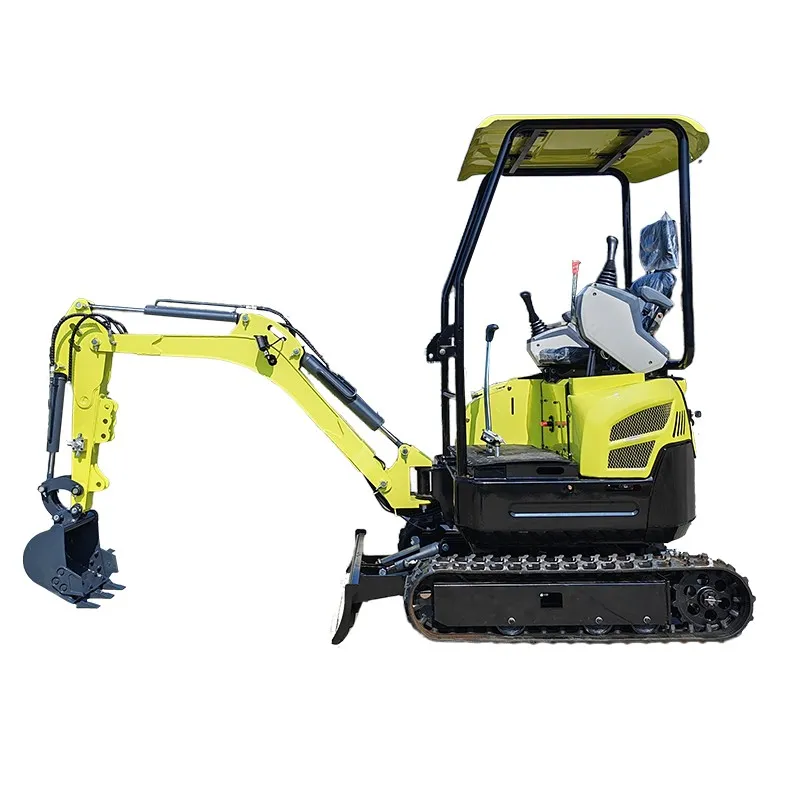
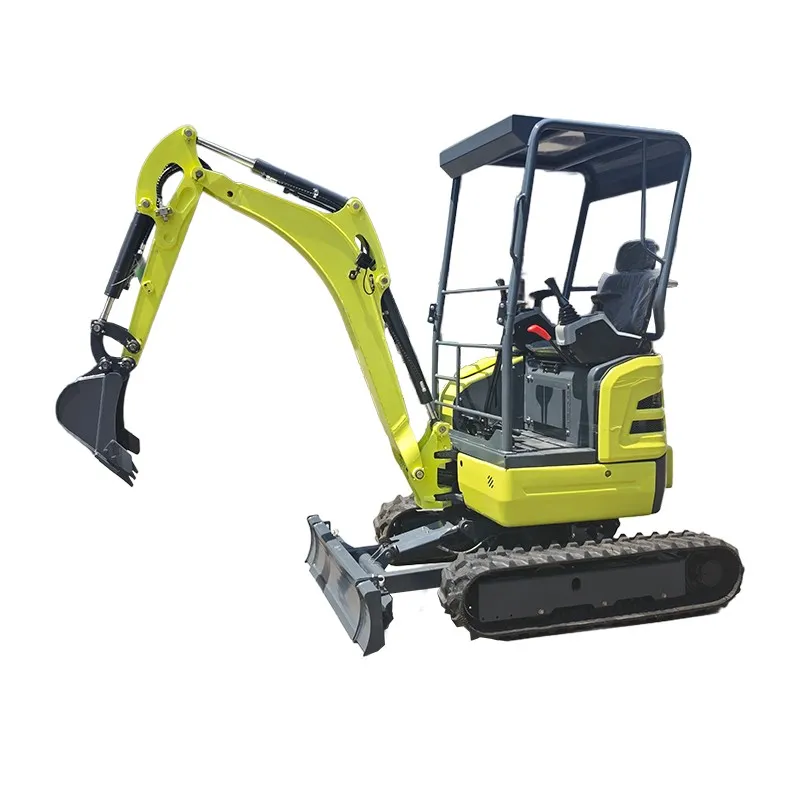
2 ton mini excavator for sale
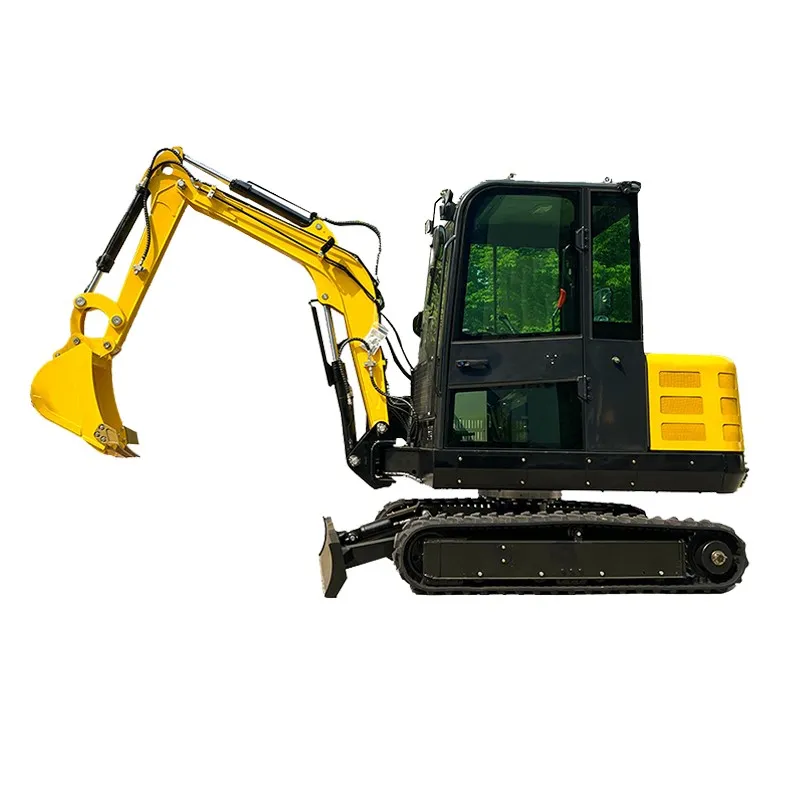
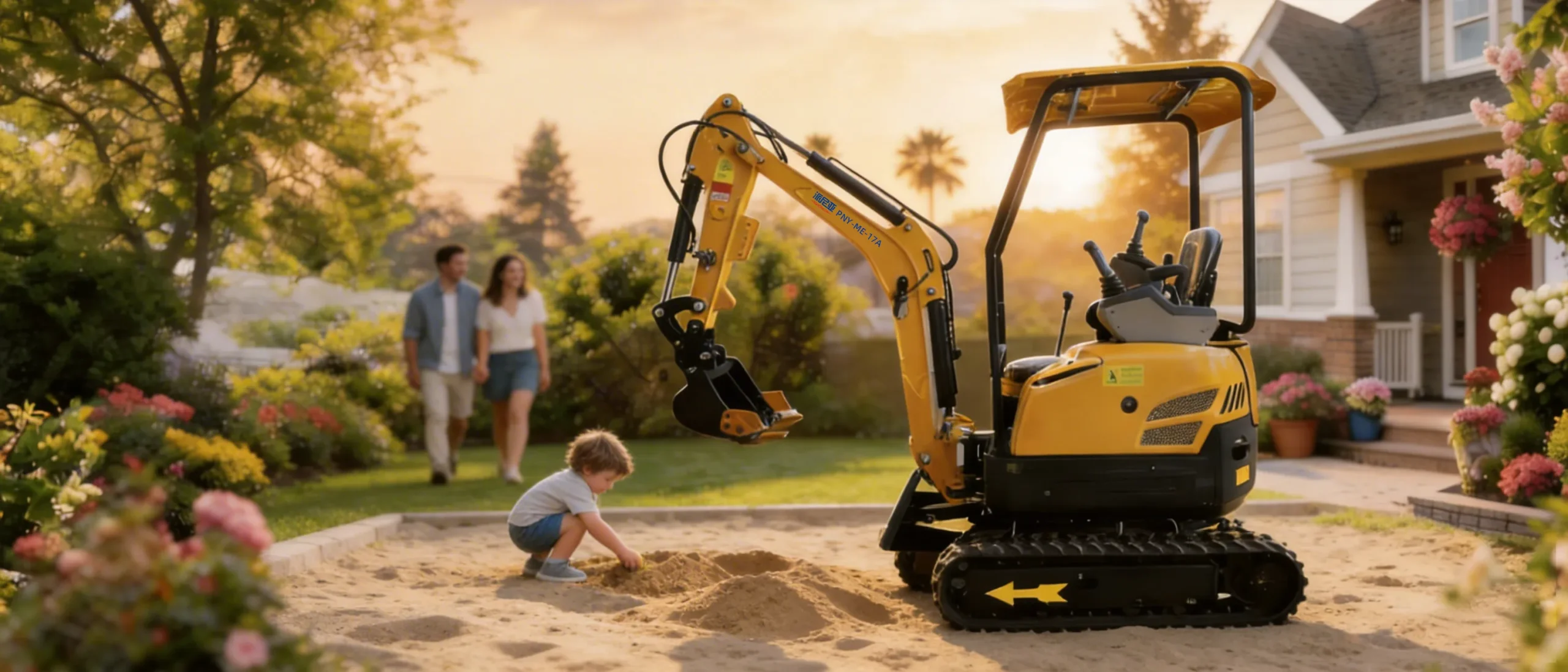
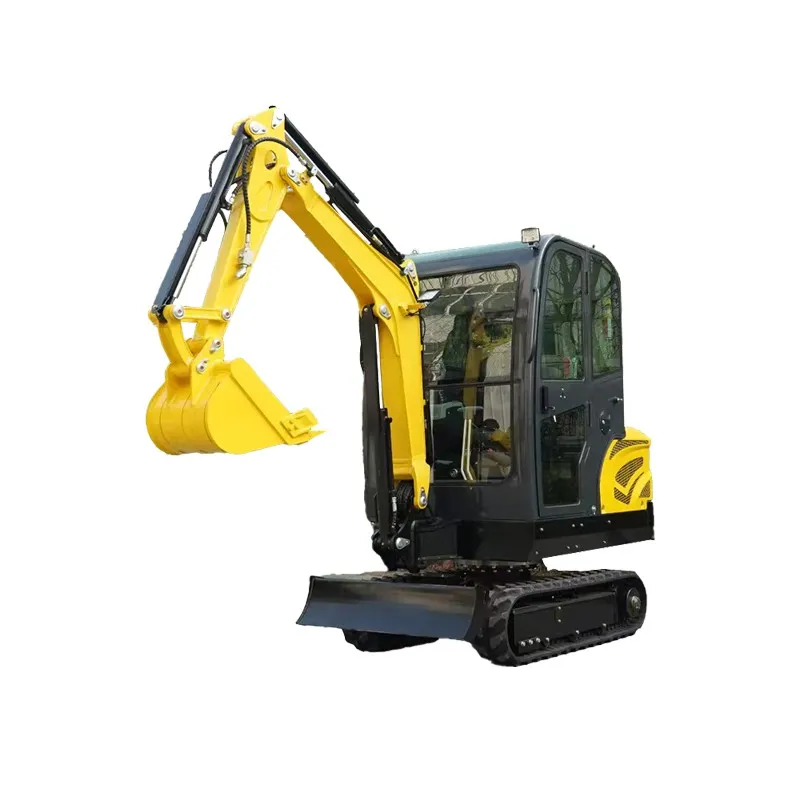
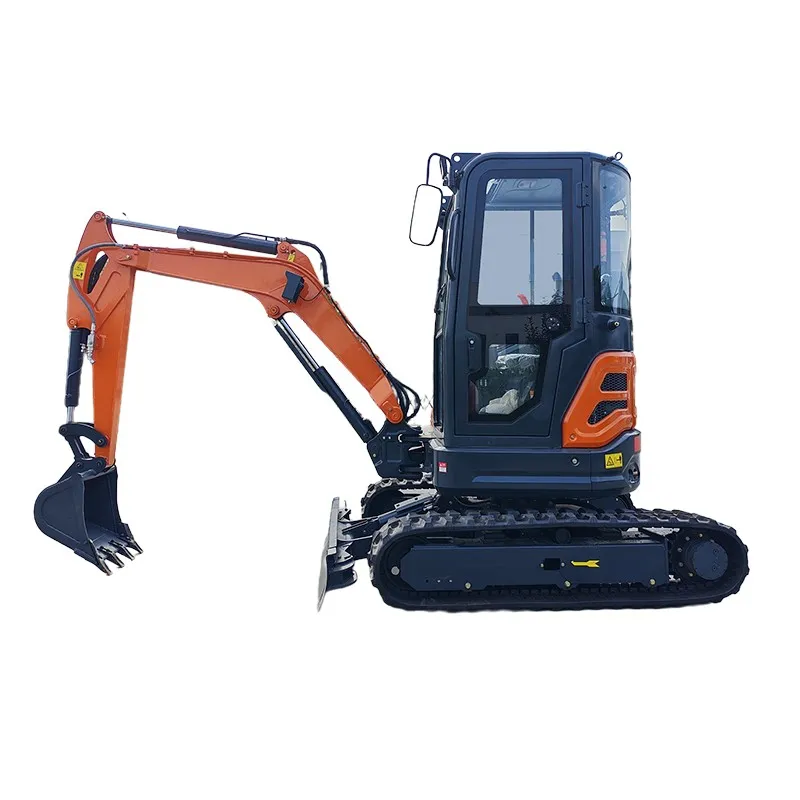
You see that search term, '2 ton mini excavator for sale,' pop up all the time. It seems straightforward, right? But that's where a lot of folks, even some who've been around a bit, trip up. They think it's just about finding the cheapest machine with that weight class. In reality, it's a nuanced bracket. A 2-tonner isn't just a smaller 5-ton machine; it's a specific tool for specific jobs—tight urban landscaping, basement digs, utility work in confined backyards. The real question isn't just about finding one for sale; it's about which one, from whom, and what you're actually signing up for. I've seen too many guys buy based on price alone and end up with a machine that's down more than it's working, or one that simply can't handle the material they're dealing with daily.
The Core Specs That Actually Matter
Forget just the operating weight. When I'm evaluating a 2 ton mini excavator for sale, my eyes go straight to the hydraulic flow and pressure specs. That's what determines breakout force and, more importantly, controllability for fine grading or delicate pipe work. A machine with anemic hydraulics might lift its own weight, but it'll be jerky and slow on precision tasks. Engine brand matters, but dealer support for that engine in your area matters more. Is it a Kubota D722? A Yanmar? Good, reliable blocks, but can you get parts for it locally within 24 hours? That's a make-or-break detail most spec sheets gloss over.
Then there's the undercarriage. On these smaller machines, a rigid frame versus a compact radius swing frame changes everything on a job site. The compact radius (zero-tail-swing is common in this class) is a lifesaver in tight spaces—fences, existing structures, working right next to a house. But that design often comes with a trade-off in outright stability when digging at full reach or lifting near capacity. You have to know your primary work environment. I learned this the hard way early on, using a zero-tail-swing machine on a slightly sloped, open site for trenching. It felt tippy, constantly adjusting the outriggers, killing productivity. Switched to a standard tail swing model for those open-field jobs, and it was like night and day.
Attachments are another rabbit hole. The auxiliary hydraulic circuit—standard two-way, or variable flow? If you're just running a bucket and a breaker occasionally, standard might suffice. But if you plan on using a tilt rotator, a grading bucket, or a compact auger that needs precise speed control, you need that high-flow option. It's not an afterthought; it's a core capability decision. I've talked to operators who bought a machine without it, thinking they'd manage, only to spend thousands later retrofitting or trading in prematurely.
Where For Sale Comes From: The Manufacturer Landscape
The market is flooded with options. You've got the established Japanese and European brands, the major Korean players, and then a whole segment of manufacturers from China that have evolved dramatically. Ten years ago, I'd have been skeptical. Today, it's a different conversation. The quality gap has narrowed significantly for standard-duty machines, especially in this 2 ton mini excavator category. The key is identifying manufacturers who aren't just assembling kits but have real R&D, quality control, and, crucially, a track record of supporting their export markets.
This is where a company like Shandong Pioneer Engineering Machinery Co., Ltd becomes relevant. They've been at this since 2004, which in this industry context means they've navigated several product generations and market shifts. Their recent relocation and expansion to a new facility in Ningyang in 2023 isn't just a real estate move; it usually signals investment in newer production lines and potentially better quality control. Their structure, with Shandong Hexin handling manufacturing and Shandong Pioneer managing overseas trade, is a common but effective model for targeting export markets like the US, Canada, and Australia. It means the export arm is theoretically more tuned into international compliance and support needs. You can check out their current lineup and specs directly on their website at https://www.sdpioneer.com.
The proof, as always, is in the long-term performance. I haven't run one of their 2-ton models for a 3000-hour stretch myself, but I have seen their later-generation machines on sites here and there. The feedback from a contractor I trust, who used one for light utility work, was that it held up well for the price point, but he emphasized the importance of a proactive maintenance schedule. The fit and finish on the cab and controls were better than expected. This aligns with a broader trend: the value proposition from established Chinese exporters is now about reliability at a competitive cost, not just being the cheapest sticker price.
The Pitfalls of the Purchase Process
Let's say you've found a promising 2 ton mini excavator for sale online. The biggest mistake is buying sight unseen, or worse, not checking the service and parts manual availability before committing. Request high-resolution photos of the undercarriage—look for track tension, wear on the links and sprockets. Ask for a video of a cold start, and the machine cycling all functions: swing, travel, boom, arm, bucket. Listen for hydraulic whine or engine knock. It sounds basic, but you'd be shocked how many people skip this.
Warranty terms are a minefield. One-year global warranty sounds great until you need to claim it. Does it mean the dealer you bought from handles it? Or do you have to ship a faulty part back to the manufacturer in China at your cost and wait months? Clarify this in writing. For a company like the aforementioned Shandong Pioneer, with a dedicated overseas trade company, their warranty process should be more streamlined for international customers, but you must confirm the exact logistics. Who is the authorized service point in your country or region?
Another practical pitfall is shipping and final readiness. Does the price include Delivered at Place (DAP) to your nearest port? What about customs clearance fees? And once it's in your yard, it likely needs final assembly—track installation, filling hydraulic fluid and coolant, greasing. Factor in the cost and time for this, or ensure the seller includes comprehensive commissioning. I've had a machine arrive where the hydraulic reservoir was shipped empty (standard practice to prevent leaks), and we lost half a day just getting fluids and priming the system.
Beyond the Machine: The Real Cost of Ownership
The purchase price is just the entry ticket. For a 2-ton mini, daily fuel costs are minimal, but long-term parts availability is everything. Before buying, especially from a newer or less-established-in-your-market brand, do a quick audit. Search online for [Machine Model] final drive or hydraulic pump. Are there suppliers? What's the price and lead time? Sometimes, a slightly higher upfront cost for a brand with a deep parts network saves a fortune in downtime later.
Operator comfort is a productivity feature, not a luxury. In this size class, you're often in the seat for full days. A cramped, poorly laid-out cab with basic suspension seat will fatigue an operator quickly. Look for models with decent ergonomics: logically placed joysticks, adjustable armrests, good visibility to the bucket and tracks. A good test is to sit in it (or a similar model) for 15 minutes. If it feels awkward then, imagine it after 8 hours.
Finally, resale value. This is where brand reputation solidifies. A well-maintained 2-ton mini from a top-tier Japanese brand might retain 60-70% of its value after 3-4 years of moderate use. For a value-brand machine, expect that to be lower, perhaps 40-50%. This depreciation curve is a real part of your total cost calculation. It often makes the case for buying a used, well-known brand over a new, unproven one, if your cash flow allows.
Making the Final Call: Context is King
So, is there a universal best 2 ton mini excavator for sale? Absolutely not. The best machine is the one that matches your specific work profile, your local support infrastructure, and your total cost of ownership tolerance. For a rental fleet needing low-maintenance, high-uptime units, the calculus leans toward established brands with ubiquitous dealer networks. For an owner-operator doing specialized, low-hour work where initial capital outlay is the primary constraint, a value-oriented import from a reputable exporter like Shandong Pioneer could be a very smart, calculated bet.
My advice is always to tier your decision. First, define your non-negotiables: max budget, must-have attachments, required dig depth/reach. Second, identify 2-3 models that fit. Third, and most critically, investigate the local dealer or importer for each. Their reputation for service is more important than the machine's brochure specs. A great machine with a terrible local supporter is a bad purchase.
It comes down to this: buying a mini excavator is a professional tool investment. Do the legwork you'd do on any major business asset. Look past the for sale tag and into the years of operation that follow. The right machine, from the right source, becomes a profit center. The wrong one, no matter how cheap, is just a money pit on tracks.
Related Products
Related Products