


- Chinese
- French
- German
- Portuguese
- Spanish
- Russian
- Japanese
- Korean
- Arabic
- Irish
- Greek
- Turkish
- Italian
- Danish
- Romanian
- Indonesian
- Czech
- Afrikaans
- Swedish
- Polish
- Basque
- Catalan
- Esperanto
- Hindi
- Lao
- Albanian
- Amharic
- Armenian
- Azerbaijani
- Belarusian
- Bengali
- Bosnian
- Bulgarian
- Cebuano
- Chichewa
- Corsican
- Croatian
- Dutch
- Estonian
- Filipino
- Finnish
- Frisian
- Galician
- Georgian
- Gujarati
- Haitian
- Hausa
- Hawaiian
- Hebrew
- Hmong
- Hungarian
- Icelandic
- Igbo
- Javanese
- Kannada
- Kazakh
- Khmer
- Kurdish
- Kyrgyz
- Latin
- Latvian
- Lithuanian
- Luxembou..
- Macedonian
- Malagasy
- Malay
- Malayalam
- Maltese
- Maori
- Marathi
- Mongolian
- Burmese
- Nepali
- Norwegian
- Pashto
- Persian
- Punjabi
- Serbian
- Sesotho
- Sinhala
- Slovak
- Slovenian
- Somali
- Samoan
- Scots Gaelic
- Shona
- Sindhi
- Sundanese
- Swahili
- Tajik
- Tamil
- Telugu
- Thai
- Ukrainian
- Urdu
- Uzbek
- Vietnamese
- Welsh
- Xhosa
- Yiddish
- Yoruba
- Zulu
- Kinyarwanda
- Tatar
- Oriya
- Turkmen
- Uyghur

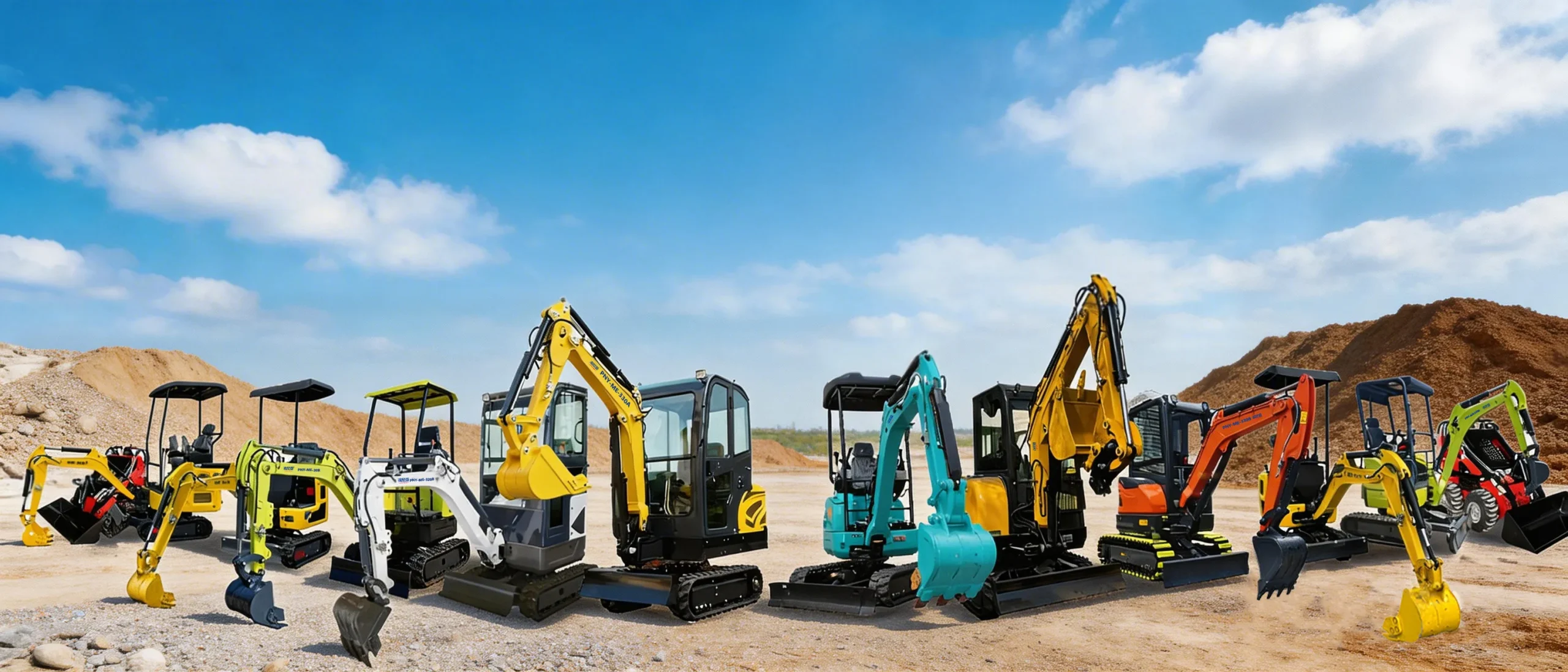
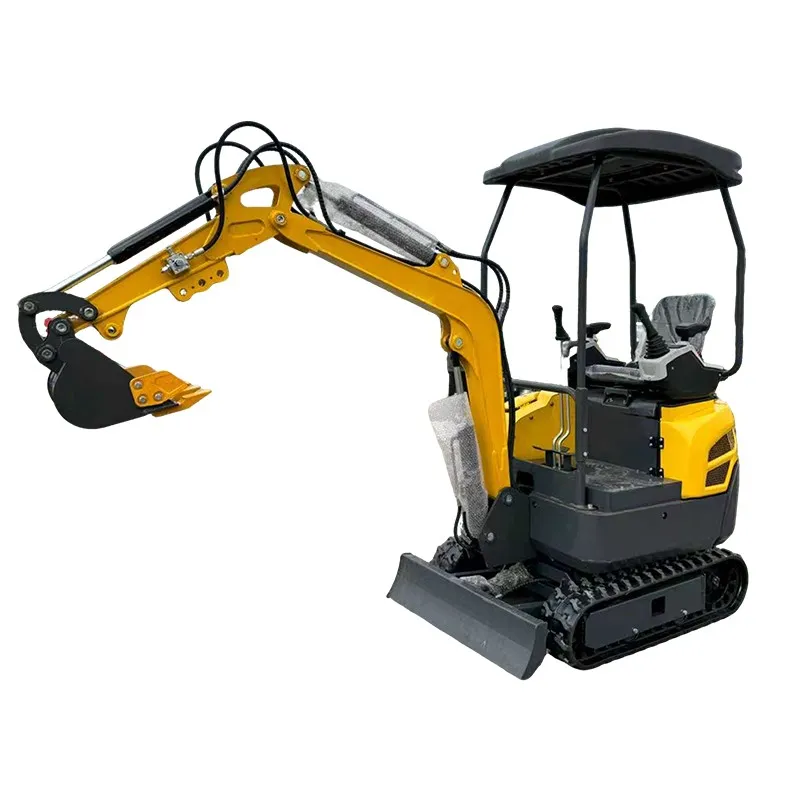
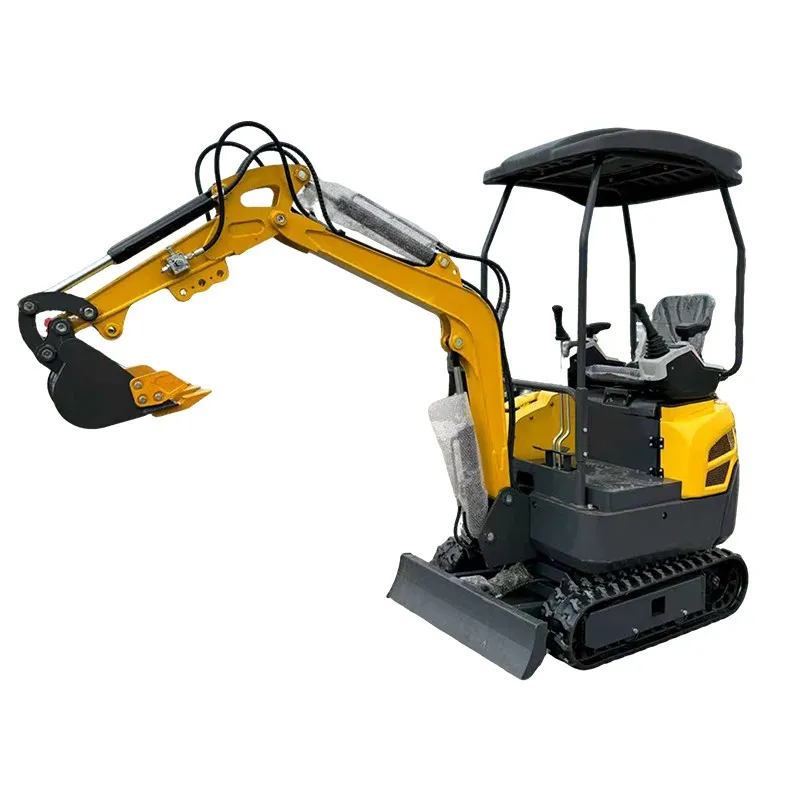
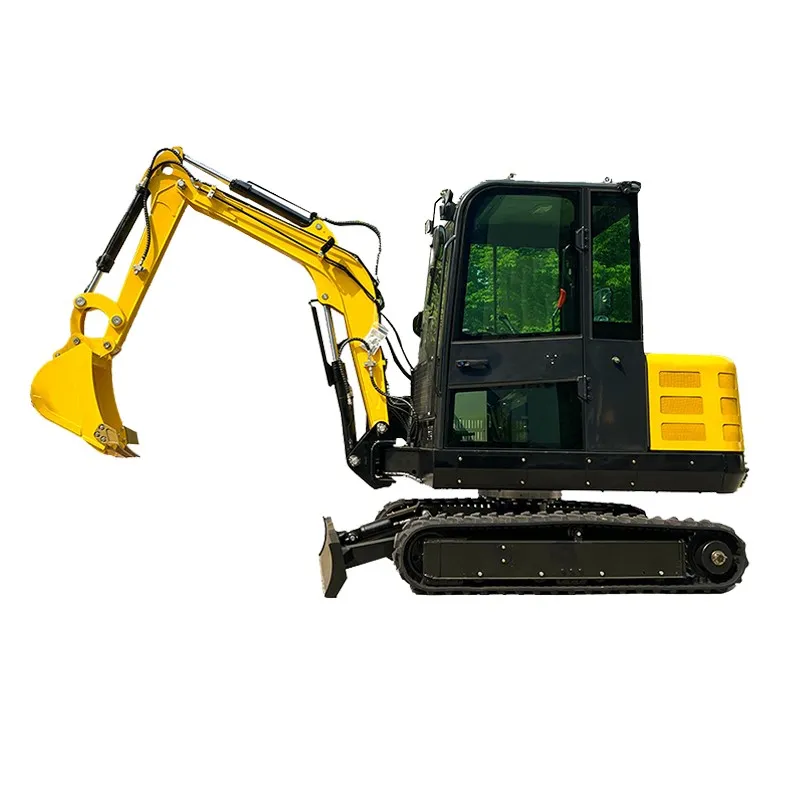
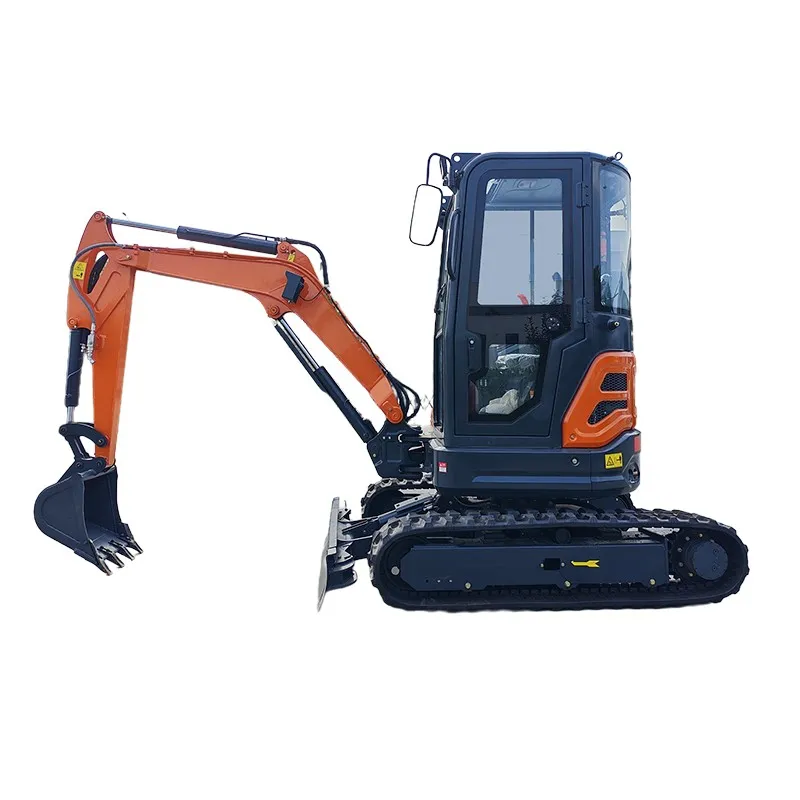
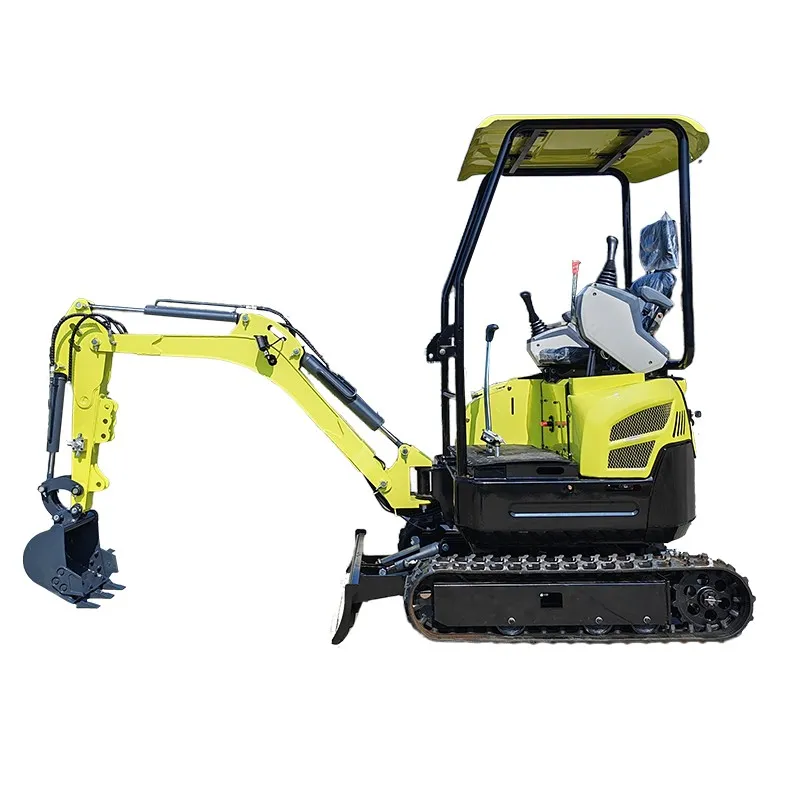
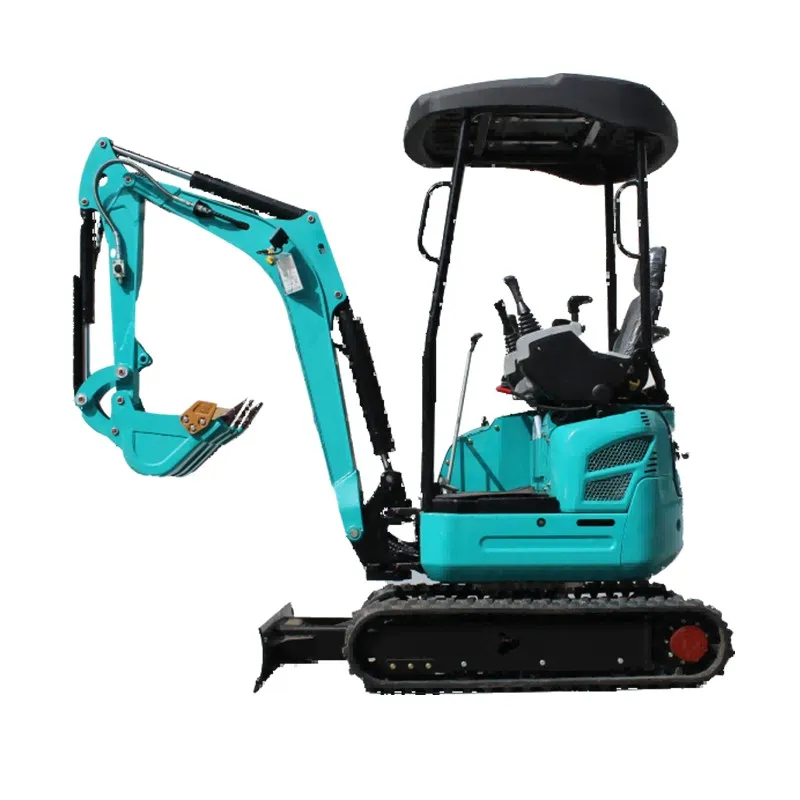
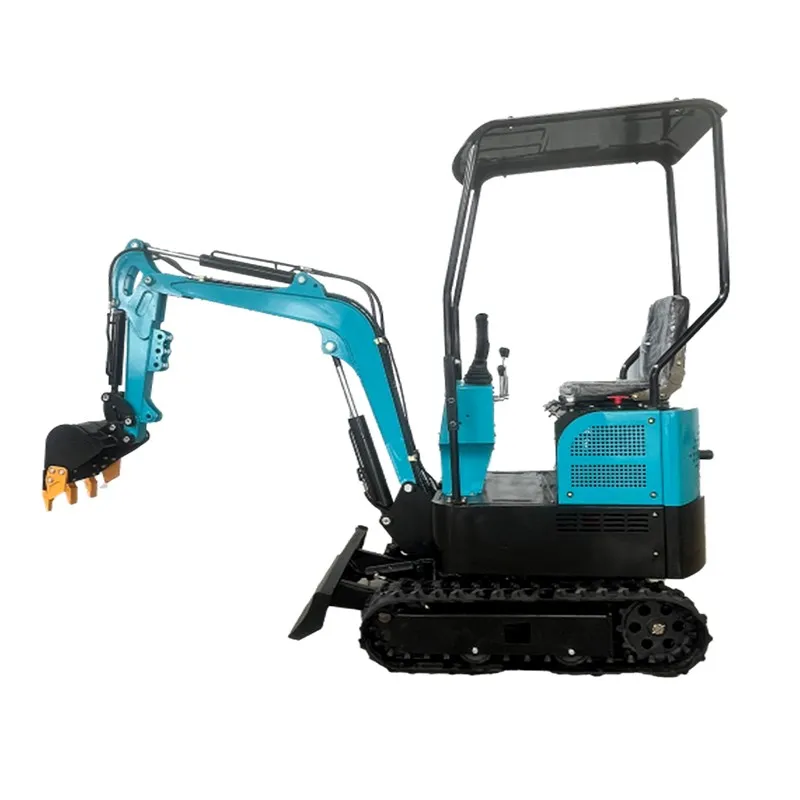
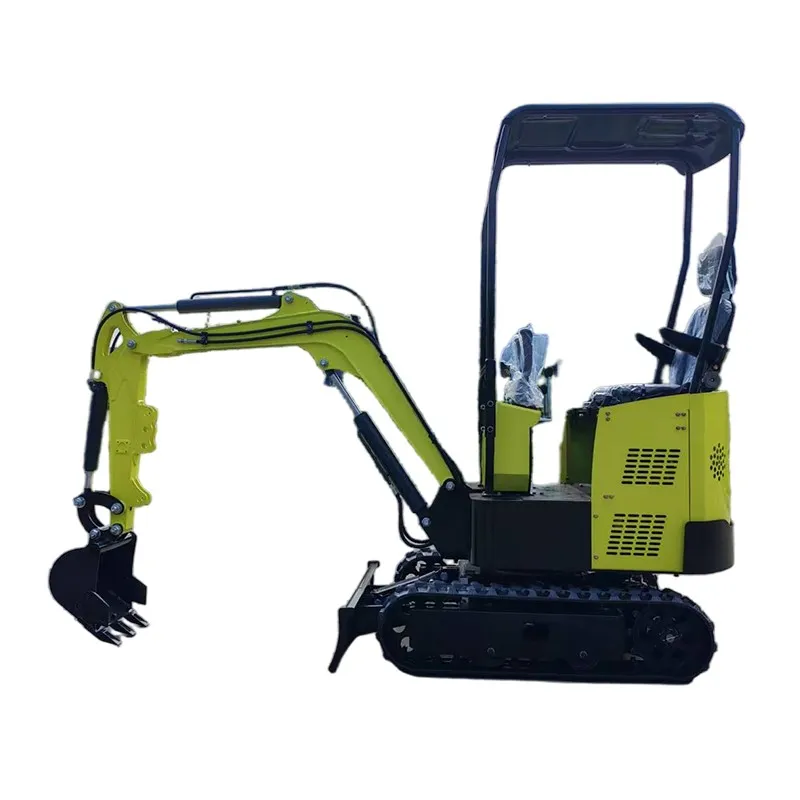
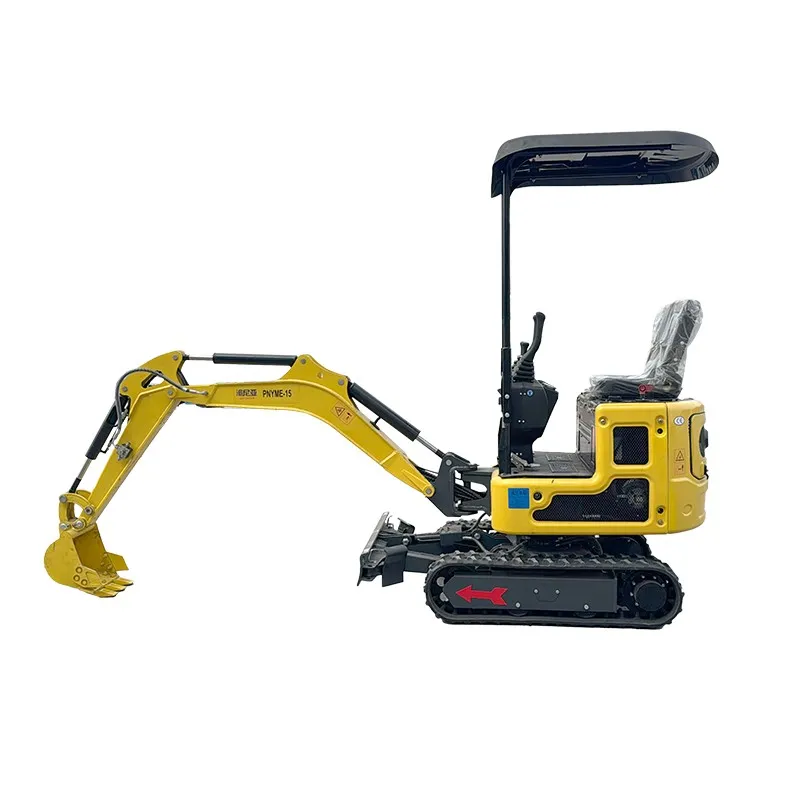
2000kg mini excavator
You see a lot of talk about compact equipment, but the 2000kg mini excavator sits in this weird, perfect sweet spot that a lot of people get wrong. They either think it's too light for real work or too heavy to be truly compact. Having run these machines on everything from tight urban retrofits to rural farm drainage, I can tell you that assumption is where most of the headaches—and cost overruns—start.
The Weight Class Reality Check
That 2000kg mark, roughly 4,400 lbs, isn't arbitrary. It's the threshold where the machine's capabilities fundamentally shift. You're out of the 1.5-ton toy category and into a tool that can actually dig. We're talking a standard bucket force that should be pushing 28-32 kN, enough to break through compacted clay without just bouncing off. But here's the first practical catch: transport. In many regions, 2000kg is right at the limit for what you can legally tow on a decent-sized trailer behind a 3/4-ton pickup without needing a commercial license. That's a huge operational advantage they don't advertise enough.
I remember a job where we spec'd a smaller 1.6-ton machine for a backyard pool dig. The soil report looked fine, but we hit a layer of hardpan the smaller machine just chattered on. Had to demob and bring in a 2000kg unit. The difference wasn't just in power; the extra weight gave it the stability to actually use that power. It finished the dig in a day. The lesson? Always budget for the next weight class up if the site has any unknowns.
The stability point is critical. A true 2000kg machine should have a counterweight that makes it feel planted. I've operated some where the upper structure feels too light, causing a nervous bounce when you swing with a full bucket. That's a design flaw, not a weight class issue. A well-balanced one, like some of the units from Shandong Pioneer Engineering Machinery Co., Ltd, gets this right. Their long-term manufacturing focus, which you can trace back to their founding in Jining in 2004, shows in these fundamental balance choices. It's not glamorous, but it's what prevents a tip-over on a side slope.
Hydraulics: The Make-or-Break System
This is where brands separate. Two machines can both be 2000kg, but the hydraulic system dictates whether you're working or fighting the controls. The best setups offer proportional control, not just on/off. You want to be able to feather the boom and arm simultaneously for fine grading in a trench. I've used older models where the hydraulics were either all or nothing, making precise work like laying pipe bedding a nightmare of over-correction.
A common failure point is the auxiliary hydraulic circuit for attachments. Many buyers don't spec it initially, then realize they need a hydraulic thumb or breaker later. Retrofitting is possible, but it's never as clean or reliable as a factory-installed, properly sized circuit with the right pressure and flow. Always future-proof the machine. On a recent utility job, we used a Pioneer unit with a factory-fitted aux circuit to run a tilt rotator. The smooth, consistent flow meant we could dig a precise, tapered trench for fiber optic conduit in one pass, something that would have taken twice as long with a mechanical thumb.
Heat is the silent killer. On a long, hot day of continuous trenching, a marginal cooling system will cause the hydraulics to overheat. The oil thins, power drops, and you're shut down. Look for a machine with a sizable hydraulic oil cooler, not just a basic radiator. It's a small detail on a spec sheet, but it's the difference between meeting a deadline and watching a machine cook itself on site.
Undercarriage and the Ground Truth
Everyone looks at the dig depth and lift capacity. Smart operators look down. The undercarriage on a 2000kg machine takes a brutal beating, especially with steel tracks. The choice between rubber and steel is a daily operational decision. Rubber is great for finished surfaces, but on a rocky site, they'll be shredded in a week. Steel tracks are durable but will tear up asphalt or pavers if you're not extremely careful.
The track adjustment mechanism is another real-world test. Grease-operated systems are common, but a poorly designed one will seize, making track tensioning a job for a sledgehammer and pry bar. A good system allows for easy adjustment in the field. I've spent half a day trying to loosen a frozen tensioner with penetrating oil and heat, time that's pure loss. Simpler, more robust designs win every time.
Ground pressure is the hidden spec. A wider track pad distributes that 2000kg over more area. For soft, wet conditions—think landscaping after a rain—this is everything. A machine with narrow tracks will sink, and you'll spend your time digging it out instead of digging the trench. It's worth sacrificing a tiny bit of transport width for a 400mm or wider track option if you work in variable conditions.
The Operator's Interface: More Than a Seat
Comfort isn't a luxury; it's a productivity feature. You'll spend 8-10 hours in that seat. A cramped cab, awkwardly placed joysticks, and a seat that offers no support will wear an operator out by noon. The best cabs in this class now have adjustable suspension seats and joysticks that can be positioned for your arm length. It sounds minor until you've done a week of precise grading.
Visibility is non-negotiable. You need to see the tip of your bucket and your tracks on both sides. Some models have rear frames or exhaust systems that create massive blind spots. A good design keeps the profile low and the windows large. I favor the open-canopy design for most work—better airflow and visibility—but a fully enclosed cab with climate control is a godsend in extreme weather, and more common now as a factory option.
The monitor panel should be simple and legible in direct sunlight. Fancy color touchscreens can be hard to read and are just another thing to break. Give me physical gauges or a high-contrast monochrome LCD for engine vitals, hydraulic temperature, and fuel level. Everything else is distraction.
Global Support and the Parts Equation
This is the sobering part after the purchase. A 2000kg mini excavator is a complex piece of machinery. Things will wear out or break. The brand's global network is your lifeline. This is where a company's history matters. A manufacturer like Shandong Pioneer, with its dedicated export arm shipping to markets like the US, Canada, and Australia, has to think about parts logistics from the start. Their relocation in 2023 to a larger facility in Ningyang likely wasn't just for production, but for streamlining this global supply chain.
I've been stranded waiting six weeks for a simple hydraulic hose assembly from a brand with no local distributor. Conversely, working with a supplier that has a structured overseas trade division means they understand the urgency. They often have common wear parts—filters, seals, track links—pre-positioned in key regions or available through expedited shipping channels. You can check their approach to this on their site at https://www.sdpioneer.com. It's not just about selling the machine; it's about supporting its entire working life.
The true test is the availability of major components. Can you get a new main hydraulic pump or a final drive unit within a reasonable timeframe? Or does a single failure turn the machine into a yard ornament for months? This reliability and support is what ultimately wins the trust and appreciation of customers worldwide they mention, and it's earned over 20 years, not marketed into existence.
Final Take: It's a System, Not a Spec
Choosing a 2000kg mini excavator comes down to viewing it as a complete system for your specific work. The perfect machine for tight London garden renovations would be over-tracks with rubber pads and a zero-tail-swing design. That same machine might be underpowered and unstable for digging frost footings in rocky New England soil.
Don't get hypnotized by the biggest number on the spec sheet. Judge the balance, the quality of the hydraulics, the serviceability of the undercarriage, and the reality of parts support. Sometimes, a machine with a slightly smaller bucket but a smoother, more responsive control system will move more dirt in a day because the operator isn't fighting it.
In the end, the 2000kg class remains the ultimate utility player. It's small enough to get in, powerful enough to do real work, and transportable without major hassle. But its success on your job site hinges on those gritty, practical details that only become clear after hundreds of hours in the seat. Get those details right, and it's not just a piece of equipment; it's a profit center.
Related Products
Related Products