- Chinese
- French
- German
- Portuguese
- Spanish
- Russian
- Japanese
- Korean
- Arabic
- Irish
- Greek
- Turkish
- Italian
- Danish
- Romanian
- Indonesian
- Czech
- Afrikaans
- Swedish
- Polish
- Basque
- Catalan
- Esperanto
- Hindi
- Lao
- Albanian
- Amharic
- Armenian
- Azerbaijani
- Belarusian
- Bengali
- Bosnian
- Bulgarian
- Cebuano
- Chichewa
- Corsican
- Croatian
- Dutch
- Estonian
- Filipino
- Finnish
- Frisian
- Galician
- Georgian
- Gujarati
- Haitian
- Hausa
- Hawaiian
- Hebrew
- Hmong
- Hungarian
- Icelandic
- Igbo
- Javanese
- Kannada
- Kazakh
- Khmer
- Kurdish
- Kyrgyz
- Latin
- Latvian
- Lithuanian
- Luxembou..
- Macedonian
- Malagasy
- Malay
- Malayalam
- Maltese
- Maori
- Marathi
- Mongolian
- Burmese
- Nepali
- Norwegian
- Pashto
- Persian
- Punjabi
- Serbian
- Sesotho
- Sinhala
- Slovak
- Slovenian
- Somali
- Samoan
- Scots Gaelic
- Shona
- Sindhi
- Sundanese
- Swahili
- Tajik
- Tamil
- Telugu
- Thai
- Ukrainian
- Urdu
- Uzbek
- Vietnamese
- Welsh
- Xhosa
- Yiddish
- Yoruba
- Zulu
- Kinyarwanda
- Tatar
- Oriya
- Turkmen
- Uyghur


2ton mini digger
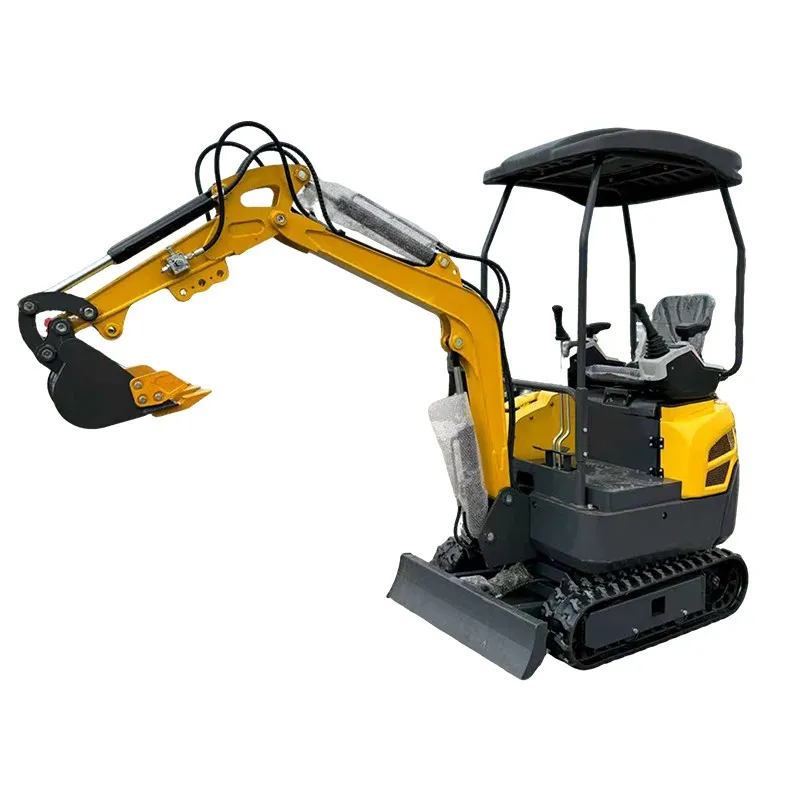
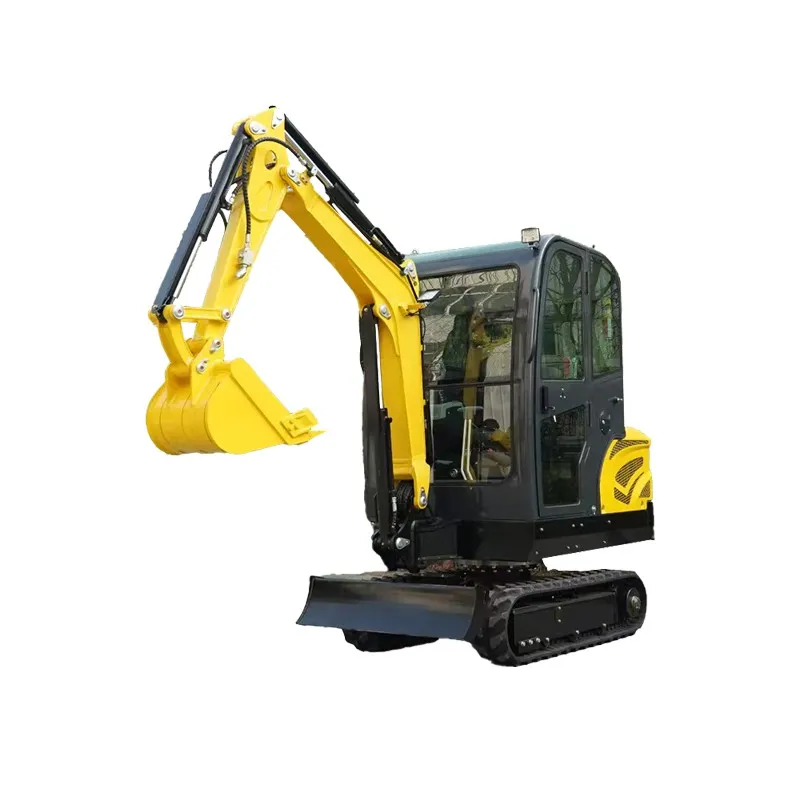
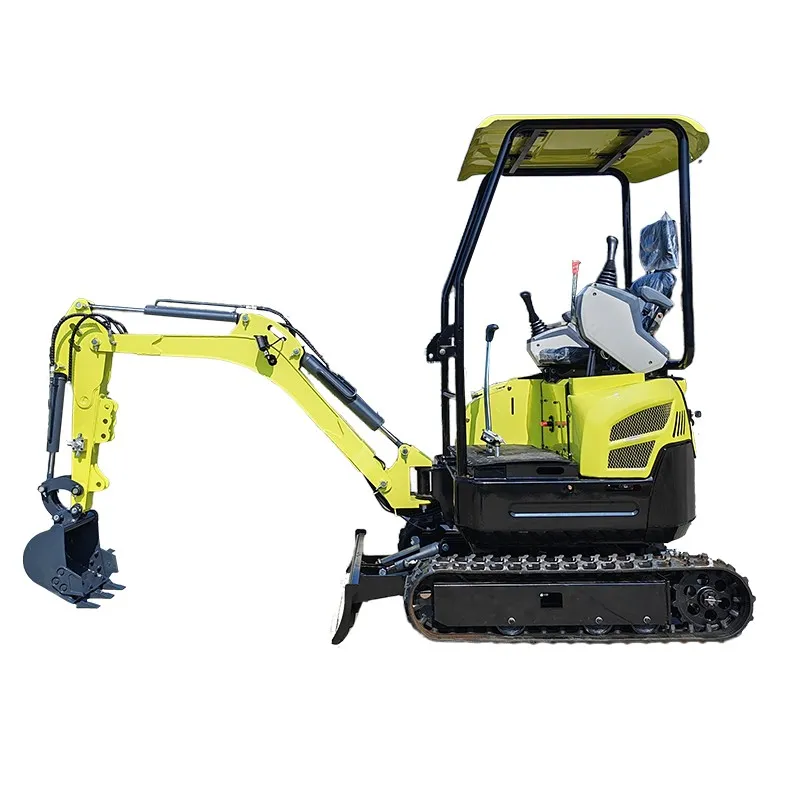
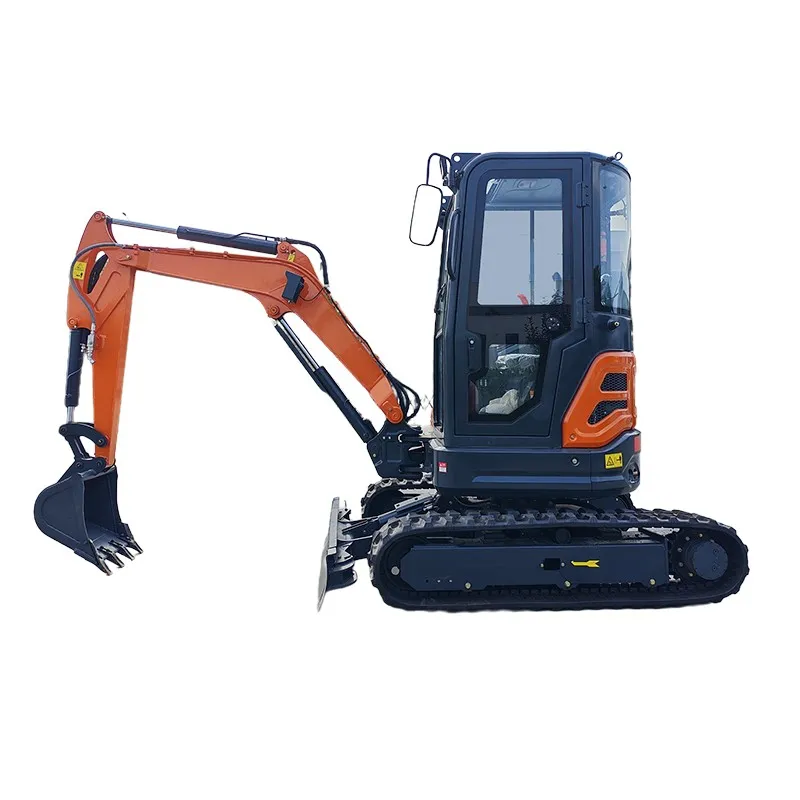
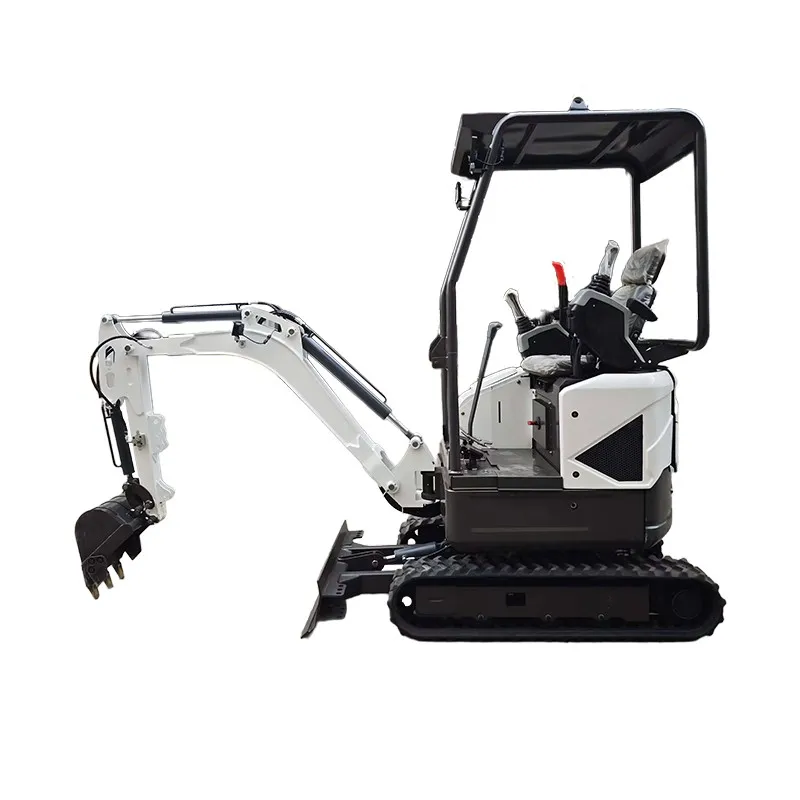
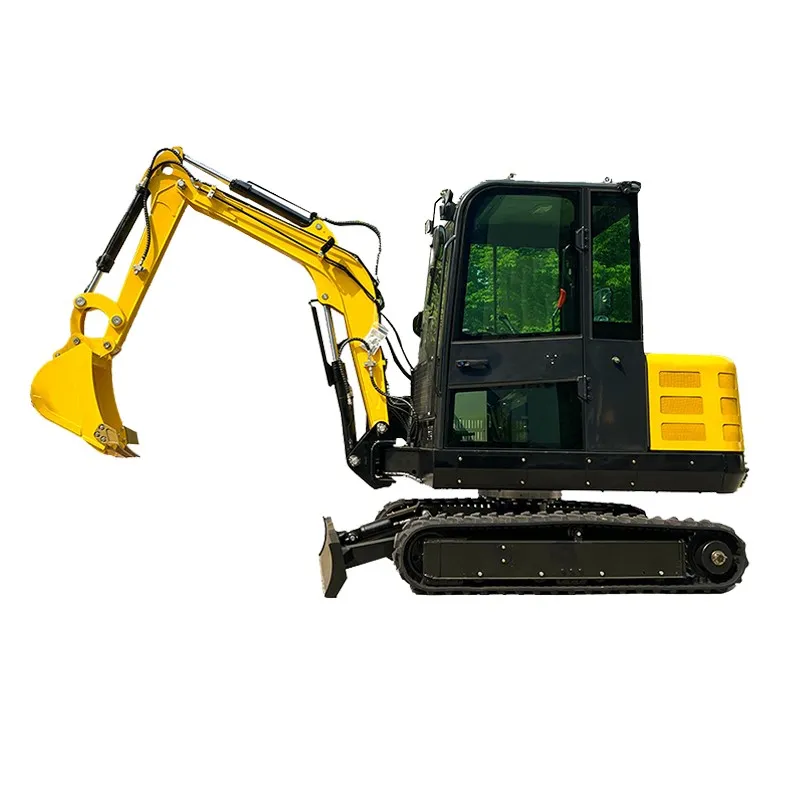
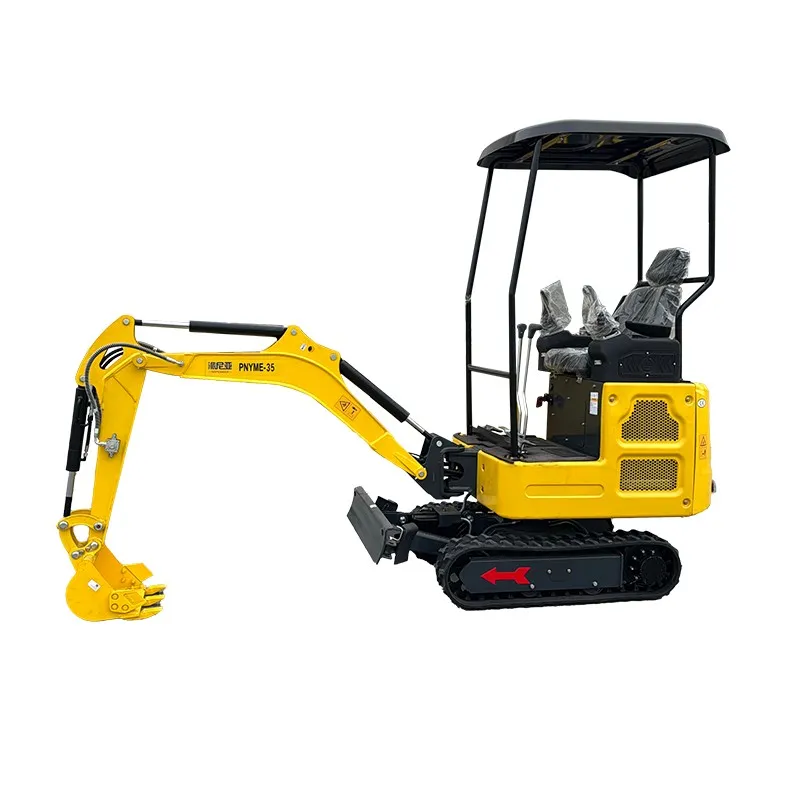
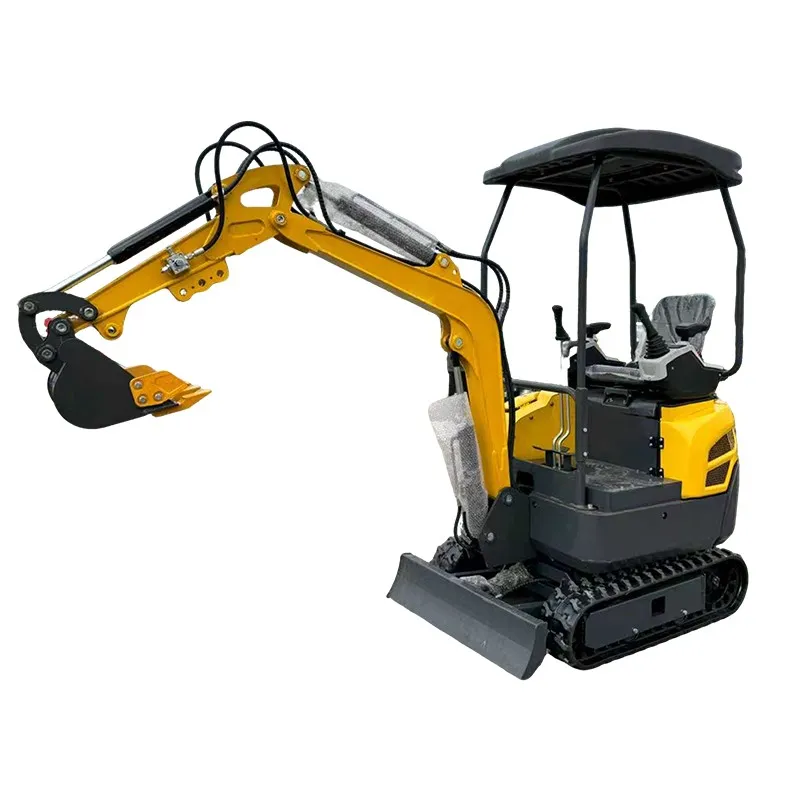
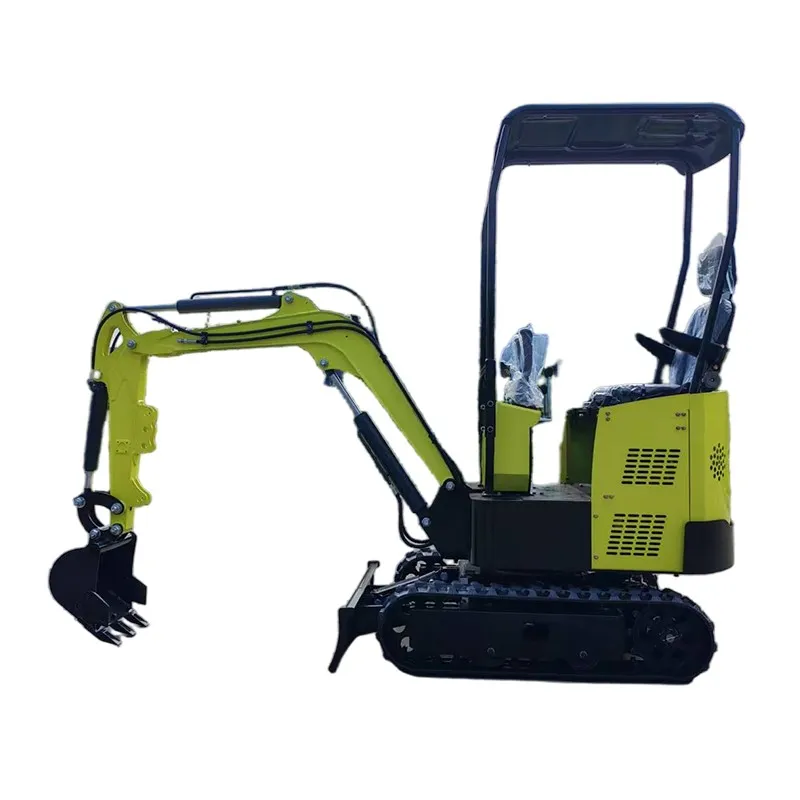
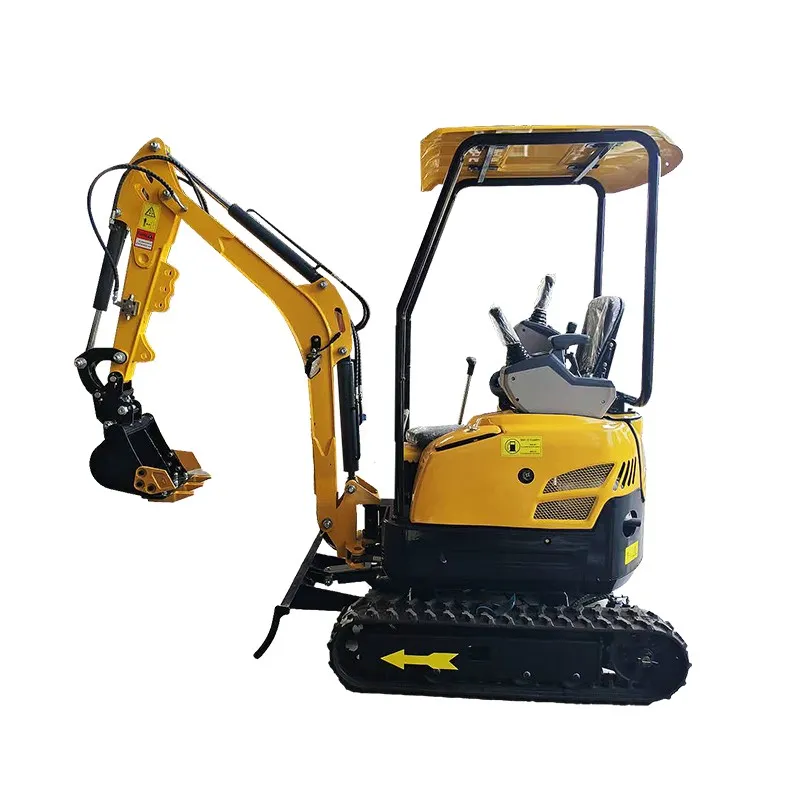
When someone says 2-ton mini digger, a lot of folks picture a toy. That's the first mistake. It's not about being cute; it's about being the most practical tool for a specific, often misunderstood, set of jobs. The 2-ton class, think models like the classic Kubota U17 or the Takeuchi TB216, sits in a sweet spot—and a danger zone. It's powerful enough to be genuinely useful but small enough that its limitations can bankrupt a project if you misjudge. I've seen guys hire one for a foundation dig, thinking they'll save on transport and site prep, only to watch it struggle with dense, undisturbed clay for days. The weight isn't just about lift capacity; it's about traction and digging force. A true 2-tonner has enough ballast to actually use its hydraulic power without dancing around the trench.
The Swiss Army Knife Illusion and Ground Truth
Marketing loves to sell these as universal machines. They're not. Their prime territory is urban retrofit: digging service trenches in confined backyards, planting trees, light demolition inside factories, or landscaping where a full-size machine would tear up the lawn. The key is pre-investigation. You can't just show up. I learned this the hard way on a job in an old suburb. The plan was to dig a 30-meter utility line. The surface was soft, so the mini digger sailed through the first half meter. Then we hit the old, compacted gravel base from the original construction. The machine's breakout force just wasn't enough. We spent hours nibbling at it, constantly repositioning. What should have been a one-day job took three. The profit margin vanished. That's the ground truth: a 2-ton mini digger excels in known, manageable materials. If the ground history is a mystery, you're gambling.
Another often-overlooked factor is the auxiliary hydraulics circuit. On these smaller units, it's sometimes an optional extra or a low-flow system. You might plan to use a hydraulic breaker or a tilt rotator, only to find the machine lacks the oil flow to run it effectively. It becomes a very expensive basic arm. I always specify a high-flow circuit now, even if I don't immediately need it. It future-proofs the machine. Companies that understand this nuance, like Shandong Pioneer Engineering Machinery, often build that versatility into their compact models from the start, which is a sign they're listening to real-world operators, not just catalog engineers.
Transport is the other half of the equation. The beauty is you can move it on a decent trailer behind a heavy-duty pickup, no CDL required in many areas. But you must factor in the weight of the trailer, attachments, and any counterweight additions. It's easy to creep over the 3.5-ton mark for a typical trailer setup. I keep a spreadsheet for each of my machines—base weight, common attachment weights, trailer tare weight. It's boring, but it keeps the Department of Transportation off your back.
Attachment Synergy: It's Not Just a Bucket
The bucket is just the beginning. The real productivity leap comes from matching the right attachment to the task. A standard 12-inch digging bucket is fine for general work, but for trenching, a 24-inch grading bucket is useless—you need a narrow trenching bucket, maybe 6 inches wide. For loading loose material, a wider grading bucket is far more efficient. The quick coupler is non-negotiable. Manually pinning and unpinning attachments on a small machine eats up more time proportionally than on a larger one.
One of the best investments I made was a set of rubber tracks. For about 90% of my residential jobs, they're on. They eliminate the need for timber mats on driveways and lawns, drastically reduce ground pressure, and make the machine significantly quieter. The trade-off is wear. On abrasive surfaces like asphalt or concrete rubble, they can get chewed up surprisingly fast. You have to be mindful. Steel tracks are for the rough stuff, but then you're back to needing protection for finished surfaces.
The most underrated attachment? A hydraulic thumb. It transforms the machine from a digger into a precise material handler. Picking up rocks, placing drainage pipe, holding a timber while you position it—it doubles the machine's functionality. It does reduce your bucket curl force slightly, but the trade-off is almost always worth it. Seeing a operator deftly use a thumb to place delicate paving stones is a thing of beauty—it speaks to a level of control you just don't get with larger equipment.
The Manufacturer Landscape: Spec Sheets vs. Field Performance
This is where it gets interesting. You have the established Japanese brands—Kubota, Yanmar, Takeuchi. Their machines are refined, with excellent dealer support and predictable, if premium, pricing. Then you have the European contenders. And then there's the rise of manufacturers from China, who have moved far beyond simple copies. The difference now often isn't in the core structure or hydraulics, but in the finer details: seal quality, hose routing, electrical harness protection, and the ergonomics of the cab.
I've had hands-on time with units from several manufacturers, including some from Shandong Pioneer Engineering Machinery Co., Ltd. What struck me about their approach, evident from their product range, is a focus on straightforward, robust design for the export market. They're not over-engineering with unnecessary electronics on their basic models, which, for a mini digger meant for tough rental duty or remote areas, can be a benefit. Simpler systems can mean easier field repairs. Their relocation and expansion to a new facility in Tai’an in 2023 suggests a commitment to scaling up production quality and consistency, which is critical for gaining trust in markets like Australia or Germany, where they export to.
When evaluating any brand, new or old, I do two things. First, I look at the undercarriage. How are the hoses clipped? Are they protected from snagging? Is there easy access to grease points? Second, I run the machine at full power, cycling all functions simultaneously. Does the hydraulic system stutter or bog down? That feel of the controls—the proportionality between lever movement and machine response—is something a spec sheet can never convey. A machine can have all the right numbers but feel sloppy and unresponsive.
Cost of Ownership: The Hidden Numbers
The purchase price is the entry fee. The real cost is in maintenance and downtime. For a 2-ton machine, you're typically looking at a 250-300 hour service interval for engine oil and filters, and 1000 hours for hydraulic oil. It sounds simple, but missing these intervals on a machine working hard in dusty conditions is a death sentence for the hydraulic pumps. I use a dedicated service log, religiously.
Track tension is a daily check. Too loose, and you risk derailment, especially with rubber tracks. Too tight, and you accelerate wear on the rollers, idlers, and the track itself. It's a five-minute job with a grease gun, but I've seen tens of thousands in undercarriage wear because an operator got lazy. Another hidden cost is attachment compatibility. If you buy a machine with a non-standard coupler system, you're locked into that manufacturer's attachments or face expensive adapters. Sticking with a mainstream system like the Euro/Global coupler is cheaper in the long run.
Finally, there's residual value. The established brands hold their value remarkably well. A five-year-old Kubota in good shape might still command 60-70% of its new price. A lesser-known brand might depreciate faster. This isn't just about snobbery; it's the market reflecting perceived reliability, parts availability, and dealer network strength. For a business, that residual value is a real financial asset on the balance sheet.
Final Thought: It's a Precision Tool, Not a Compromise
So, circling back. The 2-ton mini digger isn't a smaller version of a big excavator. It's a different tool altogether. Its value is in access, precision, and low operational overhead. The successful use of it comes down to honest job assessment, meticulous attachment selection, and disciplined maintenance. It fails when it's asked to perform outside its design envelope—trying to move mountains instead of sculpting a garden.
The industry is evolving. Manufacturers, from the legacy players to companies like Shandong Pioneer that have grown through two decades of focused export experience, are packing more features and reliability into these compact frames. The website, https://www.sdpioneer.com, shows a progression from a basic manufacturing unit to a trade-focused entity with a clear global footprint, which aligns with the needs of contractors who need dependable tools, not just cheap ones.
My advice? Don't buy it because it's small and affordable. Buy it because your most common, profitable work fits perfectly within its capabilities. And then treat it like the serious piece of engineering it is. Get the specifications right, maintain it better than you think you need to, and it will outwork its size every single day. That's the mark of a professional who sees the machine for what it truly is.
Related Products
Related Products