- Chinese
- French
- German
- Portuguese
- Spanish
- Russian
- Japanese
- Korean
- Arabic
- Irish
- Greek
- Turkish
- Italian
- Danish
- Romanian
- Indonesian
- Czech
- Afrikaans
- Swedish
- Polish
- Basque
- Catalan
- Esperanto
- Hindi
- Lao
- Albanian
- Amharic
- Armenian
- Azerbaijani
- Belarusian
- Bengali
- Bosnian
- Bulgarian
- Cebuano
- Chichewa
- Corsican
- Croatian
- Dutch
- Estonian
- Filipino
- Finnish
- Frisian
- Galician
- Georgian
- Gujarati
- Haitian
- Hausa
- Hawaiian
- Hebrew
- Hmong
- Hungarian
- Icelandic
- Igbo
- Javanese
- Kannada
- Kazakh
- Khmer
- Kurdish
- Kyrgyz
- Latin
- Latvian
- Lithuanian
- Luxembou..
- Macedonian
- Malagasy
- Malay
- Malayalam
- Maltese
- Maori
- Marathi
- Mongolian
- Burmese
- Nepali
- Norwegian
- Pashto
- Persian
- Punjabi
- Serbian
- Sesotho
- Sinhala
- Slovak
- Slovenian
- Somali
- Samoan
- Scots Gaelic
- Shona
- Sindhi
- Sundanese
- Swahili
- Tajik
- Tamil
- Telugu
- Thai
- Ukrainian
- Urdu
- Uzbek
- Vietnamese
- Welsh
- Xhosa
- Yiddish
- Yoruba
- Zulu
- Kinyarwanda
- Tatar
- Oriya
- Turkmen
- Uyghur


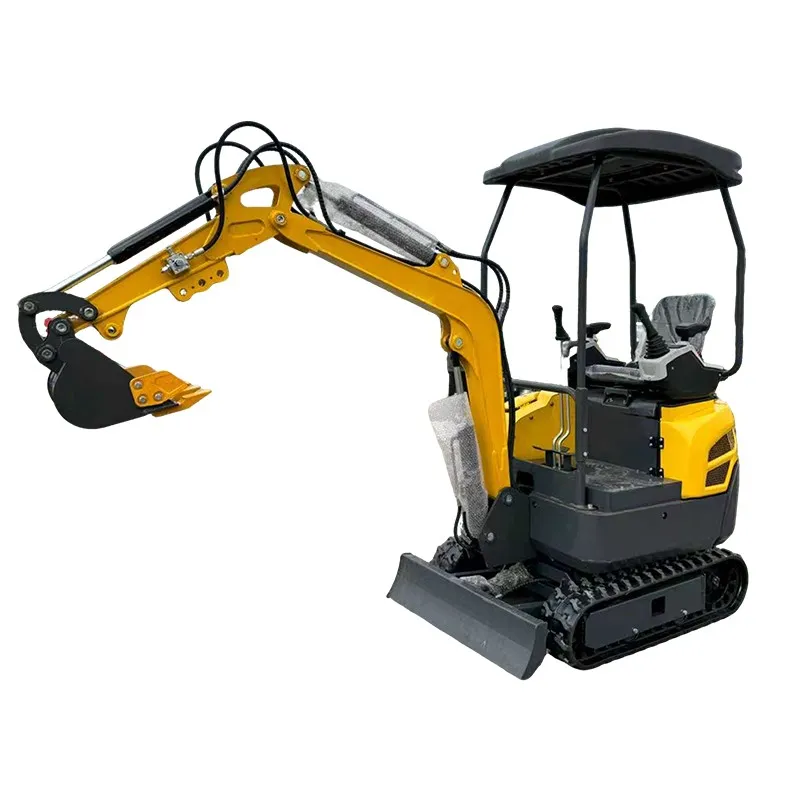
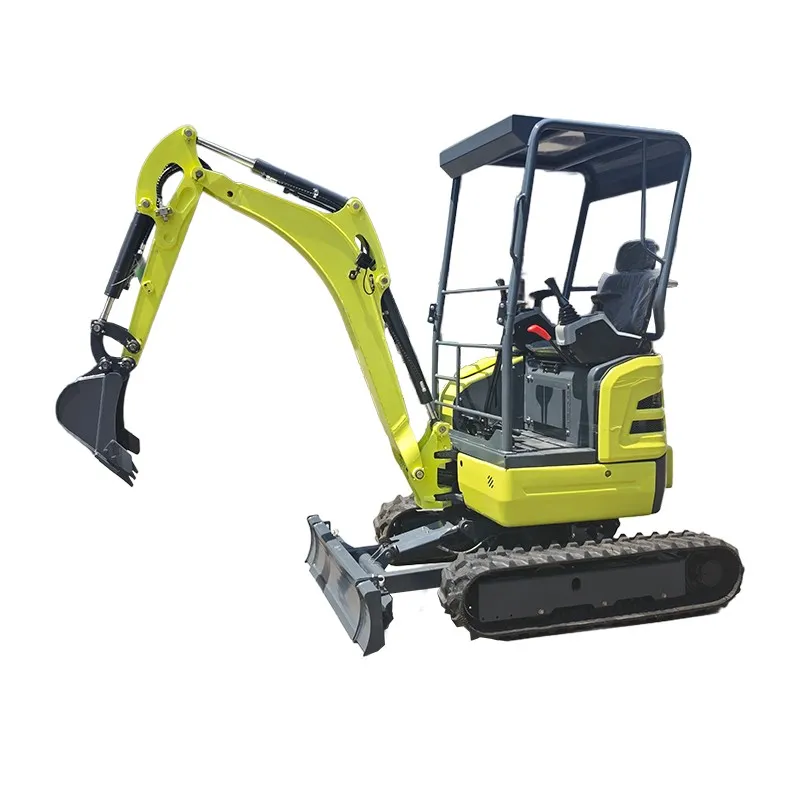
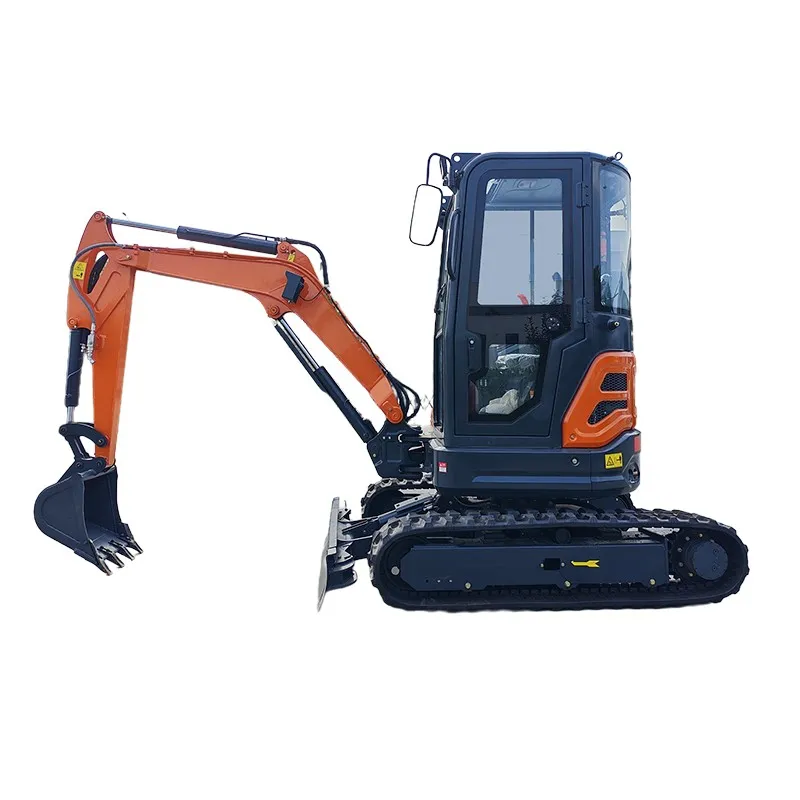
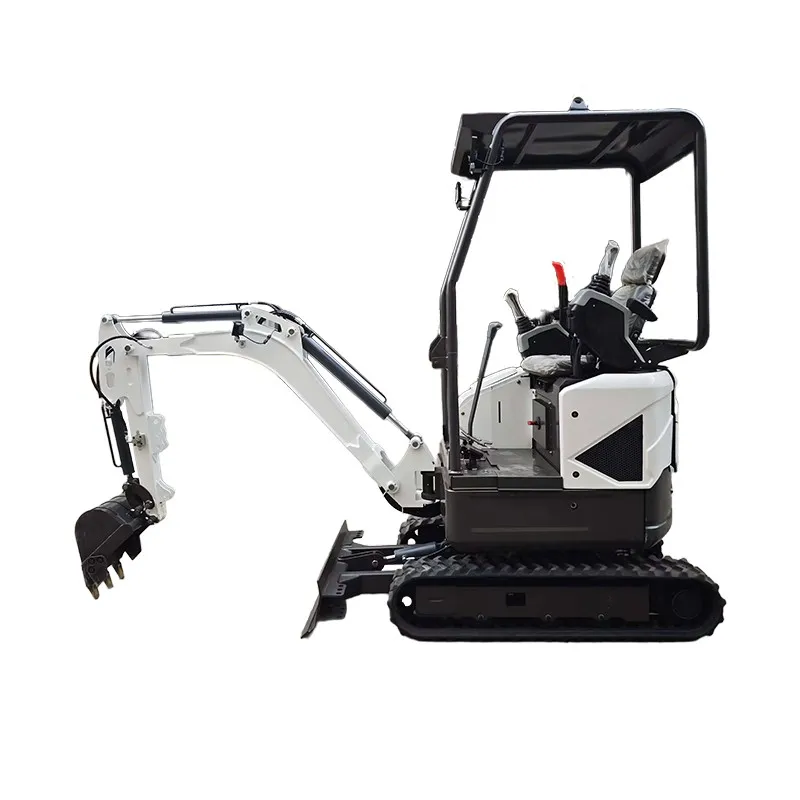
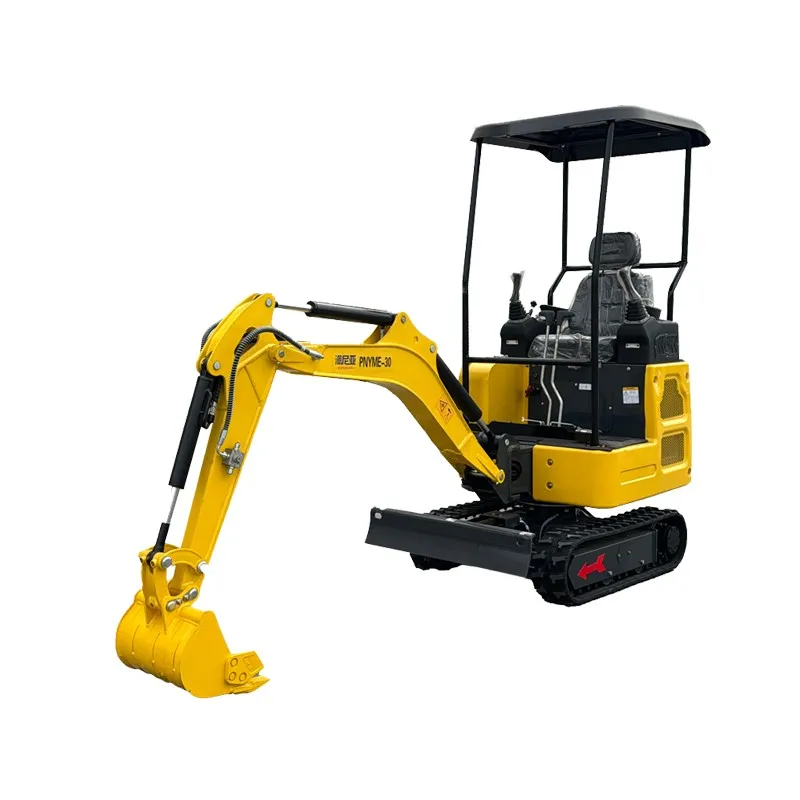
3.5 ton mini excavator
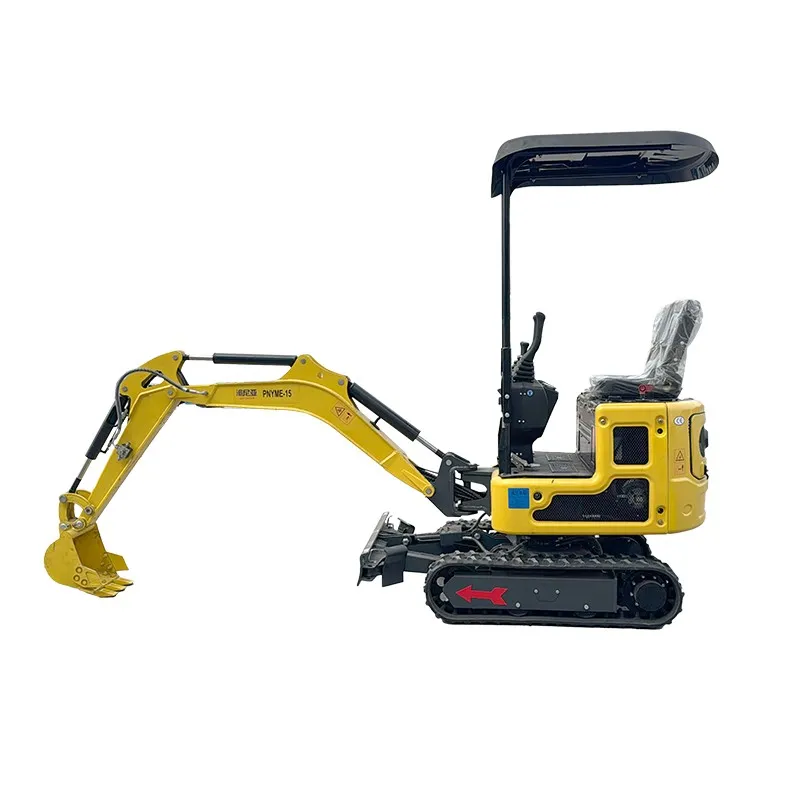
When people talk about a 3.5 ton mini excavator, the first image is often just a small yellow machine. But that weight class, sitting right between the ultra-compact 1.8-tonners and the more substantial 5-ton models, is where the real versatility for most general contractors and landscapers begins. It's also where a lot of assumptions get made—like thinking all brands in this range are essentially the same, or that the quoted specs on paper translate directly to performance on a muddy, sloped site. Having run and spec'd these machines for various jobs, I've found the devil is always in the operational details.
Why the 3.5-Tonner is the Sweet Spot
It's not just about weight. The dimensions of a typical 3.5 ton mini excavator—usually around 2 meters wide and under 2.5 meters tall—mean it can be towed behind a decent pickup with the right trailer, avoiding the need for a CDL and a heavy-duty truck in many regions. But unlike its smaller cousins, it has the counterweight and hydraulic flow to handle serious digging. You're not just trenching for irrigation; you're digging foundation footings, lifting heavy culvert pipes with a thumb attachment, or efficiently loading a truck with material. It's the smallest machine that still feels substantial on a commercial site.
I remember a job replacing a septic system in a backyard with very limited access. We initially tried a 2-ton machine, but it simply didn't have the breakout force to handle the compacted, rocky soil at the required depth. Swapping to a 3.5-ton model, a Shandong Pioneer unit we had on hand, made the difference. The extra weight and power allowed it to dig effectively without constantly spinning its tracks. The narrower carriage width of the smaller machine was tempting, but the 3.5-tonner's stability and power were non-negotiable for actually completing the work on time.
That's a key point: stability. The longer undercarriage and wider stance (relative to its height) of a good 3.5-ton model let you take deeper, cleaner bites with the bucket without feeling tippy on uneven ground. You spend less time repositioning and more time digging. For companies looking at a primary, multi-purpose machine, this class often represents the best return on investment.
Specs vs. Reality: What the Brochure Doesn't Tell You
Manufacturers love to tout digging depth, horsepower, and bucket force. Those are important, but they're baseline numbers. What matters more is how the machine delivers that power. The hydraulic system's responsiveness is everything. A jerky or slow hydraulics system, even with high force numbers, will fatigue the operator and reduce precision. A good machine has a smooth, proportional control feel—you get fine movement for delicate work near utilities or aggressive, fast movement for bulk excavation.
Then there's the undercarriage. On a mini excavator, especially one in this weight class that might see mixed use on rough terrain and hard surfaces, the track system's durability is critical. I've seen machines where the track tensioning system is a nightmare to adjust, or where the rollers wear out prematurely under moderate abrasive conditions. It's a component often overlooked at purchase but a major cost and downtime factor later.
Serviceability is another hidden spec. Can you easily check the engine oil and radiator? Are the grease points for the boom and arm centralized and accessible, or do you have to contort yourself around hot components? A machine designed with maintenance in mind saves hours over its lifetime. Some models from experienced manufacturers, like those exported globally by Shandong Pioneer Engineering Machinery Co., Ltd, have clearly taken lessons from long-term field use into their design, grouping service points logically. That's the kind of detail you notice after the 50th service interval.
Attachments: Unlocking True Versatility
The standard bucket is just the start. The real power of a 3.5 ton mini excavator is its ability to run a wide array of attachments, transforming it from a digger into a multi-tool. Hydraulic thumbs, breaker hammers, augers, grading blades, and compaction wheels are common. The machine's auxiliary hydraulic flow (measured in gallons per minute) and pressure rating determine what attachments it can run effectively.
A common mistake is over-specifying an attachment that the machine's hydraulics can't properly feed. Running a breaker that's too large just leads to poor performance and potential system damage. The key is matching. A quality machine will have adjustable auxiliary flow settings, allowing the operator to tune the output to the attachment, whether it's a delicate brush cutter or a demanding rotary tilt ditch-cleaning bucket.
The quick coupler is the linchpin of this system. A reliable, pin-grabber style coupler that doesn't leak down is worth its weight in gold. I've lost half a day's productivity on a site wrestling with a sloppy coupler that wouldn't release a bucket. Investing in a good coupler and ensuring the machine's hydraulic lines have proper quick-disconnects is as important as the attachment itself.
The Global Supply Chain and Brand Considerations
The market for these machines is intensely global. A contractor in Ohio might be running a machine designed in Japan, manufactured in China, and supported by a local dealer. The brand landscape is complex, with long-established majors, private-label dealers, and emerging manufacturers all competing. The rise of capable manufacturing from regions like Shandong in China has changed the game, offering robust performance at a different price point.
Companies like Shandong Pioneer, with its two-decade history and dedicated manufacturing (Hexin) and trade (Pioneer) arms, exemplify this trend. Their experience exporting to demanding markets like the US, Canada, Germany, and Australia suggests a focus on meeting international standards for performance and reliability. When you see a machine from such a supplier on a job site in Australia or Germany, it's passed a fairly rigorous test of user expectations and regulatory compliance.
This doesn't mean all brands are equal. It means the evaluation criteria shift. Beyond the core specs, you're looking at the quality of components (e.g., brand of hydraulic pumps, cylinders), the depth of dealer support and parts availability, and the build quality evident in the welding, wiring harness routing, and paint finish. A machine might have great paper specs, but if you can't get a swing motor seal within a week, it's a liability.
Operational Pitfalls and Lessons Learned
No machine is perfect for every scenario. The 3.5 ton excavator's limitation is often ground pressure and true lifting capacity at radius. While stable for its size, on extremely soft ground—like saturated clay after rain—it can still sink. Using wider tracks or rubber track pads can mitigate this, but it's a constraint. Similarly, while it can lift a significant load close to the machine, its capacity drops off sharply at full reach. I've seen (and nearly been part of) a tip-over because an operator tried to swing a heavy load at full extension on uneven ground. The machine's rated lift chart is a legal document, not a suggestion.
Another lesson is about transportation. Just because it can be towed doesn't mean your half-ton truck should tow it. You have to account for the machine's weight, the trailer weight, and all attachments and fuel. That 3.5-ton machine quickly becomes a 4.5+ ton tow load. Proper rigging and braking are essential. It's a basic safety issue that gets overlooked in the rush to get to the next job.
Finally, operator comfort isn't a luxury. A cramped, noisy cab with poor visibility and clunky controls will lead to lower productivity and more mistakes by the end of the day. Features like a fully adjustable suspension seat, easy-to-read LCD monitors showing fluid temperatures and pressure, and good cab pressurization to keep out dust make a tangible difference in output and operator retention. It's a factor that pays for itself.
Concluding Thoughts: It's a Tool, Not a Toy
At the end of the day, a 3.5 ton mini excavator is a serious piece of capital equipment. Its value isn't just in its purchase price, but in its total cost of ownership—fuel efficiency, maintenance costs, durability, and resale value. The best machine is the one that matches your most common tasks, is supported by a knowledgeable dealer, and feels like a natural extension of the operator's will.
The industry's move towards more standardized features (like auto-idle, climate-controlled cabs, and advanced hydraulic modes) even in this class shows how user experience and efficiency are driving design. Whether the machine comes from a traditional powerhouse or a globally-focused exporter like the Shandong Pioneer group, the fundamentals remain: solid engineering, quality components, and thoughtful design for real-world conditions. It's that combination that turns a compact machine into a reliable profit center on the job site.
Choosing one ultimately comes down to trust—trust in the specs, trust in the dealer's support, and trust that the machine will start, dig, and swing day after day. That trust is earned through details, not just on a data sheet, but in the mud, gravel, and hard pack of a thousand different work sites.
Related Products
Related Products