- Chinese
- French
- German
- Portuguese
- Spanish
- Russian
- Japanese
- Korean
- Arabic
- Irish
- Greek
- Turkish
- Italian
- Danish
- Romanian
- Indonesian
- Czech
- Afrikaans
- Swedish
- Polish
- Basque
- Catalan
- Esperanto
- Hindi
- Lao
- Albanian
- Amharic
- Armenian
- Azerbaijani
- Belarusian
- Bengali
- Bosnian
- Bulgarian
- Cebuano
- Chichewa
- Corsican
- Croatian
- Dutch
- Estonian
- Filipino
- Finnish
- Frisian
- Galician
- Georgian
- Gujarati
- Haitian
- Hausa
- Hawaiian
- Hebrew
- Hmong
- Hungarian
- Icelandic
- Igbo
- Javanese
- Kannada
- Kazakh
- Khmer
- Kurdish
- Kyrgyz
- Latin
- Latvian
- Lithuanian
- Luxembou..
- Macedonian
- Malagasy
- Malay
- Malayalam
- Maltese
- Maori
- Marathi
- Mongolian
- Burmese
- Nepali
- Norwegian
- Pashto
- Persian
- Punjabi
- Serbian
- Sesotho
- Sinhala
- Slovak
- Slovenian
- Somali
- Samoan
- Scots Gaelic
- Shona
- Sindhi
- Sundanese
- Swahili
- Tajik
- Tamil
- Telugu
- Thai
- Ukrainian
- Urdu
- Uzbek
- Vietnamese
- Welsh
- Xhosa
- Yiddish
- Yoruba
- Zulu
- Kinyarwanda
- Tatar
- Oriya
- Turkmen
- Uyghur


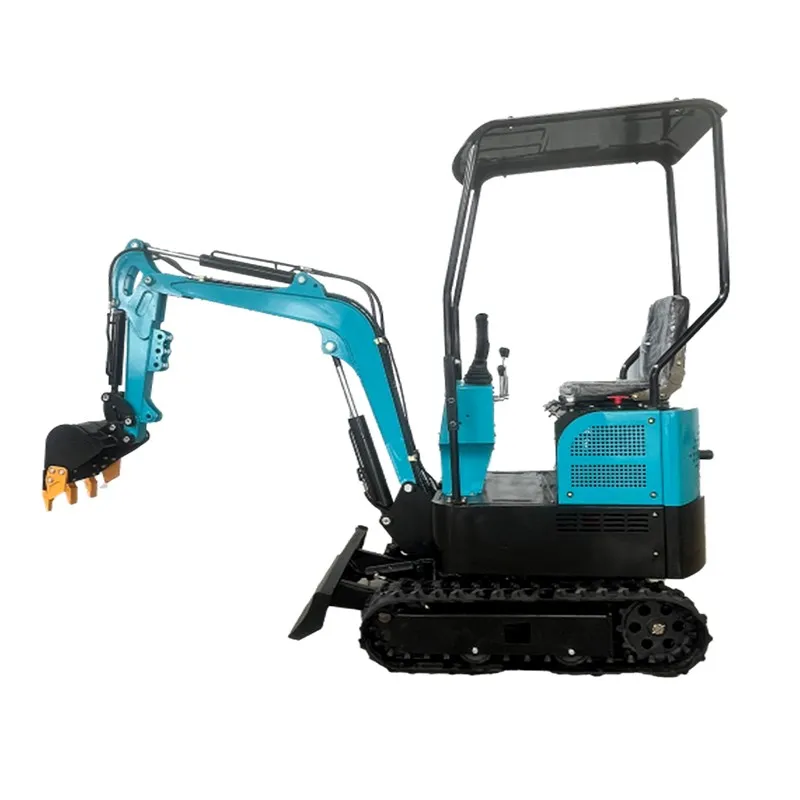
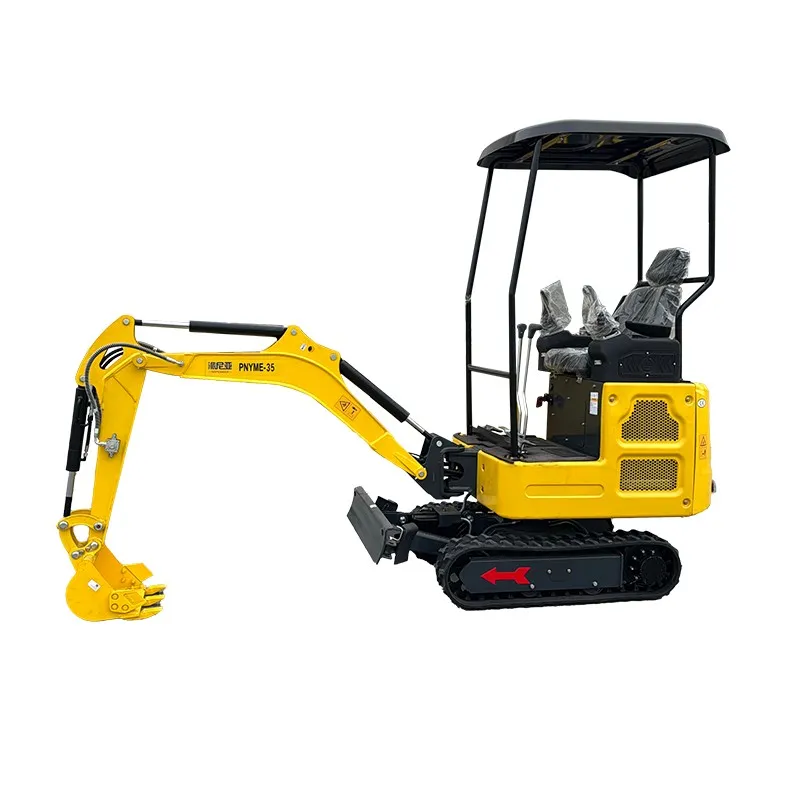
35g mini excavator
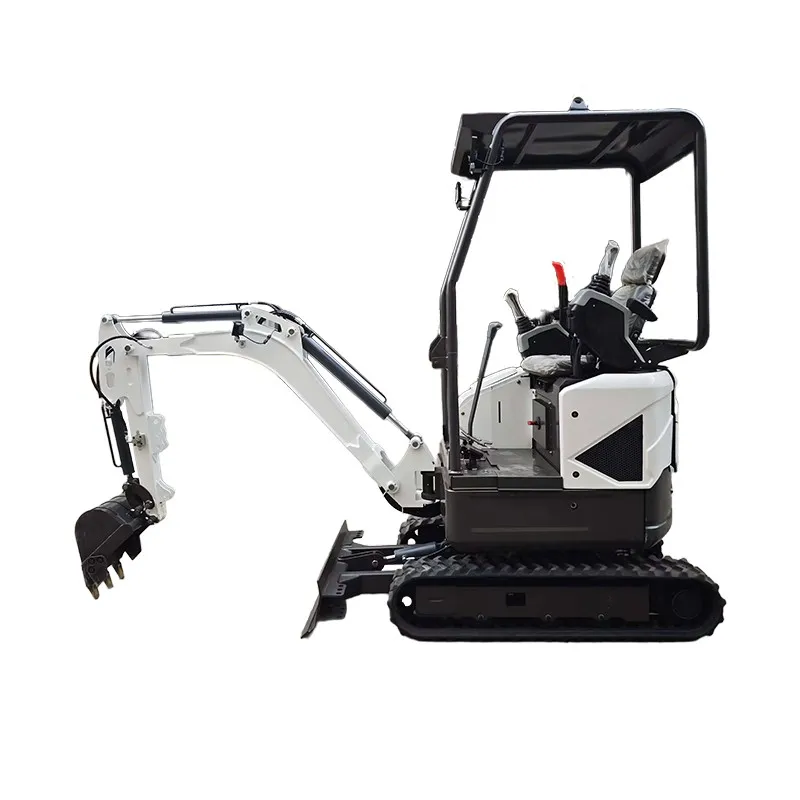
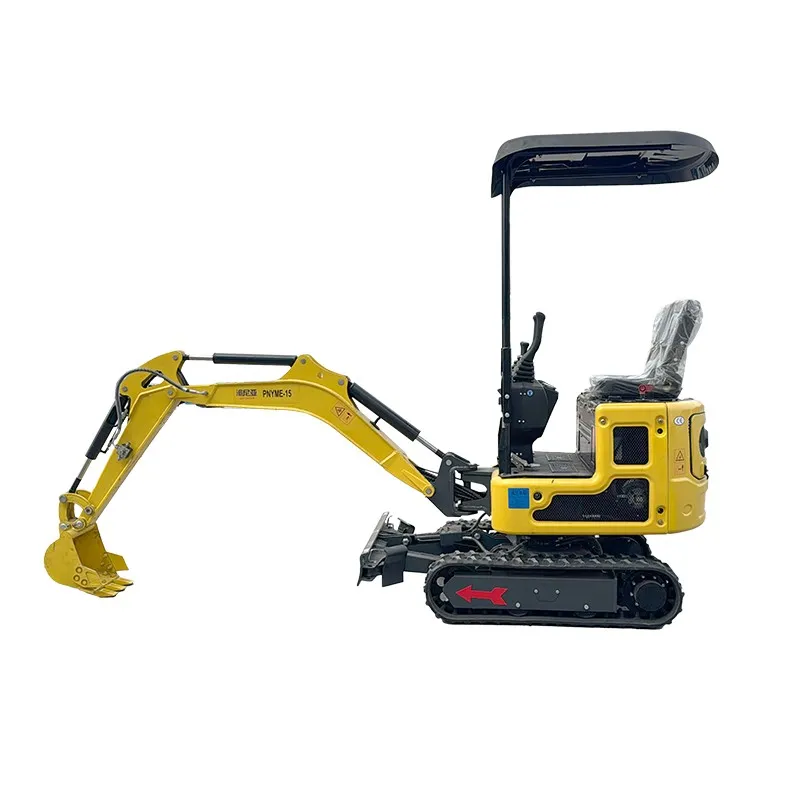
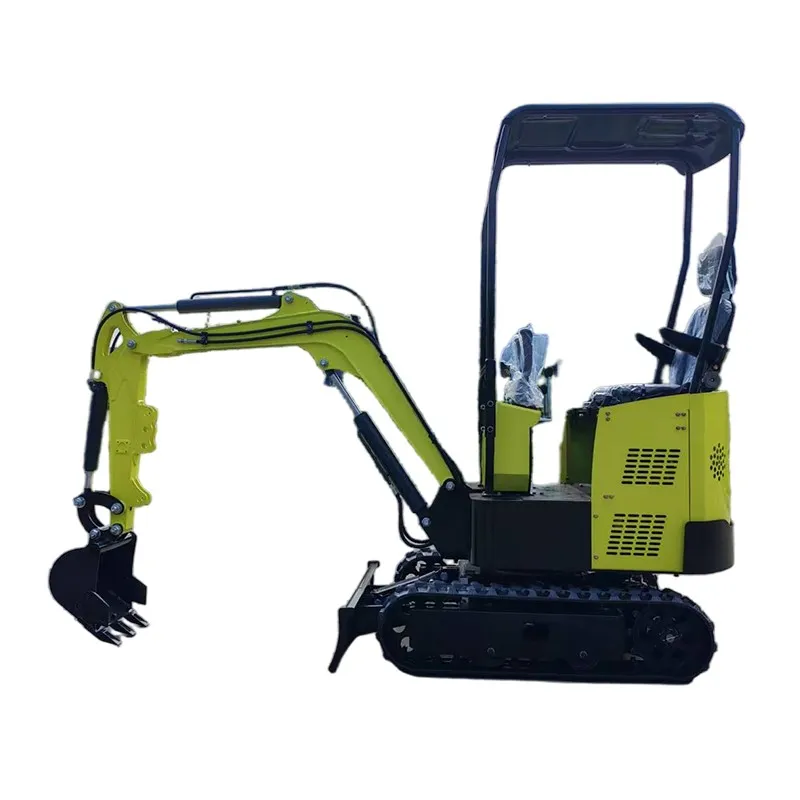
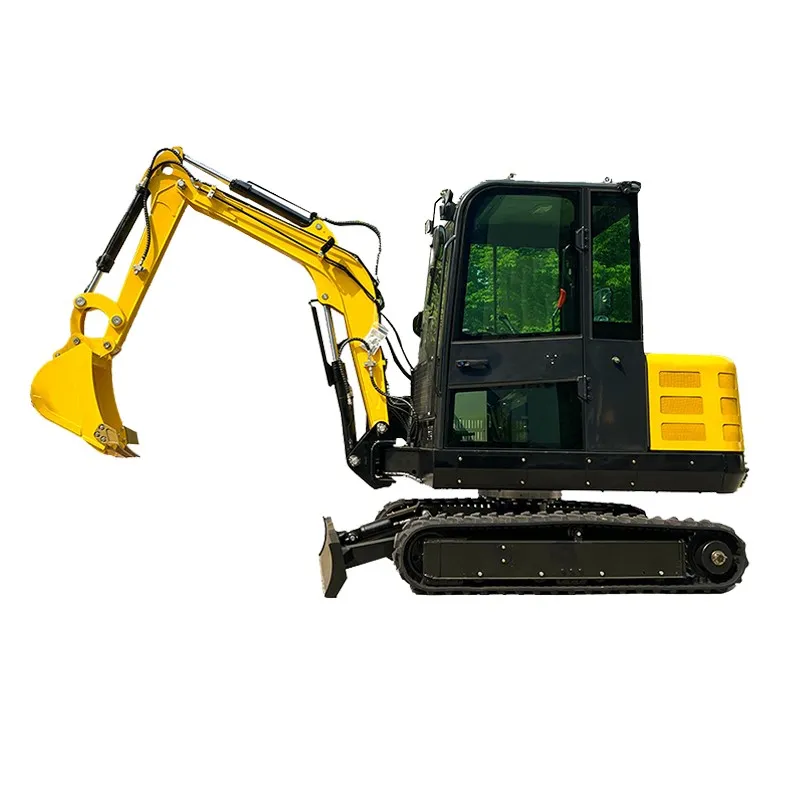
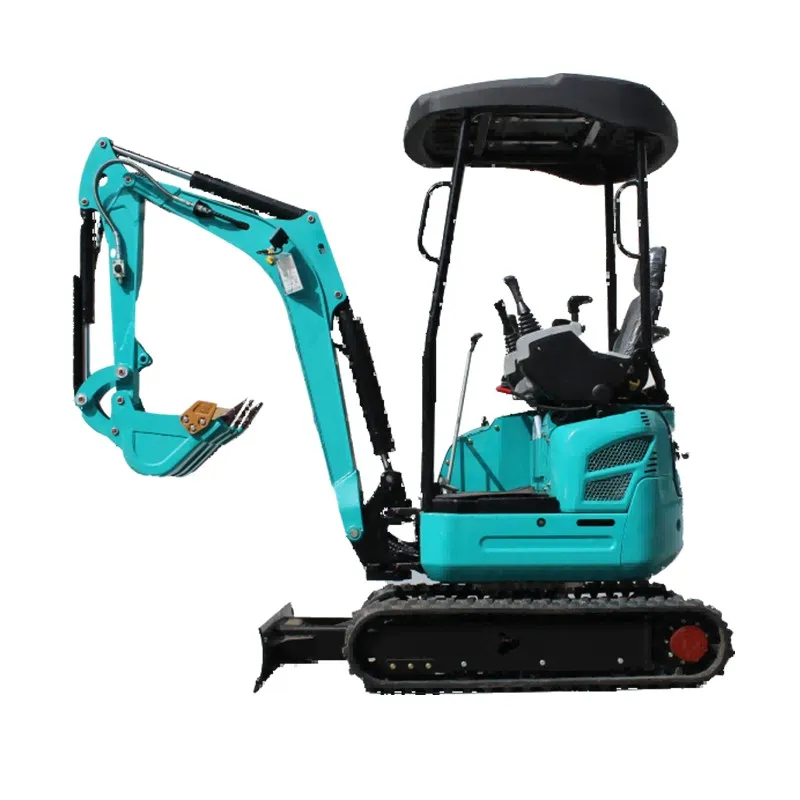
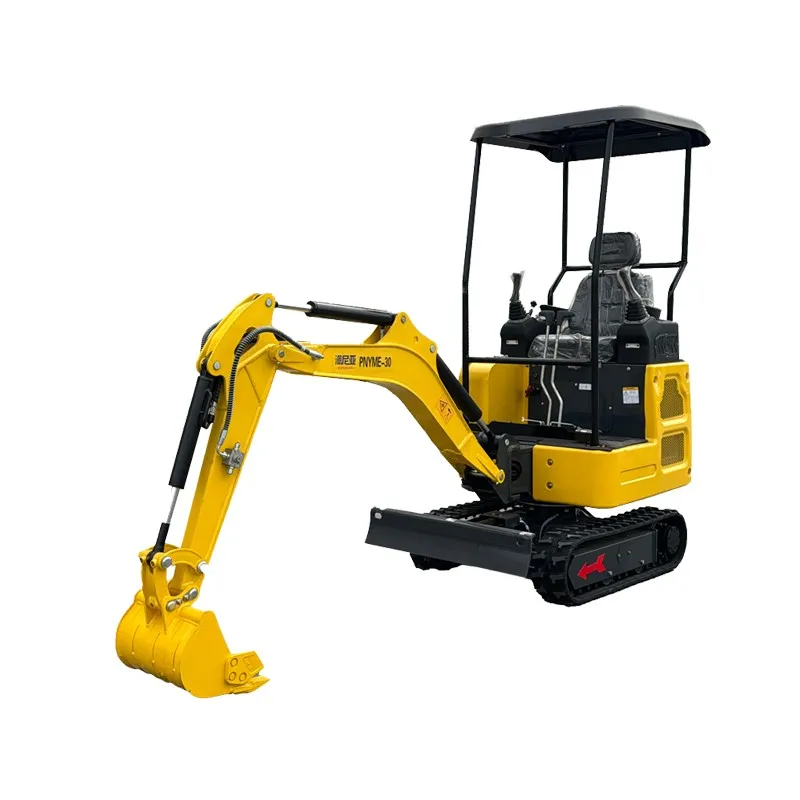
When you hear '35g mini excavator', most folks immediately picture a tiny, almost toy-like machine. That's the first misconception. The '35' typically refers to the operating weight in quintals or a model series, not always a precise 3.5-ton metric. In practice, machines branded around this size, like the common 3.5-ton class, are deceptively capable. The real debate isn't about its existence, but about its application envelope and the engineering compromises that come with such compactness. Having spent years specifying these for tight-access landscaping and urban utility work, I've seen the gap between catalog specs and dirt-time reality. Let's talk about what a 35g mini excavator actually does when the ground isn't level and the rain has started.
Defining the 35g – More Than Just a Number
The nomenclature is a mess. One manufacturer's 35g might weigh 3,800 kg, another's 3,450 kg. The 'g' often denotes a generation or a specific series, sometimes hinting at features like a revised hydraulic system or a common-rail engine. You can't just compare numbers across brands. I learned this the hard way early on, recommending a machine based purely on the 35 prefix, only to find its dump height was a full 30cm shorter than a competitor's similarly labeled model, making it useless for the client's loading task. The key is to look at the actual dimensional and performance sheet: arm force, bucket dig force, tail swing radius, and most critically, the transport width. Is it under 2.5m for easy trailer movement? That's a defining trait for this class.
Where does a company like Shandong Pioneer Engineering Machinery Co., Ltd fit in? They've been in the game since 2004, and their evolution mirrors the market's demand for refined compact equipment. Operating from their base in Shandong, China, they've had two decades to iterate. Their relocation to a new facility in Ningyang in 2023 suggests a scaling up, likely to streamline the production of lines that include these compact excavators. When you're sourcing a machine, understanding a manufacturer's timeline matters. A company that's persisted through market cycles, exporting to places like Germany and Australia, has likely had to address real feedback on durability and serviceability to meet those markets' standards.
The point is, the 35g tag is your entry point to a deeper spec dive. It signals a size category, but the devil is in the hydraulic flow rates, the type of auxiliary piping (standard or variable), and the cab layout. Does it have a two-piece boom for offset digging next to foundations? That's a premium feature that separates a trenching specialist from a basic digger.
The Sweet Spot and The Squeeze: Ideal vs. Marginal Jobs
This class is the undisputed king of residential backyards, fence line work, and interior demolition. Its beauty is in fitting through a standard garden gate (most can, with buckets removed). I've used them to dig swimming pools where a larger machine would have destroyed the existing patio. The zero or minimal tail swing on most modern 35g models is a game-changer for working next to structures. You develop a kind of spatial confidence, knowing you can pivot within inches of a wall.
But here's where experience talks: they are miserable in consistently heavy clay or rocky trenching. The limited weight means limited traction and breakout force. You'll find yourself walking the machine to shove the bucket in, which wears tracks and drives fast. For a 50-meter trench in soft soil, perfect. For a 10-meter trench in compacted clay, you're better off with a slightly larger machine or a dedicated trencher. The economic calculation of hourly rate versus productivity tips quickly.
Another marginal case is lifting. Yes, they have a lift mode. But the stability at radius, especially with the standard blade, is sketchy. I once watched a crew try to set a precast concrete septic tank with a 35g. It was technically within the lift chart capacity, but on the slight slope of the site, the machine became a nervous animal. They got it done, but the pucker factor was high. We now carry extra outrigger pads for any serious lifting and treat the chart numbers with a 25% safety margin for field conditions.
Hydraulics and the Operator's Touch
The leap in performance over the last decade hasn't been in engine power, but in hydraulic system refinement. Older models had an on/off feel—jerky. Newer ones, especially from manufacturers who've invested in system integration, offer metered control that lets an operator feel the bucket. This is where you notice the difference between a cheap import and a seasoned manufacturer. A company with a long export history to demanding regions, as noted in Shandong Pioneer's background of supplying the US, Canada, and Australia, is forced to develop these systems to compete. It's not just about making a part; it's about tuning the whole machine's response.
For instance, grading a slight slope for drainage with a tiltrotator attachment requires smooth, proportional hydraulics. A jittery system will leave a washboard surface. The best feedback I got was from a landscaping crew running a well-tuned 35g; they said it felt like an extension of their hands. That doesn't come from a spec sheet; it comes from engineering iteration and listening to operators. The auxiliary hydraulic circuit's pressure and flow rate become critical specs if you plan to run hydraulic breakers or augers. An underpowered circuit will kill a breaker's effectiveness, turning a quick job into a long, expensive one.
Maintenance access is another practical divider. On some models, checking the radiator screen requires a contortionist act. On others, the side panels swing open fully. When you're in a muddy site at the end of the day, that 5-minute difference is huge. This is a detail you only appreciate after doing it a hundred times, and it's a clear sign of design input from people who've actually serviced machines in the field.
The Cost of Compact: Durability and Downtime
Everything on a 35g mini excavator is smaller, including bearings, hoses, and pins. They operate at the same, if not higher, stress cycles than larger machines. A 20-ton excavator doing trench work moves more material per cycle, so its components see fewer repetitive movements for the same job output. The 35g is constantly cycling, pivoting, digging. This accelerates wear on undercarriage components, especially if working on abrasive surfaces like asphalt or concrete debris.
We tracked downtime on our fleet. The 3.5-ton class had more frequent, though less expensive, repairs than our 8-ton machines. Common issues were track tensioner failures (from constant side-loading when digging parallel to trenches), and leaks from the multitude of hydraulic joints on the boom. The solution wasn't to avoid them, but to build a more aggressive PM schedule. Greasing isn't a maybe at the end of the day; it's a mandatory shift-ender.
This is where manufacturer support and parts commonality matter. If you're looking at a model from a company like Shandong Pioneer, whose website details their manufacturing and trade structure, a key question is: what's the parts pipeline like for my region? A machine is only as good as the availability of its track bushings or hydraulic seals. Their two-decade presence and global export channels, as mentioned in their company intro, generally indicate an established parts network, which is as important as the machine's initial price.
The Future is Attachments (and Electricity)
The true value of a modern mini ex is as a carrier platform. The basic bucket is just the start. Tiltrotators, compaction wheels, hydraulic rakes, grapple saws—this is where the ROI multiplies. But you must plan for it. Not all machines come with sufficient auxiliary flow from the factory. It's often an expensive retrofit. When specifying a new 35g now, we always opt for the high-flow circuit, even if we don't have an immediate need. It future-proofs the investment.
The other shift is electrification. For indoor work or noise-sensitive urban sites, the electric 35g is becoming a real tool, not a novelty. The instant torque is impressive, and the lack of heat and fumes is a game-changer. The limitation is still runtime and charging infrastructure on remote sites. But for a city contractor doing basement digs or utility work inside parking garages, it's worth the premium. It's a niche now, but it's growing fast. Manufacturers who started with solid diesel platforms, accumulating years of mechanical know-how, are the ones best positioned to engineer reliable electric versions, because the fundamentals of structure and hydraulics remain the same.
So, circling back to the 35g mini excavator. It's not a small big excavator. It's a distinct tool with its own brilliant strengths and frustrating limits. Its success on any job site depends entirely on matching those to the task at hand, and on choosing a machine built with the nuance that comes from real-world feedback, not just assembly line production. The difference is felt in the seat, in the downtime logs, and in the final quality of the work.
Related Products
Related Products