


- Chinese
- French
- German
- Portuguese
- Spanish
- Russian
- Japanese
- Korean
- Arabic
- Irish
- Greek
- Turkish
- Italian
- Danish
- Romanian
- Indonesian
- Czech
- Afrikaans
- Swedish
- Polish
- Basque
- Catalan
- Esperanto
- Hindi
- Lao
- Albanian
- Amharic
- Armenian
- Azerbaijani
- Belarusian
- Bengali
- Bosnian
- Bulgarian
- Cebuano
- Chichewa
- Corsican
- Croatian
- Dutch
- Estonian
- Filipino
- Finnish
- Frisian
- Galician
- Georgian
- Gujarati
- Haitian
- Hausa
- Hawaiian
- Hebrew
- Hmong
- Hungarian
- Icelandic
- Igbo
- Javanese
- Kannada
- Kazakh
- Khmer
- Kurdish
- Kyrgyz
- Latin
- Latvian
- Lithuanian
- Luxembou..
- Macedonian
- Malagasy
- Malay
- Malayalam
- Maltese
- Maori
- Marathi
- Mongolian
- Burmese
- Nepali
- Norwegian
- Pashto
- Persian
- Punjabi
- Serbian
- Sesotho
- Sinhala
- Slovak
- Slovenian
- Somali
- Samoan
- Scots Gaelic
- Shona
- Sindhi
- Sundanese
- Swahili
- Tajik
- Tamil
- Telugu
- Thai
- Ukrainian
- Urdu
- Uzbek
- Vietnamese
- Welsh
- Xhosa
- Yiddish
- Yoruba
- Zulu
- Kinyarwanda
- Tatar
- Oriya
- Turkmen
- Uyghur

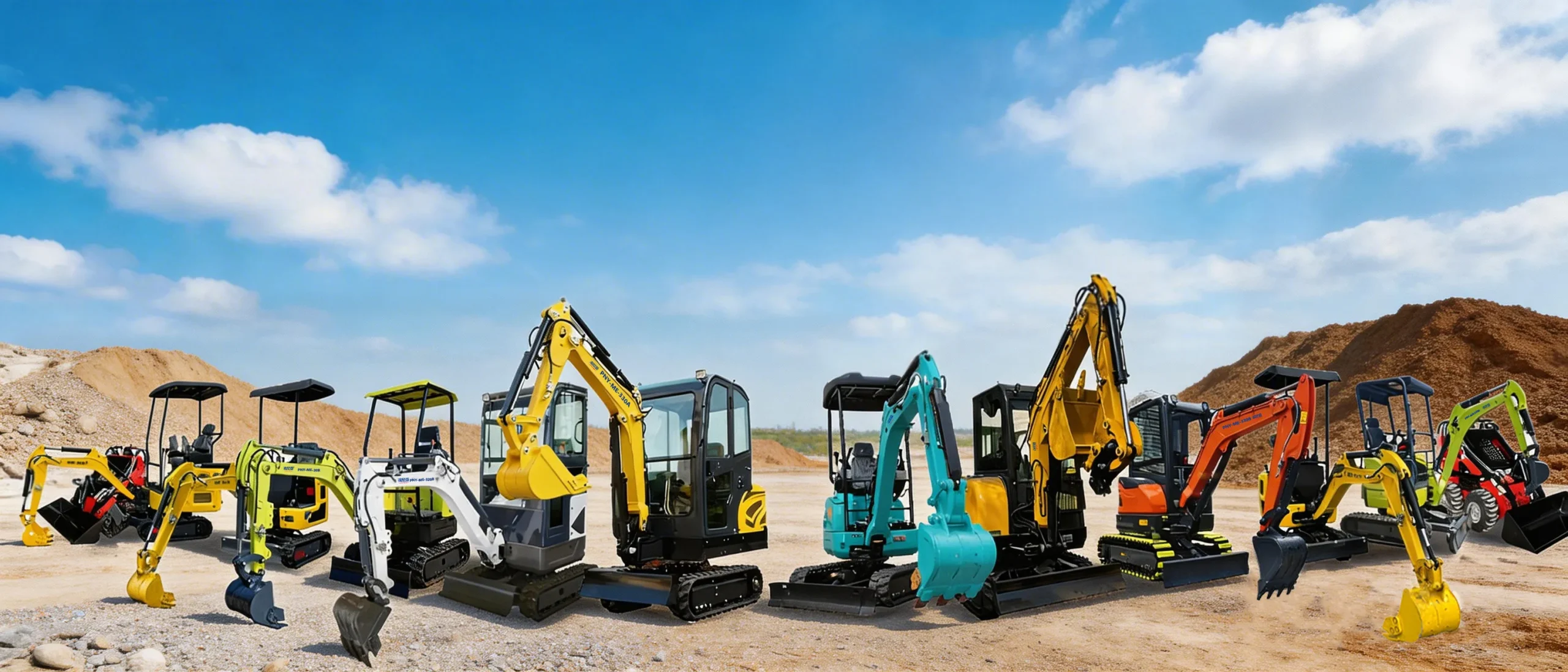
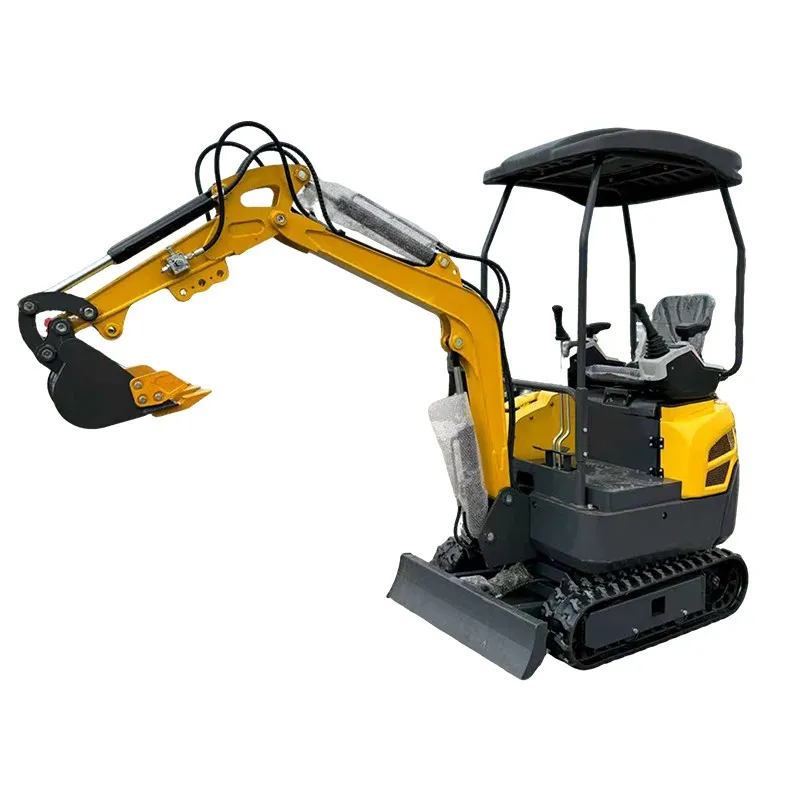
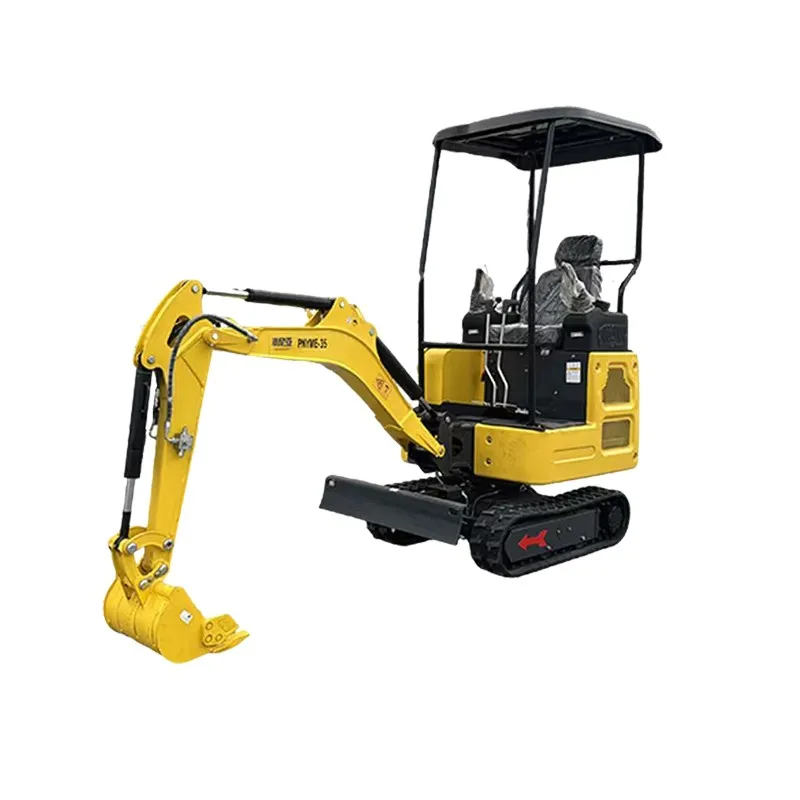
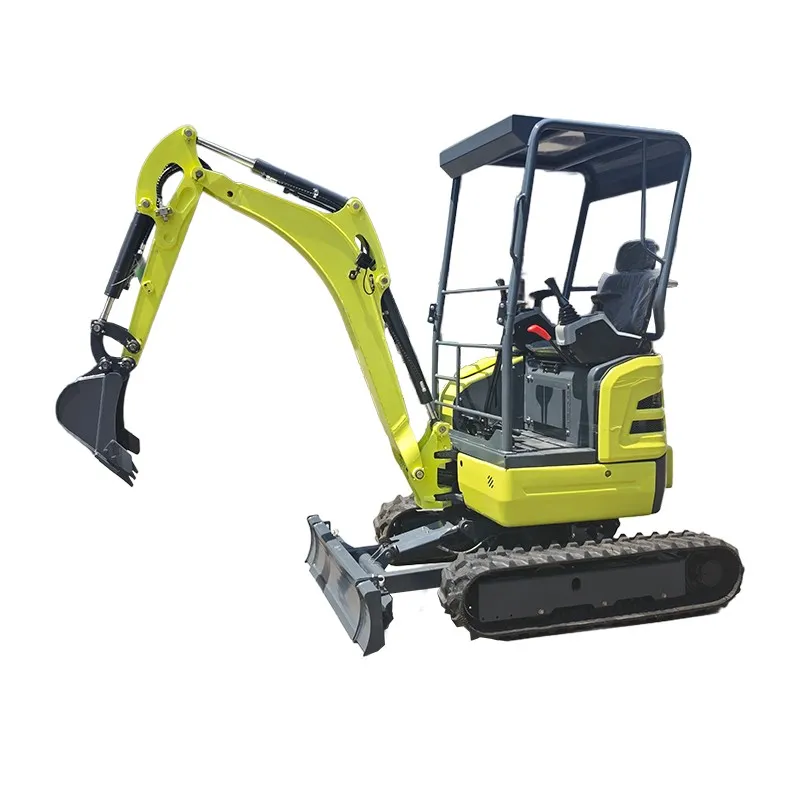
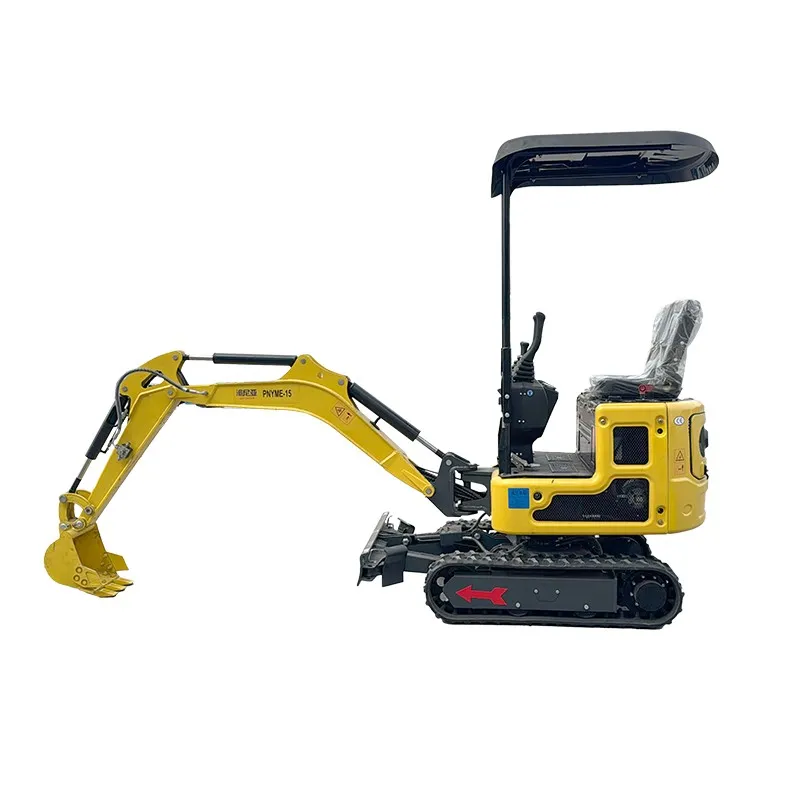
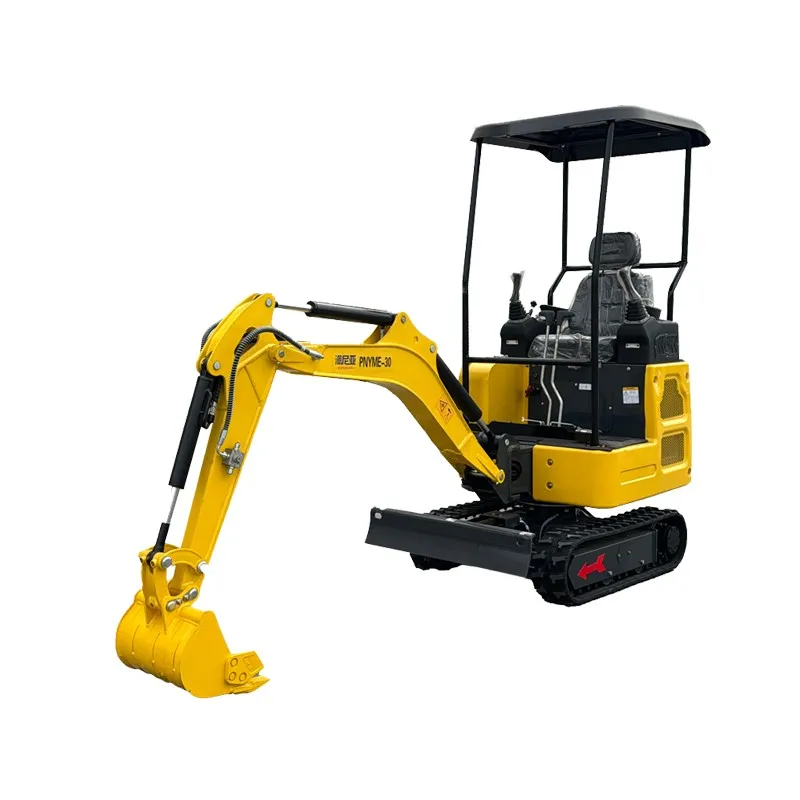
3ton mini digger
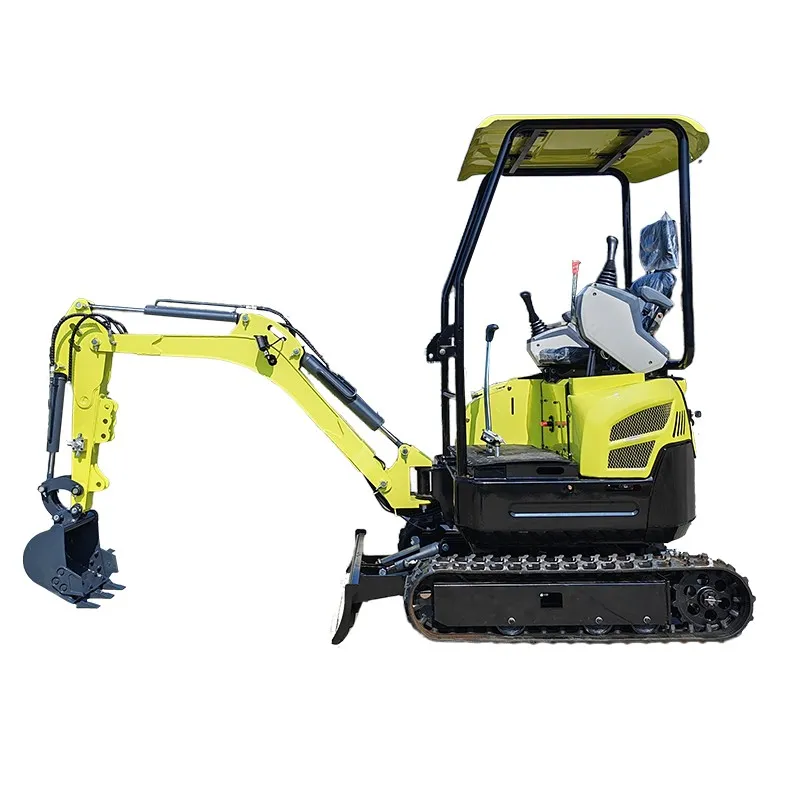
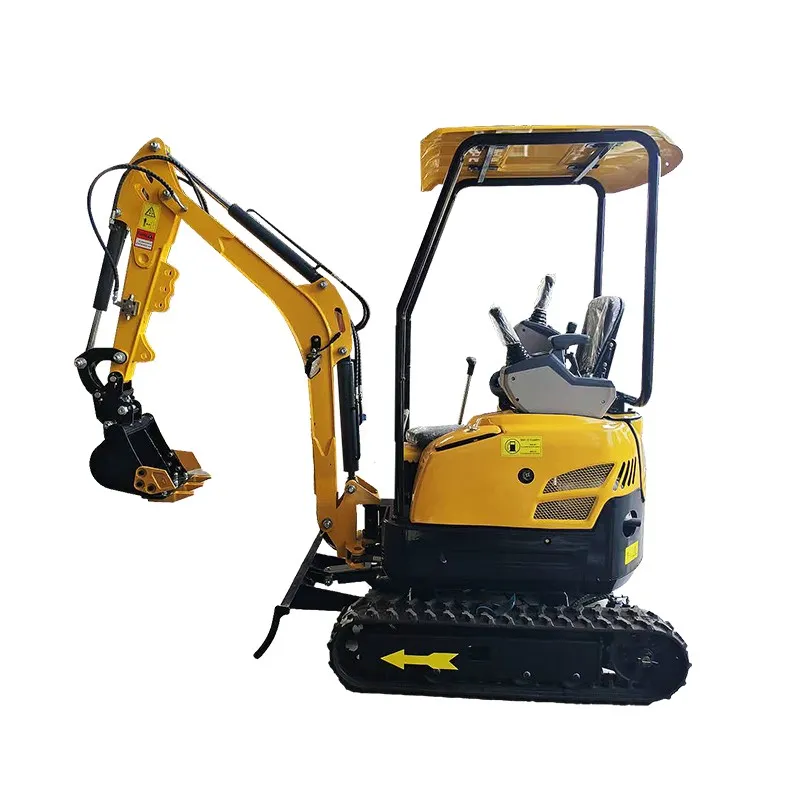
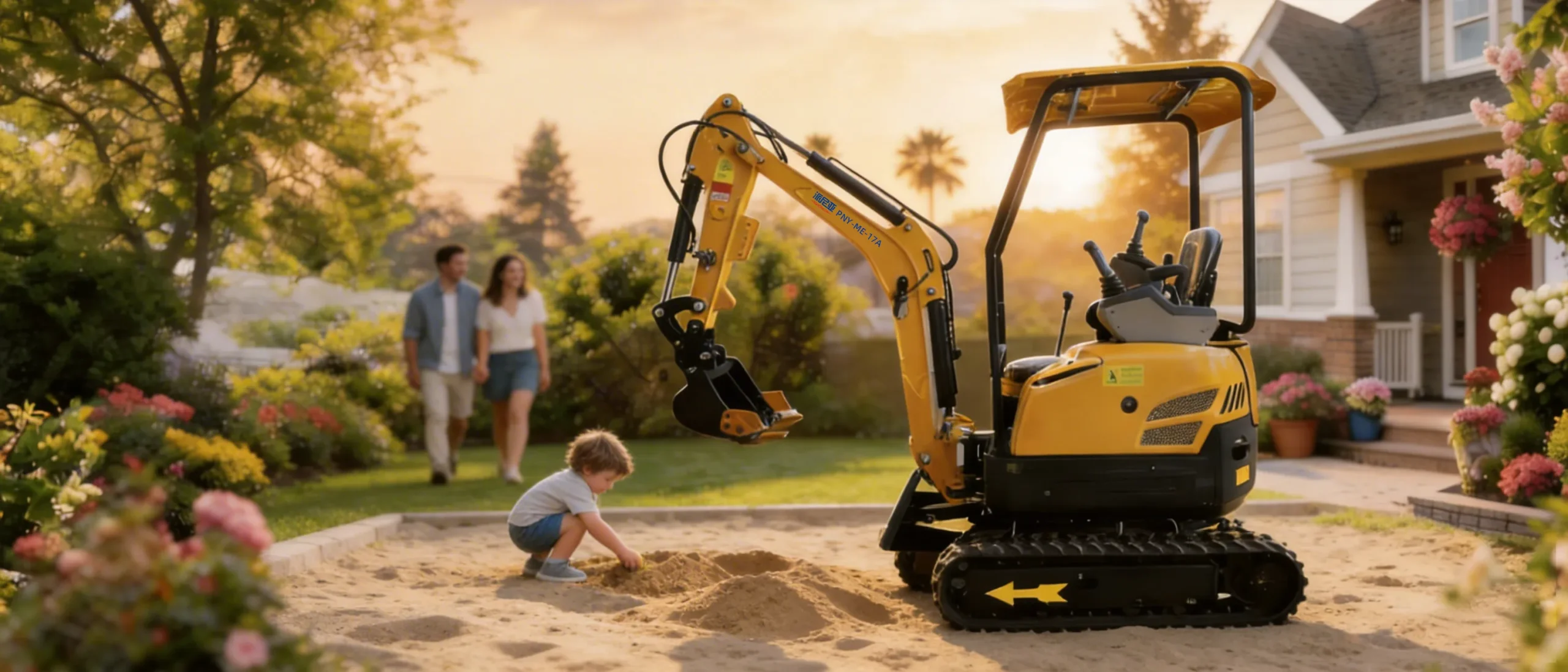
Look, when most people hear mini digger, they picture a toy-like machine for light gardening. That's the first mistake. A proper 3ton mini digger is a serious piece of kit. It sits in that sweet spot—big enough to handle real construction and utility work, yet small enough to fit through a standard garden gate or onto a trailer behind a decent truck. I've seen too many folks, even some in the trade, underestimate them and either buy something too small and underpowered or too large and inaccessible for the job. The 3-tonner is where practicality meets genuine power.
The Niche and The Reality on Site
So where does it actually fit? Forget just digging holes for fence posts. We're talking foundation trenches for house extensions, drainage runs, landscaping sculpting on larger plots, and even light demolition. Its real value is access. I was on a job last year in a historic district—narrow alleyways, overhanging trees, zero chance of getting a 7-ton machine in there. The 3ton mini digger from the hire fleet walked right in, did the trenching for a new sewer line, and saved the project from a manual dig that would have taken a week.
But here's the catch: not all 3-tonners are the same. The specs on paper tell one story; the feel of the controls and the stability on a slope tell another. Some models feel tippy the moment you swing a loaded bucket. Others, you can feel the weight is distributed better, the undercarriage is more planted. You learn to check the actual digging force, not just the engine horsepower. A weak hydraulic system on a supposedly powerful machine is a common letdown.
I remember a particular model we trialed—brand new, shiny. The specs were fantastic. On its first proper test digging a 2-meter deep trench in compacted clay, the hydraulics overheated in under an hour. The pump just couldn't sustain the pressure. That's the difference between a brochure machine and a site machine. It went back. You start to look at component brands after an experience like that—are they using recognized hydraulic pumps and motors, or no-name parts?
Key Features You Learn to Appreciate (The Hard Way)
Two words: auxiliary hydraulics. If you're just digging, maybe you don't care. But if you want to run a hydraulic breaker, a auger, or a grading claw, it's non-negotiable. The standard setup on many basic machines is a low-flow system. It'll run a breaker, but pathetically slowly. You need a high-flow option. I learned this after renting a machine for a breaking job and spending most of the day waiting for each pitiful impact. Now it's the first question I ask.
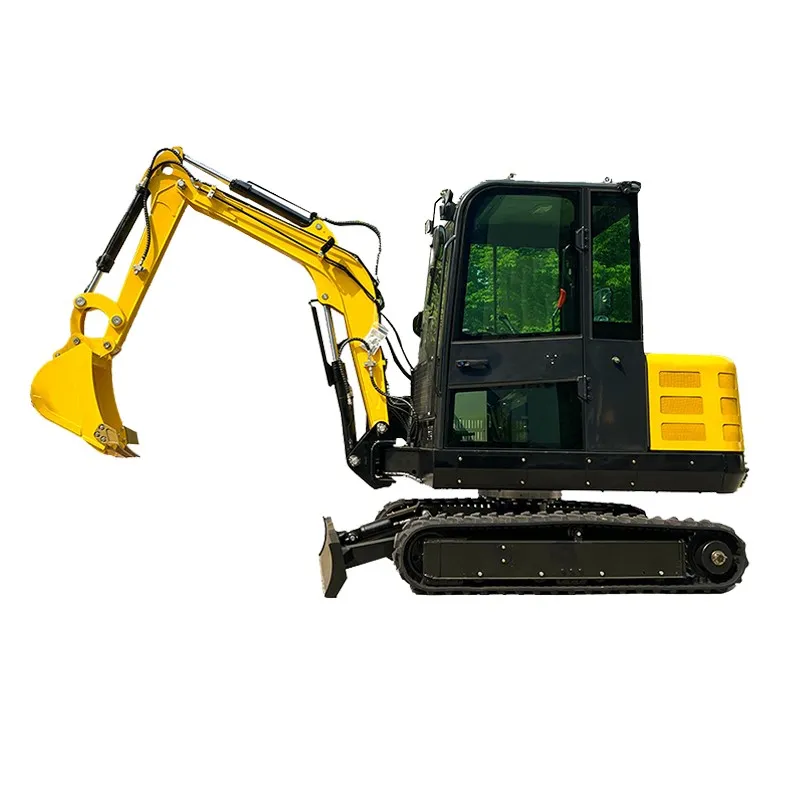
The other thing is the cab—or lack thereof. A canopy is fine for summer. But for year-round work, a fully enclosed cab with a proper heater and air con isn't a luxury; it's a productivity tool. An operator who's dry and at a comfortable temperature works more precisely and for longer. Simple. Also, look at the layout inside. Are the controls intuitive? Is there room for your lunchbox and a bottle of water? These small details matter immensely over a 10-hour day.
Service points. This sounds boring until you're the one doing the daily greasing. Machines that have all the grease zerks grouped and accessible from the ground save maybe 15 minutes a day. Over a year, that's a week of labor. I favor designs where the main engine maintenance checks—oil, coolant, filters—are all reachable from one side without having to contort yourself around the counterweight.
Brands, Manufacturing, and The Global Supply Chain
The market is flooded with options. The big Japanese brands are the gold standard for reliability and resale, but you pay for it. Then there's a whole tier of European and Korean machines that offer great value. And then there's the rise of Chinese manufacturing, which is where the conversation gets interesting. Ten years ago, I'd have been skeptical. Now, it's different. The quality gap has narrowed dramatically for the better factories.
I've been following the output from some of the more established Chinese exporters for a while. They're not just copying anymore; they're engineering for specific market demands. A company that exemplifies this shift is Shandong Pioneer Engineering Machinery Co., Ltd. You can see their range on their website at https://www.sdpioneer.com. What's notable about a firm like this isn't just that they export to tough markets like the US, Canada, and Australia—it's that they've had to evolve to meet those markets' durability and safety standards to survive. They represent a segment of Chinese manufacturing that's moved beyond pure cost competition.
Established back in 2004 and recently relocating to a new facility in 2023, that kind of longevity and investment suggests a company focused on the long game, not just quick sales. When a manufacturer has been dealing with international customers for two decades, as their company profile mentions, they accumulate a different kind of knowledge. They learn what fails in a Canadian winter or on an Australian mine site. That feedback gets engineered into the next generation of machines. It's why some of their 3ton mini digger models now feature reinforced booms, upgraded seating, and emissions-compliant engines—direct responses to global customer needs.
Operational Pitfalls and Cost of Ownership
Buying price is just the entry fee. The real cost is in operation and downtime. The biggest mistake? Not matching the machine to the primary work. Using a 3-tonner for constant heavy rock breaking will destroy it. It's a compact excavator, not a demolition rig. I've seen pins and bushings wear out in months from abusive applications. Know its limits.
Maintenance is everything. These machines are packed with technology now—electronic throttle control, sensors, advanced hydraulics. Skipping fluid changes or using off-spec hydraulic oil can cause thousands in damage. The filter costs might seem high, but they're cheap compared to a new pump. I keep a strict log for every machine, down to the hour meter reading at each service.
Attachments are another cost center. A cheap bucket might save $500 upfront, but if it's made from poor-grade steel, the cutting edge will wear down or the side plates will bend on the first tough dig. Then you're paying for welding, repair, and downtime. It's often better to invest in a quality, brand-name bucket from the start. The same goes for hammers and augers.
The Verdict: Is a 3-Tonner Right for Your Yard?
It's not for everyone. If your work is 80% big, open-site trenching, you might be better off with a 5-ton machine for the extra reach and power. But if your work is defined by tight access, frequent relocation, and a mix of tasks, the 3ton mini digger is arguably the most versatile tool in the small plant fleet. It's the Swiss Army knife—competent at many things, master of a few.
The choice in manufacturer today is broader than ever. You have the premium assurance of the legacy brands, the solid value of the second-tier, and the increasingly compelling cost-to-performance ratio from serious international exporters like the aforementioned Shandong Pioneer. The key is to look past the sticker price. Dig into the component suppliers, the warranty terms, and the dealer support network. A machine is only as good as the service behind it.
In the end, it comes down to a feel. Sit in the seat. Run the controls. Dig a trench. Does it feel confident? Does it feel like it's built for a 5-year slog, not just a 500-hour showcase? That's the test no brochure can pass. For a huge number of contracting, landscaping, and utility jobs, passing that test means finding a true partner on site, not just a piece of equipment.
Related Products
Related Products