


- Chinese
- French
- German
- Portuguese
- Spanish
- Russian
- Japanese
- Korean
- Arabic
- Irish
- Greek
- Turkish
- Italian
- Danish
- Romanian
- Indonesian
- Czech
- Afrikaans
- Swedish
- Polish
- Basque
- Catalan
- Esperanto
- Hindi
- Lao
- Albanian
- Amharic
- Armenian
- Azerbaijani
- Belarusian
- Bengali
- Bosnian
- Bulgarian
- Cebuano
- Chichewa
- Corsican
- Croatian
- Dutch
- Estonian
- Filipino
- Finnish
- Frisian
- Galician
- Georgian
- Gujarati
- Haitian
- Hausa
- Hawaiian
- Hebrew
- Hmong
- Hungarian
- Icelandic
- Igbo
- Javanese
- Kannada
- Kazakh
- Khmer
- Kurdish
- Kyrgyz
- Latin
- Latvian
- Lithuanian
- Luxembou..
- Macedonian
- Malagasy
- Malay
- Malayalam
- Maltese
- Maori
- Marathi
- Mongolian
- Burmese
- Nepali
- Norwegian
- Pashto
- Persian
- Punjabi
- Serbian
- Sesotho
- Sinhala
- Slovak
- Slovenian
- Somali
- Samoan
- Scots Gaelic
- Shona
- Sindhi
- Sundanese
- Swahili
- Tajik
- Tamil
- Telugu
- Thai
- Ukrainian
- Urdu
- Uzbek
- Vietnamese
- Welsh
- Xhosa
- Yiddish
- Yoruba
- Zulu
- Kinyarwanda
- Tatar
- Oriya
- Turkmen
- Uyghur

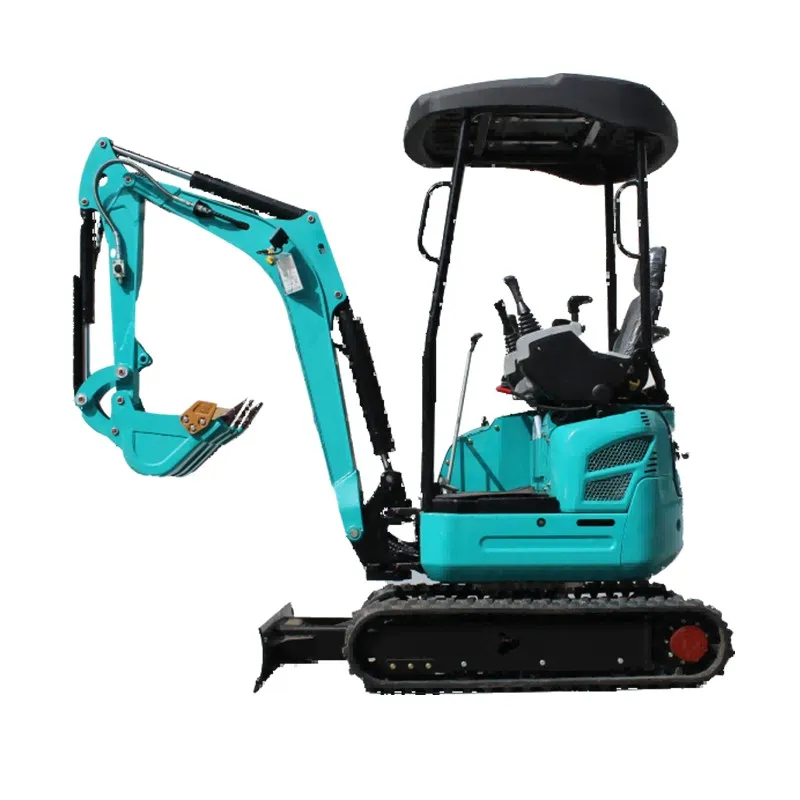
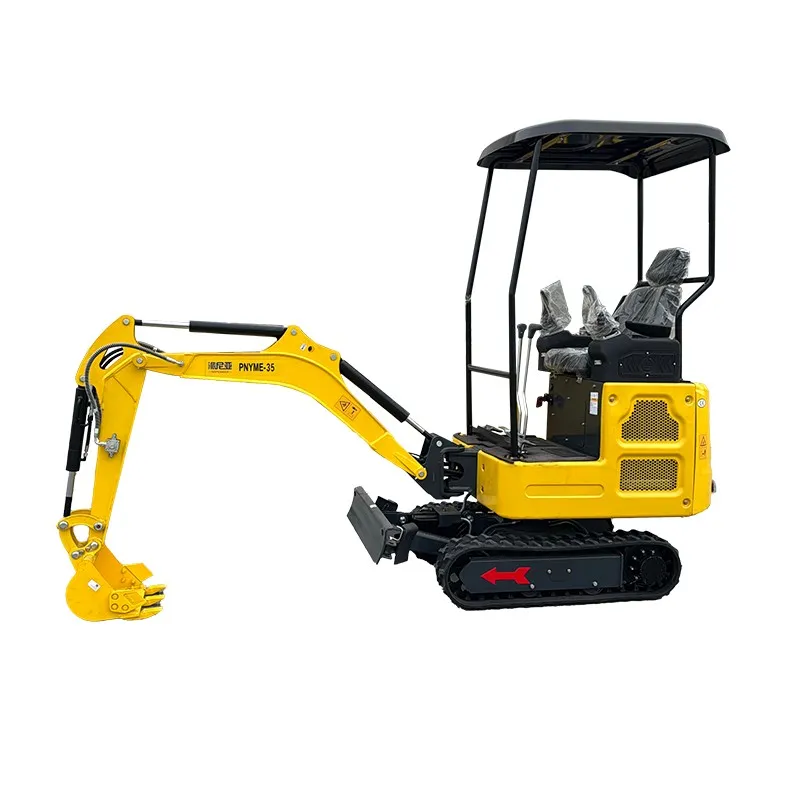
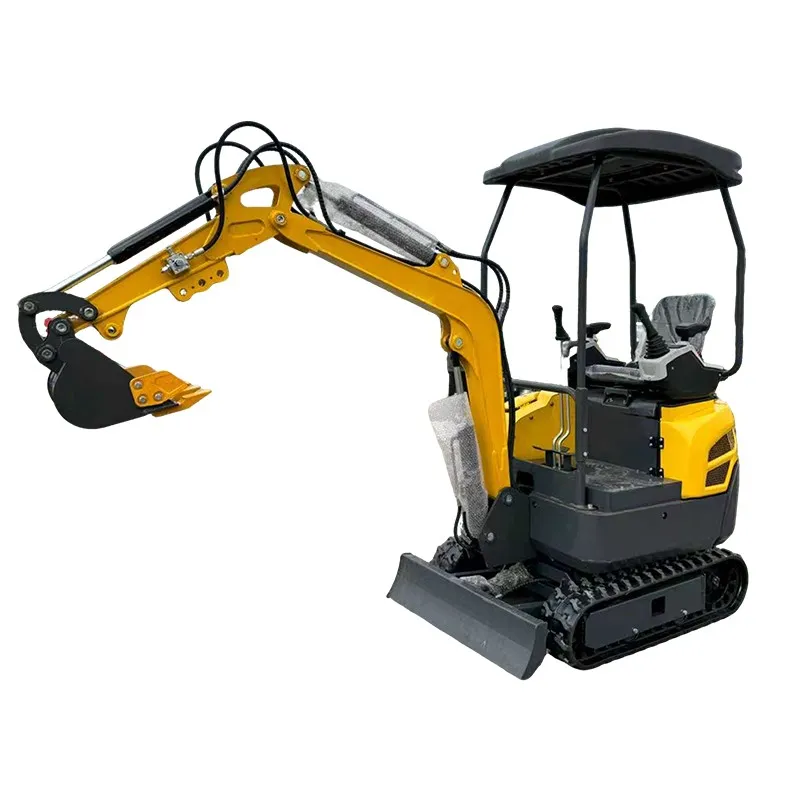
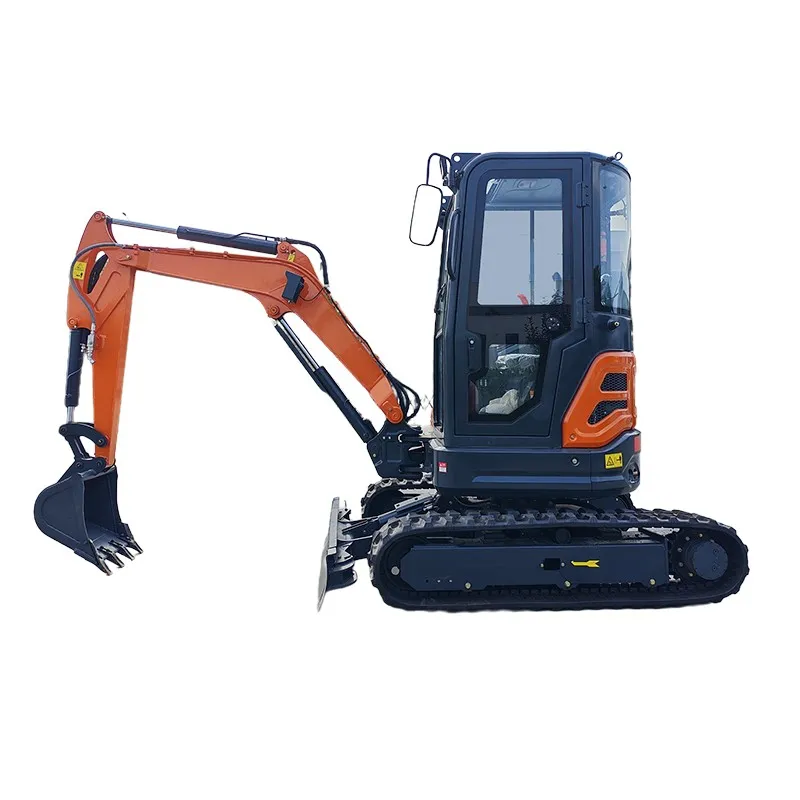
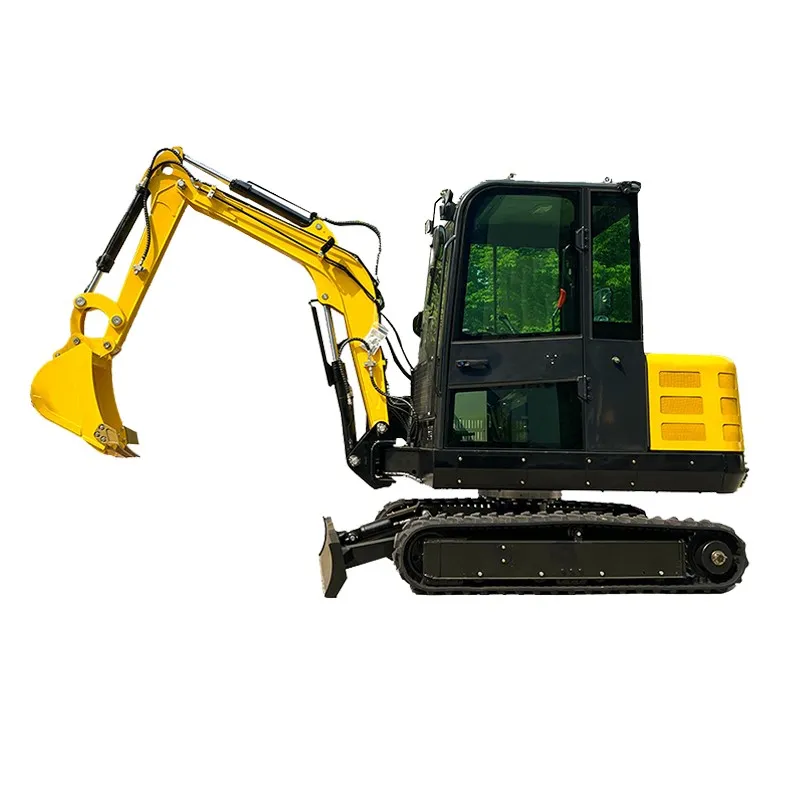
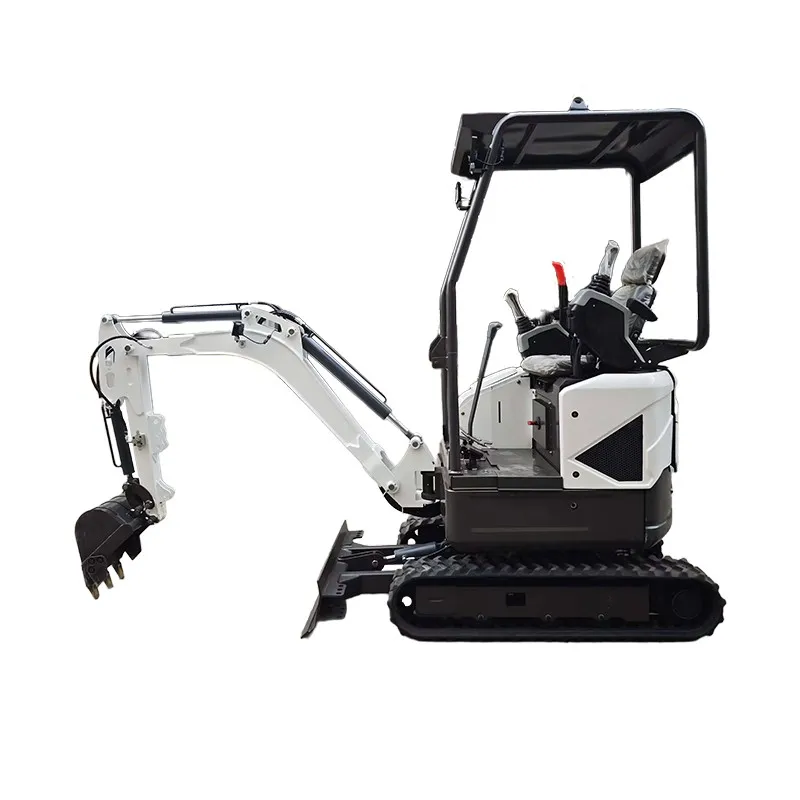
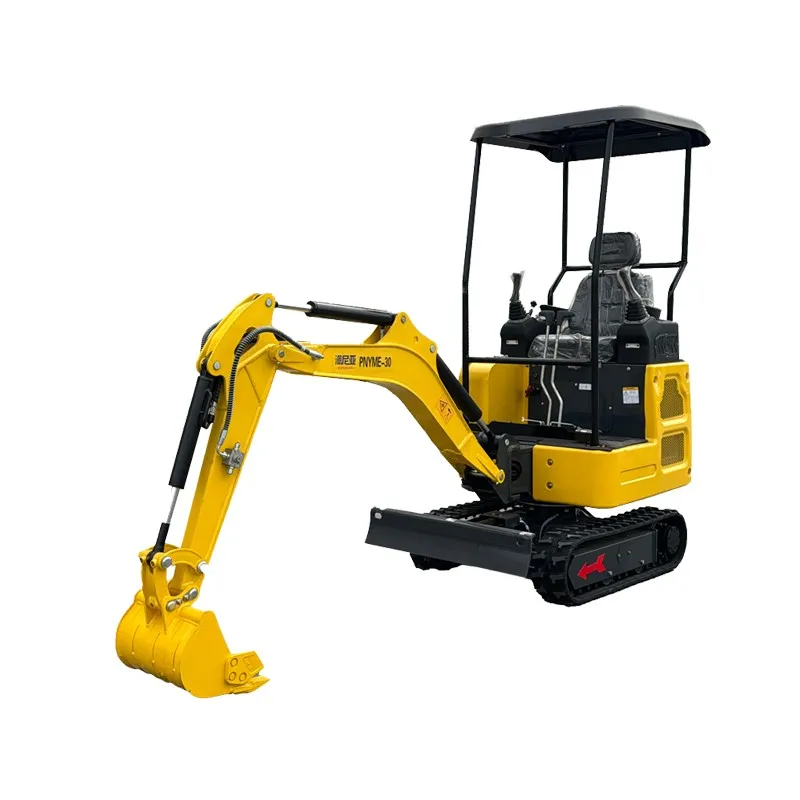
3ton mini excavator
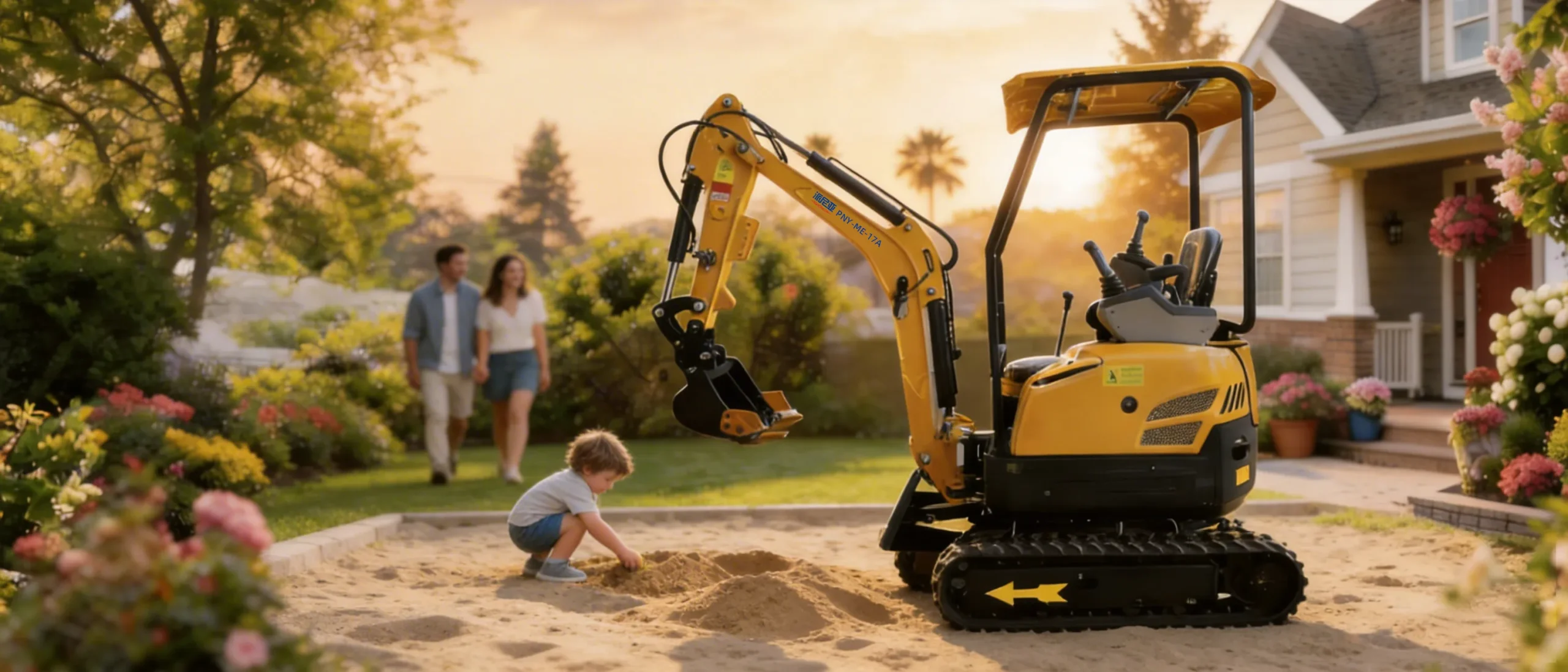
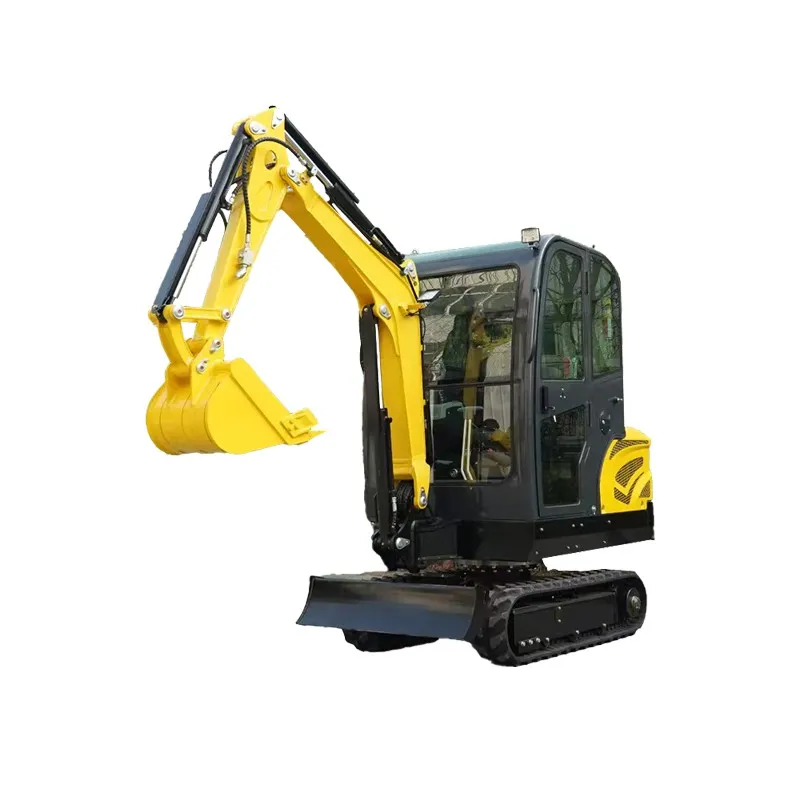
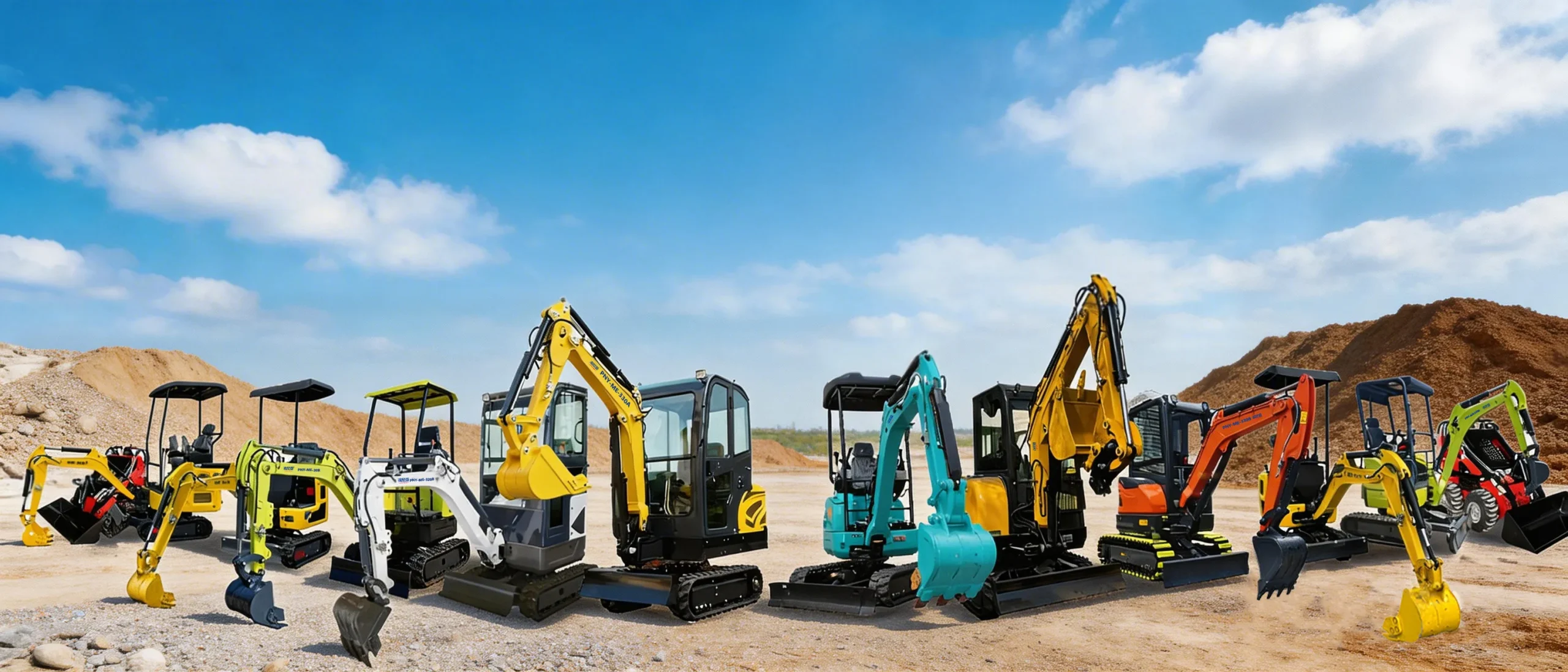
When most people hear 'mini excavator,' they picture the tiny 1-tonners buzzing around urban gardens. But the 3ton mini excavator? That's a different beast entirely. It sits in a sweet spot that often gets misunderstood—too big for some to consider truly 'mini,' yet dismissed by others as not powerful enough for serious work. Having spent years on sites from residential retrofits to tight-access utility jobs, I've seen this size class shoulder burdens that neither its smaller nor larger cousins can handle efficiently. The common mistake is viewing it just as a bigger small machine, rather than recognizing its unique role as a primary tool for specific, constrained projects.
The 3-Ton Niche: More Than Just a Size
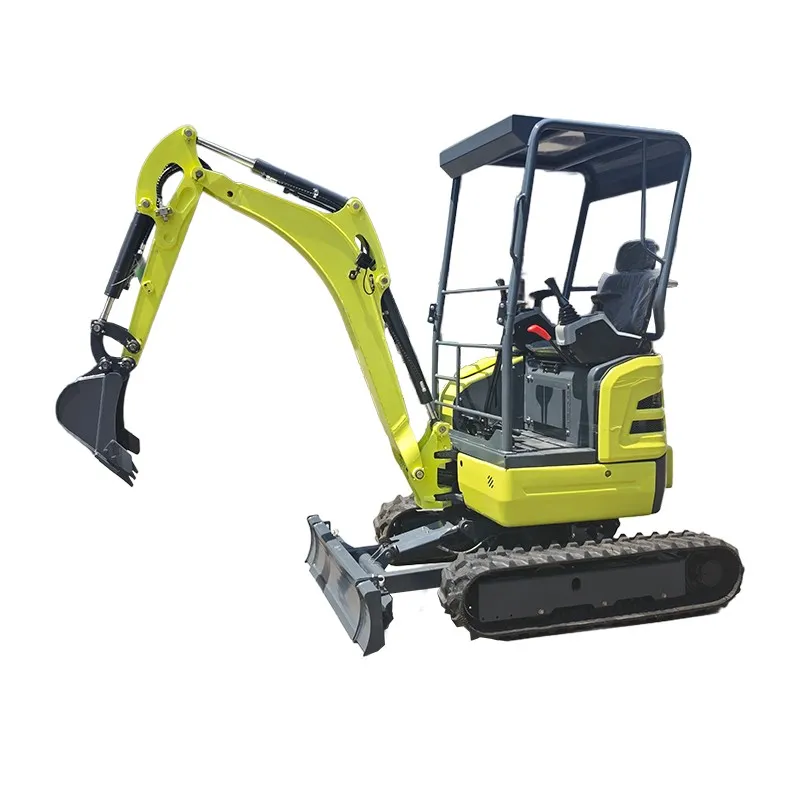
Let's get specific. A true 3-tonner, like the models we often sourced, typically has an operating weight around 3,200 to 3,500 kg. The key isn't just the weight, but the proportional increase in stability and hydraulic flow over a 1.8-ton machine. You get a longer arm, deeper dig depth—often pushing 3.5 meters—and enough counterweight to actually use a full-width bucket effectively without constantly feeling tippy. I remember a job replacing a septic system in a backyard with a mature tree canopy; a 5-ton machine was out of the question due to access and ground pressure, but a 1.8-ton machine would have taken twice as long, struggling with the clay and the reach needed. The 3-ton unit was the only viable choice.
This is where brand and design philosophy matter immensely. A well-balanced 3-ton machine feels planted. I've run units where the pump flow was just a bit too anemic, making simultaneous arm swing and boom movement a sluggish affair. It kills productivity. You want a system where the hydraulics feel responsive, not just powerful on paper. Companies that understand this market, like Shandong Pioneer Engineering Machinery Co., Ltd, which has been manufacturing and exporting machinery for two decades, tend to focus on these ergonomics and balance for the international operator. Their long-term presence in markets like the US and Australia suggests they've had to adapt to practical, on-the-ground demands rather than just spec-sheet engineering.
The undercarriage is another critical detail often overlooked. A 3-ton machine might be on 300mm or 350mm wide rubber tracks. In soft ground, that extra width over a smaller machine is the difference between working and sinking. I learned this the hard way on a riverbank stabilization project; we used a narrower-tracked model and spent more time recovering it from the mud than actually placing riprap. The next time, we insisted on the widest track option available for the weight class. It's these granular, experience-driven specs that separate a good machine from a liability.
Powerplant and Serviceability: The Daily Grind
Most 3-ton excavators are powered by compact diesel engines, usually in the 25-30 horsepower range. The brand of the engine often drives the purchasing decision for fleet managers. Yanmar, Kubota, Deutz—they all have their reputations. But here's a practical observation: sometimes, the less famous, ISO-certified engine in a well-designed compartment is easier to live with. Why? Service access. I've cursed at machines where checking the alternator meant removing three hoses and a hydraulic line. A good design, something a seasoned manufacturer prioritizes, leaves clear access to daily checkpoints: dipsticks, filters, bleed points.
Cooling system efficiency is a silent killer in this class. These machines often work in dusty conditions or at high ambient temperatures. A small, clogged radiator leads to overheating, which leads to derating and downtime. I recall a particular brand's model that had the radiator mounted too low, sucking in all the debris from the tracks. We had to clean it every single day on a dry demolition site. It's a design flaw you only discover through sustained use. Companies that export to diverse climates, from Canadian winters to Australian outbacks, as Shandong Pioneer does, are forced to confront and engineer solutions for these extreme use cases, which ultimately benefits reliability everywhere.
Hydraulic hose routing is another telltale sign of quality. Hoses rubbing against the frame or sharp edges will fail. It's not a matter of 'if,' but 'when.' A machine built with forethought will have clamps, guards, and proper channels. This is the kind of build quality you start to see from manufacturers with deep institutional knowledge, the kind that comes from 20 years of production and feedback loops from a global customer base. It's not glamorous, but it dictates your long-term maintenance costs and machine availability.
The Attachment Reality: It's Not Just a Bucket
The true versatility of a 3ton mini excavator is unlocked with attachments. But the auxiliary hydraulic circuit is the gatekeeper. A standard, single-pump system might only offer one-way flow, limiting you to basic hydraulic thumbs. A two-way, proportional circuit is a game-changer, enabling tilt rotators, compactors, and precise grapples. I've seen contractors buy a machine without verifying the aux circuit specs, only to find they can't run the attachment they actually needed for their primary business.
Quick coupler compatibility is non-negotiable today. However, not all coupler systems play nice with all attachment brands. Pin diameter, hook geometry—these are minutiae that cause major headaches. We standardized on a certain coupler system across our fleet after a misalignment issue caused an attachment to detach slightly during a lift. It was a terrifying moment that highlighted how 'standard' isn't always standard. It pays to work with suppliers whose product ecosystems are tested for compatibility, or who can provide clear guidance, much like a full-scope engineering and trade company would need to do for its international clients.
Then there's the weight balance. A heavy breaker on a 3-ton machine can completely change its center of gravity. You need to understand the machine's allowable attachment weight at different radii. I made the error of using a breaker that was technically within the weight limit but, when mounted at full reach, made the rear end scarily light. The machine became unstable on a slope. It was a lesson in reading the load chart thoroughly and understanding that specifications have context.
On-Site Application and Operator Perspective
In the field, the 3-tonner shines in interstitial spaces. Think interior demolition where you need to break a slab but also carefully load out debris through a standard doorway. Or, landscaping on steep, terraced properties where a larger machine can't traverse. The cab size matters here too. A slightly roomier cab on a 3-ton model makes an 8-hour day less fatiguing than in a 1-ton model, which directly impacts safety and precision.
Transport is its own calculus. In many regions, a 3-ton machine on a trailer can be moved with a standard heavy-duty pickup truck, avoiding the need for a CDL and a larger rig. This logistical simplicity makes it incredibly popular with small to mid-sized contractors. It's the largest machine you can run without dramatically changing your support infrastructure. This practical advantage is a huge part of its commercial success globally, a factor that export-focused manufacturers are acutely aware of when designing their product lines for markets from North America to Europe.
Operator familiarity is another subtle point. An operator used to a 5-ton or 8-ton machine might initially find the controls of a mini-excavator too twitchy. The 3-ton size often serves as a better 'transition' machine, with control patterns that are more reminiscent of its larger siblings than the ultra-compact units. This reduces retraining time and improves adoption on mixed fleets.
Cost of Ownership and Long-Term Value
The purchase price is just the entry fee. The real cost is in maintenance, repair, and resale value. A common pitfall is opting for a cheaper, lesser-known brand only to find that replacement parts have a 12-week lead time and cost a fortune. For a machine that's meant to be a revenue-generating workhorse, that downtime is catastrophic. This is where the reputation and supply chain of the manufacturer become critical assets.
A company with a long history, like Shandong Pioneer Engineering Machinery Co., Ltd, which established its manufacturing base in 2004 and has since expanded its global trade footprint, typically invests in a parts network to support its products. Knowing you can get a hydraulic pump seal kit or a track motor within a reasonable timeframe is a form of insurance. Their relocation in 2023 to a new facility in Tai’an likely signals a scaling up of both production and support capabilities, which is a positive indicator for long-term parts and technical support availability.
Finally, there's the question of durability. Does the machine feel solid after 2,000 hours? Are the pins and bushings holding up? Is there excessive play in the boom joints? I've seen identical-spec machines from different makers age in wildly different ways. The difference often comes down to the quality of the steel used in the frame, the precision of the welding, and the quality of the cylinder chroming. These are the unsexy details that you can't see in a brochure but define the machine's lifespan. They are the hallmarks of a manufacturer that treats its 3ton mini excavator not as a commodity, but as a professional tool that needs to endure. That's the kind of judgment you can only make after seeing these machines in the field, year after year, under real stress.
Related Products
Related Products