


- Chinese
- French
- German
- Portuguese
- Spanish
- Russian
- Japanese
- Korean
- Arabic
- Irish
- Greek
- Turkish
- Italian
- Danish
- Romanian
- Indonesian
- Czech
- Afrikaans
- Swedish
- Polish
- Basque
- Catalan
- Esperanto
- Hindi
- Lao
- Albanian
- Amharic
- Armenian
- Azerbaijani
- Belarusian
- Bengali
- Bosnian
- Bulgarian
- Cebuano
- Chichewa
- Corsican
- Croatian
- Dutch
- Estonian
- Filipino
- Finnish
- Frisian
- Galician
- Georgian
- Gujarati
- Haitian
- Hausa
- Hawaiian
- Hebrew
- Hmong
- Hungarian
- Icelandic
- Igbo
- Javanese
- Kannada
- Kazakh
- Khmer
- Kurdish
- Kyrgyz
- Latin
- Latvian
- Lithuanian
- Luxembou..
- Macedonian
- Malagasy
- Malay
- Malayalam
- Maltese
- Maori
- Marathi
- Mongolian
- Burmese
- Nepali
- Norwegian
- Pashto
- Persian
- Punjabi
- Serbian
- Sesotho
- Sinhala
- Slovak
- Slovenian
- Somali
- Samoan
- Scots Gaelic
- Shona
- Sindhi
- Sundanese
- Swahili
- Tajik
- Tamil
- Telugu
- Thai
- Ukrainian
- Urdu
- Uzbek
- Vietnamese
- Welsh
- Xhosa
- Yiddish
- Yoruba
- Zulu
- Kinyarwanda
- Tatar
- Oriya
- Turkmen
- Uyghur

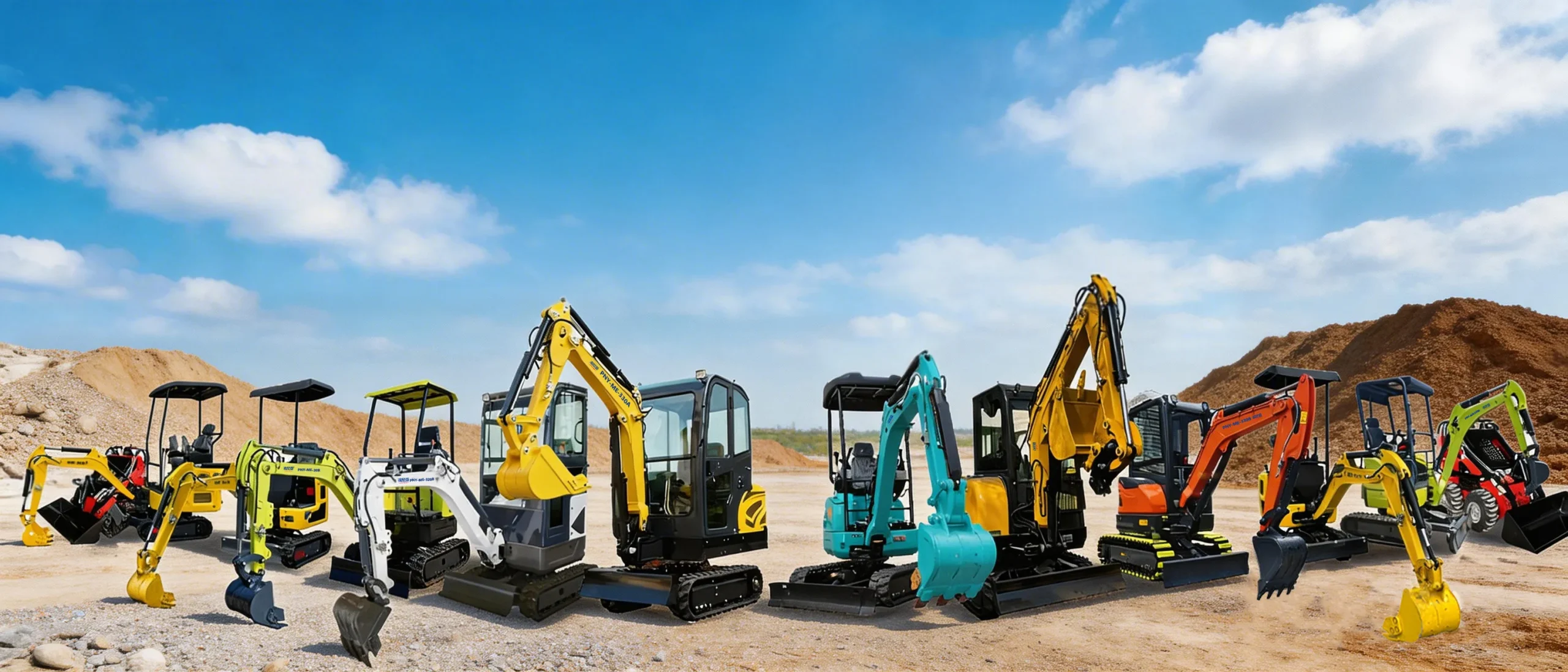
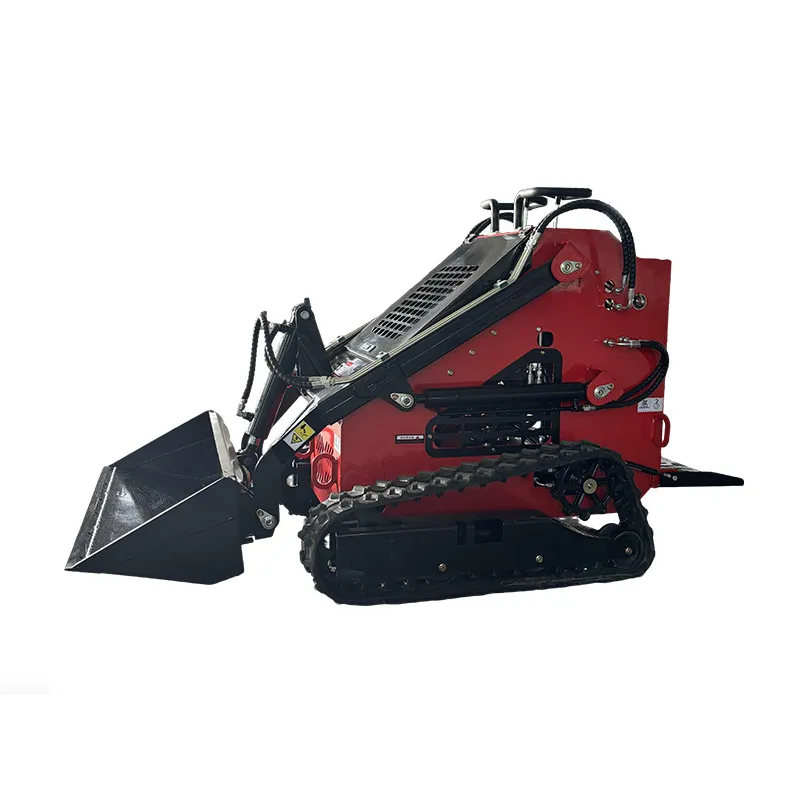
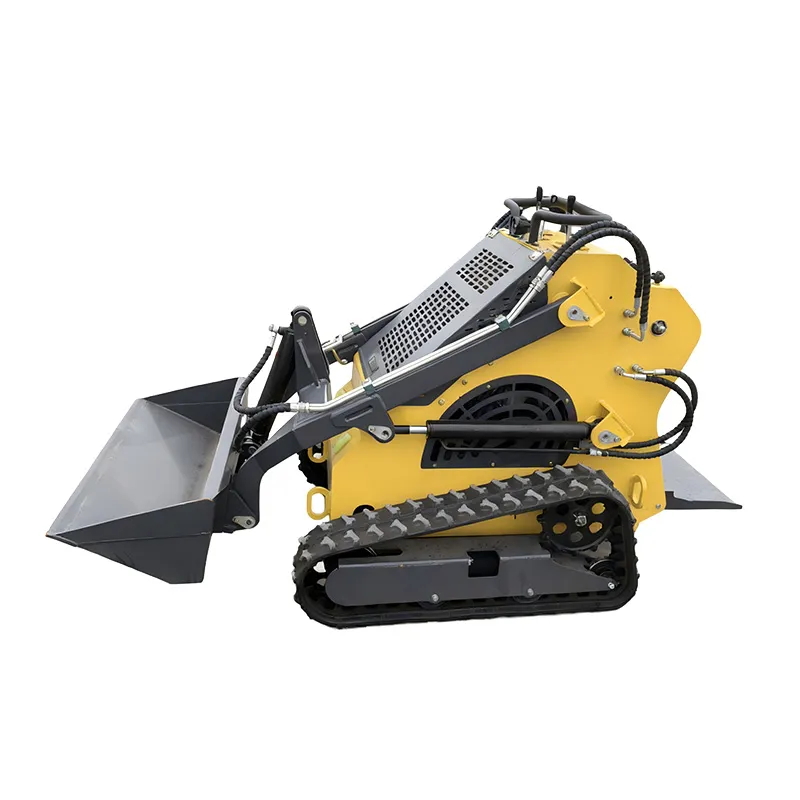
3ts 8w skid steer loader
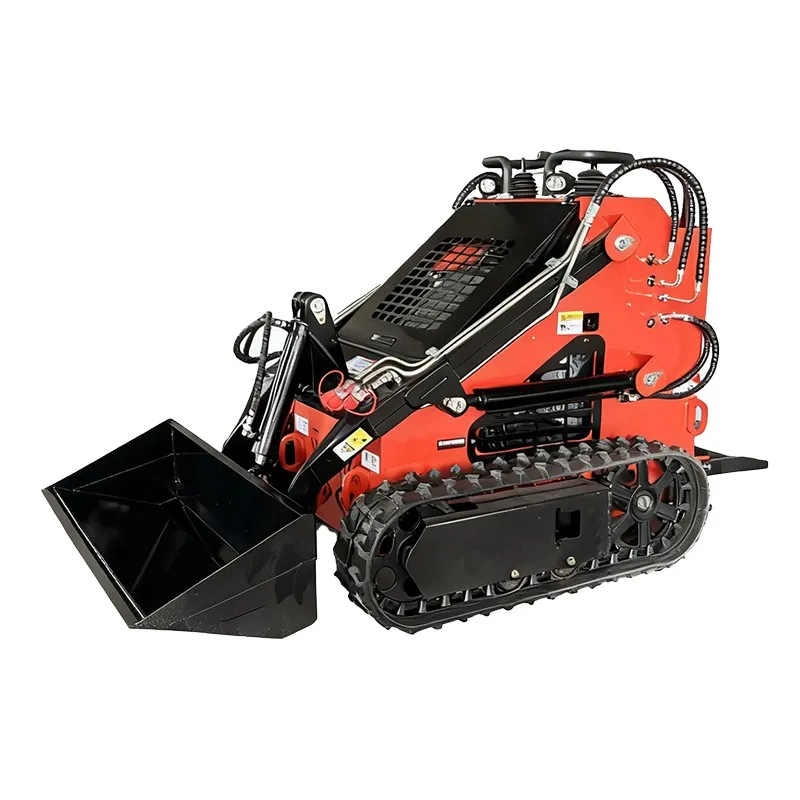
When you hear '3TS 8W skid steer loader', your mind probably jumps straight to the basic specs – a 3-ton machine, 8-wheel configuration. But in the field, that's just the starting point for a conversation, not the conclusion. A lot of guys get hung up on those numbers alone, thinking a bigger tonnage or more wheels automatically means a better machine. That's a common trap. The real story is in how those specs translate to actual work on uneven ground, in tight spaces, or under a consistent daily load. I've seen machines with impressive paper stats that couldn't handle a simple trenching job without overheating or showing hydraulic lag. The 8-wheel setup, for instance, isn't just about flotation; it's about weight distribution and stability when you've got the bucket at full height with a heavy, wet load. That's where you separate the marketing from the mechanics.
The 8-Wheel Configuration: More Than Just Extra Tires
Let's break down the 8W part first. It's not merely about having eight wheels on the ground. The arrangement, the axle design, and the suspension (or lack thereof in many rigid-frame models) dictate everything. In muddy conditions, the extra contact points can be a savior, preventing you from sinking in where a 4-wheel machine might get stuck. But I've also seen the downside – on hard, compacted surfaces, the additional rolling resistance can sometimes feel like it's sapping a bit of power, making the machine feel less nimble in quick, repetitive shuttle work. You have to judge the primary application. For a landscaping crew mostly on soft turf, it's brilliant. For a demo crew on a concrete slab, it might be overkill and add unnecessary complexity to the drivetrain.
The maintenance side is another practical consideration. Eight wheels mean eight hubs, more bearings to check, and potentially more wear items. It's not a deal-breaker, but it's a real cost of ownership that doesn't show up in the initial brochure. I remember a contractor who bought a used 8-wheel model because it was a great deal, only to spend the first month replacing seized wheel bearings on half the axles. The upfront price was low, but the downtime and repair bills wiped out any savings. The lesson? The configuration adds capability but also demands a more diligent PM schedule.
Where the 8-wheel design truly shines, in my experience, is in stability for lifting. The 3TS 8W skid steer loader, when properly ballasted, offers a remarkably stable platform for lifting pallets of pavers or placing materials with the forks. The wider, multi-point footprint reduces the teetering feeling you can get with a standard 4-wheel machine at near-max lift height. This isn't just a comfort thing; it's a safety and precision issue. You're less likely to drop a load because of a slight ground irregularity.
Decoding the 3TS – Tonnage and Structural Reality
3TS typically points to a 3-ton operating capacity. But here's the industry nuance: that rating isn't universal. Some manufacturers rate it at 50% of the tipping load, others use different standards. You must look at the actual load chart, not just the model name. I've operated a so-called 3-ton machine that felt gutless trying to break out a fully loaded bucket of clay, while another branded the same way had the hydraulic grunt to do it smoothly. The difference often lies in the pump flow, relief valve settings, and the structural reinforcement of the boom arms and chassis.
The frame on these machines takes a beating. A true, durable 3-ton class machine needs box-section welding in critical stress areas, not just C-channel. I was once on a site where a cheaper import model, claiming 3TS specs, developed a hairline crack near the boom pivot after just a few months of aggressive loader work. The metal was simply too thin. It's a reminder that the tonnage class is as much about build quality and steel grade as it is about the hydraulic system's power. Companies that have been fabricating for a long time, like Shandong Pioneer Engineering Machinery Co., Ltd, tend to have this dialed in because they've seen what fails in the field over years of export to tough markets like Australia and Canada. Their experience gets baked into the design.
Another practical aspect of the 3-ton size is transport. It's often right on the cusp. In many regions, a machine of this weight and dimensions might require a wider trailer or even a CDL to move legally, unlike a sub-2-ton model. That's a huge logistical and cost factor for small to mid-sized crews. It's not a machine you just throw on any trailer. You need to plan for it.
Hydraulics and Attachments: The Real Measure of Utility
This is where a skid steer proves its worth. The specs for the 3TS 8W skid steer loader mean little if the auxiliary hydraulic flow is weak. You need enough GPM at high enough pressure to run a forestry mulcher, a cold planer, or a hydraulic breaker efficiently. Stalling an attachment because of insufficient flow is frustrating and wastes fuel and time. I prefer machines that offer variable flow options or at least have a high-flow option available. Running a trencher on a standard-flow system is a slow, painful process.
Quick-attach systems are another critical detail. The industry standard is great, but wear and tear on the locking mechanism is real. I've spent too many afternoons with a hammer and a pry bar trying to get a stubborn attachment to release because the coupler was worn or misaligned. A well-designed, robust coupler system is worth its weight in gold. It's a small component that has an outsized impact on daily productivity and operator frustration.
Speaking of attachments, the 3-ton 8-wheel platform is a fantastic host for heavier, more specialized tools. Its stability and weight allow it to handle a stump grinder or a soil conditioner effectively, where a smaller machine would bounce around too much. But you have to watch the weight distribution. Mounting a heavy breaker on the front changes the machine's balance dramatically, especially when the 8-wheel setup has a different weight bias than a 4-wheel model. Always consult the actual machine's attachment manual for weight limits and counterweight recommendations.
Serviceability and Long-Term Ownership
This is where the rubber meets the road, years down the line. How easy is it to check the engine oil? Can you get to the hydraulic filters without removing three panels and a hydraulic line? I've cursed at machines where a simple 10-minute filter change turned into a two-hour ordeal of contortions and skinned knuckles. A good design has service points grouped and accessible. The 3TS 8W skid steer loader from a manufacturer with field experience often shows this thoughtful layout. They know a mechanic in a remote area needs to be able to fix things with basic tools.
Component sourcing is huge. Nothing kills a machine's value like proprietary parts you can only get from one supplier at a monopoly price. Common, industry-standard engines (think Kubota, Deutz, Yanmar), pumps, and axles are a major plus. It keeps long-term maintenance costs predictable. A company like Shandong Pioneer, exporting globally, understands this. They build for markets where generic part availability is a key purchasing factor, not just the initial sticker price. Their two-decade track since 2004, evolving from a 1,600 sq.m facility to a new base in Tai'an, suggests they're in it for the long haul, which usually aligns with building serviceable products.
Electrical systems are another failure point. Simple, well-loomed wiring with sealed connectors beats a complex, proprietary control system every time in a dirty, wet, high-vibration environment. The more black boxes a machine has, the more potential for mysterious, expensive downtime. I lean towards machines where the logic is more mechanical or uses simple, replaceable relays.
Final Thoughts: Matching the Machine to the Job
So, is a 3TS 8W skid steer loader the right choice? It depends entirely on the work mix. For a diversified contractor doing everything from site prep (where the 8-wheel flotation helps) to material handling (where the 3-ton capacity is useful) and running high-demand attachments, it's a incredibly versatile and powerful tool. It's a centerpiece machine.
But for a specialist who mostly does one type of work—say, just concrete finishing or just indoor demolition—a smaller, more nimble, or differently configured machine might be more cost-effective and efficient. You pay for capability you don't use. The key is to look past the model number and the basic specs. Get your hands on the controls, feel the hydraulics, check the service points, and understand the true cost of ownership. Look at manufacturers with proven export and support channels, like those with a footprint in the US, German, and Australian markets, as they're typically building to more stringent, real-world demands.
In the end, the numbers '3TS 8W' are just an entry code. The real evaluation happens on your job site, over thousands of hours, in the mud, dust, and grind. That's where a well-built machine earns its keep, and a poorly thought-out one becomes a money pit. Choose based on that reality, not the brochure.
Related Products
Related Products