


- Chinese
- French
- German
- Portuguese
- Spanish
- Russian
- Japanese
- Korean
- Arabic
- Irish
- Greek
- Turkish
- Italian
- Danish
- Romanian
- Indonesian
- Czech
- Afrikaans
- Swedish
- Polish
- Basque
- Catalan
- Esperanto
- Hindi
- Lao
- Albanian
- Amharic
- Armenian
- Azerbaijani
- Belarusian
- Bengali
- Bosnian
- Bulgarian
- Cebuano
- Chichewa
- Corsican
- Croatian
- Dutch
- Estonian
- Filipino
- Finnish
- Frisian
- Galician
- Georgian
- Gujarati
- Haitian
- Hausa
- Hawaiian
- Hebrew
- Hmong
- Hungarian
- Icelandic
- Igbo
- Javanese
- Kannada
- Kazakh
- Khmer
- Kurdish
- Kyrgyz
- Latin
- Latvian
- Lithuanian
- Luxembou..
- Macedonian
- Malagasy
- Malay
- Malayalam
- Maltese
- Maori
- Marathi
- Mongolian
- Burmese
- Nepali
- Norwegian
- Pashto
- Persian
- Punjabi
- Serbian
- Sesotho
- Sinhala
- Slovak
- Slovenian
- Somali
- Samoan
- Scots Gaelic
- Shona
- Sindhi
- Sundanese
- Swahili
- Tajik
- Tamil
- Telugu
- Thai
- Ukrainian
- Urdu
- Uzbek
- Vietnamese
- Welsh
- Xhosa
- Yiddish
- Yoruba
- Zulu
- Kinyarwanda
- Tatar
- Oriya
- Turkmen
- Uyghur

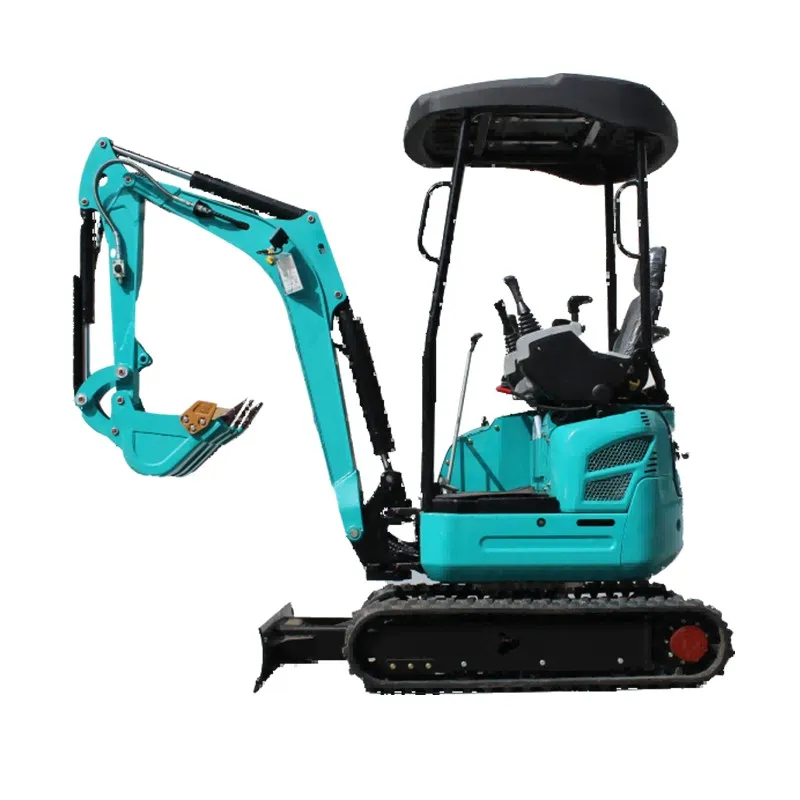
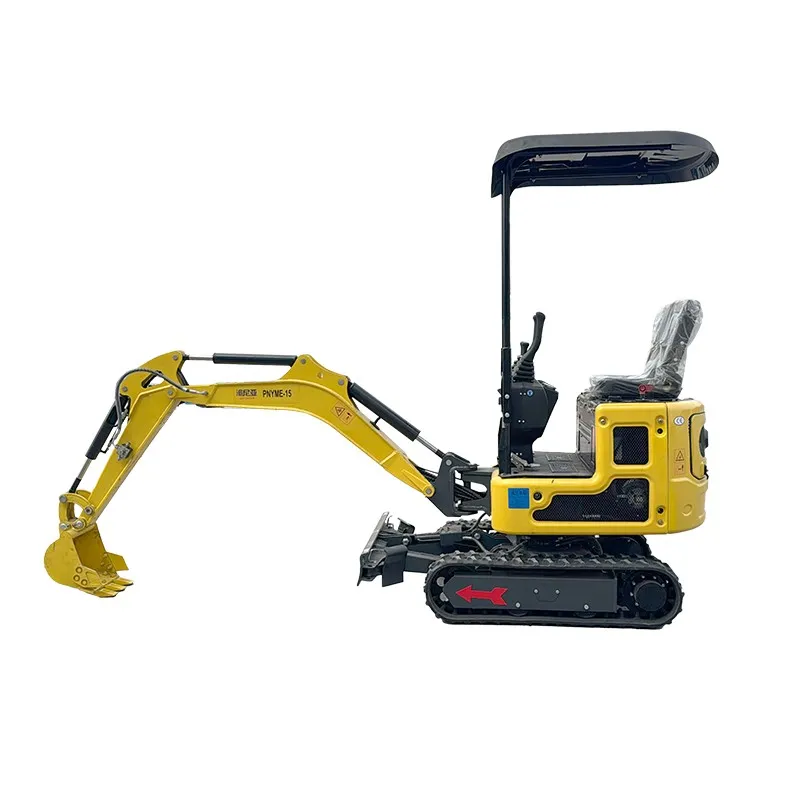
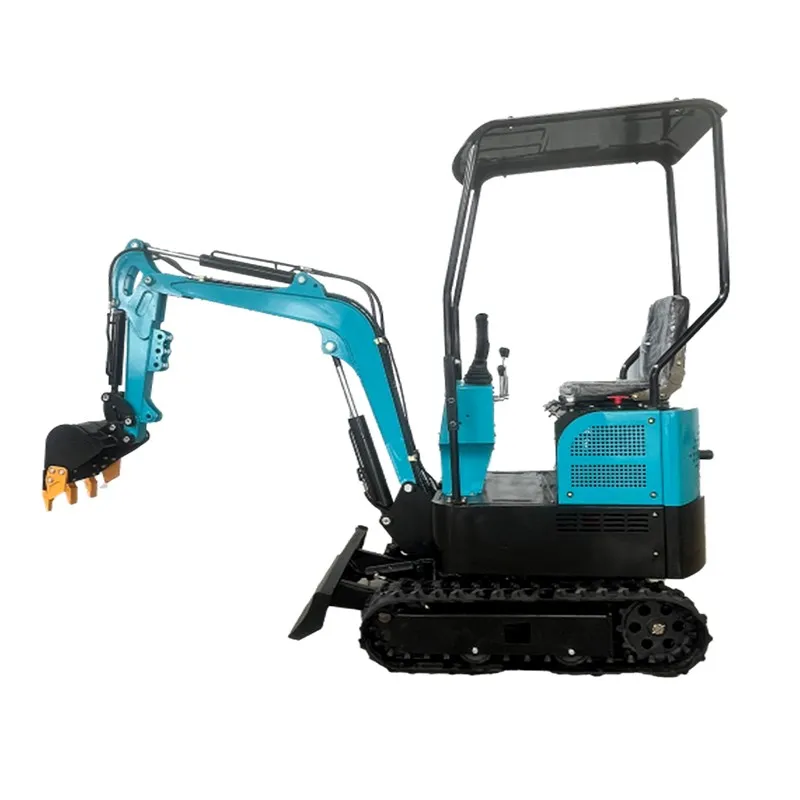
affordable compact excavator
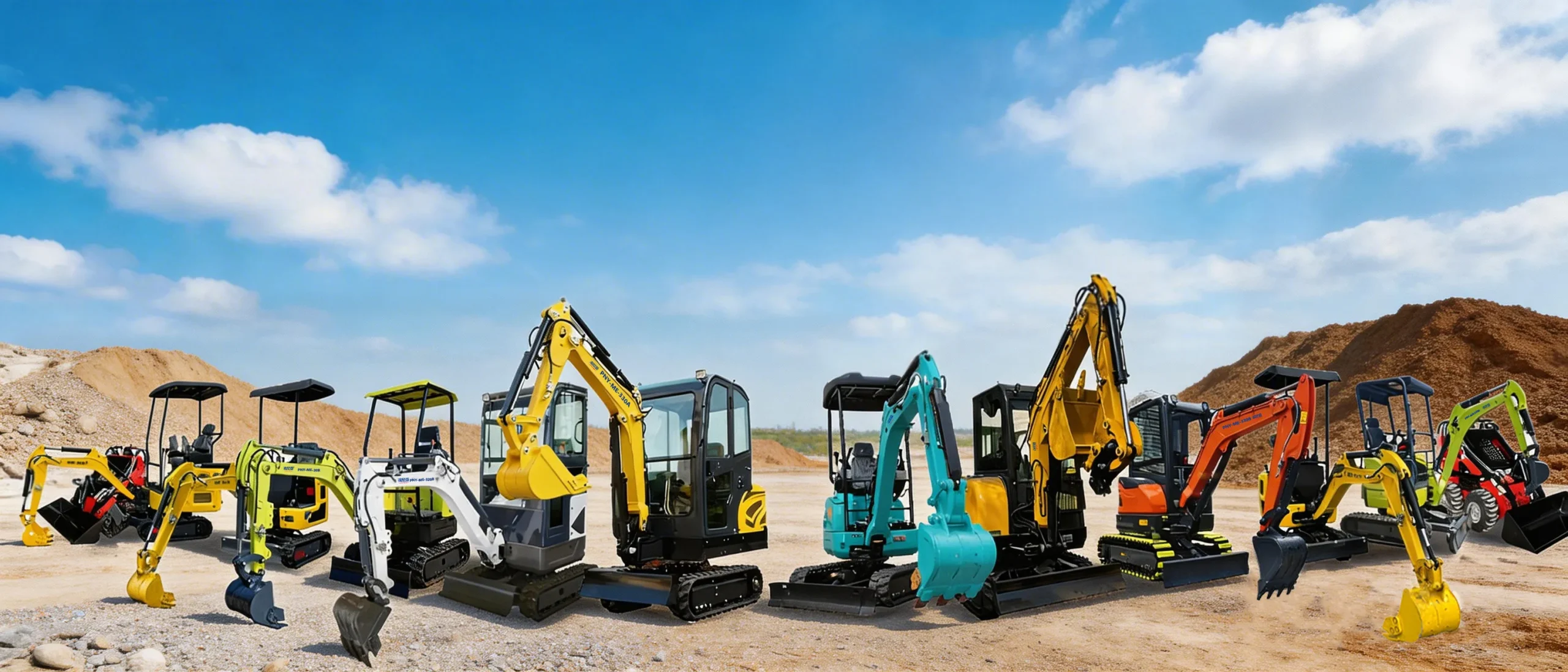
When someone says affordable compact excavator, a lot of folks immediately think cheap. That's the first mistake. In this business, affordable doesn't mean the lowest sticker price; it means the total cost of owning and running the machine without it falling apart on you in year two. I've seen too many guys get burned by a great deal that turned into a parts and downtime nightmare. The real value is in the machine's uptime, serviceability, and how it holds its residual value. Let's talk about what that actually looks like on the ground.
The Affordable Trap and Real-World Specs
So, you're scrolling online and see a 1.8-ton machine advertised for a price that seems too good to be true. It probably is. The first thing I do is look past the tonnage and dig into the specs that matter for real work: the digging force, the hydraulic flow, and the pump type. A lot of these budget machines use a fixed displacement pump to save costs. It's simpler, but you lose that fine control for grading or delicate work. For true versatility, you want a variable displacement pump system. That's often where the price separates. An affordable compact excavator that's actually worth it will often have a decent variable pump, even if it's a simpler version from a reputable supplier like Kawasaki or Parker.
Another point everyone misses is the standard auxiliary hydraulic circuit. Is it one-way or two-way? If you ever plan to run a hydraulic thumb, a breaker, or a tilt rotator, you need two-way flow. Some affordable models ship with a single circuit, and retrofitting it later costs more than just buying a slightly better-equipped model upfront. I learned this the hard way on a landscaping job years ago. We bought a value machine, only to spend thousands later adding a proper circuit, and the plumbing was never as clean as a factory setup.
Then there's the undercarriage. On compact machines, the track motors and drive system take a beating. Cheaper models might use a gear motor drive instead of a direct hydraulic motor on each track. The gear drive is less efficient, generates more heat, and offers less precise control for fine positioning. When you're working next to a foundation, that precision is everything. So, your affordable price tag might be sacrificing the very control that makes a mini ex useful.
Where Manufacturing History Actually Matters
People get obsessed with brand names, and that's fine. But sometimes, the OEMs you haven't heard of, with a long manufacturing history, are the ones building the solid, no-frills workhorses. Take a company like Shandong Pioneer Engineering Machinery Co., Ltd. They've been at this since 2004, which in this industry is a solid track record. That's two decades of refining designs, sourcing better components, and understanding what fails in the field. A company that just started last year doesn't have that institutional knowledge.
Shandong Pioneer operates with a dual-structure: Shandong Hexin handles the manufacturing, and Pioneer handles the overseas trade. This setup is interesting because it suggests the manufacturing side is focused purely on building, while the trade side deals with export regulations and market adaptation. For a buyer in, say, Germany or Australia, that means the machine has likely been built to meet certain destination standards from the get-go, not retrofitted poorly. Their recent relocation in 2023 to a new facility in Tai'an also hints at scaling up production with more modern lines, which can improve consistency.
Why does this matter for an affordable machine? Because this kind of established, export-focused manufacturer often hits a sweet spot. They're not selling at the absolute rock-bottom price of a brand-new, unproven factory, but they're also not charging for a century-old brand name. You're paying for a matured production process. Their machines, exported widely to tough markets like the US and Canada, have to be somewhat durable to survive and earn that trust and appreciation of customers worldwide they mention. It's not just marketing fluff; bad machines don't get repeat orders in Nebraska or Queensland.
The Serviceability Test: A Deal-Breaker
Here's a practical test I do when evaluating any compact excavator: can I easily check the engine oil and coolant? Can I get to the main hydraulic filter without removing three panels and a wiring harness? On some cheap models, daily maintenance is a nightmare. I remember one unit where to check the radiator level, you had to lift the cab. That's a design failure. An affordable machine must be easy to service, or your savings evaporate in labor hours.
Component commonality is another huge factor. Does it use a standard Yanmar, Kubota, or Deutz engine that any mechanic can work on? Or is it some obscure, proprietary powerplant where you have to wait six weeks for a simple sensor? The same goes for hydraulic fittings. Are they standard metric fittings, or something oddball? The true cost of an affordable excavator includes the availability and cost of parts. A manufacturer with a long export history, like the one mentioned, tends to standardize on globally available parts to keep their own support network viable. It's in their interest too.
Also, look at the layout of the hydraulic tank and the return filter. Is there a sight glass? Is the filter mounted in a spot where spillage is contained, or will it dump oil all over the track frame? These are the details you only notice after your fifth service, and they make or break the relationship with the machine. A clean, logical service layout is a sign of thoughtful engineering, not just copy-pasting a design.
Attachment Compatibility and Hidden Costs
This is a major pitfall. You buy the machine, then realize the quick coupler system is non-standard, or the pin sizes are odd. Suddenly, that affordable package requires you to buy all new attachments or spend a fortune on adapters. The industry has largely settled on certain standards, like the European-style quick coupler. A good value machine will adhere to these common interfaces. It opens up the huge secondary market for attachments, which is where you really unlock the machine's potential.
Hydraulic flow and pressure, again, are critical here. That affordable model might list an auxiliary circuit, but if its flow is too low or pressure relief is set wrong, it won't run a brush cutter or a cold planer effectively. You're stuck with buckets. I've seen machines that struggle to run a standard hydraulic thumb smoothly because the flow is anemic. Always ask for the actual auxiliary circuit specs—rated flow in liters per minute and the relief valve pressure setting. Don't just take yes, it has aux hydraulics for an answer.
Also, consider the machine's weight class relative to its power. A 2-ton machine that's underpowered will constantly be working at high rpm, burning more fuel and wearing out faster than a 1.8-ton machine with a perfectly matched powertrain. The goal is a machine that works at a comfortable, efficient rpm for most tasks. Sometimes, paying a slight premium for a better engine-to-hydraulics match saves a fortune in fuel over 2,000 hours.
The Verdict: Defining Value on Your Terms
So, after all this, what makes an affordable compact excavator truly affordable? It's the one whose total cost of operation—purchase price, scheduled maintenance, unscheduled repairs, fuel consumption, and attachment compatibility—is lowest over your intended ownership period. For a rental fleet that turns machines every 2-3 years, maybe the absolute lowest purchase price wins. For an owner-operator who needs it for five years, durability and service costs dominate.
Looking at manufacturers with proven export longevity, like Shandong Pioneer, makes sense in this calculus. They've survived by building machines that are fit-for-purpose in demanding markets. They may not have all the bells and whistles of a $80,000 machine, but they've likely ironed out the major flaws that plague first-generation products. Their value proposition is a refined, basic tool that works.
In the end, your due diligence is everything. Get the detailed spec sheet. Ask for the component brand names (engine, pumps, main valves). Talk to other owners, not just dealers. And physically inspect the machine if you can—open the service panels, look at the weld quality, check the plumbing. The affordability is in the details, not the headline number. A machine that gets back to work every morning, year after year, without drama, is the most affordable machine you can own, regardless of what the invoice said.
Related Products
Related Products