


- Chinese
- French
- German
- Portuguese
- Spanish
- Russian
- Japanese
- Korean
- Arabic
- Irish
- Greek
- Turkish
- Italian
- Danish
- Romanian
- Indonesian
- Czech
- Afrikaans
- Swedish
- Polish
- Basque
- Catalan
- Esperanto
- Hindi
- Lao
- Albanian
- Amharic
- Armenian
- Azerbaijani
- Belarusian
- Bengali
- Bosnian
- Bulgarian
- Cebuano
- Chichewa
- Corsican
- Croatian
- Dutch
- Estonian
- Filipino
- Finnish
- Frisian
- Galician
- Georgian
- Gujarati
- Haitian
- Hausa
- Hawaiian
- Hebrew
- Hmong
- Hungarian
- Icelandic
- Igbo
- Javanese
- Kannada
- Kazakh
- Khmer
- Kurdish
- Kyrgyz
- Latin
- Latvian
- Lithuanian
- Luxembou..
- Macedonian
- Malagasy
- Malay
- Malayalam
- Maltese
- Maori
- Marathi
- Mongolian
- Burmese
- Nepali
- Norwegian
- Pashto
- Persian
- Punjabi
- Serbian
- Sesotho
- Sinhala
- Slovak
- Slovenian
- Somali
- Samoan
- Scots Gaelic
- Shona
- Sindhi
- Sundanese
- Swahili
- Tajik
- Tamil
- Telugu
- Thai
- Ukrainian
- Urdu
- Uzbek
- Vietnamese
- Welsh
- Xhosa
- Yiddish
- Yoruba
- Zulu
- Kinyarwanda
- Tatar
- Oriya
- Turkmen
- Uyghur

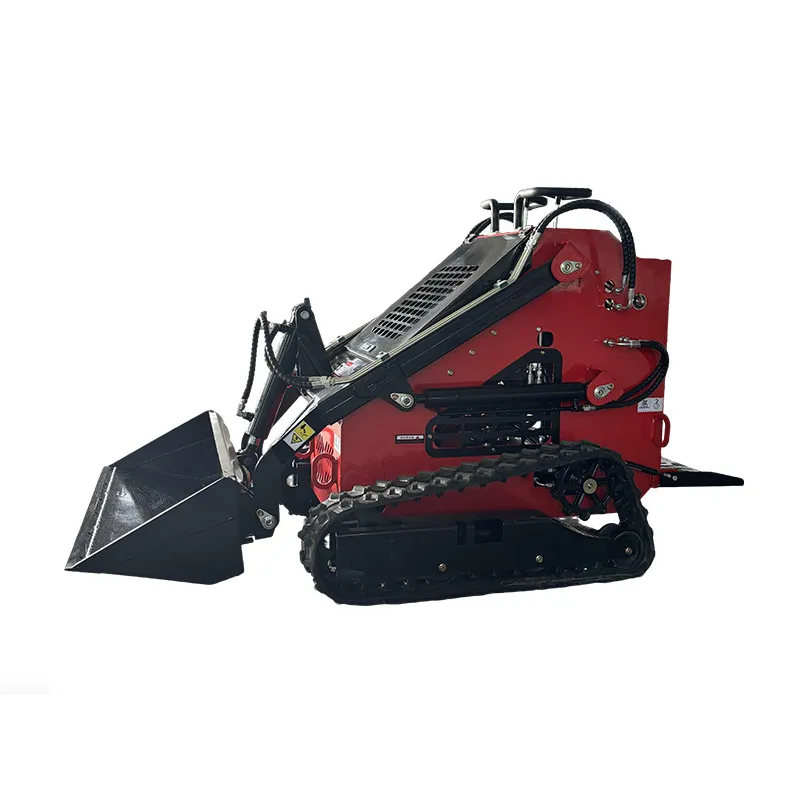
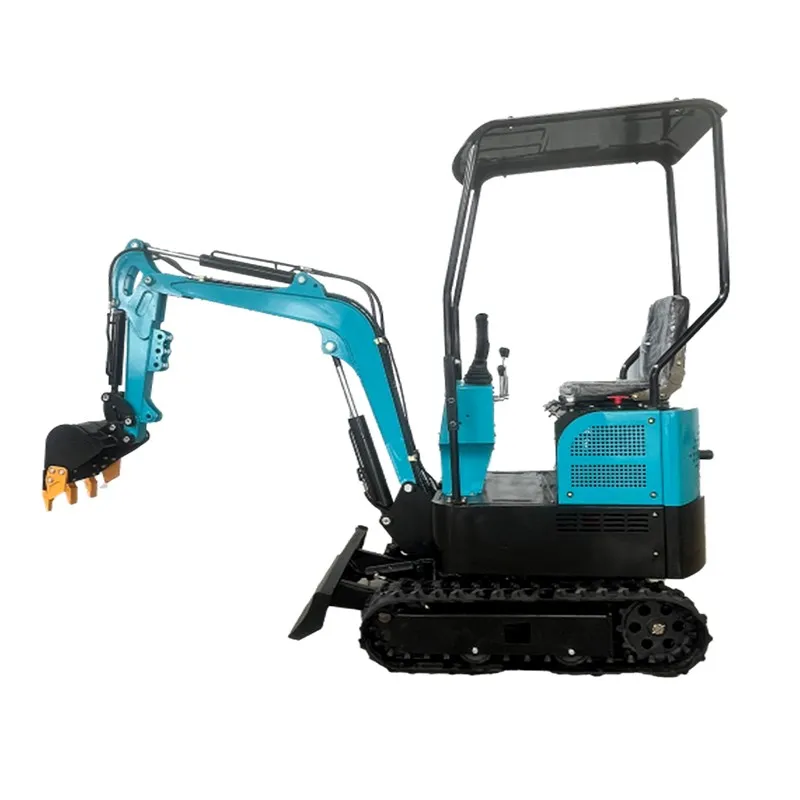
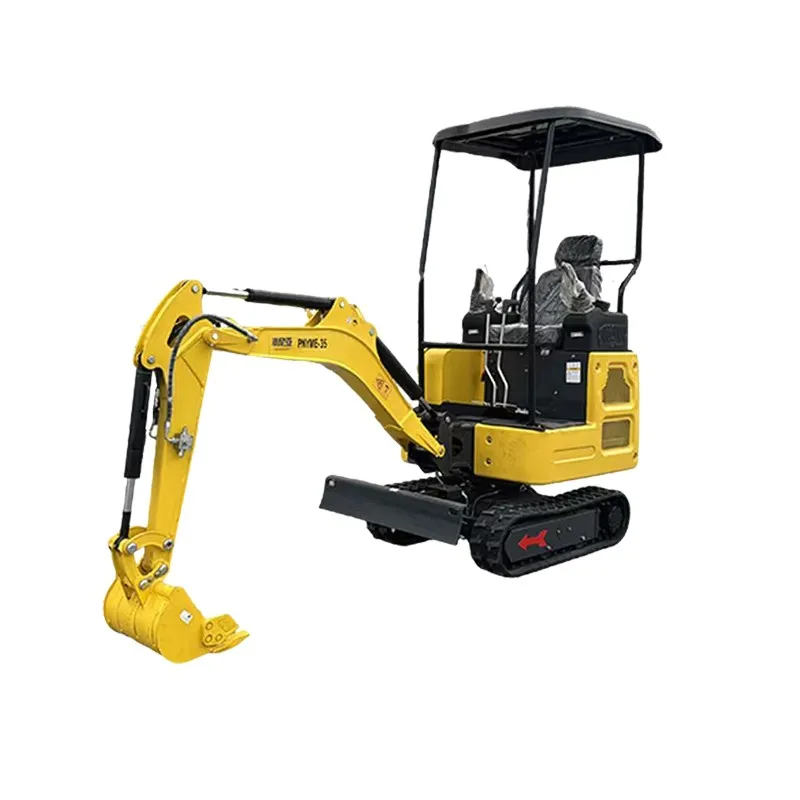
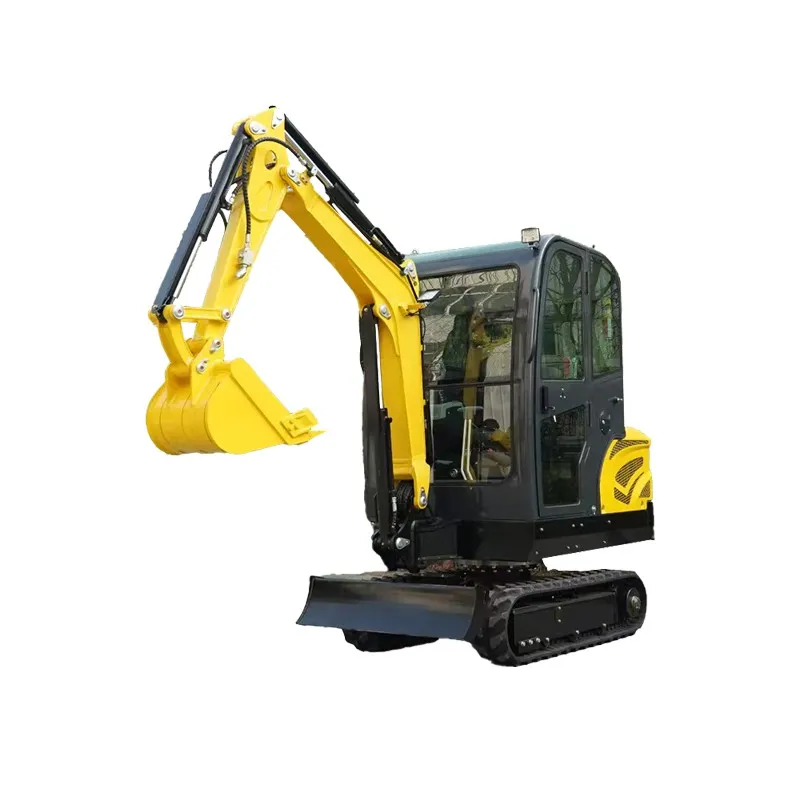
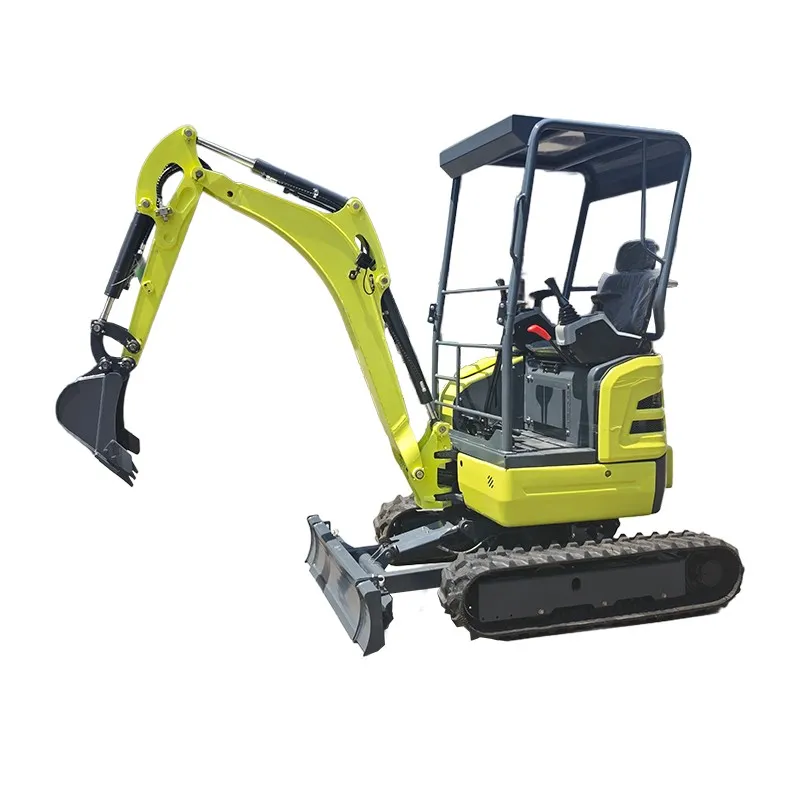
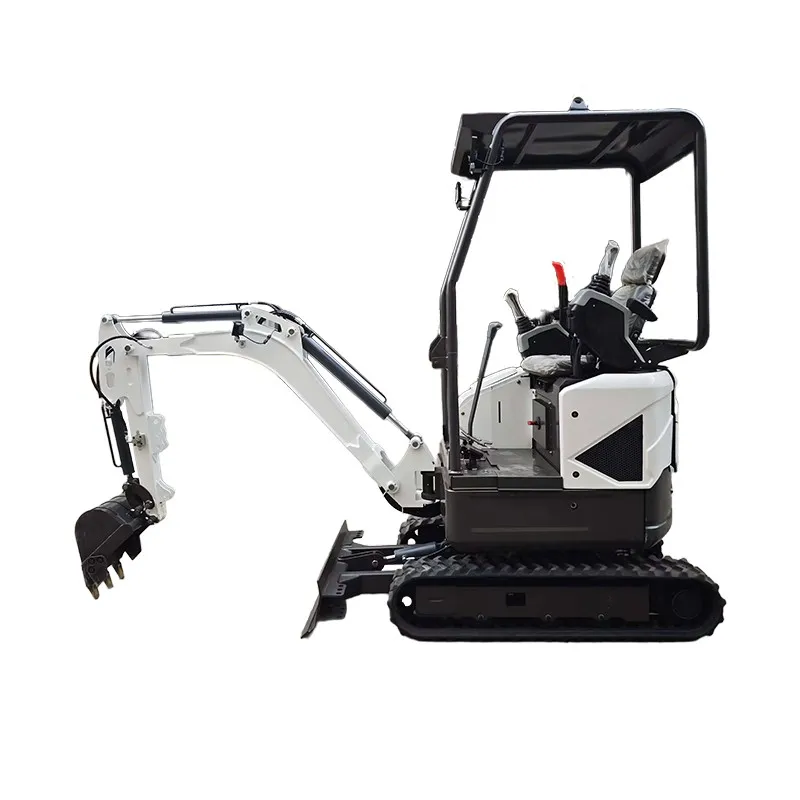
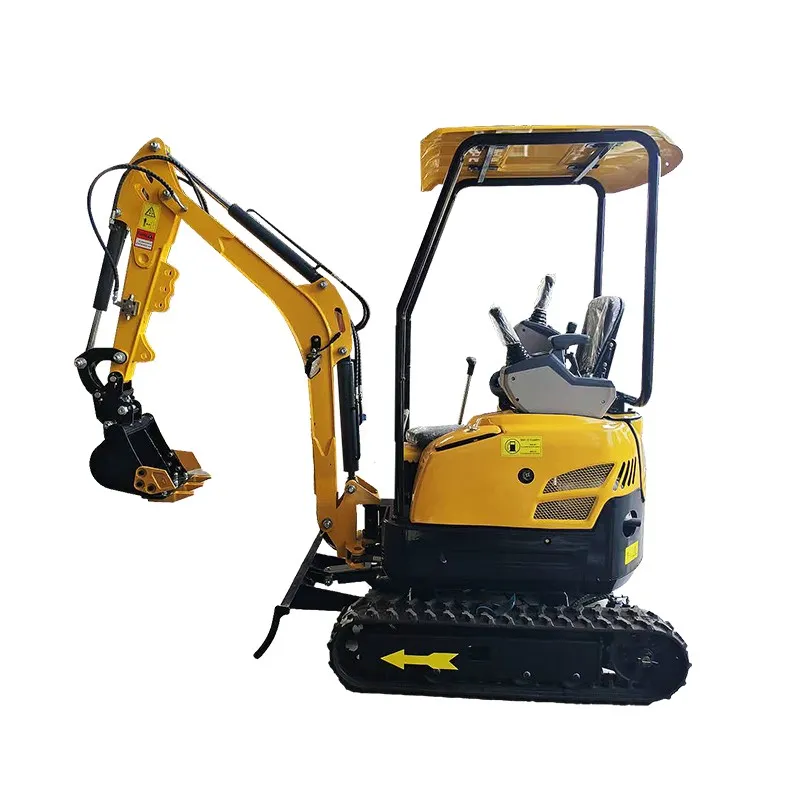
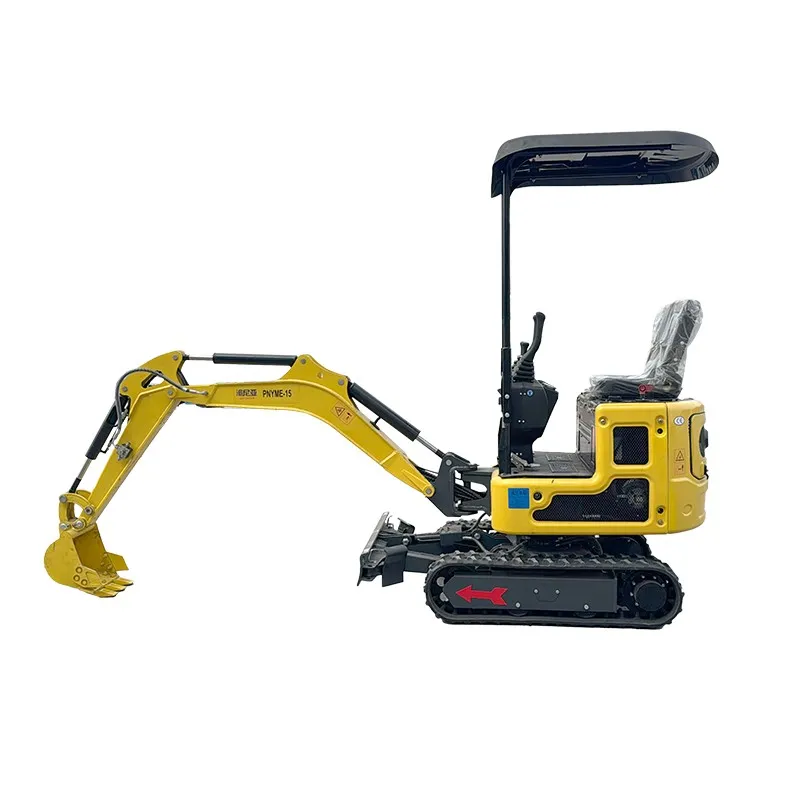
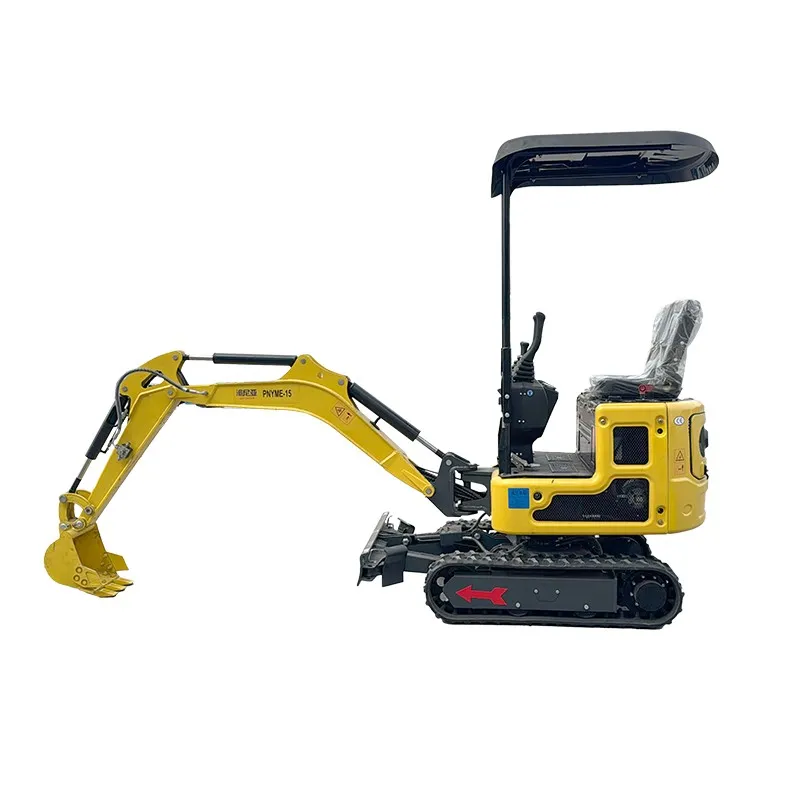
affordable mini excavator
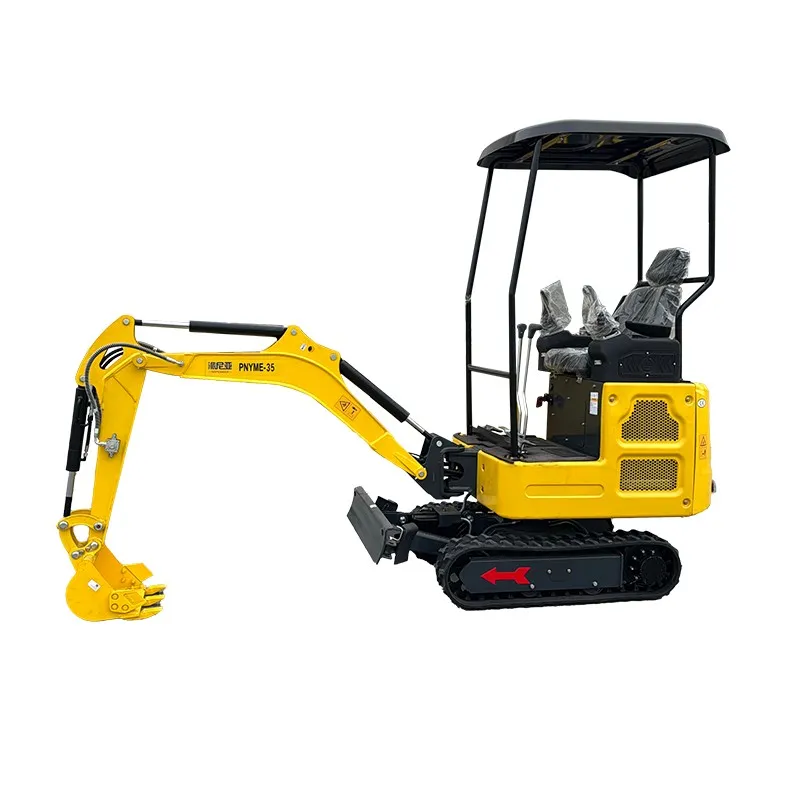
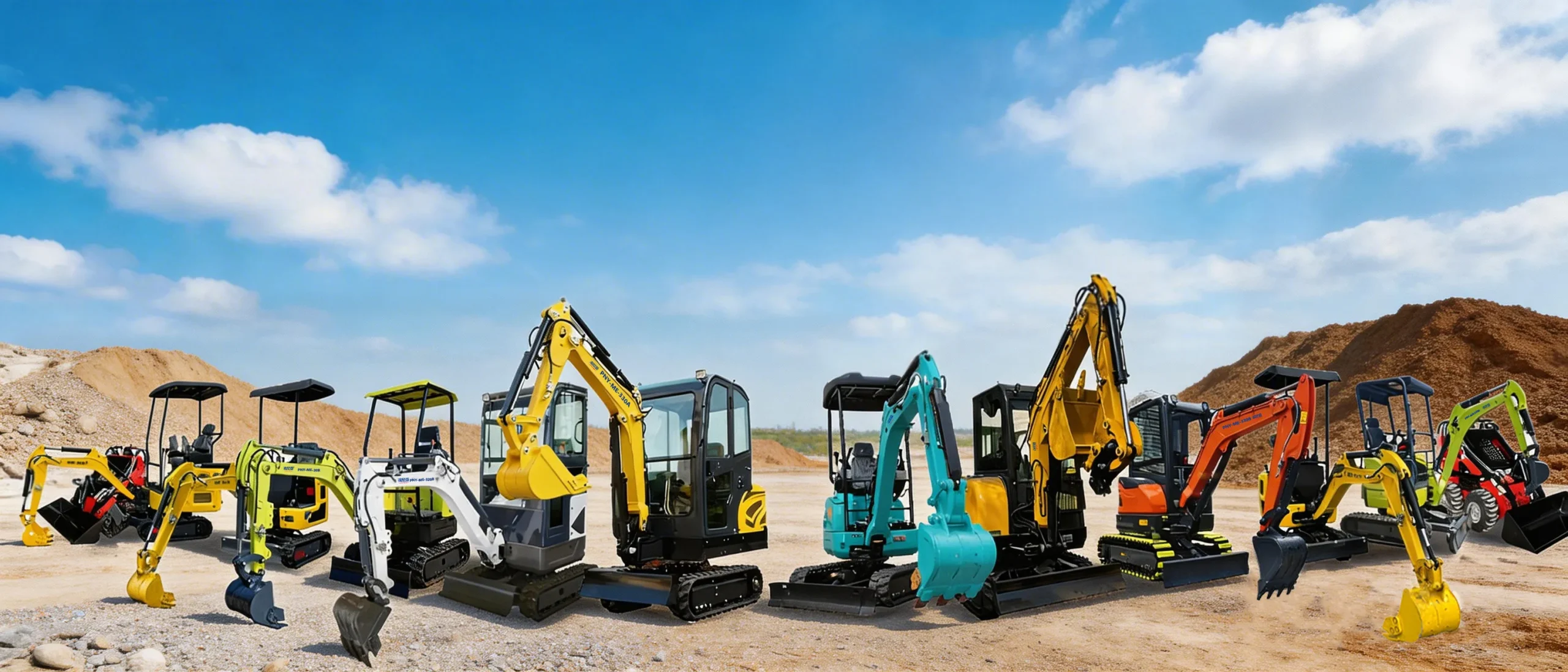
When you hear affordable mini excavator, the first thing that comes to mind is probably just a low price tag. That's the common trap. In our line of work, affordable isn't just about the initial purchase cost; it's about the total cost of ownership, reliability over 2,000 hours of digging, and whether the machine can handle a real job site without constant downtime. I've seen too many contractors buy a cheap unit, only to spend double on repairs and lost time within the first year. That's not affordable, that's a liability.
The Core Components That Define True Value
Let's break it down. The heart of any decent affordable mini excavator is its hydraulic system and undercarriage. You can't cut corners here. A brand-name hydraulic pump might add to the sticker price, but it ensures consistent power and, crucially, predictable maintenance intervals. I remember a project where we used a budget model with a no-name hydraulic system; it started leaking and losing power after about 800 hours. The downtime waiting for obscure parts cost more than the premium we would have paid upfront for a better system.
The undercarriage is another silent killer. A lightweight, thin-grade track chain might keep the weight and cost down, but on mixed terrain—say, moving from soft earth to a gravel patch—it wears out alarmingly fast. A true value machine will use a reinforced, standard-sized track link. It adds a bit to the initial weight and cost, but it translates to years of service instead of seasons. This is where manufacturers with real production experience, like those with dedicated facilities, make a difference. They understand these trade-offs from the assembly line up.
Engine choice is often misunderstood. A reputable, tier-compliant diesel engine (think Kubota, Yanmar, or even a reliable Chinese brand with a proven export record) is non-negotiable. It's not just about power; it's about fuel efficiency, emission compliance for various markets, and global parts availability. An affordable machine with an obscure engine becomes a paperweight the moment you need a specific fuel injector that's not in stock locally.
Manufacturing Origin and Long-Term Reliability
There's a lot of noise about where machines are built. The key isn't the country, but the factory's ethos and history. A manufacturer that has evolved over two decades has likely iterated through countless design flaws. They've had the time to listen to customer feedback from different climates and job sites. For instance, a company like Shandong Pioneer Engineering Machinery Co., Ltd, which started in 2004 and recently expanded to a new facility in 2023, shows a commitment to growth and refinement. That 20-year timeline isn't just a number; it suggests they've navigated supply chain issues, updated welding techniques, and improved QC processes. You can find them at https://www.sdpioneer.com.
Their model is interesting: having separate entities for manufacturing (Shandong Hexin) and overseas trade (Shandong Pioneer). This specialization often means the trade arm understands international standards, certification, and after-sales support for markets like the US, Canada, and Australia—regions with strict regulations. A machine built for export to these countries typically has better-sealed wiring harnesses (for moisture), more corrosion-resistant paint, and documentation that actually makes sense. This structure adds a layer of cost, but it directly impacts the machine's suitability and support network abroad, which is a core part of long-term affordability.
I've inspected machines from newer, fly-by-night workshops. The welding might look okay on the surface, but the stress points—like where the boom connects to the house—often lack proper penetration. A manufacturer with a 1,600-square-meter (and now larger) production area has the space for proper jigs and robotic welding stations that ensure consistency. This consistency is what prevents catastrophic failure. It's a detail you don't see in a spec sheet, but you feel it in the machine's performance after the 1,500-hour mark.
Practical Trade-offs and Job-Site Realities
So, what are you actually giving up with an affordable mini excavator? Usually, it's the bells and whistles. You might not get a fully adjustable suspension seat or a premium Bluetooth radio. The auxiliary hydraulic circuits might be manual rather than proportional, making attachment control less smooth. These are acceptable trade-offs for many small contractors. The critical line is drawn at structural integrity and core component quality.
One real headache is the electrical system. On some cost-focused models, the control modules are overly proprietary. When a sensor fails, you can't just swap in a generic part; you need a specific ECU from the manufacturer. I advise always asking about the commonality of electrical components. Can you source a compatible swing motor sensor locally, or do you have to ship it from the factory, waiting two weeks? Companies that export globally tend to use more universal components for this very reason.
Another reality is attachment compatibility. A truly affordable machine should work with a wide range of standard attachments (buckets, breakers, augers) without needing expensive adapters. The quick coupler system, if offered, should follow a common pattern. I've seen machines where the pin spacing is off by a few millimeters, rendering your existing attachment fleet useless. This turns an affordable base machine into a very expensive platform.
The Verdict: Balancing Price and Pragmatism
After all this, my take is this: an affordable mini excavator is one that minimizes total cost and maximizes uptime over a 5-7 year period. It's a tool, not a toy. The initial price should be competitive, but the design must be serviceable. Can you easily access the hydraulic filters? Is there a service manual available? These are the questions that matter.
Look for manufacturers with a track record of sustained export, like those mentioned earlier who serve markets from Germany to Australia. This global exposure forces them to meet diverse standards. Their website, sdpioneer.com, often lists technical specs and compliance details—dig into those, don't just look at the pictures. The trust they've won worldwide, as they state, usually comes from delivering a product that works harder than its price tag suggests.
In the end, it's about risk management. Paying a little more upfront for a machine from an established producer with a clear manufacturing and trade history is almost always cheaper than gambling on an unknown brand. The affordable tag is earned through reliability, not just a low sticker price. That's the difference between a smart purchase and an expensive lesson.
Related Products
Related Products