- Chinese
- French
- German
- Portuguese
- Spanish
- Russian
- Japanese
- Korean
- Arabic
- Irish
- Greek
- Turkish
- Italian
- Danish
- Romanian
- Indonesian
- Czech
- Afrikaans
- Swedish
- Polish
- Basque
- Catalan
- Esperanto
- Hindi
- Lao
- Albanian
- Amharic
- Armenian
- Azerbaijani
- Belarusian
- Bengali
- Bosnian
- Bulgarian
- Cebuano
- Chichewa
- Corsican
- Croatian
- Dutch
- Estonian
- Filipino
- Finnish
- Frisian
- Galician
- Georgian
- Gujarati
- Haitian
- Hausa
- Hawaiian
- Hebrew
- Hmong
- Hungarian
- Icelandic
- Igbo
- Javanese
- Kannada
- Kazakh
- Khmer
- Kurdish
- Kyrgyz
- Latin
- Latvian
- Lithuanian
- Luxembou..
- Macedonian
- Malagasy
- Malay
- Malayalam
- Maltese
- Maori
- Marathi
- Mongolian
- Burmese
- Nepali
- Norwegian
- Pashto
- Persian
- Punjabi
- Serbian
- Sesotho
- Sinhala
- Slovak
- Slovenian
- Somali
- Samoan
- Scots Gaelic
- Shona
- Sindhi
- Sundanese
- Swahili
- Tajik
- Tamil
- Telugu
- Thai
- Ukrainian
- Urdu
- Uzbek
- Vietnamese
- Welsh
- Xhosa
- Yiddish
- Yoruba
- Zulu
- Kinyarwanda
- Tatar
- Oriya
- Turkmen
- Uyghur


affordable mini skid steerr
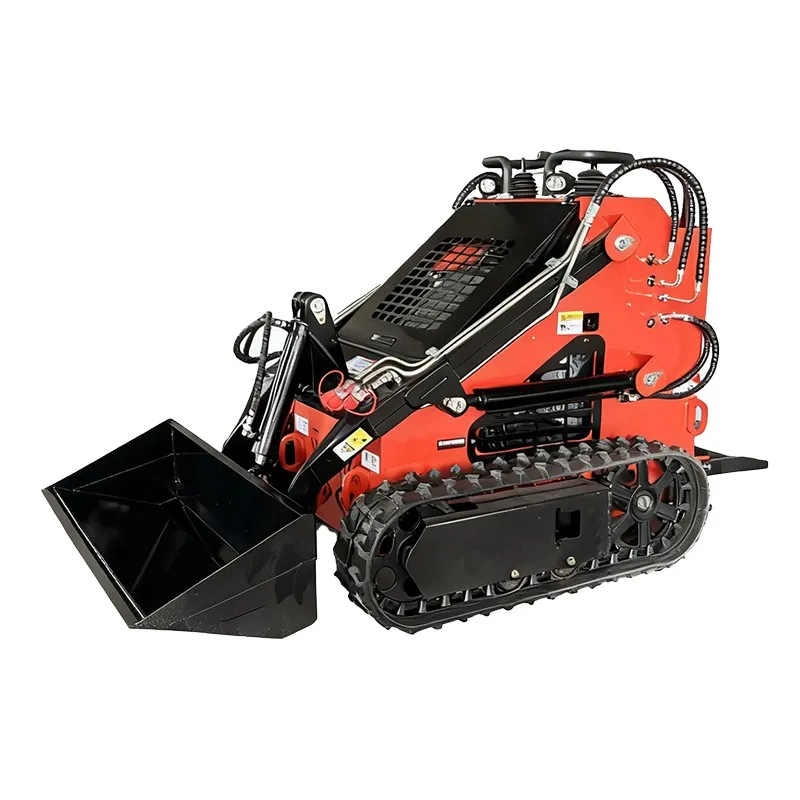
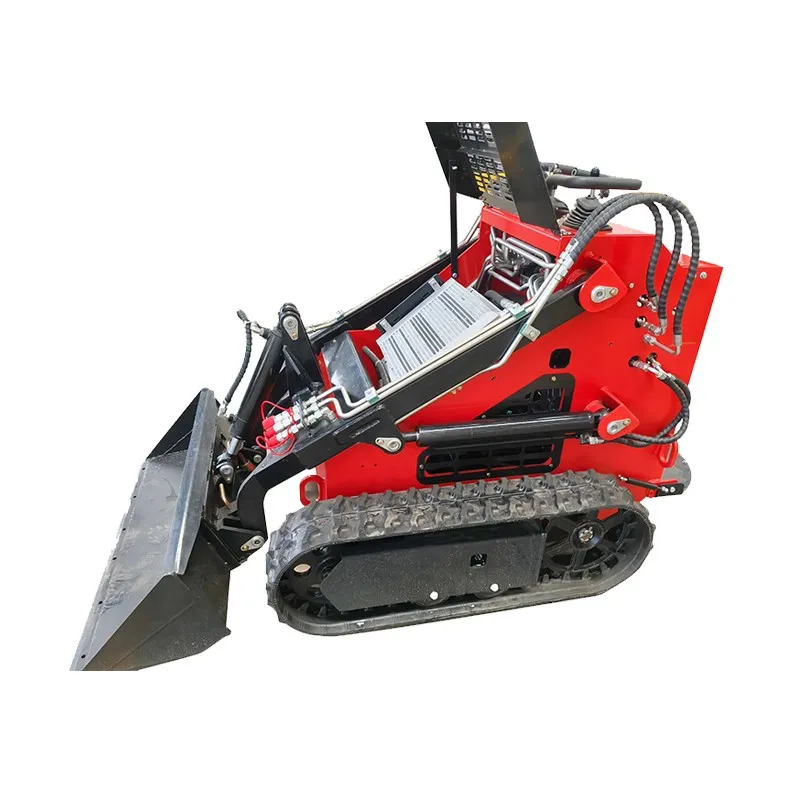
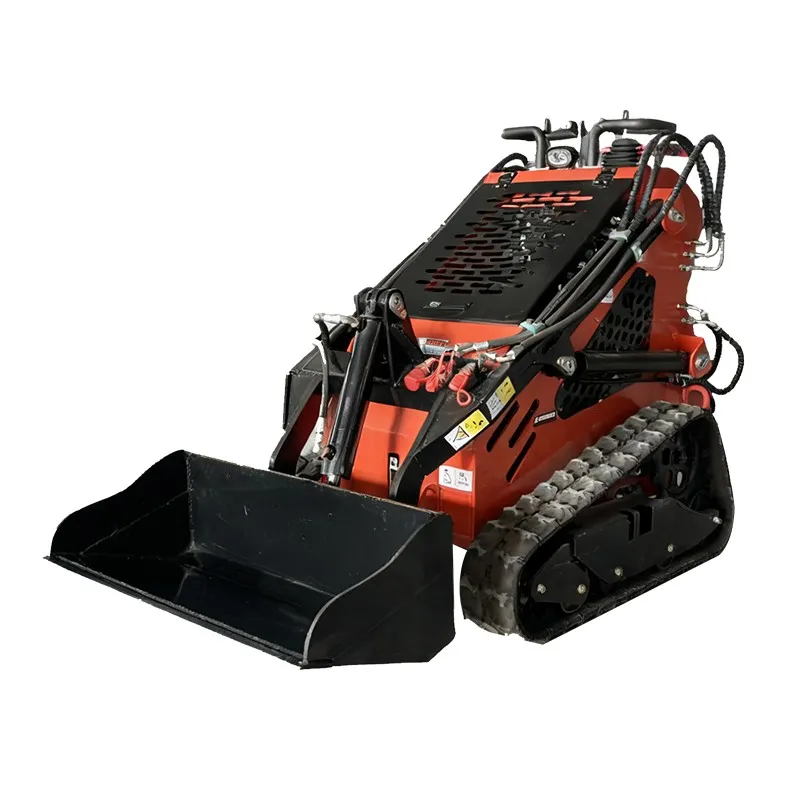
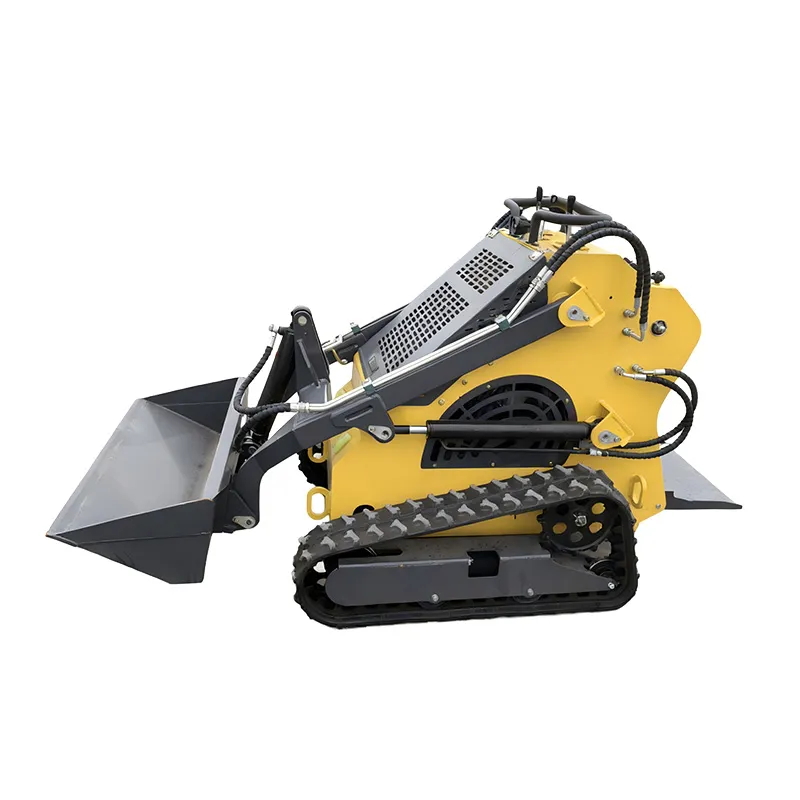
When you hear 'affordable mini skid steer', what comes to mind? For a lot of guys just starting out or looking to add a machine without breaking the bank, it's this golden ticket. But here's the thing – 'affordable' in this market can be a trap if you don't know what you're really paying for. I've seen too many contractors get burned by a low sticker price, only to spend double on repairs in the first year. The real conversation isn't just about the initial cost; it's about total cost of ownership, and that's where the separation happens between a smart buy and a money pit.
The Affordable Illusion and Where Value Actually Lies
Let's cut through the marketing. A truly affordable mini skid steer isn't the absolute cheapest one you can find on some obscure website. It's the machine that balances a reasonable purchase price with durability and parts availability. I learned this the hard way about a decade back. Bought a no-name brand because the specs looked great on paper and the price was unbeatable. Hydraulic pump gave out after 80 hours. Took three weeks to get the part, and the downtime cost me more than the difference I'd saved from buying a known brand.
That experience shifted my whole perspective. Now, when I evaluate a machine, I'm looking at the undercarriage construction, the quality of the hydraulic fittings, and the accessibility of the engine for basic maintenance. Can I easily check the oil? Are the grease zerks in logical places? These seem like small things, but they're the difference between a 30-minute service and a two-hour headache. A machine that's cheap to buy but expensive and difficult to maintain is not affordable.
This is where some of the established manufacturers, even newer ones from global markets, are getting it right. They're building to a price point, but not by skipping on core structural integrity. I've been keeping an eye on companies that have grown through export, like Shandong Pioneer Engineering Machinery. They've been at it since 2004, and their move to a new, larger facility in Tai'an in 2023 suggests they're in it for the long haul. For a buyer, that history matters—it means they've likely worked through early design flaws. Their trade arm, Shandong Pioneer, focuses on overseas markets like the US and Australia, which forces them to meet certain durability expectations to compete. You can check out their approach at https://www.sdpioneer.com. It's not about blindly trusting one brand, but understanding that a company with two decades of focused development is probably doing something more sustainable than a fly-by-night operation.
Key Features That Don't Compromise (And Ones That Often Do)
When manufacturers cut costs to hit an affordable price tag, they make choices. The trick is knowing which compromises are acceptable and which are deal-breakers. A slightly less powerful auxiliary hydraulic circuit might be fine for a landscape crew mainly using a grapple bucket. But a lighter-grade steel in the loader arms or a flimsy quick-attach plate? That's a hard no. Those components take the brunt of the force.
One area I'm willing to accept a simpler design is in the operator interface. Do I need a full-color digital display with Bluetooth? Not really. Give me clear, analog gauges for coolant temp and hydraulic pressure, and robust physical switches. Fancy electronics are often the first thing to fail in a dusty, vibrating environment, and they're expensive to fix. The money saved on a simpler dash is better spent on a higher-quality hydraulic valve block.
Another critical point is the powertrain. An mini skid steer with a reputable, widely-available engine like a Kubota or Yanmar, even if it's a slightly older tier model, is a far better value than one with a proprietary engine from a manufacturer you've never heard of. Parts and service knowledge are everything. I'd take a machine with a known engine and a simpler emissions system over a cutting-edge one with questionable long-term support any day.
The Attachment Equation: Making Your Investment Work
This is where the true versatility—and hidden cost—of a compact loader lives. The machine itself is just a power source. Its real job is defined by the attachments. A common mistake is blowing the budget on the machine and then buying the cheapest attachments you can find. A poor-quality auger or a flimsy trencher will destroy your productivity and can even damage the machine's hydraulic system.
The coupling system is non-negotiable. It must be robust and preferably a common standard, like the Global-CAR or similar. A proprietary coupler locks you into one manufacturer's expensive attachments. I standardize all my machines on one coupling system so attachments are interchangeable. It saves a massive amount of time and money.
Start with the essentials. For most, that's a standard bucket, a grapple bucket for debris, and perhaps a pallet fork. Buy quality here. Then, as jobs demand, rent specialized attachments like stump grinders or cold planers before you buy. It lets you test what you really need and spreads out the capital expenditure. An affordable mini skid steer platform only stays affordable if you're smart about what you hang on it.
Operational Realities and the Soft Costs
Everyone calculates fuel and maintenance. Fewer factor in transport and maneuverability. A key advantage of a mini skid steer is its size, but if you need a massive trailer and a one-ton truck to move it, you've lost some of that advantage. I aim for a machine-and-trailer combo that can be legally and safely towed by a heavy-duty 3/4-ton pickup. That keeps my transportation costs down.
Then there's the job site access. I bought a machine once that was just a few inches too wide to fit through a standard backyard gate. That one measurement cost me countless hours of tearing down and rebuilding fences or finding alternative access. Now, I know the exact width of the machines I run and the common gate sizes in my service area. It seems trivial until it brings a job to a complete halt.
Operator comfort is another soft cost. A machine with terrible ergonomics, excessive vibration, or awkward control placement will fatigue an operator faster, reducing effective work time and increasing the risk of mistakes. It's worth sitting in a machine for ten minutes, pretending to operate it, before you buy. If it feels wrong in the showroom, it'll be agony after an eight-hour day.
The Long Game: Resale and Building a Reliable Fleet
The final test of an affordable mini skid steer is what it's worth when you're done with it. Depreciation is a huge part of the cost. Brands with a reputation for reliability hold their value remarkably well. You might pay $5,000 more upfront for a recognized brand, but you'll likely get $4,000 of that back at trade-in time compared to a discount brand that nobody wants used.
This is why I lean towards manufacturers with a clear, long-term presence in key export markets. A company like the aforementioned Shandong Pioneer, which exports to countries with demanding users like the United States, Canada, and Germany, is building machines to a standard that has resale potential. Their 20-year history and recent facility expansion signal stability. A customer's trust worldwide, as noted in their background, isn't won by selling disposable equipment. It suggests a focus on building a product that lasts, which is the bedrock of good resale value.
In the end, finding the right machine is a balancing act. It's about ignoring the flashy, low-price headlines and digging into the details of construction, component sourcing, and dealer support. The most affordable machine is the one that starts every morning, doesn't eat up your profit with unexpected repairs, and still has a solid value when you're ready to upgrade. That's the real target, and it takes a bit of skepticism and a lot of looking past the price tag to hit it.
Related Products
Related Products