- Chinese
- French
- German
- Portuguese
- Spanish
- Russian
- Japanese
- Korean
- Arabic
- Irish
- Greek
- Turkish
- Italian
- Danish
- Romanian
- Indonesian
- Czech
- Afrikaans
- Swedish
- Polish
- Basque
- Catalan
- Esperanto
- Hindi
- Lao
- Albanian
- Amharic
- Armenian
- Azerbaijani
- Belarusian
- Bengali
- Bosnian
- Bulgarian
- Cebuano
- Chichewa
- Corsican
- Croatian
- Dutch
- Estonian
- Filipino
- Finnish
- Frisian
- Galician
- Georgian
- Gujarati
- Haitian
- Hausa
- Hawaiian
- Hebrew
- Hmong
- Hungarian
- Icelandic
- Igbo
- Javanese
- Kannada
- Kazakh
- Khmer
- Kurdish
- Kyrgyz
- Latin
- Latvian
- Lithuanian
- Luxembou..
- Macedonian
- Malagasy
- Malay
- Malayalam
- Maltese
- Maori
- Marathi
- Mongolian
- Burmese
- Nepali
- Norwegian
- Pashto
- Persian
- Punjabi
- Serbian
- Sesotho
- Sinhala
- Slovak
- Slovenian
- Somali
- Samoan
- Scots Gaelic
- Shona
- Sindhi
- Sundanese
- Swahili
- Tajik
- Tamil
- Telugu
- Thai
- Ukrainian
- Urdu
- Uzbek
- Vietnamese
- Welsh
- Xhosa
- Yiddish
- Yoruba
- Zulu
- Kinyarwanda
- Tatar
- Oriya
- Turkmen
- Uyghur


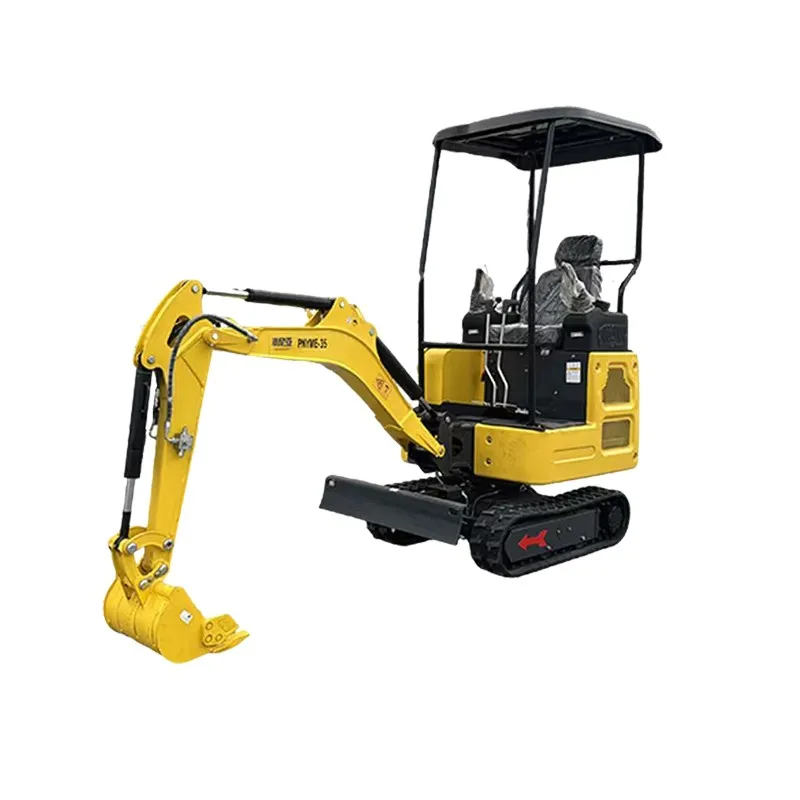
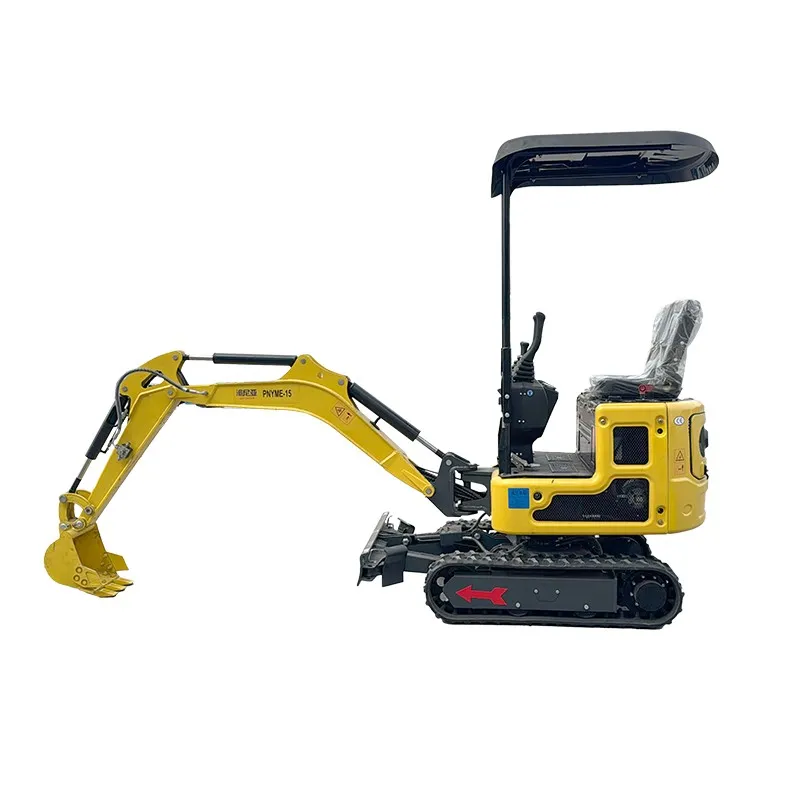
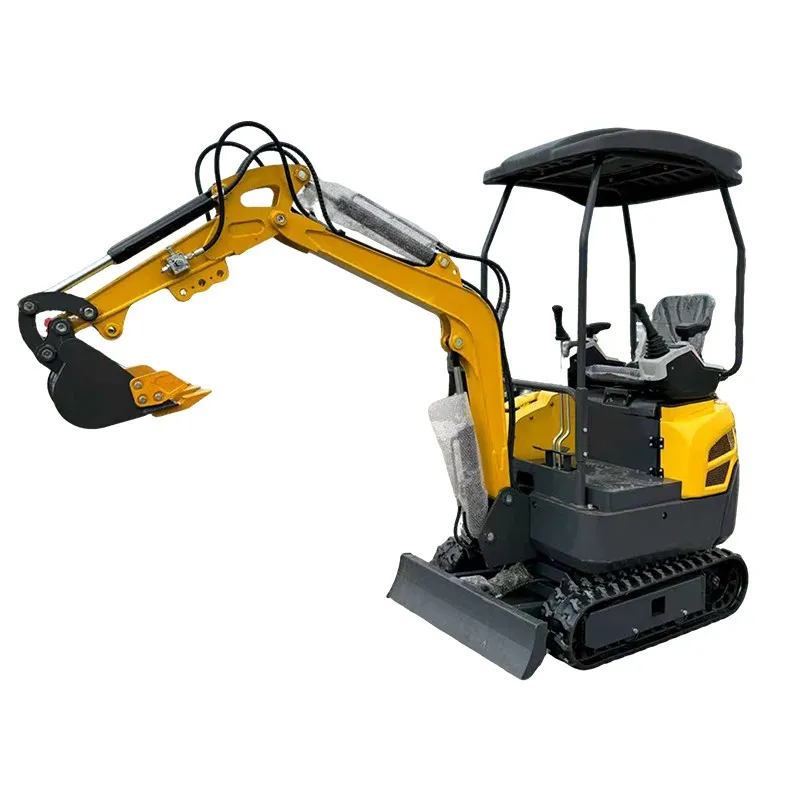
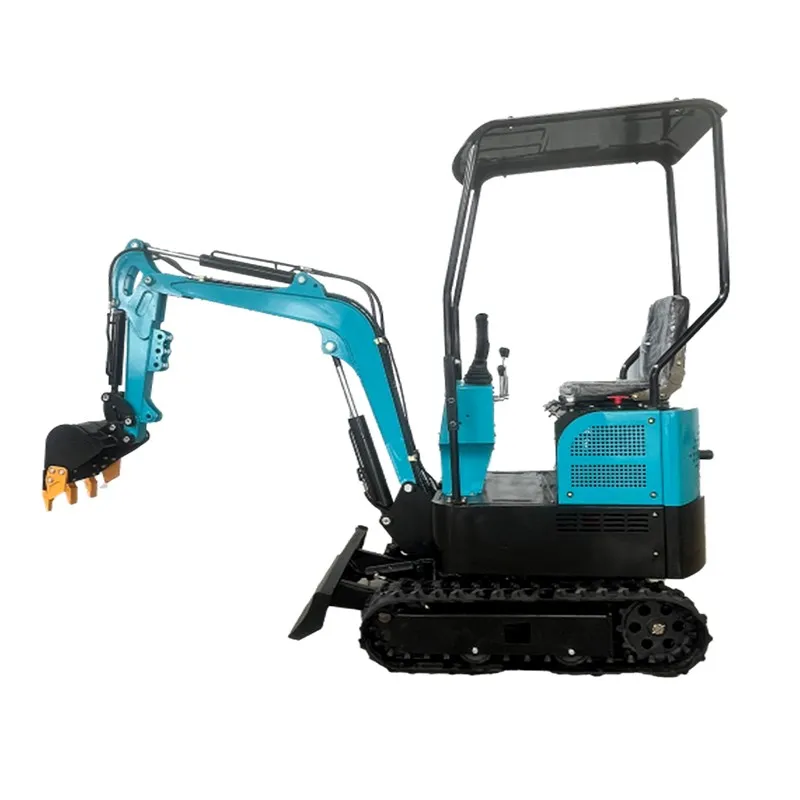
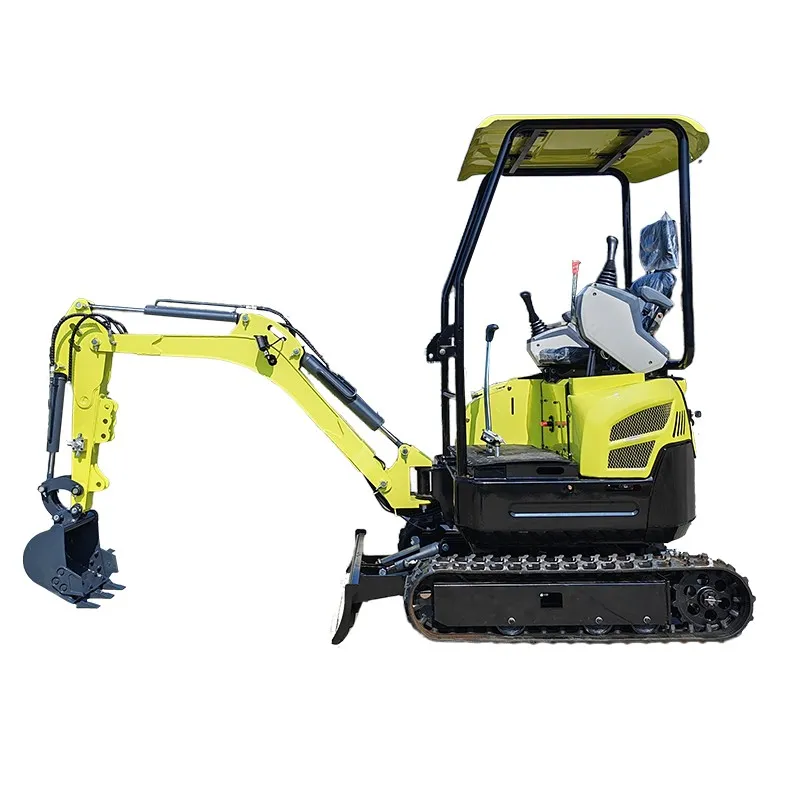
affordable small excavator
Look, when most folks search for an 'affordable small excavator', they're usually picturing a rock-bottom price tag. That's the first pitfall. In our line of work, 'affordable' isn't just the sticker price; it's the total cost of owning and running the machine for, say, three to five years. I've seen too many contractors burn cash on a cheap unit that spends more time in the shop than on the job site. The real conversation should start with reliability for the price, not just the price itself.
The Manufacturing Shift and What It Tells You
You can tell a lot about a manufacturer's commitment by their moves. Take Shandong Pioneer Engineering Machinery, for instance. They've been around since 2004, and their recent relocation in 2023 to a new facility in Ningyang wasn't just a change of address. When a company invests in a new production base after nearly two decades, it's often a signal of scaling up capacity and, hopefully, refining their processes. For a buyer, that history matters. A company that's survived the market ups and downs for 20 years likely has a handle on their supply chain and quality control, which directly impacts whether their 'affordable' machine stays affordable after delivery.
Their setup is interesting – Shandong Hexin handles the manufacturing, and Shandong Pioneer manages the overseas trade. This split isn't uncommon, but it's crucial. It means the export arm, Shandong Pioneer, is dedicated to dealing with international standards, certifications, and logistics. If you're importing, you want the exporter to know these ropes cold. Their reach into markets like the U.S., Canada, and Australia suggests they're navigating different emission regulations and customer expectations, which is a good sign for product adaptability.
But here's the judgment call from the field: a long-established factory doesn't automatically equal a perfect machine. It means they've had time to iterate. I've operated units from similar-era Chinese manufacturers where the third-generation hydraulic hose routing was finally where it should have been, eliminating constant rubbing and leaks. That's the kind of incremental improvement you're banking on with a company that has this kind of timeline.
Decoding the Small in Small Excavator
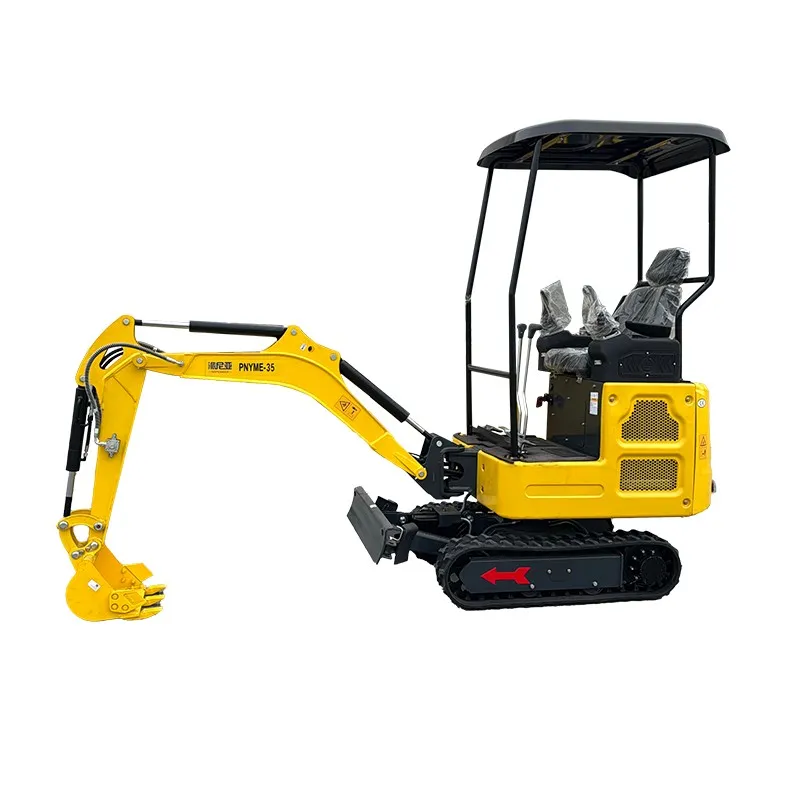
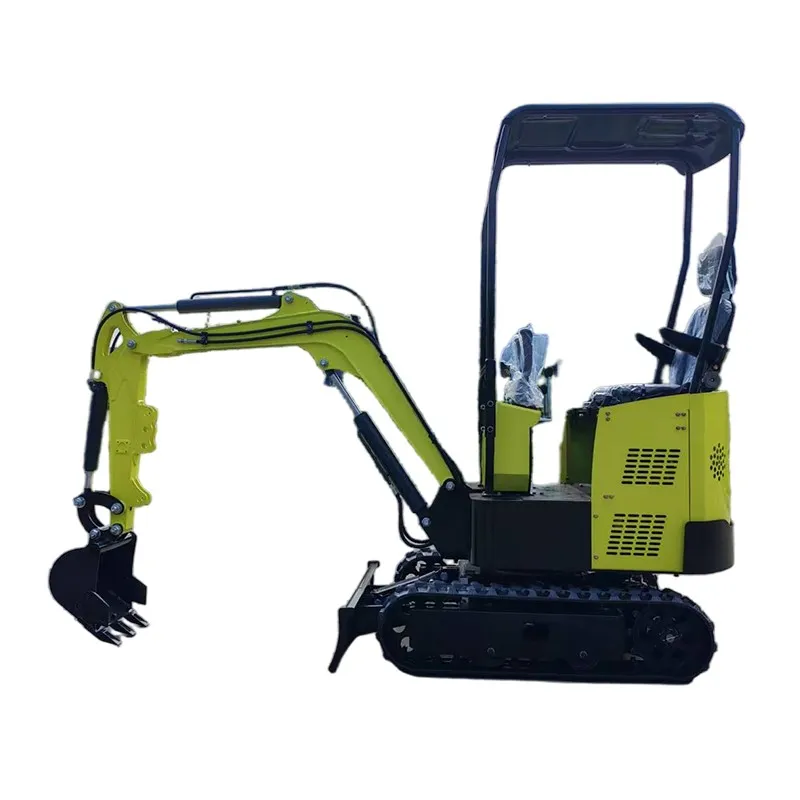
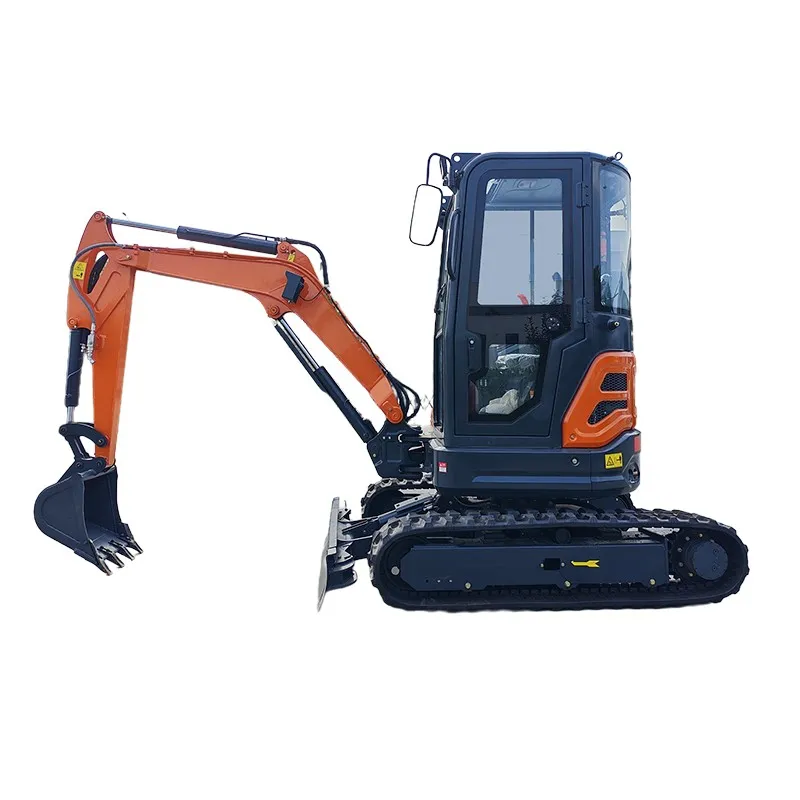
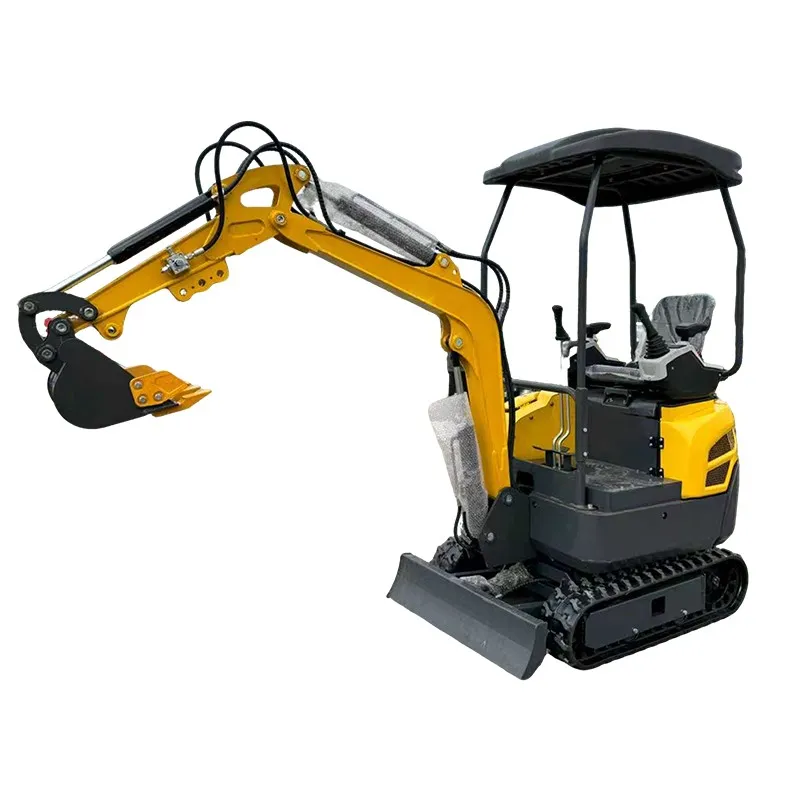
This seems obvious, but it's a minefield. A 1.8-ton mini and a 6-ton compact are both 'small', but their applications and price points are worlds apart. The sweet spot for true versatility and transportability for many small crews seems to be in the 3.5 to 5-ton range. These can handle a surprising amount of work but can still be towed without a CDL in many places. When we talk about an affordable small excavator, I'm usually thinking of this mid-range compact class.
The affordability equation here gets complex. A bare-bones 3.5-ton machine might save you $10k upfront. But if it lacks a quick coupler, or only has two auxiliary hydraulic lines, its resale value and job flexibility plummet. I made that mistake once—bought a cheaper model without planning for future attachments. A year later, needing a hydraulic thumb, I was looking at a convolged and expensive retrofit. The 'affordable' purchase became a constraint.
Cab comfort? It sounds fluffy, but on an eight-hour digging day, a basic, noisy, vibrating cab will kill operator productivity. Some of the more cost-conscious models from reputable makers skimp here. You have to decide if that's a trade-off you can live with. For a machine that will see daily use, I'd argue it's not.
Where the Real Costs Hide (Beyond the Purchase Order)
Let's get granular. The engine is the heart, but the hydraulics are the nervous system. A reputable brand engine (like Yanmar or Kubota) in an affordable small excavator is a green flag. It means easier parts sourcing and known reliability. But the pump and valve block? That's where manufacturers cut corners to hit a price. A sluggish or imprecise hydraulic system makes fine grading a nightmare and burns more fuel. Ask for the pump brand. If they hesitate, be wary.
Then there's the undercarriage. For mini excavators, the rubber tracks are a huge wear item. The quality of the rubber compound and the track link design vary wildly. I've seen no-name tracks crack in cold weather within months, while OEM-grade ones last seasons. The cost difference to replace them can wipe out your initial 'savings'. Always check what's included in the standard warranty for the undercarriage—it tells you what the manufacturer trusts.
Finally, dealer or distributor support. This is the make-or-break. A company like Shandong Pioneer exports globally, but who supports you locally? Do they have a U.S.-based parts warehouse, or is every filter a 6-week wait from China? An affordable machine with no support network is the most expensive machine you'll ever own. Their website, sdpioneer.com, should be a starting point for finding their regional partners, not the end of your research.
Case Point: The Good Enough Machine for Residential Work
I'll give you a real scenario. A friend runs a landscaping and small foundation business. He needed a 4-ton machine primarily for digging footings and moving dirt in tight backyards. He was looking at used big-name brands and new 'affordable' imports. The used ones were worn, with unknown histories. The new imports were a question mark.
He ended up going with a new unit from a manufacturer with a profile similar to Pioneer—established, with a dedicated export division. The key was that the local distributor had been in business for a decade and stocked common wear parts. The machine itself wasn't fancy. The joysticks weren't as buttery smooth as a $70k Japanese model, and the interior plastics felt basic. But the fundamentals were there: a solid Yanmar engine, decent hydraulic flow for a breaker, and a solid quick coupler.
Two years in, it's been a workhorse. It needed an idler wheel seal at 18 months (a common wear point), but the part was in stock. The cost of ownership has remained low. That's the win. It wasn't the absolute cheapest machine he could find online, but it was the most affordable small excavator for his specific business context when factoring in uptime and support.
The Verdict: Navigating the Affordable Minefield
So, pulling this all together. Chasing the lowest price on Alibaba or some unbranded listing is a gamble that rarely pays off for a primary machine. You're buying a tool, not a toy. The goal is to find the intersection of reasonable initial cost, proven core components (engine, hydraulics), and critically, accessible local support.
Companies that have evolved, like the one mentioned earlier with their 2023 expansion, often represent a safer bet in this segment. Their longevity and direct export experience (Shandong Pioneer Engineering Machinery Co., Ltd being a case) mean they've presumably learned what international buyers need to avoid major headaches. But you still have to do your homework. Demand the spec sheet with component brands. Get clarity on the warranty process. Talk to a few existing owners if you can find them.
In the end, an affordable small excavator is the one that earns you money with minimal drama and downtime. It's rarely the one with the very lowest price. It's the one where the manufacturer's 20-year history translates into a machine where the bolts stay tight, the hydraulics don't overheat, and when you need a part, you're not stranded. That's the real definition of value, and that's what you should be digging for.
Related Products
Related Products