- Chinese
- French
- German
- Portuguese
- Spanish
- Russian
- Japanese
- Korean
- Arabic
- Irish
- Greek
- Turkish
- Italian
- Danish
- Romanian
- Indonesian
- Czech
- Afrikaans
- Swedish
- Polish
- Basque
- Catalan
- Esperanto
- Hindi
- Lao
- Albanian
- Amharic
- Armenian
- Azerbaijani
- Belarusian
- Bengali
- Bosnian
- Bulgarian
- Cebuano
- Chichewa
- Corsican
- Croatian
- Dutch
- Estonian
- Filipino
- Finnish
- Frisian
- Galician
- Georgian
- Gujarati
- Haitian
- Hausa
- Hawaiian
- Hebrew
- Hmong
- Hungarian
- Icelandic
- Igbo
- Javanese
- Kannada
- Kazakh
- Khmer
- Kurdish
- Kyrgyz
- Latin
- Latvian
- Lithuanian
- Luxembou..
- Macedonian
- Malagasy
- Malay
- Malayalam
- Maltese
- Maori
- Marathi
- Mongolian
- Burmese
- Nepali
- Norwegian
- Pashto
- Persian
- Punjabi
- Serbian
- Sesotho
- Sinhala
- Slovak
- Slovenian
- Somali
- Samoan
- Scots Gaelic
- Shona
- Sindhi
- Sundanese
- Swahili
- Tajik
- Tamil
- Telugu
- Thai
- Ukrainian
- Urdu
- Uzbek
- Vietnamese
- Welsh
- Xhosa
- Yiddish
- Yoruba
- Zulu
- Kinyarwanda
- Tatar
- Oriya
- Turkmen
- Uyghur


agrotk mini excavator
When you hear 'Agrotk mini excavator,' what comes to mind? For a lot of folks, especially those new to compact equipment, it's just another generic Chinese mini digger. That's the first misconception I need to clear up. It's not just a badge; it's often a specific product line from a specific factory, and understanding that origin is half the battle in figuring out if it's right for your job. I've seen these units pop up more and more, not as primary fleet machines for big contractors, but as that crucial second or third machine for small farms, landscaping crews, or rental yards. The conversation usually starts with price, but it shouldn't end there.
Decoding the Name and the Factory Behind It
The 'Agrotk' tag can be confusing. It's not a standalone global brand like Kubota or Yanmar. In my experience, it's frequently associated with export-focused manufacturers in Shandong, China. One that consistently comes up in the supply chain is Shandong Pioneer Engineering Machinery Co., Ltd. They've been in the game since 2004, which in this industry, means they've ridden out a few cycles and had to adapt. Their website, https://www.sdpioneer.com, shows their setup – they operate with Shandong Hexin handling manufacturing and Pioneer handling overseas trade. This structure is pretty common; it lets the factory focus on production while the trading company deals with the messy export logistics and client communication.
Why does this matter? Because when you're buying an Agrotk mini excavator, you're often buying a Pioneer-sourced machine. Their 20-year history, culminating in a relocation to a new facility in Ningyang in 2023, suggests growth and, hopefully, an investment in better production quality. I haven't toured their new plant, but a move like that usually aims to streamline assembly lines and improve QC. They export to the US, Canada, Germany, Australia – markets with strict, if varied, expectations. That forces a certain level of compliance.
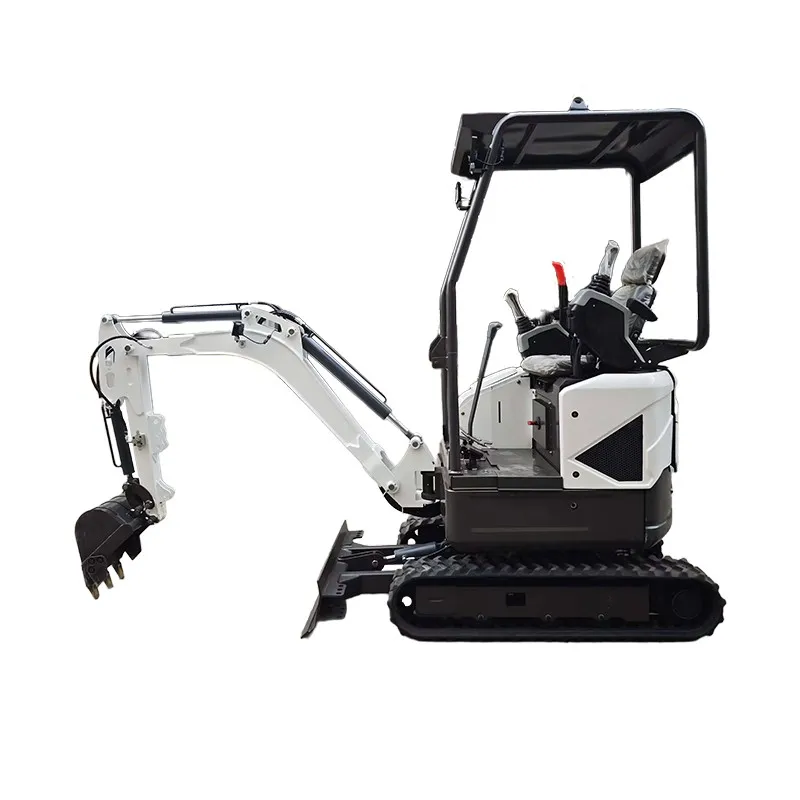
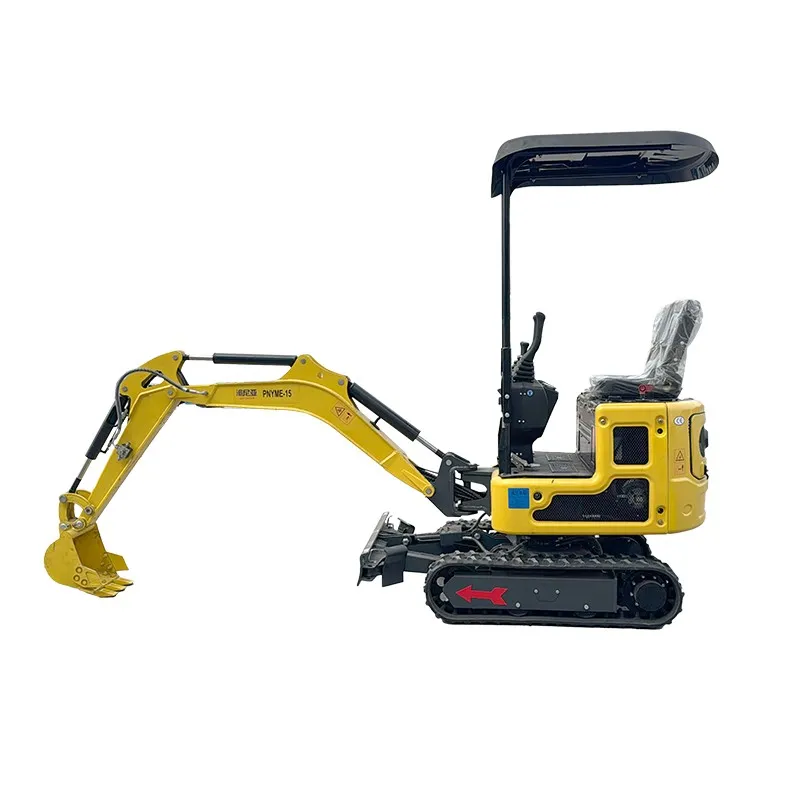
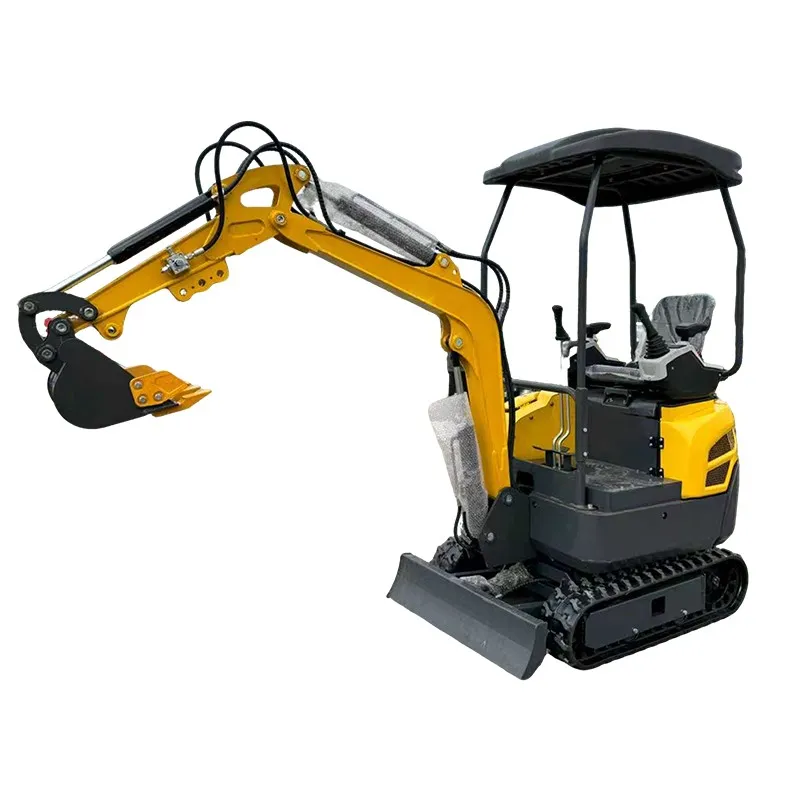
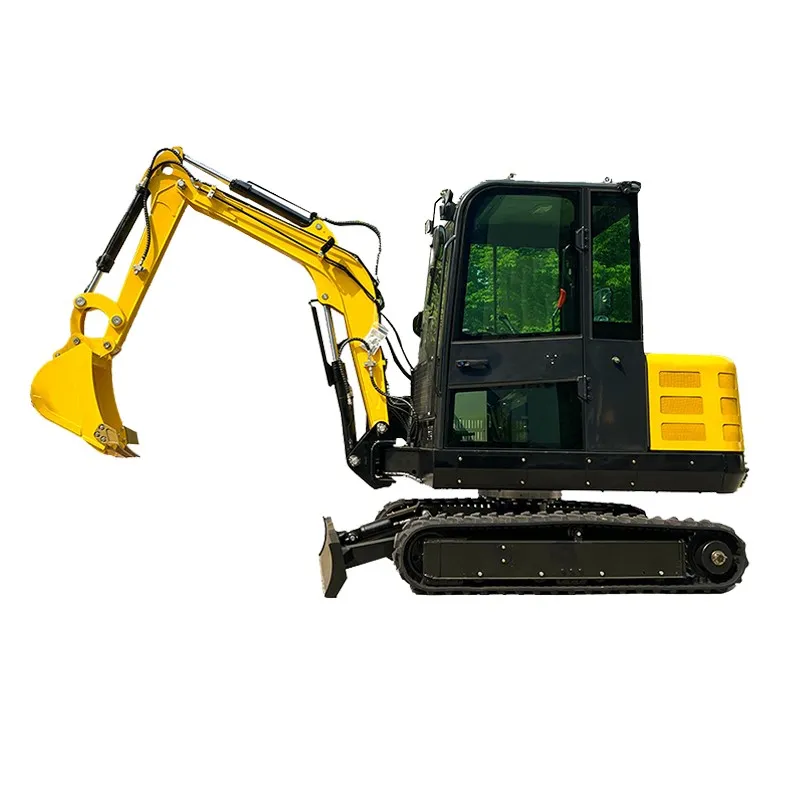
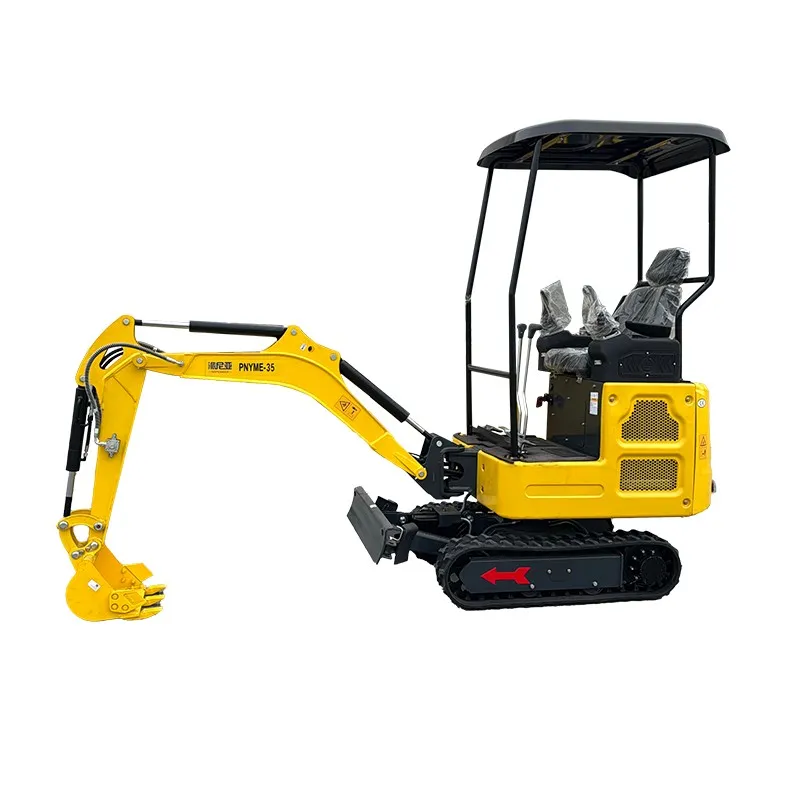
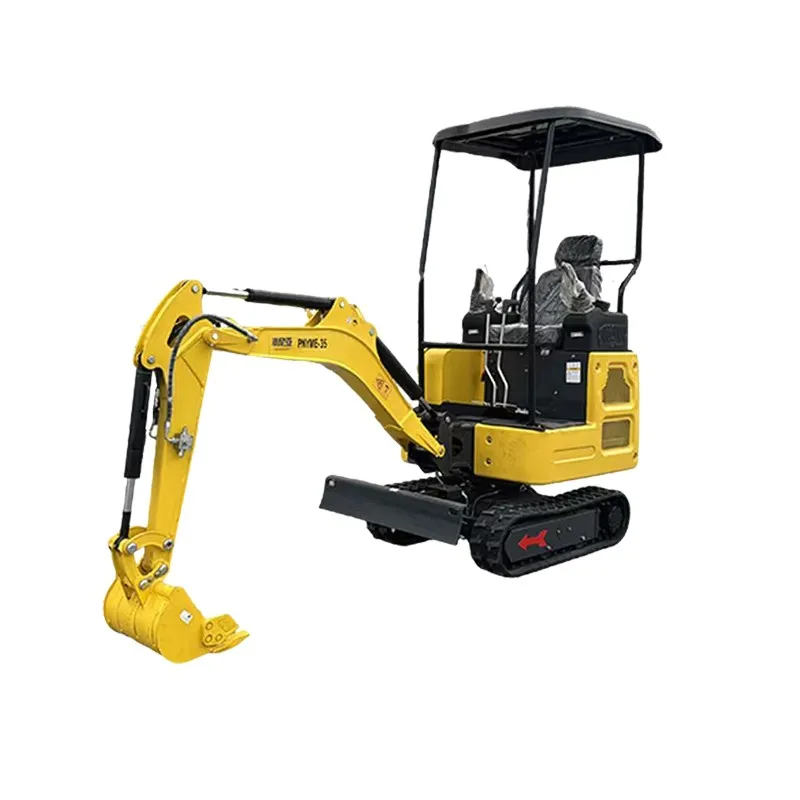
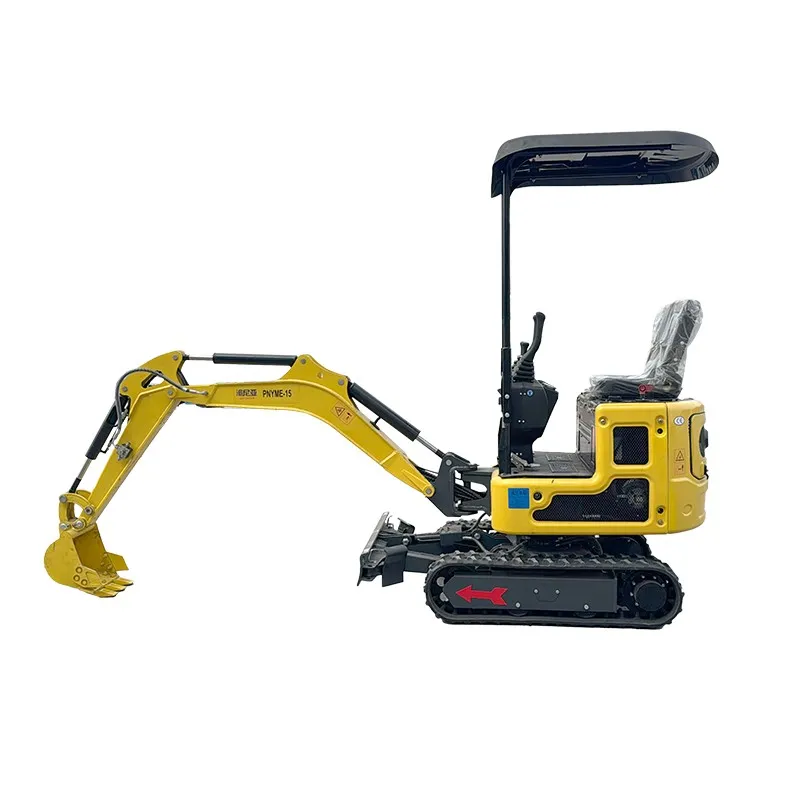
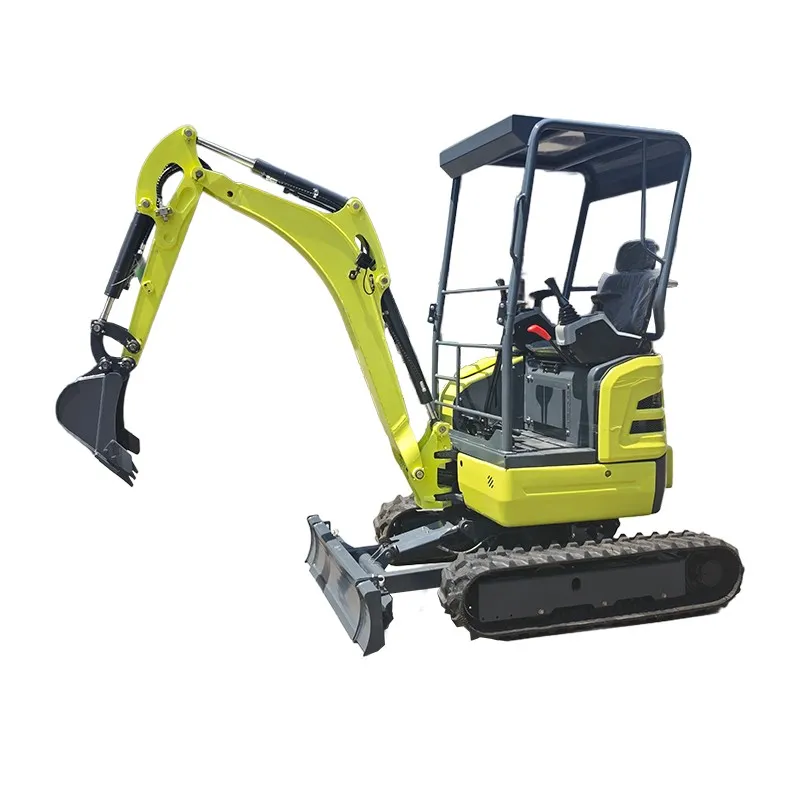
Now, the 'mini excavator' part. We're typically talking about the 1 to 3.5-ton class here. The Agrotk models I've seen hands-on usually sit in the 1.8 to 2.5-ton range. That's the sweet spot for a lot of utility work: digging footings for decks, trenching for irrigation, clearing small stumps, landscaping. They're competing directly with the used markets for major brands, offering a new machine at a similar price point. That's their value proposition, raw and simple.
On-the-Ground Performance and Common Pitfalls
Let's get into the dirt. I ran a 2-ton Agrotk machine (model was something like the A20, but their numbering shifts) for a few weeks on a friend's property project. First impressions? The hydraulics weren't as smooth as a Takeuchi, but they weren't jerky either. There was a slight lag in the joystick response, a millisecond hesitation you learn to anticipate. The pump isn't as refined, but it gets the job done. Digging force was adequate for clay and root-bound soil. Where you notice the cost-saving is in the fit and finish. The plastic panels feel thinner, the seat is basic, and the grease fittings can be in slightly awkward spots.
The biggest practical issue I've observed, and this isn't unique to Agrotk but is critical for any buyer, is dealer and parts support. If you're in Nebraska and your machine comes from a container shipped by Shandong Pioneer to an independent equipment importer in Texas, who's responsible for that swing motor seal when it starts weeping? The chain can get long. The savvy buyers I know who go for these machines either have decent mechanical skills or have vetted their local importer as a true parts source, not just a sales front.
A failure point I saw once was on the track tensioning system. It used a single bolt and nut style adjuster that, if over-tightened by an eager operator, stripped the threads on the relatively soft metal of the idler bracket. A frustrating but teachable moment. It wasn't a catastrophic failure, but it sidelined the machine for a day waiting for a weld-and-drill repair. That's the trade-off: you save upfront capital, but you might invest more in proactive maintenance and minor repairs.
The Component Reality: What's Inside Matters
You can't judge these machines without popping the hood, metaphorically. The engines are almost universally Chinese-made diesels, often from brands like Changchai or Loncin. They're simple, air-cooled or small water-cooled units. They're loud, they vibrate, but they're also incredibly simple to work on. Parts are cheap and ubiquitous. I'd take a simple, repairable Chinese diesel over a complex, electronically controlled one in this class for a machine that's going to see intermittent use.
The hydraulic components are a mix. The gear pumps and control valves are usually domestic Chinese. The cylinders, however, might have Japanese seals (like NOK) – a common upgrade point factories like Shandong Pioneer use to boost reliability claims. The hoses and fittings are a spot to watch. Early on, some units had subpar crimping on hose ends, leading to leaks. The better importers now specify and check this before delivery. When you're evaluating, ask about the hydraulic hose brand and fitting standards. It's a tell-tale sign of attention to detail.
Undercarriage is another cost-sensitive area. The steel for the tracks, the hardness of the pins and bushings – this is where wear shows up first. On an Agrotk mini excavator used for moderate duty, I'd expect to see noticeable wear on the bushing after 800-1000 hours if not greased religiously. It's not a deal-breaker, just a known wear item you budget for, much like you would on any machine, just perhaps on a shorter interval.
Who It's For (And Who It's Not For)
This is the core judgment call. The Agrotk mini excavator is a fantastic fit for a specific user: the small business owner or farmer whose cash flow is tight, who needs a new machine with a warranty (however basic), and who either has mechanical aptitude or a good relationship with a local small engine/equipment repair shop. It's for the guy who values function over form and sees the machine as a profit tool, not a status symbol.
It's a terrible fit for a production contractor running two shifts, where uptime is absolute king and any downtime costs hundreds per hour. It's also not ideal for an owner who wants to call a dealer and have a service truck roll out the same day. The support network isn't there yet in most places. You are, to a degree, your own support network.
I've seen them work well in rental fleets for small rental yards. Their lower purchase price allows for a competitive rental rate. They're simple enough that most renters can figure out the controls, and if they break, the cost to fix is manageable for the rental business. For Shandong Pioneer, this is a key market – selling in volume to rental companies abroad who then become the de facto local service point.
The Verdict: A Calculated Tool, Not a Brand Statement
So, circling back to the Agrotk mini excavator. It's a tool born from a globalized equipment market. Companies like Shandong Pioneer Engineering Machinery Co., Ltd have found a niche by manufacturing a functional, no-frills machine at a price point that opens up ownership to a wider group. It's not about beating the top brands on performance; it's about offering 85% of the capability at 50-60% of the cost.
Your success with one hinges entirely on your expectations and preparation. Go in knowing you'll need to be diligent with maintenance, that you might be sourcing some parts yourself online, and that you're trading some refinement for affordability. If that equation works for your business, then an Agrotk, particularly from an established exporter with a track record like Pioneer, can be a smart, pragmatic buy. It fills a gap in the market, and for the right operator, it's not just a cheap machine – it's the right machine.
In the end, it's just steel, hydraulics, and a diesel engine. The brand on the side matters less than the integrity of the factory that built it and the network behind it. Do your homework on that front, and you'll know exactly what you're getting into.
Related Products
Related Products