


- Chinese
- French
- German
- Portuguese
- Spanish
- Russian
- Japanese
- Korean
- Arabic
- Irish
- Greek
- Turkish
- Italian
- Danish
- Romanian
- Indonesian
- Czech
- Afrikaans
- Swedish
- Polish
- Basque
- Catalan
- Esperanto
- Hindi
- Lao
- Albanian
- Amharic
- Armenian
- Azerbaijani
- Belarusian
- Bengali
- Bosnian
- Bulgarian
- Cebuano
- Chichewa
- Corsican
- Croatian
- Dutch
- Estonian
- Filipino
- Finnish
- Frisian
- Galician
- Georgian
- Gujarati
- Haitian
- Hausa
- Hawaiian
- Hebrew
- Hmong
- Hungarian
- Icelandic
- Igbo
- Javanese
- Kannada
- Kazakh
- Khmer
- Kurdish
- Kyrgyz
- Latin
- Latvian
- Lithuanian
- Luxembou..
- Macedonian
- Malagasy
- Malay
- Malayalam
- Maltese
- Maori
- Marathi
- Mongolian
- Burmese
- Nepali
- Norwegian
- Pashto
- Persian
- Punjabi
- Serbian
- Sesotho
- Sinhala
- Slovak
- Slovenian
- Somali
- Samoan
- Scots Gaelic
- Shona
- Sindhi
- Sundanese
- Swahili
- Tajik
- Tamil
- Telugu
- Thai
- Ukrainian
- Urdu
- Uzbek
- Vietnamese
- Welsh
- Xhosa
- Yiddish
- Yoruba
- Zulu
- Kinyarwanda
- Tatar
- Oriya
- Turkmen
- Uyghur

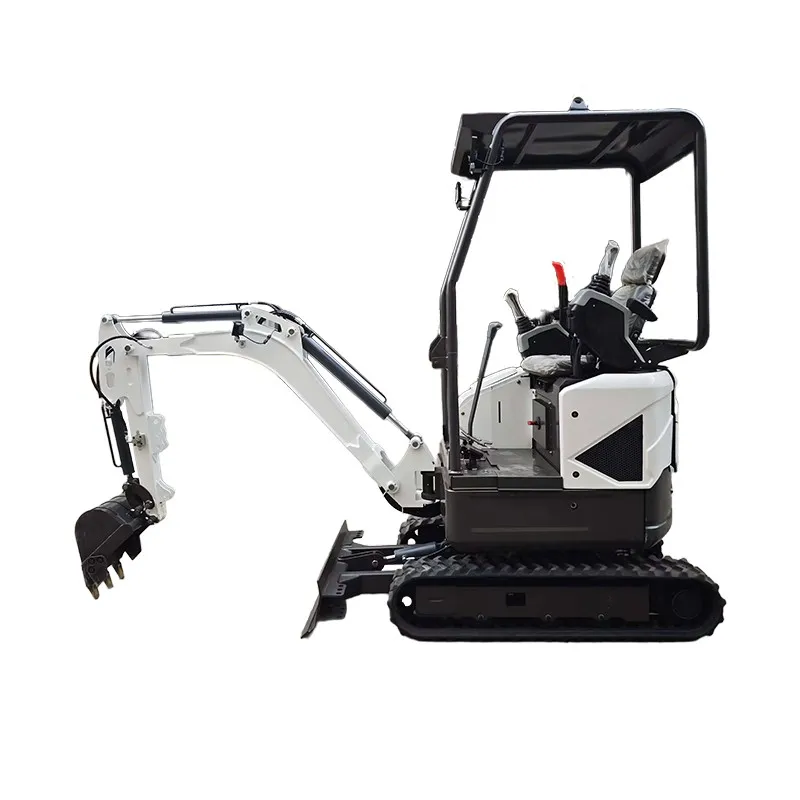
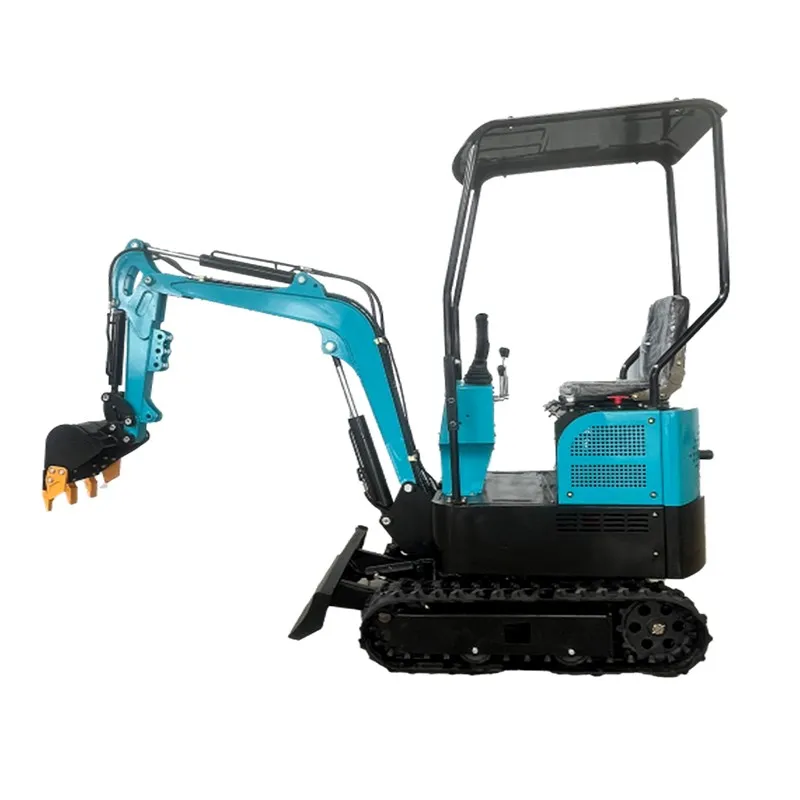
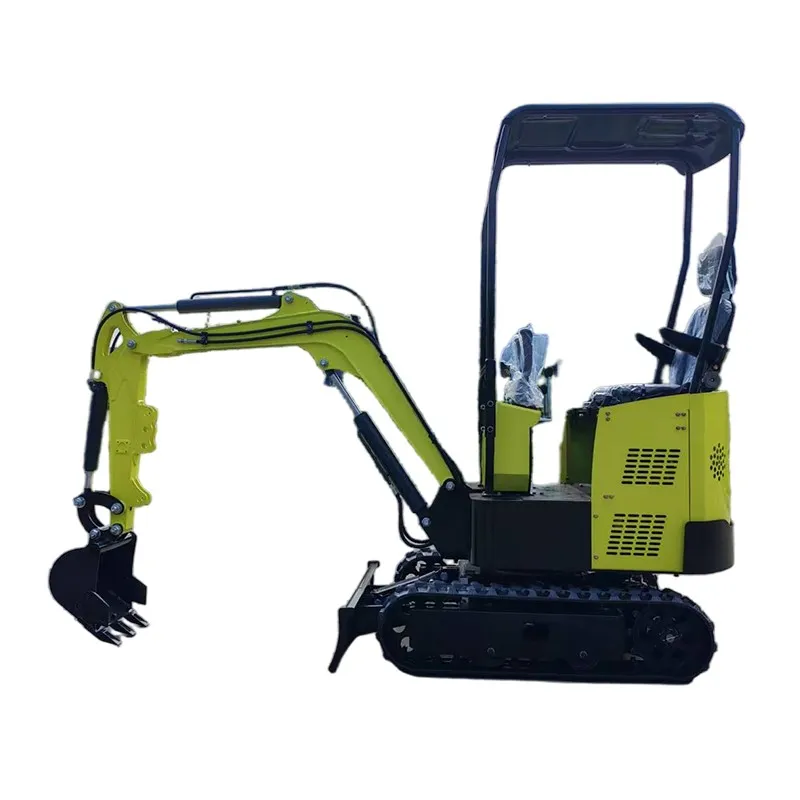
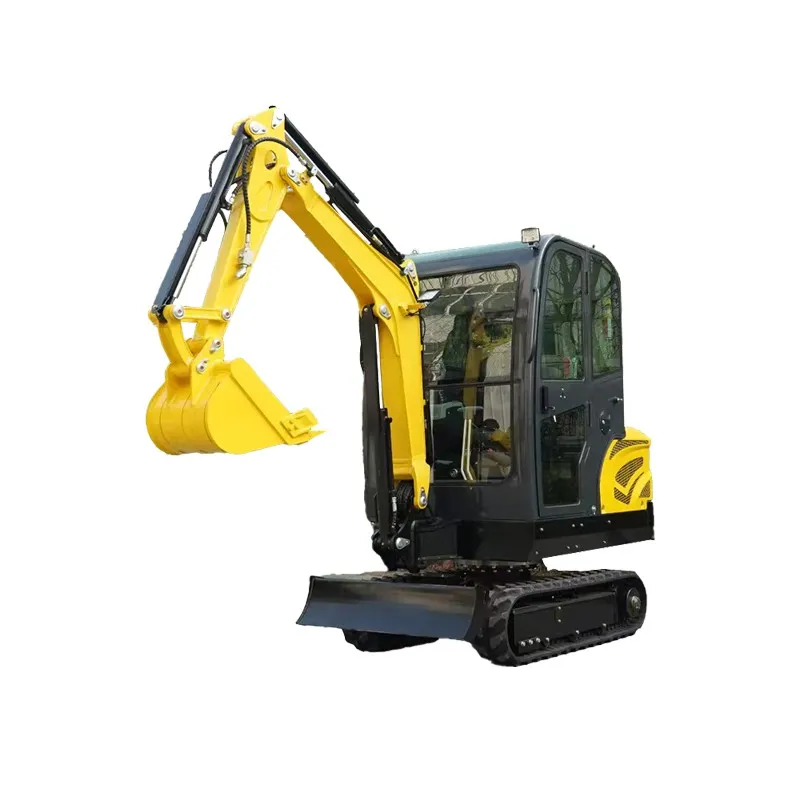
agt industrial h12 mini excavator
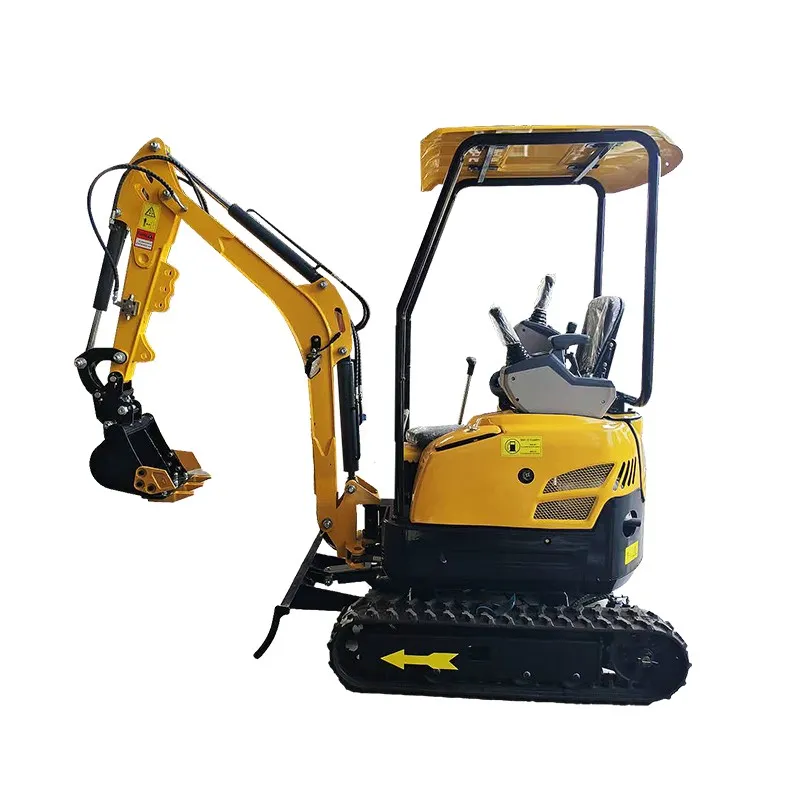
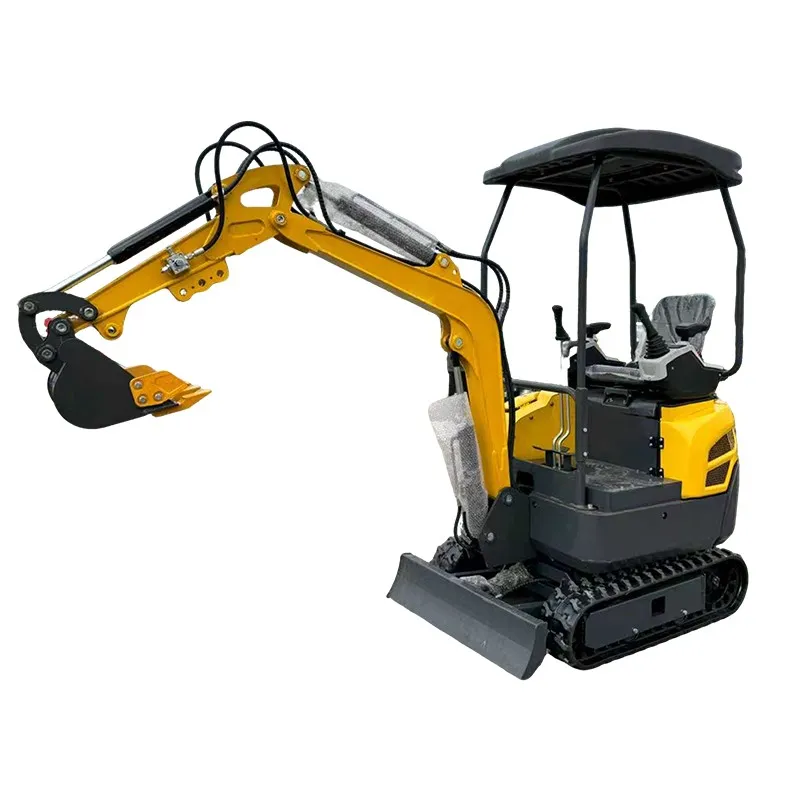
When you hear 'AGT Industrial H12 mini excavator', it's easy to just see another 1-ton class machine in a crowded market. A lot of folks, especially those new to compact equipment, might just compare specs on paper—digging depth, engine horsepower, transport width—and think that's the whole story. I've seen that mistake made before. The reality is, the true test of a machine like this isn't in the brochure; it's in how it handles the third hour of trenching in tight, wet backfill, or whether the auxiliary hydraulics respond crisply when you're running a breaker. The H12 often gets lumped in with generic Chinese mini excavators, but having spent time with it on a few jobsites and talking to the team at Shandong Pioneer Engineering Machinery Co., Ltd, there are some nuances that set it apart, for better or worse.
First Impressions and Build Philosophy
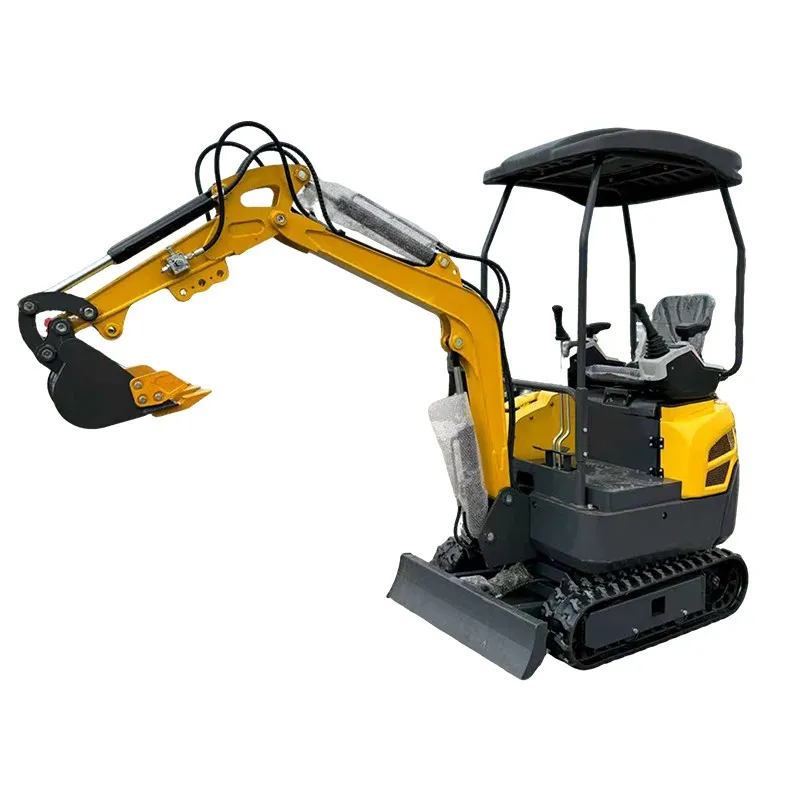
Uncrating the H12, the first thing you notice is the stance. It's a bit more compact in its profile compared to some Japanese counterparts in the same weight class. The undercarriage feels robust—the track frames are solid, and the rollers are decently sized. This isn't a toy. It's clear the design prioritizes a lower center of gravity for stability, which makes sense for its primary market: small-scale residential work, landscaping, and utility jobs where space is tight and ground isn't always level.
The fit and finish on the panels is okay. You won't find the laser-perfect seams of a Kubota, but it's a step above some of the no-name brands flooding online marketplaces. The paint is thick, which matters. I remember one unit we had on a fence post installation project; it got scraped against a rocky outcrop. We expected a deep gouge, but it was mostly superficial. Small detail, but it speaks to a build meant for actual work, not just show. The controls layout in the cab is straightforward, almost utilitarian. No fancy multi-function joysticks here, just the standard two-lever setup. For an experienced operator, it's intuitive from minute one.
Where you start to see the Shandong Pioneer influence is in the component sourcing. They've been at this since 2004, and their long-term partnership with their manufacturing arm, Shandong Hexin, shows. They're not just assembling a kit from a catalog. The main hydraulic pump is a reliable brand you'd recognize, and the plumbing is routed cleanly, with proper clamps and guards in critical wear areas. It avoids the spaghetti junction look of some cheaper builds. This attention to the guts of the machine is what they've built their export reputation on, shipping to places like the U.S. and Australia where downtime is a killer.
Performance in the Real World: Strengths and Quirks
We put the AGT Industrial H12 to work on a backyard pool demolition. The job required precise digging around existing plumbing and careful material handling. The machine's breakout force is its standout feature. For its size, it bites in and curls a full bucket without much fuss. The hydraulic system isn't the smoothest at the very low end of the control range—there's a slight jump when you first initiate movement—but once you're in the flow, it's predictable. You adapt to it.
The engine, a Yanmar-derived water-cooled diesel, is a workhorse. It's not overly loud and has enough torque to handle simultaneous swing and lift. Fuel consumption was better than I anticipated. Over a 10-hour day, we barely touched the second half of the tank. Where I did see a limitation was in the swing motor's speed under full load. When you have a heavy bucket of clay and you swing quickly, there's a noticeable lag before it gets up to speed. It's not a deal-breaker for most tasks, but for high-production trenching, it could shave a few minutes off your cycle time.
A real test came with an attachment. We hooked up a compact hydraulic auger to drill for some footings. The auxiliary hydraulics, engaged via a standard foot pedal, delivered consistent flow. No stalling. This is critical. Many cheap minis falter here, their systems unable to maintain pressure under auxiliary load. The H12 handled it, which tells me the hydraulic circuit is properly sized and the valve block is of decent quality. It's these unsexy details that separate a tool from a liability.
The Service and Support Angle
This is where companies like Shandong Pioneer make or break their reputation. I called their support line once with a question about a minor hydraulic seepage (a fitting that just needed a quarter-turn). The guy who answered wasn't just reading a script; he knew the machine, asked about the specific hose assembly location, and had a schematic up in seconds. Their new facility in Ningyang, which they moved to in 2023, seems to have centralized their technical knowledge base effectively.
Parts availability is a common pain point with imported machinery. From my experience, common wear items—filters, seals, track links—are kept in stock in their overseas warehouses. For major components, the lead time can be 4-6 weeks, which is fairly standard. They don't hide this. Their website, https://www.sdpioneer.com, has clear parts diagrams you can reference, which is a huge help for mechanics in the field trying to identify a part number. It's a pragmatic approach that acknowledges the global nature of their business.
I've heard stories from a contractor in Germany who runs two of these. His main feedback wasn't about the machine breaking, but about the clarity of the documentation. The manuals are translated, but sometimes the phrasing is... direct. You need to interpret a bit. It's a small hurdle, but one that highlights the difference between a product that's merely exported and one that's genuinely supported for an international market. Pioneer seems to be working on this bridge.
Common Pitfalls and Operator Adaptation
No machine is perfect. One recurring theme with operators new to the H12 is the sensitivity of the travel pedals. They're not linear; the first inch of pedal travel delivers a lot of power. It can cause a jerky start if you're used to a softer touch. I've seen guys nearly bump into a wall because of it. It's something you get used to after a day, but it's a design choice I'd question. Is it for more aggressive dozing? Possibly.
Another area is the electrical system. It's simple, which is good, but the wiring harness routing near the boom hinge can chafe over time. It's not a failure, but a maintenance point. A good practice is to add a wrap of protective loom in that spot during the first 50-hour service. It's the kind of hands-on tip you only get from having these machines in the field for seasons, not just weeks.
We also tried using it for light lifting with a chain, close to its rated capacity. The stability was good, but the hydraulic controls for fine lowering weren't as precise as I'd like. There was a slight drop before the check valves held. For critical lifts, you'd want to be well under the max rating. This isn't unique to the H12—it's a trait of many machines in this class—but it's a vital operational limit to respect.
Final Assessment: Who It's For
So, who should be looking at the AGT Industrial H12 mini excavator? It's not for the giant civil contractor. It's for the landscape business owner, the small demolition crew, the rental yard, or the farm. It's a value-oriented machine that punches above its weight in core digging performance but asks you to adapt to some of its control personalities. The build quality from the Shandong Pioneer ecosystem is its strongest selling point—it feels built to last, not built to a price point.
Its success in markets from Canada to Australia isn't an accident. It fills a niche for capable, no-frills equipment with a backbone of legitimate manufacturer support. Would I choose it over a used, high-hour major brand machine? For a dedicated small fleet owner looking for a predictable total cost of ownership, yes, probably. For a guy who needs absolute finesse in every motion, maybe not.
In the end, machines like the H12 are changing the game. They're proving that reliable, functional equipment can come from outside the traditional hubs, backed by companies with two decades of focused development. It's not about being the best in every category; it's about being a solid, dependable tool that gets the job done day in and day out. And from what I've seen on the ground, the AGT Industrial H12 does exactly that.
Related Products
Related Products