


- Chinese
- French
- German
- Portuguese
- Spanish
- Russian
- Japanese
- Korean
- Arabic
- Irish
- Greek
- Turkish
- Italian
- Danish
- Romanian
- Indonesian
- Czech
- Afrikaans
- Swedish
- Polish
- Basque
- Catalan
- Esperanto
- Hindi
- Lao
- Albanian
- Amharic
- Armenian
- Azerbaijani
- Belarusian
- Bengali
- Bosnian
- Bulgarian
- Cebuano
- Chichewa
- Corsican
- Croatian
- Dutch
- Estonian
- Filipino
- Finnish
- Frisian
- Galician
- Georgian
- Gujarati
- Haitian
- Hausa
- Hawaiian
- Hebrew
- Hmong
- Hungarian
- Icelandic
- Igbo
- Javanese
- Kannada
- Kazakh
- Khmer
- Kurdish
- Kyrgyz
- Latin
- Latvian
- Lithuanian
- Luxembou..
- Macedonian
- Malagasy
- Malay
- Malayalam
- Maltese
- Maori
- Marathi
- Mongolian
- Burmese
- Nepali
- Norwegian
- Pashto
- Persian
- Punjabi
- Serbian
- Sesotho
- Sinhala
- Slovak
- Slovenian
- Somali
- Samoan
- Scots Gaelic
- Shona
- Sindhi
- Sundanese
- Swahili
- Tajik
- Tamil
- Telugu
- Thai
- Ukrainian
- Urdu
- Uzbek
- Vietnamese
- Welsh
- Xhosa
- Yiddish
- Yoruba
- Zulu
- Kinyarwanda
- Tatar
- Oriya
- Turkmen
- Uyghur

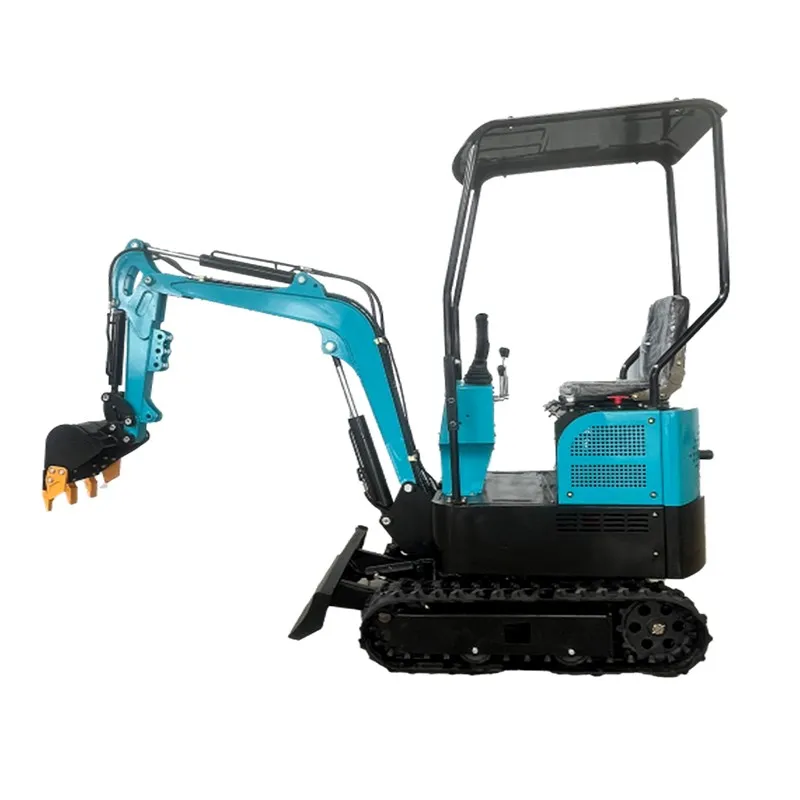
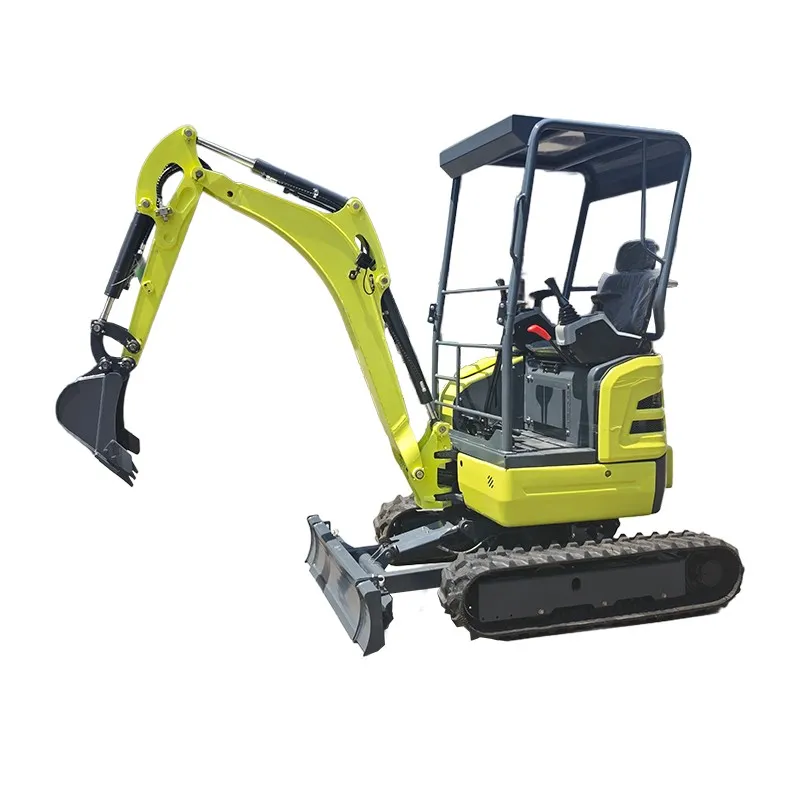
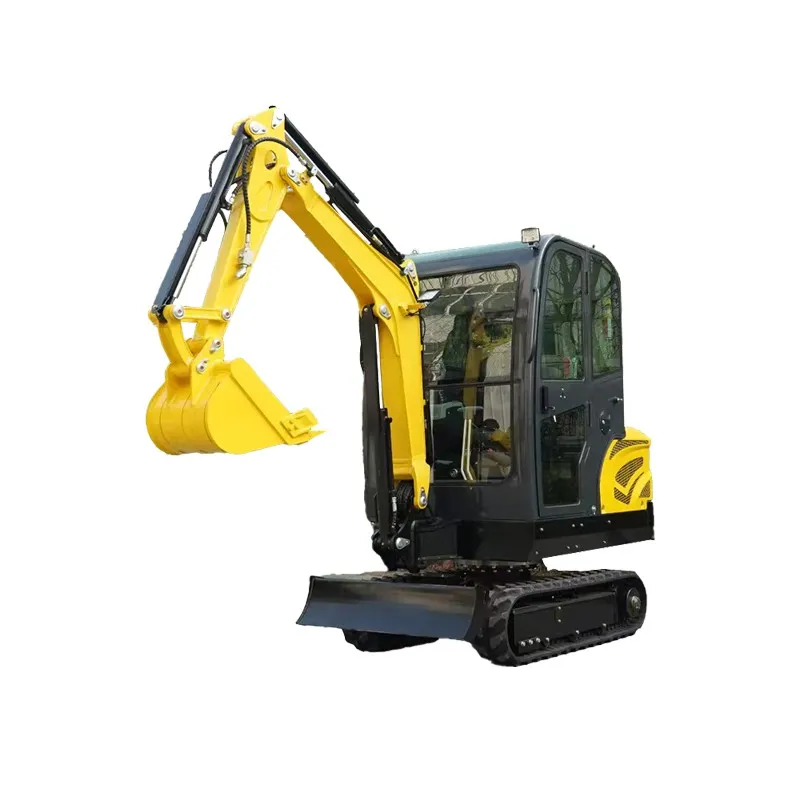
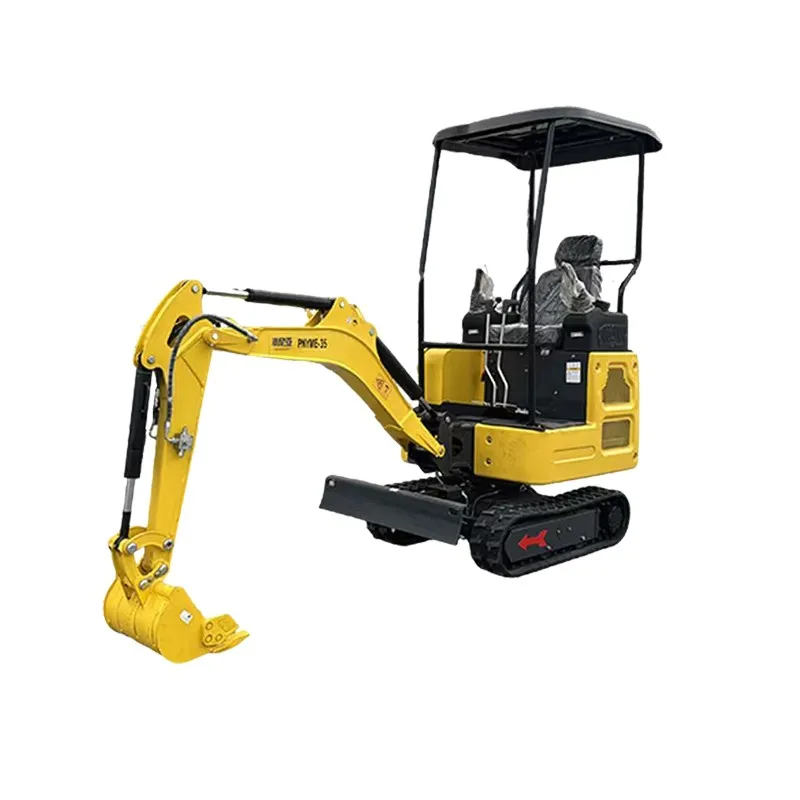
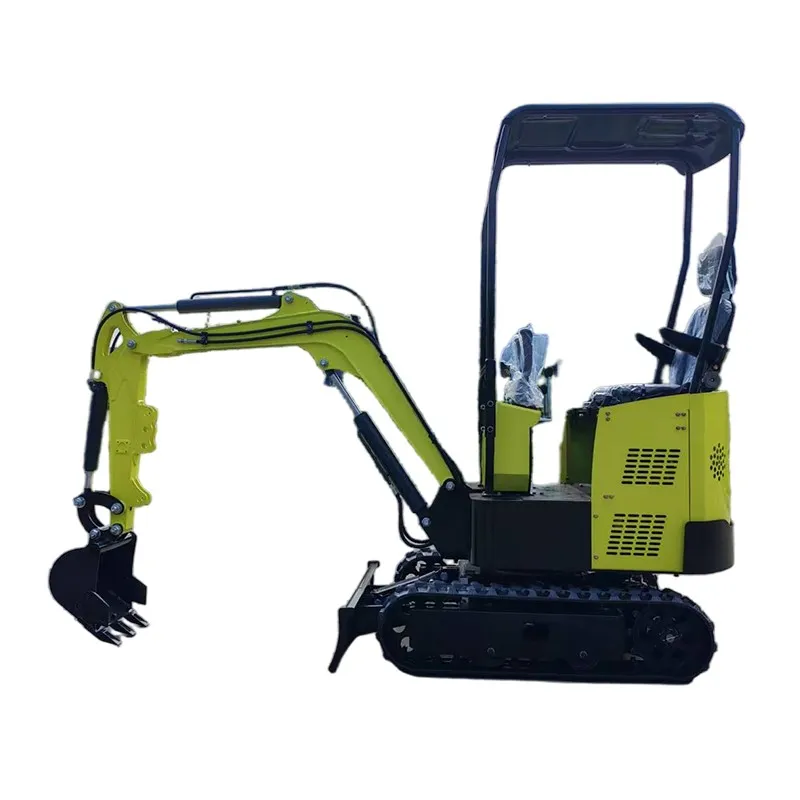
agt industrial mini excavator
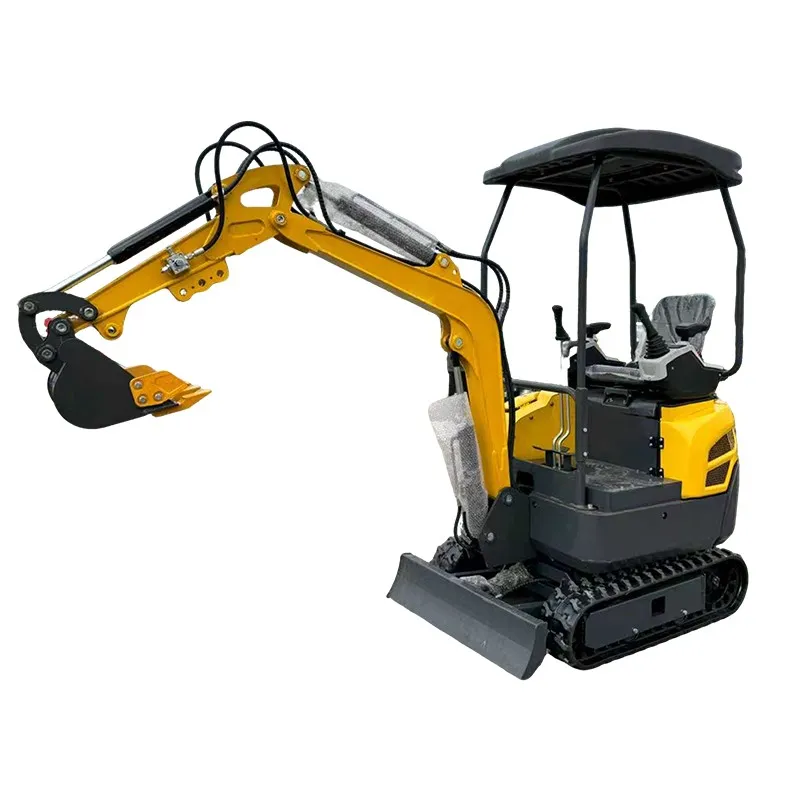
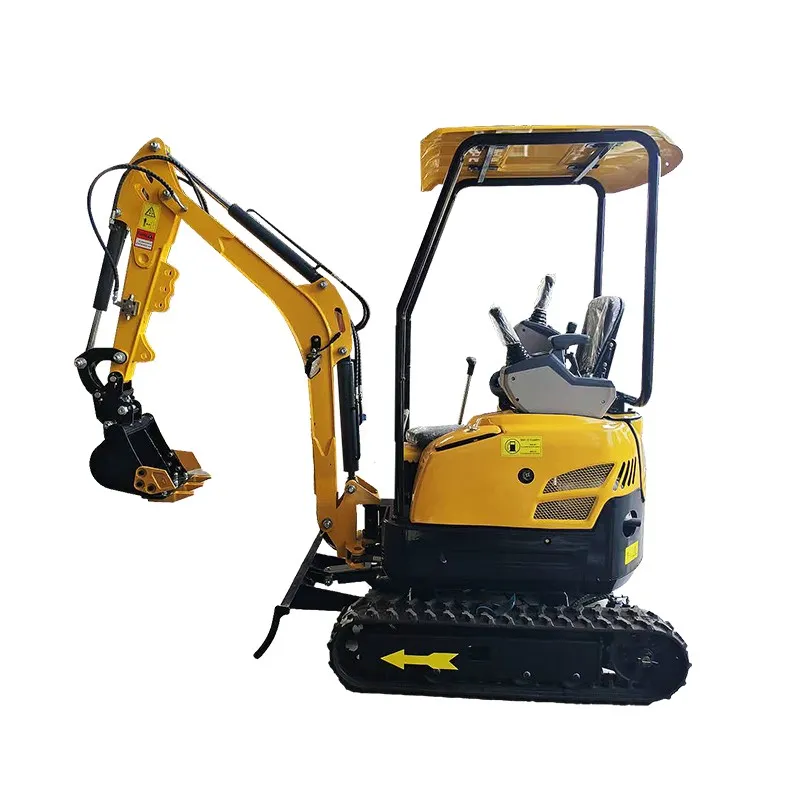
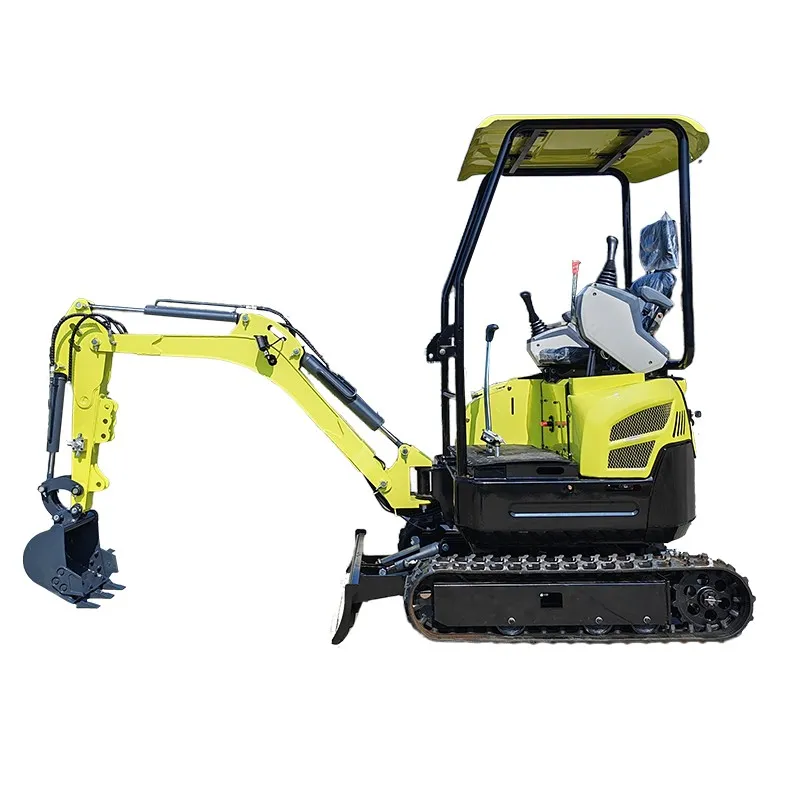
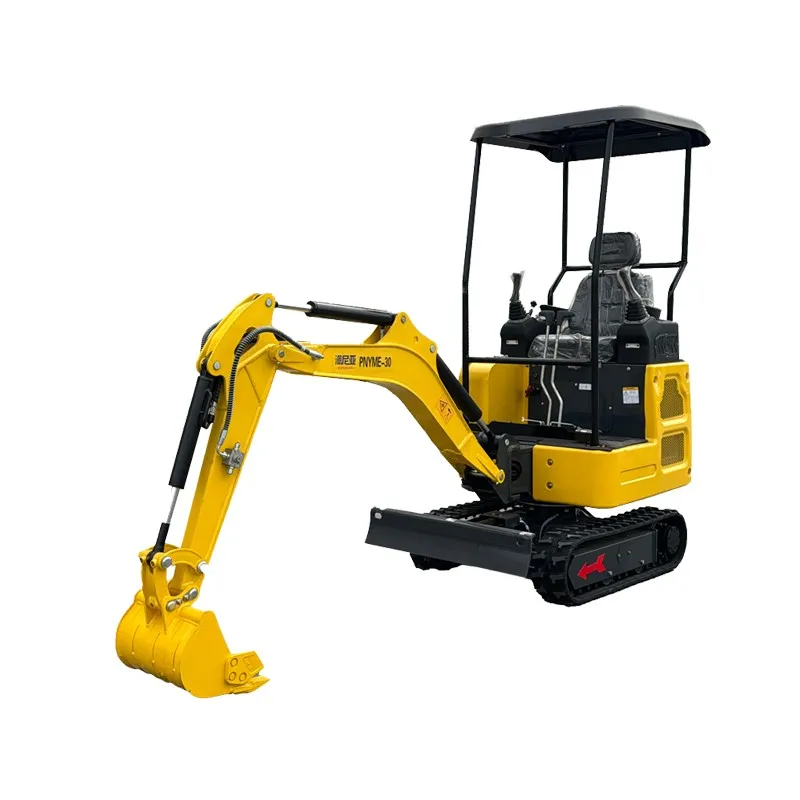
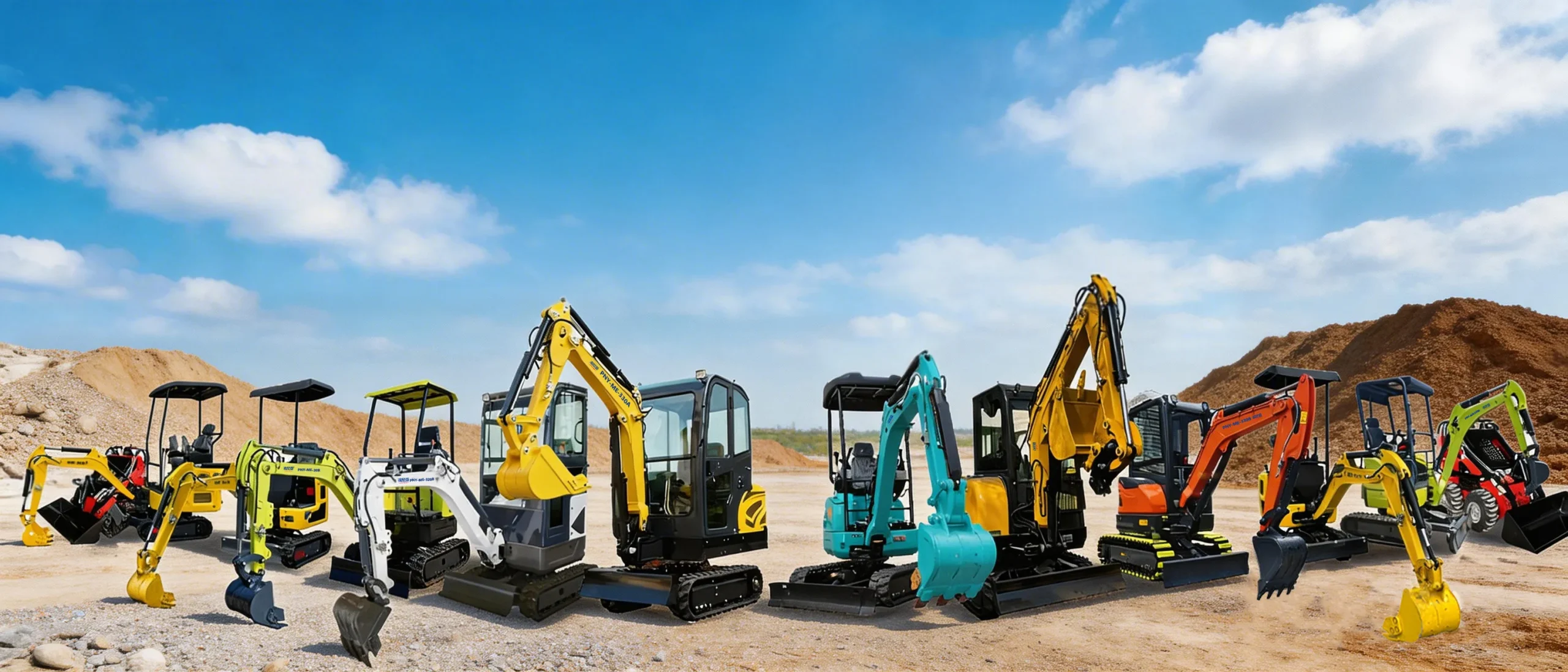
When you hear 'AGT industrial mini excavator', most folks immediately think of compact size and maybe a lower price tag. That's the surface-level pitch you get from a lot of suppliers. But in the field, the real conversation isn't about whether it fits in a tight alley—that's a given. It's about whether the hydraulic system can handle sustained, precise pressure without overheating when you're digging a foundation footing next to an existing structure, or if the undercarriage components are sourced well enough to survive six months on a muddy, debris-strewn urban demo site. Too many buyers get hung up on engine horsepower or bucket capacity alone, treating these machines like a checklist. I've seen that lead to some costly missteps.
The Industrial in Mini: A Misunderstood Label
Let's break down that term 'industrial' as it's slapped on mini excavators. It's not just marketing fluff, or at least it shouldn't be. In my experience, it signifies a build philosophy geared toward duty cycles that are more demanding than typical landscaping or light residential work. Think of it as the difference between a truck that hauls mulch on weekends and one that's on a commercial job site from 7 to 5, five days a week. The stress points are different. For an AGT industrial mini excavator, this often translates to things like reinforced boom arms with thicker-grade steel, more robust hydraulic hose routing protected from snagging, and standard auxiliary hydraulic circuits that are actually plumbed for real attachments, not just as an afterthought.
I recall a project where we used a standard mini for interior demolition. It worked until we started breaking up a thick concrete slab. The machine could dig, but the constant, high-resistance work caused the hydraulic oil temperature to spike alarmingly fast, leading to sluggish operation and worrying everyone on site. We swapped it for a model billed as 'industrial-grade' from another job. The difference wasn't in peak power, but in the cooling capacity and the system's ability to manage heat during continuous high-load work. That's the 'industrial' part earning its keep.
This is where a manufacturer's background matters. A company that's been through multiple product cycles and gathered field feedback tends to get these nuances right. For instance, Shandong Pioneer Engineering Machinery Co., Ltd, which has been operating since 2004, has had two decades to iterate. Their relocation in 2023 to a larger facility in Tai’an suggests a focus on scaling production, which often goes hand-in-hand with refining designs based on accumulated service data. Their trade division, Shandong Pioneer, handles overseas markets like the US and Germany—regions with stringent, practical demands. If their mini excavator line carries the 'industrial' tag, it likely comes from responding to those international, professional user requirements, not just from a design catalog.
Critical Details You Only Learn On-Site
Spec sheets are silent on the things that make or break your day. Take the operator's station. On a true industrial mini excavator, you expect well-placed, intuitive controls that don't require you to look down constantly. But more importantly, the machine's layout should allow for quick daily checks. Is the grease bank for the boom pins easily accessible, or is it tucked behind a panel you need a tool to remove? On one AGT model I operated, they had centralized greasing points on one side—a small thing that saves maybe ten minutes a day in maintenance, but over a year, that's a lot of labor cost saved.
Another detail is electrical and hydraulic line management. In confined spaces, you're constantly brushing against rebar, broken concrete, and timber. I've seen cheap machines where lines are exposed or loosely clamped. One snag can mean hours of downtime. The better industrial units run these lines through protected channels or use abrasion-resistant sleeving. It's a cost the manufacturer absorbs, but it prevents field failures. When you're evaluating, don't just look at the machine—get underneath it and trace the lines. That tells you more about its intended use than the brochure.
Attachment compatibility is another minefield. The industry talks about standard couplers, but there's variation. An industrial-focused machine should come from the factory set up for a common system, like a hydraulic quick coupler, and the auxiliary circuit should provide consistent flow and pressure for a breaker or a compactor. I made the mistake once of assuming compatibility; we had an AGT unit and a favorite brand of hydraulic breaker. The fit was fine, but the machine's flow rate was at the lower end of the breaker's requirement. It worked, but inefficiently, chattering instead of delivering clean blows. We needed a smaller breaker or a machine with a higher-flow circuit. Lesson learned: match the attachment specs to the machine's actual auxiliary performance, not just the mounting bracket.
Durability vs. Serviceability: The Real Trade-Off
Everyone wants a durable machine, but durability sometimes conflicts with easy repair. A fully welded, box-section frame is incredibly strong, but if you crack it, repair is a major workshop job. Some designs use bolt-on sections for critical stress areas. It's a slightly different approach. The bolt-on method might be perceived as less 'solid,' but in practice, it can mean a repair is done on-site in a day rather than waiting for a welded fix. I don't think one is universally better; it depends on your operation. If you have good shop support, the welded design is fine. If you're in a remote area, serviceability might trump ultimate rigidity.
This ties directly into parts. A manufacturer with a long-term presence and a dedicated export arm, like Shandong Pioneer, typically has a more organized global parts pipeline. The worst scenario is buying a machine that's great for six months, then needing a proprietary hydraulic valve block and finding it's on a 90-day backorder from overseas. When I hear a company exports to places like Australia and Canada, I think of the logistical challenge of supporting equipment there. It forces them to have a better parts and documentation system. Their company history shows they've navigated this for 20 years, which is a positive signal for long-term support on their AGT industrial equipment line.
We tested a mini excavator's durability in a brutal way once—clearing a landslide-damaged garden with tons of wet clay and embedded rocks. The machine wasn't an AGT, but a competitor. The undercarriage took a beating. The idlers and rollers were the weak point; they just weren't sealed well against mud intrusion. After two weeks, we had premature wear and squealing. A true industrial design should have multi-labyrinth seals on those components as a minimum. Now, when I look at a mini, I always check the undercarriage component branding and sealing specs. It's a huge predictor of lifetime cost in harsh conditions.
The Price of Good Enough
There's always a cheaper option. The market is flooded with mini excavators that look the part for 20-30% less. The temptation is huge. I've gone down that road, thinking we could use a 'value' machine for lighter duties and save the premium units for tough jobs. It rarely works out. The cheaper machine inevitably gets sent to a demanding job because it's available, and that's when the problems start: hydraulic leaks from inferior fitting seals, faster wear on bucket teeth due to softer steel, electronic control units that are sensitive to voltage spikes.
The financial math is counterintuitive. The lower upfront cost gets erased by a single major downtime incident or a few extra service calls. An industrial mini excavator from an established maker is priced for total cost of ownership. You're paying for the engineering that prevents those field failures, for the better-grade bearings, for the corrosion-resistant paint on the cylinder rods. It's an insurance policy built into the machine. Companies that have been in the game like Shandong Pioneer Engineering Machinery Co., Ltd understand this calculus. Their products are positioned for customers who run businesses, not just for customers who want to buy a single machine. Their global export footprint to demanding markets is a testament to that understanding.
So, is an AGT industrial mini excavator the right call? It depends. If you're doing occasional, light work, you might over-spec. But if your business involves daily, varied, and sometimes unforgiving tasks, that 'industrial' designation is your starting filter. Look past the basic specs. Ask about the cooling system capacity. Get the details on the hydraulic pump and valve origins. Check the service manual—see if it's clear and comprehensive. And strongly consider the manufacturer's track record in supporting complex machinery across borders over years, not just their sales pitch today. That's how you find a machine that's a tool, not a project.
Related Products
Related Products