- Chinese
- French
- German
- Portuguese
- Spanish
- Russian
- Japanese
- Korean
- Arabic
- Irish
- Greek
- Turkish
- Italian
- Danish
- Romanian
- Indonesian
- Czech
- Afrikaans
- Swedish
- Polish
- Basque
- Catalan
- Esperanto
- Hindi
- Lao
- Albanian
- Amharic
- Armenian
- Azerbaijani
- Belarusian
- Bengali
- Bosnian
- Bulgarian
- Cebuano
- Chichewa
- Corsican
- Croatian
- Dutch
- Estonian
- Filipino
- Finnish
- Frisian
- Galician
- Georgian
- Gujarati
- Haitian
- Hausa
- Hawaiian
- Hebrew
- Hmong
- Hungarian
- Icelandic
- Igbo
- Javanese
- Kannada
- Kazakh
- Khmer
- Kurdish
- Kyrgyz
- Latin
- Latvian
- Lithuanian
- Luxembou..
- Macedonian
- Malagasy
- Malay
- Malayalam
- Maltese
- Maori
- Marathi
- Mongolian
- Burmese
- Nepali
- Norwegian
- Pashto
- Persian
- Punjabi
- Serbian
- Sesotho
- Sinhala
- Slovak
- Slovenian
- Somali
- Samoan
- Scots Gaelic
- Shona
- Sindhi
- Sundanese
- Swahili
- Tajik
- Tamil
- Telugu
- Thai
- Ukrainian
- Urdu
- Uzbek
- Vietnamese
- Welsh
- Xhosa
- Yiddish
- Yoruba
- Zulu
- Kinyarwanda
- Tatar
- Oriya
- Turkmen
- Uyghur


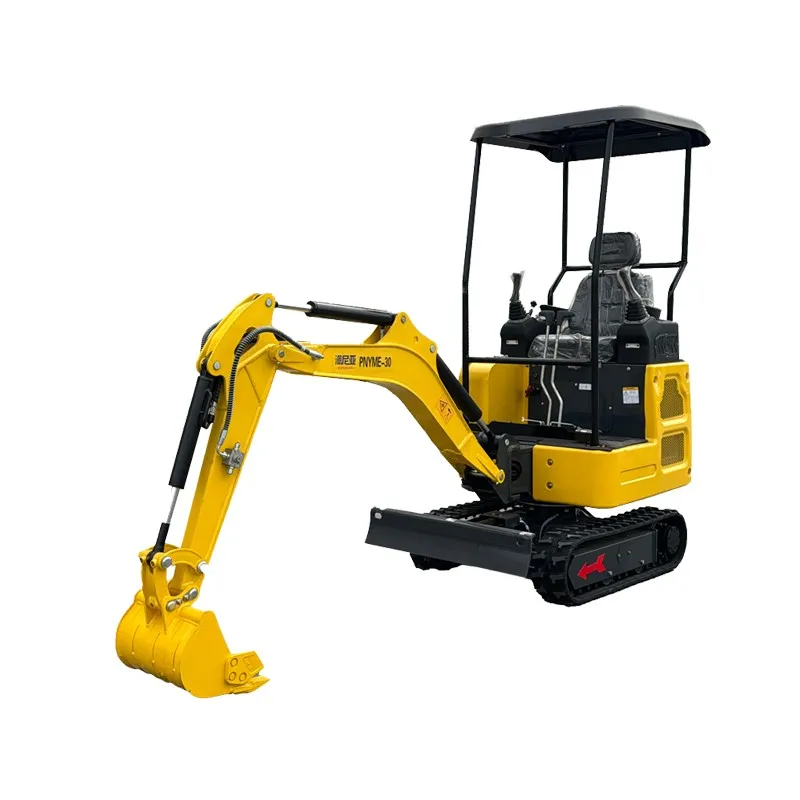
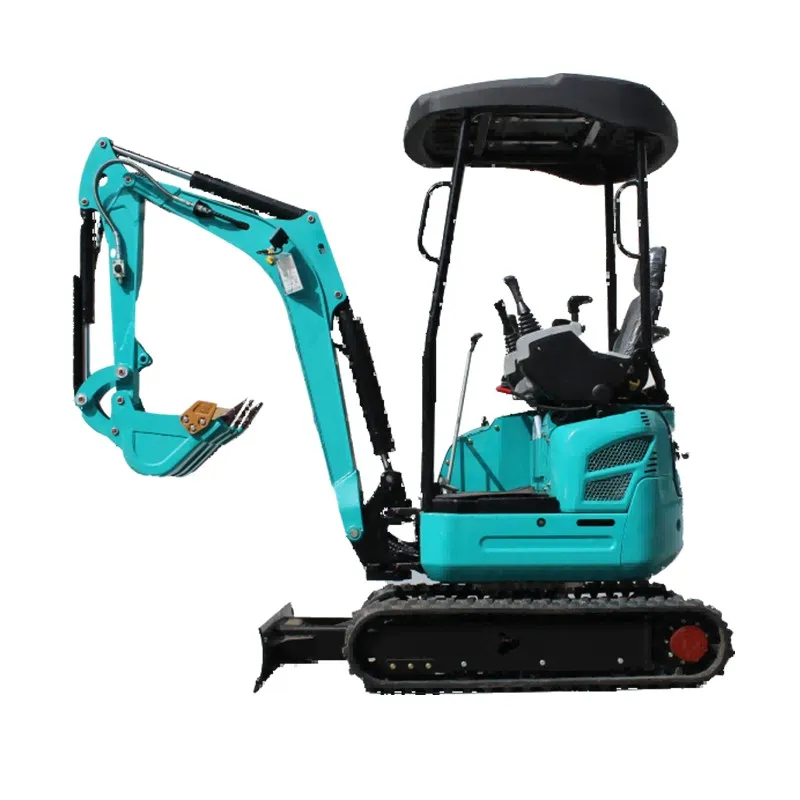
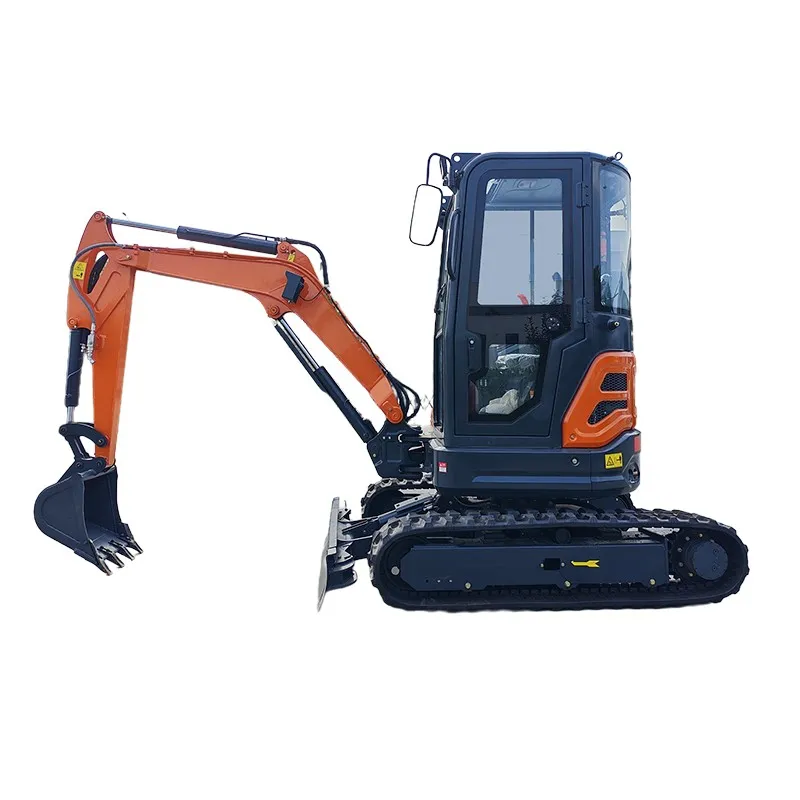
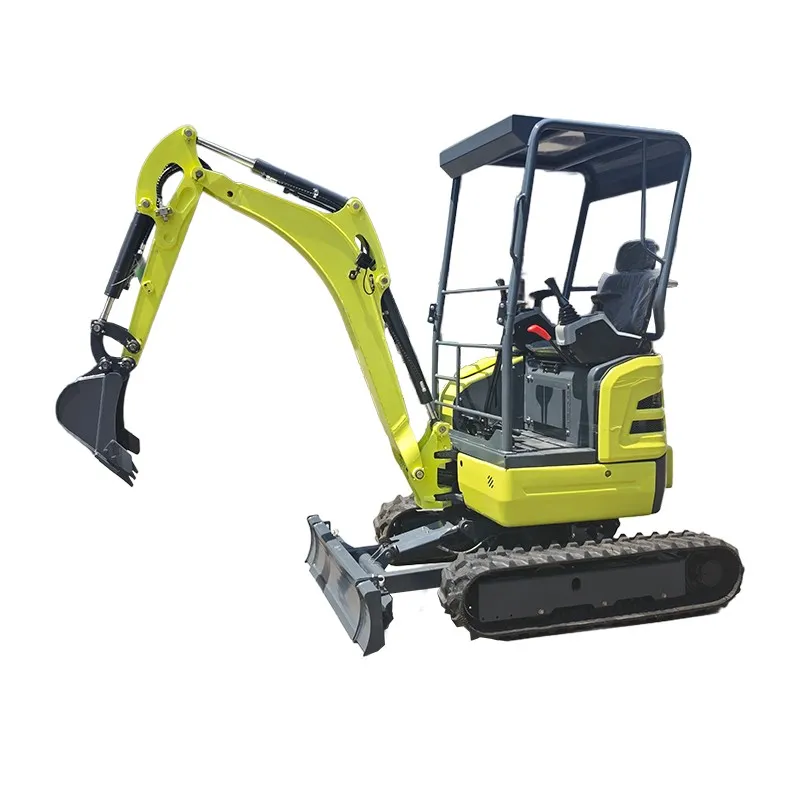
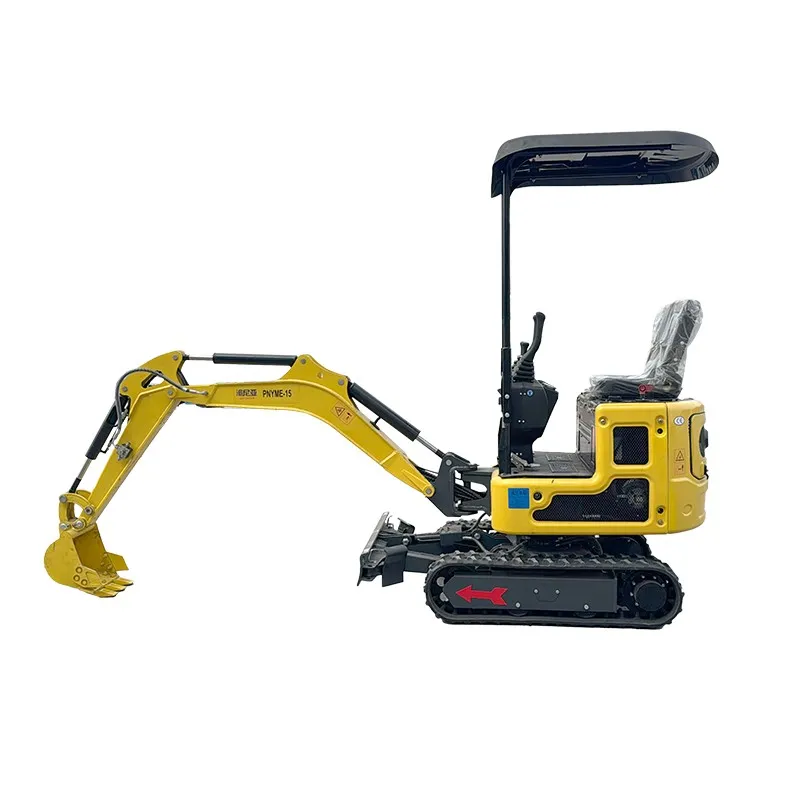
agt mini excavator
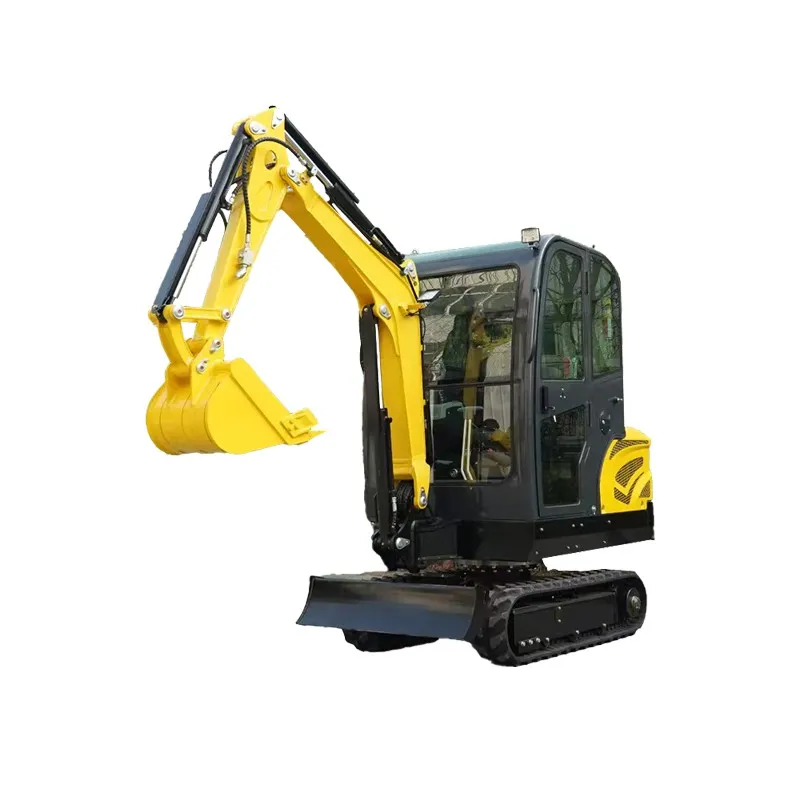
When most people hear mini excavator, they picture a generic small machine for light yard work. That's the first misconception. In the field, especially with a model like the AGT mini excavator, you're dealing with a precision tool whose value is defined by its balance of power, stability, and component quality, not just its compact size. I've seen too many projects where the wrong choice in this category led to wasted days and blown budgets. The difference often comes down to the engineering behind the branding.
The Core of a Reliable Compact Machine
Let's talk about what makes a good one. The undercarriage is everything. A flimsy track frame on a 1.8-ton machine will twist under side-load pressure when you're digging a foundation trench near a fence line. The AGT mini excavator units I've run had a box-section design that handled that stress without the usual creaking and visible flex. It's a detail you only notice after running a few different brands side-by-side on the same tough job.
Then there's the hydraulic system. Smooth, not just powerful. A jerky swing or an arm that rabbits under fine control makes grading a slope or laying pipe a nightmare. The better systems, like on some AGT models, use well-matched pumps and valves. You get a consistent flow. It feels like an extension of your arm, not a separate piece of machinery you're constantly fighting against. This is where cheaper imports consistently fail—they have the specs on paper but not the tuned performance.
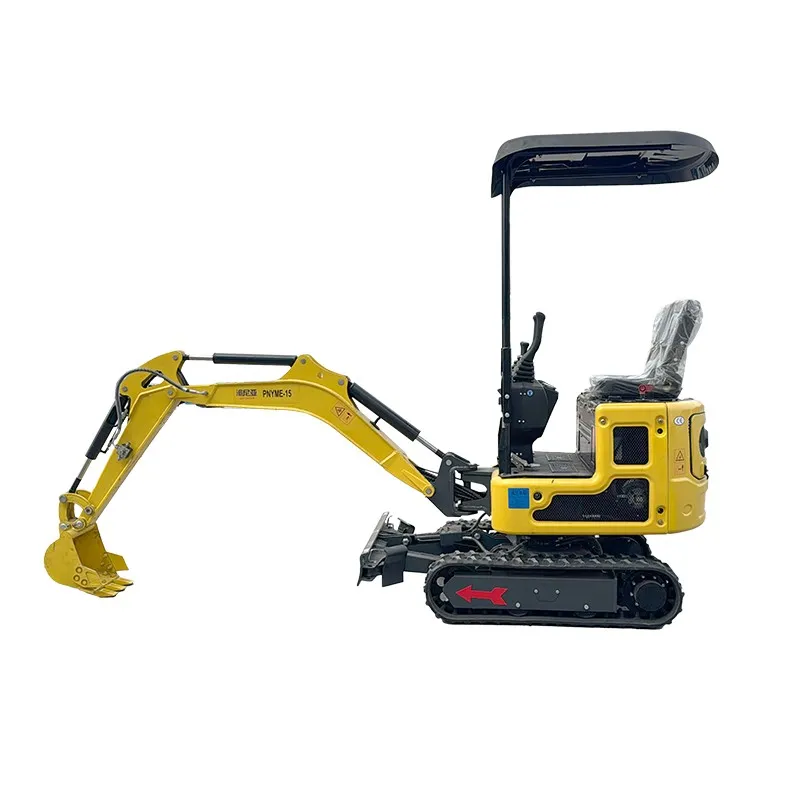
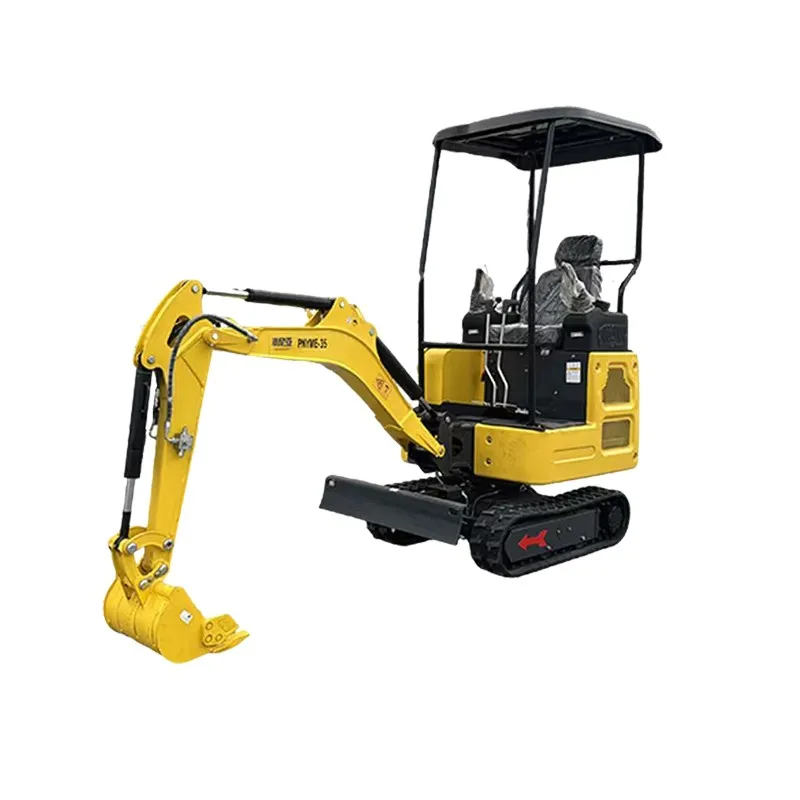
Operator station matters more than you'd think. If you're in it for 8 hours, a cramped seat, poorly placed levers, and a shaky canopy mount will wear you out. Good design here shows the manufacturer understands actual use, not just assembly. It's a subtle point of quality control.
Where the AGT Brand Fits In the Market
The market is flooded with options, from premium Japanese brands to no-name white labels. AGT, from what I've seen and based on the machines sourced through partners like Shandong Pioneer Engineering Machinery Co., Ltd, occupies a crucial middle ground. They're not the absolute cheapest, but they offer a spec sheet and build quality that targets professional users who need reliability without the top-tier price tag. Shandong Pioneer, handling the overseas trade, has been in this game since 2004. That two-decade span means they've likely seen what fails in the field and worked with factories to iterate. Their relocation to a larger facility in Tai'an in 2023 suggests scaling up production to meet specific demand, probably for models like the AGT mini excavator that have gained traction.
Their export footprint—sending machines to places like the U.S., Canada, and Australia—is a real-world test. Those markets have strict, if unofficial, standards. Contractors there won't tolerate pure junk; it has to work. So when a company like this sustains exports for years, it's a signal. It means the product has been adapted to withstand varied job site conditions and operator expectations.
I recall a conversation with a rental yard owner in the Midwest. He switched part of his fleet to AGT units because the maintenance interval on the final drives was longer than his previous budget brand. Fewer downtime incidents. That's a practical, bottom-line endorsement that beats any brochure claim.
Common Pitfalls and Job Site Realities
One major pitfall is overestimating capacity. A 1-ton mini excavator might list a max digging depth of 2 meters, but trying to hit that consistently on clay soil will stall the machine or tip it. You learn to work at 80% of the rated limit for sustained productivity. The AGT 1.8-ton model I used had good counterweight balance, which allowed for a more confident reach near its limit without that nervous feeling of the rear end getting light.
Auxiliary hydraulic circuits are another make-or-break feature. You need consistent flow and pressure to run a hydraulic breaker or a tilt rotator. Some machines have the ports, but the flow is anemic, making attachments useless. I've had to retrofit aftermarket kits, which is a hassle. Checking the standard auxiliary flow spec (often in liters per minute) is a key step before buying. The better-configured AGT units come ready for this, which is a sign they're meant for real attachment work, not just digging.
Then there's serviceability. Can you easily check the hydraulic fluid? Is the grease bank centralized? I remember a model from another brand where replacing a simple track tensioner cylinder required dismantling half the side panel—a two-hour job for a 15-minute task. Good design gives mechanics room to work. It's a hidden cost saver.
The Importance of the Supply Chain Behind the Machine
The brand on the side is one thing, but the components tell the real story. A reliable AGT mini excavator doesn't mean every part is made in-house. It means the manufacturer, like Shandong Hexin on the manufacturing side for this brand, is sourcing quality components: reputable hydraulic pumps (maybe from KYB or Linde), durable track motors, and reliable engines (Yanmar or Kubota are common). Shandong Pioneer's role is to ensure this configured package meets the demands of international markets.
This supply chain stability is critical. When a machine breaks down, you need parts that are identifiable and obtainable. A major advantage of dealing with an established exporter is that they maintain these parts pipelines. Their 20-year history suggests they've built those networks. I'd rather buy from a company that has a clear parts diagram and can ship a main control valve within a week than from a fly-by-night trader offering a slightly lower price.
Their website, sdpioneer.com, often reflects this. It's not just a sales page; it should have technical specs, component origins, and clear contact channels for support. That transparency builds trust with buyers who've been burned before.
Final Take: It's About Total Cost of Operation
At the end of the day, the initial purchase price is just the entry fee. The real cost is fuel consumption, repair frequency, attachment compatibility, and resale value. A well-built mini excavator like those in the AGT range holds its value because its core structure remains sound. I've seen them fetch 65-70% of their new price after three years of solid use if they're maintained.
The key is to match the machine to the job. Don't buy a 1-tonner for constant trenching work; it'll burn out. The 3.5-ton to 5-ton AGT models might be a better fit for that. It's this practical matching, backed by a machine that won't fail on you, that defines success.
Companies like Shandong Pioneer succeed by understanding this calculus. They're not selling a commodity; they're providing a tool that forms part of a contractor's livelihood. That's the perspective you need when evaluating any AGT mini excavator or its competitors. Look past the glossy paint and ask about the steel grade in the boom, the warranty on the hydraulic system, and the availability of a service manual. The answers will tell you everything.
Related Products
Related Products