- Chinese
- French
- German
- Portuguese
- Spanish
- Russian
- Japanese
- Korean
- Arabic
- Irish
- Greek
- Turkish
- Italian
- Danish
- Romanian
- Indonesian
- Czech
- Afrikaans
- Swedish
- Polish
- Basque
- Catalan
- Esperanto
- Hindi
- Lao
- Albanian
- Amharic
- Armenian
- Azerbaijani
- Belarusian
- Bengali
- Bosnian
- Bulgarian
- Cebuano
- Chichewa
- Corsican
- Croatian
- Dutch
- Estonian
- Filipino
- Finnish
- Frisian
- Galician
- Georgian
- Gujarati
- Haitian
- Hausa
- Hawaiian
- Hebrew
- Hmong
- Hungarian
- Icelandic
- Igbo
- Javanese
- Kannada
- Kazakh
- Khmer
- Kurdish
- Kyrgyz
- Latin
- Latvian
- Lithuanian
- Luxembou..
- Macedonian
- Malagasy
- Malay
- Malayalam
- Maltese
- Maori
- Marathi
- Mongolian
- Burmese
- Nepali
- Norwegian
- Pashto
- Persian
- Punjabi
- Serbian
- Sesotho
- Sinhala
- Slovak
- Slovenian
- Somali
- Samoan
- Scots Gaelic
- Shona
- Sindhi
- Sundanese
- Swahili
- Tajik
- Tamil
- Telugu
- Thai
- Ukrainian
- Urdu
- Uzbek
- Vietnamese
- Welsh
- Xhosa
- Yiddish
- Yoruba
- Zulu
- Kinyarwanda
- Tatar
- Oriya
- Turkmen
- Uyghur


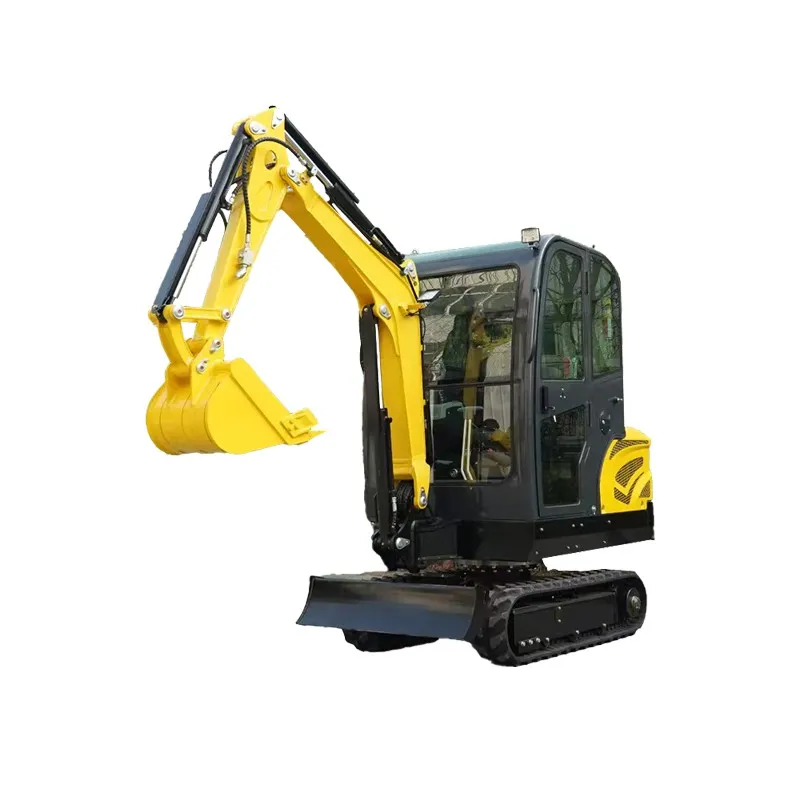
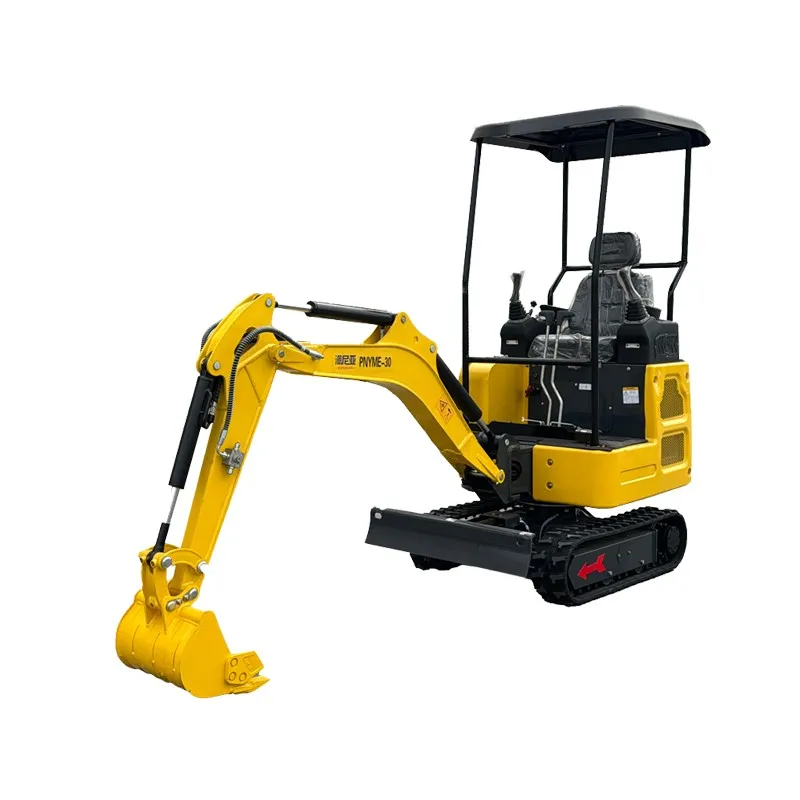
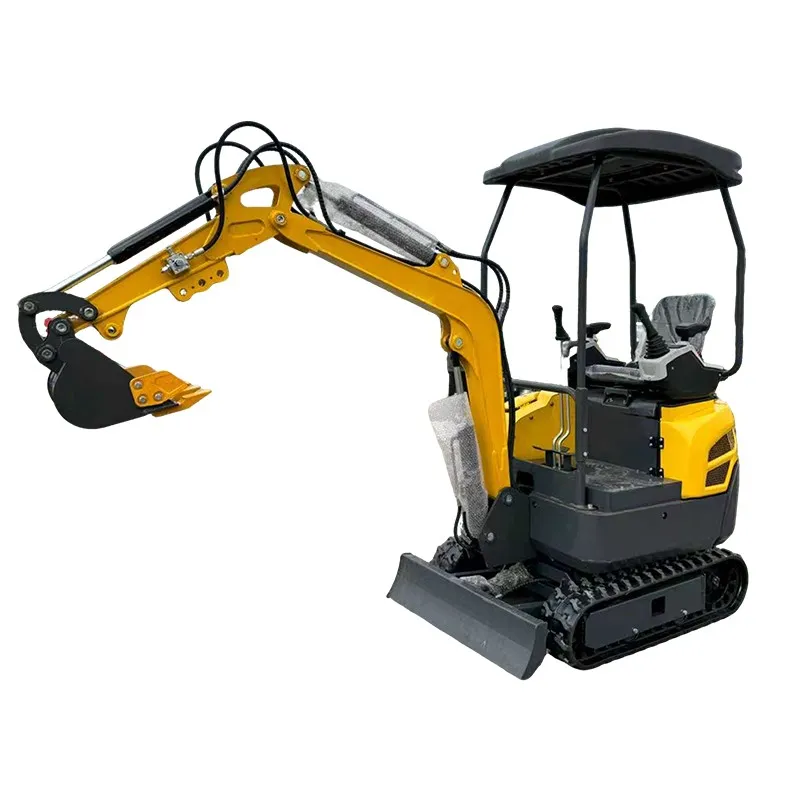
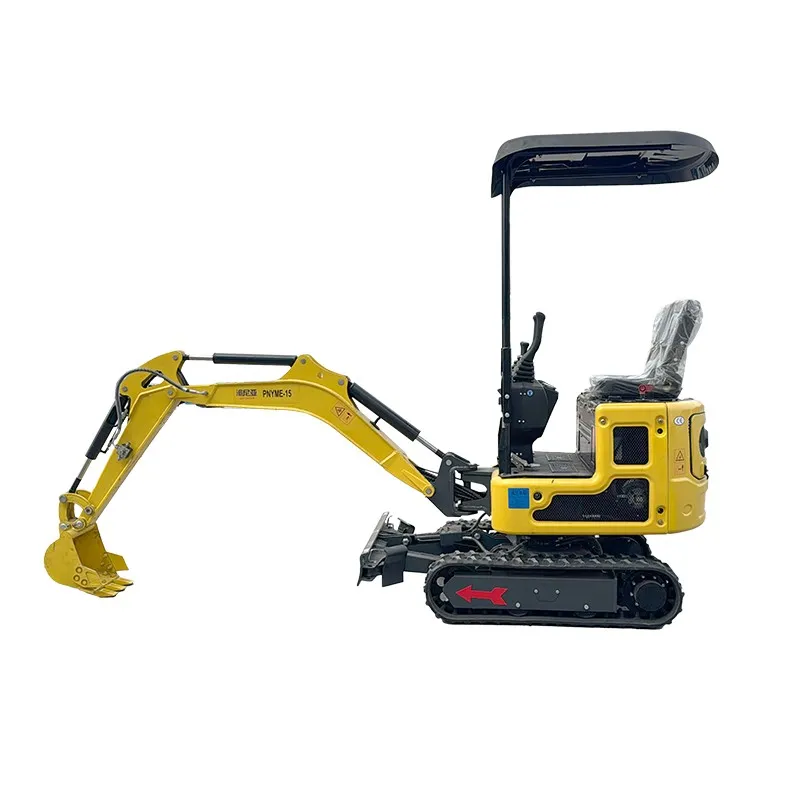
alibaba mini excavator
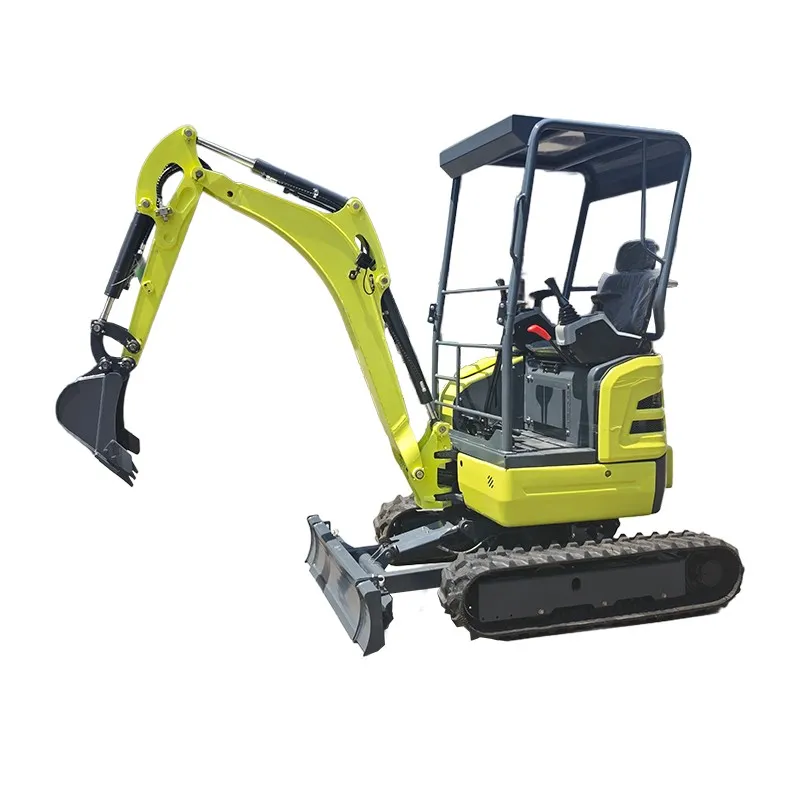
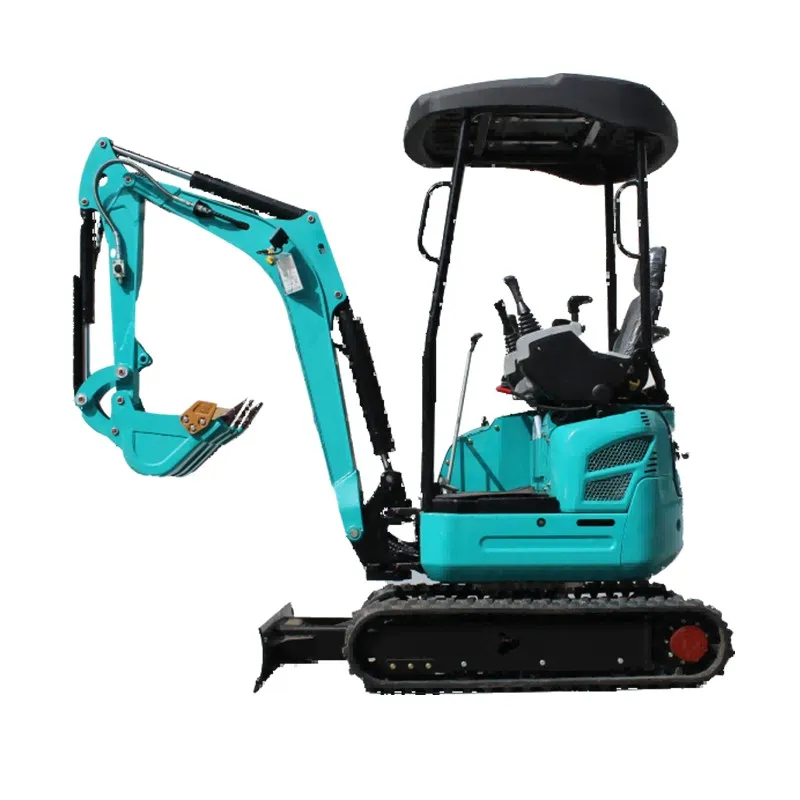
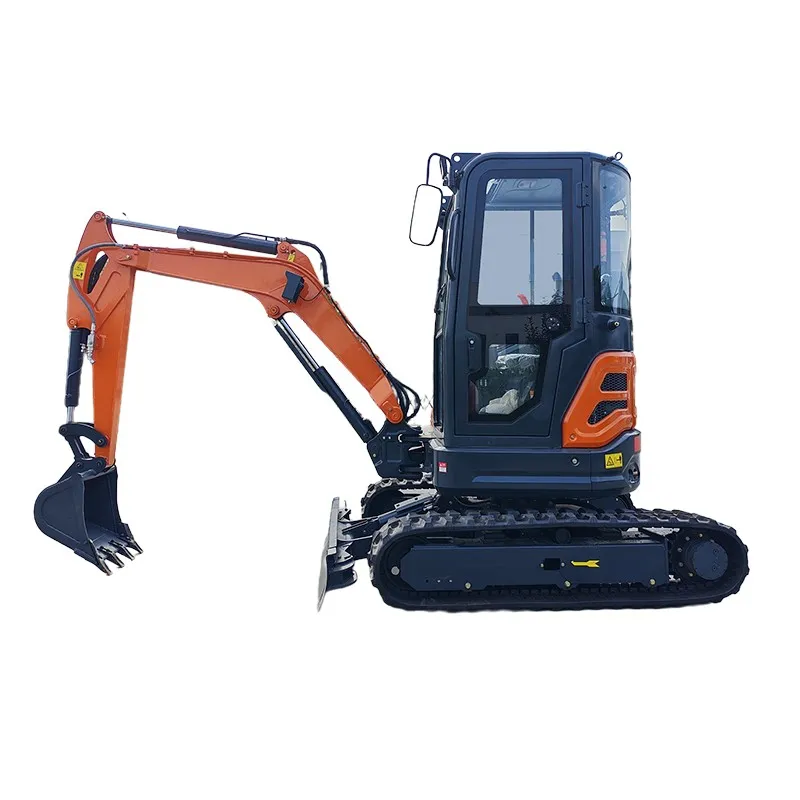
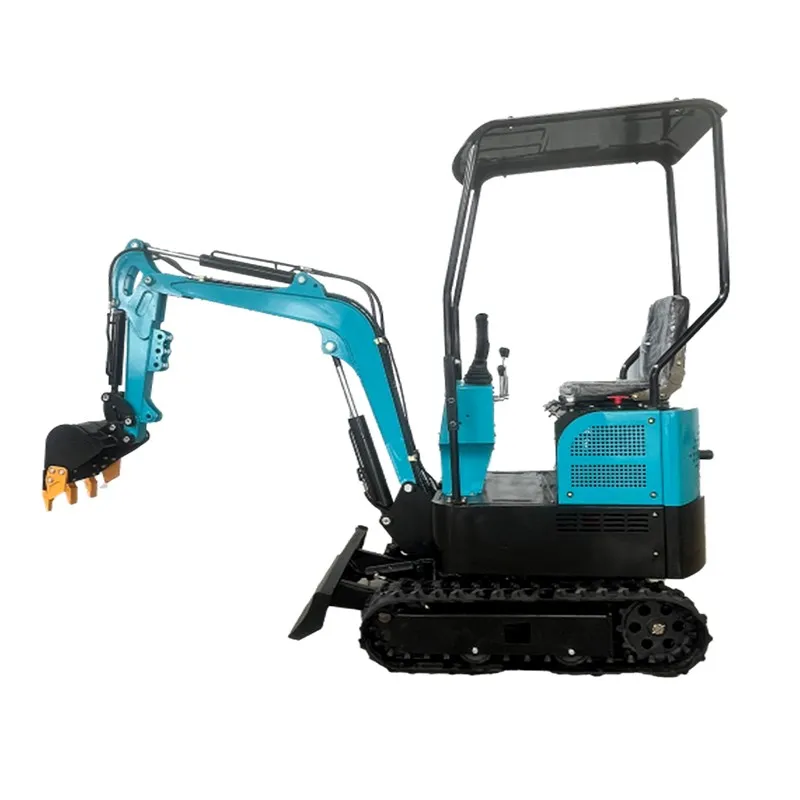
When most people hear 'Alibaba mini excavator', they immediately think of endless listings and rock-bottom prices. That's the surface. Having sourced and operated these machines for years, I can tell you the platform is just a starting point—a massive digital showroom where the real work of discernment begins. The common mistake is equating a low price on Alibaba with a straightforward purchase. In reality, it's a gateway to a complex ecosystem of manufacturers, where specifications like '1-ton' can mean vastly different things in terms of hydraulic capacity, steel grade, and ultimately, durability on a job site. The key isn't just finding a seller; it's identifying the factory behind the storefront.
The Manufacturer Behind the Storefront
This is where the critical separation happens. Many Alibaba storefronts are trading companies. They're intermediaries. For something as hands-on as a mini excavator, you want a direct line to the factory. You need to see their production area, their welding process, their assembly line. I learned this the hard way early on, dealing with a seller who promised ISO-certified quality, but the machine that arrived had mismatched hydraulic hoses and a swing motor that failed within 80 hours. The communication chain was too long, and accountability vanished.
That experience pushed me to dig deeper into factory credentials. A legitimate manufacturer like Shandong Pioneer Engineering Machinery Co., Ltd (https://www.sdpioneer.com) presents a different case. They've been in the game since 2004, which in China's manufacturing landscape, speaks to stability. Their recent relocation in 2023 to a new facility in Tai’an usually signals an expansion, an investment in capacity. For a buyer, this history matters. It suggests they've navigated market cycles, iterated on designs, and likely have a more mature supply chain for components like Yanmar or Kubota engines—which they often offer as configurable options.
Their structure is telling, too: Shandong Hexin handles manufacturing, while Shandong Pioneer manages overseas trade. This separation isn't unusual, but it's a point of clarity. When you communicate with Pioneer, you're dealing with an export-focused team. Their market reach—listing the US, Canada, Germany, Australia—isn't just a sales pitch. It means their machines have to, at minimum, meet the entry-level regulatory and performance expectations of those markets. It's a baseline filter for quality that a generic, no-name supplier might not have.
Specs vs. Reality: The Devil's in the Hydraulics
Let's talk about the machine itself. On Alibaba, every mini ex looks shiny and capable. The specs list will have operating weight, digging depth, engine horsepower. The real differentiator, the thing that separates a site-ready tool from a yard ornament, is the hydraulic system. Is it a gear pump or an axial piston pump? Many budget machines use gear pumps—they're cheaper, louder, less efficient, and generate more heat. For sporadic, light use, maybe it's fine. For daily trenching or loading, you'll feel the lack of control and the power fade as the oil heats up.
A manufacturer invested in performance, and by extension their reputation in those export markets, will typically offer piston pump systems as standard or a clear upgrade. When reviewing a company's offerings, I don't just look at the model number; I look for the hydraulic pump brand and type listed in the detailed specs. If it's not immediately visible, that's the first question to ask. The response time and technical detail in the answer are a quality proxy.
Another practical detail: the undercarriage. For a 1-ton class machine, are they using solid rubber tracks or steel tracks with rubber pads? This isn't a trivial choice. Solid rubber is great for finished surfaces like driveways or indoor work, but they wear quickly on abrasive terrain. A supplier thinking about varied applications will offer both options. On Pioneer's site, for instance, you can see this kind of configuration choice, which indicates an understanding of end-user application, not just moving a unit.
The Assembly & Commissioning Gap
Here's a major pain point many first-time importers underestimate. The machine arrives in a container, crated. It's not plug-and-play. It requires uncrating, assembly (fitting the boom, attaching the bucket, connecting hydraulic lines), filling with fluids, and commissioning—bleeding the hydraulic system, checking for leaks, calibrating the pilot controls. A low-quality machine often reveals itself here: poorly marked hydraulic ports, fittings that don't seat cleanly, seeping leaks at manifold joints.
I recall a shipment from a different supplier where the auxiliary hydraulic quick couplers were installed backwards. A simple error, but it took half a day of troubleshooting to figure out why the attachment circuit was dead. A professional manufacturer pays attention to these final assembly details at the factory. They might provide clearer multilingual assembly guides, or even pre-charge the hydraulic system with oil to minimize dry starts. Some, like the more established exporters, offer pre-delivery inspection (PDI) videos, showing the machine running before it's crated. This is a huge risk reducer.
This phase is where the value of a manufacturer with a long trade history shows. Their processes are more refined. They've had the feedback from customers in Germany or Australia about confusing manuals or missing O-rings, and they've (hopefully) adapted. The goal is to get the machine from the port to productive work with minimal downtime and local mechanic intervention.
Parts and the Long-Term Relationship
Buying the machine is one event. Owning it for 3,000 hours is a relationship. The biggest post-sale fear is parts availability. A generic Alibaba seller might disappear in a year. A manufacturer with a 20-year track record and a dedicated export entity like Shandong Pioneer is betting on its brand's longevity. They are structurally more likely to maintain an inventory of wear parts: sprockets, rollers, hydraulic seals, hose assemblies.
The practical test is to ask for a parts manual or an illustrated parts list before you buy. A serious player will have this, often in English. Ask for the lead time on a main hydraulic pump or a swing motor bearing. The response is telling. Do they just say we have it, or can they provide a part number and a realistic shipping estimate? Their established distribution to multiple continents suggests they've had to solve this logistics puzzle before.
It's also worth noting the component brands they use. Do they stick with known brands for critical parts like pumps, motors, and control valves? Or is everything proprietary and unlabeled? The former gives you a backup path for sourcing; the latter locks you completely into their supply chain. A balanced approach, using some branded key components, is often a sign of a confident and service-oriented manufacturer.
Final Judgment: Seeing Beyond the Pixelated Image
So, circling back to 'Alibaba mini excavator'. The platform is a powerful tool for discovery, but it flattens nuance. Your job is to reconstruct that three-dimensional reality of the manufacturer from the digital fragments. The company's physical footprint, its operational history, its export market focus, and the technical transparency of its specifications are your true guides.
Based on the available information, a firm like Shandong Pioneer Engineering Machinery represents the profile of a more viable long-term partner in that space. Their two-decade evolution from a 1,600-square-meter facility to a new, likely larger plant, coupled with a clear dual-company structure for manufacturing and trade, indicates a scaling business built on repeat orders, not just one-off sales. Their listed export destinations are demanding markets; you don't sustain sales there with consistently poor quality.
Ultimately, the purchase is an exercise in risk management. You're balancing initial cost against total cost of ownership, which includes assembly hassle, downtime, and repair cost. The Alibaba listing with the absolute lowest price almost always maximizes the risk on the back end. The goal is to find the manufacturer—often visible just behind the storefront curtain—whose business incentives are aligned with yours: to put a reliable, serviceable machine on your site that runs long enough to make the whole endeavor profitable. That's the real search.
Related Products
Related Products