- Chinese
- French
- German
- Portuguese
- Spanish
- Russian
- Japanese
- Korean
- Arabic
- Irish
- Greek
- Turkish
- Italian
- Danish
- Romanian
- Indonesian
- Czech
- Afrikaans
- Swedish
- Polish
- Basque
- Catalan
- Esperanto
- Hindi
- Lao
- Albanian
- Amharic
- Armenian
- Azerbaijani
- Belarusian
- Bengali
- Bosnian
- Bulgarian
- Cebuano
- Chichewa
- Corsican
- Croatian
- Dutch
- Estonian
- Filipino
- Finnish
- Frisian
- Galician
- Georgian
- Gujarati
- Haitian
- Hausa
- Hawaiian
- Hebrew
- Hmong
- Hungarian
- Icelandic
- Igbo
- Javanese
- Kannada
- Kazakh
- Khmer
- Kurdish
- Kyrgyz
- Latin
- Latvian
- Lithuanian
- Luxembou..
- Macedonian
- Malagasy
- Malay
- Malayalam
- Maltese
- Maori
- Marathi
- Mongolian
- Burmese
- Nepali
- Norwegian
- Pashto
- Persian
- Punjabi
- Serbian
- Sesotho
- Sinhala
- Slovak
- Slovenian
- Somali
- Samoan
- Scots Gaelic
- Shona
- Sindhi
- Sundanese
- Swahili
- Tajik
- Tamil
- Telugu
- Thai
- Ukrainian
- Urdu
- Uzbek
- Vietnamese
- Welsh
- Xhosa
- Yiddish
- Yoruba
- Zulu
- Kinyarwanda
- Tatar
- Oriya
- Turkmen
- Uyghur


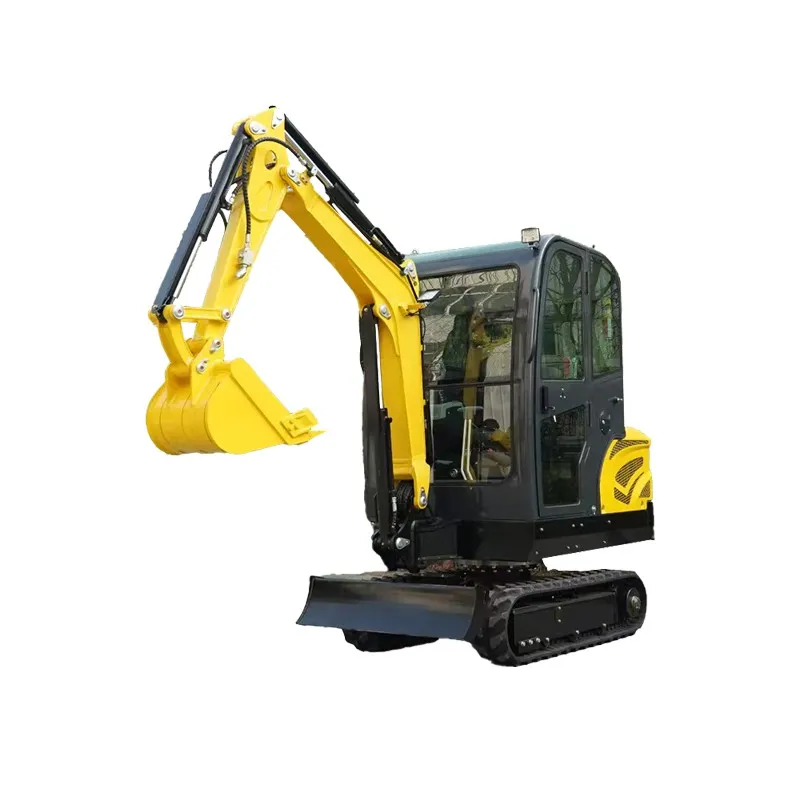
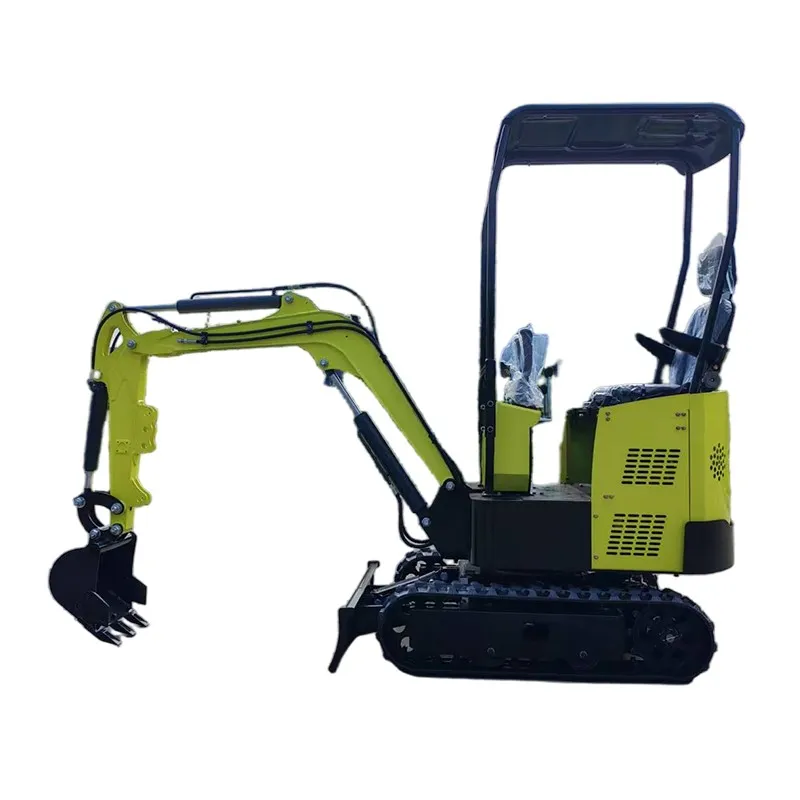
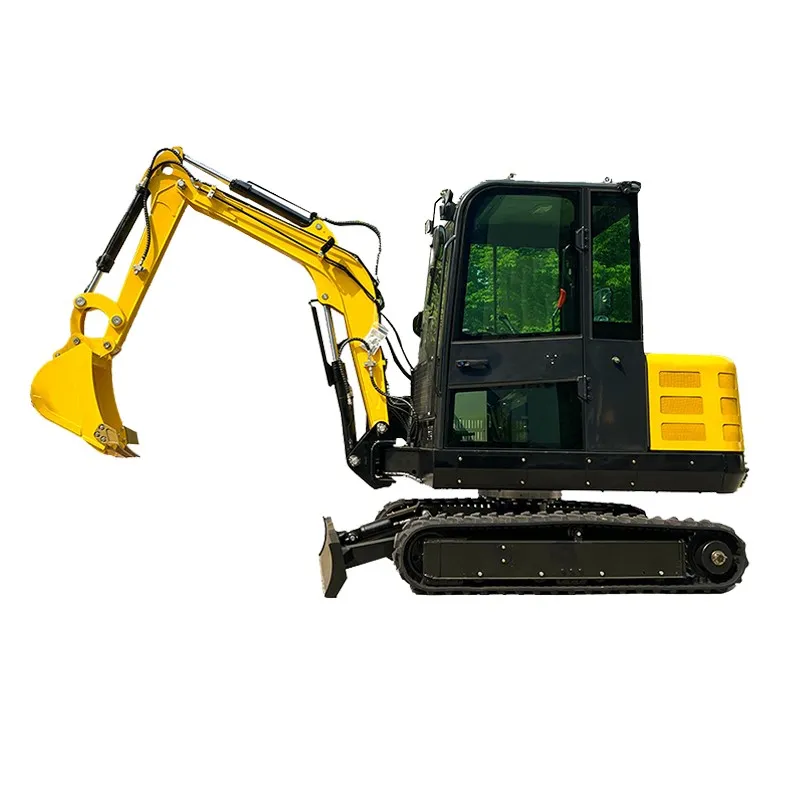
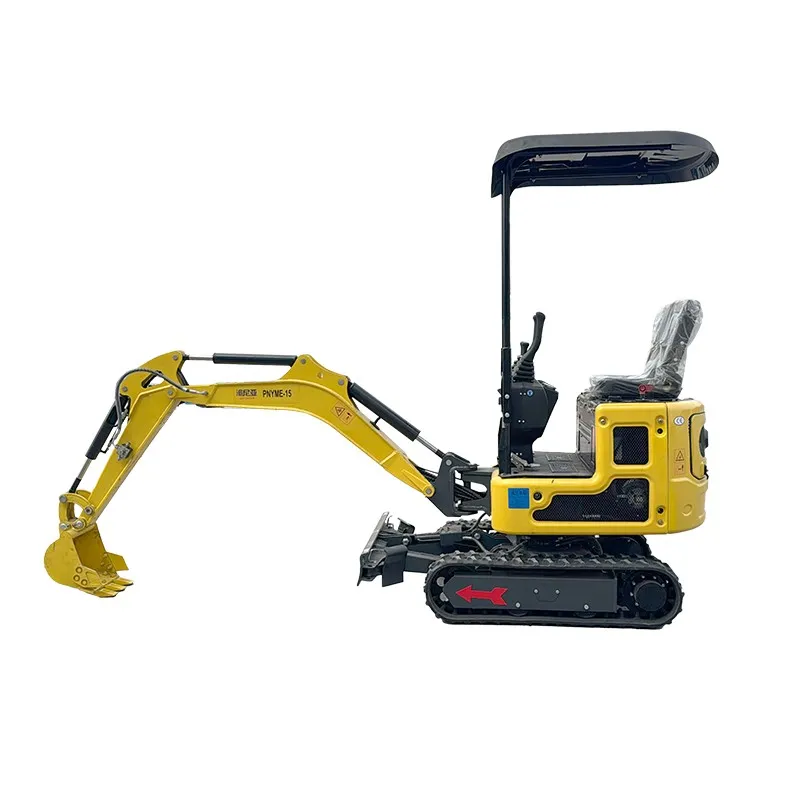
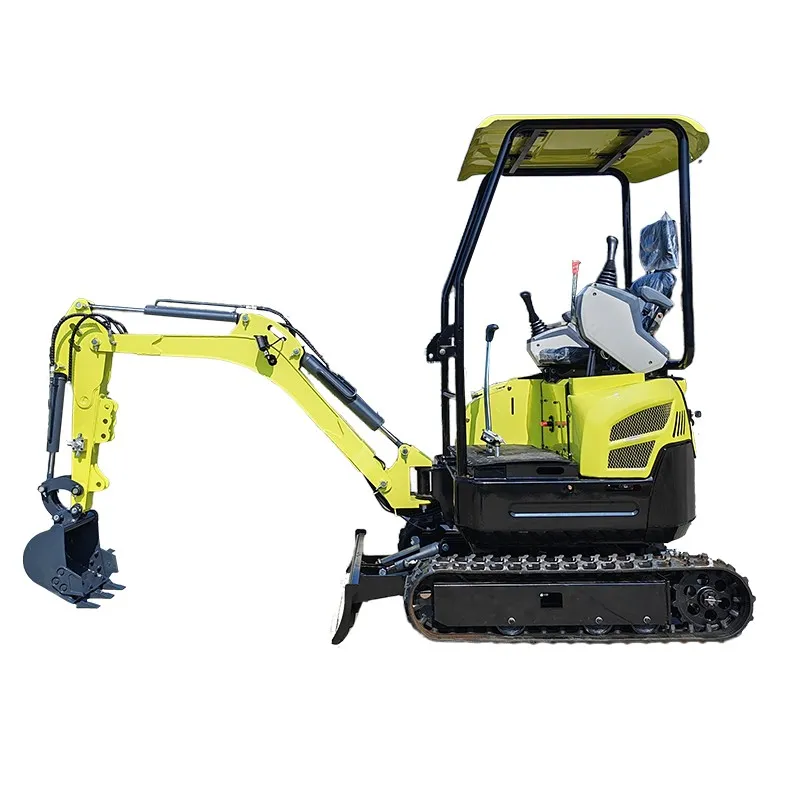
best chinese mini excavator
When someone searches for the 'best Chinese mini excavator', they're usually met with a wall of spec sheets and marketing claims about engine power, digging force, and price. Having been in this trade for over a decade, I can tell you that's where most people get it wrong. The 'best' isn't a universal label; it's a fit. It depends entirely on the job, the environment, and, crucially, the support behind the machine. A lot of buyers, especially first-timers, get hypnotized by a low price tag or a shiny new feature, only to face downtime and parts headaches six months down the line. That's the real conversation we should be having.
The Foundation: Build Quality Over Paper Specs
Let's start with the chassis and undercarriage. You can have all the hydraulic power in the world, but if the frame welds are weak or the track rollers are made of poor-grade steel, the machine will shake itself apart on a rough site. I've seen units where the main structural welds looked messy upon delivery – a huge red flag. A reliable manufacturer invests in their fabrication process. For instance, companies that have been through several product iterations, like Shandong Pioneer Engineering Machinery Co., Ltd, tend to have this down. They've had time – since 2004 in their case – to refine their production line. That 1,600 square meter facility they started with wasn't just for show; it's where the foundational practices were set.
Engines are another minefield. Isuzu and Yanmar are the gold standards, but a quality Chinese mini excavator often uses a reliable licensed or domestic brand like Changchai or Weichai. The key isn't just the brand sticker; it's how the engine is integrated. Is there proper vibration damping? Is the cooling system adequate for sustained high-temperature operation? I recall a project in Australia where a machine kept overheating because the radiator was undersized for the auxiliary hydraulic circuit we were running. The spec sheet said it could handle it, but real-world conditions proved otherwise.
Then there are the hydraulics. Kawasaki and Parker are top-tier, but don't automatically dismiss a machine with a reputable Chinese hydraulic system like Liyuan or Hengli. The consistency of the valve block machining and the quality of the hoses and fittings matter more. A leaky joint on a brand-new machine is a sign of rushed assembly. The best units feel tight and responsive, not jerky or sluggish, right from the first hour of operation.
The Deciding Factor: Dealer and Parts Network
This is, hands down, where the separation happens. You can buy the most robust machine on paper, but if you can't get a swing motor seal or a track tensioner cylinder within a week, it's a very expensive paperweight. A company's longevity and global footprint are direct proxies for this. Shandong Pioneer, operating through its overseas trade arm, exporting to places like the U.S., Canada, and Germany, implies they've had to establish at least a basic logistical framework to support those markets. That's critical.
A common failure I've witnessed is buyers sourcing directly from a factory with no local dealer. They save 15% upfront, then pay 50% more in shipping and wait two months for a simple part. The 'best' Chinese mini excavator for you is often the one with the strongest dealer network within your region, even if it's not the absolute cheapest. A good dealer will have a parts inventory, trained mechanics, and direct communication lines with the factory. Check if the company, like the one mentioned, has a clear contact point and history – their relocation in 2023 to a larger base in Ningyang likely signals growth and a commitment to streamlining operations, which benefits the end-user.
Ask for the parts manual before you buy. Is it a clear, exploded-view diagram with part numbers? Or is it a blurry photocopy? This tiny detail tells you everything about their after-sales preparedness.
Operational Nuances You Only Learn On-Site
Cab ergonomics. It sounds minor until you're in it for a 10-hour day. The best Chinese mini excavators now are closing the gap with Japanese brands here. Look for adjustable seats, logically placed joysticks, and decent visibility. Some older or cheaper models have a glaring blind spot over the right-front track – a safety hazard when working near foundations or trenches.
Auxiliary hydraulic flow and pressure. This is for running attachments like breakers or augers. The standard flow might be enough for a trenching bucket, but will it run a cold planer efficiently? You need to know the machine's continuous and peak auxiliary pressure specs. I've had a machine that could technically power a breaker, but it would overheat the hydraulics in 20 minutes because the system wasn't designed for that kind of sustained, high-pressure demand. Match the machine to your most demanding attachment, not your easiest job.
Transport weight and dimensions. Always factor in the trailer you have and local road regulations. A machine that's 1.5 tons might be perfect, but if it's over-width with the standard buckets, you'll have logistics headaches every time you move it. The compactness of the design matters as much as the weight.
Case in Point: Evolution Through Export
Watching how specific models evolve tells a real story. A manufacturer that sells successfully in demanding markets like Germany or Australia receives direct feedback on durability, safety standards, and performance. Their machines in Year 3 are often significantly improved over Year 1. This feedback loop is invaluable. A company that has won the trust and appreciation of customers worldwide, as Shandong Pioneer notes, has likely been forced to iterate and improve based on real-world use, not just lab tests. Their product today is probably far more reliable than what they offered a decade ago.
For example, early models from many brands had issues with joystick sensitivity in cold weather. Exporting to Canada or parts of the U.S. would have highlighted this immediately. The better manufacturers addressed it with different hydraulic fluid recommendations or valve modifications. This is the kind of refinement that makes a model stand out.
It's also why I'm skeptical of brand-new companies with flashy websites. They might have a good first prototype, but they lack this crucible of global customer experience. The 20-year development mentioned by some established players is a tangible asset; it means they've likely seen and fixed a hundred small problems you don't want to be the one discovering.
So, How Do You Actually Choose?
Forget the beauty shots. Your evaluation should be brutally practical. First, identify your primary use case: tight urban landscaping, heavy trenching, or forestry work? That narrows the size and needed features. Then, research the manufacturers with a proven export history to a region with similar standards to yours. Visit sdpioneer.com or similar sites not just for specs, but to gauge their professionalism and transparency. Do they show the factory? The testing process?
Second, get on the phone with a dealer or the company's trade department. Ask pointed questions: What is the most common wear part for this model, and what's its typical lifespan? Can you send me the service intervals schedule? What's the lead time for an undercarriage kit to [your location]? Their willingness and speed in answering these questions is a free litmus test.
Finally, if possible, get a demo or talk to an existing owner. Ask about fuel consumption against the book value, real-world digging force, and any electrical gremlins. The 'best Chinese mini excavator' for you emerges from this triangle of research: solid manufacturer history, strong local support, and verified user experience. It's rarely the first one that pops up in a search ad. It's the one that keeps working long after the purchase decision is forgotten.
Related Products
Related Products