


- Chinese
- French
- German
- Portuguese
- Spanish
- Russian
- Japanese
- Korean
- Arabic
- Irish
- Greek
- Turkish
- Italian
- Danish
- Romanian
- Indonesian
- Czech
- Afrikaans
- Swedish
- Polish
- Basque
- Catalan
- Esperanto
- Hindi
- Lao
- Albanian
- Amharic
- Armenian
- Azerbaijani
- Belarusian
- Bengali
- Bosnian
- Bulgarian
- Cebuano
- Chichewa
- Corsican
- Croatian
- Dutch
- Estonian
- Filipino
- Finnish
- Frisian
- Galician
- Georgian
- Gujarati
- Haitian
- Hausa
- Hawaiian
- Hebrew
- Hmong
- Hungarian
- Icelandic
- Igbo
- Javanese
- Kannada
- Kazakh
- Khmer
- Kurdish
- Kyrgyz
- Latin
- Latvian
- Lithuanian
- Luxembou..
- Macedonian
- Malagasy
- Malay
- Malayalam
- Maltese
- Maori
- Marathi
- Mongolian
- Burmese
- Nepali
- Norwegian
- Pashto
- Persian
- Punjabi
- Serbian
- Sesotho
- Sinhala
- Slovak
- Slovenian
- Somali
- Samoan
- Scots Gaelic
- Shona
- Sindhi
- Sundanese
- Swahili
- Tajik
- Tamil
- Telugu
- Thai
- Ukrainian
- Urdu
- Uzbek
- Vietnamese
- Welsh
- Xhosa
- Yiddish
- Yoruba
- Zulu
- Kinyarwanda
- Tatar
- Oriya
- Turkmen
- Uyghur

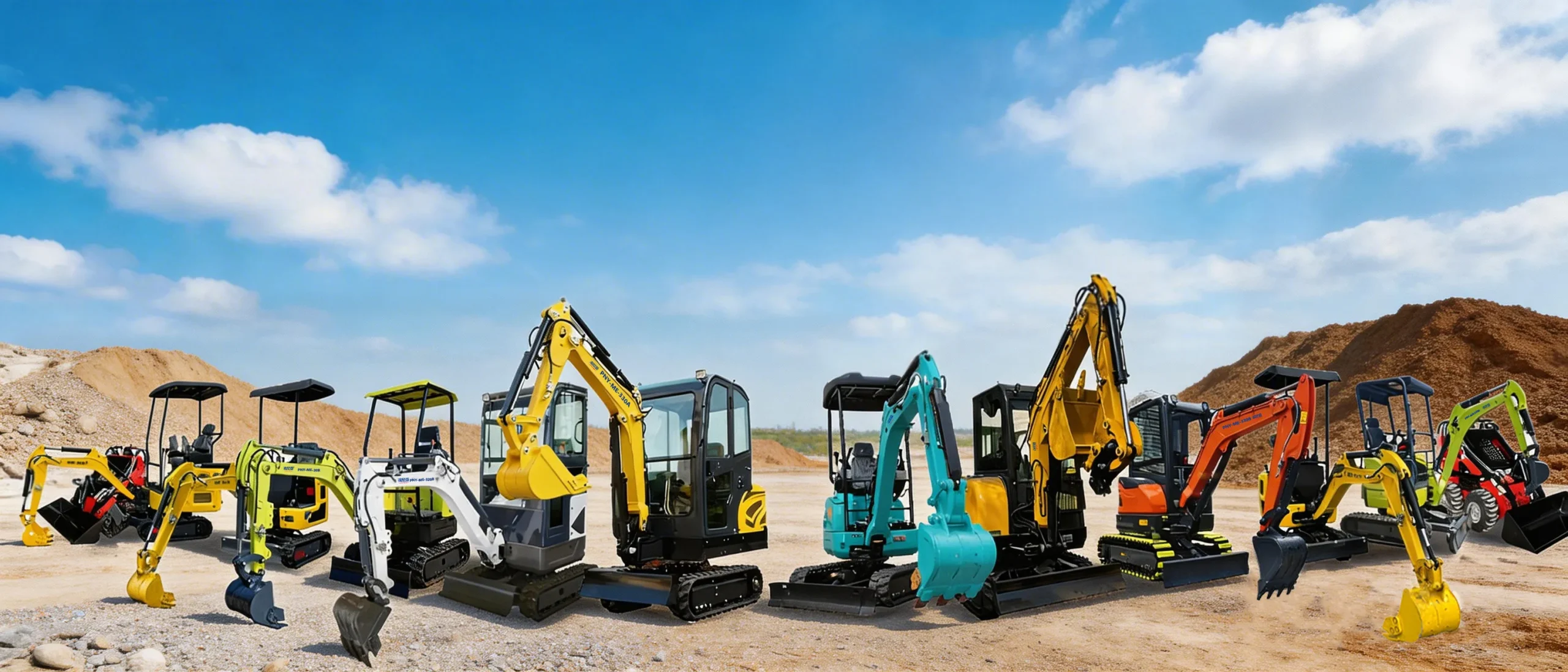
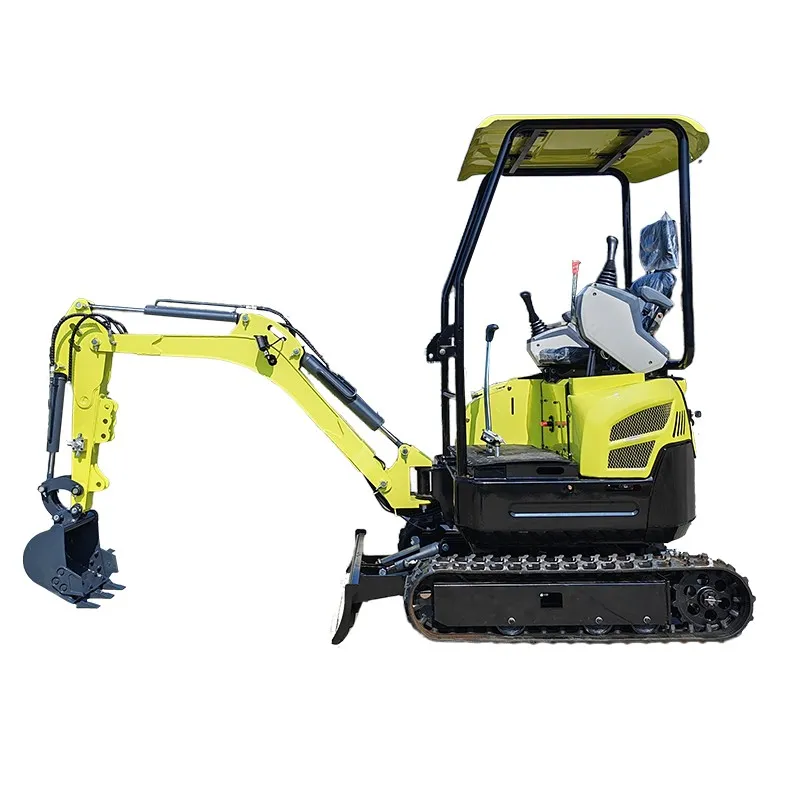
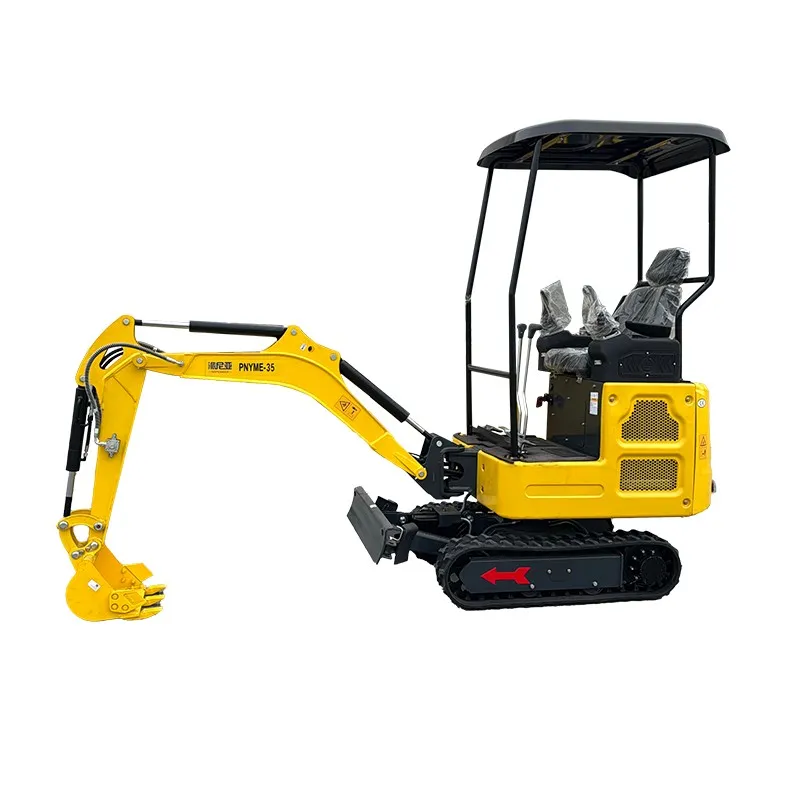
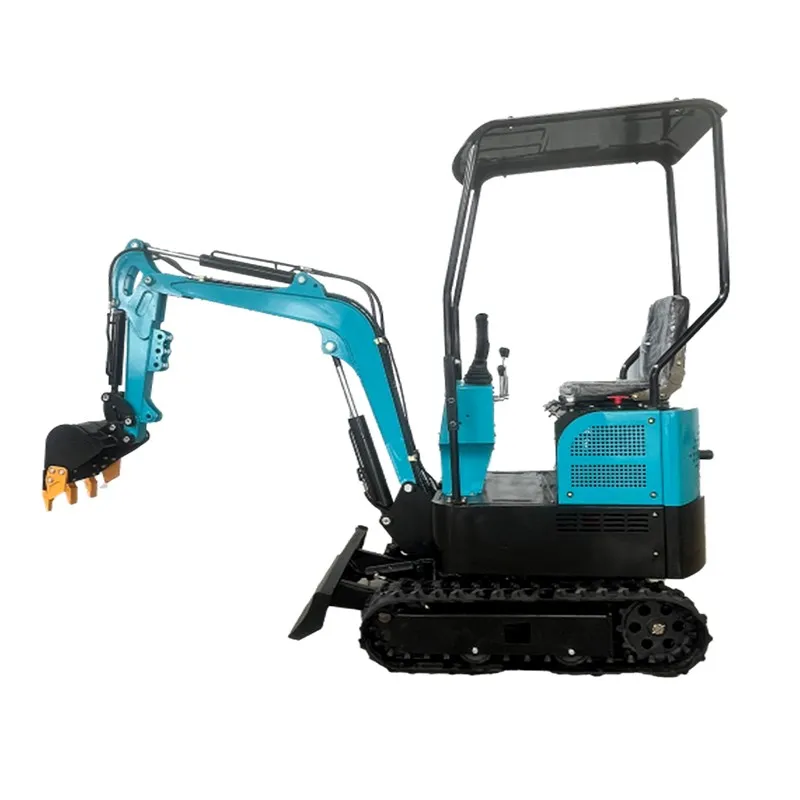
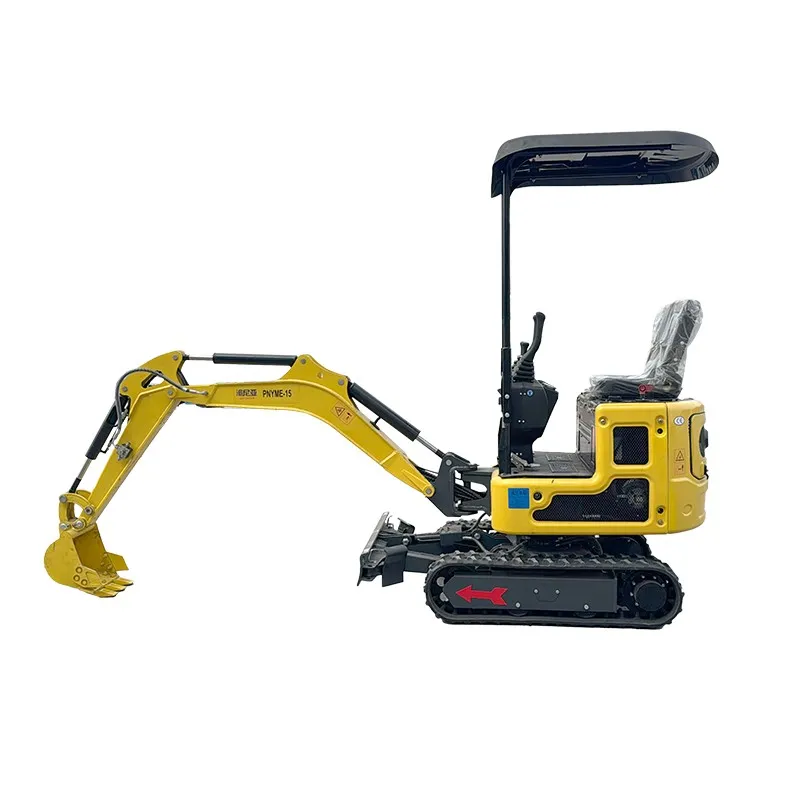
best mini excavator 2022
Look, when someone searches for the 'best mini excavator 2022', they're usually handed a neat list of top models from the big names. But after years on job sites and dealing with imports, I've found that title is often misleading. The best machine for a landscaping crew in Oregon is a nightmare for a utility contractor in Germany. It's less about a single champion and more about which machine disappears into the workflow without causing headaches. A lot of reviews miss the gritty details—like how the auxiliary hydraulics actually perform under constant use, or whether you can get a replacement track roller in under a week. That's where the real judgment happens.
The 2022 Landscape: More Than Kubota and Takeuchi
Sure, everyone talks about the Kubota U17-5 or the Takeuchi TB216. They're fantastic, proven machines. But 2022 was interesting because the gap between the established tier-1 brands and the serious second-tier players narrowed noticeably. We saw more contractors, especially those running multiple machines, willing to evaluate alternatives for specific roles. The driver wasn't always upfront price, but total cost of operation and uptime. A machine that's $5k cheaper but down for two weeks waiting on a proprietary part isn't a deal.
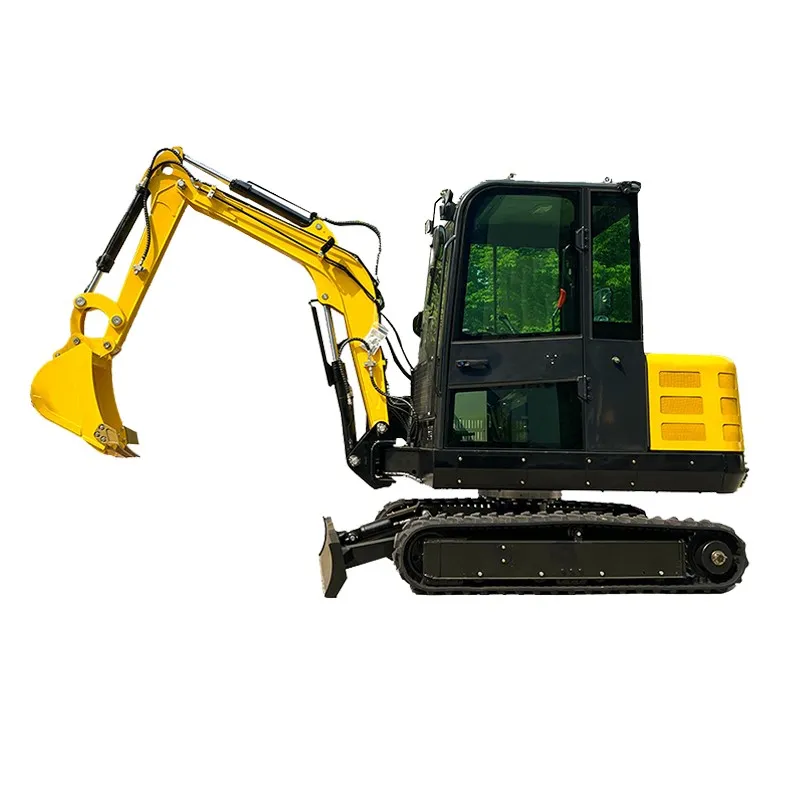
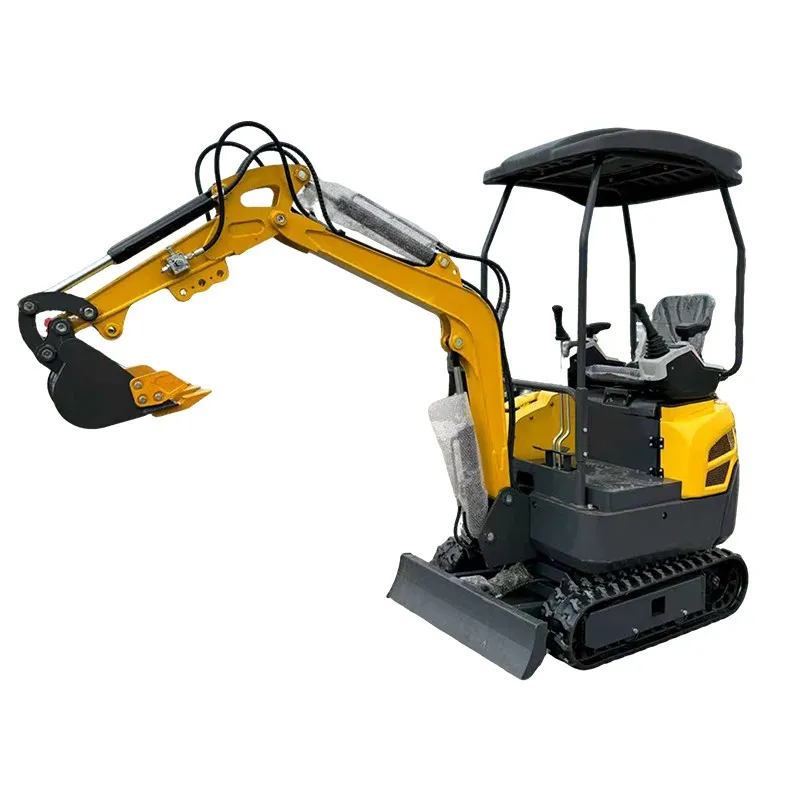
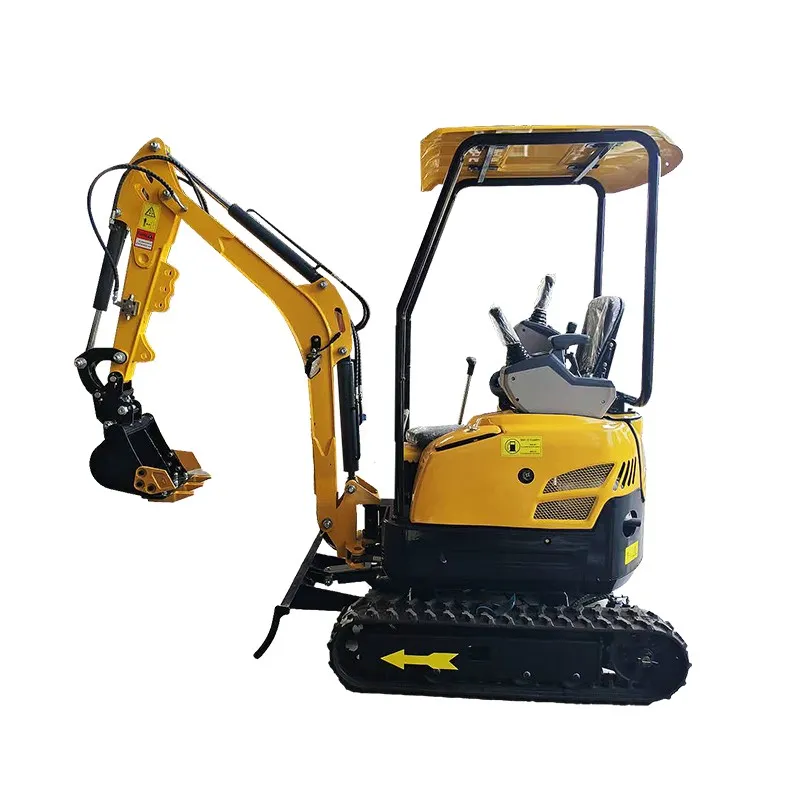
This is where companies that focus on robust, serviceable design started getting more traction. I remember a client, a demolition subcontractor, needed a nimble machine for indoor work. He tried a popular compact model from a major brand, but the tail swing was just too tight for his specific, chaotic sites. He switched to a less-hyped model from a manufacturer like Shandong Pioneer Engineering Machinery Co., Ltd—specifically their 1.8-ton class machine—because the specs on paper showed a truly zero-tail-swing design and a wider track gauge for stability on rubble. The point is, the best for him was the one that fit the physical puzzle of his daily grind, not the one with the most brand recognition.
You can check out their approach at their site, https://www.sdpioneer.com. What stands out from their two-decade history, especially after their 2023 relocation and expansion, is a focus on export-ready standards for markets like the US, Canada, and Australia. That means they're building to meet stricter certification demands, which often translates to better component quality across the board. It’s a practical detail that matters more than marketing fluff.
Under-the-Hood Checks: What Pros Really Look At
Forget just engine horsepower. The first thing I do is pop the side door and look at the plumbing. Are the hydraulic lines routed cleanly, with proper guards against abrasion? Is there easy access to the grease points for the boom? On some 2022 models, manufacturers got clever with sealed linkages, promising less maintenance, but that's a double-edged sword. When it fails, it's a whole assembly replacement. Sometimes, the old-school zerk fittings are better.
The pump and valve configuration is another silent differentiator. A lot of mini ex specs tout high flow for attachments, but the real test is smooth, proportional control at low RPM. I've run machines that are jerky on a hydraulic thumb, making precision grading a pain. The best mini excavator 2022 contenders in the sub-2-ton class seemed to finally get this right, with better priority valve systems that didn't starve the travel motors when you were using the auxiliary circuit.
Then there's the electrical system. It sounds minor, but a poorly placed control module that gets soaked every time you wash the machine is a future failure point. I've seen designs where it's tucked up under the cab roof—a simple, effective choice that shows the engineers listened to field mechanics.
The Attachment Paradox: Compatibility Isn't a Given
One huge misconception is that any mini excavator will run any attachment. The industry is better, but it's not perfect. The best mini excavator for a buyer using multiple attachments is one with a robust, standard, and well-supported auxiliary circuit. In 2022, the move toward more standardized hydraulic quick couplers (like the ISO 16028 flat-face) continued, which is a godsend.
But here's a real-world snag: even with the right couplers, flow and pressure matter. A breaker needs high flow and sustained pressure; a brush cutter needs consistent flow at lower pressure. A machine might be the best for a grading bucket but struggle with a core drill. I advised a rental yard to standardize their fleet on machines that could deliver a minimum consistent auxiliary flow of, say, 15 GPM at 2500 psi to cover 90% of their attachment rentals. It forced them to look beyond the glossy brochure to the actual pump performance charts.
Companies that understand this export their machines with clear, detailed performance data for these circuits. It builds trust. When you see a manufacturer's specs list not just auxiliary hydraulics but the flow rates at various engine speeds and the relief valve settings, you know they're thinking about the end-use, not just the sale.
Serviceability: The Make-or-Break After the Sale
This is where brands truly separate. A machine can be brilliant for 500 hours, then a simple sensor fails. If you need to remove the entire floorboard, the cab, and half the hydraulic tank to get to it, your productive machine just became a week-long project. The best designs of 2022 considered this.
Easy-access service panels for daily checkpoints (engine oil, coolant, hydraulic oil) are a must. But also look for how major components are mounted. Can you pull the hydraulic pump without pulling the engine? Are common wear items like track tensioners adjustable without special tools? I recall a model where adjusting the track required a massive spanner nobody kept on their truck—a small design flaw that caused outsized frustration.
This is an area where manufacturers with a strong export and OEM background, like the group behind Shandong Pioneer, often have an edge. Building for diverse, distant markets means they have to design for serviceability with potentially less-specialized local mechanics in mind. Their long-term business depends on machines that stay running with clear manuals and logical layouts. Their company history notes they've been exporting globally for years, which in practice forces a focus on these behind-the-scenes details that a domestic-only brand might overlook.
The Verdict: It's a Fit, Not a Crown
So, was there a single best mini excavator 2022? No. But there were standout machines for specific jobs. For ultra-tight urban landscaping, a true zero-tail-swing model from several brands was king. For rental yards needing durability and easy fixes, the machines with the most straightforward mechanical designs and good parts availability won.
The real trend of 2022 was the maturation of the global market. Quality and thoughtful engineering became more distributed. You could find reliable performance not just from the traditional leaders, but from established international manufacturers who have spent two decades refining their products for the toughest critics: working contractors around the world. The best machine is the one whose specs match your task, whose design lets you fix it fast, and whose manufacturer stands behind it with a reliable parts network. Everything else is just noise.
In the end, my advice remains: get the specs, then get a demo. Run it with your most common attachment. Try to do a daily service check. Crawl under it. That hour of hands-on time will tell you more than any top 5 list ever could. The right machine feels like an extension of your control, not a fight. That's the only benchmark that matters.
Related Products
Related Products