- Chinese
- French
- German
- Portuguese
- Spanish
- Russian
- Japanese
- Korean
- Arabic
- Irish
- Greek
- Turkish
- Italian
- Danish
- Romanian
- Indonesian
- Czech
- Afrikaans
- Swedish
- Polish
- Basque
- Catalan
- Esperanto
- Hindi
- Lao
- Albanian
- Amharic
- Armenian
- Azerbaijani
- Belarusian
- Bengali
- Bosnian
- Bulgarian
- Cebuano
- Chichewa
- Corsican
- Croatian
- Dutch
- Estonian
- Filipino
- Finnish
- Frisian
- Galician
- Georgian
- Gujarati
- Haitian
- Hausa
- Hawaiian
- Hebrew
- Hmong
- Hungarian
- Icelandic
- Igbo
- Javanese
- Kannada
- Kazakh
- Khmer
- Kurdish
- Kyrgyz
- Latin
- Latvian
- Lithuanian
- Luxembou..
- Macedonian
- Malagasy
- Malay
- Malayalam
- Maltese
- Maori
- Marathi
- Mongolian
- Burmese
- Nepali
- Norwegian
- Pashto
- Persian
- Punjabi
- Serbian
- Sesotho
- Sinhala
- Slovak
- Slovenian
- Somali
- Samoan
- Scots Gaelic
- Shona
- Sindhi
- Sundanese
- Swahili
- Tajik
- Tamil
- Telugu
- Thai
- Ukrainian
- Urdu
- Uzbek
- Vietnamese
- Welsh
- Xhosa
- Yiddish
- Yoruba
- Zulu
- Kinyarwanda
- Tatar
- Oriya
- Turkmen
- Uyghur

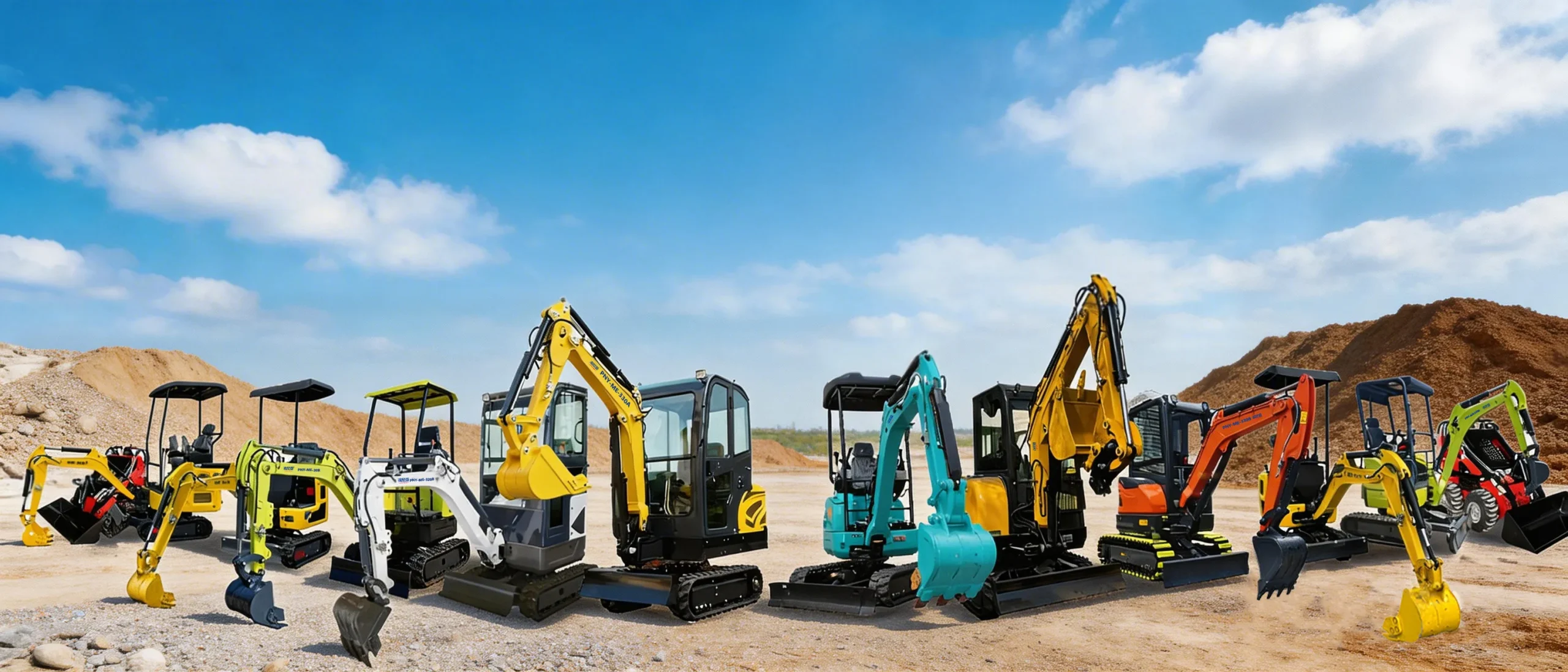
best mini excavator for price
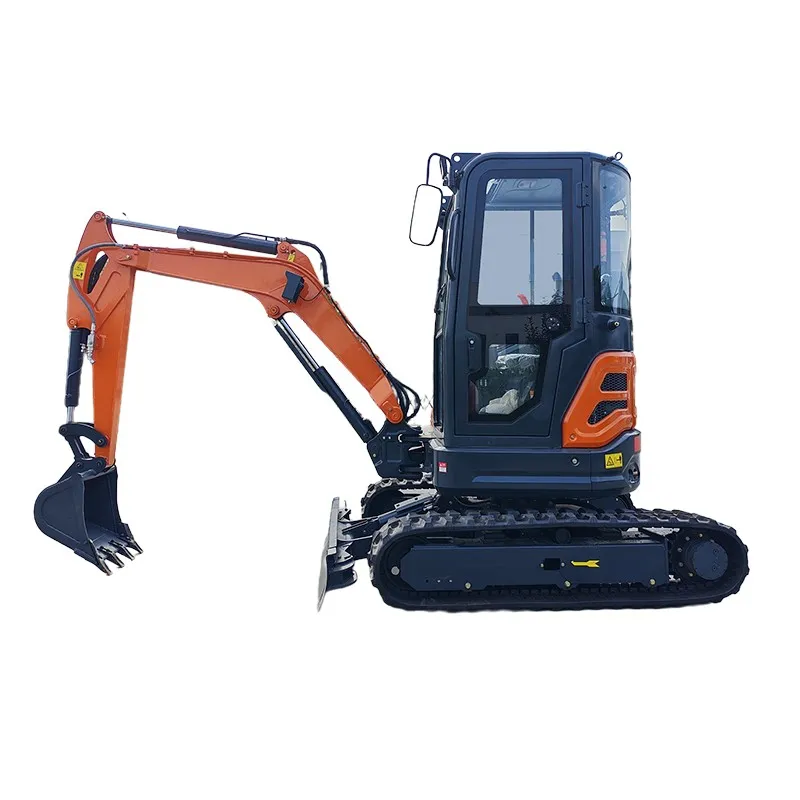
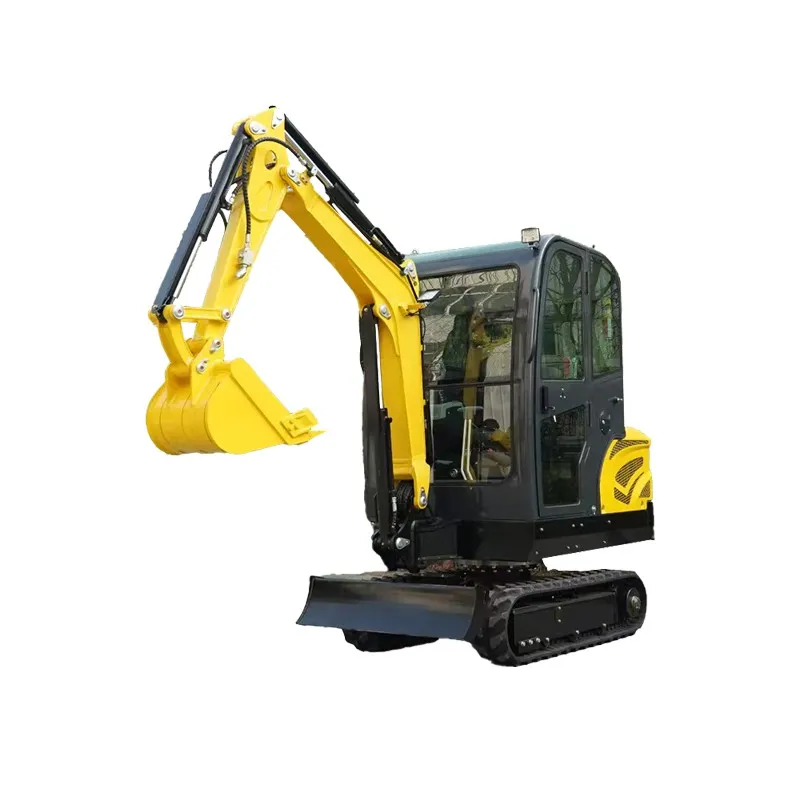
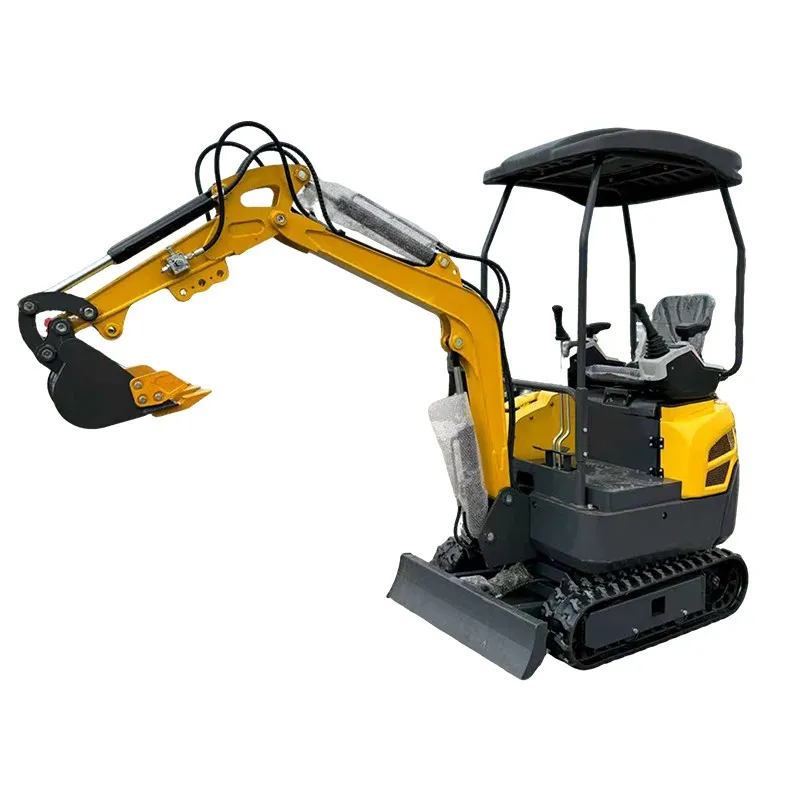
When someone types 'best mini excavator for price' into a search bar, I know exactly what they're after. They want that magic machine that delivers maximum capability for the least amount of cash. But here's the thing most blogs and spec sheets get wrong: the best mini excavator for price isn't the one with the absolute lowest sticker price. It's the one that balances upfront cost with long-term reliability, serviceability, and sheer job-site grit. Chasing the cheapest ticket can lead you straight into a money pit of downtime and repair bills. I've seen it happen, more than once.
The Core Equation: Price vs. Total Cost of Ownership
Let's break this down. You see a 1.5-ton machine advertised for an unbelievably low price. The heart says buy, but experience says check the hydraulics. I learned this early on. A bargain unit we bought had a proprietary hydraulic pump. When it failed—and it did—the replacement wasn't just expensive, it took six weeks to ship from overseas. The project stalled, labor costs ate the savings, and that great price evaporated. The real best mini excavator for price factors in parts availability, standard componentry, and a dealer network, even if that means paying 10-15% more initially.
This is where companies with serious export experience show their value. They've had to build machines that can survive in different climates, with different operators, and without constant factory support. I was looking at options from Shandong Pioneer Engineering Machinery Co., Ltd recently. Their story—20 years in the game, exporting to places like Germany and Australia—tells me they've had to solve real-world durability problems. A company that just sells domestically doesn't face that same pressure-test.
Their relocation in 2023 to a new facility in Ningyang also signals growth and reinvestment, which often translates to better QC. It's a detail that matters. You want a manufacturer that's expanding, not just surviving.
Key Specs That Actually Impact Your Wallet
Forget comparing engine horsepower alone. Look at the auxiliary hydraulic flow. A machine with high standard flow, say 15+ GPM, lets you run more powerful attachments like hydraulic breakers or compactors efficiently. If you have to pay for a high-flow kit later, you've just increased your total price. A true value machine bakes this capability in.
Another silent cost saver is the undercarriage. A mini-ex is constantly spinning on its axis. A narrow, lightweight track frame might save on shipping weight, but it wears faster and is less stable on slopes. I'd always opt for a slightly wider track gauge for better longevity and safety—it prevents costly tip-overs and reduces track wear, stretching your maintenance intervals.
The Cab and Controls: Operator Fatigue is a Real Cost
This might seem soft, but hear me out. An uncomfortable, loud, shaky cab leads to a tired operator by 2 PM. Productivity drops, precision suffers, and mistakes happen. The best mini excavator for price often has a decently insulated cab with intuitive controls. It doesn't need a champagne fridge, but ergonomics matter for all-day work. A machine that operators don't mind running is a machine that gets more work done, period.
Where Value Brands Earn Their Stripes (and Where They Don't)
The market is flooded with options. The established Japanese brands are fantastic, but you pay a premium for the badge. The new wave of value-focused manufacturers, particularly from China's mature industrial hubs, have closed the gap significantly on the core machine. Where they sometimes still lag is in the fit and finish of non-critical components—plastic covers, seat material, the feel of switches. You must decide what you're willing to compromise on.
My advice? Scrutinize the major components. Who makes the main hydraulic pump? Is it a recognized brand like Kawasaki or Parker, or is it an unknown? A reputable final assembly plant like Shandong Pioneer often sources better core components to ensure reliability for their international clients, which directly protects your investment. Their partnership with a manufacturing entity (like mentioned, Shandong Hexin) suggests vertical integration, which can mean better quality control and cost control.
The Forgotten Factor: Dealer and Parts Support
This is the ultimate deal-breaker. A perfect machine is useless if you can't get a seal kit for it. Before buying any brand, ask: Where is my nearest parts depot? and What's the average shipping time for a main hydraulic hose assembly? A company with a genuine global footprint, exporting to demanding markets like the US and Canada, is forced to have a parts logistics system. They've already solved the problem of getting a swing motor to a job site in rural Washington or Queensland.
This is the hidden strength behind a company with two decades of export history. They aren't just shipping containers; they're building a support pipeline. When I evaluate a best mini excavator for price, I call a few dealers and ask for the part number for a common wear item. How quickly they answer tells you everything.
Final Judgment: It's a Tool, Not a Trophy
So, after all this, what's the answer? There's no single model. The best value is the machine whose strengths match your most frequent tasks, whose weaknesses don't matter to your work, and whose manufacturer stands behind it with accessible support. Sometimes, that's a used name-brand machine. Increasingly, it's a well-specified unit from a proven exporter.
Don't get paralyzed by specs. Make a list of your top three jobs. Then, look for a machine built by a company that has been pressured to perform globally. Check their core component suppliers. Test the dealer support. That process will lead you to your true best mini excavator for price—the one that makes you money, not costs you time.
It's never just about the number on the quote. It's about the total cost of getting dirt moved, day after day, without drama. That's the real metric that pays your bills.
Related Products
Related Products