


- Chinese
- French
- German
- Portuguese
- Spanish
- Russian
- Japanese
- Korean
- Arabic
- Irish
- Greek
- Turkish
- Italian
- Danish
- Romanian
- Indonesian
- Czech
- Afrikaans
- Swedish
- Polish
- Basque
- Catalan
- Esperanto
- Hindi
- Lao
- Albanian
- Amharic
- Armenian
- Azerbaijani
- Belarusian
- Bengali
- Bosnian
- Bulgarian
- Cebuano
- Chichewa
- Corsican
- Croatian
- Dutch
- Estonian
- Filipino
- Finnish
- Frisian
- Galician
- Georgian
- Gujarati
- Haitian
- Hausa
- Hawaiian
- Hebrew
- Hmong
- Hungarian
- Icelandic
- Igbo
- Javanese
- Kannada
- Kazakh
- Khmer
- Kurdish
- Kyrgyz
- Latin
- Latvian
- Lithuanian
- Luxembou..
- Macedonian
- Malagasy
- Malay
- Malayalam
- Maltese
- Maori
- Marathi
- Mongolian
- Burmese
- Nepali
- Norwegian
- Pashto
- Persian
- Punjabi
- Serbian
- Sesotho
- Sinhala
- Slovak
- Slovenian
- Somali
- Samoan
- Scots Gaelic
- Shona
- Sindhi
- Sundanese
- Swahili
- Tajik
- Tamil
- Telugu
- Thai
- Ukrainian
- Urdu
- Uzbek
- Vietnamese
- Welsh
- Xhosa
- Yiddish
- Yoruba
- Zulu
- Kinyarwanda
- Tatar
- Oriya
- Turkmen
- Uyghur

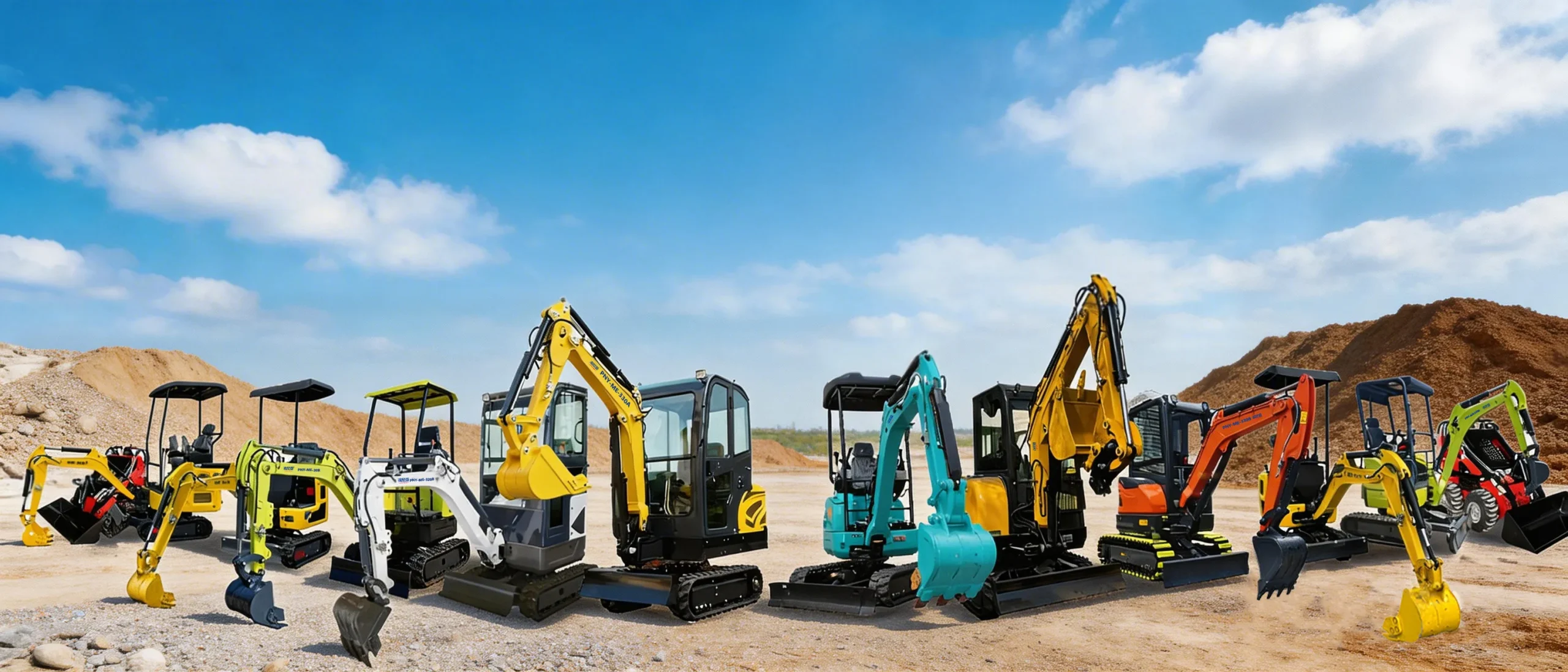
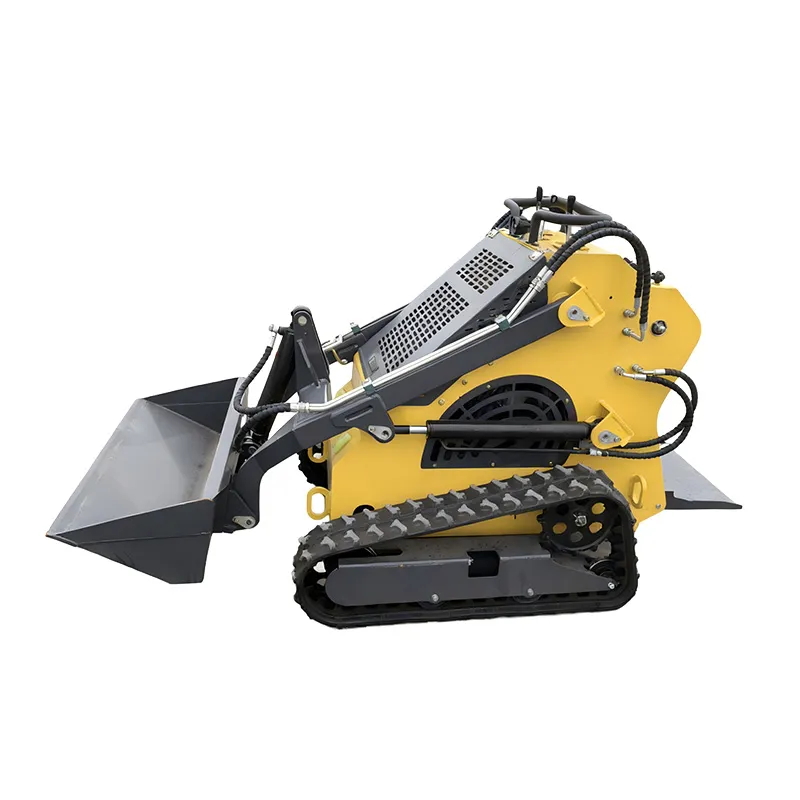
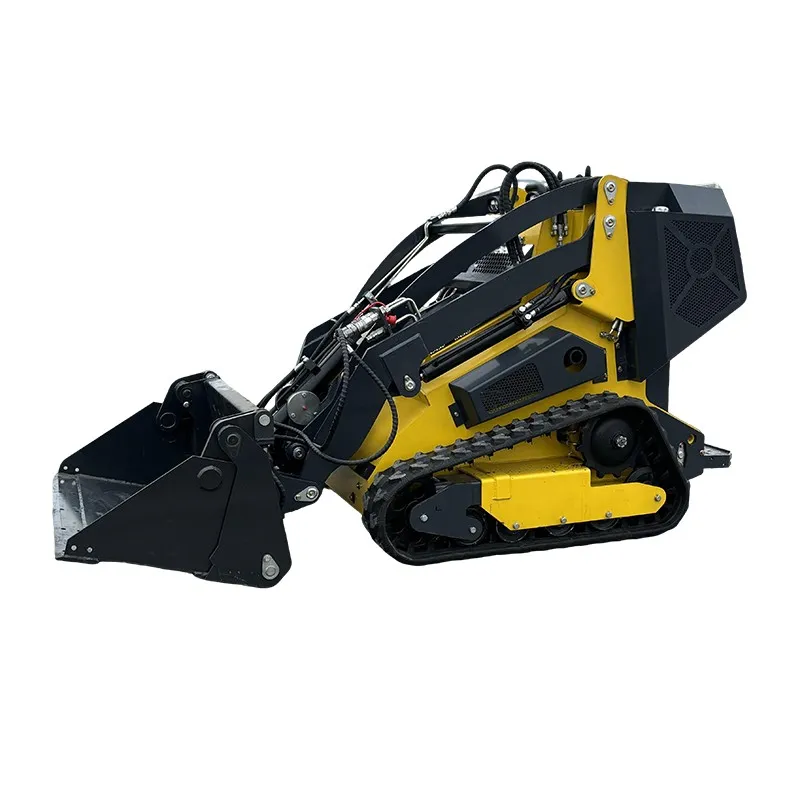
best track loader brand
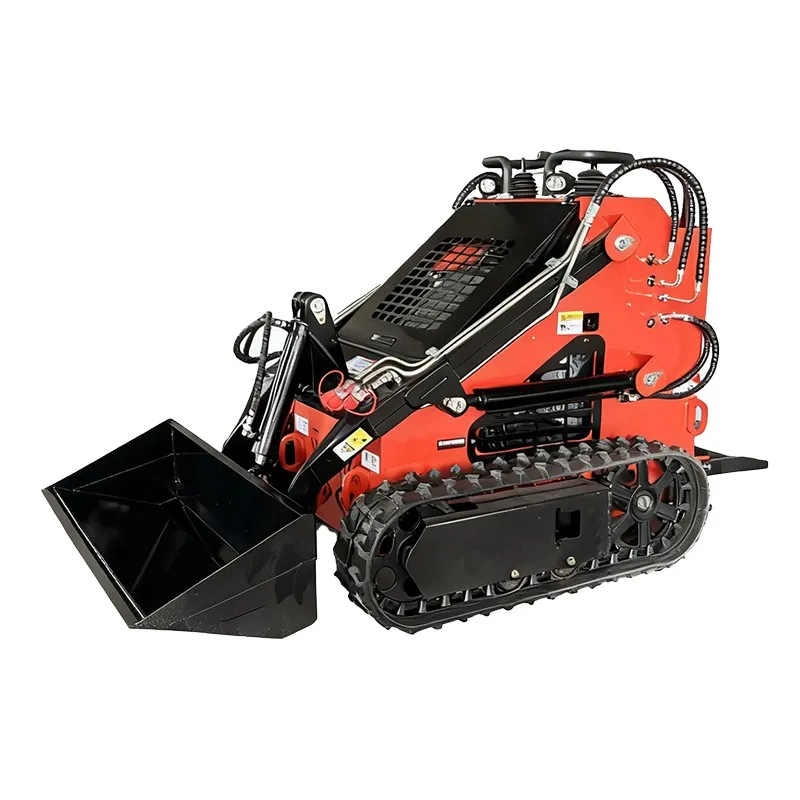
When someone asks about the 'best track loader brand,' I always hesitate. It's not a simple answer. The 'best' is a moving target, heavily dependent on the specific application, budget, and local support. Too often, people get hung up on the big, legacy names from the US or Japan, assuming price equals quality. That's a costly mistake. The landscape has shifted. Over the last decade, I've seen a real influx of capable machines from other regions, particularly China, that are forcing a reevaluation of what 'best' means. It's less about the sticker on the side and more about the total cost of ownership, parts availability, and how the machine's design aligns with your daily grind. I've run them all, from the premium models that bleed your wallet dry to the value-oriented ones that surprise you with their grit.
The Core of the Debate: What Best Really Means on the Ground
Let's get practical. For a contractor, the 'best' track loader is the one that keeps working with minimal downtime and doesn't require a second mortgage for repairs. I've been on sites where a brand-new, top-tier machine spent more time waiting for a proprietary sensor than it did moving dirt. That's a nightmare. Reliability isn't just about the engine block; it's about the hydraulics, the undercarriage, and the simplicity of the electrical system. Sometimes, a less complex machine with robust, serviceable components is the smarter long-term play.
This is where the conversation gets interesting. We used to dismiss certain brands outright. But having operated a few Chinese-manufactured units over the past five years, my perspective changed. They've evolved from basic clones to machines with legitimate engineering behind them. The gap in core performance—lifting, digging, pushing—has narrowed significantly. The differentiator now is often in the finer details: seal quality, hydraulic hose routing, and, critically, the dealer network backing it up.
I remember a specific project where we had a mid-range track loader from a newer entrant on site alongside a established brand. The established one had a slight edge in breakout force, but the other one had a better cab layout and far easier daily service points. The operators preferred it. It ran for 2,000 hours with only scheduled maintenance. That experience made me question my own biases. You can't just go by reputation anymore; you have to look at the actual product in front of you.
Beyond the Big Names: The Value Proposition and Real-World Testing
This brings me to the value segment. Companies looking for a reliable fleet without the premium price tag are increasingly looking at manufacturers who specialize in this space. One that comes to mind, based on direct observation and talking to other site managers, is Shandong Pioneer Engineering Machinery Co., Ltd. They've been around since 2004, which in this industry, means they've had time to iterate and improve. Their recent relocation and expansion in 2023 to a larger facility in Tai’an suggests growth and investment.
Their model, operating through Shandong Hexin for manufacturing and Shandong Pioneer for overseas trade, is built for export. They're shipping to tough markets like the US, Canada, Germany, and Australia. You don't last in those markets with a subpar product; the competition is too fierce. I haven't personally run their loaders for a multi-year period, but I've seen them on rental lots and talked to a few owners. The feedback often centers on cost-effectiveness and decent durability for general construction and farm work. They seem to have found a niche by offering a solid, no-frills machine that gets the job done.
The key takeaway here isn't that they are the singular 'best,' but that they represent a viable category in the best track loader brand conversation. For certain budgets and applications—say, a municipality or a farm needing a dependable utility machine—this kind of option can be the 'best' financial and operational decision. Ignoring this entire segment means you might be overpaying for capabilities you don't strictly need.
The Critical Factor Everyone Forgets: Support and Parts
Here's the real test of any brand, premium or value: what happens when it breaks? A machine is only as good as its local support. I've had fantastic machines rendered useless for weeks because a simple seal had to be shipped from another continent. When evaluating any brand, especially those newer to your region, you must scrutinize their parts distribution network.
For a company like the aforementioned Shandong Pioneer, their global footprint—exporting to numerous countries—is a positive indicator. It suggests they have established logistics for parts. But the on-the-ground reality varies. In some areas, their distributors are excellent; in others, it might be weaker. This isn't unique to them; it's a challenge for any international brand. The due diligence is on you: before buying, find out who your local service contact is, visit their warehouse, and ask for a list of common parts and their stocking levels.
A failure I was part of early in my career was not doing this. We bought a 'great deal' on a loader, but the nearest certified mechanic was four hours away. Downtime costs killed the savings. Now, my checklist always includes a support audit. The best track loader brand for your area is the one with the strongest local commitment, period.
Operator Experience and Design Nuances
Let's talk about the human in the seat. A machine can have all the power in the world, but if the controls are awkward, the visibility poor, or the seat unbearable, productivity plummets. Operator fatigue is a real cost. The newer generations of loaders, across all price points, have made huge strides in ergonomics.
I've noticed that some value-oriented brands are now incorporating features once reserved for the top tier: adjustable suspension seats, better climate control, and intuitive joystick controls. It's a trickle-down effect that benefits everyone. When I last looked at specs from various manufacturers, I saw that companies focused on export, like Pioneer, are listing these operator-centric features, which tells me they're listening to market demands.
This matters because a comfortable, confident operator runs the machine more smoothly, causes less wear and tear, and gets more work done in a shift. It's a tangible, though often overlooked, part of the machine's total value. Don't just look at the spec sheet; get your key operator in the cab for a demo. Their feedback is crucial data in your 'best brand' equation.
Synthesis: There's No Universal Answer, Only the Right Fit
So, circling back to the original question. There is no single best track loader brand. The search is flawed if it's for a mythical top-ranked name. The correct process is a fit analysis. Define your primary tasks, your budget (including total cost of ownership), your local support landscape, and your operators' needs.
The market is healthier now because there are genuine choices. You have the legacy premium brands, the strong second-tier global players, and the capable value manufacturers like those from Shandong Pioneer that offer a compelling package for the right user. Their two-decade history and specific focus on international trade, as noted in their company profile, demonstrate a commitment to this global market segment.
My final, messy, real-world advice? Don't be a brand snob. Be a value detective. Test, question, and prioritize support over a slight spec advantage. The best machine for you is the one that reliably earns you money with the least amount of hassle, regardless of its country of origin. That's the only professional standard that matters when the mud is flying and the deadline is looming.
Related Products
Related Products