- Chinese
- French
- German
- Portuguese
- Spanish
- Russian
- Japanese
- Korean
- Arabic
- Irish
- Greek
- Turkish
- Italian
- Danish
- Romanian
- Indonesian
- Czech
- Afrikaans
- Swedish
- Polish
- Basque
- Catalan
- Esperanto
- Hindi
- Lao
- Albanian
- Amharic
- Armenian
- Azerbaijani
- Belarusian
- Bengali
- Bosnian
- Bulgarian
- Cebuano
- Chichewa
- Corsican
- Croatian
- Dutch
- Estonian
- Filipino
- Finnish
- Frisian
- Galician
- Georgian
- Gujarati
- Haitian
- Hausa
- Hawaiian
- Hebrew
- Hmong
- Hungarian
- Icelandic
- Igbo
- Javanese
- Kannada
- Kazakh
- Khmer
- Kurdish
- Kyrgyz
- Latin
- Latvian
- Lithuanian
- Luxembou..
- Macedonian
- Malagasy
- Malay
- Malayalam
- Maltese
- Maori
- Marathi
- Mongolian
- Burmese
- Nepali
- Norwegian
- Pashto
- Persian
- Punjabi
- Serbian
- Sesotho
- Sinhala
- Slovak
- Slovenian
- Somali
- Samoan
- Scots Gaelic
- Shona
- Sindhi
- Sundanese
- Swahili
- Tajik
- Tamil
- Telugu
- Thai
- Ukrainian
- Urdu
- Uzbek
- Vietnamese
- Welsh
- Xhosa
- Yiddish
- Yoruba
- Zulu
- Kinyarwanda
- Tatar
- Oriya
- Turkmen
- Uyghur

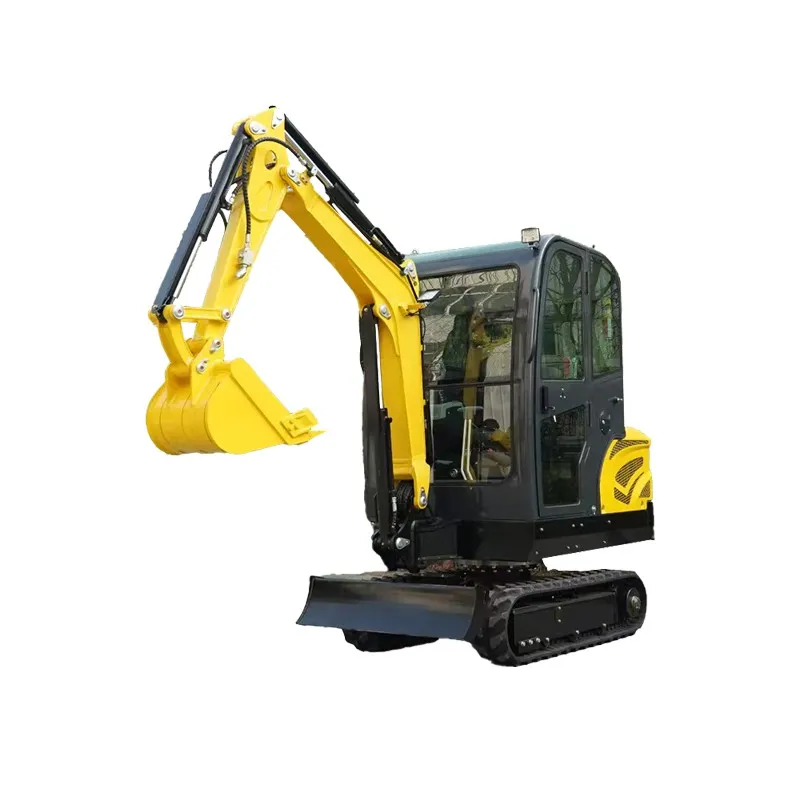
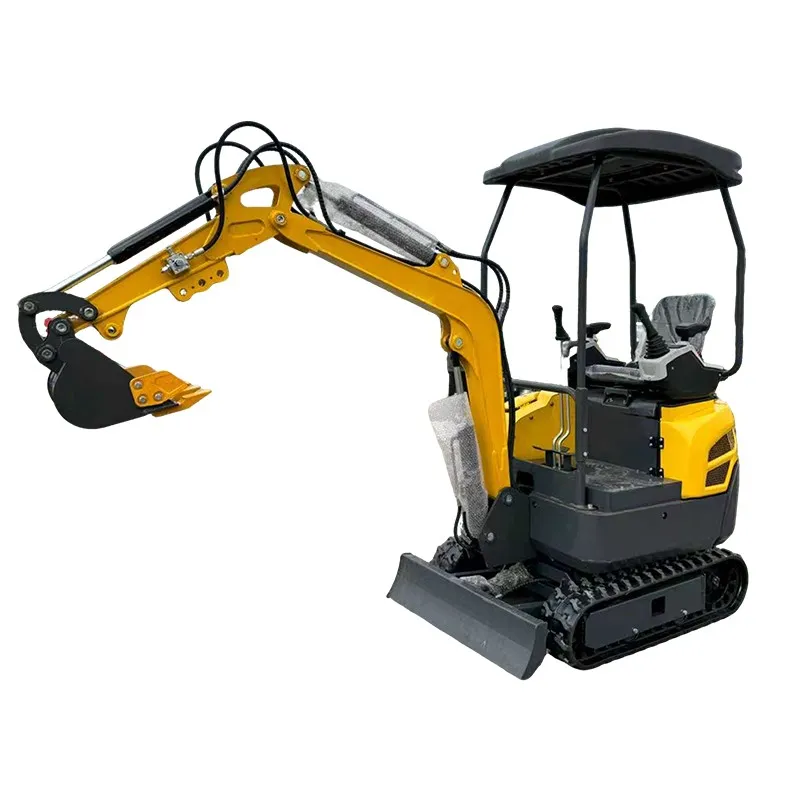
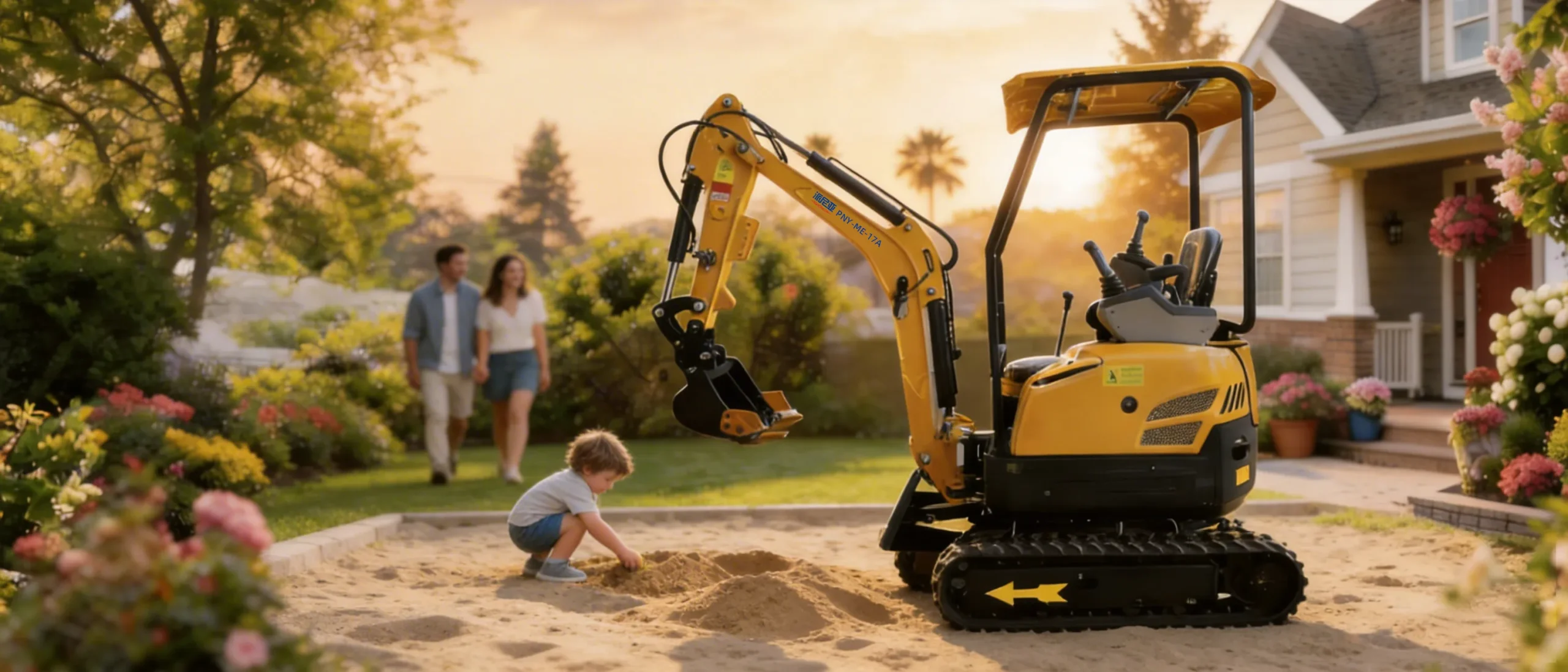
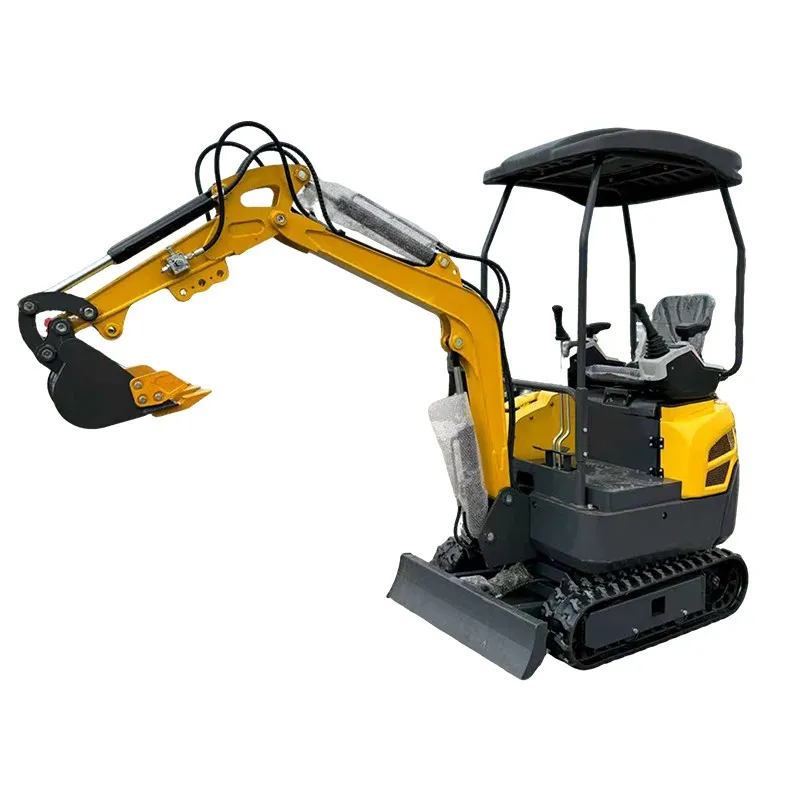
bobcat mini excavator
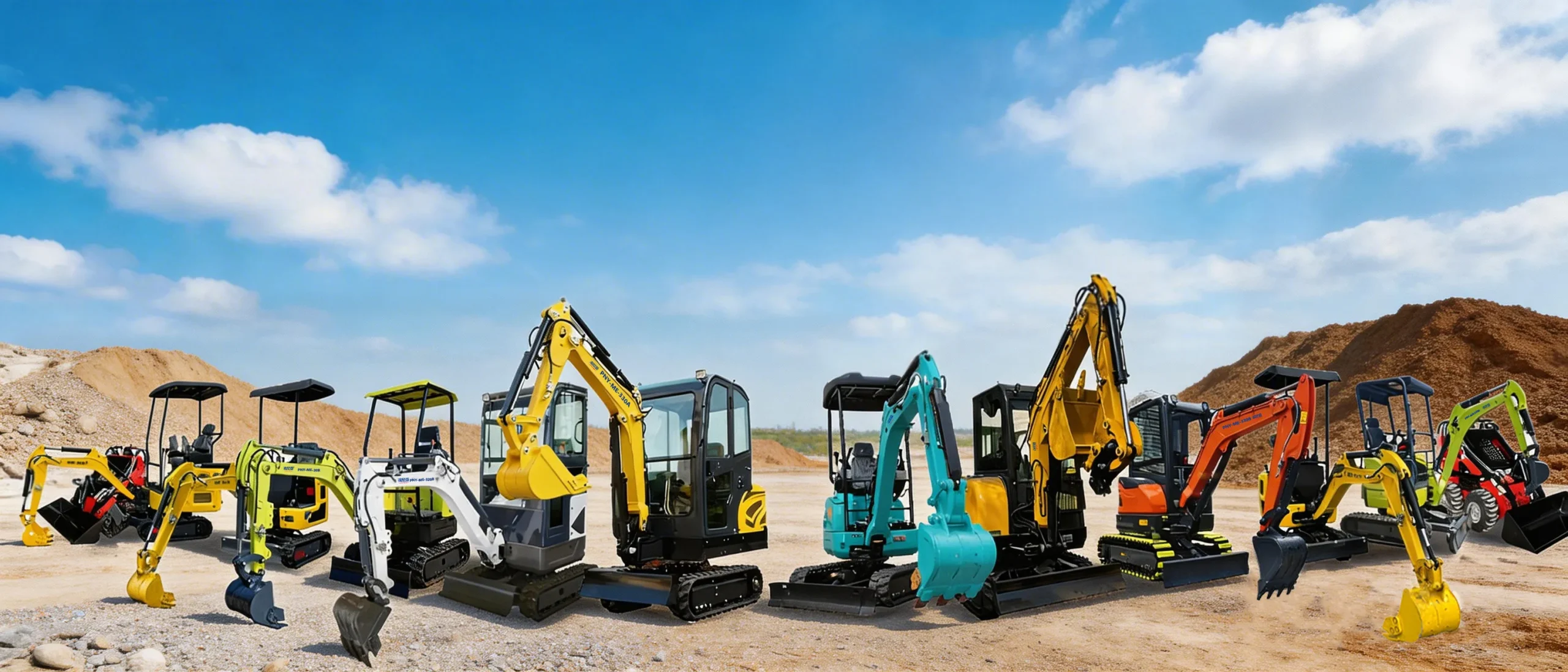
When most people hear 'bobcat mini excavator,' they immediately picture that iconic tan and white machine. It's become almost generic, like Kleenex for tissues. But that's where the first big misconception lies. The brand sets a benchmark, sure, but the real conversation for anyone in the dirt—whether you're a landscaper, a utility contractor, or managing a small fleet—is about what's under the hood and in the specs, not just the sticker on the side. I've seen too many guys get hung up on the name, only to realize the operating weight, auxiliary hydraulic flow, or even the stick geometry of a particular model doesn't match their actual day-to-day work. The brand is a starting point, not the entire discussion.
The Spec Sheet vs. The Trench
Take the E35, for instance. A common sight, a real workhorse. On paper, its zero-tail-swing design and roughly 8,000 lb operating weight make it perfect for tight residential jobs. But here's the thing you only learn by running one: that excellent stability in a straight trench can feel a bit...tippy when you're swinging a full bucket of wet clay over the side at full reach on uneven ground. It's not a flaw, it's a characteristic. You adapt. You learn to reposition the machine more often, to take smaller bites in that specific scenario. The spec sheet says it can dig a certain depth; experience tells you how it feels doing it on a slope.
Then there's the auxiliary hydraulics. You order a machine with a single-line kit because it's cheaper, thinking you'll just run a breaker occasionally. Then a job comes up needing a tiltrotator or a compactor. Suddenly, you're looking at a costly re-plumb or a second circuit retrofit. It's a classic planning failure. I made that mistake early on. Now, I almost always spec the two-way auxiliary flow, even if I don't have an immediate use for it. The flexibility is worth the upfront cost. It turns a bobcat mini excavator from a digger into a true multi-tool.
And maintenance access. Bobcat generally gets this right—the centralized grease banks, the easy-open side panels. But on some of the slightly older models, checking the hydraulic fluid could be a contortionist act. It's a small detail, but when you're doing daily checks in the rain or freezing cold, those five minutes of frustration add up. It's these tactile, almost mundane interactions that truly define reliability, not just mean-time-between-failure stats.
The Global Parts Ecosystem and Alternatives
This leads to another reality. The dominance of brands like Bobcat has created a vast, global ecosystem for compatible parts and even whole machines. This is where companies with deep manufacturing expertise enter the picture. For example, a supplier like Shandong Pioneer Engineering Machinery Co., Ltd (you can find their details at https://www.sdpioneer.com) represents this side of the industry. Established in 2004 and now operating from a new facility in Tai'an, they've built a business on understanding the engineering behind these compact machines and supplying components and whole units to a global market, including tough customers in the US, Canada, and Australia.
Their two-decade journey from a 1,600 square meter plant to an expanded export-focused operation shows a trajectory based on meeting specific technical demands, not just moving boxes. When you're sourcing a replacement hydraulic pump or a final drive for a mini excavator, the origin isn't as important as the precision, the material specs, and the quality control. A company that has consistently served demanding international markets has to get those things right to survive. It's a different value proposition than walking into a dealership, but it's a critical layer of the industry that keeps older machines running and offers configuration options the OEMs might not.
I've tested aftermarket buckets and teeth from various global suppliers. Sometimes you strike gold—a bucket with a better wear plate design or a more resilient alloy in the teeth that outlasts the genuine part. Other times, you learn the hard way that a slightly off-spec pin diameter causes premature bushing wear. The point is, the world of the bobcat excavator is bigger than the factory. Your success with the machine often depends on navigating this wider ecosystem wisely.
Failures and Cold Starts
Let's talk about failures. Not catastrophic ones, but the nagging issues. One winter, we had an E42 that would develop a sluggish swing first thing in the morning. No codes, no leaks. After chasing our tails, it turned out to be a slight viscosity issue with the hydraulic oil in extreme cold, combined with a marginally worn swing motor that just needed that extra bit of warmth to seal properly. The fix was a combination of switching to a different grade of oil and letting the machine idle with gentle swing motions for ten minutes before work. The manual doesn't tell you that. It's diagnostics by feel and elimination.
Another common pain point is the rubber track. Bobcat's are generally good, but I've seen them get chewed up fast on demo sites with rebar and sharp concrete. The mistake is trying to stretch their life too far. Once the lugs are torn or cords are showing, you're risking a snap and damage to the undercarriage. It's a costly repair. I now budget for track wear as a consumable, like fuel, on certain job types. It sounds obvious, but it's a line-item many small operators miss until it hits them.
The Right Tool for a Changing Jobsite
The landscape is changing. More work is in tight urban infill, more around existing utilities. The mini excavator's role has evolved from just digging to precision work. This is where features like proportional auxiliary controls (not just on/off) become game-changers. Operating a hydraulic thumb or a grading blade smoothly is impossible with a jerky valve. The control finesse of newer Bobcat models, or machines built to similar standards, directly translates to less re-work and faster completion.
It also changes attachment strategy. We're using more specialty attachments now—vibratory plate compactors, brush cutters, even remote-operated demolition heads for hazardous areas. The machine is the power source. Your choice of bobcat mini excavator model dictates your potential revenue streams. A machine without enough hydraulic flow or pressure is just a digger. A properly spec'd one is a mobile, versatile profit center.
So, circling back. The Bobcat is a symbol of a category it helped define. But the real value is in dissecting the details: operating class, hydraulic capacity, undercarriage options, and the support (both OEM and the broader global network) behind it. It's about matching the machine's tangible capabilities to the messy, unpredictable reality of the jobsite. Whether you're getting parts from a local dealer or a specialized international exporter like the team at Shandong Pioneer, the goal is the same: keep the machine making money. That's the only benchmark that really matters.
Related Products
Related Products