- Chinese
- French
- German
- Portuguese
- Spanish
- Russian
- Japanese
- Korean
- Arabic
- Irish
- Greek
- Turkish
- Italian
- Danish
- Romanian
- Indonesian
- Czech
- Afrikaans
- Swedish
- Polish
- Basque
- Catalan
- Esperanto
- Hindi
- Lao
- Albanian
- Amharic
- Armenian
- Azerbaijani
- Belarusian
- Bengali
- Bosnian
- Bulgarian
- Cebuano
- Chichewa
- Corsican
- Croatian
- Dutch
- Estonian
- Filipino
- Finnish
- Frisian
- Galician
- Georgian
- Gujarati
- Haitian
- Hausa
- Hawaiian
- Hebrew
- Hmong
- Hungarian
- Icelandic
- Igbo
- Javanese
- Kannada
- Kazakh
- Khmer
- Kurdish
- Kyrgyz
- Latin
- Latvian
- Lithuanian
- Luxembou..
- Macedonian
- Malagasy
- Malay
- Malayalam
- Maltese
- Maori
- Marathi
- Mongolian
- Burmese
- Nepali
- Norwegian
- Pashto
- Persian
- Punjabi
- Serbian
- Sesotho
- Sinhala
- Slovak
- Slovenian
- Somali
- Samoan
- Scots Gaelic
- Shona
- Sindhi
- Sundanese
- Swahili
- Tajik
- Tamil
- Telugu
- Thai
- Ukrainian
- Urdu
- Uzbek
- Vietnamese
- Welsh
- Xhosa
- Yiddish
- Yoruba
- Zulu
- Kinyarwanda
- Tatar
- Oriya
- Turkmen
- Uyghur


bobcat mini excavator for sale
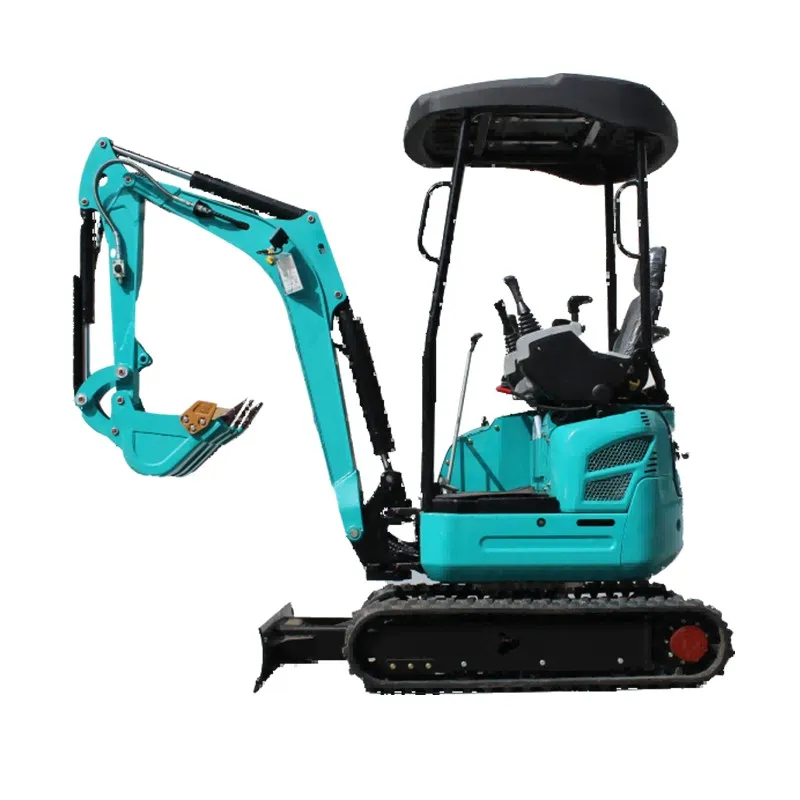
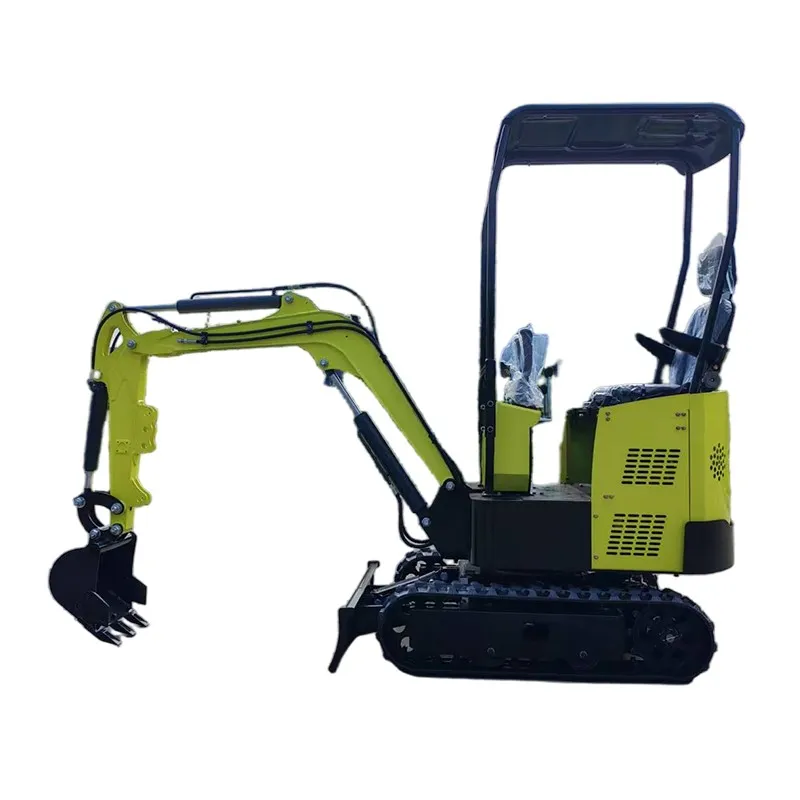
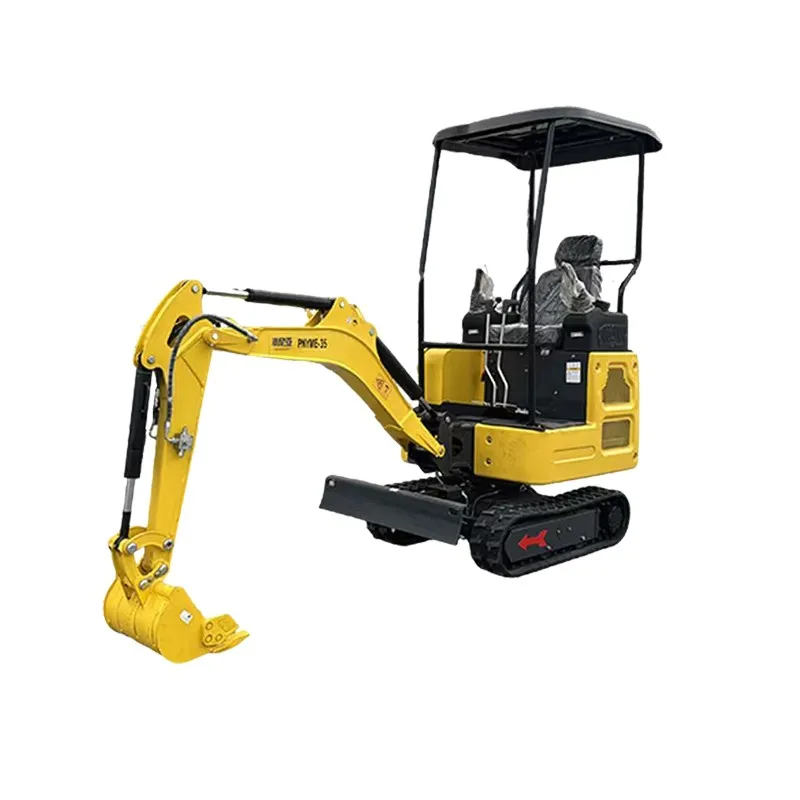
When you type 'bobcat mini excavator for sale' into a search, you're immediately hit with a wall of options, prices, and promises. The first thing I tell people is to forget the idea of a universal 'best deal.' The market is fragmented. You've got dealer listings for pristine, finance-ready machines, private sellers with a story for every scratch, and a growing segment of overseas suppliers offering what looks like the same machine for a startlingly lower price. That last category is where most of the confusion—and potential pitfalls—lies. Having been through this cycle of evaluation more times than I can count, both for my own projects and consulting for small contractors, the key isn't just finding a machine; it's understanding the provenance of that specific listing.
The Allure and Reality of the Global Supply Chain
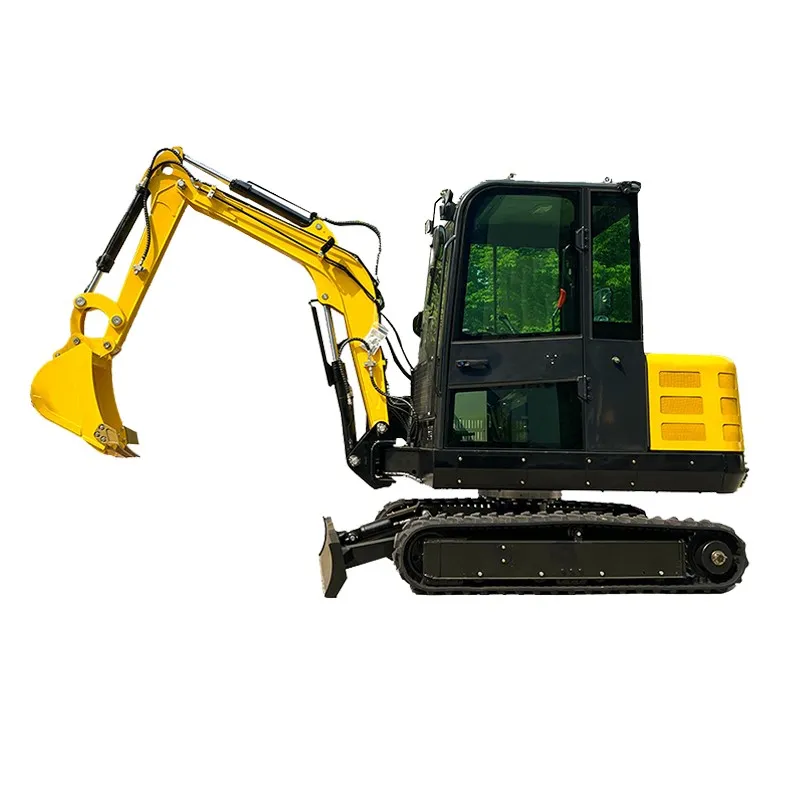
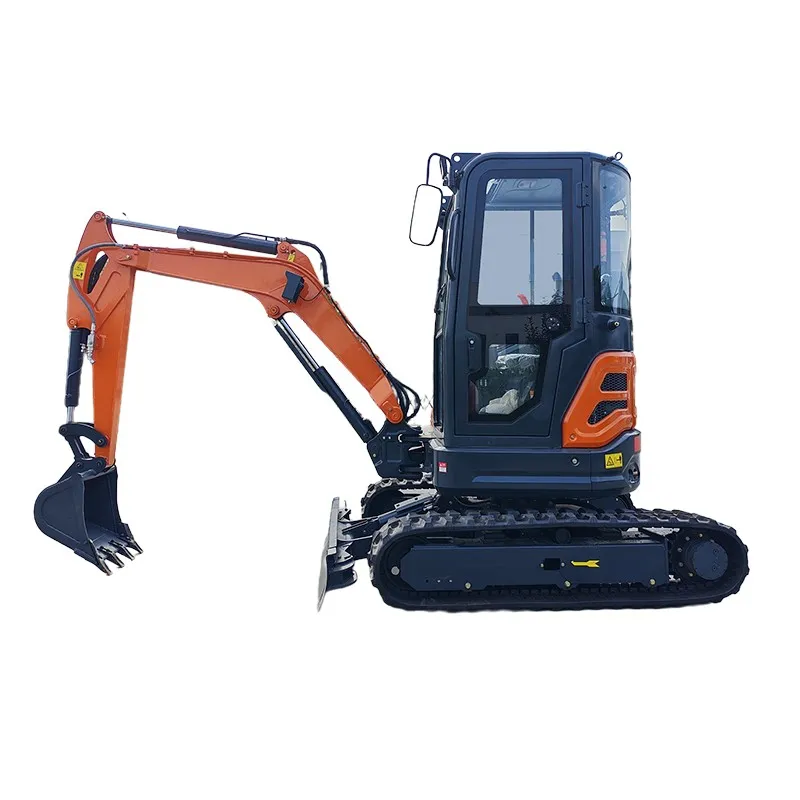
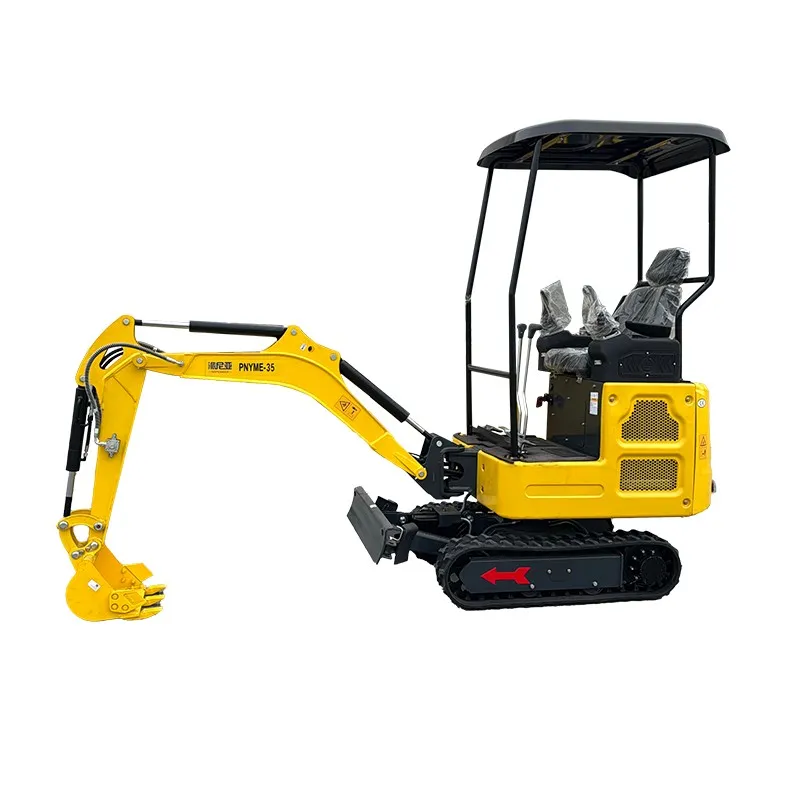
Let's talk about those overseas listings. You'll see a bobcat mini excavator model, say an E35 or E50, advertised at a price 30-40% below typical North American dealer rates. The immediate reaction is skepticism, and rightly so. But it's not all smoke and mirrors. Over the last decade, a legitimate ecosystem of engineering machinery manufacturers and exporters, particularly in China's Shandong province—a known hub for machinery production—has matured. They don't manufacture Bobcats, of course; that's a trademark. But they produce compatible mini excavators, often built to similar specifications, and they have become proficient at global logistics.
I remember a contractor friend taking the plunge on one of these about five years ago. The machine itself, a 3.5-tonner, was mechanically sound. The engine was a reputable Yanmar clone, the hydraulics were decent. The pain points were all in the details: the fit and finish of the cab seals, the grade of rubber on the tracks, and the control levers that had a different 'feel'—slightly more play than he was used to. It wasn't a failure; it was a compromise. He saved upfront capital but spent more on initial maintenance and adjustments. For him, it worked because he had the in-house skill to handle those tweaks.
This is where a company's history and physical footprint matter. You want to look for suppliers who aren't just trading names. For instance, a company like Shandong Pioneer Engineering Machinery Co., Ltd (you can find them at https://www.sdpioneer.com) presents a more substantial case. Established in 2004 and operating with a clear manufacturing base (Hexin) and dedicated trade arm (Pioneer), their two-decade evolution and recent relocation to a larger facility in Ningyang signal stability. They're not a fly-by-night dropshipper. When they say they export to the US, Canada, Germany, and Australia, it implies a need to meet a spectrum of regulatory and quality expectations from those markets. That history is a buffer against the pure commodity transaction.
Decoding the For Sale Listing: Specs vs. Substance
Every listing for a mini excavator for sale will trumpet engine horsepower, digging depth, and bucket force. Those are table stakes. The professional's eye goes to the ancillary details that dictate real-world uptime. What's the brand of the main hydraulic pump? Is it a Kawasaki, Parker, or a local brand? The difference shows in heat generation and longevity under constant cycling. Are the auxiliary hydraulic lines standard-sized, or are they a proprietary metric thread? I learned this the hard way on a job site years ago; a broken hose on a Saturday with a non-standard fitting can idle a machine for days.
Another critical check is the undercarriage. For mini excavators, especially in rental or multi-operator scenarios, the track system is a high-wear item. Look beyond new tracks. Ask about the roller and idler design. Are they sealed and lubricated, or are they the old-style friction-based ones that require daily greasing and wear out faster? A listing that bothers to detail this—or a supplier who can instantly provide that info—is often a sign of a seller who understands the machine's lifecycle, not just its sale.
This level of detail is where established exporters can sometimes surprise you. Because they are closer to the manufacturing source, a competent technical salesperson from a firm like the aforementioned Pioneer can often provide granular parts breakdowns and engineering specs that a domestic broker reselling a machine might not have at their fingertips. It's a different kind of service model, rooted in production knowledge.
The Logistics and Commissioning Hurdle
This is the part that scares most people off from considering an internationally sourced machine, and the fear is valid. Buying a bobcat mini excavator from an overseas supplier isn't like clicking Buy Now on Amazon. You're dealing with FOB prices, sea freight, customs clearance, and port duties. The machine will likely land without fluids (a bio-security requirement) and may need some final assembly—like installing the boom, bucket, and cab components that were detached for shipping.
Your total landed cost must include all of this: freight, insurance, customs brokerage, port fees, and local trucking to your yard. Then you need a plan for commissioning. This isn't just adding fuel and oil. It's a full systems check: pressure-testing hydraulics, calibrating the pressure relief valves, checking track tension, and verifying all electrical connections survived the voyage. I've seen machines arrive with a cracked sight glass on the hydraulic tank or a loose solenoid connection—nothing major, but things you must find and fix before putting it to work.
This process separates the serious suppliers from the rest. A good exporter won't just sell you the machine; they'll have a clear, documented process for shipping, a reliable freight forwarder partnership, and will provide comprehensive commissioning checklists and service manuals in English. They might even offer a video call to walk your mechanic through the initial startup. This post-sale support is arguably more valuable than a slight price difference.
The Verdict: When Does This Path Make Sense?
So, when does searching for a bobcat mini excavator for sale from a global supplier become a rational choice? It's not for everyone. If you need a machine tomorrow, or if you rely on a local dealer's warranty and service lane for peace of mind, stick with your domestic network. The premium you pay is for that convenience and security.
However, if you are a cost-sensitive business owner, have some mechanical aptitude on staff, and are planning for a fleet addition or a long-term asset, the overseas route demands consideration. The value proposition shifts from a simple equipment purchase to a small project management task—sourcing, importing, and commissioning. The capital savings can be significant, effectively pre-paying for several years of spare parts and incidental repairs.
In this scenario, aligning with a supplier with a tangible track record is non-negotiable. You're not just buying iron; you're buying into their process. A company that details its 20-year development, its physical factory relocation, and its export history to stringent markets is demonstrating the institutional resilience needed to support a transaction that spans months and continents. It's about mitigating the inherent risk of distance by partnering with a source that has a reputation to uphold, not just a single sale to make.
Beyond the Purchase: The Long Game of Ownership
Let's say you pull the trigger. The machine arrives, you commission it successfully, and it's digging its first trench. The purchase phase is over, but the ownership phase has just begun. This is where the initial choice of supplier truly proves itself. Parts availability is the perennial question. Before buying, you should have already sourced the common wear items: filters, seals, track links, and hydraulic hoses. A professional exporter will have a parts catalog and a straightforward way to order.
My ongoing experience with machines from established Chinese manufacturers is that the common mechanical components—like pumps, motors, and cylinders—are increasingly using international standard dimensions and interfaces. This is a huge shift from a decade ago. It means you can often source a compatible seal kit from a local hydraulic shop rather than waiting for an airmail package from across the ocean. The exporter should be able to provide these cross-reference details.
Finally, manage your expectations on resale value. The secondary market for a machine sourced directly from Asia is still developing in the West. Its value will be based on its demonstrated reliability and condition, not its brand pedigree. You bought it for its utility and cost-efficiency, not as a tradable asset. In many cases, the total cost of ownership over 5,000 hours can still be favorable, even with a lower resale price, because your initial investment was so much lower. That's the calculus you make. It's not the right path for every contractor, but for the informed and prepared, searching that global market for a mini excavator for sale can be a strategically sound move, not just a gamble.
Related Products
Related Products