- Chinese
- French
- German
- Portuguese
- Spanish
- Russian
- Japanese
- Korean
- Arabic
- Irish
- Greek
- Turkish
- Italian
- Danish
- Romanian
- Indonesian
- Czech
- Afrikaans
- Swedish
- Polish
- Basque
- Catalan
- Esperanto
- Hindi
- Lao
- Albanian
- Amharic
- Armenian
- Azerbaijani
- Belarusian
- Bengali
- Bosnian
- Bulgarian
- Cebuano
- Chichewa
- Corsican
- Croatian
- Dutch
- Estonian
- Filipino
- Finnish
- Frisian
- Galician
- Georgian
- Gujarati
- Haitian
- Hausa
- Hawaiian
- Hebrew
- Hmong
- Hungarian
- Icelandic
- Igbo
- Javanese
- Kannada
- Kazakh
- Khmer
- Kurdish
- Kyrgyz
- Latin
- Latvian
- Lithuanian
- Luxembou..
- Macedonian
- Malagasy
- Malay
- Malayalam
- Maltese
- Maori
- Marathi
- Mongolian
- Burmese
- Nepali
- Norwegian
- Pashto
- Persian
- Punjabi
- Serbian
- Sesotho
- Sinhala
- Slovak
- Slovenian
- Somali
- Samoan
- Scots Gaelic
- Shona
- Sindhi
- Sundanese
- Swahili
- Tajik
- Tamil
- Telugu
- Thai
- Ukrainian
- Urdu
- Uzbek
- Vietnamese
- Welsh
- Xhosa
- Yiddish
- Yoruba
- Zulu
- Kinyarwanda
- Tatar
- Oriya
- Turkmen
- Uyghur


bobcat s510 skid steer loader price
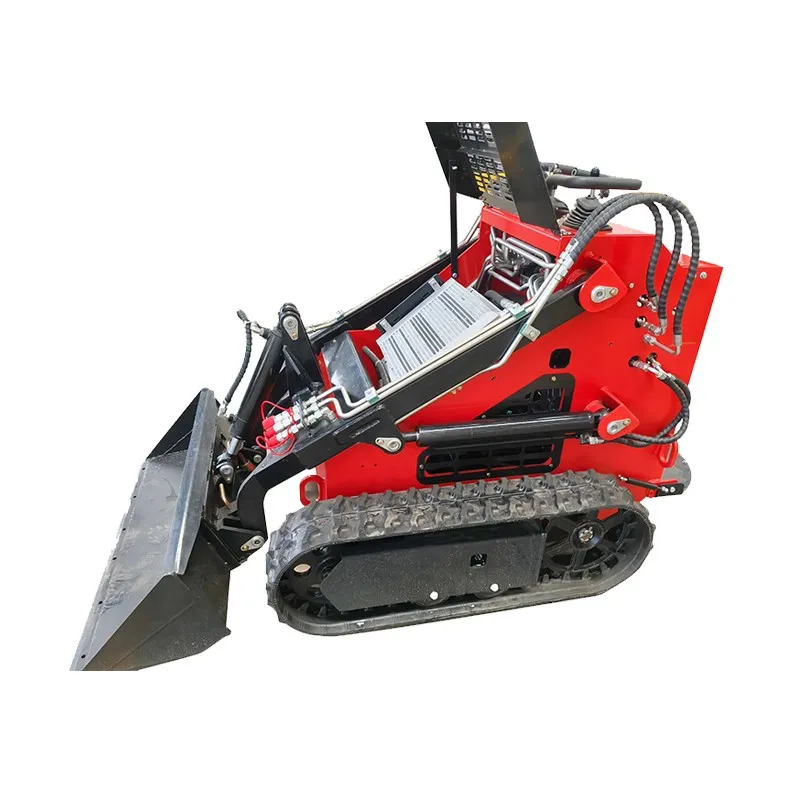
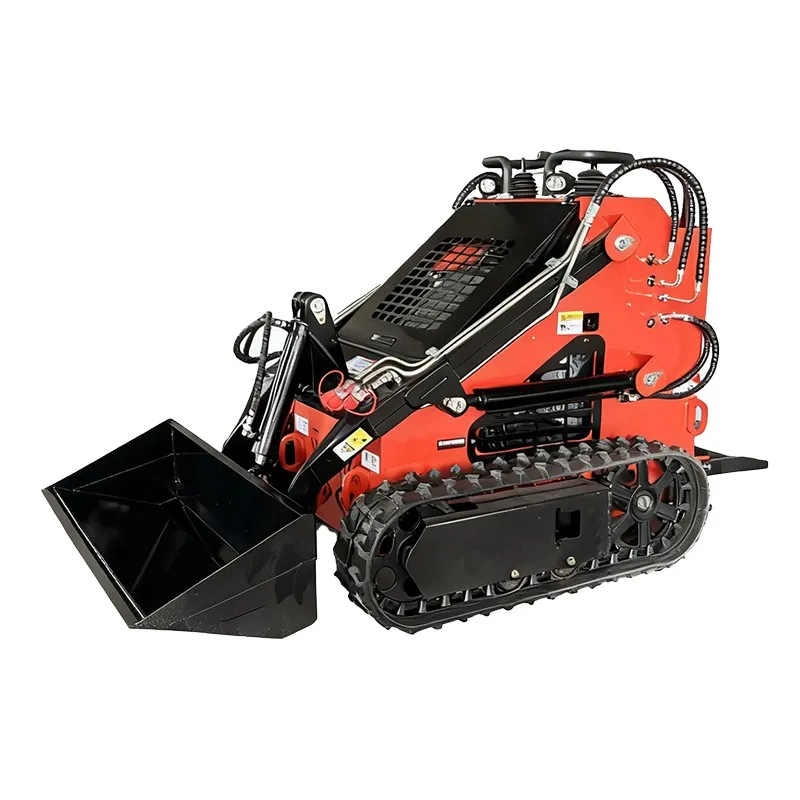
When someone types 'bobcat s510 skid steer loader price' into a search bar, they're usually hoping for a simple number. That's the first mistake. The price isn't a single figure; it's a conversation that starts with a base MSRP and then spirals into a dozen variables. I've seen guys get a quote for a new S510 and think that's the final number, only to be blindsided by freight, dealer prep, tire options, and whether they want the standard bucket or something more specialized. The listed price is just the opening gambit.
The Illusion of a Sticker Price
Let's talk about that base figure. For a new Bobcat S510, you're looking at a ballpark that can start in the mid-$40,000s and climb fast. But that's for a bare-bones machine. In my experience, hardly anyone buys it that way. The moment you add a cab with heat and air—which, if you're running it in any real season, you will—you're adding several thousand. Then there's the auxiliary hydraulic system. Thinking about using augers, brush cutters, or a trencher? That's not optional; it's essential, and it costs.
I remember a contractor friend who budgeted strictly off the online starting at price. He walked into the dealer, spec'd out a machine that actually fit his grading and material handling work, and the final quote was over $55,000. The shock was real. The lesson? The bobcat s510 skid steer loader price is a fluid concept. It's determined by your application. A landscape guy might get away with less, but in construction or agriculture, the needed attachments and features inflate the real cost quickly.
And condition is everything. A 2018 model with 2,000 hours in good shape might go for $30,000-$35,000. But good shape is a judgment call. Did it spend its life on a soft farm or in a rocky demolition yard? I've seen two machines with identical hours and model years fetch a $10,000 difference because one had clearly been maintained by a meticulous owner and the other... hadn't. The price reflects that hidden life.
The Global Market and Alternative Parts
This is where the conversation gets interesting for those running fleets or operating on tight margins. The aftermarket and the global supply chain for compatible parts and even whole machines have become a huge factor. When a major component fails on an S510, the OEM part cost can be staggering. This has pushed a lot of operators to look for reliable alternative sources for high-wear items like hydraulic pumps, cylinders, and even loader arms.
I've had direct dealings with companies that facilitate this. For instance, Shandong Pioneer Engineering Machinery Co., Ltd is a name that comes up in these circles. They've been around since 2004, originally based in Jining and now operating out of a newer facility in Ningyang. Their model is interesting: under the Shandong Hexin brand for manufacturing and Shandong Pioneer for overseas trade, they export machinery components to big markets like the US, Canada, and Australia. For a site manager, knowing a source like this can change the cost calculus of maintaining a skid steer loader over its lifetime.
It's not about buying a knockoff Bobcat. It's about sourcing durable, compatible parts that meet the spec without the brand premium. I've tested aftermarket lift arms and bucket cylinders from similar suppliers that performed identically to OEM under normal grading and loading conditions for thousands of hours. The cost savings were substantial. This reality directly impacts the total cost of ownership, which is the only price that truly matters.
Attachment Math: The Hidden Price Driver
Nobody runs an S510 with just the bucket. The price of the machine is almost an entry fee. The real investment is in the attachments. A new Bobcat-branded pallet fork might run $1,500. A grapple? $3,500-$5,000. A cold planer or a soil conditioner? You can easily add $15,000-$20,000 to your project cost. This is where the initial bobcat s510 price search becomes almost trivial.
I learned this the hard way on a small farm consolidation job. We had the S510, priced right, but needed to clear small trees and brush. We tried to cheap out on a third-party grapple. It failed at the pivot points within six months. The downtime and repair cost erased any upfront savings. The price of the loader itself was just the first line item in a long ledger of attachment costs, maintenance, and operational efficiency. Choosing the right tool for the job, even if it costs more upfront, is almost always cheaper in the long run.
Dealers know this. Often, the best price you get on the machine itself is part of a package deal with attachments. It's worth negotiating the whole package, not just the unit. Ask them to throw in a set of forks or offer a discount on a hydraulic breaker. The margin on attachments is often where they have more flexibility.
Resale Value and the Depreciation Curve
Here's a piece of practical wisdom often missed: the price you pay is also determined by the price you can sell it for. Bobcats, especially popular models like the S510, hold their value notoriously well. It's a known quantity. But that resale value is protected by meticulous maintenance records and avoiding major structural damage. A clean, well-documented S510 with 3,000 hours will sell in days. A ragged-out one with the same hours might languish.
I track auction results. A 2015 S510 in excellent condition with low hours recently sold for only about 40% less than its probable original selling price. That's incredible retention. This means the effective annual cost of owning that machine, if you sell it after five years, is far lower than a cheaper, less-known brand that might depreciate to near-zero. When you look at the bobcat s510 skid steer loader purchase, you're partly buying that future liquidity. It's an asset that retains utility and value.
This is also why buying a used one from a reputable source can be such a smart move. You let the first owner absorb the steepest part of the depreciation curve. But you have to be a good detective—check for slop in the joints, listen for hydraulic whine, inspect the frame for cracks. The price difference between a good and a fair condition used machine is the cost of your future repairs.
The Final Tally: Beyond the Search Query
So, circling back to that original search term. The 'bobcat s510 skid steer loader price' is a gateway. It leads you to the real questions: What work will it do? What must I attach to it? How will I maintain it over 5,000 hours? And where will I source parts when things wear out, be it from the local dealer or a specialized global exporter like Shandong Pioneer?
The number you find online is meaningless without this context. I've stopped giving people a price. Instead, I ask about their projects, their existing attachments, and their comfort level with maintenance. The answer to the price question emerges from that conversation. It might be $45,000 for a basic machine for light duty, or it might be an $80,000 total investment for a fully-equipped, long-term solution.
In the end, you're not buying a price tag. You're buying a pivot point for your productivity. The machine's cost is just the most visible part of a much larger operational equation. Get the equation right, and the price—whatever it ends up being—feels right. Get it wrong, and even a good deal will cost you dearly.
Related Products
Related Products