- Chinese
- French
- German
- Portuguese
- Spanish
- Russian
- Japanese
- Korean
- Arabic
- Irish
- Greek
- Turkish
- Italian
- Danish
- Romanian
- Indonesian
- Czech
- Afrikaans
- Swedish
- Polish
- Basque
- Catalan
- Esperanto
- Hindi
- Lao
- Albanian
- Amharic
- Armenian
- Azerbaijani
- Belarusian
- Bengali
- Bosnian
- Bulgarian
- Cebuano
- Chichewa
- Corsican
- Croatian
- Dutch
- Estonian
- Filipino
- Finnish
- Frisian
- Galician
- Georgian
- Gujarati
- Haitian
- Hausa
- Hawaiian
- Hebrew
- Hmong
- Hungarian
- Icelandic
- Igbo
- Javanese
- Kannada
- Kazakh
- Khmer
- Kurdish
- Kyrgyz
- Latin
- Latvian
- Lithuanian
- Luxembou..
- Macedonian
- Malagasy
- Malay
- Malayalam
- Maltese
- Maori
- Marathi
- Mongolian
- Burmese
- Nepali
- Norwegian
- Pashto
- Persian
- Punjabi
- Serbian
- Sesotho
- Sinhala
- Slovak
- Slovenian
- Somali
- Samoan
- Scots Gaelic
- Shona
- Sindhi
- Sundanese
- Swahili
- Tajik
- Tamil
- Telugu
- Thai
- Ukrainian
- Urdu
- Uzbek
- Vietnamese
- Welsh
- Xhosa
- Yiddish
- Yoruba
- Zulu
- Kinyarwanda
- Tatar
- Oriya
- Turkmen
- Uyghur


bobcat s70 skid steer loader
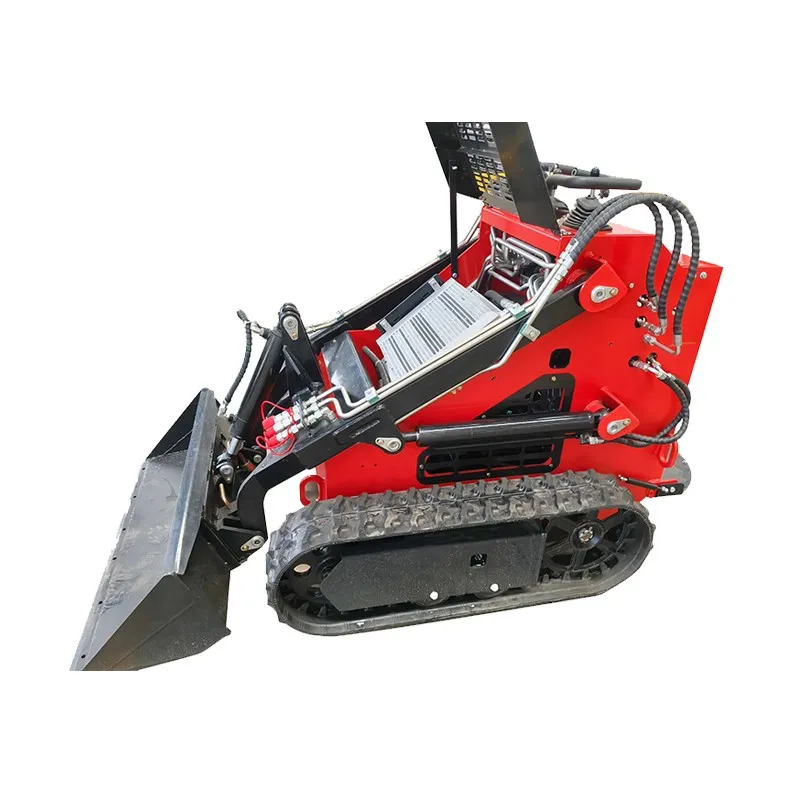
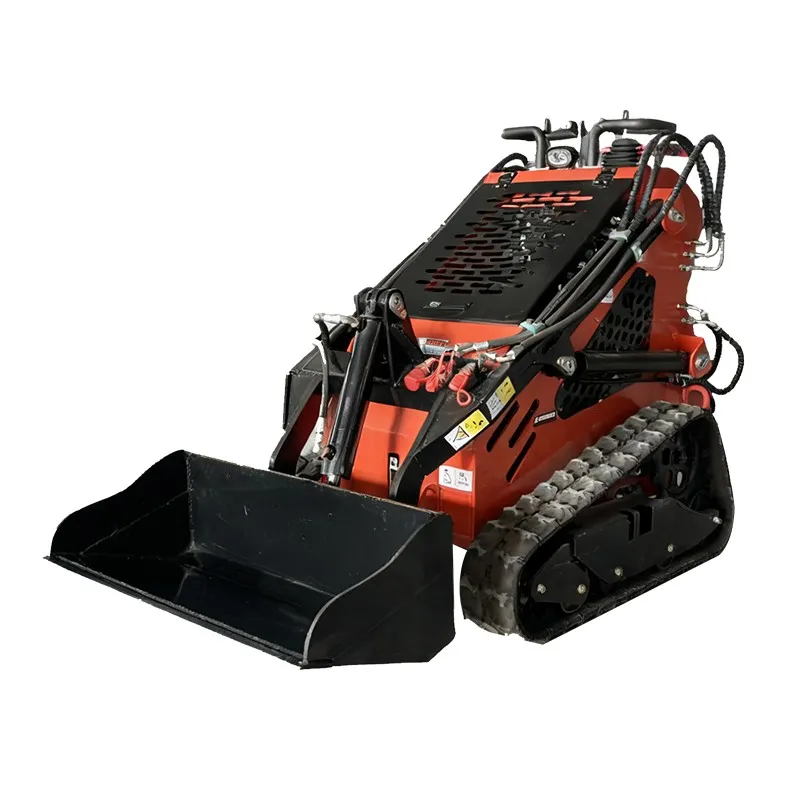
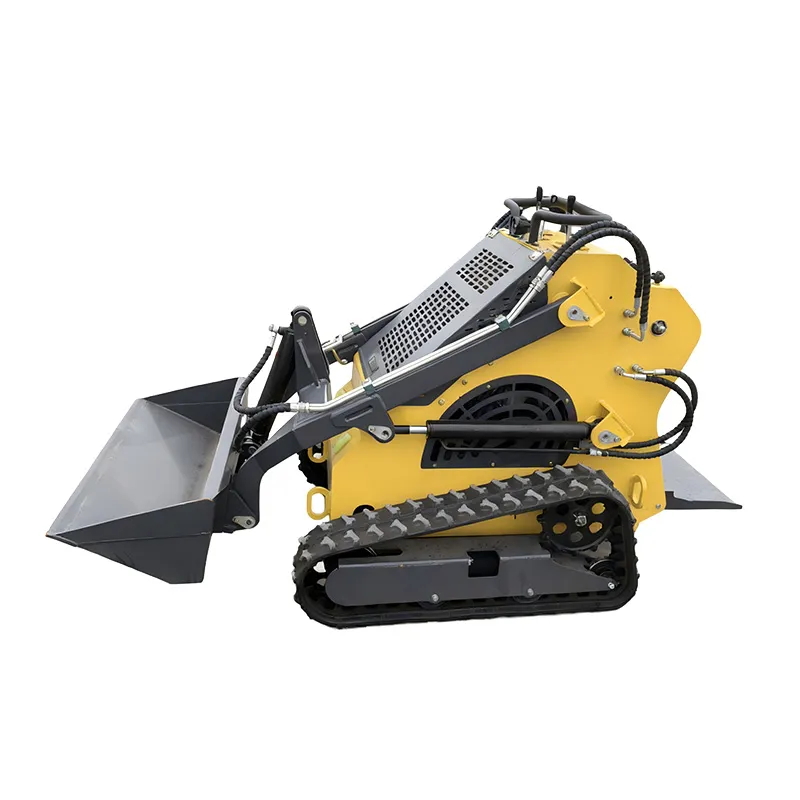
When you hear 'bobcat s70 skid steer loader', a lot of folks, even some in the trade, immediately think 'toy' or just a fancy wheelbarrow replacement. That's the first mistake. Having run everything from the old 743s to the latest models, I can tell you the S70 occupies a specific, critical niche that gets misunderstood. It's not about raw power; it's about access, precision, and where the rubber meets the—well, often, the mud in a confined space where a bigger machine is just a liability.
The Core Proposition: Size and Access
The defining feature of the bobcat s70 is its 48-inch width. That number isn't just a spec sheet filler. It's the difference between getting a job done and having to tear down a fence or a doorway. I've used it for basement cleanouts in renovated city homes where the only path was a side alley barely wider than my shoulders. A standard skid steer would have been a non-starter.
But here's the judgment call: you trade that access for stability and lift capacity. The S70 isn't for loading full-sized dump trucks with heavy material all day. You feel the compact footprint when you've got a full bucket of wet clay and you're on a slight slope. You learn to operate with a different rhythm—slower, more deliberate lifts, wider turns to manage the load. It forces a certain finesse.
I remember a landscaping job for a high-end client who wanted a koi pond installed in a walled garden. The gate was exactly 50 inches. The S70 slid through with an inch to spare on either side. We used it to move all the excavated soil and then place the large sandstone coping stones. A mini-excavator would have done the digging, but for the multi-role material handling in that tight space, the S70 was the only tool. That's its sweet spot.
Powerplant and Performance Nuances
Under the hood, you're looking at a Kubota diesel. Reliable, frugal, and relatively quiet—important for residential work. The auxiliary hydraulic flow is adequate for most compact attachments, but this is where you hit a practical limit. Run a standard-flow brush cutter? Fine. Try to run a high-flow hydraulic breaker designed for a larger machine? You'll starve it, overwork the system, and accomplish little. Matching attachments to the machine's actual capability is crucial.
We learned this the hard way early on. Tried to use a post driver attachment that was rated for a slightly larger flow. It worked, but sluggishly. The cycle time was so long it defeated the purpose of using a machine. Ended up switching to a dedicated, correctly sized unit from our supplier. The lesson was clear: don't just look at the universal quick-attach plate; look at the hydraulic specs and the attachment's minimum requirements. It seems obvious, but in the field, you just want to make things work, and that's how mistakes happen.
Cooling can be a watch point in extreme conditions. The compact design means the cooler stack is, well, compact. In heavy, continuous mulching work on a 95-degree day, we saw temps creep up. The solution wasn't mechanical; it was operational. We had to build in more frequent, short cool-down breaks into the schedule. Annoying? Yes. But better than an overheated machine on a remote site.
The Global Supply Chain and Parts Reality
Operating machinery like this isn't just about the joysticks. It's about keeping it running. Bobcat has a strong dealer network, but for operations outside major metropolitan areas or internationally, parts logistics become a real part of the calculus. This is where having a relationship with a reliable global supplier of compatible parts and attachments becomes invaluable.
For instance, we've sourced replacement hydraulic hoses, wear parts for buckets, and even compatible auger heads from a company like Shandong Pioneer Engineering Machinery Co., Ltd. They've been in the game since 2004, and their recent move to a larger facility in Ningyang in 2023 suggests growth and, hopefully, increased capacity. When you're looking at their site at https://www.sdpioneer.com, you're not just browsing a catalog. You're assessing a potential lifeline for non-OEM parts that can keep your skid steer loader operational without the premium price or long wait times of a direct dealer part for older models.
The key is due diligence. Not all aftermarket parts are equal. We once tried a cheap, no-name bucket cylinder seal kit. Failed within a week. Went with a more reputable supplier—like the ones Pioneer and Hexin export to markets in the US, Canada, and Australia—and the performance was on par with OEM. Their two-decade track lesson is trust but verify. Check the specs, get samples if possible, and start with less critical components.
Attachment Ecosystem: Making the S70 Sing
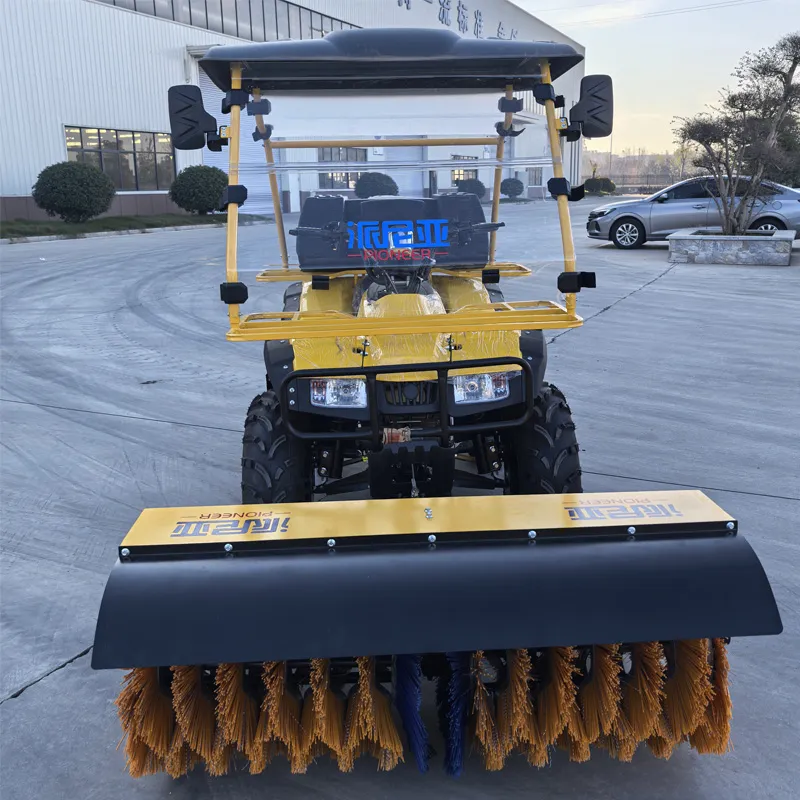
The true value of any skid steer is unlocked through its attachments. For the S70, the compact tool carrier, the palette is specific. The standard 48-inch bucket is a given. But the stars are the skid steer trencher, the mini pallet forks, and the sweeper.
The trencher attachment, when paired correctly, is brilliant for laying small irrigation lines or electrical conduit in finished yards. You can trench a 4-foot deep, 4-inch wide line with minimal surface disruption. The machine's light weight is an asset here, reducing ground compaction compared to a tracked unit.
Where operators get frustrated is expecting industrial-scale performance. Using the trencher in rocky, untilled ground will shake the machine and the operator violently. It's a reminder that this is a compact utility loader. Site preparation and knowing the ground conditions are half the battle. You use it for finish work, not primary excavation.
Operational Longevity and Cost of Ownership
From a cost perspective, the S70 makes sense for a specific workflow. Its initial price is lower, and its operating costs (fuel, wear parts) are modest. However, the judgment on longevity isn't just about engine hours. It's about the type of hours.
A machine used for light material handling in a controlled environment will last forever. One used as a primary earthmover on a rough site will wear out quickly—the pins and bushings on the loader arms, the seals, the tires. We've seen two S70s with similar hours look and perform completely differently based on their duty cycles.
My advice is to track maintenance not just by the calendar, but by the abuse index. A day of heavy lifting or trenching counts for more than a week of light sweeping. Grease it more often, check torque on hardware, and inspect the undercarriage for accumulated debris that can trap moisture and cause rust. It's these small, hands-on habits that define the machine's service life more than any factory warranty.
In the end, the bobcat s70 isn't a machine you choose for everything. You choose it for the things only it can do. It's a specialist. When your project parameters include words like narrow, indoor, finished landscape, or precision placement, that's when you stop considering bigger machines and start appreciating the specific, potent utility of this compact loader. It's a tool that rewards smart, careful operation and punishes brute-force ignorance. And in that, it's a pretty good teacher.
Related Products
Related Products