- Chinese
- French
- German
- Portuguese
- Spanish
- Russian
- Japanese
- Korean
- Arabic
- Irish
- Greek
- Turkish
- Italian
- Danish
- Romanian
- Indonesian
- Czech
- Afrikaans
- Swedish
- Polish
- Basque
- Catalan
- Esperanto
- Hindi
- Lao
- Albanian
- Amharic
- Armenian
- Azerbaijani
- Belarusian
- Bengali
- Bosnian
- Bulgarian
- Cebuano
- Chichewa
- Corsican
- Croatian
- Dutch
- Estonian
- Filipino
- Finnish
- Frisian
- Galician
- Georgian
- Gujarati
- Haitian
- Hausa
- Hawaiian
- Hebrew
- Hmong
- Hungarian
- Icelandic
- Igbo
- Javanese
- Kannada
- Kazakh
- Khmer
- Kurdish
- Kyrgyz
- Latin
- Latvian
- Lithuanian
- Luxembou..
- Macedonian
- Malagasy
- Malay
- Malayalam
- Maltese
- Maori
- Marathi
- Mongolian
- Burmese
- Nepali
- Norwegian
- Pashto
- Persian
- Punjabi
- Serbian
- Sesotho
- Sinhala
- Slovak
- Slovenian
- Somali
- Samoan
- Scots Gaelic
- Shona
- Sindhi
- Sundanese
- Swahili
- Tajik
- Tamil
- Telugu
- Thai
- Ukrainian
- Urdu
- Uzbek
- Vietnamese
- Welsh
- Xhosa
- Yiddish
- Yoruba
- Zulu
- Kinyarwanda
- Tatar
- Oriya
- Turkmen
- Uyghur

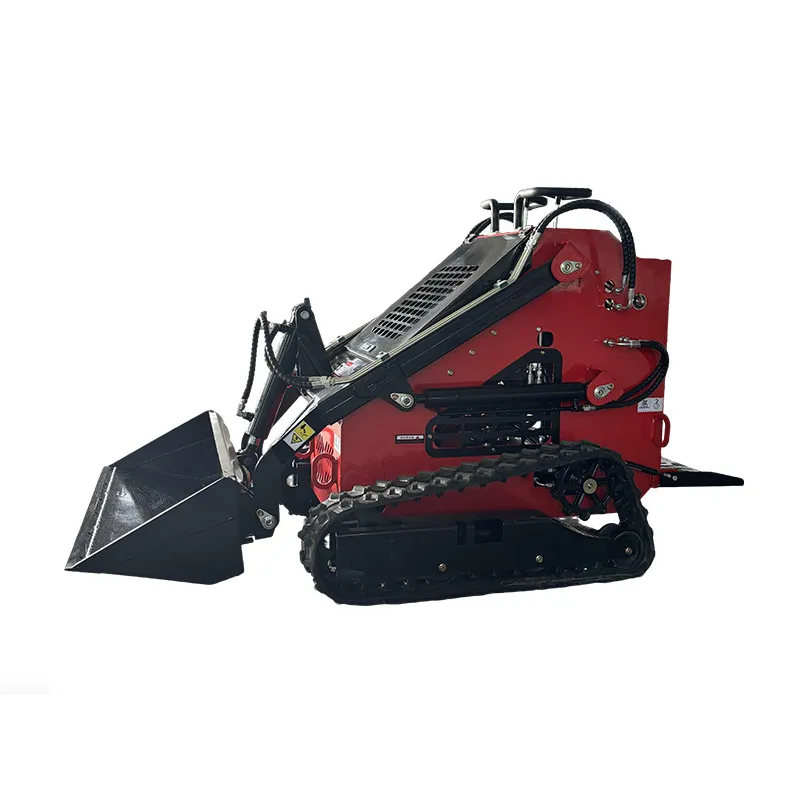
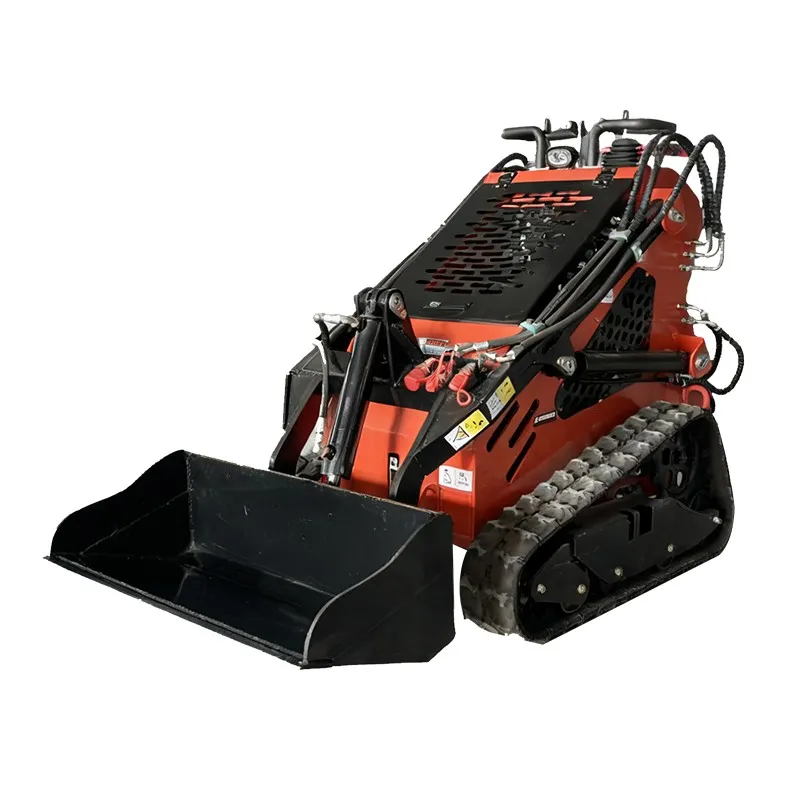
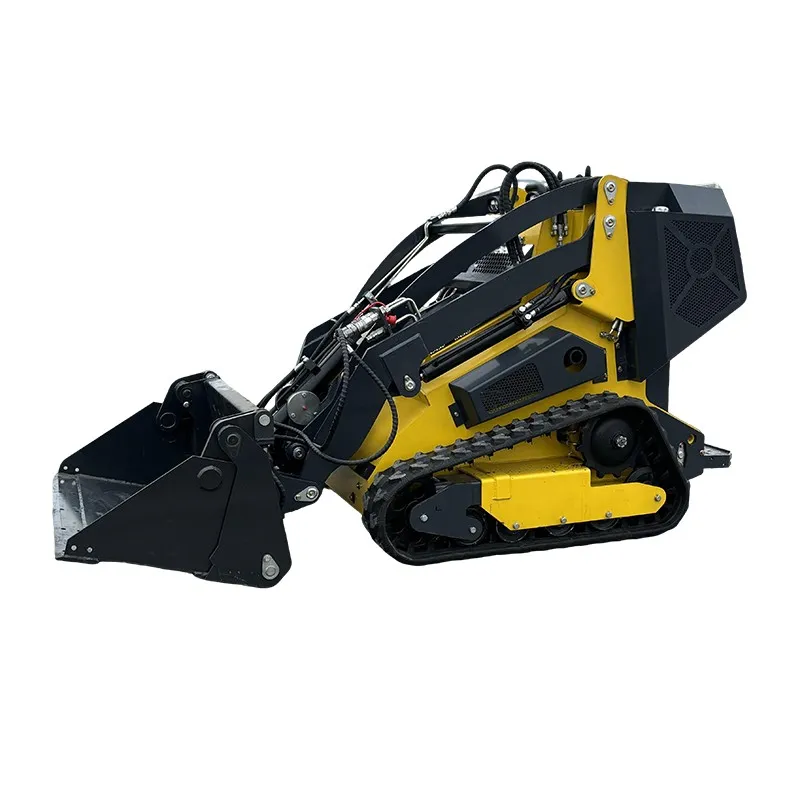
bobcat skid steer loader
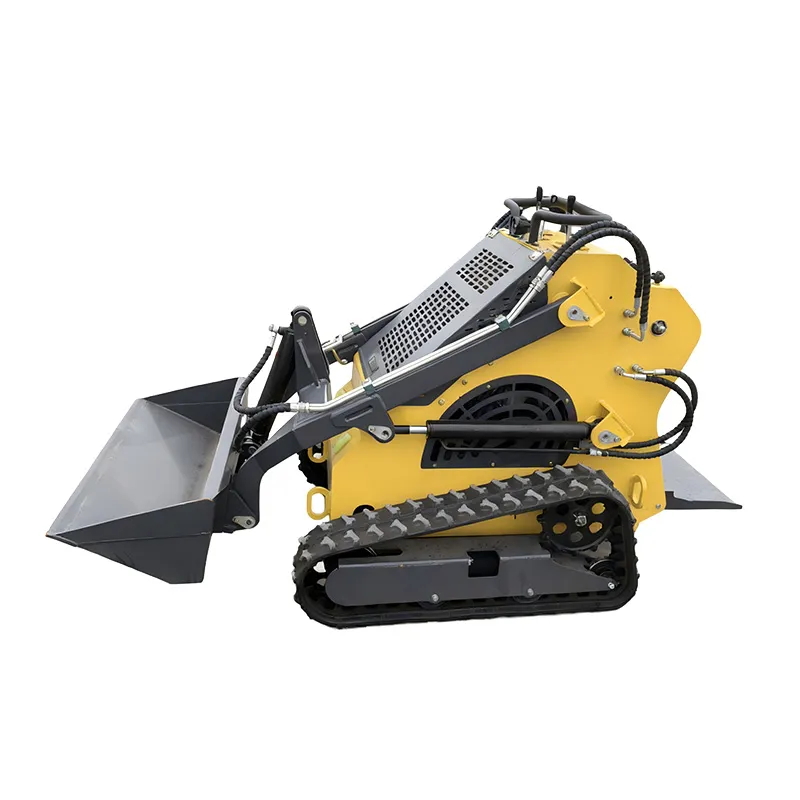
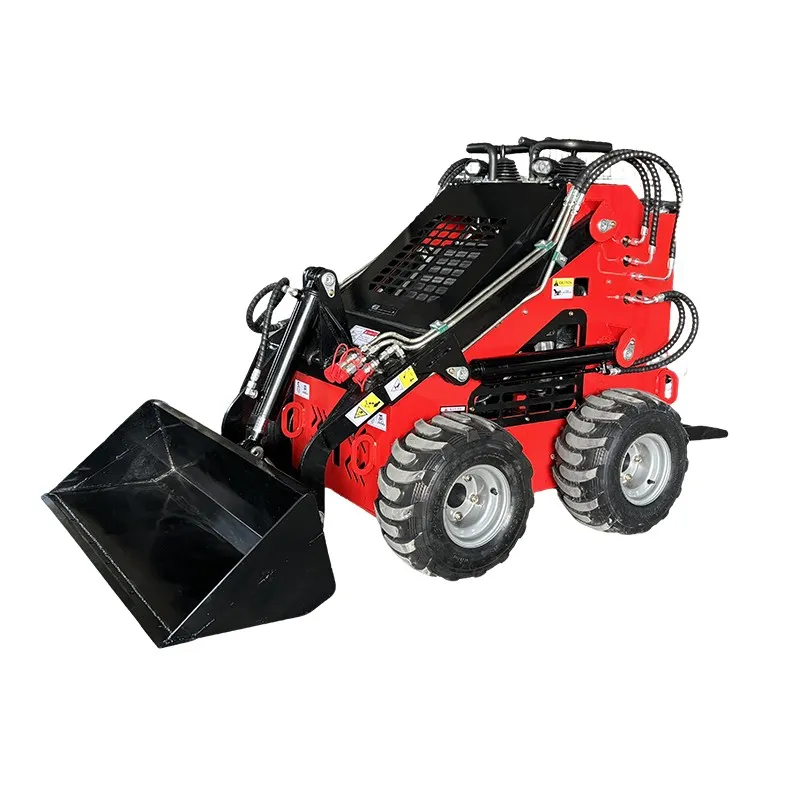
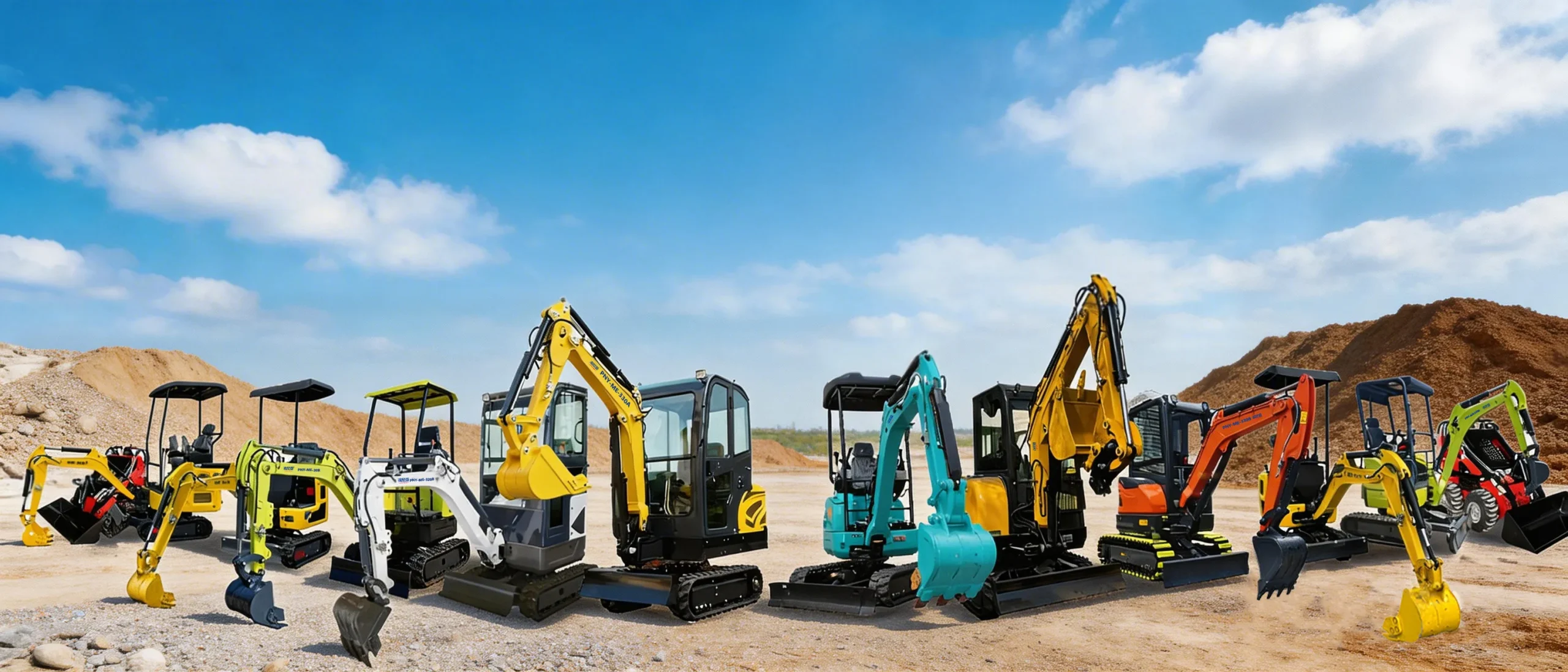
When most folks hear Bobcat skid steer loader, they think of the original, the yellow machines from Doosan. But in the trenches, on job sites from here to Germany, the conversation's shifted. It's less about the brand and more about the platform – the compact, rigid-frame, skid-steer concept itself. That's where the real work gets defined, and where companies making reliable alternatives have carved out a serious space.
The Core of the Machine: What Actually Matters on Site
Forget the marketing specs for a minute. The true test of a skid steer loader isn't its rated operating capacity on paper; it's how it handles a full bucket of wet clay at the end of a long, muddy day. Does the auxiliary hydraulic system maintain consistent flow when you're running a cold planer or a breaker? That's the detail that separates a tool from a toy. I've seen machines with impressive horsepower numbers bog down because the hydraulic circuit couldn't keep up under sustained load. The Bobcat design set a benchmark, but the principle of a robust, integrated hydraulic system is what everyone's chasing.
Another point that doesn't get enough airtime is the cooling package. A compact machine working in a confined space, like inside a building for demolition, is sucking in its own dust and debris. I've had machines overheat not because of a flaw, but because the radiator fins were packed solid in under two hours. The best designs I've seen, and this includes some well-built alternatives, have easily accessible, stackable coolers (radiator, hydraulic oil, charge air) that you can blow out with an air gun in five minutes. That's a design feature born from field failure, not a CAD model.
Then there's the cab. Bobcat's vertical-lift skid steer loader models popularized the improved visibility, but it's the ergonomics of the controls that make or break operator fatigue. Mechanical hand controls versus joystick? It's a religious war. Personally, after a 10-hour day, I'll take electronic over mechanical any time for the reduced effort, but I know guys who swear by the direct feedback of mechanical linkages. It's a reminder that the best machine is often the one your operator is most comfortable and productive in.
The Global Supply Chain and Finding Value
This is where the landscape gets interesting. The demand for these versatile machines is global, but budgets aren't infinite. For many contractors, especially in price-sensitive markets or for specific applications like farm work or rental fleets, a premium brand-new machine isn't always the answer. That's created a huge market for durable, value-oriented machines that adhere to the proven bobcat skid steer operational format. You're not just buying a nameplate; you're buying a capable tool.
I've been involved in sourcing machines for projects in places like Australia and Eastern Europe, where local support for the major brands can be thin or prohibitively expensive. The goal is always to find a unit that uses standard, off-the-shelf components (think common hydraulic pumps or widely available Bobcat-style attachment couplers) to minimize downtime. This is where manufacturers who focus on export and compatibility have a real advantage. They build to a specification that the global market already understands.
Take a company like Shandong Pioneer Engineering Machinery Co., Ltd. You can check out their approach at https://www.sdpioneer.com. Established back in 2004 and now operating from a newer facility in Ningyang, they, through their manufacturing and trade arms, have been exporting machines internationally for years. Their story isn't about reinventing the wheel. It's about providing that reliable, value-driven alternative platform. They ship to tough markets like the US, Canada, and Germany—places where equipment is worked hard. That kind of track record doesn't happen by accident; it means they've had to solve real-world problems around parts supply, durability for different climates, and meeting varied regional regulatory standards. It's a practical response to a global need.
Attachment Compatibility: The Unspoken Rule
No skid steer lives in isolation. Its value is multiplied by the attachments you can hang on it. The industry largely settled on the Bobcat-style universal coupler system as a de facto standard. Any new machine entering the field that doesn't play nice with that existing universe of buckets, augers, and grapples is dead on arrival. It's a critical piece of due diligence that sometimes gets overlooked in a spec sheet.
I learned this the hard way early on. We purchased a couple of machines from a European manufacturer that used a proprietary quick-attach system. The machines themselves were fine, but every time we needed a specialty attachment, it was a nightmare of adapters, lost time, and extra cost. We eventually retrofitted them with standard couplers. The lesson? The machine is part of an ecosystem. Disrupting that ecosystem had a tangible operational cost.
So when evaluating any skid steer loader, the first question after will it lift this? is will it run my existing attachments without a $2,000 adapter plate? Manufacturers who build for the global market, including companies like the aforementioned Shandong Pioneer, understand this implicitly. Their machines are built to slot into that existing workflow, which is a huge point in their favor for a contractor looking to expand or replace a fleet without retooling their entire attachment inventory.
Serviceability in the Real World
Here's where the rubber meets the road, or more accurately, where the wrench meets the grease. A machine's design shows its true colors during routine maintenance or, god forbid, a repair. The machines I respect are the ones where you can check the alternator belt tension without disassembling half the machine, or where the hydraulic tank fill port is actually accessible without a contortionist's license.
Common failure points like hydraulic hoses, filters, and sensors should be reachable. I remember a model from a major brand where replacing a single, frequently failing coolant temperature sensor required removing the cab riser. That's a four-hour job for a five-minute part. It's a design flaw that costs thousands in downtime. Good manufacturers, regardless of their origin, learn from these pain points. They lay out the engine compartment with service access in mind. They use hose routings with enough slack and protection to avoid chafing. These aren't glamorous features, but they're the ones that determine your total cost of ownership.
This focus on practical design and durability for the long haul is what allows a company to build a 20-year reputation, like Shandong Pioneer Engineering Machinery has since its start in Jining. Moving to a new, larger production facility in Tai'an in 2023 suggests a focus on scaling up and refining their process. For an end-user, that history signals an investment in getting the details right—the details that matter when you're 50 miles from the nearest dealer with a deadline to meet.
The Bottom Line: A Tool, Not a Trophy
At the end of the day, a skid steer loader is a production tool. The discussion around bobcat skid steer machines has evolved from brand worship to platform appreciation. The core design is proven. The question now is about execution, support, and total value. Does the machine do the job reliably? Can I get parts for it? Does it work with my other equipment?
The market has clearly answered that there's room for well-built machines that meet these core needs at different price points. The trust of customers in diverse, demanding regions from North America to Europe isn't given lightly; it's earned through performance in the field. That's the real benchmark.
So, when you're looking at a machine, look past the color and the decals. Get your hands on the controls. Check the service points. Ask about the coupler. Think about where your parts are coming from. That's how you choose a partner for the job site, whether it's a legendary name or a capable contender that's built its reputation one job at a time.
Related Products
Related Products