- Chinese
- French
- German
- Portuguese
- Spanish
- Russian
- Japanese
- Korean
- Arabic
- Irish
- Greek
- Turkish
- Italian
- Danish
- Romanian
- Indonesian
- Czech
- Afrikaans
- Swedish
- Polish
- Basque
- Catalan
- Esperanto
- Hindi
- Lao
- Albanian
- Amharic
- Armenian
- Azerbaijani
- Belarusian
- Bengali
- Bosnian
- Bulgarian
- Cebuano
- Chichewa
- Corsican
- Croatian
- Dutch
- Estonian
- Filipino
- Finnish
- Frisian
- Galician
- Georgian
- Gujarati
- Haitian
- Hausa
- Hawaiian
- Hebrew
- Hmong
- Hungarian
- Icelandic
- Igbo
- Javanese
- Kannada
- Kazakh
- Khmer
- Kurdish
- Kyrgyz
- Latin
- Latvian
- Lithuanian
- Luxembou..
- Macedonian
- Malagasy
- Malay
- Malayalam
- Maltese
- Maori
- Marathi
- Mongolian
- Burmese
- Nepali
- Norwegian
- Pashto
- Persian
- Punjabi
- Serbian
- Sesotho
- Sinhala
- Slovak
- Slovenian
- Somali
- Samoan
- Scots Gaelic
- Shona
- Sindhi
- Sundanese
- Swahili
- Tajik
- Tamil
- Telugu
- Thai
- Ukrainian
- Urdu
- Uzbek
- Vietnamese
- Welsh
- Xhosa
- Yiddish
- Yoruba
- Zulu
- Kinyarwanda
- Tatar
- Oriya
- Turkmen
- Uyghur


bobcat skid steer loader price
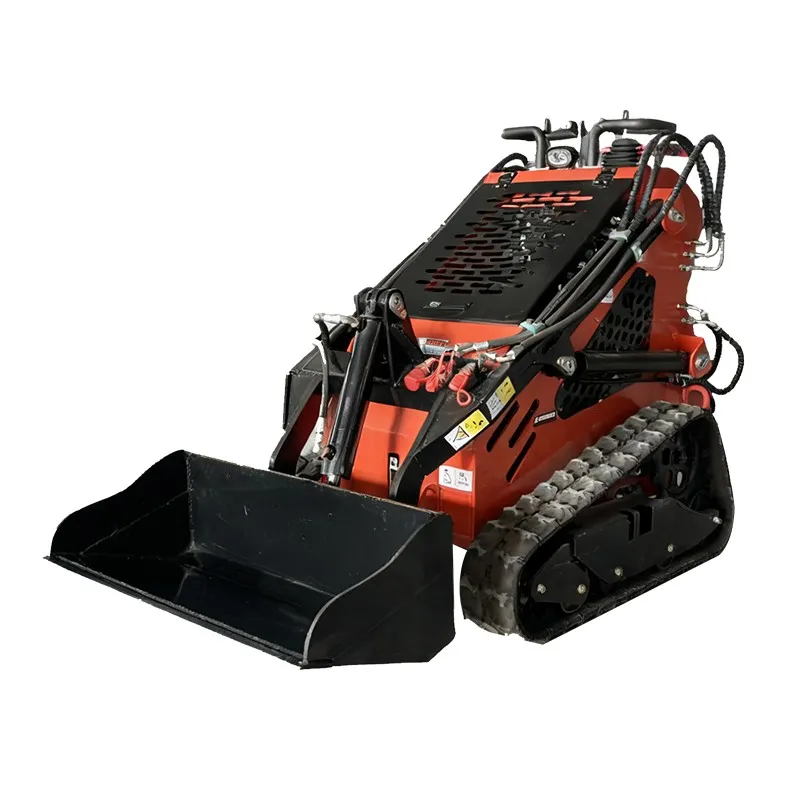
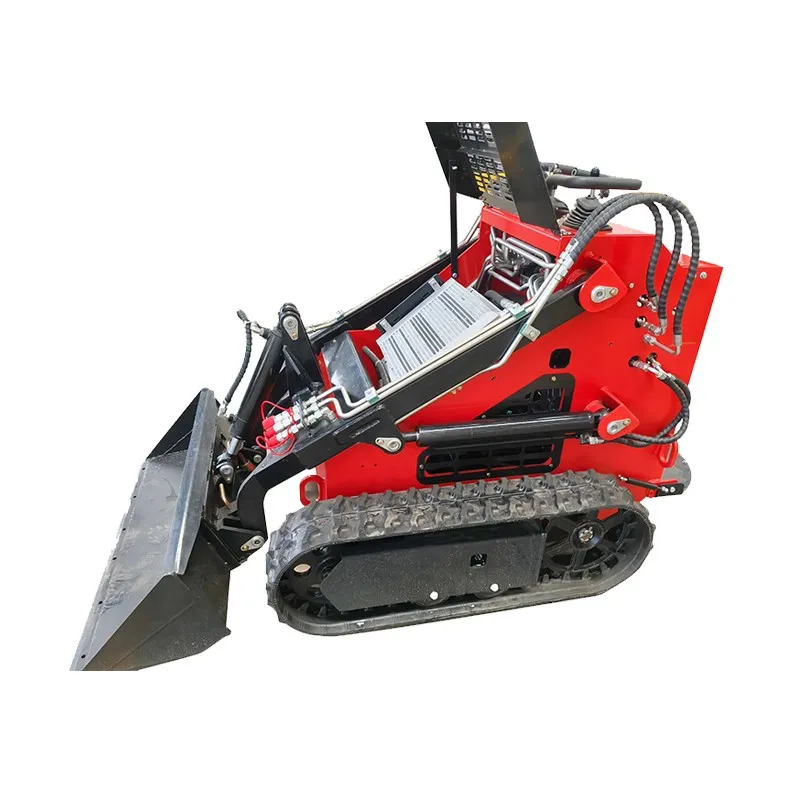
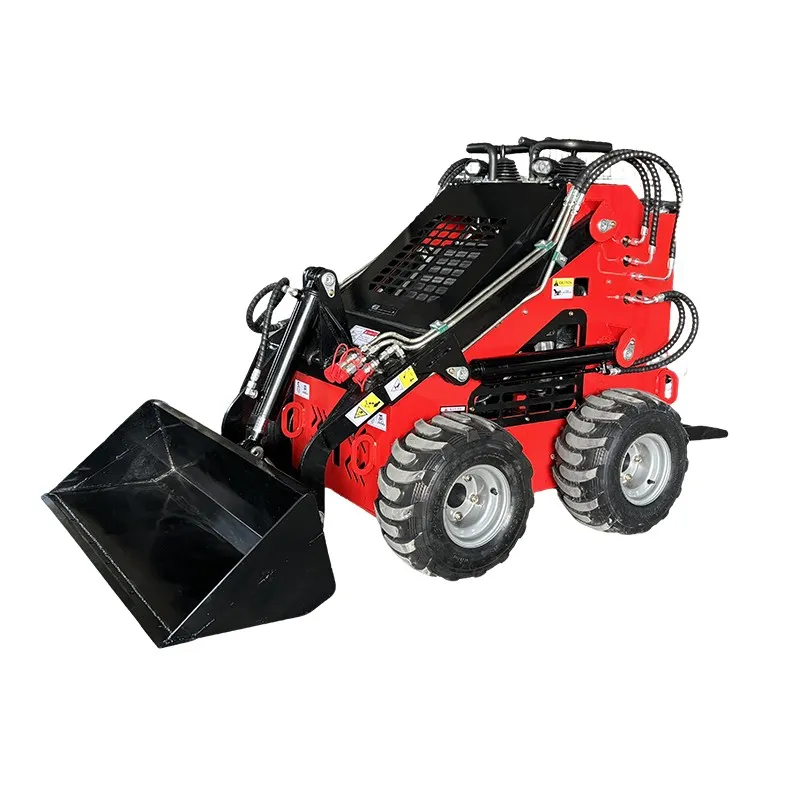
When someone types 'bobcat skid steer loader price' into a search bar, they're usually hoping for a simple number. I get it. But if you've been in this business long enough, you know that number is almost meaningless without context. It's like asking for the price of a truck—are we talking a used Ford Ranger or a new Peterbilt? The range is enormous. A lot of guys, especially new contractors or those branching into a new scale of work, get fixated on the sticker price from the first dealer website they see. That's the first mistake. The real conversation starts when you peel back the layers: model year, engine hours, auxiliary hydraulics, tire type, and, crucially, whether you're looking at a domestic sale or an import from a global supplier. The latter is a whole different ballgame with its own cost structure and value proposition.
The Illusion of a Single Price Tag
Let me break down a typical scenario. A client calls, says they need a skid steer for a landscaping project and their budget is around $30,000. Immediately, my mind doesn't jump to a specific model. I think about application. Is it for mulch and dirt, or will it need a breaker attachment for light demolition? That dictates whether a standard-flow or high-flow hydraulic system is needed, which can swing the bobcat skid steer loader price by $8,000 to $15,000 on a new machine. For a used one, condition is everything. I've seen two S770 models from the same year, one with 1,200 hours selling for $45k and another with 3,000 hours going for $28k. The cheaper one had worn-out tires, a sloppy joystick, and the smell of burnt hydraulic fluid—a money pit waiting to happen. The price difference wasn't a bargain; it was a prelude to repair bills.
Then there's the geography of price. A machine in the Midwest, where there's a ton of agricultural use, might be priced differently than the same model on the East Coast. Auctions, dealer markups, and even the season affect it. In early spring, prices firm up. Everyone's getting ready for work. You might find a better deal in late fall, but the inventory is picked over. It's never just a number.
This is where the global market comes in, and it's a perspective often missed. A company I've followed, Shandong Pioneer Engineering Machinery Co., Ltd, operates in this space. They're not selling Bobcats per se, but their two-decade journey from a 1,600 square meter facility in Jining to a new base in Ningyang speaks to the scale of manufacturing and export in this sector. When they, through their manufacturing arm Shandong Hexin, export to places like the U.S. or Australia, they're part of a supply chain that indirectly influences the secondary market and parts availability for all brands, including Bobcat. Their existence underscores that the skid steer loader market is fiercely competitive and global, which ultimately applies pressure on pricing tiers across the board.
New vs. Used: The Real Cost Calculus
So, you're set on a Bobcat. Good choice, they're the benchmark. But new or used? A brand-new S66 might list for, say, $55,000. That gets you a warranty, the latest emissions-compliant engine, and peace of mind. But that's not the out-the-door price. Freight, dealer prep, tax—add another 10-15%. Now compare that to a three-year-old T66 with 2,000 hours for $35,000. The immediate savings are huge. However, you must factor in the risk. What's the service history? Were the fluids changed on time? I learned this the hard way early on. Bought a well-maintained 2008 S330. The price was right. Six months in, the charge pump failed. The downtime and repair cost wiped out the entire savings versus financing a newer model. It was a brutal lesson in total cost of ownership.
Financing further complicates the bobcat skid steer loader price question. A low monthly payment on a new machine might look attractive compared to a lump sum for used. But over 60 months, you're paying a premium in interest. Sometimes, if cash flow allows, buying a solid used machine outright is the better financial move, even if the initial price seems high. It's asset-heavy, debt-light. Other times, if the machine is your primary revenue generator, the warranty and reliability of new are worth the premium. There's no universal answer.
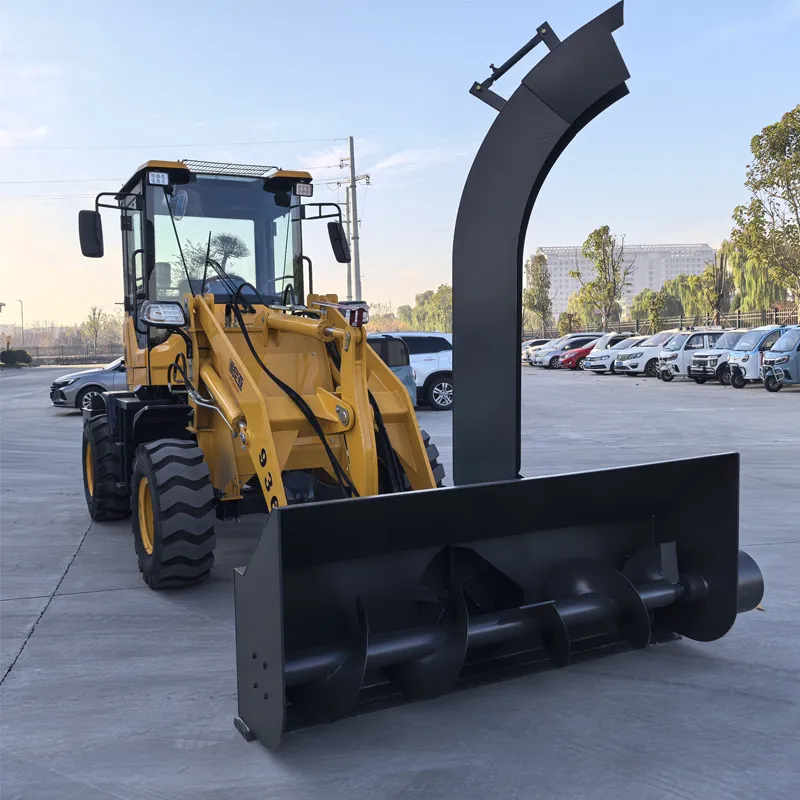
Attachments are the hidden multiplier. A new machine quote often doesn't include them. A good grapple, a cold planer, a snow blower—each can cost from $5,000 to over $20,000. If you're comparing prices, are you comparing a bare machine or a package? I've seen dealers use a low base machine price to get you in the door, then the real cost balloons once you add the essentials. Always ask for a job-ready quote with the specific attachments you need.
The Global Parts & Parallel Market Effect
This is a bit inside baseball, but it matters. The aftermarket for parts and even whole machines is massive. Companies that manufacture and export on a global scale, like the mentioned Shandong Pioneer, contribute to a parts ecosystem that can keep older Bobcats running longer and cheaper. Need a replacement cylinder or a seat? You might find an OEM-quality part sourced from a global manufacturer at a fraction of the dealer cost. This availability directly supports the value proposition of older used machines, affecting their resale price.
It also creates a parallel market for comparable machines. While Bobcat is a top-tier brand, the competitive landscape from other global manufacturers means there are always alternatives. A buyer looking at a bobcat skid steer loader price might cross-shop with a similar spec machine from another brand that offers more features for the same money, or a lower price for comparable performance. This constant comparison is what keeps pricing dynamic, not static.
For exporters, the challenge is building trust. A company establishing itself over 20 years and winning customer trust worldwide, as their intro states, isn't just moving metal. They're providing reliability and support. That reputation gets baked into the value of the broader market. When you buy a used Bobcat, part of what you're paying for is the strength of the brand's global support network—but the existence of robust third-party manufacturers gives you cheaper maintenance options down the line.
Negotiation Levers Beyond the Sticker
Never pay the asking price. Okay, almost never. On a new machine, dealers have margin. On a used one, they have even more. Your leverage comes from preparation. Know the model's common issues. For instance, some older Bobcats had issues with the wiring harness chafing. Walk up to a used machine, check that harness near the cab mount. Point it out. Suddenly, you're not just a price-shopper; you're a knowledgeable buyer, and that changes the negotiation. You can argue for a pre-purchase inspection or a discount to cover the potential repair.
Timing is another lever. End of the month, end of the quarter, end of the financial year—dealers have targets. That's when you might find more flexibility on the final skid steer loader price. Also, consider package deals. If you need two machines or a machine plus a trailer, your buying power increases. I once saved nearly 12% by bundling a skid steer with a compact track loader from the same dealer.
Finally, remember that the relationship has value. A good dealer will throw in the first service, deliver the machine, or offer better terms on future attachment purchases. That's worth a few percentage points on the purchase price. I'd rather pay a little more to a dealer who answers the phone on a Saturday when I have a problem than save every last dollar with a faceless online seller.
Wrapping It Up: Price is a Starting Point
So, after all this, what's the answer to 'bobcat skid steer loader price'? It's a question that opens a door. The figure you find online is a reference point, a code that needs deciphering based on age, condition, configuration, geography, and the global market context that companies like Shandong Pioneer are a part of. Your job is to translate that code into your own total cost equation: purchase price, plus estimated repairs (for used), minus resale value, plus finance costs, divided by expected productive hours.
It's messy, imperfect, and requires judgment calls. There will be doubts. Should I spend more now to save later? Is this high-hour machine a gem or a lemon? That's the reality of it. There's no clean, perfect answer, just a series of trade-offs informed by experience, research, and sometimes, a bit of gut feeling after kicking the tires and listening to the engine whine. Start with the price, but for God's sake, don't end there. Dig into the history, understand the market forces at play, and negotiate on everything. That's how you find the real value, not just the number on the screen.
Related Products
Related Products