- Chinese
- French
- German
- Portuguese
- Spanish
- Russian
- Japanese
- Korean
- Arabic
- Irish
- Greek
- Turkish
- Italian
- Danish
- Romanian
- Indonesian
- Czech
- Afrikaans
- Swedish
- Polish
- Basque
- Catalan
- Esperanto
- Hindi
- Lao
- Albanian
- Amharic
- Armenian
- Azerbaijani
- Belarusian
- Bengali
- Bosnian
- Bulgarian
- Cebuano
- Chichewa
- Corsican
- Croatian
- Dutch
- Estonian
- Filipino
- Finnish
- Frisian
- Galician
- Georgian
- Gujarati
- Haitian
- Hausa
- Hawaiian
- Hebrew
- Hmong
- Hungarian
- Icelandic
- Igbo
- Javanese
- Kannada
- Kazakh
- Khmer
- Kurdish
- Kyrgyz
- Latin
- Latvian
- Lithuanian
- Luxembou..
- Macedonian
- Malagasy
- Malay
- Malayalam
- Maltese
- Maori
- Marathi
- Mongolian
- Burmese
- Nepali
- Norwegian
- Pashto
- Persian
- Punjabi
- Serbian
- Sesotho
- Sinhala
- Slovak
- Slovenian
- Somali
- Samoan
- Scots Gaelic
- Shona
- Sindhi
- Sundanese
- Swahili
- Tajik
- Tamil
- Telugu
- Thai
- Ukrainian
- Urdu
- Uzbek
- Vietnamese
- Welsh
- Xhosa
- Yiddish
- Yoruba
- Zulu
- Kinyarwanda
- Tatar
- Oriya
- Turkmen
- Uyghur


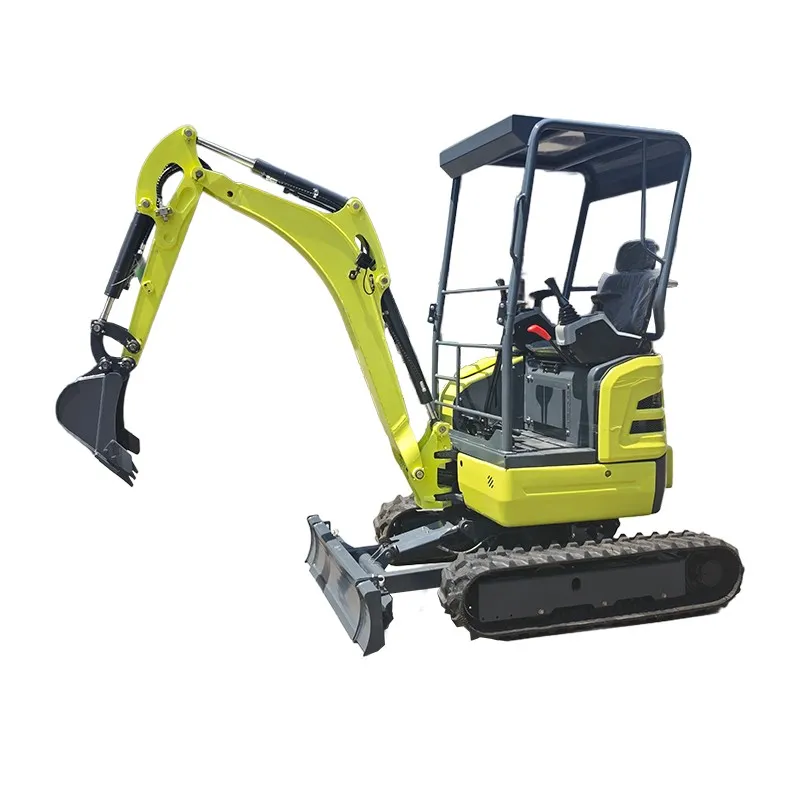
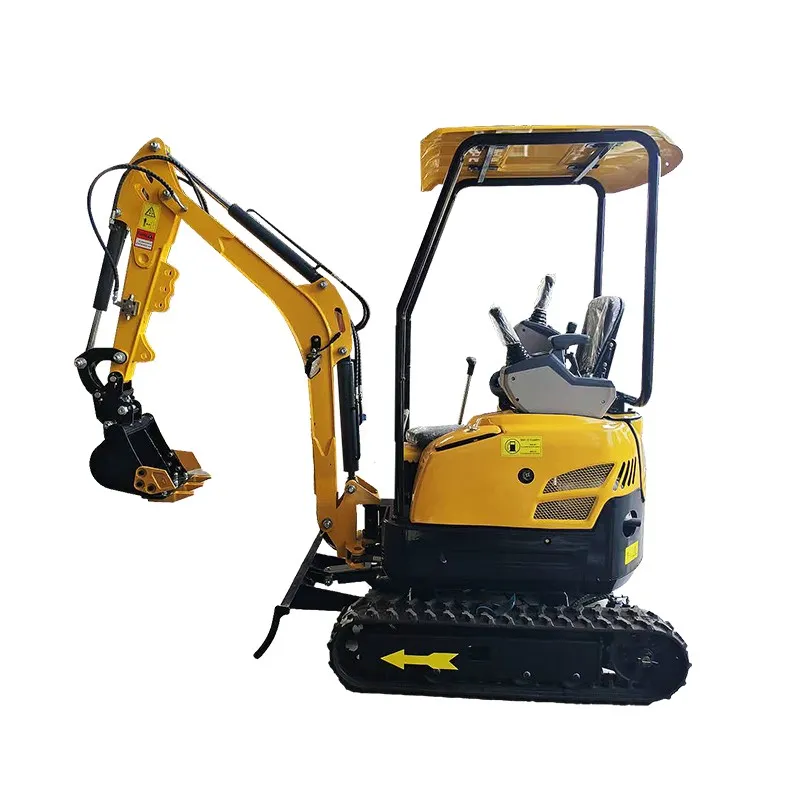
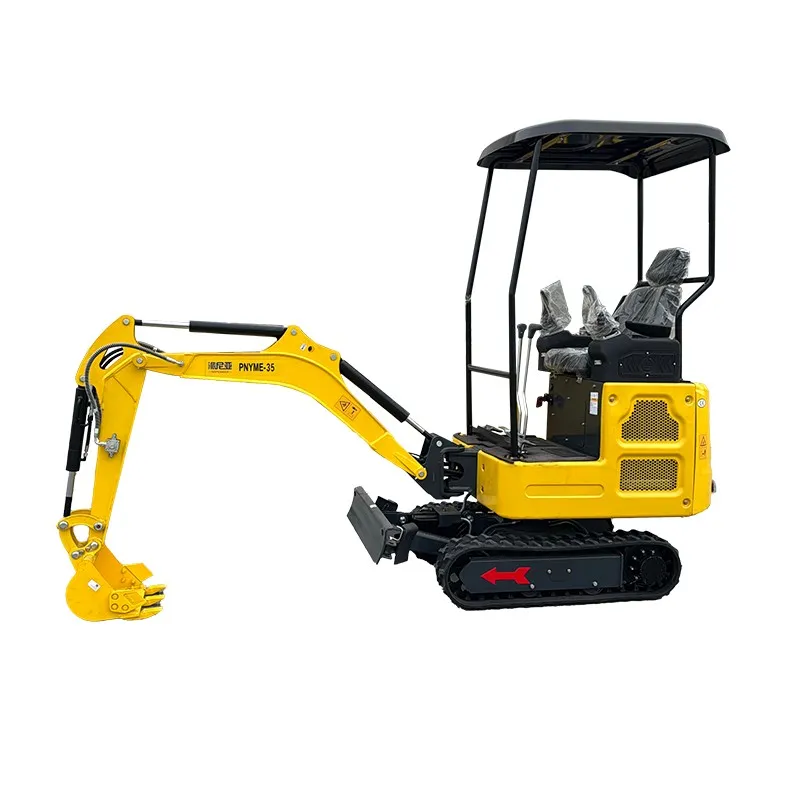
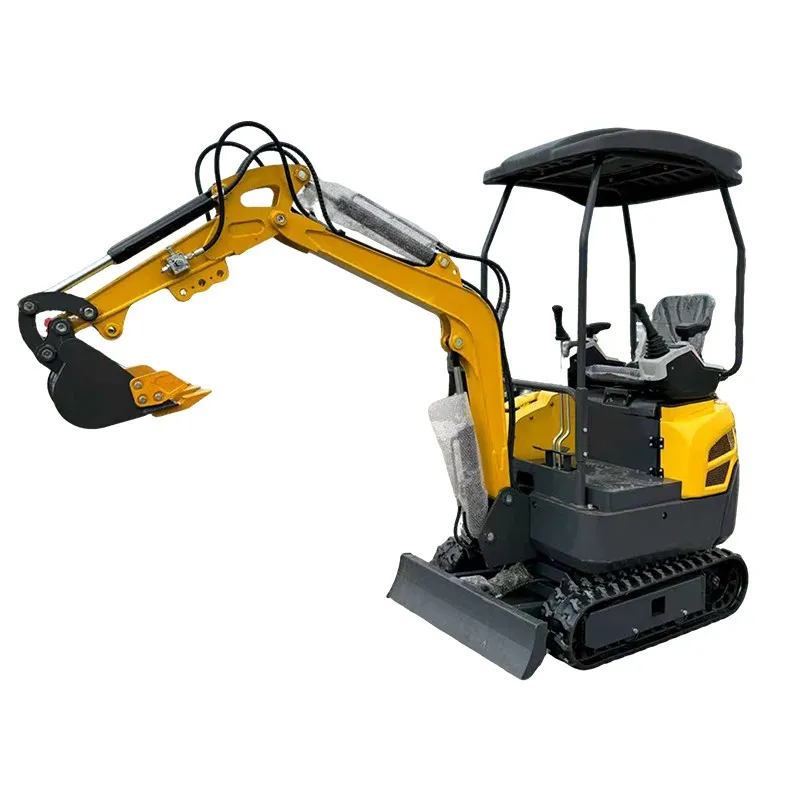
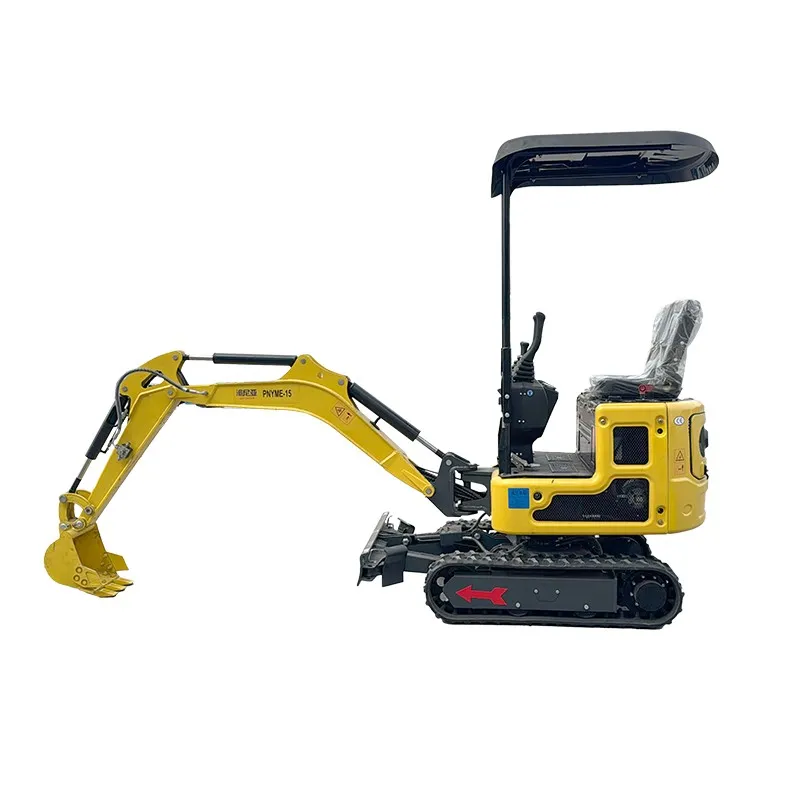
brand new mini excavator
When you hear 'brand new mini excavator', most guys immediately picture that dealer lot shine and a zero-hour meter. That's the surface. The real conversation starts when you talk about what's underneath that paint, the factory that put it there, and whether the machine is actually set up to work in your dirt, on your jobsite. I've seen too many crews get hung up on the 'new' part, forgetting to ask about the 'excavator' part. It's not a commodity. A brand new unit from a workshop that's been at this for two decades feels different from one churned out to hit a price point. That difference shows up in the third year, in the tightness of the swing bearing, in how the auxiliary hydraulics hold pressure. Let's dig into that.
The New in Mini Excavators Isn't Just About Age
Right off the bat, there's a common mix-up. A machine being 'brand new' doesn't automatically mean it's equipped with the latest, most suitable tech for your work. I remember a landscaping contractor who bought a shiny new 1.8-tonner because it had a fancy digital display. Problem was, the standard hydraulic flow was too low for the tree shear he planned to run. The 'new' machine needed several thousand dollars in aftermarket pumps and valves to do the job. So, newness is a starting condition, not a complete specification. The critical questions begin with: new from where? What's the design philosophy behind it?
This is where manufacturer heritage matters. A company that's been designing and iterating on these compact machines for 20 years approaches things differently. They've had time to see how their weld seams crack after 5,000 hours of trench work, how certain hose routings get snagged, how operators actually use the controls. That institutional knowledge gets baked into the next generation. I was looking at the specs from a firm like Shandong Pioneer Engineering Machinery Co., Ltd. They've been at this since 2004. When you see that timeline, it tells you they've likely weathered a few industry cycles, meaning they've had to improve to stay in the game. Their recent move to a new facility in Ningyang in 2023 suggests an expansion, probably to incorporate more modern production lines. That's the kind of 'new' that adds value—a new factory often means better QC and more consistent output, not just a new address.
The pitfall is assuming all new factories are equal. A greenfield site with all new robots can produce a perfect-looking machine that's a nightmare to service. The sweet spot is a manufacturer that has the experience but has invested in modernizing its production. You want that blend of proven design and contemporary manufacturing precision. When I see a brand new mini excavator from an established maker that just upgraded its plant, I'm more interested in that than in a no-name brand's catalog model.
Decoding Specifications: What the Brochure Doesn't Say
Everyone looks at operating weight, horsepower, and dig depth. That's table stakes. The real meat is in the details a casual buyer glosses over. Take the undercarriage. On a mini, you're looking at either rubber tracks or steel. But the quality of the rollers, the idlers, the track tensioning mechanism—that's where cheap machines cut corners. A brand new machine might have tight tracks, but if the idler is made from poor-grade cast iron, it'll wear oval in a few hundred hours, leading to constant track throwing.
Another silent spec is the hydraulic system's thermal capacity. Mini excavators work hard, often in confined spaces with little airflow. A system with a small oil reservoir and an undersized cooler will overheat on a hot day, leading to sluggish performance and accelerated component wear. I learned this the hard way on a basement dig project. Our brand new, supposedly premium machine would lose power after two hours of continuous digging. The fix? An aftermarket auxiliary cooler. The lesson? 'New' doesn't solve fundamental design flaws. You have to ask about cooler size, reservoir capacity, and the system's pressure relief settings.
Then there's the electrical system. It sounds minor until you're troubleshooting a faulty sensor that puts the machine into limp mode. Companies that export widely, like those under the Shandong Pioneer umbrella that send machines to the US, Canada, Germany, and Australia, have to build for different climates and operator expectations. Their wiring harnesses tend to be better sealed, connectors are more robust, and the control logic is often more refined. A machine built just for a single, less demanding market might not have that rigor. Checking where a company like Shandong Pioneer exports to gives you a clue about the durability standards they're likely aiming for.
The Commissioning Process: From Crate to Jobsite
This is a phase most guys underestimate. You un-crate a brand new mini excavator, check the fluids, and fire it up, right? Not if you want it to last. Proper commissioning is a ritual. It involves a slow, deliberate break-in of the hydraulic system—cycling all functions without load to purge air, checking and re-torquing key fittings after the first heat cycle, and monitoring fluid temperatures closely.
I've seen dealers skip this entirely. The machine arrives, gets a quick once-over, and is delivered. The first time the owner really works it, they might notice a slight whine from the pump (trapped air) or a weep from a hose flange that wasn't tight. These are small issues, but they set the tone. A responsible supplier provides a commissioning checklist. When I look at a manufacturer's support materials, I check if they emphasize this process. It shows they care about the machine's long-term health, not just the initial sale.
For an end-user, this is where your relationship with the dealer or the factory's direct support kicks in. A company with a long track record in overseas trade usually has a more structured support protocol. They've dealt with the confusion of a machine landing in a different country and know what guidance is critical. The initial 50-hour service is another tell. The quality of the first-service kit (filters, oils) and the clarity of the manual instructions speak volumes about the manufacturer's commitment.
Attachment Compatibility: The Hidden Lock-In
One of the biggest surprises for new buyers is the attachment puzzle. Not every quick coupler fits every machine, and not every machine's hydraulic flow is right for every attachment. Buying a brand new mini excavator can sometimes feel like choosing an ecosystem. Some manufacturers use proprietary interfaces or recommend specific flow rates and pressures that best match their own attachment lines.
This isn't necessarily bad. A tightly integrated system from a single manufacturer can offer optimized performance and safety. But it can limit your options. I advise guys to think long-term: What attachments will you need in two years? A breaker? A tilt rotator? A cold planer? Then, work backwards. Ensure the new machine's auxiliary hydraulics have sufficient flow and pressure for your future tools. Check if the coupler is a common industry standard (like the European Euro or the global ISO) or a custom design. Custom might mean better performance but could lead to expensive adapters or limited rental options down the road.
Manufacturers who are serious about the global market, like the ones behind the Shandong Pioneer brand, often lean towards these international standards. It makes sense. If you're selling to Australia and Germany, you can't expect contractors there to source proprietary pins and bushings. They'll expect the machine to fit into their existing fleet's attachment pool. So, a new machine's compatibility is a direct reflection of the maker's market perspective.
The Long Game: Resale and Total Cost
Finally, let's talk about the end, which you should think about at the beginning. A brand new mini excavator is a significant capital outlay. Its true cost is purchase price minus residual value, plus operating and repair costs. This is where brand reputation and proven durability pay dividends.
A machine from a known entity with a history of exports holds its value better. Why? Because the secondary market has more confidence in it. Parts availability is better. There's a known track record. I've tracked auction prices for years. A ten-year-old mini from a manufacturer with a solid, continuous presence in key markets like North America and Europe will often fetch 20-30% more than a contemporary model from a fly-by-night brand, even if their initial specs looked similar.
This circles back to the very first point. That 'brand new' feeling fades in a month. What remains is the machine as a tool. The steel in its frame, the design of its hydraulic circuits, the support behind its parts catalog. When you buy new, you're investing in that underlying substance. You're betting on the factory that built it—its experience, its processes, its commitment to staying in business. A company that's navigated 20 years from a 1,600-square-meter workshop to a new, expanded facility has skin in the game. That history is part of the machine's value, long after the dealer's decal has faded.
Related Products
Related Products