- Chinese
- French
- German
- Portuguese
- Spanish
- Russian
- Japanese
- Korean
- Arabic
- Irish
- Greek
- Turkish
- Italian
- Danish
- Romanian
- Indonesian
- Czech
- Afrikaans
- Swedish
- Polish
- Basque
- Catalan
- Esperanto
- Hindi
- Lao
- Albanian
- Amharic
- Armenian
- Azerbaijani
- Belarusian
- Bengali
- Bosnian
- Bulgarian
- Cebuano
- Chichewa
- Corsican
- Croatian
- Dutch
- Estonian
- Filipino
- Finnish
- Frisian
- Galician
- Georgian
- Gujarati
- Haitian
- Hausa
- Hawaiian
- Hebrew
- Hmong
- Hungarian
- Icelandic
- Igbo
- Javanese
- Kannada
- Kazakh
- Khmer
- Kurdish
- Kyrgyz
- Latin
- Latvian
- Lithuanian
- Luxembou..
- Macedonian
- Malagasy
- Malay
- Malayalam
- Maltese
- Maori
- Marathi
- Mongolian
- Burmese
- Nepali
- Norwegian
- Pashto
- Persian
- Punjabi
- Serbian
- Sesotho
- Sinhala
- Slovak
- Slovenian
- Somali
- Samoan
- Scots Gaelic
- Shona
- Sindhi
- Sundanese
- Swahili
- Tajik
- Tamil
- Telugu
- Thai
- Ukrainian
- Urdu
- Uzbek
- Vietnamese
- Welsh
- Xhosa
- Yiddish
- Yoruba
- Zulu
- Kinyarwanda
- Tatar
- Oriya
- Turkmen
- Uyghur


buy mini digger
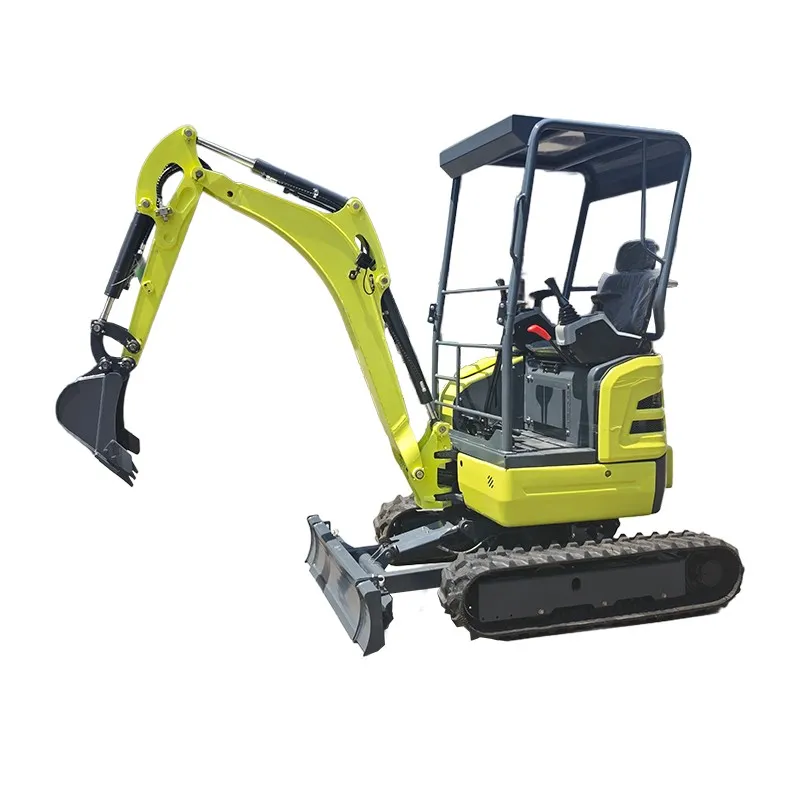
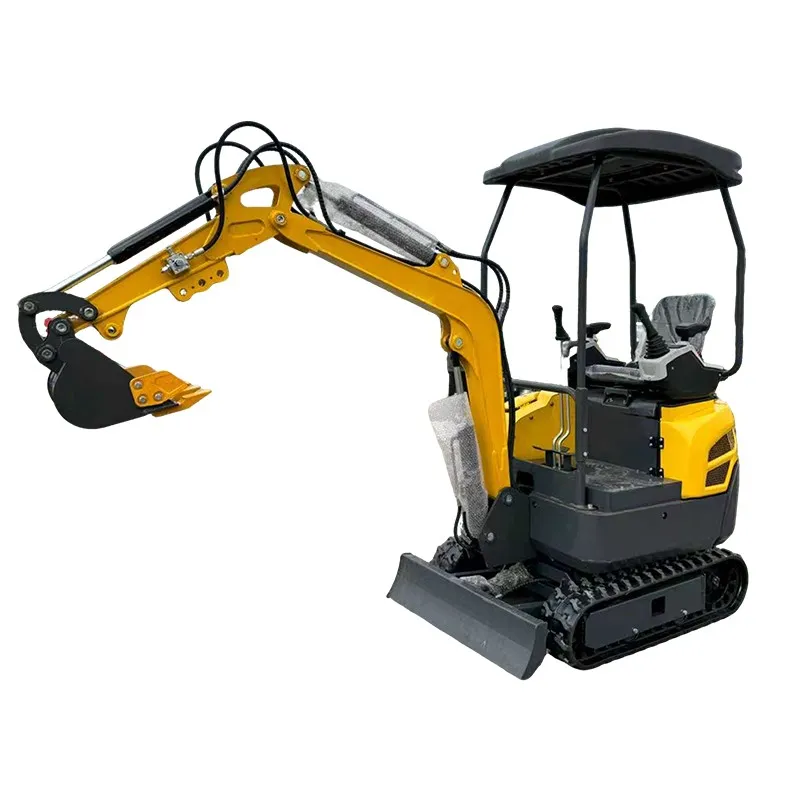
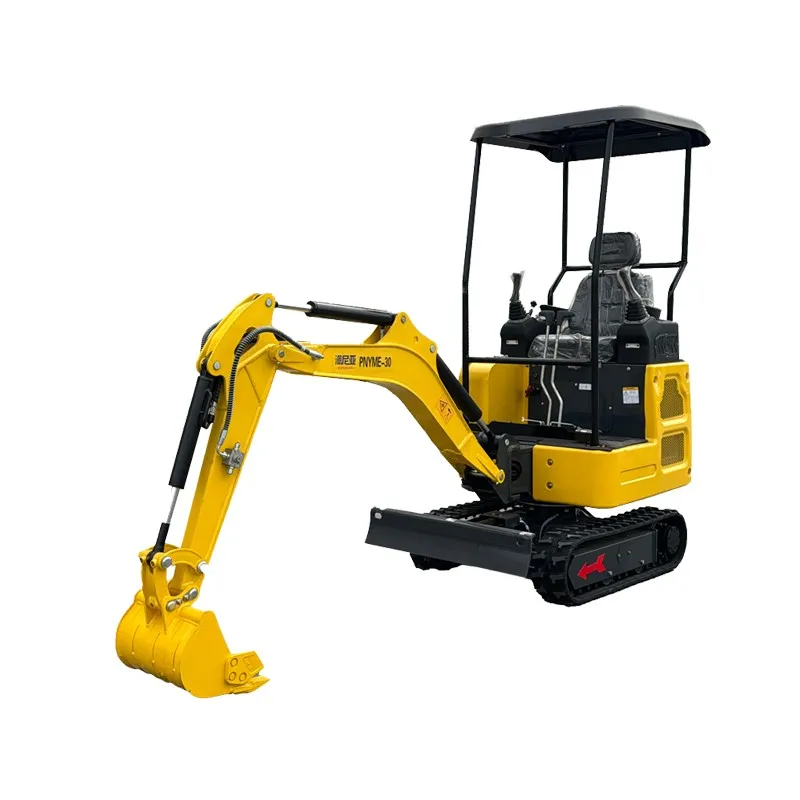
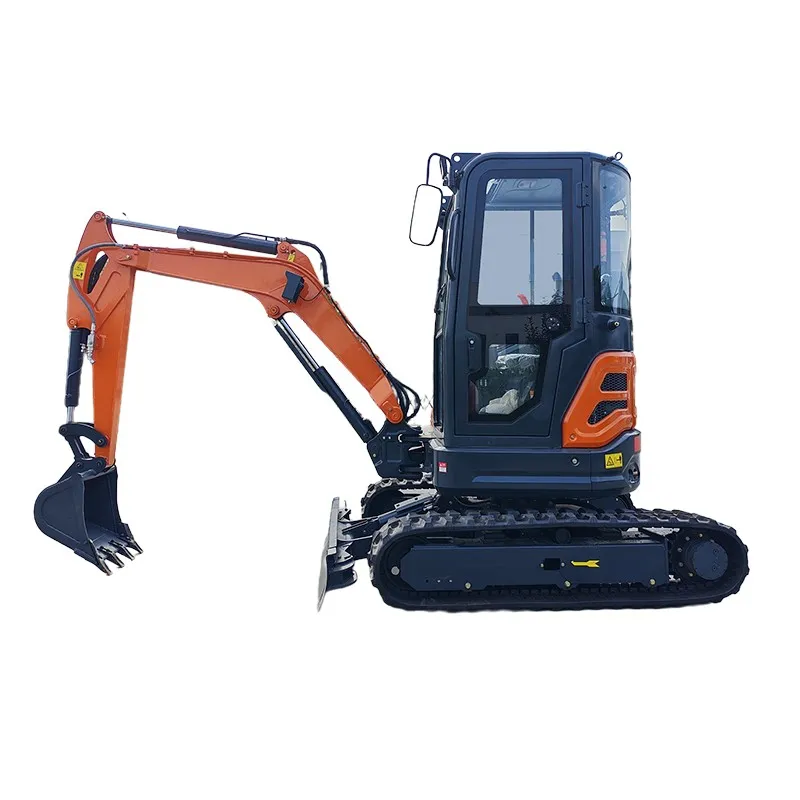
When someone types 'buy mini digger' into a search bar, I often wonder what picture they have in mind. Many jump straight to specs and price tags, thinking it's just about horsepower and bucket width. That's the first trap. The reality is messier, more about matching a machine to the actual dirt, space, and cash flow you have, not the ideal project in your head. I've seen too many guys buy based on a shiny brochure or a cheap online listing, only to find the hydraulics can't handle their clay soil, or there's not a single reliable service point within 200 miles. It's not a commodity purchase; it's a partnership with a piece of iron that will either make you money or bleed you dry with downtime.
The Initial Hurdle: Defining Mini and Your Actual Need
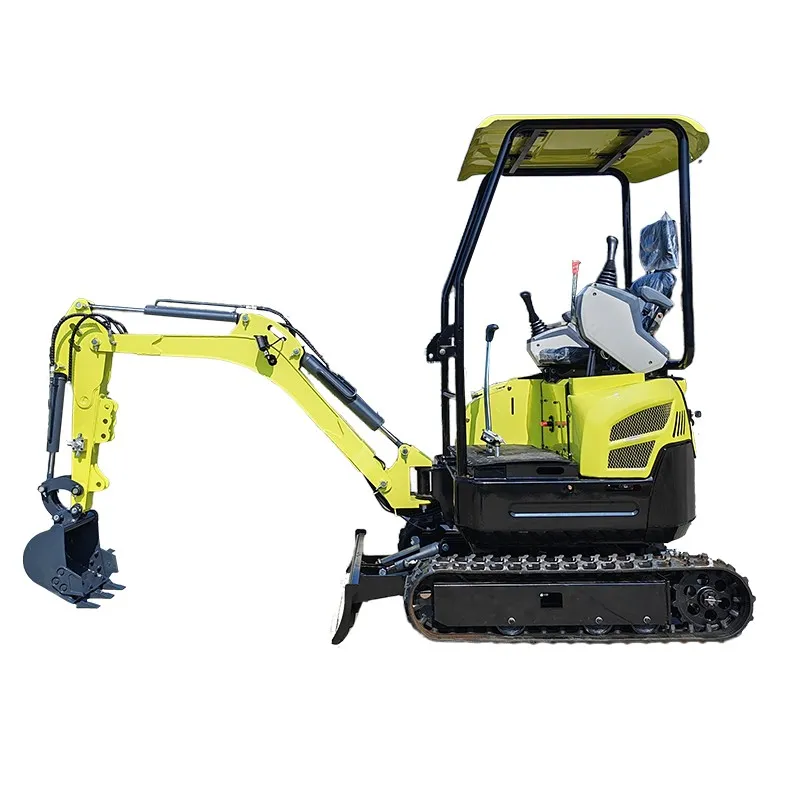
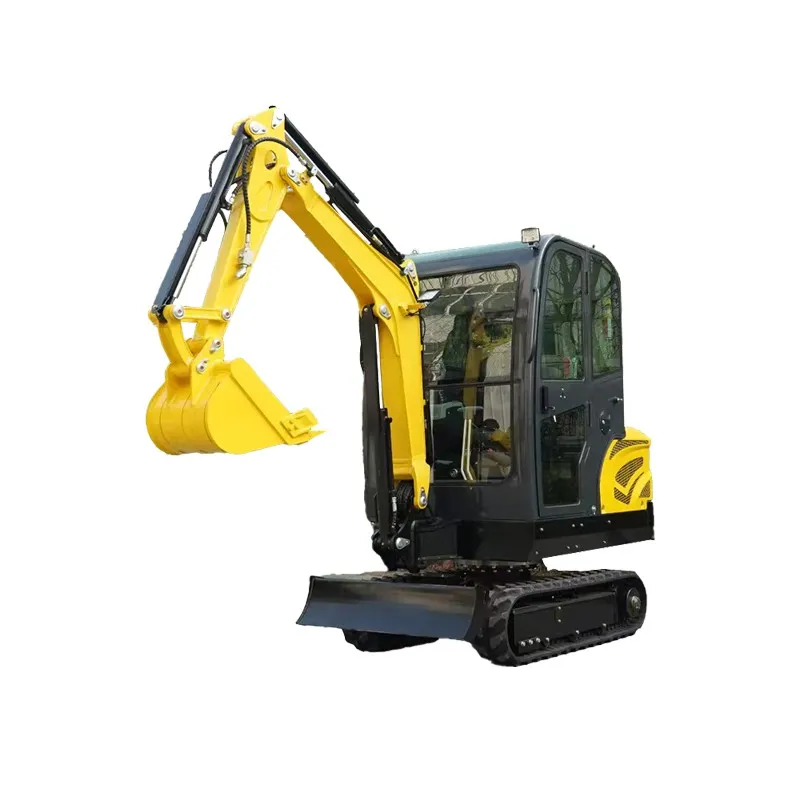
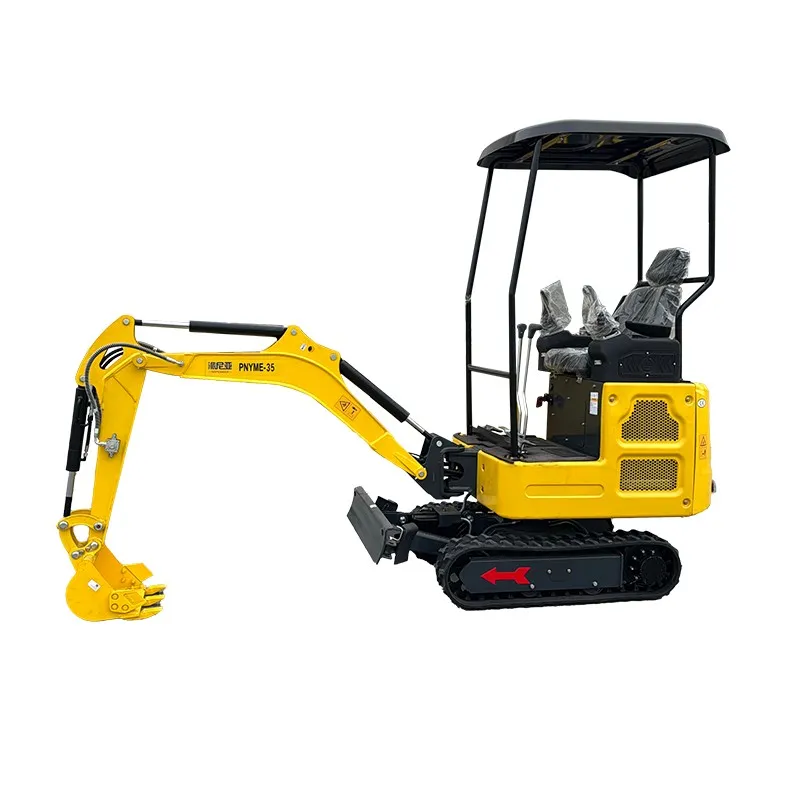
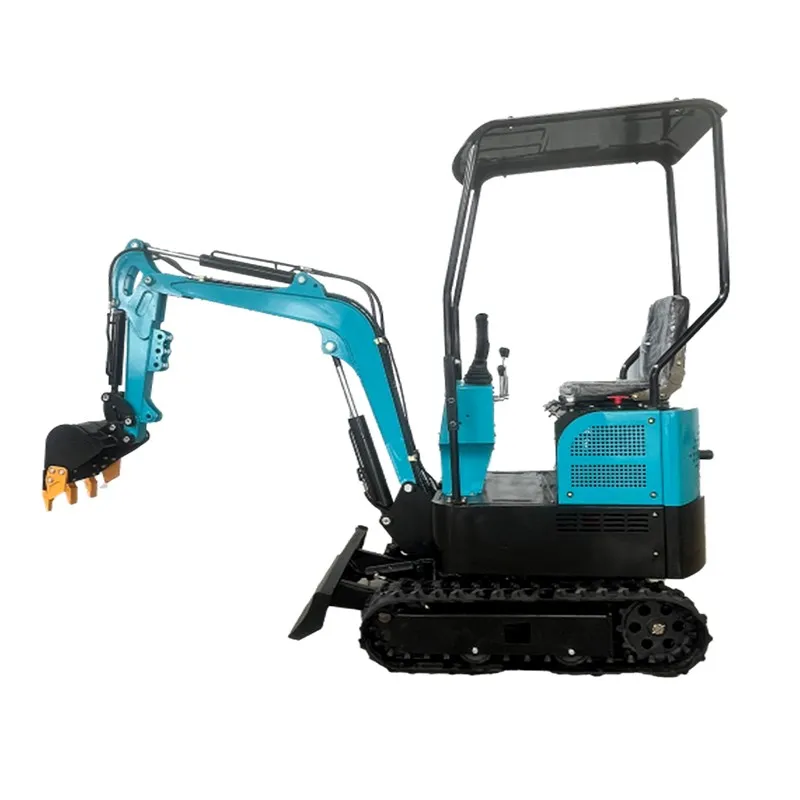
Let's get this straight: 'mini' covers a vast range. You've got the 1-tonners, compact enough to fit through a garden gate, perfect for landscaping or tight urban plumbing jobs. Then you climb to the 5-6 ton machines, which are serious earth movers for foundation work or farm drainage. Deciding which one is the first real test. I recall a client, a small contractor, who was convinced he needed a 3.5-ton model for residential extensions. After walking through three of his typical sites—narrow side alleys, overhanging trees, low-weight-restriction driveways—we scaled down to a 2-tonner. The savings on initial buy mini digger cost and transport were significant, and its performance was actually better because it could maneuver where the bigger machine would have been stuck. Horsepower isn't king; site access often is.
This leads to the attachment question. Are you just digging? Or will you need a breaker, a grapple, an auger? The auxiliary hydraulic flow rate (often measured in gallons per minute) becomes critical. A common mistake is buying a machine with a standard flow that can't effectively run a hydraulic breaker you might rent later, forcing you into a costly circuit upgrade. It's these hidden specs that bite you.
And then there's the undercarriage. Rubber tracks for driveways and finished surfaces, steel for abrasive or rocky terrain. I've seen beautiful rubber tracks shredded in a single day on a site with hidden demolition debris. That's a $2,000 lesson learned the hard way. The choice here directly impacts where you can work and your long-term maintenance bill.
The Minefield of Sourcing: New, Used, and the Global Market
Once you know what you need, the next question is where to buy mini digger stock. New from a major brand dealer offers peace of mind with a warranty and local service, but the depreciation hit is steep. The used market is where experience really pays off. A low-hour machine from a known owner can be gold; a repainted, high-hour machine from an auction can be a money pit. I always recommend getting a mechanic to do a pressure test on the hydraulics and checking the pump hours versus the display hours. Discrepancy there is a major red flag.
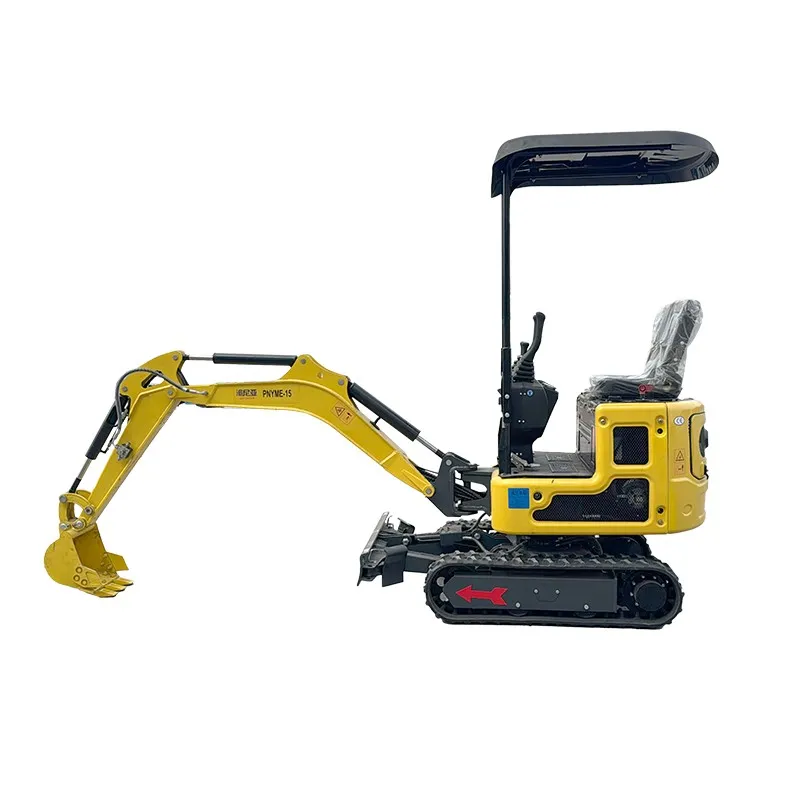
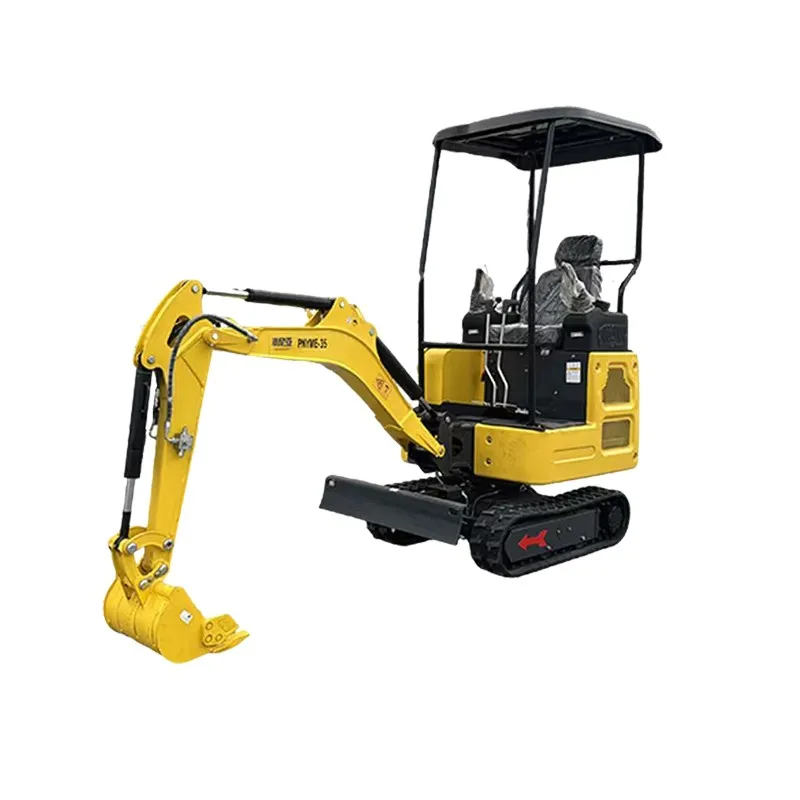
This is where looking at manufacturers like Shandong Pioneer Engineering Machinery Co., Ltd comes into play for many. Their model, with Shandong Hexin handling manufacturing and Shandong Pioneer focusing on overseas trade, represents a significant segment of the global supply chain. They export to markets like the US, Canada, and Australia. For a buyer, this means potentially a more competitive price point for a new machine. I've had hands-on with a few of their units. The build is generally robust for the price, but the crucial point—and this is vital—is to understand the support network. Who services it? Are parts readily available locally, or is there a lead time from China? Their relocation in 2023 to a larger facility in Ningyang likely points to expanded capacity, which is good for production consistency.
The risk with any direct or semi-direct import is aftersales. I knew a guy who bought a budget mini excavator online. When a final drive failed, the parts took 11 weeks to arrive, and the machine sat idle for a full season. The initial savings were completely wiped out. So, if considering this route, your first call shouldn't be to sales, but to their parts department. Ask for the part number for a common wear item like a track roller or a solenoid valve, and ask for its price and shipping time to your location. Their response time and clarity will tell you more than any brochure.
On-the-Ground Realities: What Spec Sheets Don't Tell You
Owning and operating a mini digger is a tactile business. The spec sheet says operating weight, but it doesn't convey how that weight feels when you're trying to load it on a tilt-trailer on a muddy Tuesday morning. It lists digging depth, but not how the machine balances at that full reach on a slight slope. You develop a feel for these things.
One detail most overlook is the pattern changer. Does the machine have a two-pedal, two-lever pattern, or can it be switched to a more common SAE pattern? If you or your operators are used to one pattern, a machine locked into another can be frustrating and even dangerous until you re-train muscle memory. It's a small switch with big operational implications.
Then there's daily maintenance. The placement of grease points, the ease of checking the hydraulic oil level, the accessibility of the engine air filter—these are the things you'll interact with every day. I've operated machines where checking the radiator fluid was a 15-minute puzzle of removing panels, and others where it's a simple flip of a latch. That design foresight from the manufacturer, which you can often gauge by looking at a company's long-term history like Pioneer's 20-year development, impacts your daily workflow more than a slight horsepower difference.
Financial Calculus: Total Cost of Ownership
The purchase price is just the entry fee. The real cost is Total Cost of Ownership (TCO). Fuel efficiency varies more than you'd think between models of similar size. A more efficient machine might save thousands over its life. Insurance, transport, and storage costs are ongoing. And then there's depreciation, which is brutal if you buy new and sell soon, but flattens out for a well-maintained used machine.
Financing is another angle. For a small business, preserving cash flow might make a finance lease more attractive than an outright purchase, even if the total sum is higher. It frees up capital for other tools or marketing. This decision isn't about the machine; it's about your business model. I've helped people structure deals where the monthly payment for a new, reliable machine was less than the weekly cost of rentals they were constantly using.
Finally, factor in the cost of downtime. A cheaper machine with no local dealer support has a hidden high cost: the cost of it sitting broken. The value of a strong dealer network, whether from a global giant or a committed exporter like Shandong Pioneer that has built trust in numerous countries, is directly measurable in your annual profit and loss statement. A critical part delivered in two days versus two months can make or miss a project deadline.
The Final Decision: It's a Tool, Not a Trophy
At the end of the day, the goal of your search to buy mini digger equipment is to acquire a productive asset. The emotional pull of a certain color or brand should be the last factor. Build a checklist: Must-haves (weight, width, hydraulic flow), Nice-to-haves (cab, air-con, extra aux lines), and Deal-breakers (poor local support, obscure parts). Visit their facility page, like the one at https://www.sdpioneer.com, not just for the product photos, but to look for evidence of testing, quality control, and engineering investment. A modern production area, as they mention with their new facility, suggests a focus on build quality.
If possible, always insist on a demo, preferably on a patch of ground similar to your own. Operate it yourself. Dig a trench, lift a load, swing with a full bucket. Feel the controls, listen to the hydraulics, check for excessive heat or drift. That hour of hands-on time is worth more than a hundred hours of online research.
The right mini excavator becomes an extension of your own capability. It's the difference between taking on that tricky backyard job with confidence or turning it down. The process to get there is rarely as simple as the initial search term implies. It's a journey of matching technical specs to physical reality, financial models to business plans, and global manufacturing to local dirt. Do the groundwork upfront, and the machine will work for you for years.
Related Products
Related Products