


- Chinese
- French
- German
- Portuguese
- Spanish
- Russian
- Japanese
- Korean
- Arabic
- Irish
- Greek
- Turkish
- Italian
- Danish
- Romanian
- Indonesian
- Czech
- Afrikaans
- Swedish
- Polish
- Basque
- Catalan
- Esperanto
- Hindi
- Lao
- Albanian
- Amharic
- Armenian
- Azerbaijani
- Belarusian
- Bengali
- Bosnian
- Bulgarian
- Cebuano
- Chichewa
- Corsican
- Croatian
- Dutch
- Estonian
- Filipino
- Finnish
- Frisian
- Galician
- Georgian
- Gujarati
- Haitian
- Hausa
- Hawaiian
- Hebrew
- Hmong
- Hungarian
- Icelandic
- Igbo
- Javanese
- Kannada
- Kazakh
- Khmer
- Kurdish
- Kyrgyz
- Latin
- Latvian
- Lithuanian
- Luxembou..
- Macedonian
- Malagasy
- Malay
- Malayalam
- Maltese
- Maori
- Marathi
- Mongolian
- Burmese
- Nepali
- Norwegian
- Pashto
- Persian
- Punjabi
- Serbian
- Sesotho
- Sinhala
- Slovak
- Slovenian
- Somali
- Samoan
- Scots Gaelic
- Shona
- Sindhi
- Sundanese
- Swahili
- Tajik
- Tamil
- Telugu
- Thai
- Ukrainian
- Urdu
- Uzbek
- Vietnamese
- Welsh
- Xhosa
- Yiddish
- Yoruba
- Zulu
- Kinyarwanda
- Tatar
- Oriya
- Turkmen
- Uyghur

buy mini excavator
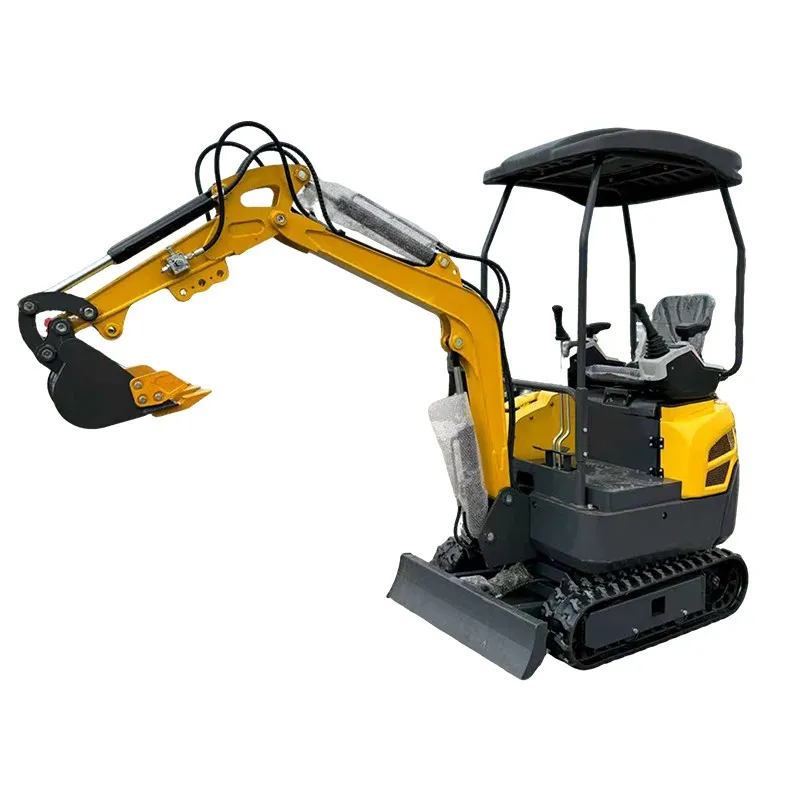
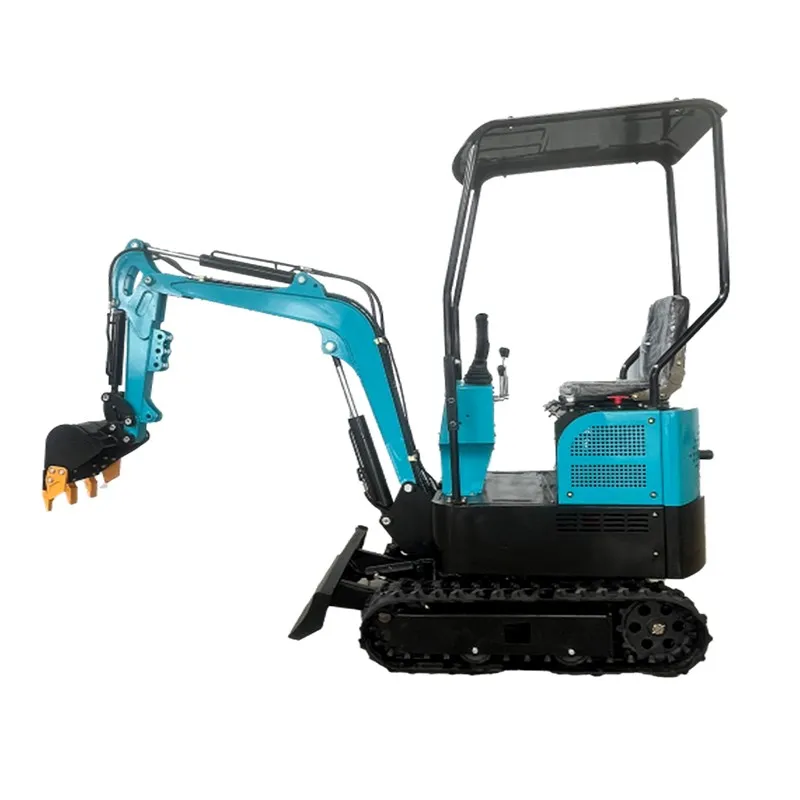
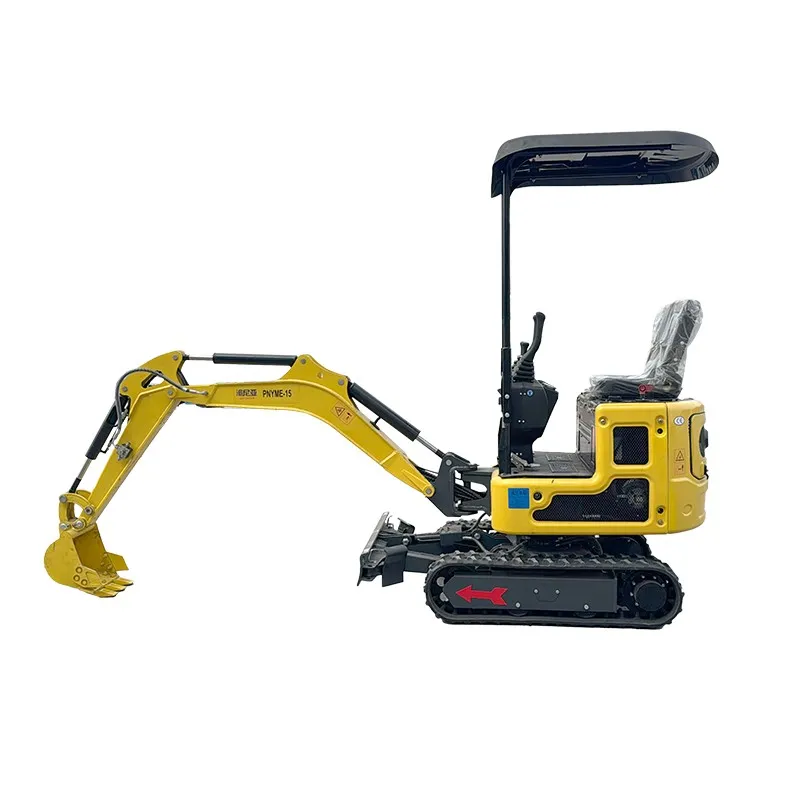
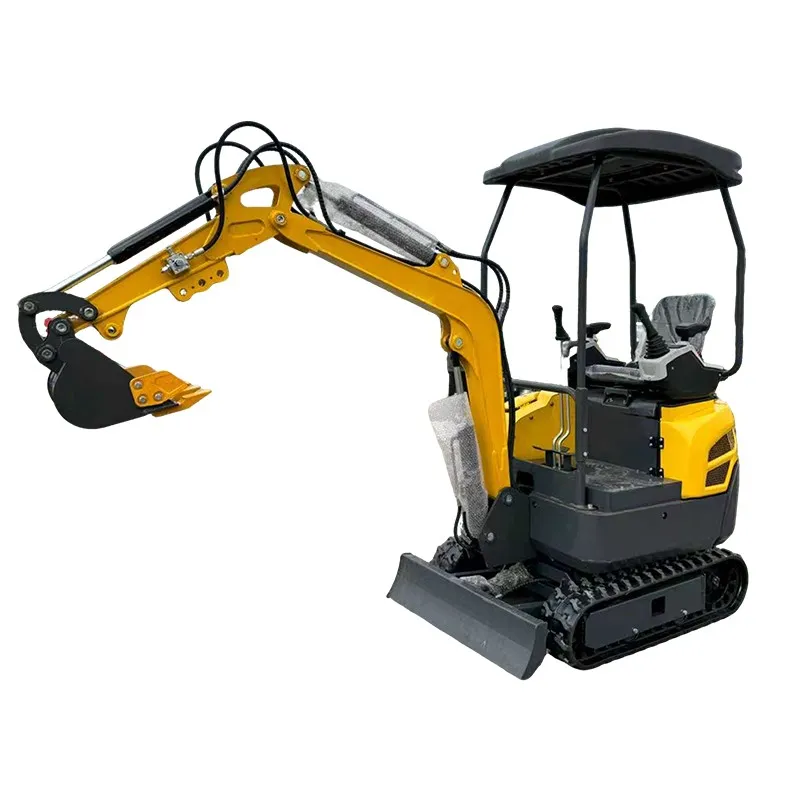
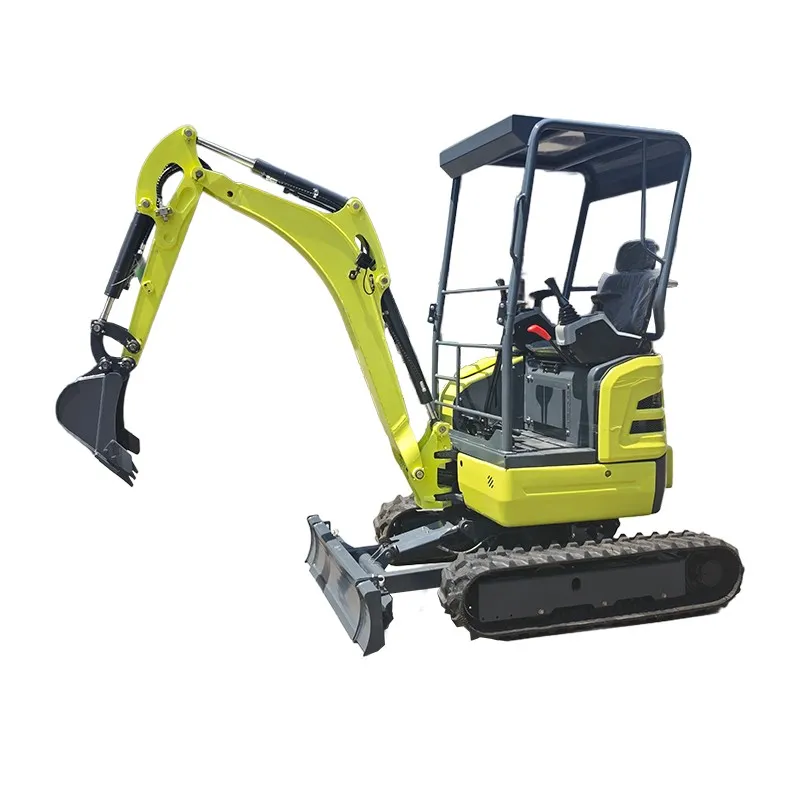
When someone types 'buy mini excavator' into a search bar, I often wonder what they're really picturing. Is it a shiny, problem-free machine magically transforming their project? The gap between that initial search and the reality of ownership is where most mistakes happen. It's not just about finding a product; it's about matching a complex tool to specific, often unforgiving, site conditions.
The Spec Sheet Illusion and Ground Truth
Everyone starts with the specs. Dig depth, horsepower, operating weight—they're easy to compare. But here's the thing I learned the hard way: a machine that looks perfect on paper can be a nightmare on your particular terrain. I once recommended a standard-track model for a residential landscaping job based purely on weight and reach. It sank. Not catastrophically, but enough to tear up the client's lawn and cost me half a day's work in recovery. The ground was softer than it looked after a recent rain, something no spec sheet accounts for. That's when you realize the importance of buy mini excavator decisions that factor in ground pressure and optional wide-track configurations.
This leads to the auxiliary hydraulics question. Most searches for a mini excavator focus on the main arm. But the real versatility comes from the plumbing. Do you need one-way, two-way, or high-flow? If you even think you might run a hydraulic thumb, a brush cutter, or a breaker down the line, you need to plan for it at the purchase stage. Retrofitting is possible but often a convoluted and expensive mess. I've seen guys try to save a few thousand upfront only to spend more later hacking in a system that never works quite right.
Then there's the cab. Climate-controlled cabs are a godsend for productivity, but they add height, width, and cost. If you're constantly working in tight backyards or low-clearance barns, that beautiful cab becomes a liability. I opted for an open canopy on my first machine for budget and access reasons. It was fine until I landed a winter contract. Let's just say productivity plummets when you can't feel your fingers. It's a trade-off you have to feel out for your own typical workload.
Dealer Network vs. Direct Import: A Service Calculus
This is where the buy mini excavator journey splits into two fundamentally different paths. Buying from a local dealer with a strong brand like Kubota or Takeuchi, you're paying a premium partly for the support network. When a hydraulic line bursts at 10 AM, having a service truck there by 2 PM is what keeps a project on schedule. That security has tangible value.
The other path is looking at manufacturers who export directly. This is where companies like Shandong Pioneer Engineering Machinery Co., Ltd come into the picture. You can check out their range directly at their site, https://www.sdpioneer.com. They represent a different value proposition. Having been established in 2004 and now operating from a new facility in Tai'an, they've built a track record of exporting to markets like the US, Canada, and Australia. The cost savings can be significant, but you must do your homework on parts availability. The question shifts from How fast can a dealer fix it? to How do I source a spare hydraulic pump or controller myself? For an owner-operator with mechanical aptitude and a backup machine, this can be a smart financial move.
I took a chance on a direct-import model about five years ago. The machine itself was solid—simple, rugged, no frills. The crisis came when the electronic control module for the throttle failed. The local dealer for major brands couldn't touch it. I was down for two weeks waiting for a part to ship. I had to factor that downtime risk into my bidding forever after. It wasn't a deal-breaker, but it redefined cost of ownership for me.
The Undervalued Metric: Transport and Logistics
New buyers obsess over the machine's work capabilities but often forget how to move it. The trailer, truck, and licensing requirements are a hidden subsystem of ownership. A 3-ton mini-ex might be towable behind a heavy-duty pickup, but an 8-ton machine suddenly requires a CDL and a completely different class of truck and trailer. I've met guys who buy mini excavator units at the upper limit of their current transport setup, forgetting that attachments like a breaker or a larger bucket add weight. You can be legally overloaded before you even hit the road.
Then consider site access. Will you need to cross a delicate driveway or a public sidewalk? Rubber tracks are a must for that, but they wear faster on abrasive surfaces and are more expensive to replace than steel. It's a consumable cost you need to bake in. I made the mistake of using steel tracks on a concrete driveway demo job once. The owner wasn't pleased with the scuff marks. A thousand-dollar savings on the machine led to a costly surface repair bill.
Attachment Ecosystem: The Force Multiplier
A bare mini excavator is only about 40% of its potential. Its true value is unlocked through attachments. But compatibility is key. Quick coupler systems are almost non-negotiable now for efficiency, but not all couplers are the same. Will your favorite brand of grapple or auger mount up easily? I standardized on a certain coupler type across my fleet, even though it meant adapting some older attachments, because the time saved on changeouts pays for itself constantly.
Beyond the common buckets, think about niche tools. A tilt rotator is incredibly expensive but for grading and precision trenching, it can cut job time in half. Is that ROI there for you? Probably not if you're mostly doing simple digging. But a vibrating plate compactor attachment? For a utility contractor backfilling trenches, it might be the most used tool on the machine. Your primary work dictates the attachment strategy, not the other way around.
The Long Game: Resale and Total Cost
The final, sobering thought when you buy mini excavator equipment is the exit strategy. Depreciation is a fact. Popular brands with dealer networks hold their value stubbornly well. They're the blue chips of the equipment world. A direct-import machine will typically depreciate faster, though a lower initial purchase price can balance that equation. Maintenance records become gold. A well-documented service history from a meticulous owner can add thousands to the resale value, sometimes more than a flashy new paint job.
It boils down to viewing the machine not as a purchase, but as a capital asset with a lifecycle. You're managing its cost per operating hour, which includes purchase price, maintenance, downtime, fuel, and finally, the money you recoup when you sell it. The cheapest sticker price can have the highest cost per hour if it's unreliable. The most expensive machine can be the most economical if it runs every day for a decade with minimal fuss. That's the professional calculation that happens long after the initial search term is forgotten.
So, the next time you're looking to buy mini excavator, start with the job, not the machine. Work backwards from your most challenging site condition, your necessary attachments, and your support tolerance. Whether you end up going with a familiar local dealer or evaluating an export-oriented manufacturer like Shandong Pioneer, whose two-decade history in global markets speaks to a certain level of sustained quality, the right choice is the one that disappears into your workflow, becoming just a reliable tool that does the job, day after day.
Related Products
Related Products