- Chinese
- French
- German
- Portuguese
- Spanish
- Russian
- Japanese
- Korean
- Arabic
- Irish
- Greek
- Turkish
- Italian
- Danish
- Romanian
- Indonesian
- Czech
- Afrikaans
- Swedish
- Polish
- Basque
- Catalan
- Esperanto
- Hindi
- Lao
- Albanian
- Amharic
- Armenian
- Azerbaijani
- Belarusian
- Bengali
- Bosnian
- Bulgarian
- Cebuano
- Chichewa
- Corsican
- Croatian
- Dutch
- Estonian
- Filipino
- Finnish
- Frisian
- Galician
- Georgian
- Gujarati
- Haitian
- Hausa
- Hawaiian
- Hebrew
- Hmong
- Hungarian
- Icelandic
- Igbo
- Javanese
- Kannada
- Kazakh
- Khmer
- Kurdish
- Kyrgyz
- Latin
- Latvian
- Lithuanian
- Luxembou..
- Macedonian
- Malagasy
- Malay
- Malayalam
- Maltese
- Maori
- Marathi
- Mongolian
- Burmese
- Nepali
- Norwegian
- Pashto
- Persian
- Punjabi
- Serbian
- Sesotho
- Sinhala
- Slovak
- Slovenian
- Somali
- Samoan
- Scots Gaelic
- Shona
- Sindhi
- Sundanese
- Swahili
- Tajik
- Tamil
- Telugu
- Thai
- Ukrainian
- Urdu
- Uzbek
- Vietnamese
- Welsh
- Xhosa
- Yiddish
- Yoruba
- Zulu
- Kinyarwanda
- Tatar
- Oriya
- Turkmen
- Uyghur


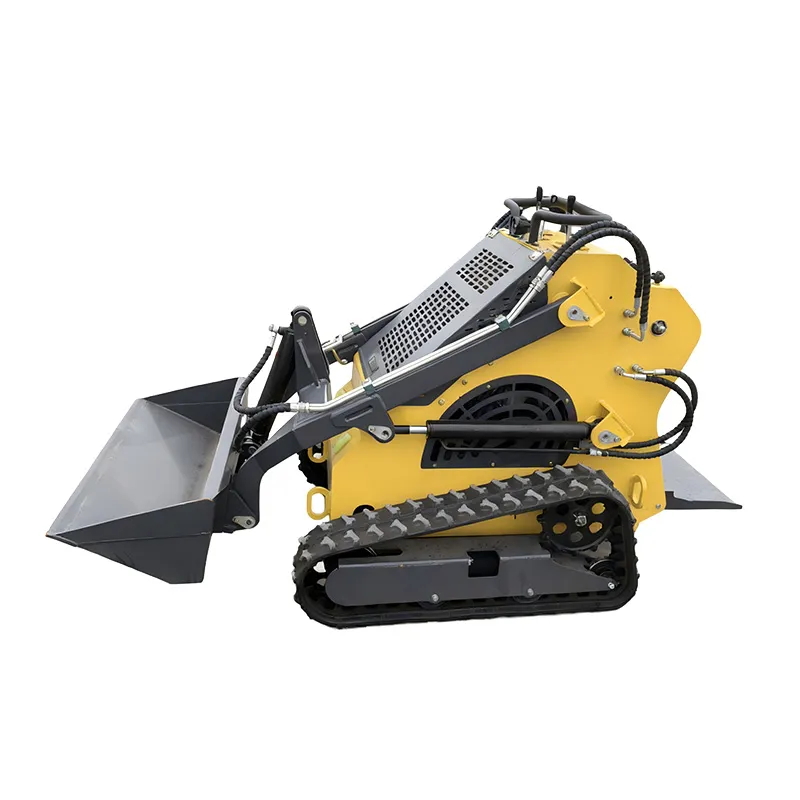
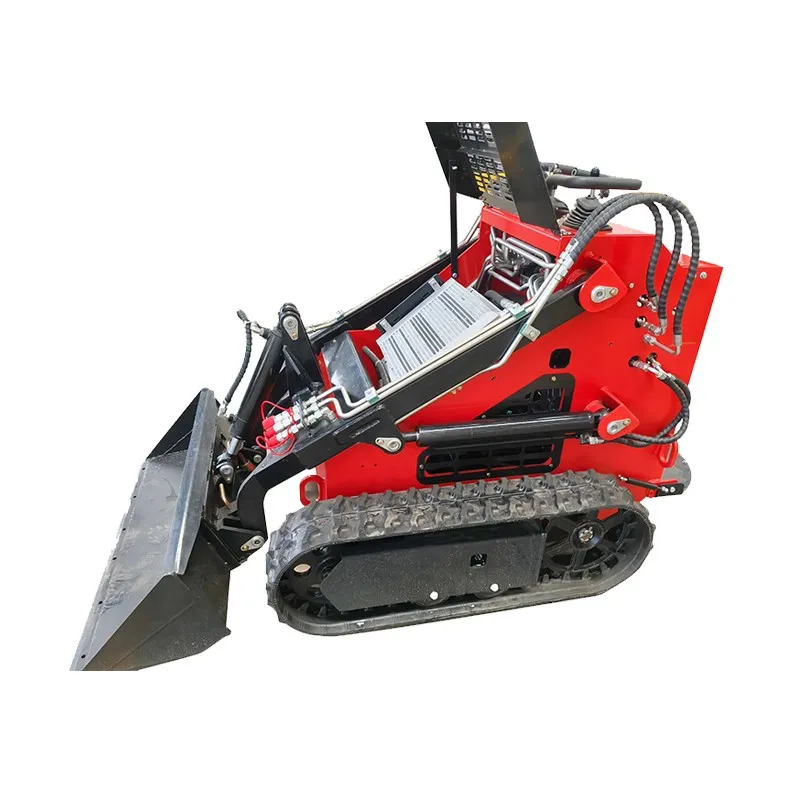
buy skid steer in China
When someone types 'buy skid steer in China' into a search bar, I imagine they're picturing a straightforward path to massive savings. The allure is obvious: cut out the middleman, go direct to the source. But having been through this process more times than I can count, that search term often leads people into a maze of assumptions. The biggest misconception? That China is a monolithic manufacturing hub where every factory produces identical, cheap machines. The reality is far more nuanced, and the difference between a successful purchase and a costly mistake hinges on understanding that nuance from the get-go.
The Initial Search and the Factory Landscape
Your first dive will likely flood you with Alibaba listings and company websites. It's overwhelming. You'll see specs that look too good for the price, and communication that's almost too eager. Early on, I made the error of equating a slick website with manufacturing capability. I learned the hard way that many are just trading companies. The key is to identify who actually bends the metal. You need to find entities with a verifiable production base, not just a sales office. This is where digging into a company's history and physical footprint becomes non-negotiable.
Take Shandong Pioneer Engineering Machinery Co., Ltd, for instance. A detail that caught my eye when evaluating suppliers was their relocation and expansion history. They established in 2004 in Jining and then moved to a new site in Ningyang in 2023. That’s a tangible signal. A company investing in a larger production area after nearly two decades isn't a fly-by-night operation. It suggests growth, reinvestment, and a degree of stability. You can check their base at https://www.sdpioneer.com. This kind of concrete detail is what you should be looking for, not just glossy product photos.
The region matters too. Shandong is a known cluster for construction machinery. Being there often means better access to component supply chains. But it also means you have to discern quality tiers. The market is stratified. Some factories cater to the ultra-price-sensitive markets with very basic machines, while others, like those exporting to Germany or Australia, have to meet a completely different set of durability and compliance standards. Pioneer's mention of exporting to those countries is a data point, not a guarantee, but it directs your inquiry toward their models built for those markets.
Specs, Standards, and the Compliance Gap
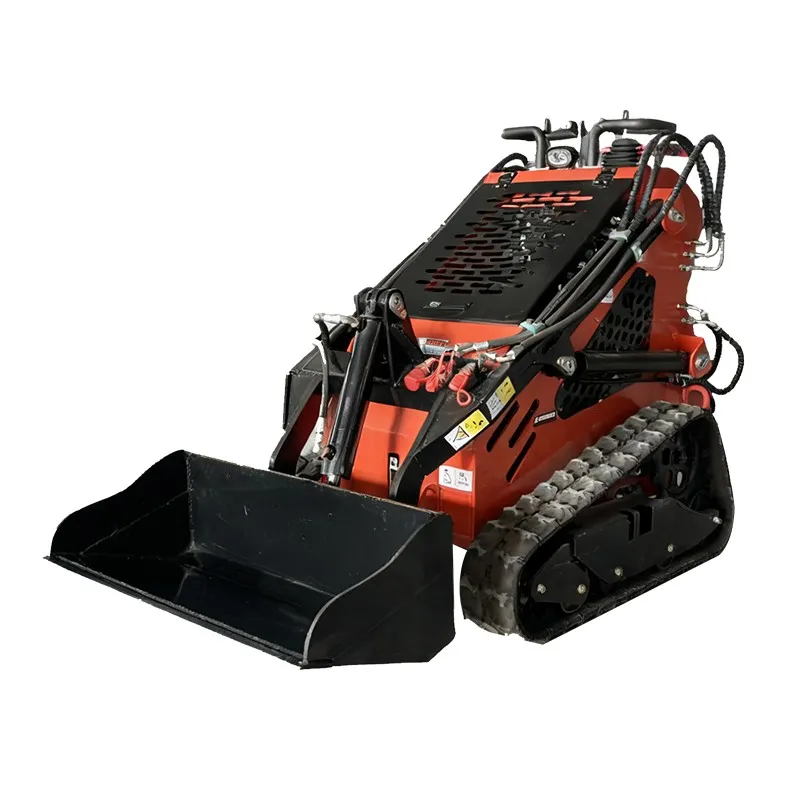
Here's where the rubber meets the road. You see a spec sheet for a skid steer loader with a rated operating capacity that matches a Bobcat or Cat model. The price is 40% less. The trap is thinking the machines are directly comparable. They often are not. The hydraulic system efficiency, the quality of the cylinder seals, the grade of steel in the boom arms—these are rarely detailed online. You have to ask specific, technical questions. What's the brand of the main hydraulic pump? What's the source of the axles? Is the quick-attach system a generic copy or an interoperable design?
I recall a project where we needed machines for a rental fleet. We bought a batch based primarily on engine horsepower and price. The machines ran, but the auxiliary hydraulic flow was inconsistent, causing attachments like augers to perform poorly. It was a classic case of a spec looking right on paper but the actual system integration being subpar. The lesson was to never buy a skid steer from China without clarifying performance benchmarks for the specific attachments you plan to run.
Furthermore, CE certification is common, but its depth varies. For the European market, it's a serious undertaking. For other regions, it might be a thinner declaration. If you're importing to North America, you need to think about EPA Tier standards for engines and, crucially, safety standards like ROPS/FOPS. Not every Chinese factory has experience certifying for OSHA-like regulations. This compliance gap is a major point of failure for first-time buyers who assume global standards are universal.
The Procurement Dance: Communication and Due Diligence
Email exchanges will only get you so far. The phrase yes, we can do that is ubiquitous. The real understanding starts with video calls showing the factory floor, the welding stations, the assembly line. You want to see their quality control process. Do they have a pressure-test rig for hydraulic lines? A paint booth with proper pretreatment? Asking for a video walkthrough of a completed machine, focusing on weld seams and wiring harnesses, separates the serious players from the rest.
Payment terms are another minefield. A 30% deposit is standard, but I've pushed for staging payments linked to production milestones: deposit, payment upon pre-shipment inspection, balance against copy of shipping documents. It creates accountability. Using a third-party inspection service based in China for the pre-shipment check is worth every penny. They'll catch issues like fluid leaks, faulty gauges, or poor fit and finish before the container is sealed.
Let's talk about the company profile of Shandong Pioneer again. They frame themselves with two entities: Shandong Hexin for manufacturing and Shandong Pioneer for overseas trade. This is a fairly transparent and common structure. It tells you that the export arm is their dedicated channel, which ideally means they have experience with logistics, documentation, and after-sales support for international clients. When you buy skid steer equipment from them, you're likely dealing with the export-specialized team. That's a plus, as they should understand Incoterms, export declarations, and the importance of clean documentation.
Logistics, Landing Costs, and the Aftermath
The FOB price is just the beginning. I've seen people budget perfectly for the machine cost and then get blindsided by freight volatility, port handling fees, customs clearance, and inland trucking. You must factor in a contingency, at least 15-20% on top of the FOB price, for landed cost. Choosing the right Incoterm is critical. For beginners, CIF to your nearest port might be simpler, but you surrender control of the freight. For more control, FOB with your own freight forwarder is better.
Then comes the aftermath—parts and support. This is the ultimate test. Before placing an order, you need a clear agreement on the spare parts kit (what's included), the parts catalog (is it in English with clear diagrams?), and the lead time for ordering major components like a replacement hydraulic pump or an ECU. The best suppliers will have a parts inventory specifically for overseas support. A red flag is if they can't provide a structured parts list or promise unrealistically fast shipping for every single item.
My advice? Start small. Don't make your first order a container of ten machines. Order one. Put it through its paces. Test the after-sales response. How quickly do they answer a technical email? Can they supply a wiring schematic when you need it? This trial run is your cheapest and most valuable due diligence. A company that supports a single-machine order well is far more likely to be a reliable partner for larger volumes.
Final Reality Check: Is It Worth It?
So, back to the original impulse to buy skid steer in China. Is it worth it? It can be, but not for everyone. If you need a machine for light, non-critical duties, have some technical capacity for minor repairs, and are highly cost-sensitive, it's a viable path. The savings are real. If you're running a demanding commercial operation where machine uptime is directly tied to revenue, and you lack an on-site mechanic comfortable with international parts sourcing, the risks and hidden costs can quickly erode the upfront savings.
The successful buyers I've seen are those who treat it as a technical procurement project, not just a purchase. They invest time in factory verification, specify requirements painstakingly, budget for proper inspections and logistics, and cultivate the supplier relationship for the long term. They see the supplier, like a Shandong Pioneer, not as a faceless factory but as a potential partner whose capabilities need to be audited and managed.
In the end, typing that search term is just step one. The real work is in the layers of investigation that follow. The market is full of opportunity, but it demands a buyer who is part engineer, part logistics manager, and part diplomat. There's no magic bullet, just careful, skeptical, and detailed groundwork. Get that right, and the value proposition becomes very real.
Related Products
Related Products