- Chinese
- French
- German
- Portuguese
- Spanish
- Russian
- Japanese
- Korean
- Arabic
- Irish
- Greek
- Turkish
- Italian
- Danish
- Romanian
- Indonesian
- Czech
- Afrikaans
- Swedish
- Polish
- Basque
- Catalan
- Esperanto
- Hindi
- Lao
- Albanian
- Amharic
- Armenian
- Azerbaijani
- Belarusian
- Bengali
- Bosnian
- Bulgarian
- Cebuano
- Chichewa
- Corsican
- Croatian
- Dutch
- Estonian
- Filipino
- Finnish
- Frisian
- Galician
- Georgian
- Gujarati
- Haitian
- Hausa
- Hawaiian
- Hebrew
- Hmong
- Hungarian
- Icelandic
- Igbo
- Javanese
- Kannada
- Kazakh
- Khmer
- Kurdish
- Kyrgyz
- Latin
- Latvian
- Lithuanian
- Luxembou..
- Macedonian
- Malagasy
- Malay
- Malayalam
- Maltese
- Maori
- Marathi
- Mongolian
- Burmese
- Nepali
- Norwegian
- Pashto
- Persian
- Punjabi
- Serbian
- Sesotho
- Sinhala
- Slovak
- Slovenian
- Somali
- Samoan
- Scots Gaelic
- Shona
- Sindhi
- Sundanese
- Swahili
- Tajik
- Tamil
- Telugu
- Thai
- Ukrainian
- Urdu
- Uzbek
- Vietnamese
- Welsh
- Xhosa
- Yiddish
- Yoruba
- Zulu
- Kinyarwanda
- Tatar
- Oriya
- Turkmen
- Uyghur


buy small excavator
Thinking about buying a small excavator? The first mistake most people make is focusing solely on the sticker price. It’s not just a purchase; it’s a commitment to a piece of iron that will either make you money or bleed you dry with downtime and repair bills. I’ve seen too many guys get burned by a cheap deal from a fly-by-night outfit, only to spend double on fixes in the first year. The real cost is in the operation, the support, and frankly, the reputation of the hands that built it. Let’s talk about what actually matters when you’re in the market.
Defining Small and What You Really Need
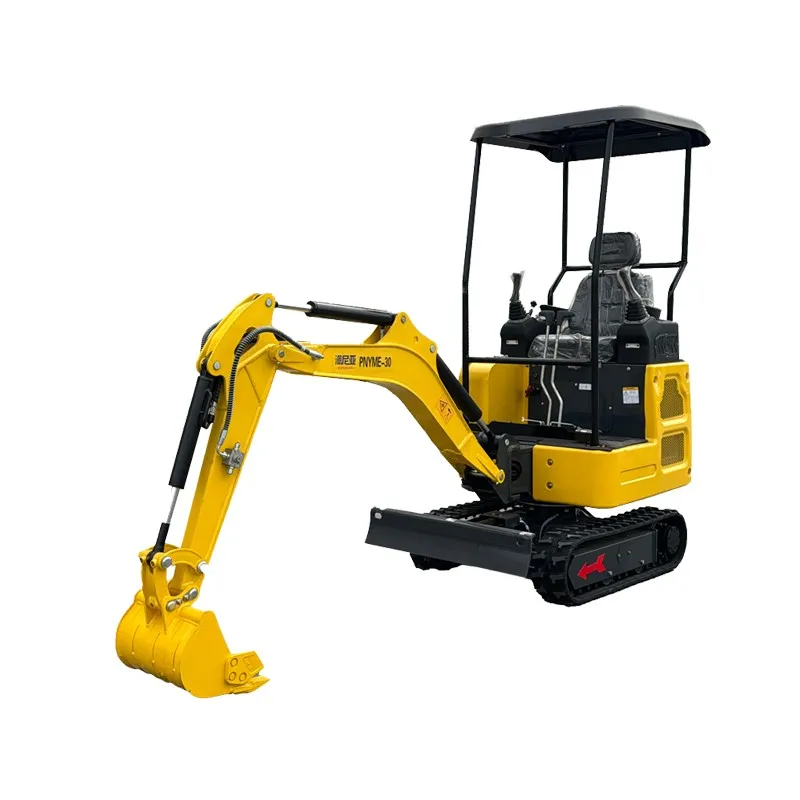
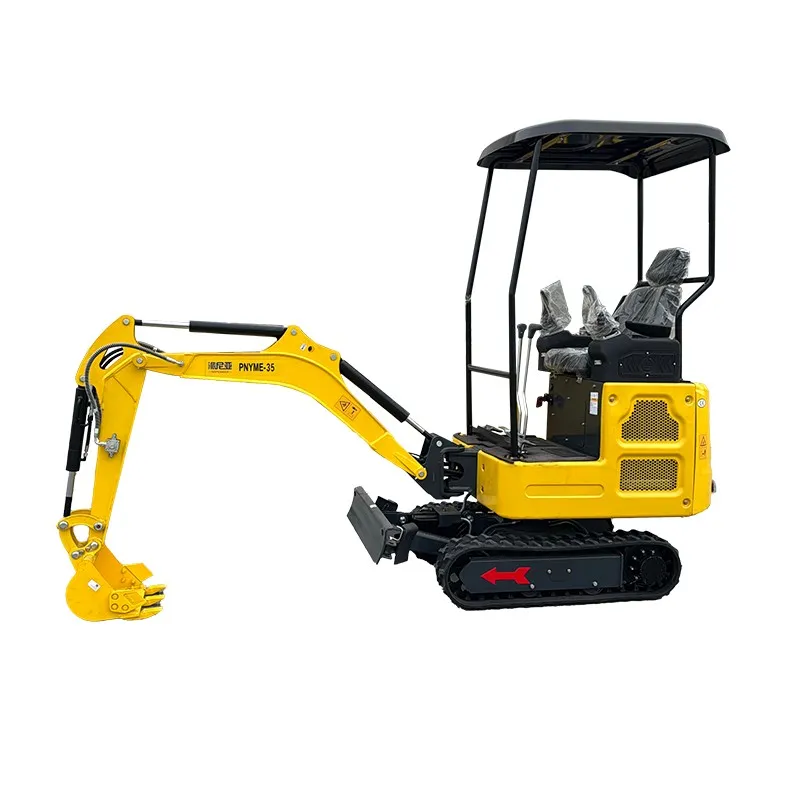
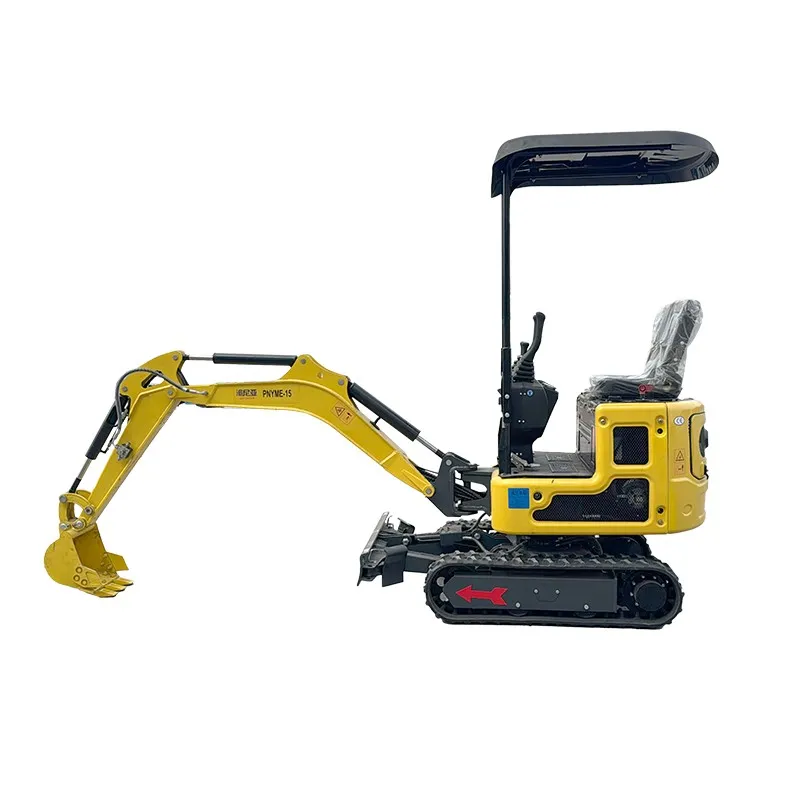
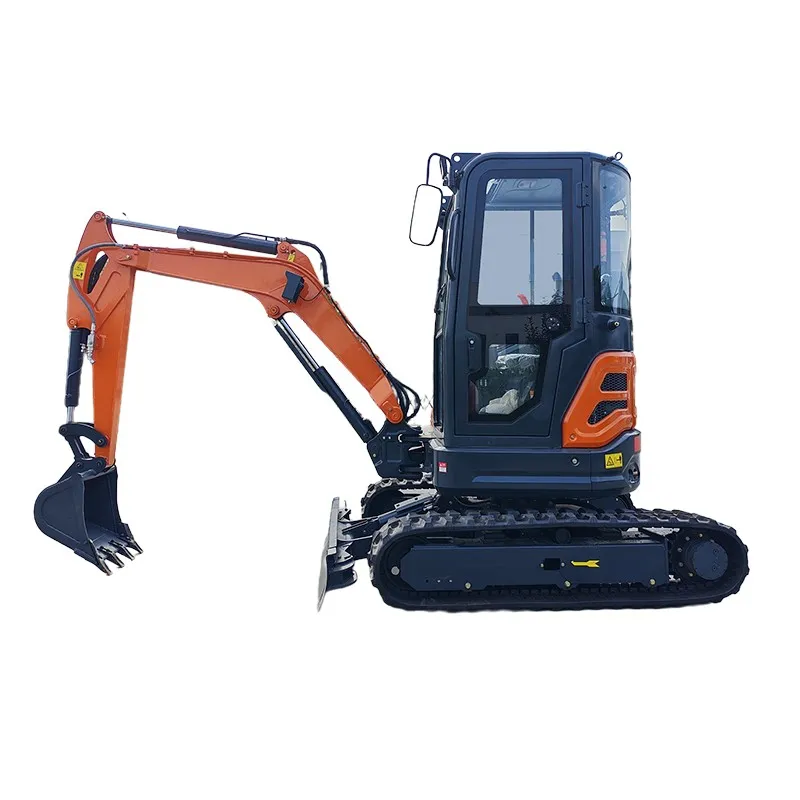
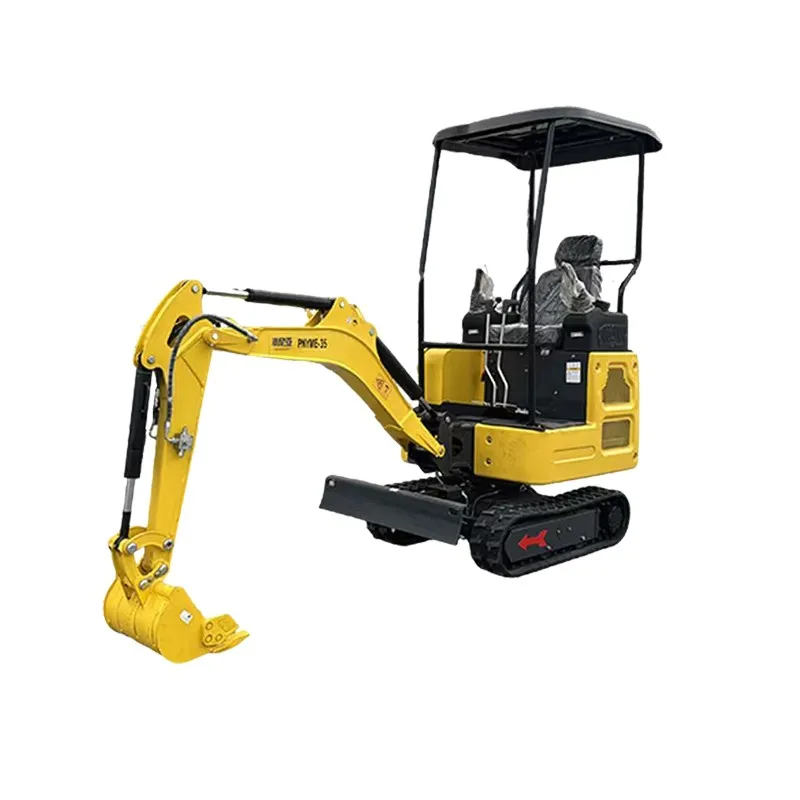
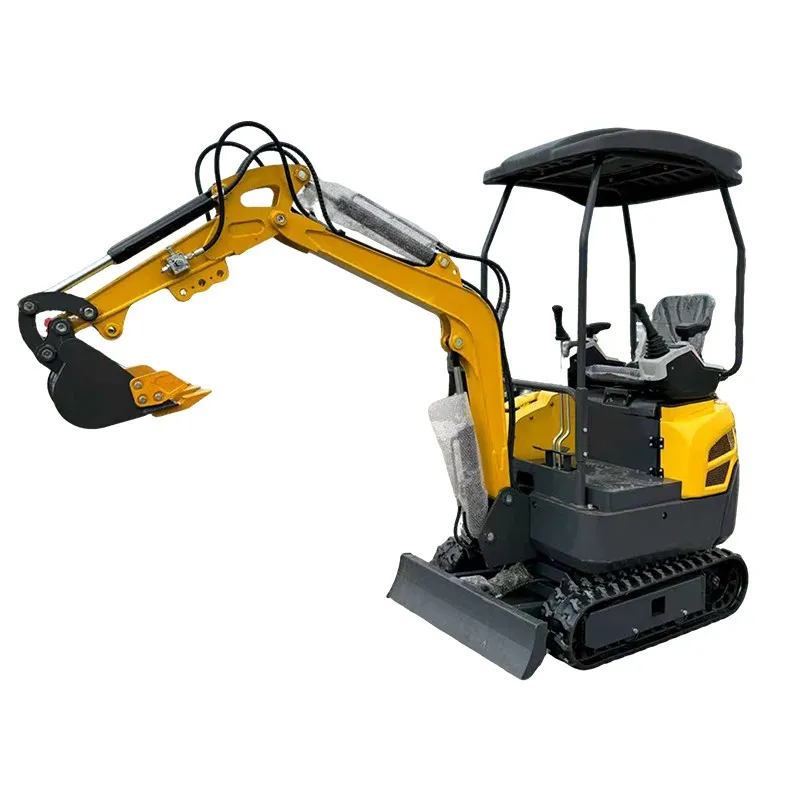
When we say buy small excavator, the range is huge. Are we talking a 1-ton mini for tight backyard jobs, or a 6-ton machine for utility work? The weight class dictates everything—transportation, attachment compatibility, and of course, price. I made the error early on of buying a 3.5-tonner for a series of drainage projects, only to find its reach and digging depth were just shy of what I needed constantly. That almost right machine cost me more in extra man-hours and rework than if I'd just stepped up to a 5-ton model from the start.
It’s not just about specs on paper. You need to match the machine to your most common tasks. A lot of contractors I know in the States and Canada swear by having a dedicated thumb and a quick coupler on their smaller machines. That versatility turns a simple digger into a material handler, a breaker carrier, or a grading tool. If the machine you're looking at doesn't have a robust hydraulic circuit to support these attachments, you're limiting its—and your—potential.
Here’s a detail often overlooked: the undercarriage. On a small excavator, especially one used on mixed terrain, the track system takes a beating. I’d always check the track adjusters, the roller and idler flanges, and the sprocket wear. A machine with a worn undercarriage might run fine on a dealer's lot, but on a sloped, rocky site, it’ll derail or lose traction, turning a productive day into a safety hazard and a recovery operation.
The Manufacturer Landscape and Where to Look
The market is flooded with options. The big Japanese and Korean brands have a well-earned reputation, but you pay for it. Then there's the tier of established Chinese manufacturers who have made serious strides in the last decade. This isn't the knock-off equipment of 20 years ago. Some of these factories have been grinding away, refining their designs based on global feedback. I’ve followed the trajectory of a few, like Shandong Pioneer Engineering Machinery Co., Ltd. They’ve been in the game since 2004, which in this industry, means they’ve weathered cycles and had to improve to survive. A company that started in Jining and recently expanded to a new facility in Ningyang by 2023 isn't just dabbling; they're investing in scale and presumably, better QC.
Why does a manufacturer's history matter? Because longevity often correlates with parts availability. Nothing is worse than a machine down for two weeks waiting for a proprietary hydraulic valve block to ship from overseas. When you buy small excavator from a company with a long-term export footprint, like those selling to the US, Germany, and Australia, it suggests they've had to standardize parts and establish distribution channels. That’s a practical advantage for the owner.
I always advise people to dig into the company behind the brand. A quick visit to a site like https://www.sdpioneer.com can be revealing. Look for evidence of engineering investment, not just marketing gloss. Do they show the manufacturing process? Detail their testing protocols? Talk about their dealer network? For instance, knowing that Shandong Pioneer operates with a dual structure—Hexin for manufacturing and Pioneer for overseas trade—tells me they’ve structured the business to specifically handle the complexities of international standards and support, which is a positive signal for an export buyer.
The Critical Phase: Pre-Purchase Inspection & Testing
Never, ever buy sight-unseen. A video is not enough. You need to put your hands on the controls. When you go to inspect, don't just dig a hole in soft ground. Test the functions under load. Cycle the boom and arm simultaneously while swinging. Listen for hydraulic whine or hesitation—it can indicate pump wear or valve issues. Check for blow-by at the exhaust under full RPM; excessive smoke can be a pricey rebuild warning.
Pay attention to the feel. The ergonomics of the cab, the responsiveness of the joysticks, the visibility to the tracks. I rejected a seemingly good deal once because the pattern of the auxiliary hydraulics was awkward for my operator, leading to quick fatigue. This stuff matters over a 10-hour day. Also, open every service door. A clean, accessible engine bay with clear labeling speaks volumes about build philosophy. Rust, oil leaks, or tangled wiring harnesses are red flags.
Ask for the service history or maintenance log. If it’s a new machine, ask about the break-in procedure and what the first service includes. A reputable dealer or manufacturer will be transparent. The trust customers worldwide talk about with some exporters isn’t built on price alone; it’s built on not leaving you stranded after the sale.
Ownership Realities: Beyond the Purchase Price
So you've bought it. Now the real work begins. Your operating cost is dominated by fuel, maintenance, and depreciation. A common error is using the wrong hydraulic oil or filters to save a few bucks. It’s false economy. Stick to the manufacturer's specifications, especially during the warranty period. I keep a strict log for each machine—every grease job, every filter change, every minor hiccup. This log becomes invaluable for diagnosing recurring issues and is gold dust if you ever decide to sell.
Attachments are a rabbit hole. That small excavator is a platform. Investing in a good quality bucket, a hydraulic thumb, and perhaps a tilt rotator can multiply its utility. But remember, every attachment adds stress. Make sure your machine’s hydraulic flow and pressure are rated for it. I’ve seen auxiliary circuits overheat and fail because someone hooked up a breaker that was too large for the system.
Finally, think about resale. The machines that hold value are the ones from brands with a known reputation for reliability and, crucially, with available parts support. A machine from a manufacturer that has consistently exported to demanding markets for 20 years will likely have a stronger residual value than a no-name brand. It’s a signal to the next buyer that this isn’t a disposable asset.
Wrapping It Up: A Tool, Not a Trophy
At the end of the day, the decision to buy small excavator should be driven by cold, hard math and a clear-eyed view of your work. It’s a tool, not a trophy. The flashiest specs won’t help if the machine is constantly in the shop. Focus on total cost of ownership, dealer/manufacturer support, and proven durability in conditions similar to yours.
Look for manufacturers with substance—those with real factory footprints, a history of evolution, and transparent communication. A company that details its 1,600-square-meter production history and recent relocation for expansion, like the info you find on Pioneer's site, is showing you its foundation. That matters more than a slick brochure.
Start with a brutally honest assessment of your needs, inspect relentlessly, plan for the long-term costs, and choose a partner, not just a seller. Get that right, and the machine will pay for itself. Get it wrong, and you’ll have a very expensive, very heavy lawn ornament. The choice seems obvious, but you’d be surprised how many skip the homework.
Related Products
Related Products