- Chinese
- French
- German
- Portuguese
- Spanish
- Russian
- Japanese
- Korean
- Arabic
- Irish
- Greek
- Turkish
- Italian
- Danish
- Romanian
- Indonesian
- Czech
- Afrikaans
- Swedish
- Polish
- Basque
- Catalan
- Esperanto
- Hindi
- Lao
- Albanian
- Amharic
- Armenian
- Azerbaijani
- Belarusian
- Bengali
- Bosnian
- Bulgarian
- Cebuano
- Chichewa
- Corsican
- Croatian
- Dutch
- Estonian
- Filipino
- Finnish
- Frisian
- Galician
- Georgian
- Gujarati
- Haitian
- Hausa
- Hawaiian
- Hebrew
- Hmong
- Hungarian
- Icelandic
- Igbo
- Javanese
- Kannada
- Kazakh
- Khmer
- Kurdish
- Kyrgyz
- Latin
- Latvian
- Lithuanian
- Luxembou..
- Macedonian
- Malagasy
- Malay
- Malayalam
- Maltese
- Maori
- Marathi
- Mongolian
- Burmese
- Nepali
- Norwegian
- Pashto
- Persian
- Punjabi
- Serbian
- Sesotho
- Sinhala
- Slovak
- Slovenian
- Somali
- Samoan
- Scots Gaelic
- Shona
- Sindhi
- Sundanese
- Swahili
- Tajik
- Tamil
- Telugu
- Thai
- Ukrainian
- Urdu
- Uzbek
- Vietnamese
- Welsh
- Xhosa
- Yiddish
- Yoruba
- Zulu
- Kinyarwanda
- Tatar
- Oriya
- Turkmen
- Uyghur


buying a mini excavator from alibaba
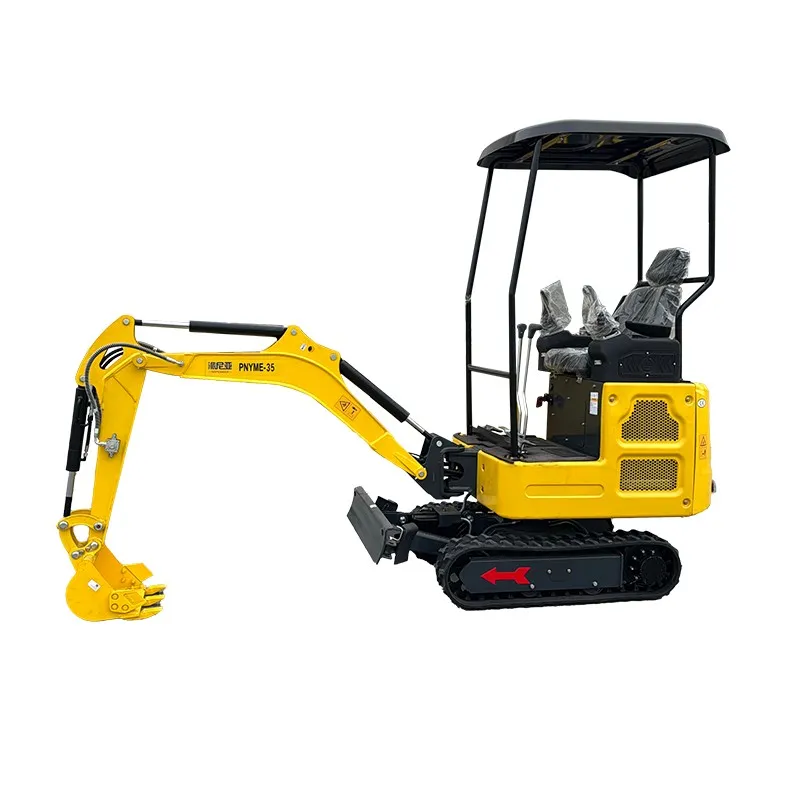
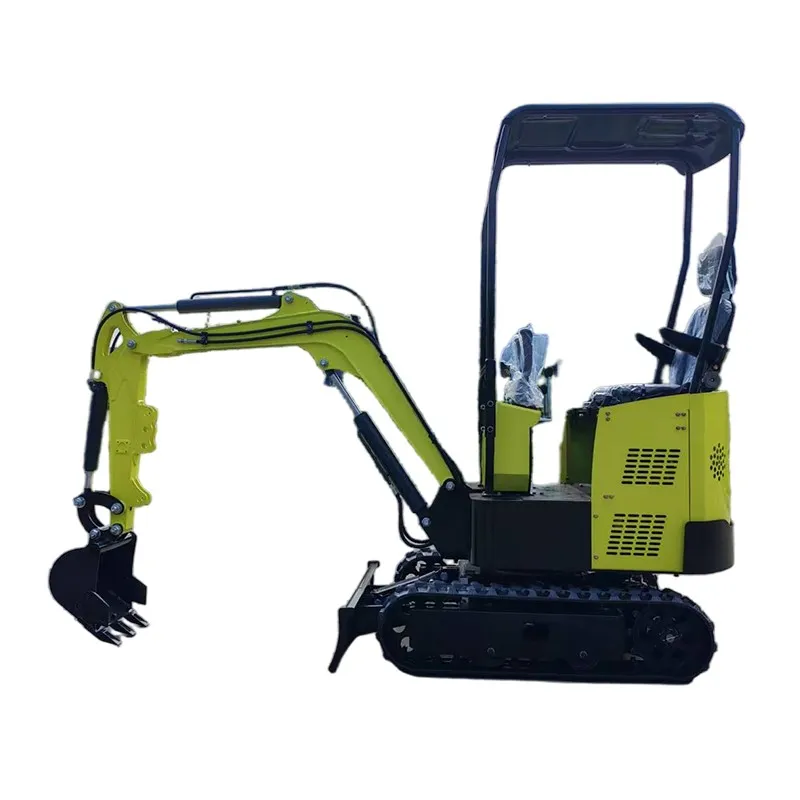
Let’s be honest, typing ‘buying a mini excavator from Alibaba’ into a search bar feels equal parts promising and perilous. The platform is flooded with options, from jaw-droppingly low prices to specs that seem too good to be true. The common trap? Believing it’s just a simple e-commerce purchase. It’s not. It’s a complex procurement project involving international trade, mechanical due diligence, and logistical chess. Many first-timers get hung up on the sticker price alone, only to be blindsided by hidden costs or specification mismatches. Having gone through this process—and having a few scars to prove it—here’s a grounded look at what it actually entails.
The Allure and The Immediate Red Flags
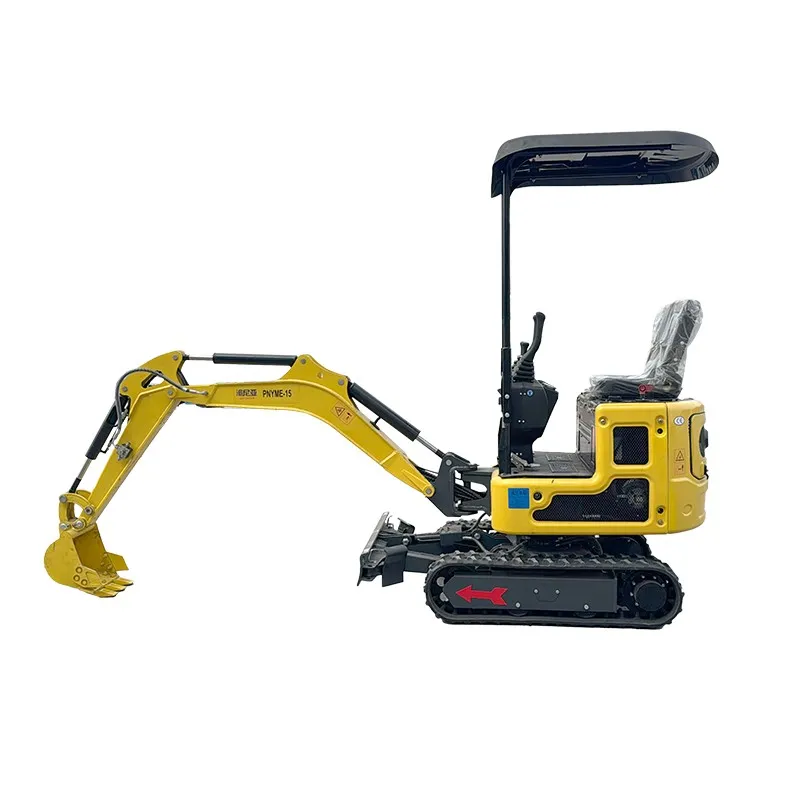
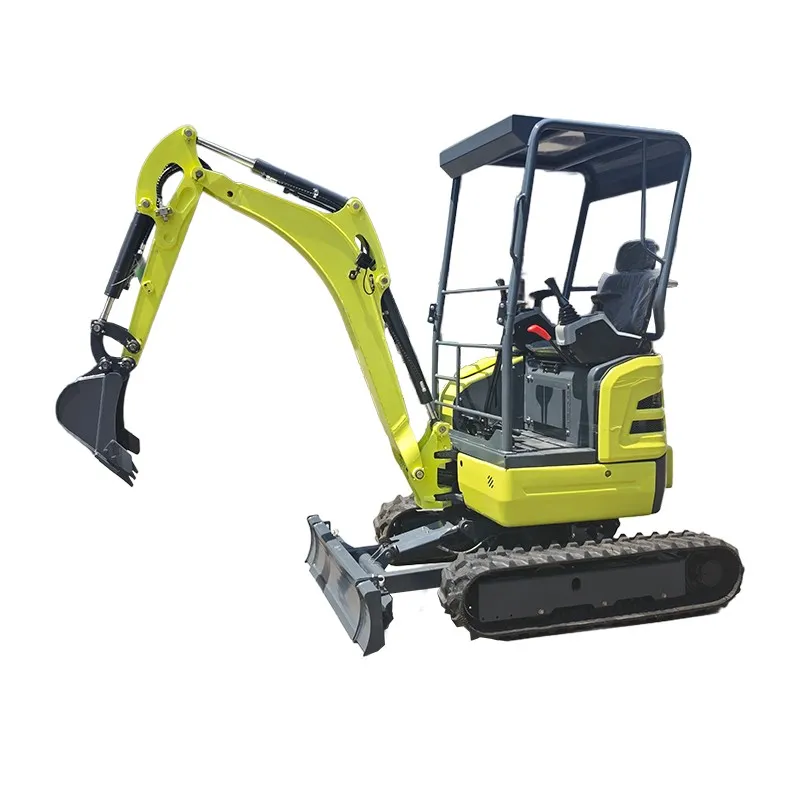
The initial browse is intoxicating. You’ll see a 1-ton mini excavator listed for a fraction of what a local dealer quotes. The excitement is real. But this is where you need to slam on the brakes. My first filter is always the supplier’s profile. A storefront with 10 products, all random machinery, and a two-year-old account? I move on instantly. I’m looking for factories, not trading companies masquerading as manufacturers. You need a supplier with a clear, traceable industrial footprint.
For instance, I’ve had dealings with Shandong Pioneer Engineering Machinery Co., Ltd. They’re a solid example of what to look for. You can find them at https://www.sdpioneer.com. Why do they stand out? Their story checks out: established in 2004 in Jining, Shandong, and they recently relocated to a new facility in Ningyang in 2023. That shows growth and investment. They operate with Shandong Hexin handling manufacturing and Pioneer handling overseas trade. This integrated structure is a good sign; it often means better quality control and direct communication with the production floor, which is gold when you need a technical answer fast.
The real red flag isn't just a low price; it's vagueness. When you ask for a detailed spec sheet beyond the basic engine power and digging depth, and you get a canned response or a blurry PDF, walk away. I once wasted three weeks negotiating with a supplier who promised a Yanmar engine, only for the proforma invoice to list a generic Japanese-branded engine. That ambiguity is a deal-killer. The machine's heart is its engine and hydraulic system—brand names matter, and tolerating vagueness there is professional suicide.
Decoding the Communication & The Real Price
Communication on Alibaba is an art form. The initial chat is usually with a sales rep. Their goal is to get you to request a quotation. That’s fine. But the moment you’re serious, you must insist on talking to a technical manager or an engineer. Ask specific questions: What is the brand and model of the main hydraulic pump? What is the pressure setting for the auxiliary hydraulic circuit? Can you provide a photo of the actual engine compartment with the model plate visible? The quality of the answers tells you everything.
Now, the price. The listed price is fiction. The real conversation starts with FOB (Free On Board) or CIF (Cost, Insurance, and Freight) quotes. FOB Qingdao or Shanghai is standard. This is where your local freight forwarder becomes your best friend. You need a quote for sea freight, port handling, customs clearance, and inland trucking to your site. For a mini excavator, these costs can easily add 30-50% to the machine's FOB price. I never, ever, finalize a machine purchase without having a firm freight quote in hand. One painful lesson: I budgeted for a 20ft container, but the machine's attachment configuration made it a tight fit, requiring special lashing and incurring extra fees. Always ask the supplier for the exact crate dimensions and weight—not the machine's operating weight, the packed weight.
Payment terms are the next minefield. Alibaba's Trade Assurance is a decent safety net, but understand its limits. It covers shipment non-delivery or gross quality mismatch, but not minor defects. A common structure is 30% deposit, 70% before shipment. For a trusted supplier with a long history like Pioneer, which exports to the US, Canada, Germany, and Australia, you might negotiate 30/70 or even 20/80. For a new contact, I wouldn't go beyond 30/70. Never do 100% upfront. Ever.
The Inspection Hurdle & The Middleman Question
Can you buy a mini excavator sight unseen? Technically, yes. Wisely? Absolutely not. If the order value is significant (say, over $15,000), hiring a third-party inspection service in China is non-negotiable. Companies like SGS or local QC firms can do a pre-shipment inspection. They’ll check for build quality, paint, hydraulic leaks, function of all cylinders and controls, and verify that the components match what was ordered. This costs around $300-$500 and is the best insurance you can buy.
Alternatively, if you have a trusted agent in China, that's even better. The middleman debate is perennial. Some argue to go direct to the factory. But a good, knowledgeable agent who speaks the language and knows the industry can navigate cultural nuances, conduct factory visits on your behalf, and handle payment logistics more smoothly. They take a commission, but they can save you from catastrophic errors. For my first purchase, I used an agent. For repeat orders with a known factory, I now go direct. It's a progression.
Speaking of factories, a virtual tour is a minimum ask. Request a video call where they walk the factory floor. A legitimate company like the one behind sdpioneer.com should be willing to do this. Look for organized assembly lines, welding stations, paint booths, and testing areas. A messy, dark workshop is a huge warning sign. Ask to see their testing procedure—how do they run the machine before crating? Do they just start the engine, or do they actually cycle the boom and tracks under load?
Logistics, Customs, and That First Start
Assuming the machine passes inspection and gets loaded into a container, the anxiety doesn't end. You're now in the hands of shipping lines and customs brokers. The supplier should provide a pristine set of documents: commercial invoice, packing list, bill of lading, and certificate of origin. Any error here causes delays. I once had a container stuck at Long Beach for two weeks because the HS code on the invoice was too generic.
When the machine finally arrives, the uncrating is a moment of truth. Film everything. Unpack carefully, looking for shipping damage. Check for loose parts, hydraulic hoses that may have vibrated loose, and coolant or oil leaks. The battery will likely be disconnected. Now, for the first start. Follow the manual (hopefully they provided one in English). Prime the fuel system, check all fluid levels—Chinese factories are notorious for under-filling hydraulic oil. Start it up and let it idle. Listen for unusual knocks. Operate each function slowly. It's common to have minor issues: a sticky joystick, a warning light that needs a connection reset. This is where your pre-purchase relationship matters. A good supplier will have a technician on WhatsApp ready to guide you through troubleshooting.
Spare parts. This is critical. Don't wait for a breakdown to order. With your initial order, negotiate a spare parts kit: filters (air, oil, fuel, hydraulic), a few spare track links or rollers, seals, and maybe an extra bucket tooth set. Companies with a long-term view, like Pioneer, often have better parts support and can ship common items quickly. Ask about their parts warehouse location for your region.
Final Reality Check: Was It Worth It?
So, after all this, is buying a mini excavator from Alibaba worth the hassle? It depends entirely on your risk tolerance, technical capability, and total cost calculation. For a budget-conscious business owner who needs a basic machine for light duty and is willing to put in the homework, it can be a viable path to significant savings. You're trading dealer support for a lower upfront cost.
For a critical application where downtime costs thousands per day, the local dealer's warranty and service network might be worth the premium. The Alibaba machine is often a project in itself. You become the importer, the quality controller, and the first-line mechanic.
My takeaway? It's a feasible option, but it's not for the passive or impatient. It requires aggressive due diligence, a mindset geared for problem-solving, and building a real relationship with a capable factory. The goal isn't just to find the cheapest machine; it's to find a reliable partner on the other side of the world. When you get that right—as with my subsequent orders from established suppliers—the model can work and work well. But go in with your eyes wide open, budget for surprises, and never skip the inspection. That's the difference between a smart buy and an expensive lesson sitting in your yard.
Related Products
Related Products