


- Chinese
- French
- German
- Portuguese
- Spanish
- Russian
- Japanese
- Korean
- Arabic
- Irish
- Greek
- Turkish
- Italian
- Danish
- Romanian
- Indonesian
- Czech
- Afrikaans
- Swedish
- Polish
- Basque
- Catalan
- Esperanto
- Hindi
- Lao
- Albanian
- Amharic
- Armenian
- Azerbaijani
- Belarusian
- Bengali
- Bosnian
- Bulgarian
- Cebuano
- Chichewa
- Corsican
- Croatian
- Dutch
- Estonian
- Filipino
- Finnish
- Frisian
- Galician
- Georgian
- Gujarati
- Haitian
- Hausa
- Hawaiian
- Hebrew
- Hmong
- Hungarian
- Icelandic
- Igbo
- Javanese
- Kannada
- Kazakh
- Khmer
- Kurdish
- Kyrgyz
- Latin
- Latvian
- Lithuanian
- Luxembou..
- Macedonian
- Malagasy
- Malay
- Malayalam
- Maltese
- Maori
- Marathi
- Mongolian
- Burmese
- Nepali
- Norwegian
- Pashto
- Persian
- Punjabi
- Serbian
- Sesotho
- Sinhala
- Slovak
- Slovenian
- Somali
- Samoan
- Scots Gaelic
- Shona
- Sindhi
- Sundanese
- Swahili
- Tajik
- Tamil
- Telugu
- Thai
- Ukrainian
- Urdu
- Uzbek
- Vietnamese
- Welsh
- Xhosa
- Yiddish
- Yoruba
- Zulu
- Kinyarwanda
- Tatar
- Oriya
- Turkmen
- Uyghur

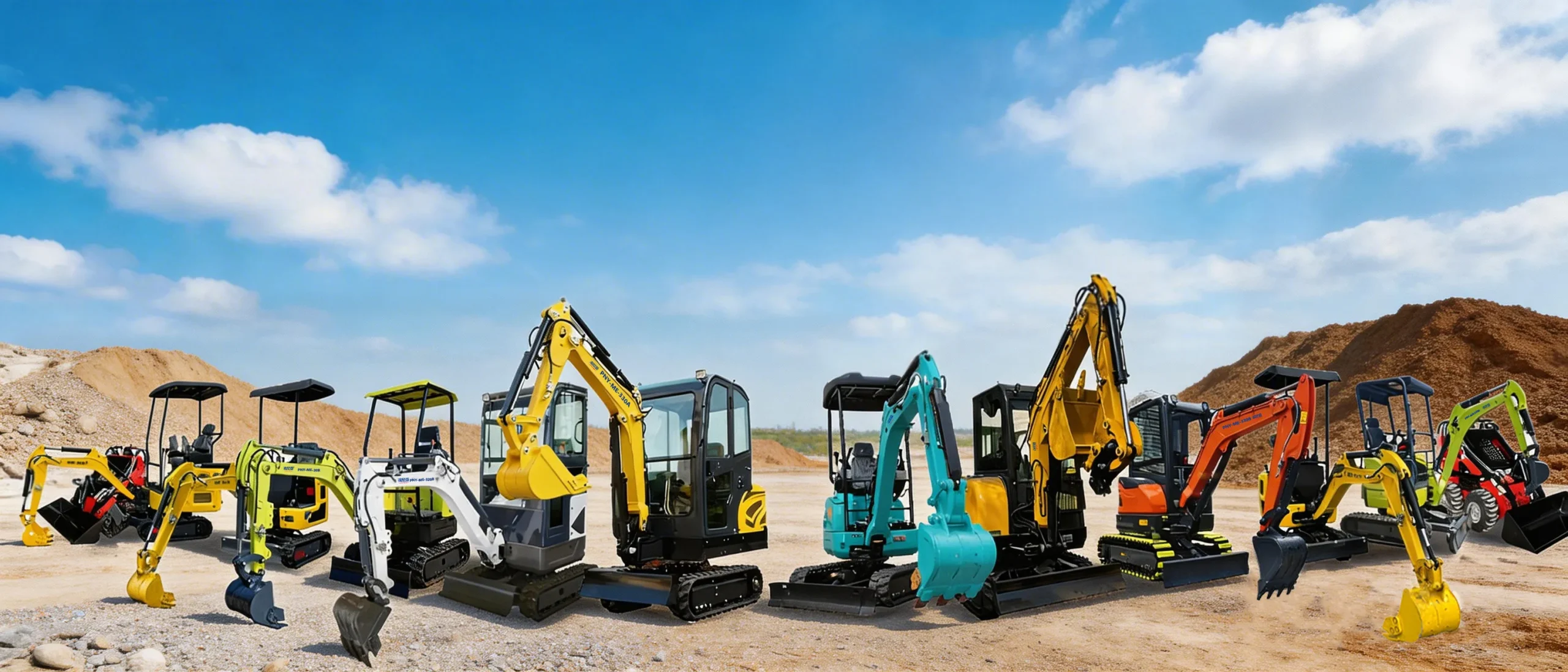
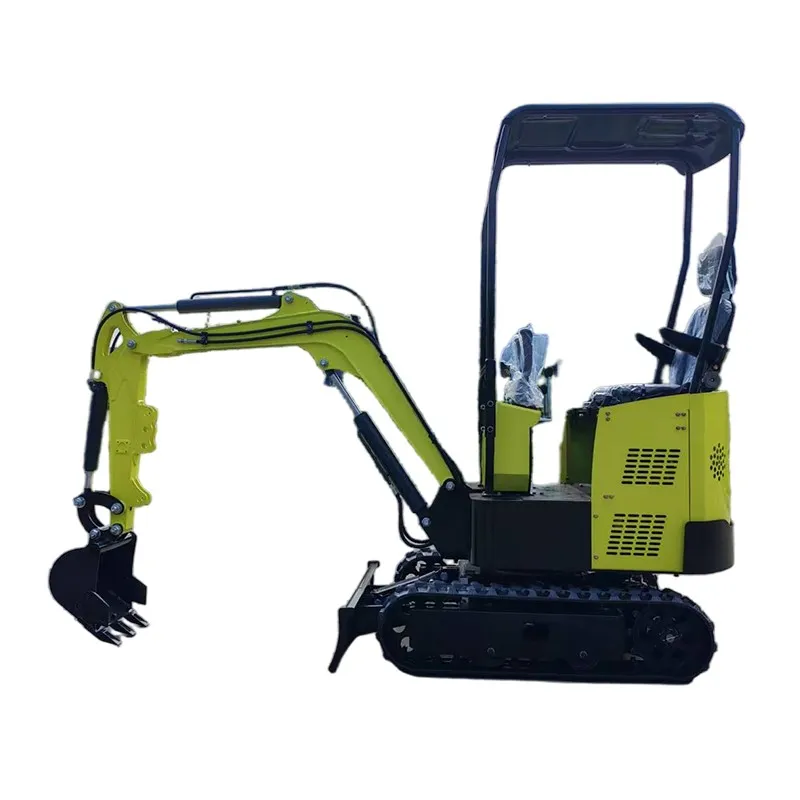
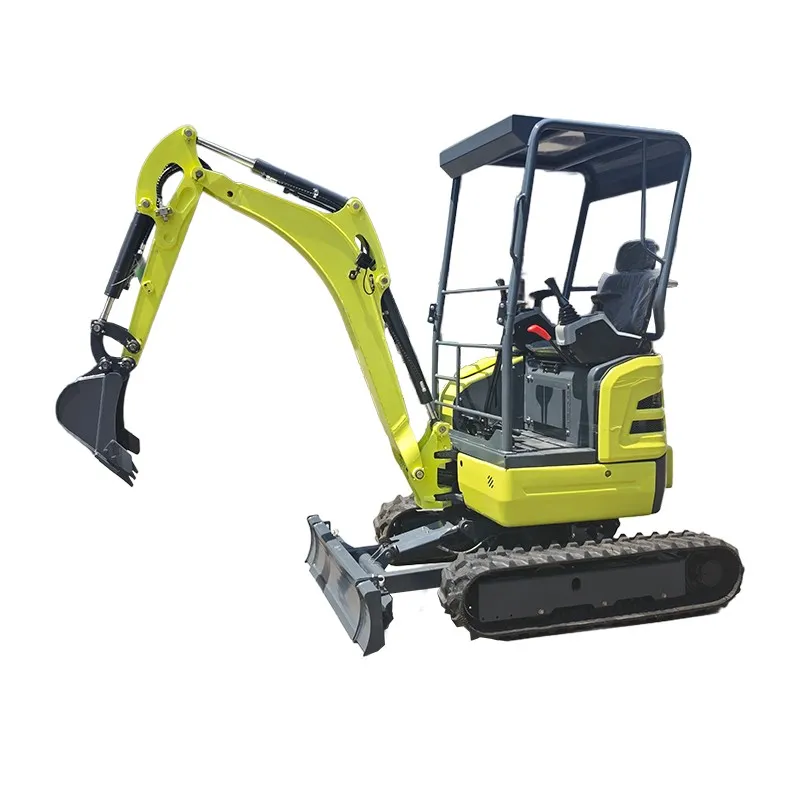
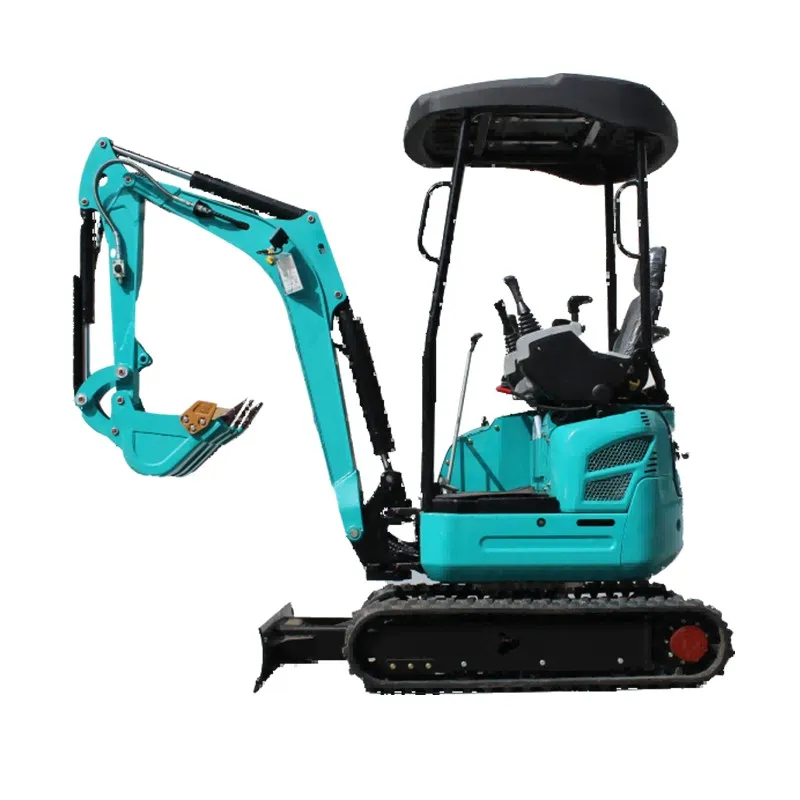
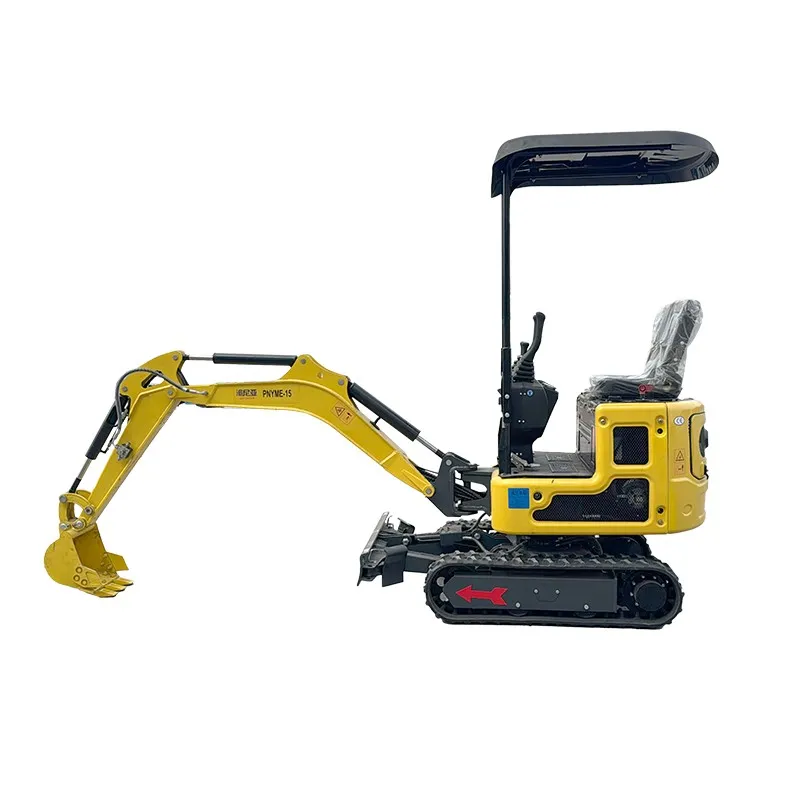
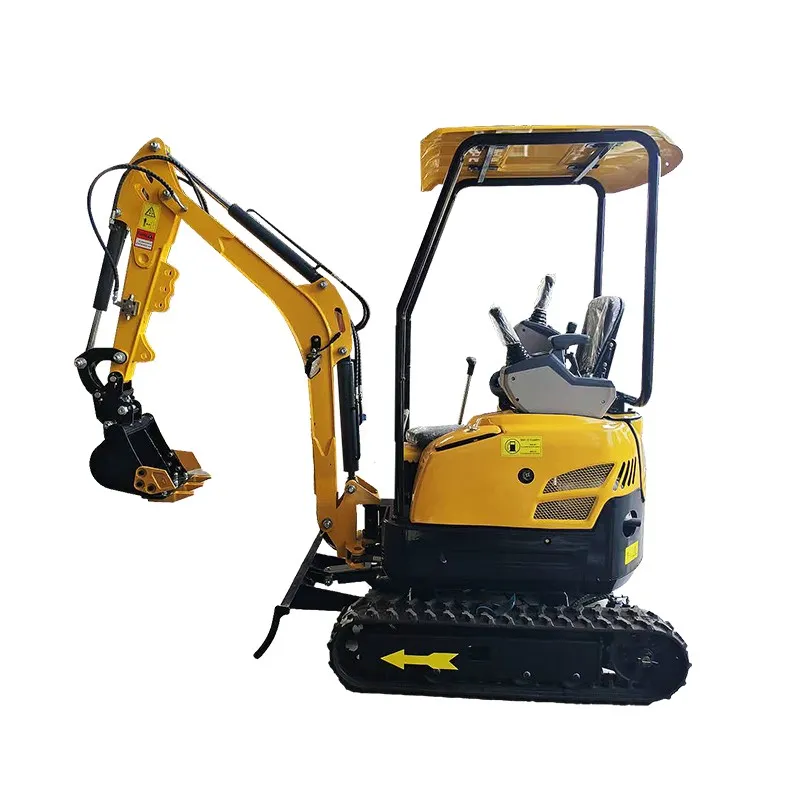
case mini excavator
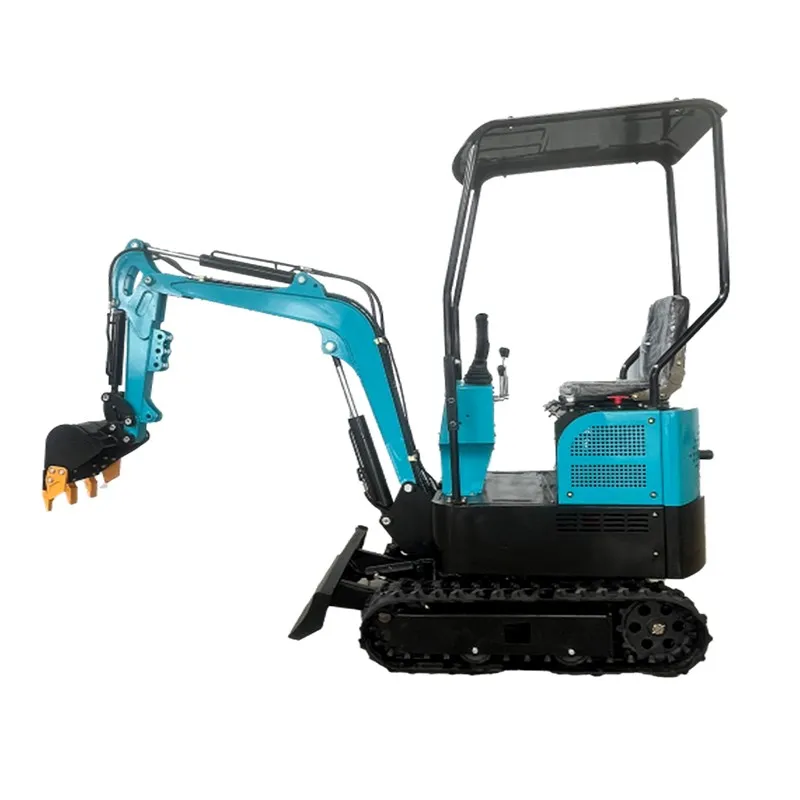
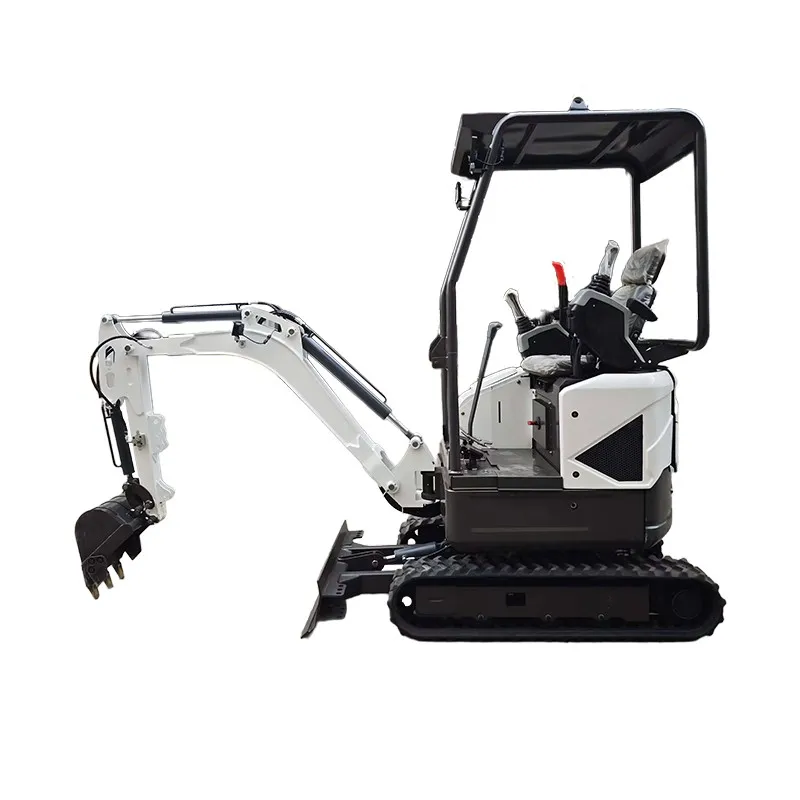
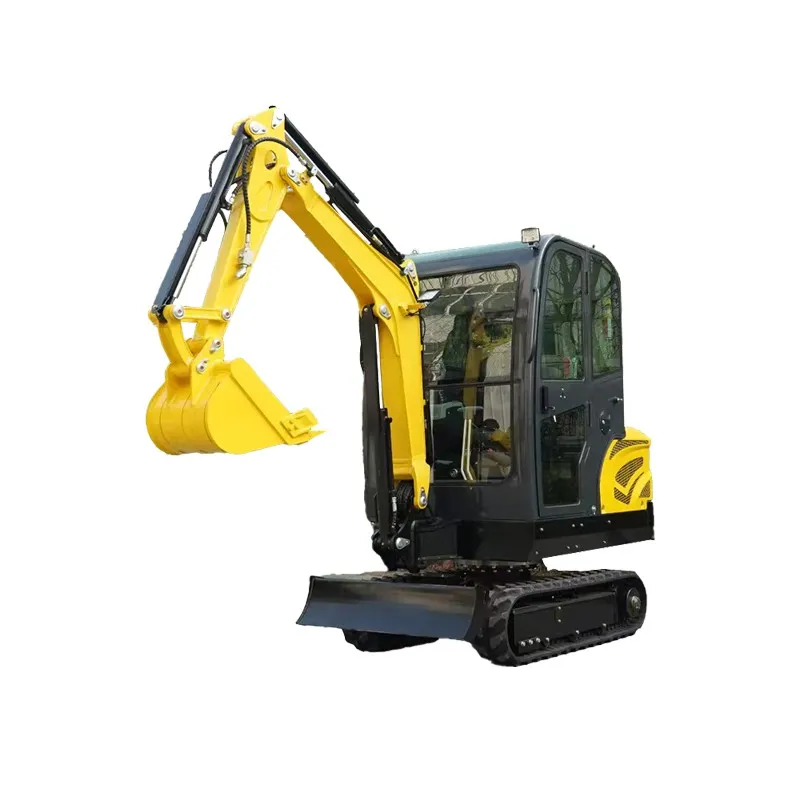
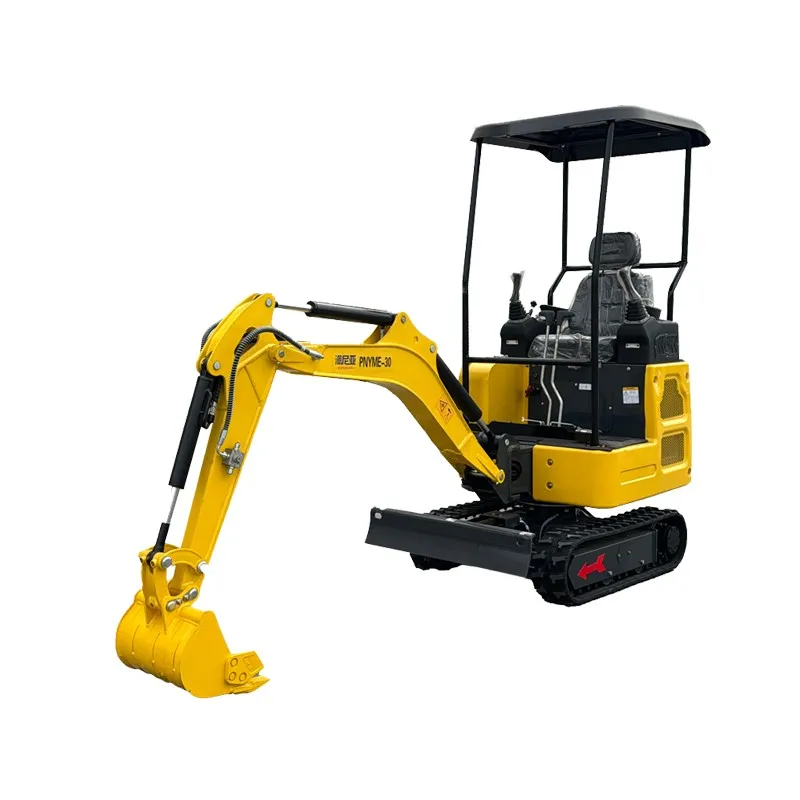
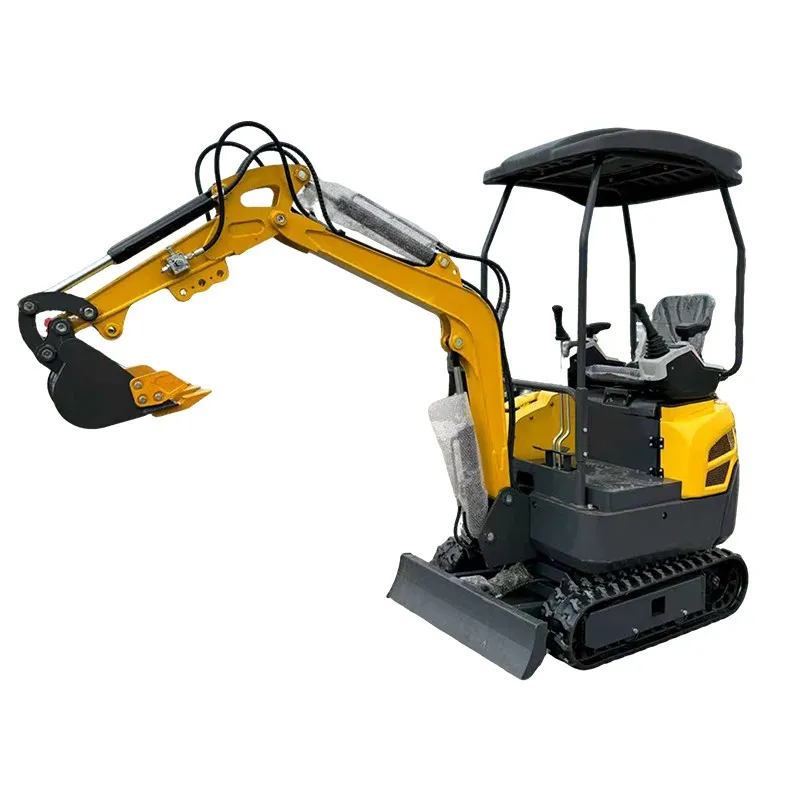
When most people hear 'case mini excavator', they immediately think of the brand. And that's the first mistake. In the field, it's become a generic term, like Kleenex for tissues. But the real conversation isn't about the label; it's about what happens when you put 2 to 6 tons of steel and hydraulics into a tight backyard, a utility trench, or a crumbling basement. The spec sheet tells you lift capacity and digging depth. Experience tells you about the feel of the joysticks after eight hours, the accessibility of the grease points, and whether the undercarriage will hold up when you're tracking over demolition debris. I've seen too many guys buy based on horsepower alone, only to spend more on downtime and repairs. Let's talk about what you don't see in the brochure.
The Right Tool Myth and On-Ground Reality
There's a pervasive idea that there's one perfect machine for a job. With mini excavators, that's rarely true. It's about compromise. You might need a zero-tail-swing model for working flush against a fence, but that often means a trade-off in stability when you're lifting a heavy culvert pipe at full reach. I learned this the hard way early on, opting for the most compact machine for a residential job, only to have it feel tippy when loading a truck. The stability wasn't in the specs; it was in the machine's weight distribution and the operator's sense of its limits.
This is where the long-term players differentiate themselves. A company like Shandong Pioneer Engineering Machinery Co., Ltd has seen this cycle. They've been at this since 2004, and their recent move to a new facility in Tai’an in 2023 isn't just about more space. It's about refining that build based on feedback from markets that punish equipment, like the US, Canada, and Australia. They're not just building to a price point; they're engineering for the unpredictable stress of a real worksite.
The hydraulic system is the heart of this. A common pitfall is jerky or unresponsive controls, which kills precision and operator confidence. A good system isn't just about power; it's about metering. Can you feather the thumb to gently place a paving stone? Can you swing and curl the bucket smoothly at the same time? When a machine gets this right, it feels like an extension of your arm, not a piece of machinery you're fighting.
Durability: What Breaks First (And Why It Matters)
Forget about the major components initially—they're generally robust. The headaches come from the peripherals. The rubber track pads that delaminate after six months of asphalt work. The plastic cab trim that cracks in the first cold snap. The poorly routed hydraulic lines that chafe against the frame. These are the details that separate a machine built for a catalog from one built for a career.
I remember a project where we had two similar-sized machines side-by-side: a well-known brand and a lesser-known one from a manufacturer with a strong export focus, like the ones Shandong Pioneer deals with. The brand-name machine had a nicer seat. But the other had thicker steel in the bucket side cutters and a simpler, more protected wiring loom. Guess which one needed its first weld repair and which one didn't? The flashy features sell the first machine; the thoughtful engineering sells the second one, and every one after that.
This ties directly into serviceability. Can you check the hydraulic fluid without a contortionist act? Are common filters easy to reach? On some models, changing a final drive seal is a half-day nightmare requiring disassembly of the track frame. On others, it's a two-hour job. This downtime cost is never in the purchase price, but it's the single biggest factor in total cost of ownership.
The Operator's Environment: More Than an Afterthought
The cab is your office. If it's poorly designed, productivity plummets. It's not just about air conditioning (though in some climates, that's non-negotiable). It's about sight lines. Can you see the edge of your bucket and your track on the same side simultaneously? Are the auxiliary hydraulic controls intuitive, or do you have to look down to find them? I've operated machines where the travel pedals were so sensitive that a slight brush would send you lurching—exhausting over a long day.
Noise and vibration are silent killers of efficiency. A cab that's well-insulated from engine and hydraulic noise reduces fatigue dramatically. Similarly, a suspension seat isn't a luxury; it's a necessity for spinal health if you're in the machine daily. Manufacturers who understand this are listening to operators, not just accountants. When a company exports globally, as noted in the profile for Shandong Pioneer, they have to meet diverse operator expectations—from the precision demanded in German landscaping to the rugged durability needed on Australian rural sites.
Then there's the tech. Beacons and backup cameras are standard now. But integrated grade control? For a mini excavator, it can be a game-changer for trenching and grading, but only if the system is robust and doesn't require constant recalibration. It's a valuable tool, but it shouldn't be a crutch for poor fundamental machine control.
The Niche of the Compact Powerhouse
This is where the case mini excavator truly shines. Its niche isn't in replacing a full-sized excavator; it's in doing jobs a larger machine can't touch, or doing them with less collateral damage. Think of interior demolition, where you need to break a concrete slab but can't compromise the structural walls around it. Or landscaping in an established garden, where tracking width is critical to avoid destroying irrigation and plantings.
I was once on a job retrofitting a storm drain in a historic district. Access was through a 4-foot gate. Our 1.8-ton machine could just fit. We had to remove the cab canopy to get it through, but it worked. We dug the trench, laid the pipe, and backfilled, all from within the property line. A skid steer couldn't have done the precise digging, and a backhoe would have destroyed the antique brick walkway. That's the value proposition: access and precision.
The attachment ecosystem is critical here. A good machine is defined by its versatility: breakers, augers, tilt buckets, grapples, compaction wheels. The key is the auxiliary hydraulic circuit's flow and pressure. A weak circuit means a sluggish breaker or a slow-rotating auger. It's not enough to just have the pins to fit an attachment; the machine has to power it effectively.
Looking at the Long Game: Cost vs. Value
The initial purchase price is just the entry fee. The real cost is spread over thousands of hours. Depreciation, repairs, maintenance, and fuel (or battery charge) efficiency. A cheaper machine that burns more hydraulic oil or has a track system that wears out prematurely will cost you more in three years than a slightly more expensive, better-built model.
This is why the provenance of the manufacturer matters. A company with nearly two decades of history, like the one behind https://www.sdpioneer.com, has presumably worked through generations of design flaws. Their 2023 relocation likely involved investing in better manufacturing tech—CNC machining, robotic welding—which translates to tighter tolerances and more consistent quality. That consistency is what builds a reputation in tough export markets. It's not marketing; it's survival.
Finally, consider parts and support. Can you get a seal kit or a hydraulic hose locally or overnight? A machine is only as good as its dealer network or the manufacturer's logistics. The best machine in the world is a paperweight if you're waiting three weeks for a $50 part. The ability to supply parts globally, as hinted in their company intro, is a major operational advantage that directly impacts your bottom line during a breakdown.
So, when you're thinking about a case mini excavator, look past the nameplate. Get in the seat. Run all the functions. Look at how it's put together underneath. Ask about service access. Think about the jobs that frustrate you now and whether this machine solves those problems. The right machine isn't the one with the most features; it's the one that disappears as a tool, becoming a seamless part of getting the work done, day in and day out, without drama. That's the real metric.
Related Products
Related Products