- Chinese
- French
- German
- Portuguese
- Spanish
- Russian
- Japanese
- Korean
- Arabic
- Irish
- Greek
- Turkish
- Italian
- Danish
- Romanian
- Indonesian
- Czech
- Afrikaans
- Swedish
- Polish
- Basque
- Catalan
- Esperanto
- Hindi
- Lao
- Albanian
- Amharic
- Armenian
- Azerbaijani
- Belarusian
- Bengali
- Bosnian
- Bulgarian
- Cebuano
- Chichewa
- Corsican
- Croatian
- Dutch
- Estonian
- Filipino
- Finnish
- Frisian
- Galician
- Georgian
- Gujarati
- Haitian
- Hausa
- Hawaiian
- Hebrew
- Hmong
- Hungarian
- Icelandic
- Igbo
- Javanese
- Kannada
- Kazakh
- Khmer
- Kurdish
- Kyrgyz
- Latin
- Latvian
- Lithuanian
- Luxembou..
- Macedonian
- Malagasy
- Malay
- Malayalam
- Maltese
- Maori
- Marathi
- Mongolian
- Burmese
- Nepali
- Norwegian
- Pashto
- Persian
- Punjabi
- Serbian
- Sesotho
- Sinhala
- Slovak
- Slovenian
- Somali
- Samoan
- Scots Gaelic
- Shona
- Sindhi
- Sundanese
- Swahili
- Tajik
- Tamil
- Telugu
- Thai
- Ukrainian
- Urdu
- Uzbek
- Vietnamese
- Welsh
- Xhosa
- Yiddish
- Yoruba
- Zulu
- Kinyarwanda
- Tatar
- Oriya
- Turkmen
- Uyghur

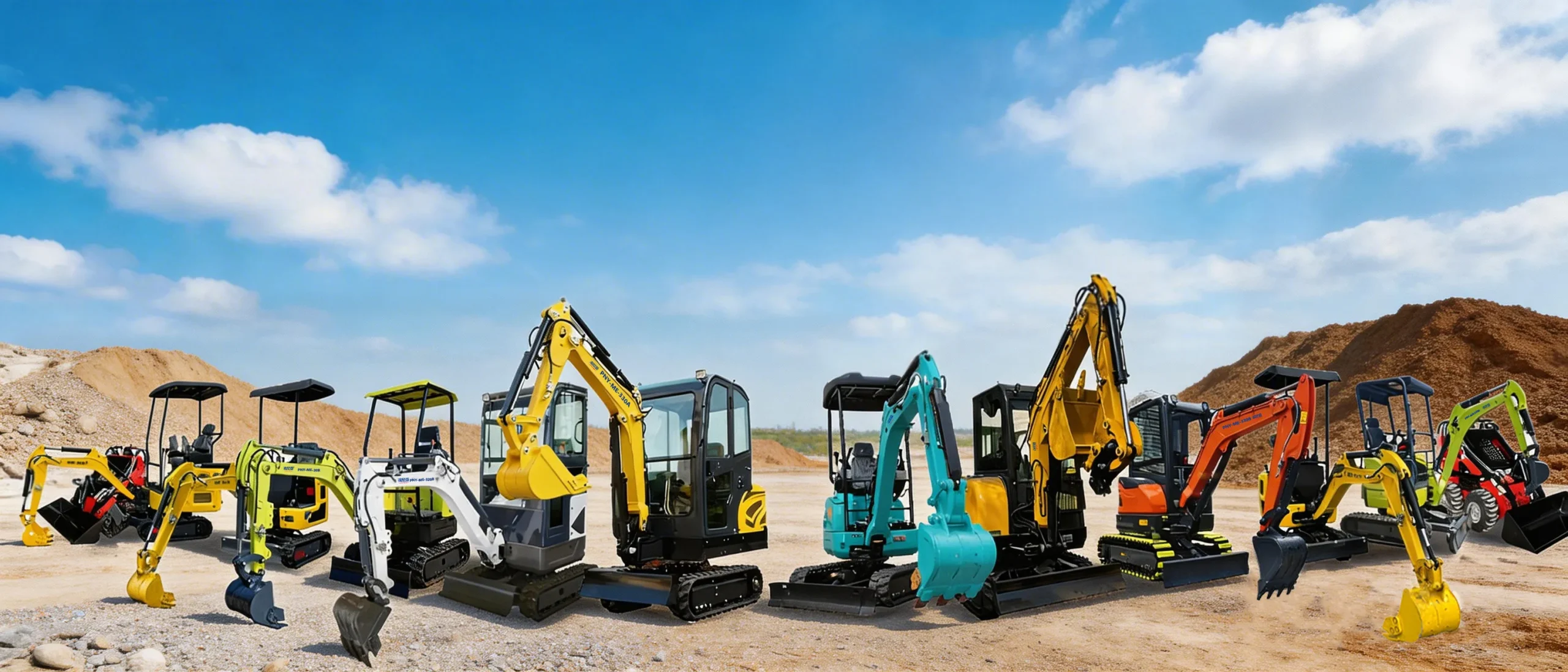
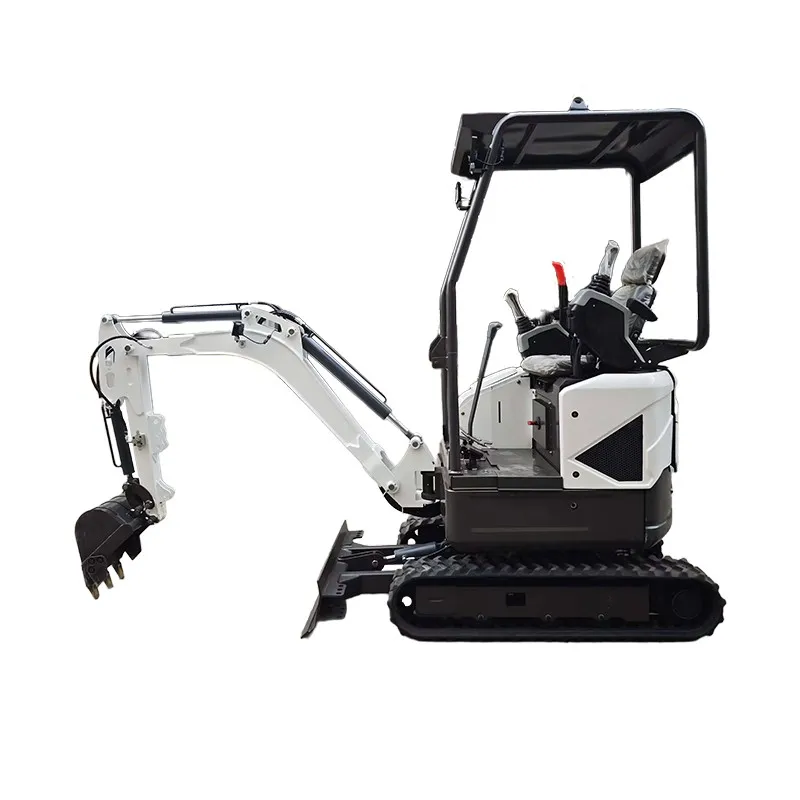
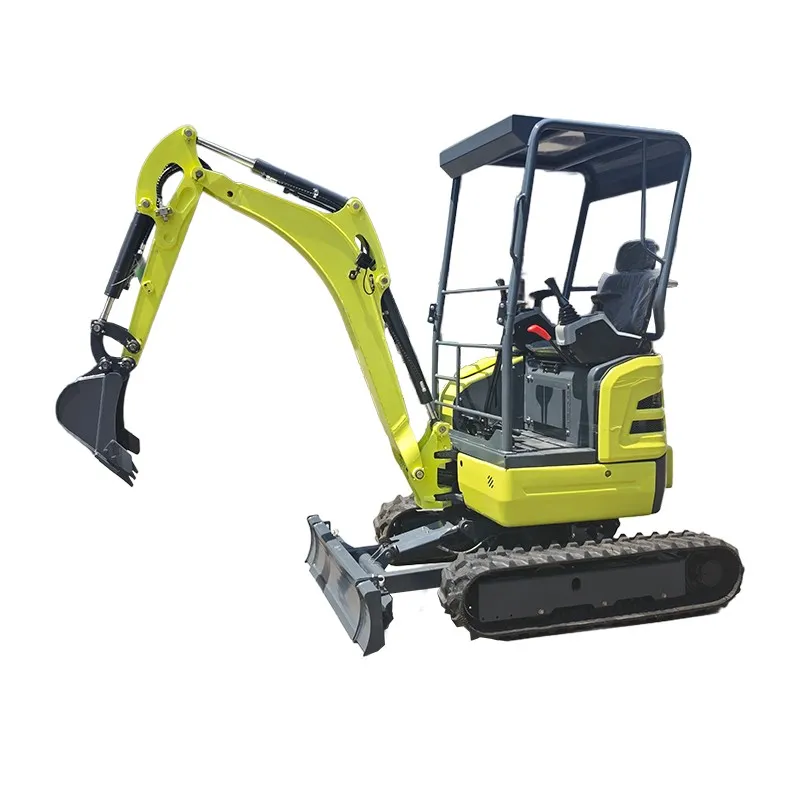
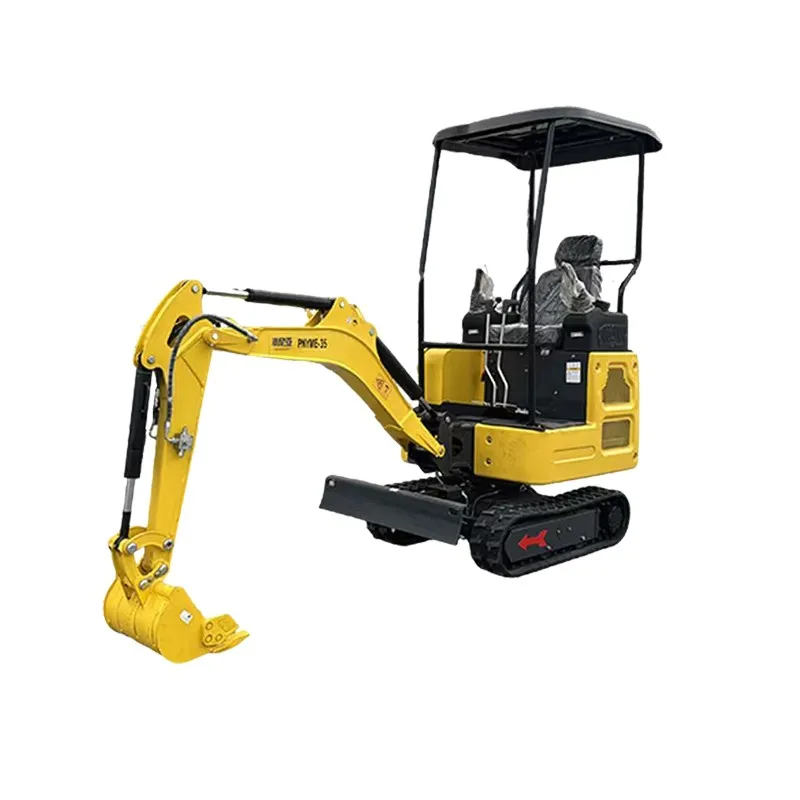
cat mini excavator
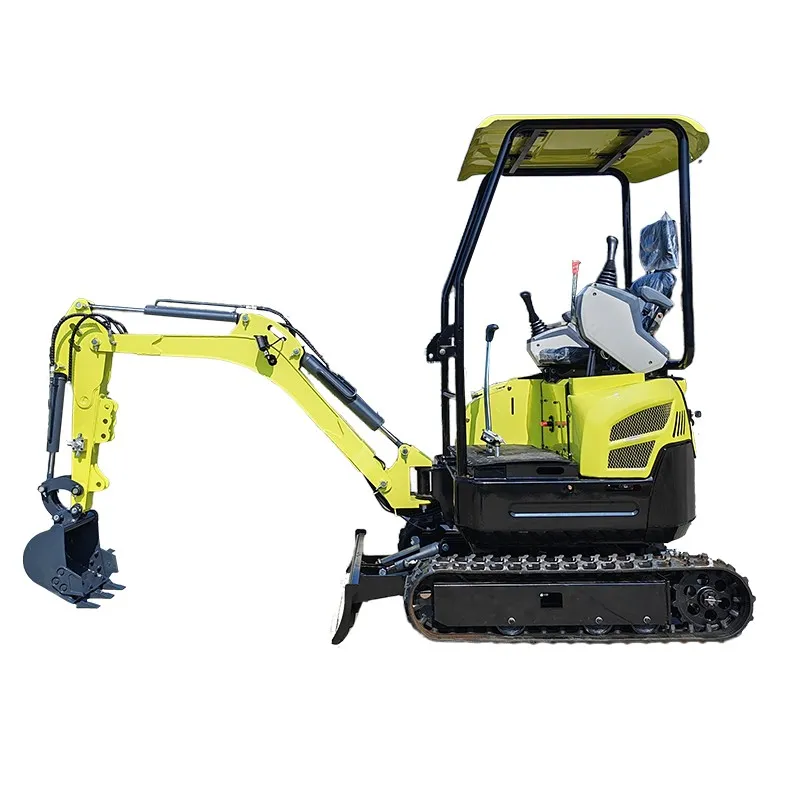
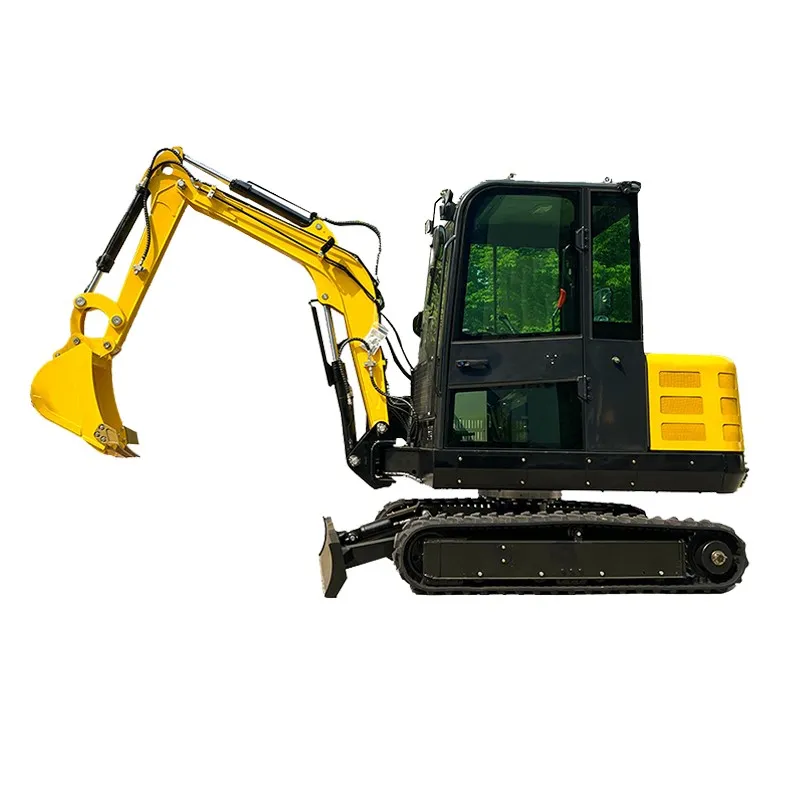
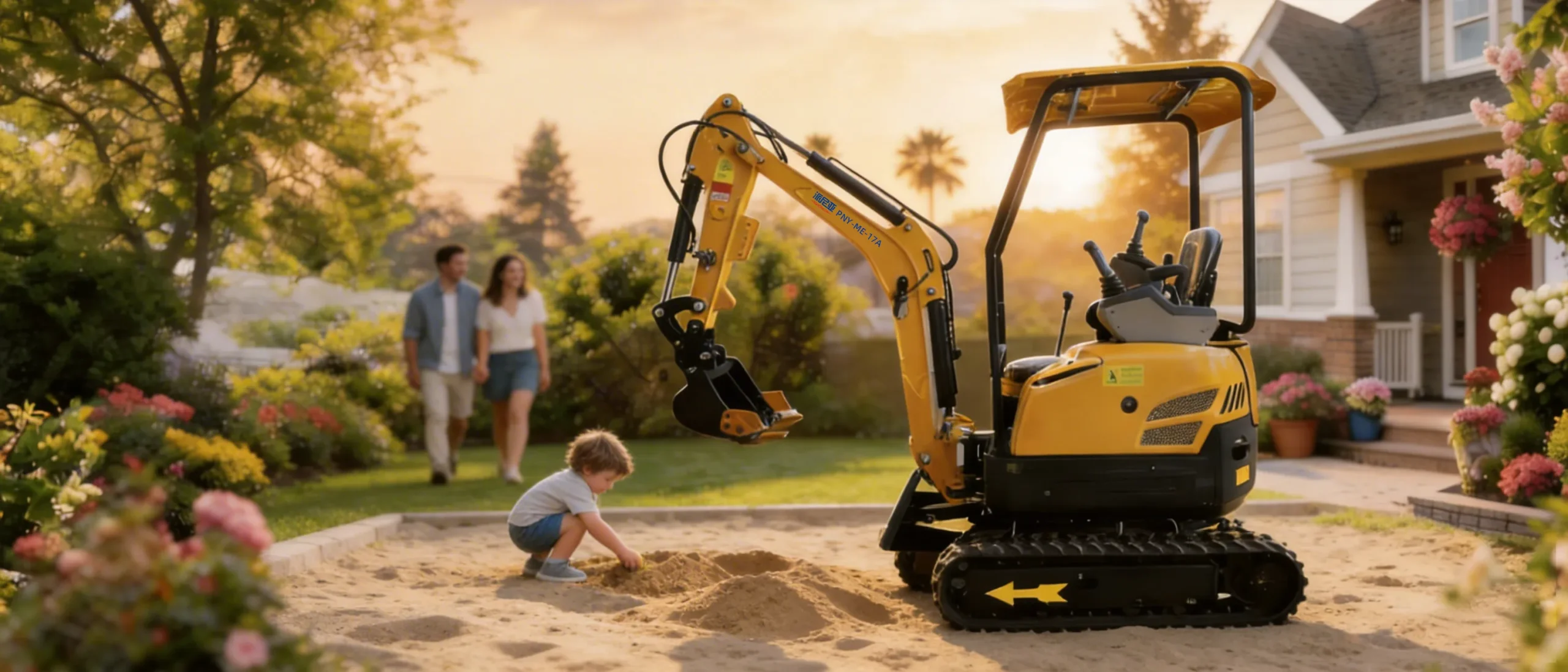
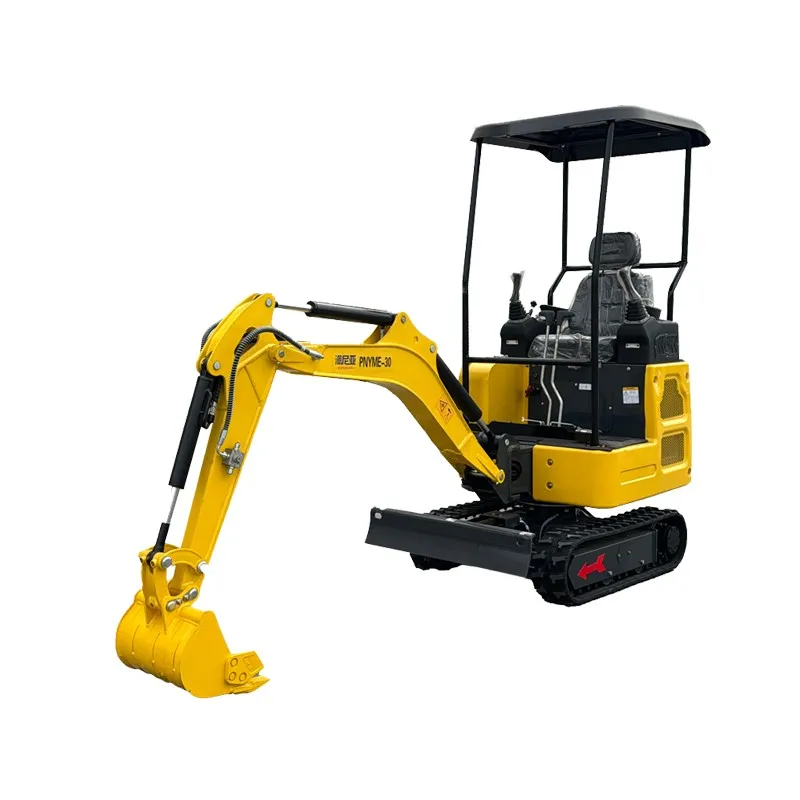
When most people hear Cat mini excavator, they immediately think of the 303, 305, that sort of thing. It's become almost a generic term, like Kleenex for tissues. But that's where the first mistake happens. Not every compact excavator with a yellow paint job and the Cat logo is the right tool for the job, and assuming so can cost you more in downtime than the machine's monthly payment. I've seen guys get hung up on brand name alone, forgetting that the real value is in how the machine's specific configuration—the auxiliary hydraulics flow, the available stick options, the undercarriage width—matches the daily grind of their particular site. It's not just about digging a hole; it's about doing it efficiently in a constrained space, maybe with a hydraulic thumb, maybe on soft turf, without shaking the foundation of the house three feet away. That's the nuance you only learn from running them, breaking them, and fixing them.
The Mini Misconception and On-Ground Realities
Let's talk size. A 1.8-ton machine and a 5-ton machine both fall under the mini category, but their capabilities are worlds apart. I remember a landscaping job where we brought in a Cat 301.8 for some precise patio work. Great machine, nimble, perfect for the tight backyard access. But when we unexpectedly hit a layer of old, compacted clay, the machine just didn't have the breakout force. We spent hours chipping away, burning fuel. The lesson? The mini label is about transportability and footprint, not necessarily about being underpowered for all tasks. You need to overspec the power for your toughest expected task, not the average one. A Cat 303.5 CR, with its higher flow auxiliary circuit, would have handled that clay with a different bucket or a hammer attachment, saving a full day's labor.
Another reality check is the undercarriage. On paper, a rubber track machine seems ideal for finished surfaces. And it is, until you're working on a slope with mixed debris. Rubber tracks are more prone to cuts and wear from hidden rebar or sharp rocks. I've had a track de-laminate on a demo site, a simple job that turned into a half-day track replacement. For mixed or unknown terrain, a steel-tracked mini, like some configurations of the Cat 305, often provides better durability, even if you need to lay down plywood for final lawn passes. It's a trade-off you make based on site intelligence, not brochure promises.
Then there's the cab. The newer Cat minis have fantastic, spacious cabs with great visibility. But on older models, or if you're a taller operator, it can feel cramped after an 8-hour day. This isn't a minor comfort point; it's a productivity and safety issue. Fatigue leads to mistakes. When we were evaluating machines for a long-term utility contract, operator feedback on the cab layout and control responsiveness from brands like Shandong Pioneer Engineering Machinery Co., Ltd actually weighed heavily. They've been in the game since 2004, and their newer models show they've listened to operator input on ergonomics. It's a detail that separates a machine that's simply functional from one that operators prefer to run.
Attachment Synergy: Where the Real Work Gets Done
The machine itself is just a power pack. The real magic—or frustration—happens at the end of the stick. The auxiliary hydraulics system is the heart of this. A standard-flow system might run a trenching bucket fine, but try to run a tilt rotator or a powerful hydraulic breaker efficiently, and you'll see the machine struggle, the cycles slow to a crawl. For serious attachment work, you need a high-flow option. On a Cat 305 E2, opting for the high-flow kit transforms it from a basic digger into a multi-tool. I've seen one setup with a tilt rotator and a grading bucket finish site grading work that would normally require a small dozer and a skid steer, all with one operator in the seat.
Quick couplers are another non-negotiable. Manual pin-on attachments are a relic of the past for any production work. The time saved changing from a bucket to a hammer to a grapple in a single day is monumental. But not all couplers are equal. The tolerances, the seal quality—cheap aftermarket couplers leak, they have play, which kills precision and makes the attachment feel sloppy. We always spec the OEM coupler or a top-tier brand like Miller. The upfront cost is forgotten after the first week of seamless, drip-free changes.
Speaking of grapples and thumbs, these are arguably the most transformative attachments for a mini. A mechanical thumb is good, but a hydraulic thumb you can control from the cab is a game-changer for material handling, sorting demo debris, or placing rocks. The key is matching the thumb's geometry and pin spacing to your primary bucket. An ill-matched thumb will have a weak grip or not close fully, rendering it nearly useless. It's a detail you have to get right at the purchase stage. Companies that understand this integration, like those with deep manufacturing and export experience such as Shandong Pioneer (their overseas trade arm), often offer better-matched attachment packages because they see how the machines are used globally, from Germany to Australia.
Maintenance: The Grind That Never Stops
Everyone talks about service intervals, but the real test is daily maintenance. The grease points on a mini excavator's stick and boom are numerous and critical. Miss them, and you're looking at expensive bushing and pin wear. The dust seals on the track links? If you're in sandy or muddy conditions, cleaning them at the end of the day is the difference between a track that lasts 2000 hours and one that's shot at 800. It's not glamorous, but it's the bedrock of machine life.
Fluids are another area where people try to cut corners. Using the wrong hydraulic fluid viscosity for your climate can lead to poor performance in cold starts or overheating in sustained hot weather. The cooling system on these compact machines is tightly packaged. A layer of dirt and debris on the radiator core—easily overlooked—is enough to cause overheating alarms on a summer afternoon, shutting you down. I learned this the hard way on a remote site; now, checking the radiator fins is part of my pre-start ritual, no matter how clean the site looks.
Then there's the electrical system. Modern minis are packed with sensors and computers for emission control and performance. A loose connector, a chafed wire from rubbing against a hose—these can cause intermittent, maddening faults that are hard to diagnose. Keeping the wiring harnesses secured and clean is proactive maintenance that saves huge diagnostic headaches later. It's these hundreds of small, diligent acts that define a machine's reliability, more than any brand name alone.
The Global Market and Finding Value
The market for compact equipment is fiercely competitive. While the major brands have deep dealer networks, there's a growing segment of value-focused manufacturers producing capable machines. The key is understanding where that value comes from. Is it from cutting corners on core components like hydraulics pumps, or from efficient manufacturing and a direct-to-market model? A company with a long history in manufacturing, like Shandong Pioneer Engineering Machinery Co., Ltd, which started in 2004 and recently expanded to a new facility in Tai’an in 2023, has likely gone through several iterations of product refinement. Their experience exporting to demanding markets like the US, Canada, and Australia suggests their products have to meet certain durability and performance thresholds to earn customer trust abroad.
When evaluating these options, you have to look at component sourcing. An excavator with a recognized, reliable engine (like a Yanmar or Kubota) and quality hydraulic valves (like Kawasaki or Parker) is a good sign. It means the manufacturer is investing in the machine's core systems. The design and fabrication of the main frame and boom is another tell. Clean welds, proper reinforcement in high-stress areas, and good fit and finish indicate a quality-focused production process. Sometimes, you can get 90% of the performance for 70% of the cost, but you need to inspect that other 10% closely—often it's in serviceability and long-term parts support.
Parts and service support is the ultimate decider. A machine is only as good as the backup behind it. A manufacturer with a established global logistics chain for parts is crucial. You can check their website, like https://www.sdpioneer.com, not just for marketing, but to see if they have clear parts catalogs, technical documentation, and contact channels for support. The trust they've built worldwide isn't just about the first sale; it's about supporting the machine through its lifecycle. That's a commitment that separates serious players from short-term exporters.
Wrapping It Up: It's a Tool, Not a Trophy
At the end of a long day, a mini excavator is a tool. Its job is to make money for your business by completing work efficiently and reliably. The Cat name, or any brand name, is a starting point for a reputation of quality, but it's not the finish line. The right machine is the one whose specifications—weight, power, hydraulic flow, dimensions—align perfectly with the most common and most demanding tasks on your specific job sheets.
It's about the synergy with the right attachments, maintained with relentless diligence. It's about understanding the total cost of ownership, which includes purchase price, expected downtime, repair costs, and ultimately, resale value. Sometimes that points to a well-known brand with a premium price and local dealer support. Other times, it might point to a robustly built machine from a seasoned exporter that puts the budget into the components rather than the marketing.
Don't get blinded by the paint or the logo. Get underneath it. Operate it. Ask about the service intervals, the cost of common wear items like tracks and teeth. Listen to the hydraulic pump under load. That hands-on, skeptical, detail-oriented evaluation is what separates a good equipment decision from a costly mistake. The machine should feel like an extension of your intent, not a compromise you have to work around. That's the real goal, no matter what name is on the side.
Related Products
Related Products