


- Chinese
- French
- German
- Portuguese
- Spanish
- Russian
- Japanese
- Korean
- Arabic
- Irish
- Greek
- Turkish
- Italian
- Danish
- Romanian
- Indonesian
- Czech
- Afrikaans
- Swedish
- Polish
- Basque
- Catalan
- Esperanto
- Hindi
- Lao
- Albanian
- Amharic
- Armenian
- Azerbaijani
- Belarusian
- Bengali
- Bosnian
- Bulgarian
- Cebuano
- Chichewa
- Corsican
- Croatian
- Dutch
- Estonian
- Filipino
- Finnish
- Frisian
- Galician
- Georgian
- Gujarati
- Haitian
- Hausa
- Hawaiian
- Hebrew
- Hmong
- Hungarian
- Icelandic
- Igbo
- Javanese
- Kannada
- Kazakh
- Khmer
- Kurdish
- Kyrgyz
- Latin
- Latvian
- Lithuanian
- Luxembou..
- Macedonian
- Malagasy
- Malay
- Malayalam
- Maltese
- Maori
- Marathi
- Mongolian
- Burmese
- Nepali
- Norwegian
- Pashto
- Persian
- Punjabi
- Serbian
- Sesotho
- Sinhala
- Slovak
- Slovenian
- Somali
- Samoan
- Scots Gaelic
- Shona
- Sindhi
- Sundanese
- Swahili
- Tajik
- Tamil
- Telugu
- Thai
- Ukrainian
- Urdu
- Uzbek
- Vietnamese
- Welsh
- Xhosa
- Yiddish
- Yoruba
- Zulu
- Kinyarwanda
- Tatar
- Oriya
- Turkmen
- Uyghur

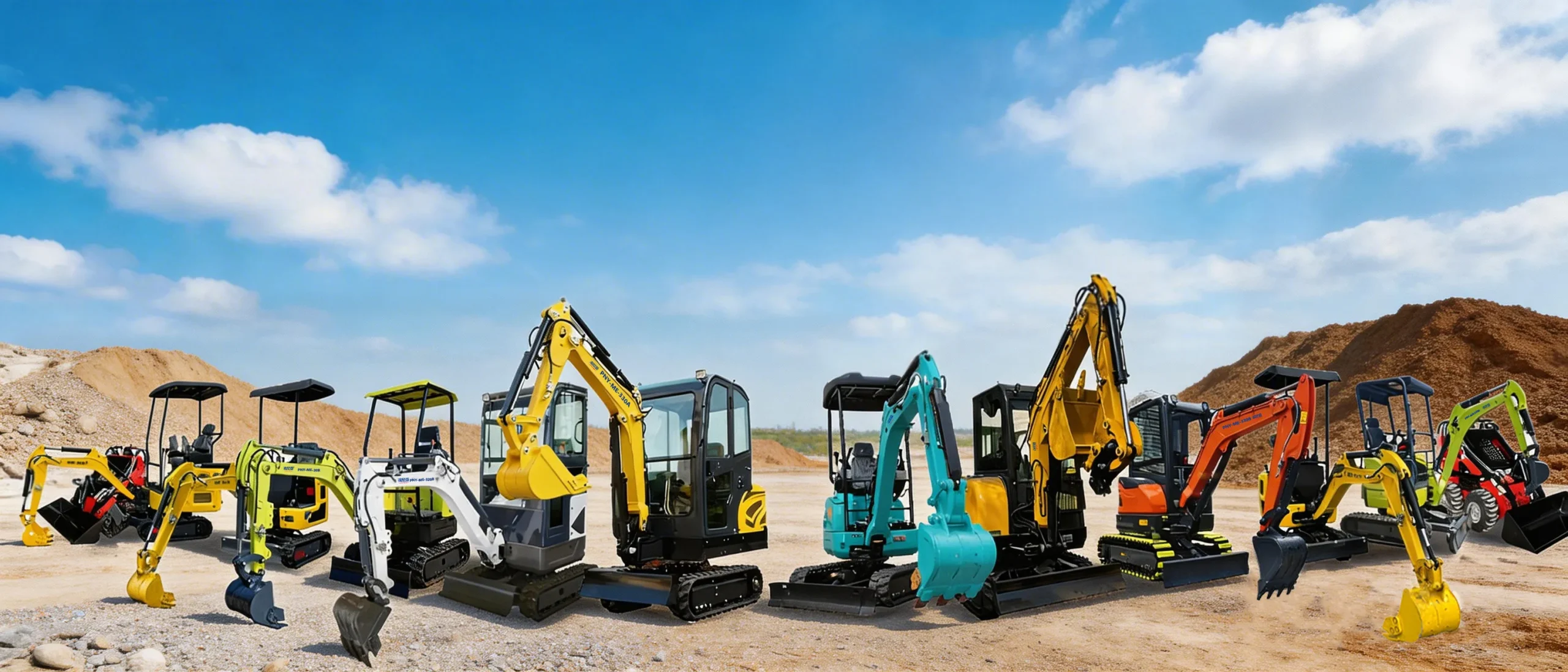
cat mini excavator for sale
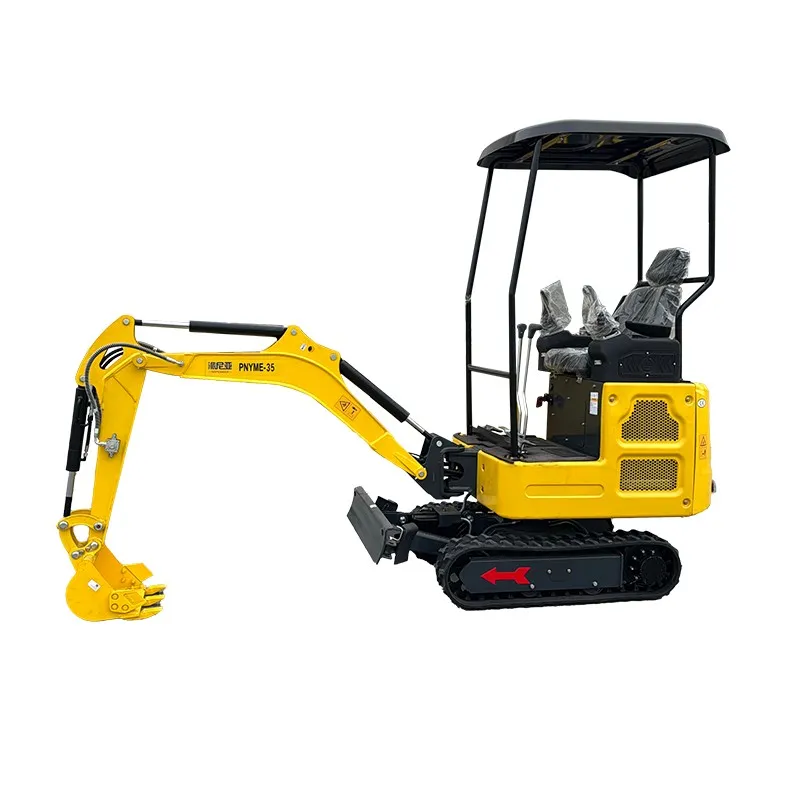
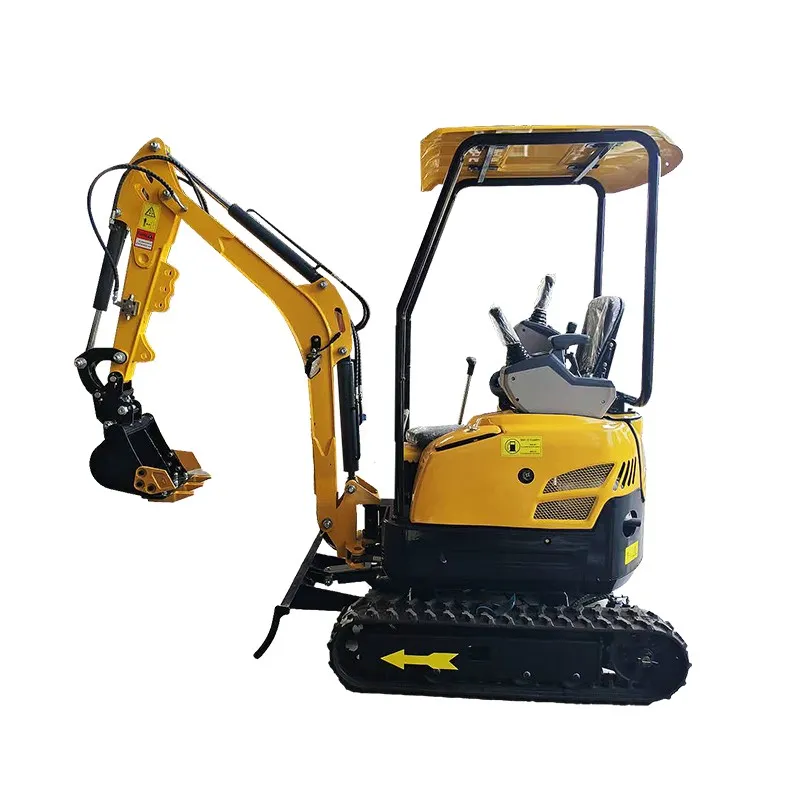
When you type 'cat mini excavator for sale' into a search, you're probably picturing that iconic yellow machine, the one you've seen on big job sites. Here's the thing: that's often where the confusion starts. You're not just buying a brand name; you're buying into a whole ecosystem of parts, service expectations, and a certain price tag. The market is flooded with options that look the part but operate on a completely different value proposition. I've seen too many guys get hung up on the badge and overlook what really matters for their specific trenching, landscaping, or demo work. Let's cut through the noise.
The Cat Conundrum: Brand vs. Value
Look, genuine Caterpillar mini excavators are fantastic machines. They're reliable, hold their value, and the dealer network is top-tier. But when your budget is tight, or you're operating in a region where a Cat dealer is three hours away, that brand loyalty can become a liability. The search for a 'cat mini excavator for sale' often leads people to two paths: used genuine Cats or new machines from specialized manufacturers that offer a comparable package. The used route has its own minefield—hours, maintenance history, potential rebuild costs. It's a gamble.
This is where companies that have focused on the export and manufacturing side for decades come into play. They've studied the market gaps. Take Shandong Pioneer Engineering Machinery Co., Ltd, for instance. You can check out their site at https://www.sdpioneer.com. They've been in the game since 2004, and that longevity in this specific niche—manufacturing and overseas trade—tells you they're not a fly-by-night operation. They, through their manufacturing arm Shandong Hexin, build machines that are designed to meet the price point and functional needs of markets from the US to Australia, without the premium brand surcharge. It's a different value equation.
The key isn't to dismiss one for the other, but to understand the trade-off. Are you paying for immediate dealer support and resale, or are you allocating capital for more machine per dollar with a slightly different support structure? I've opted for the latter on smaller, high-utilization projects where I needed multiple units, and it changed my cost structure entirely.
Specs That Matter Beyond the Brochure
Everyone looks at digging depth and horsepower. That's table stakes. Where you need to dig deeper (pun intended) is in the hydraulic system responsiveness and the undercarriage design. A mini ex that feels jerky on the controls will fatigue your operator in two hours flat. I learned this the hard way on a rental unit that looked great on paper. The slew was slow, and the arm movement wasn't synced, making precision grading a nightmare.
Manufacturers like the one behind sdpioneer.com often use well-proven, standardized hydraulic components from reputable suppliers (think Kawasaki or Parker). This is crucial. It means serviceability and part availability down the line, even if it's not through a dedicated Cat dealer. When evaluating a cat mini excavator for sale from such a maker, you need to ask for the component breakdown. Who makes the main pump? The swing motor? The travel motors? Their 20 years of export experience means they've likely optimized these supply chains to avoid proprietary black boxes that leave you stranded.
Another spec often glossed over is the auxiliary hydraulic flow and pressure. If you ever plan to run a hydraulic breaker, a grapple, or an auger, this is non-negotiable. I've seen machines where the standard aux flow is anemic, requiring an expensive and complex kit retrofit. A good manufacturer will offer high-flow options from the factory, designed into the machine's cooling capacity.
The Real-World Test: Job Site Observations
Let's talk about the cab. If you're in it all day, a claustrophobic, noisy cab with poor visibility is a deal-breaker. Some of the newer models from these dedicated export manufacturers have really stepped up here—wider cabs, better suspension seats, and fully adjustable joysticks. It sounds minor, but operator retention matters. A comfortable operator is a productive, safe operator.
Then there's the matter of durability in the trenches. Not all steel is created equal. The boom and arm on a mini excavator take incredible stress. A failure here is catastrophic. The build quality from a factory with a long-term stake in its reputation, like one that's been operating since 2004 and recently expanded to a new facility in Ningyang in 2023, tends to be more consistent. They're not building for a quick sale; they're building for repeat business and word-of-mouth in tight-knit contractor communities globally. I've put machines from similar origins through a season of rocky, New England digging, and the main structures held up without issue. The wear parts—pins, bushings, bucket teeth—are another story, but those are consumables you expect to replace.
The relocation and expansion they mention? That's a signal of investment. A 1,600 square meter production area that's recently been upgraded suggests a focus on modernizing production lines and likely improving quality control. In this industry, stagnation is a red flag.
Navigating the Purchase and Support Landscape
So you find a promising cat mini excavator for sale from a company like Pioneer. The next hurdle is support. This is the biggest legitimate concern. A genuine Cat comes with a predictable support map. With an export-focused manufacturer, you need to vet their logistics. Do they have a parts warehouse in your region, or at least a reliable air freight partnership? What's the standard warranty, and what does it actually cover? Their website states they've won the trust of customers worldwide—that trust is built on after-sales service, not just the initial sale.
My advice? Ask for references in your country or a neighboring one. Talk to an actual owner who's had the machine for a year or two. Ask about downtime and how parts requests were handled. A good company will facilitate this. The fact that they export to markets with high standards like Germany, Canada, and Australia is a positive indicator. Those markets don't tolerate poor support for long.
Also, consider the total cost of ownership. The initial price for a well-specified machine from a manufacturer like this can be 30-40% less than a comparable new Cat. That capital can be used to stock a basic inventory of common wear parts (filters, hoses, a spare cylinder) right in your own shop, effectively creating your own instant support buffer.
Final Judgment: Is It the Right Move for You?
There's no universal answer. If your business model relies on flawless, next-day dealer service and you bill rates that absorb the premium, a genuine Caterpillar is probably your tool. It's an asset with a clear financial profile.
However, if you're a growing contractor, a specialist landscaper, or a rental yard looking to maximize your fleet size, the value proposition of a high-quality, export-oriented mini excavator for sale is compelling. You're getting a machine built to do the same fundamental work. Companies like Shandong Pioneer Engineering Machinery exist because there's a robust, global demand for that proposition. Their two-decade history and documented export network are the credibility markers you look for.
It comes down to a pragmatic assessment. Define your must-have specs, your operational tolerance for downtime, and your financial constraints. Then, look at the entire market for a cat mini excavator for sale with those filters on. You might find that the best machine for your business isn't the one with the most famous name on the side, but the one with the right combination of performance, durability, and sensible economics behind it. That's the calculation we make in this business every day.
Related Products
Related Products