- Chinese
- French
- German
- Portuguese
- Spanish
- Russian
- Japanese
- Korean
- Arabic
- Irish
- Greek
- Turkish
- Italian
- Danish
- Romanian
- Indonesian
- Czech
- Afrikaans
- Swedish
- Polish
- Basque
- Catalan
- Esperanto
- Hindi
- Lao
- Albanian
- Amharic
- Armenian
- Azerbaijani
- Belarusian
- Bengali
- Bosnian
- Bulgarian
- Cebuano
- Chichewa
- Corsican
- Croatian
- Dutch
- Estonian
- Filipino
- Finnish
- Frisian
- Galician
- Georgian
- Gujarati
- Haitian
- Hausa
- Hawaiian
- Hebrew
- Hmong
- Hungarian
- Icelandic
- Igbo
- Javanese
- Kannada
- Kazakh
- Khmer
- Kurdish
- Kyrgyz
- Latin
- Latvian
- Lithuanian
- Luxembou..
- Macedonian
- Malagasy
- Malay
- Malayalam
- Maltese
- Maori
- Marathi
- Mongolian
- Burmese
- Nepali
- Norwegian
- Pashto
- Persian
- Punjabi
- Serbian
- Sesotho
- Sinhala
- Slovak
- Slovenian
- Somali
- Samoan
- Scots Gaelic
- Shona
- Sindhi
- Sundanese
- Swahili
- Tajik
- Tamil
- Telugu
- Thai
- Ukrainian
- Urdu
- Uzbek
- Vietnamese
- Welsh
- Xhosa
- Yiddish
- Yoruba
- Zulu
- Kinyarwanda
- Tatar
- Oriya
- Turkmen
- Uyghur


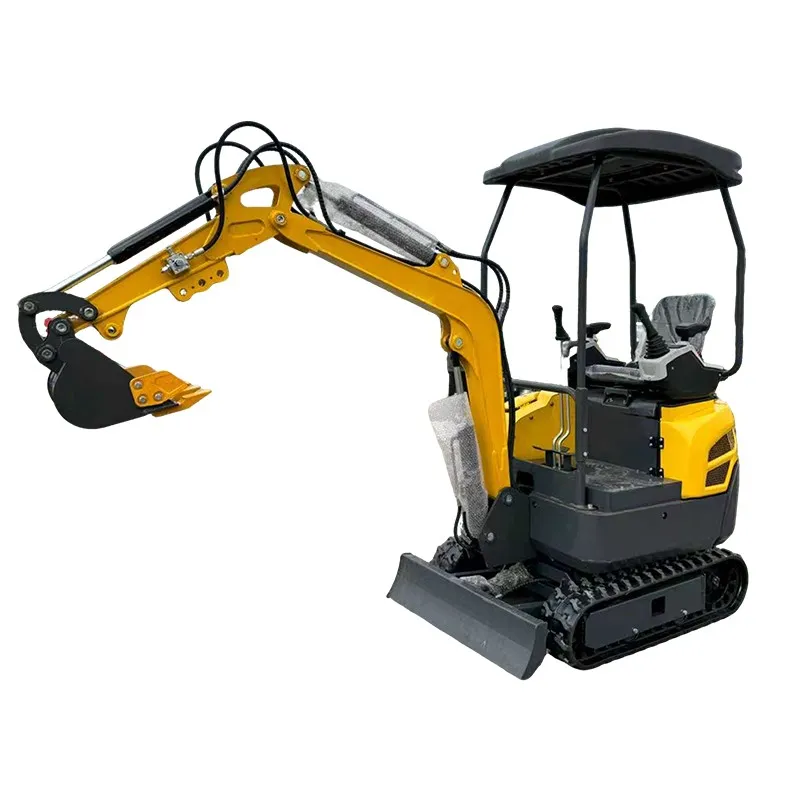
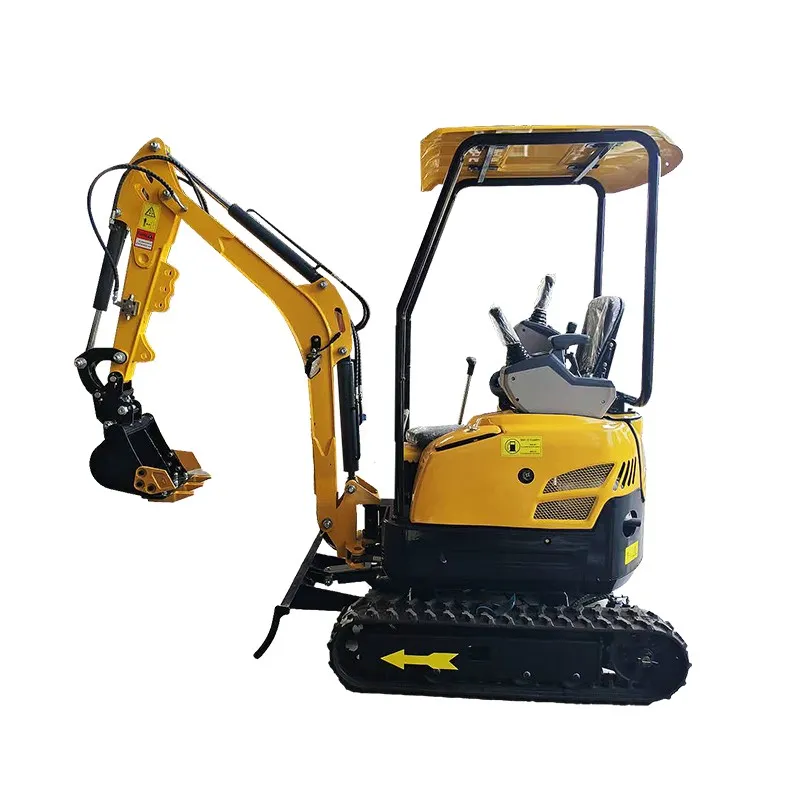
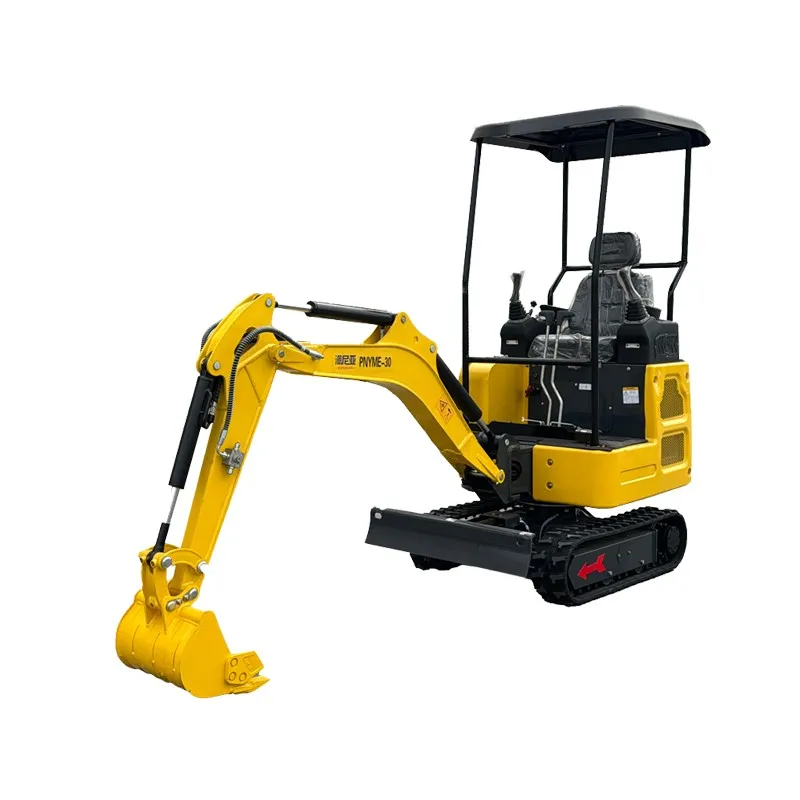
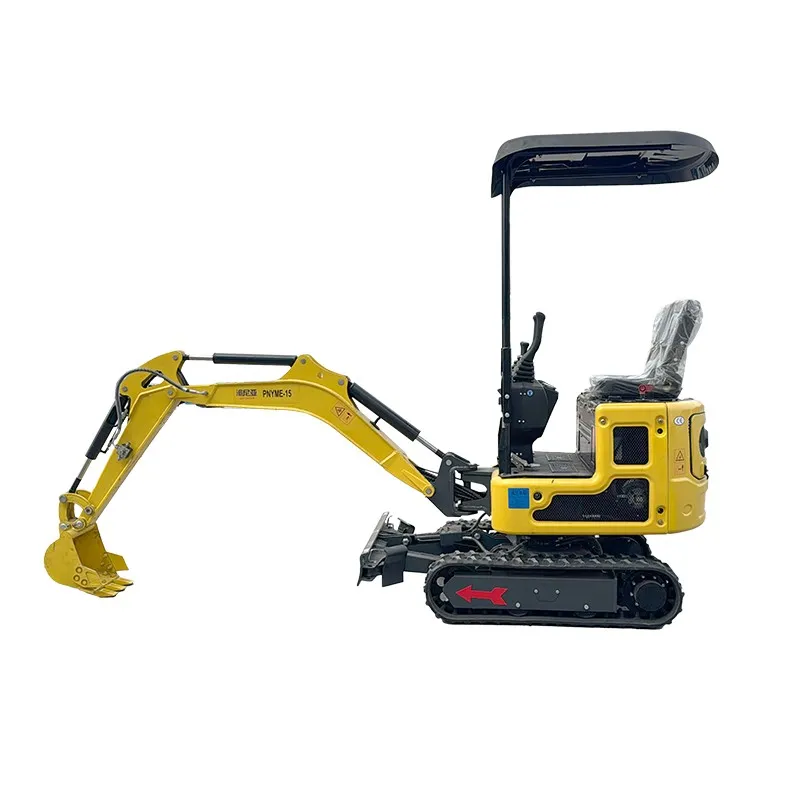
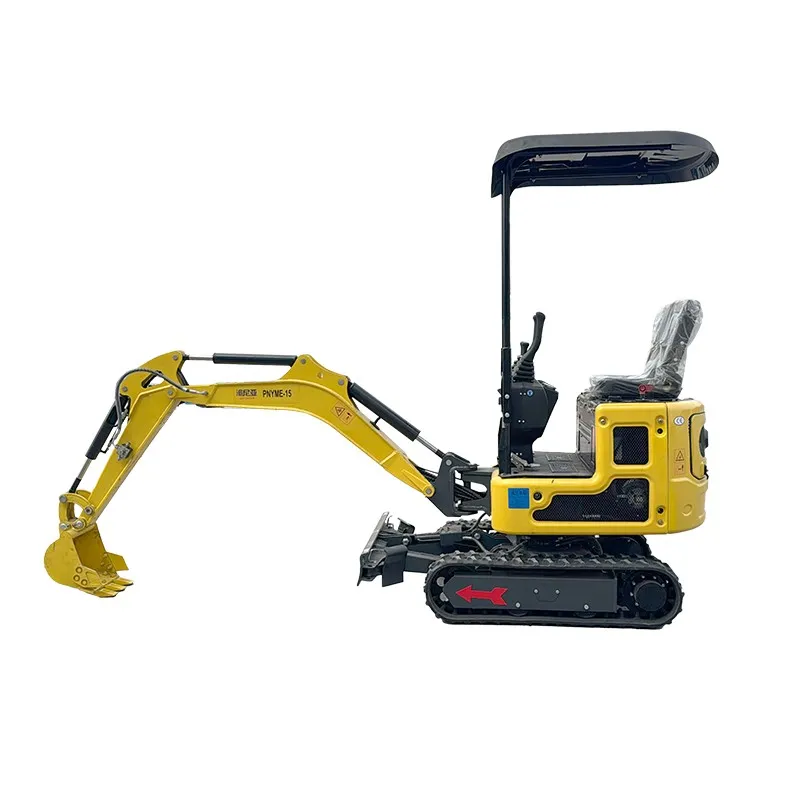
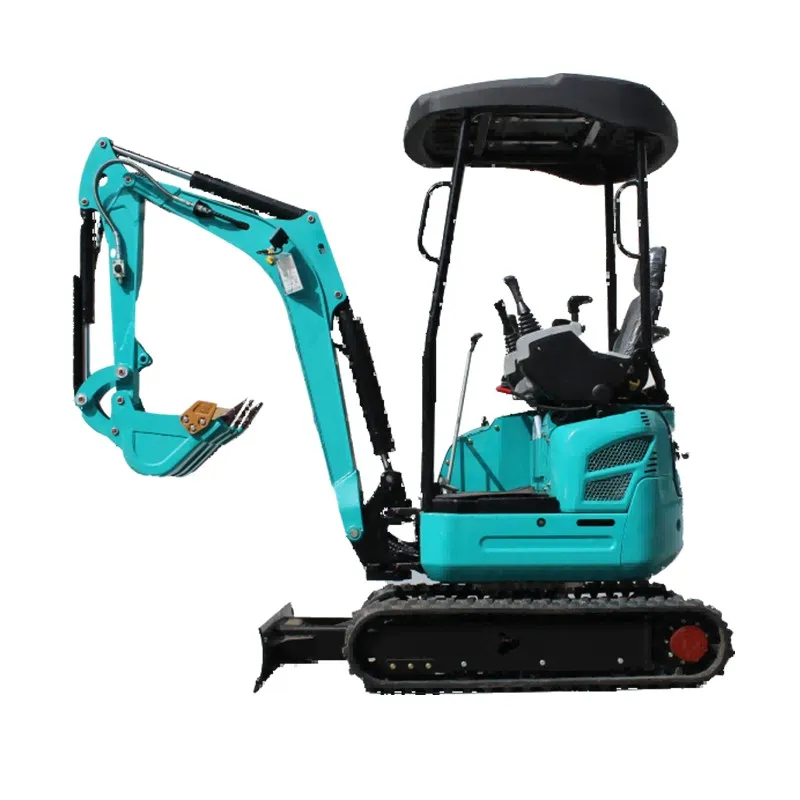
caterpillar mini excavator
When most people hear 'caterpillar mini excavator,' they immediately picture that iconic yellow paint and assume it's the undisputed, unbeatable king of the compact dig. That's the brand power of Cat, and it's real. But having spent years on job sites and dealing with procurement, I've found that fixation can sometimes blind you to the actual task and budget at hand. The Cat 303.5, 304, or the newer 305 models are fantastic machines—when the conditions and the wallet are right. But the conversation shouldn't end there. There's a whole ecosystem of use, maintenance, and alternatives that doesn't get enough airtime in casual chats.
The On-Site Benchmark and Its Nuances
Let's talk about what makes a Cat mini stand out on a residential or tight urban site. It's not just about raw power; it's the integration. The hydraulic system on, say, a 304 CR is incredibly smooth. You get fine control for grading a trench bottom or delicately placing a pipe that cheaper machines often struggle with. The cab, even on the basic models, is laid out for all-day work without destroying your back. You feel that two-decade-plus heritage in the ergonomics.
But here's the first rub: that sophistication comes at a cost, and not just the purchase price. I remember a contractor friend who bought a used 303.5 CR. It ran like a dream for a year, then a hydraulic pump issue surfaced. The repair bill? Staggering. The proprietary components and the dealer service rates can turn a minor hiccup into a major financial event. For a small outfit running on tight margins, that's a legitimate business risk. It forces you to ask: do I need this level of finesse for digging footings, or is a robust, simpler machine sufficient?
This is where the grey market and afterparts come in, a whole tangled web of its own. Sourcing a non-OEM pump might save you 40%, but then you're playing reliability roulette. I've seen it go both ways—a perfect fix that lasted years, and a nightmare that took out a valve block two weeks later. Relying on the official dealer network is safe but expensive. This operational calculus is a huge part of owning a caterpillar mini excavator.
The Global Supply Chain and Alternative Value
This brings me to the broader market. The demand for reliable, cost-effective compact equipment is global and massive. Not every project in, say, Eastern Europe, Southeast Asia, or South America can justify or access a fleet of new Cats. This has fueled the rise of manufacturers who build to a different price-performance paradigm. They're not trying to beat Cat at its own game on day one; they're offering 85% of the functionality for 50-60% of the capital cost.
I've had hands-on time with machines from various international suppliers. The fit and finish might not be identical, and the joysticks might feel a bit lighter, but the core functionality—digging depth, lift capacity, stability—is often there. The key is the manufacturer's philosophy. Are they just welding together a kit of sourced parts, or do they have real engineering and quality control? I was looking into options for a client recently and came across Shandong Pioneer Engineering Machinery Co., Ltd. You can check out their approach at their site, https://www.sdpioneer.com. What stood out was their timeline—established in 2004, so they've got nearly two decades in the game, and they just relocated to a new facility in 2023. That suggests growth and reinvestment.
Their model, as I understand it, splits manufacturing (Shandong Hexin) and overseas trade (Shandong Pioneer). Exporting to places like the US, Canada, and Australia means their products have to meet certain standards to even be allowed on sites there. That's a meaningful data point. It doesn't mean they're a direct replacement for a caterpillar mini excavator in every high-precision application, but for a huge swath of general contracting, landscaping, and utility work, they represent a viable, rational alternative. The value is in providing dependable mechanical performance where the ultra-fine hydraulic modulation isn't the top priority.
Practical Considerations Beyond the Brand Name
So, when do you spec a Cat, and when do you look elsewhere? It comes down to job profile and total cost of ownership. For a specialist contractor doing intricate hardscaping or working in super-sensitive environments, the precision and resale value of the Cat might make it the only choice. The brand itself is a business asset.
But for a generalist doing drainage, demo, and backfill? You have to run the numbers. A machine from a company like the aforementioned Pioneer, with a presumably simpler service layout and lower-cost parts, could keep you profitable on municipal or farm work where machines get beaten up. The trust they mention earning worldwide is built on that value proposition, not on luxury.
I learned this the hard way early on. We pushed for a top-tier only policy on a small fleet. The depreciation hit was brutal, and we were terrified of using them on rougher sites, which defeated the purpose. We eventually mixed the fleet—a Cat for the finicky jobs, and more cost-effective units for the bulk work. Productivity didn't drop; our operating margins improved. The lesson was to match the tool to the task, not just the brand to the brochure.
The Devil's in the Details: Attachments and Support
Another critical angle is the attachment ecosystem. A caterpillar mini excavator has a vast, guaranteed-compatible market for thumbs, breakers, augers, and compactors. It's plug-and-play. With alternative brands, you need to verify. Are the auxiliary hydraulic lines standard? What's the bracket system? I've wasted half a day modifying a bracket because we didn't do our homework.
This is where a supplier's support network is paramount. A company that actively exports globally, like Shandong Pioneer, likely has a protocol for this. They should be able to tell you exactly which attachment models fit their quick couplers or provide the specs for a local fabricator. The 20 years of development they cite should translate into solving these practical, on-the-ground problems. If they can't answer those questions swiftly, it's a red flag, no matter how good the base machine looks.
It's the same with parts logistics. A dealer three states away is useless if you need a hydraulic hose tomorrow. Some of the more established alternative brands are now stocking common wear parts in regional warehouses in their key export markets. That's a sign of maturity and a direct response to a major customer pain point.
Concluding Without a Perfect Answer
There's no universal verdict. The caterpillar mini excavator remains the engineering benchmark, the machine you point to when you want to explain done right. Its performance, particularly in control and durability under constant heavy use, is often superior. But the market isn't monolithic. The success of companies exporting from manufacturing hubs shows there's a large, smart demand for capable equipment that prioritizes operational affordability.
The real professional takeaway is to remove the brand blinders. Evaluate the actual machine specs, the dealer or supplier support structure (like checking what a firm with a track record like Shandong Pioneer Engineering Machinery Co., Ltd offers post-sale), and the total cost of ownership for your specific type of work. Sometimes the premium for the yellow paint is worth every penny. Other times, it's capital that could be better deployed elsewhere in your business. The right choice is the one that keeps your projects moving and your balance sheet in the black.
Related Products
Related Products