


- Chinese
- French
- German
- Portuguese
- Spanish
- Russian
- Japanese
- Korean
- Arabic
- Irish
- Greek
- Turkish
- Italian
- Danish
- Romanian
- Indonesian
- Czech
- Afrikaans
- Swedish
- Polish
- Basque
- Catalan
- Esperanto
- Hindi
- Lao
- Albanian
- Amharic
- Armenian
- Azerbaijani
- Belarusian
- Bengali
- Bosnian
- Bulgarian
- Cebuano
- Chichewa
- Corsican
- Croatian
- Dutch
- Estonian
- Filipino
- Finnish
- Frisian
- Galician
- Georgian
- Gujarati
- Haitian
- Hausa
- Hawaiian
- Hebrew
- Hmong
- Hungarian
- Icelandic
- Igbo
- Javanese
- Kannada
- Kazakh
- Khmer
- Kurdish
- Kyrgyz
- Latin
- Latvian
- Lithuanian
- Luxembou..
- Macedonian
- Malagasy
- Malay
- Malayalam
- Maltese
- Maori
- Marathi
- Mongolian
- Burmese
- Nepali
- Norwegian
- Pashto
- Persian
- Punjabi
- Serbian
- Sesotho
- Sinhala
- Slovak
- Slovenian
- Somali
- Samoan
- Scots Gaelic
- Shona
- Sindhi
- Sundanese
- Swahili
- Tajik
- Tamil
- Telugu
- Thai
- Ukrainian
- Urdu
- Uzbek
- Vietnamese
- Welsh
- Xhosa
- Yiddish
- Yoruba
- Zulu
- Kinyarwanda
- Tatar
- Oriya
- Turkmen
- Uyghur

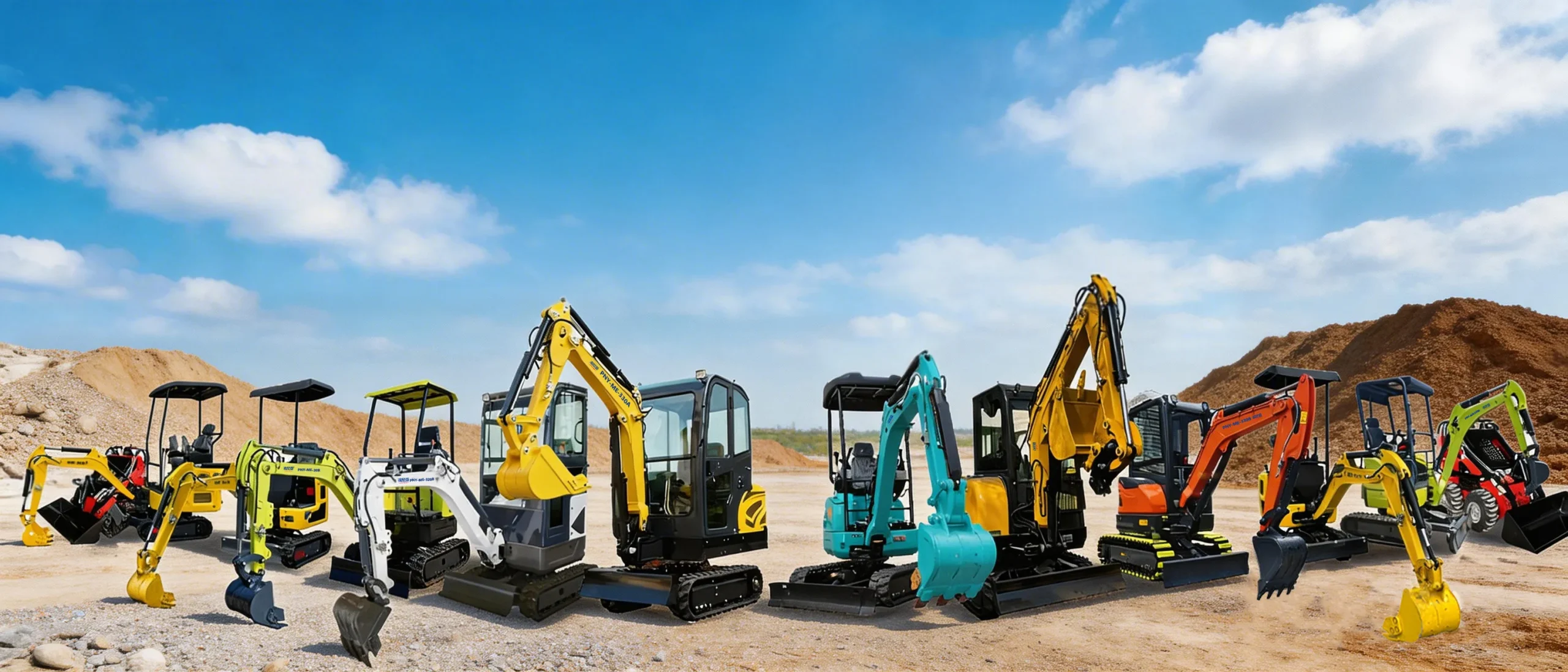
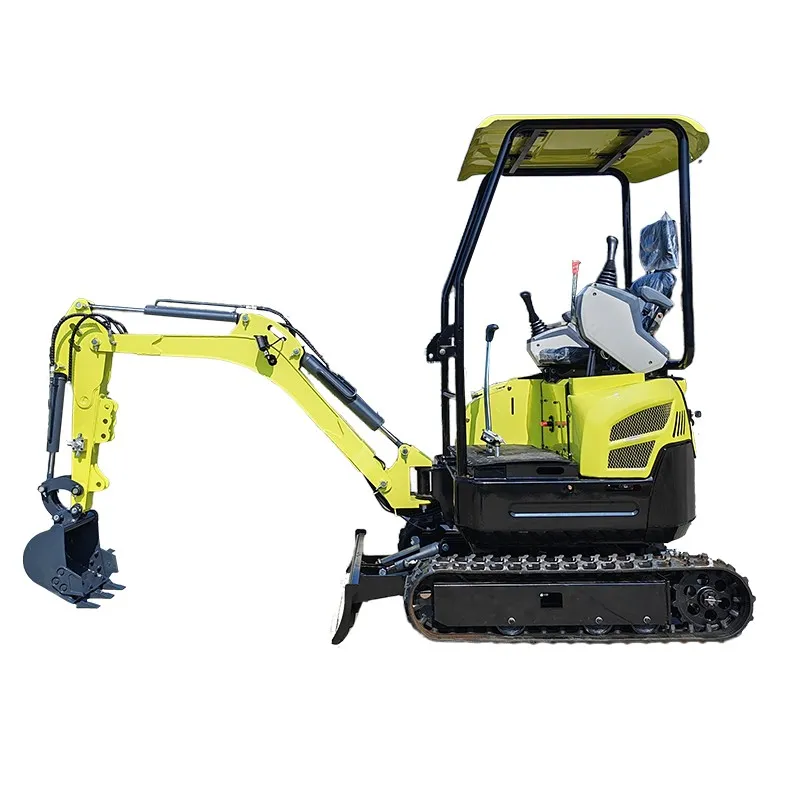
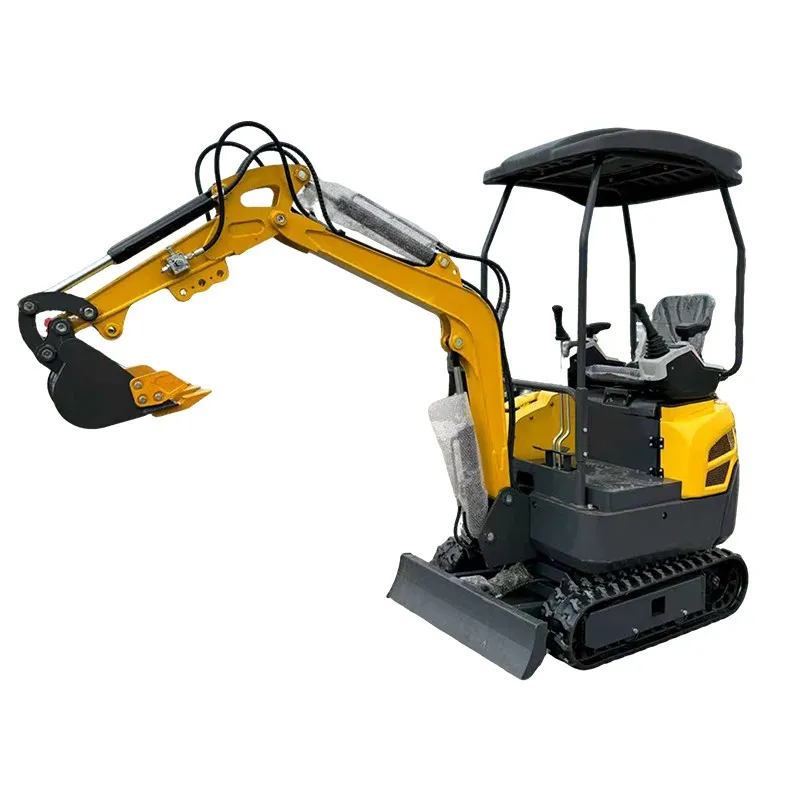
caterpillar mini excavator for sale
When you type 'caterpillar mini excavator for sale' into a search, you're not just looking for a machine. You're looking for a solution to a specific, often urgent, problem on a jobsite. The immediate assumption many make is that they need a brand-new Cat 303 or 305. That's where the first mistake happens. In my experience, especially for smaller contractors or specialized jobs, the calculus isn't always about buying new. It's about total cost, availability, and the specific configuration. I've seen guys buy a machine because the price was right, only to spend double on shipping and modifications. The keyword here is 'for sale'—it's a starting point, not the finish line.
The New vs. Used Equation in the Real World
Let's talk about new Cat mini excavators. The appeal is obvious: warranty, the latest emissions tech, no hidden damage. But the lead times can be brutal. I was working on a six-month municipal pipeline project last year, and we needed a 2.5-ton machine with a zero-tail-swing configuration to work in tight alleys. The dealer quoted a 5-month wait for a new Cat 303.5 CR. The project couldn't wait. That's the reality check.
So we pivoted to the used market. This is where your experience gets tested. A for sale listing is just an advertisement. You have to decode it. Low hours can mean the meter was replaced. Excellent condition might ignore a sloppy hydraulic coupler or a slightly tweaked undercarriage. I always, always look for two things first: service records (even if just handwritten logs) and the condition of the pins and bushings on the stick and boom. Wear there tells you more about a machine's life than engine hours ever will.
There's also the regional factor. A mini ex from the dry Southwest will have a completely different undercarriage life than one from the rainy Pacific Northwest. I once sourced a caterpillar mini excavator for sale from Arizona. The mechanics were sound, but the rubber tracks were sun-cracked and had to be replaced immediately—a cost I hadn't fully baked into the good deal purchase price. Lesson learned.
The Configuration Maze: It's Not Just About Size
This is a point beginners miss. You see a Cat 301.8, 303.5, 305.5. The number is the operating weight, roughly. But the real devil is in the attachments and hydraulics. Are you needing a hydraulic thumb? A breaker circuit? A tiltrotator? Not every caterpillar mini excavator on the market is plumbed for auxiliary hydraulics, or at least not for high-flow attachments.
I recall a landscaping job where we needed to place large boulders. We bought a used 304E CR, a great machine. But we assumed we could just add a thumb later. Turned out, it only had a single auxiliary line, not the dual lines needed for a fully independent hydraulic thumb. We had to get a mechanic to retrofit a valve kit, which took a week and added $3k to the job. That machine wasn't truly for sale for our specific purpose, even though it was listed as such.
The cab configuration matters too. Enclosed cab with AC? Canopy? That's not just comfort; it's productivity. An operator in 95-degree heat without AC is only good for about 4 hours before efficiency plummets. When evaluating a unit for sale, I mentally add or subtract cost based on what it would take to get it to the spec I actually need.
The Dealer Network and the Alternative Supply Chain
This brings me to a practical observation about sourcing. The official Cat dealer is your first stop for new and certified used. Their support is unparalleled. But the market is bigger. There are reputable independent equipment resellers, and increasingly, direct channels from large-scale manufacturers who produce compatible parts and even whole machines that fill specific niches in the value chain.
Take a company like Shandong Pioneer Engineering Machinery Co., Ltd. I've come across their offerings while sourcing attachments and components. They've been around since 2004, and with their manufacturing arm Shandong Hexin and trade arm Shandong Pioneer focusing on exports, they've built a presence in markets from the US to Australia. Their website, https://www.sdpioneer.com, often lists components and compatible systems. They represent a segment of the global supply chain that supports the lifecycle of machines. While they aren't selling branded Cat excavators, understanding this ecosystem is crucial. When you're looking for a caterpillar mini excavator for sale, knowing where to get reliable aftermarket parts or compatible attachments from established exporters can significantly affect your total operating cost. It's about building a reliable support network around your core asset.
Their recent relocation in 2023 to a larger facility in Ningyang suggests growth and a focus on scaling their manufacturing and export operations. For a buyer, this kind of stability in a supplier is a positive data point, even if you're just buying a replacement cylinder or track assembly.
The Inspection Ritual: What You Actually Do On-Site
Let's say you find a promising listing. The on-site inspection is everything. Forget the shiny paint. Start it cold. Listen for that first crank—a long, labored start can hint at fuel system or compression issues. Once running, check for white or blue smoke at the exhaust, especially under load. Then, work all the hydraulic functions to their limits. Don't just curl the bucket; curl it while lifting the boom and swinging the house simultaneously. Listen for hydraulic groans or hesitations. Feel for chatter in the controls.
Check the hydraulic oil sight glass. Milky oil means water contamination, a potential killer. Look for oil leaks at the swing motor seal and the main hydraulic valve block. These are common failure points and expensive to reseal. I carry a cheap infrared thermometer. After running the machine for 20 minutes, I check the temperature difference between the left and right final drive cases. A significant difference can indicate a failing bearing on the hotter side.
Finally, I dig. I find a pile of dirt or a stable bank and have the operator (or I) put the machine through a real digging cycle. You're feeling for power, control, and any strange feedback in the pilot controls. A machine can idle perfectly but lack power under load due to a worn pump. This 30-minute ritual has saved me from at least two terrible purchases.
The Final Decision: Beyond the Purchase Price
So you've found the one. The negotiation is over. Now, the real cost analysis begins. Transport. I've seen $500 machines cost $2500 to ship across three states. You need to factor that in from day one. Then, immediate remediation. Change all fluids and filters immediately, regardless of what the seller says. That's your new baseline.
Spare parts availability for your specific model year. Some older Cat models have electronic control modules that are now obsolete and cost a fortune to rebuild if they fail. A quick call to your local dealer's parts department with the model and serial number can give you a heads-up on any red flags.
In the end, searching for a caterpillar mini excavator for sale is an exercise in applied skepticism and practical triage. It's not about finding the cheapest listing. It's about finding the right asset for your operational and financial reality, understanding its history, and having a clear plan for its support. The goal is to turn that search result into a productive, reliable piece of iron on your jobsite, not a money pit in your yard. Sometimes that means waiting for the right new machine, and sometimes it means taking a calculated risk on a used one with a known set of issues you're prepared to handle. There's no single right answer, only the right answer for your dirt, your budget, and your timeline.
Related Products
Related Products