


- Chinese
- French
- German
- Portuguese
- Spanish
- Russian
- Japanese
- Korean
- Arabic
- Irish
- Greek
- Turkish
- Italian
- Danish
- Romanian
- Indonesian
- Czech
- Afrikaans
- Swedish
- Polish
- Basque
- Catalan
- Esperanto
- Hindi
- Lao
- Albanian
- Amharic
- Armenian
- Azerbaijani
- Belarusian
- Bengali
- Bosnian
- Bulgarian
- Cebuano
- Chichewa
- Corsican
- Croatian
- Dutch
- Estonian
- Filipino
- Finnish
- Frisian
- Galician
- Georgian
- Gujarati
- Haitian
- Hausa
- Hawaiian
- Hebrew
- Hmong
- Hungarian
- Icelandic
- Igbo
- Javanese
- Kannada
- Kazakh
- Khmer
- Kurdish
- Kyrgyz
- Latin
- Latvian
- Lithuanian
- Luxembou..
- Macedonian
- Malagasy
- Malay
- Malayalam
- Maltese
- Maori
- Marathi
- Mongolian
- Burmese
- Nepali
- Norwegian
- Pashto
- Persian
- Punjabi
- Serbian
- Sesotho
- Sinhala
- Slovak
- Slovenian
- Somali
- Samoan
- Scots Gaelic
- Shona
- Sindhi
- Sundanese
- Swahili
- Tajik
- Tamil
- Telugu
- Thai
- Ukrainian
- Urdu
- Uzbek
- Vietnamese
- Welsh
- Xhosa
- Yiddish
- Yoruba
- Zulu
- Kinyarwanda
- Tatar
- Oriya
- Turkmen
- Uyghur

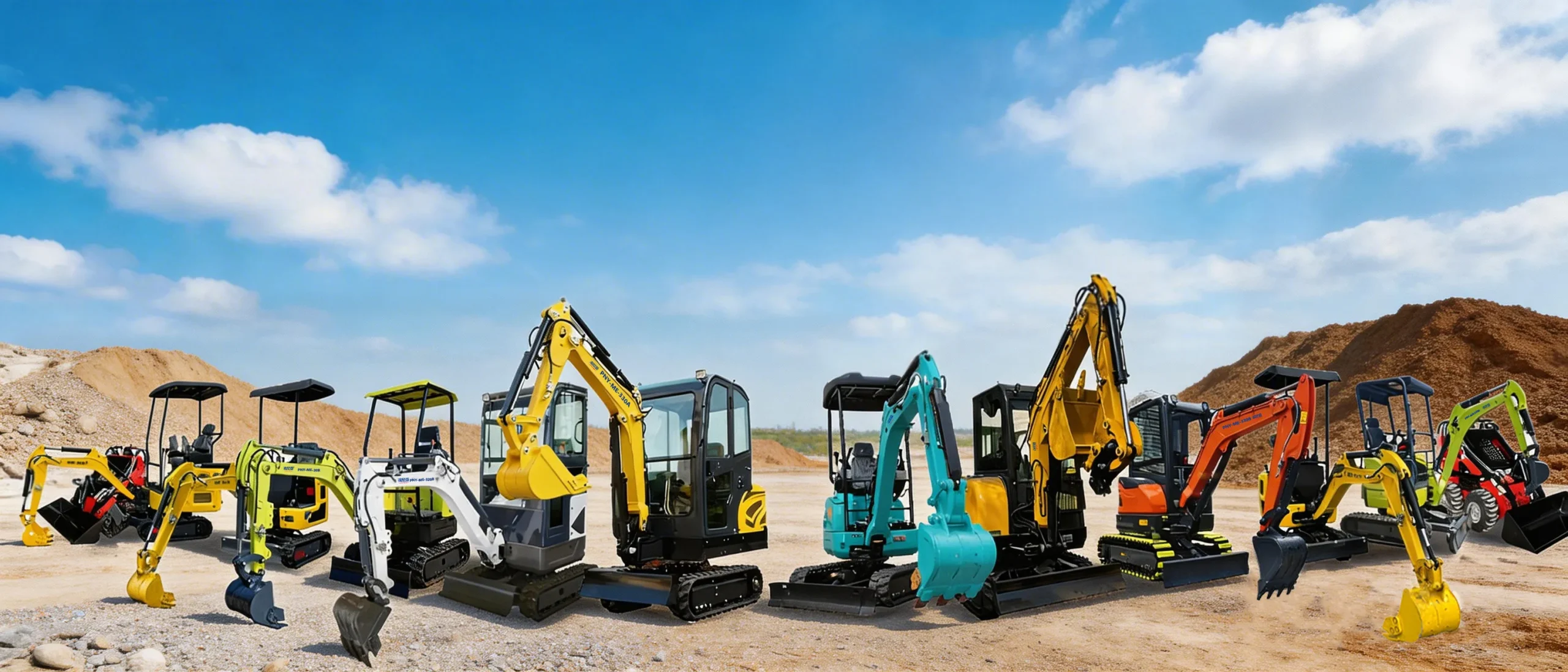
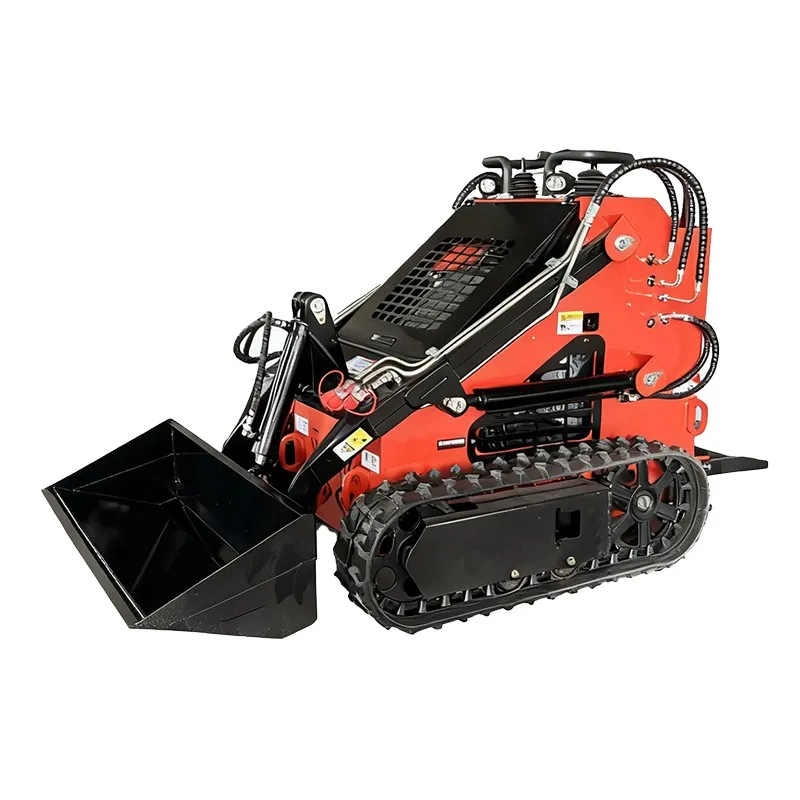
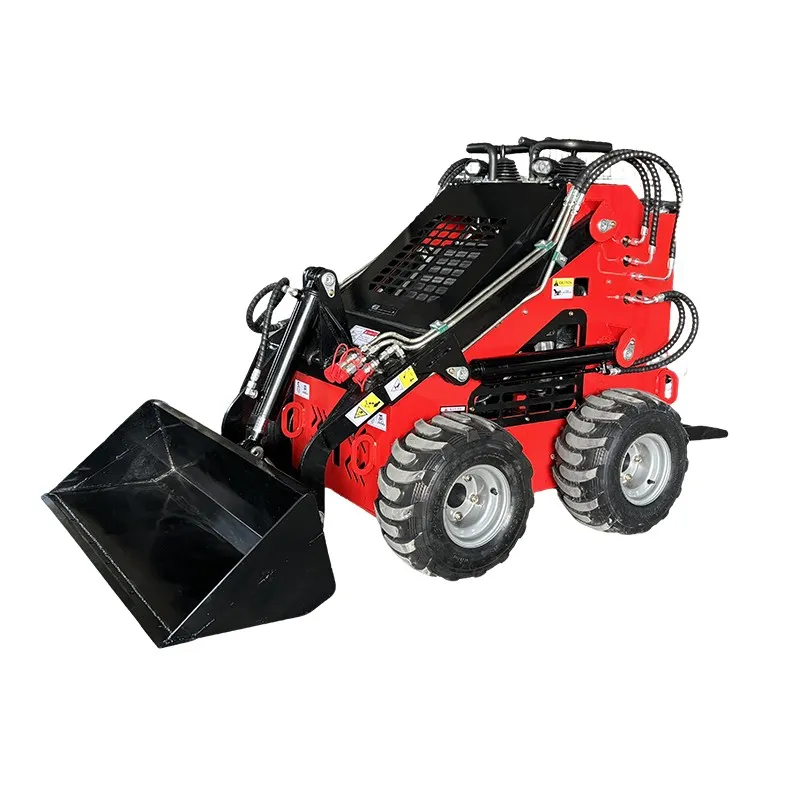
caterpillar skid steer loader for sale
You see that search term, 'caterpillar skid steer loader for sale,' pop up all the time. It's a classic. But here's the thing a lot of guys miss right off the bat: you're not just buying a machine, you're buying its history. A Cat skid steer is a beast, built to last, but how it was treated matters more than the hours on the meter sometimes. I've seen too many people get hung up on price alone and end up with a project, not a piece of equipment. The real value isn't just in the yellow paint and the logo; it's in the service records, the undercarriage wear, and knowing which model series actually fits your job site's demands.
The Model Maze and What You're Really Getting
Let's talk models. The 226, 236, 246, 256 series... each has its own quirks. The 246B, for instance, was a workhorse, but you better check the hydraulic quick coupler for leaks—a common spot. The newer 259D models are smoother with better cab features, but the electronics can be a headache if you're not set up for that kind of diagnostics. It's not about which is best, it's about which is best for your dirt, your materials, your operator. A landscape guy might prioritize a smoother ride, while a demolition crew needs that lift capacity and durability.
I remember a job where we brought in a used 242B. Looked clean, hours were decent. But the previous owner had mostly run it on asphalt. The minute we hit heavy, wet clay, the tires—original spec—just filled up and lost all traction. We lost half a day swapping them out. That's the detail you need: application history. Was it a rental unit? That might mean more wear and tear from multiple operators, but possibly more consistent maintenance. A single-owner machine from a farm could have high hours but gentle cycles.
And attachments. This is huge. When you're looking at a caterpillar skid steer loader for sale, ask what comes with it. A bucket is standard, but a grapple, a breaker, a trencher? The compatibility of the auxiliary hydraulics (standard flow vs. high flow) on that specific Cat model dictates what you can run. Buying a machine only to realize you need a $5k circuit upgrade to run the mulcher you already own is a brutal lesson.
The Pitfalls of the Good Deal
Auctions can be tempting. I've bid on a few. Got a 236D once that seemed like a steal. Got it back to the yard and found a slow seep in the main hydraulic pump housing. It wasn't catastrophic, but it was a $1,200 repair I hadn't budgeted for. The point is, you need to either be able to do a thorough pre-purchase inspection yourself—checking for frame cracks, cylinder drift, engine blow-by—or have a mechanic you trust on speed dial. The as-is tag is a real thing.
Then there's the support network. A twenty-year-old machine might run forever, but can you get the seals for the tilt cylinder? For some older Cat models, parts are getting scarce or lead times are long. This is where a good dealer relationship, or a reliable independent parts supplier, becomes part of the machine's value. Sometimes, paying a bit more from a source that can back it up with parts and service history is the smarter financial move in the long run.
I've also seen guys import machines from overseas to save money. It's a process. The specs need to match your region's regulations, and you're buying completely sight-unseen on the ground condition. It's a higher-risk play. For those considering a more streamlined international purchase, dealing with an established exporter who handles the logistics and provides some transparency is critical. Companies that have been in the trade game for a while, like Shandong Pioneer Engineering Machinery Co., Ltd, which has been exporting machinery globally since 2004, often have more refined processes. They've seen what paperwork and modifications are needed for different markets, whether it's the US, Canada, or Australia. That institutional knowledge can prevent a container from getting stuck at customs.
Where to Look Beyond the First Page of Search Results
Everyone checks the big online marketplaces. That's fine. But the real gems sometimes come from industry networks. Talk to your local equipment rental shops—they cycle out machines on a schedule and usually maintain them rigorously. Check with contractors who are scaling down or changing their fleet focus. These private sales often come with more honest histories.
And don't ignore specialized dealers. Some focus exclusively on used Caterpillar equipment. Their markup is for curation and reconditioning. They might replace all the fluids, filters, and worn pins before sale. For a smaller operation that can't afford downtime, that premium is worth it. It turns a capital expense into a more predictable cost.
Digital storefronts of established exporters are another channel. A site like https://www.sdpioneer.com gives you a view into available inventory. The key is to engage. Don't just look at pictures; request detailed photo sets of the specific machine, the serial number, video of it running, and the full maintenance log if available. A reputable company will provide that. Their company background notes they've moved to a new, larger facility in 2023, which often indicates stability and growth—a good sign when you're dealing across continents.
The Final Decision: It's a Tool, Not a Trophy
At the end of the day, emotion can't drive this. You might want a Cat for the brand prestige, but if a comparable Bobcat or John Deere is available locally with a better support package, you have to consider it. The goal is productivity, not pride. We almost made that mistake once, holding out for a specific Cat model while a perfectly good alternative was sitting at a dealer an hour away.
Create a checklist. Hydraulic pressure test results. Tire condition (or track wear). Bucket pin and bushing wear. Oil analysis report from the engine and hydraulics. Service intervals for the final drives. If the seller can't or won't provide this info, it's a massive red flag. Walk away. There will always be another caterpillar skid steer loader for sale.
The process is messy. It's full of second-guessing and weighing imperfect options. But that's the job. You're not just clicking buy; you're investing in a key asset for your business. Do the legwork, ask the annoying questions, and if possible, get your hands on the controls before you commit. The feel of the controls, the sound of the engine under load—that tells you more than a dozen photos ever could.
Wrapping It Up: The Real Cost of Ownership
So, you've found your machine, negotiated the price, and it's delivered. That's when the real cost begins. Immediate fluids and filter change, even if the seller says it's been done. Establish a baseline. Grease it religiously. These machines fail from neglect, not work.
Build a relationship with a mechanic. Keep a logbook for every service, every odd noise, every leak. This logbook is what will make this machine valuable when it's your turn to list it for sale. You'll be able to provide the next buyer with the exact history you wished you had when you were buying.
Finding the right caterpillar skid steer loader for sale is a project. It takes patience, skepticism, and a bit of grubby hands-on evaluation. Whether you source it locally from a retiring contractor or through a global partner like Pioneer that connects manufacturing to international markets, the principles are the same: verify, validate, and understand the total cost. The right machine, with a known history, isn't an expense; it's the foundation for your next profitable job.
Related Products
Related Products