- Chinese
- French
- German
- Portuguese
- Spanish
- Russian
- Japanese
- Korean
- Arabic
- Irish
- Greek
- Turkish
- Italian
- Danish
- Romanian
- Indonesian
- Czech
- Afrikaans
- Swedish
- Polish
- Basque
- Catalan
- Esperanto
- Hindi
- Lao
- Albanian
- Amharic
- Armenian
- Azerbaijani
- Belarusian
- Bengali
- Bosnian
- Bulgarian
- Cebuano
- Chichewa
- Corsican
- Croatian
- Dutch
- Estonian
- Filipino
- Finnish
- Frisian
- Galician
- Georgian
- Gujarati
- Haitian
- Hausa
- Hawaiian
- Hebrew
- Hmong
- Hungarian
- Icelandic
- Igbo
- Javanese
- Kannada
- Kazakh
- Khmer
- Kurdish
- Kyrgyz
- Latin
- Latvian
- Lithuanian
- Luxembou..
- Macedonian
- Malagasy
- Malay
- Malayalam
- Maltese
- Maori
- Marathi
- Mongolian
- Burmese
- Nepali
- Norwegian
- Pashto
- Persian
- Punjabi
- Serbian
- Sesotho
- Sinhala
- Slovak
- Slovenian
- Somali
- Samoan
- Scots Gaelic
- Shona
- Sindhi
- Sundanese
- Swahili
- Tajik
- Tamil
- Telugu
- Thai
- Ukrainian
- Urdu
- Uzbek
- Vietnamese
- Welsh
- Xhosa
- Yiddish
- Yoruba
- Zulu
- Kinyarwanda
- Tatar
- Oriya
- Turkmen
- Uyghur


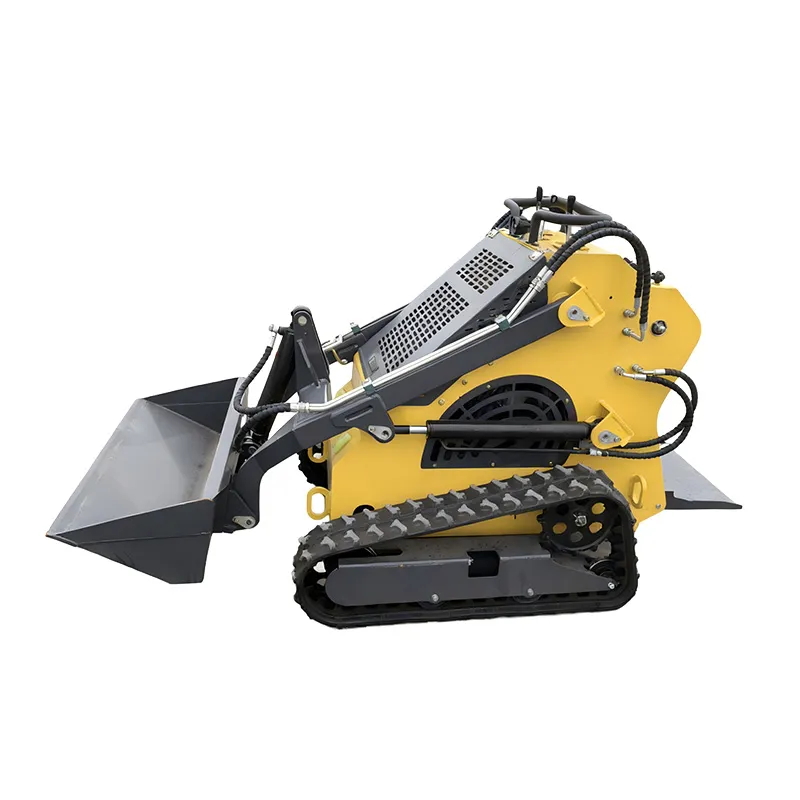
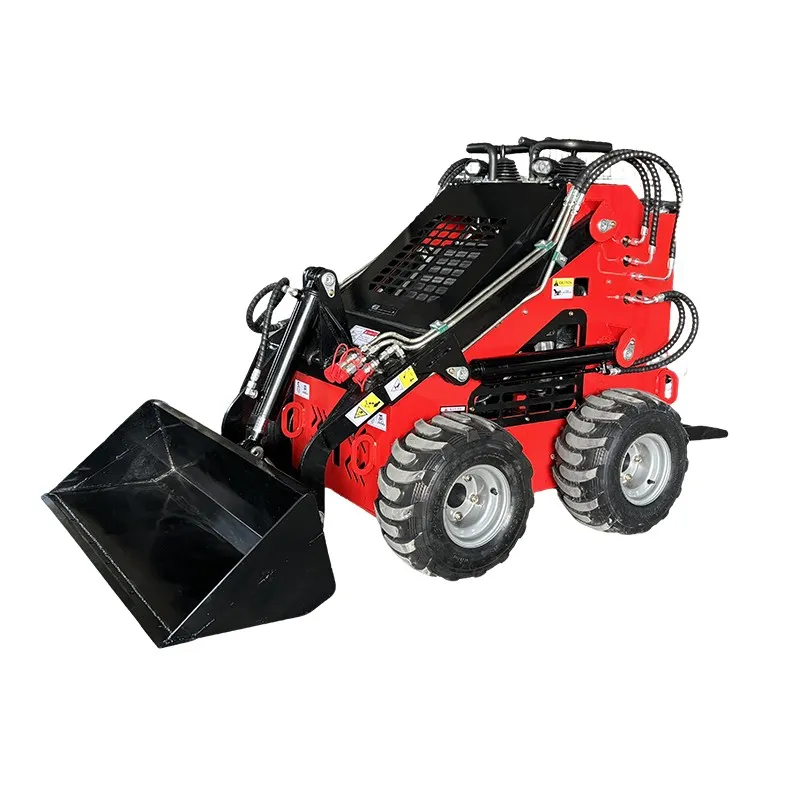
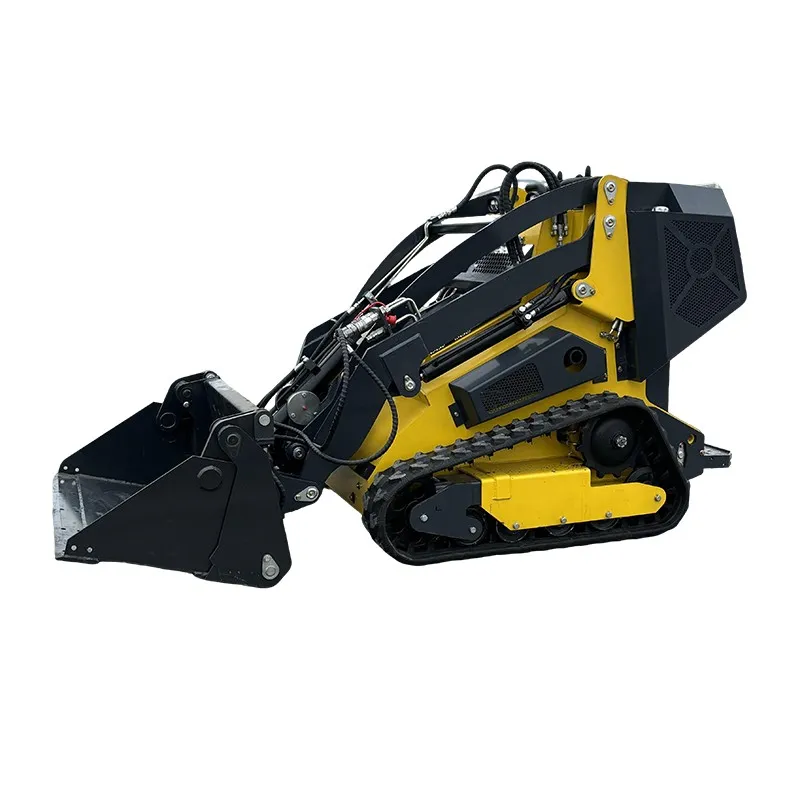
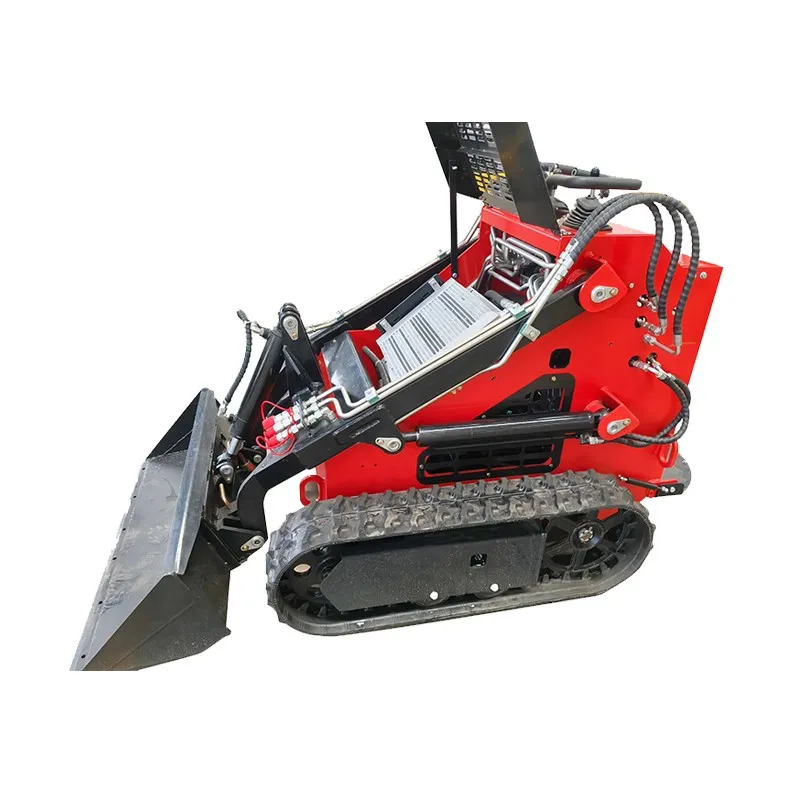
cheap skid steer loader for sale
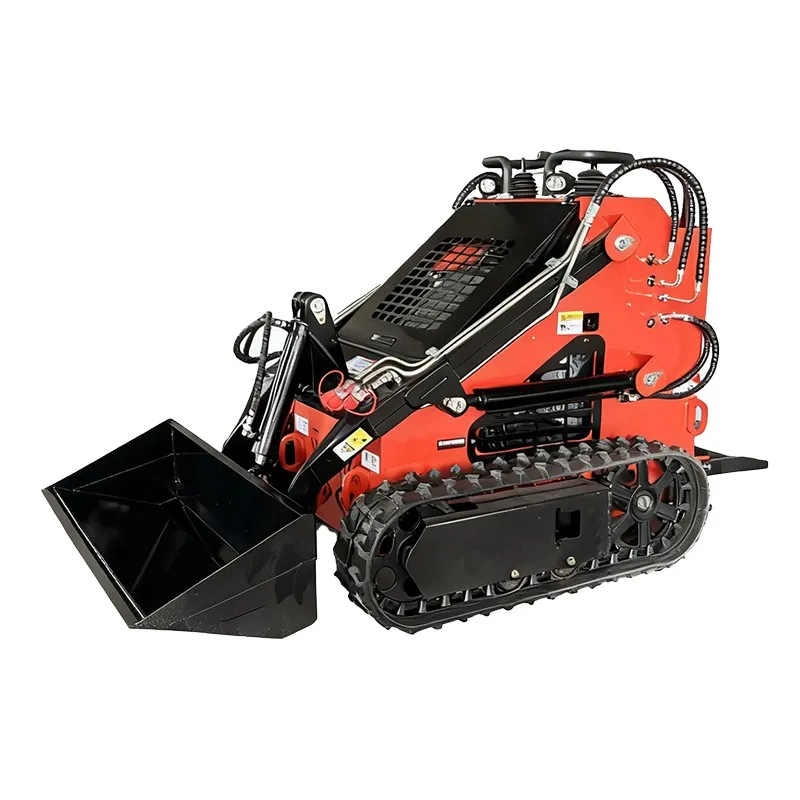
When you type cheap skid steer loader for sale into a search bar, you're probably hoping for a miracle. A brand-new machine for the price of a used one, or a low-hour model with no hidden costs. Having been in this trade for over a decade, I can tell you that cheap is a dangerous word. It often leads guys straight to auction nightmares or to units that spend more time in the shop than on the job. The real search isn't for the lowest price tag; it's for the right balance of upfront cost, reliability, and total cost of ownership. That's where the real value hides.
The Allure and Pitfalls of the Budget Machine
Let's be honest, everyone starts by looking for a deal. I've done it myself. Early on, I bought a cheap reconditioned model from a broker. The pins and bushings looked tight, hydraulics were clean... for about two weeks. Then the main hydraulic pump started singing a costly tune. The savings evaporated overnight. That experience taught me that with machinery, you're often just prepaying for repairs when you go too low. The market is flooded with older Bobcats, Case, and New Holland units that look fine on a lot but have been worked hard. Their cheap price is a direct reflection of their remaining service life, something a lot of first-time buyers don't factor in.
This is where the conversation shifts to new, budget-friendly brands, particularly from China. They've moved far beyond being mere clones. Companies that have invested in proper R&D and quality control are producing machines that genuinely compete on value. I'm talking about brands that have stuck around long enough to iterate and improve based on real user feedback, not just pump out containers of generic iron.
For instance, I've followed the trajectory of Shandong Pioneer Engineering Machinery Co., Ltd for a while. A company that's been around since 2004, like them, has seen market cycles. They've had to adapt. Their recent relocation in 2023 to a new facility in Tai’an suggests growth and reinvestment. When a manufacturer has been exporting to tough markets like the US, Canada, and Australia for years, as their site https://www.sdpioneer.com notes, it tells me they've had to meet certain durability standards to survive. That history matters more than a flashy brochure.
Decoding Specifications vs. Real-World Performance
Horsepower and rated operating capacity are the usual talking points. But with a value-priced skid steer, you need to dig deeper. Ask about the pump and motor supplier. Are they using recognized brands like Danfoss or Parker, or completely unbranded hydraulics? The difference is in heat generation and efficiency, which kills performance on a hot day. I've run machines with nearly identical specs where one would bog down lifting a full bucket of wet dirt and the other wouldn't. The devil is in the hydraulic system's tuning and component quality.
Another critical, often overlooked detail is the cooling package. A cheap machine might save costs by using a smaller radiator or a single-pass oil cooler. In demanding applications like milling or constant heavy loading, that's a recipe for overheating. A good indicator is if the manufacturer offers different cooling options or if their standard package is robust. It's a tangible sign they're thinking about real work, not just paper specs.
Then there's the undercarriage. On a cheap skid steer loader for sale, this is a prime cost-cutting area. Are the rollers sealed and lubricated? What's the thickness of the steel in the boom arms? I've seen arms flex on cheaper models during heavy sideloading, which introduces wear points you'll never stop chasing. It's worth asking the supplier for close-up photos of the weld seams and chassis. Clean, consistent welding is a basic hallmark of care in manufacturing.
The Dealer and Support Equation
This is, without doubt, the most important factor when considering an affordable new machine. The brand might be Shandong Pioneer or any other, but who stands behind it in your country? A cheap price becomes astronomically expensive if you can't get a simple seal kit or a control board within a week. I've seen operations stalled for a month waiting for a $150 part from overseas because the local dealer was just a sales agent with zero technical backup.
A competent dealer will have a parts inventory, trained technicians, and direct access to the factory's engineering support. They should be able to provide you with a detailed parts manual and service documentation before you buy. Ask them: What's your most common warranty issue, and how do you handle it? Their answer will tell you everything. A good importer, like the overseas trade division hinted at in Pioneer's setup, understands that long-term success is built on support, not just moving units off the dock.
When evaluating, don't just look at the machine. Look at the people selling it. Do they operate similar equipment themselves? Can they explain the service intervals and common maintenance points clearly? This network is what turns a risky purchase of a cheap skid steer loader into a smart, calculated investment.
Case Study: The Multi-Machine Fleet Purchase
A contractor I know was expanding his landscaping business. He needed three machines but had a tight budget. The quote for three major-brand machines was prohibitive. He looked at used, but the hours were high and conditions uncertain. He then turned to a newer import brand, similar to the category Pioneer is in. The total price for three new machines was less than two from the top tier.
The gamble paid off, but not without conditions. He negotiated fiercely on the support package. The dealer agreed to stock a full set of common wear parts (filters, seals, hoses) and provide on-site operator training. Two years in, one machine had a minor hydraulic leak (a hose fitting issue) and another needed a new seat sensor. Parts were available locally, and downtime was minimal. His calculation wasn't just machine cost; it was total fleet operational cost. By having multiple identical units, he simplified maintenance and parts stocking. This is a perfect example of how cheap can work when the buyer is sophisticated and the supply chain is solid.
The key takeaway? He didn't buy the absolute cheapest option online. He bought the cheapest reliable option with a verified support structure. That's the model to follow.
Final Reality Check: Total Cost of Ownership
So, back to that original search. Cheap skid steer loader for sale. Let's reframe it. You're not buying a price; you're buying a machine that must produce revenue. Calculate your cost per operating hour. Factor in not just the purchase price, but estimated fuel consumption (newer, better-tiered hydraulic systems are more efficient), typical repair costs for the brand, and parts availability. A $25,000 machine that sits idle for 20% of its life is more expensive than a $35,000 machine that works 95% of the time.
My advice? Use cheap as a starting point to find the value segment. Then, immediately start investigating reliability, dealer reputation, and parts logistics. Request references from other buyers in your area. If you're looking at a company like Shandong Pioneer, their 20-year history and global exports are a data point suggesting stability. But your local dealer is the make-or-break factor.
Ultimately, the best cheap skid steer is the one you stop thinking about as cheap after the first month. It just becomes a reliable tool that does its job day in, day out, without draining your wallet or your patience. That's the real find, and it rarely comes from the first link in the search results.
Related Products
Related Products