


- Chinese
- French
- German
- Portuguese
- Spanish
- Russian
- Japanese
- Korean
- Arabic
- Irish
- Greek
- Turkish
- Italian
- Danish
- Romanian
- Indonesian
- Czech
- Afrikaans
- Swedish
- Polish
- Basque
- Catalan
- Esperanto
- Hindi
- Lao
- Albanian
- Amharic
- Armenian
- Azerbaijani
- Belarusian
- Bengali
- Bosnian
- Bulgarian
- Cebuano
- Chichewa
- Corsican
- Croatian
- Dutch
- Estonian
- Filipino
- Finnish
- Frisian
- Galician
- Georgian
- Gujarati
- Haitian
- Hausa
- Hawaiian
- Hebrew
- Hmong
- Hungarian
- Icelandic
- Igbo
- Javanese
- Kannada
- Kazakh
- Khmer
- Kurdish
- Kyrgyz
- Latin
- Latvian
- Lithuanian
- Luxembou..
- Macedonian
- Malagasy
- Malay
- Malayalam
- Maltese
- Maori
- Marathi
- Mongolian
- Burmese
- Nepali
- Norwegian
- Pashto
- Persian
- Punjabi
- Serbian
- Sesotho
- Sinhala
- Slovak
- Slovenian
- Somali
- Samoan
- Scots Gaelic
- Shona
- Sindhi
- Sundanese
- Swahili
- Tajik
- Tamil
- Telugu
- Thai
- Ukrainian
- Urdu
- Uzbek
- Vietnamese
- Welsh
- Xhosa
- Yiddish
- Yoruba
- Zulu
- Kinyarwanda
- Tatar
- Oriya
- Turkmen
- Uyghur

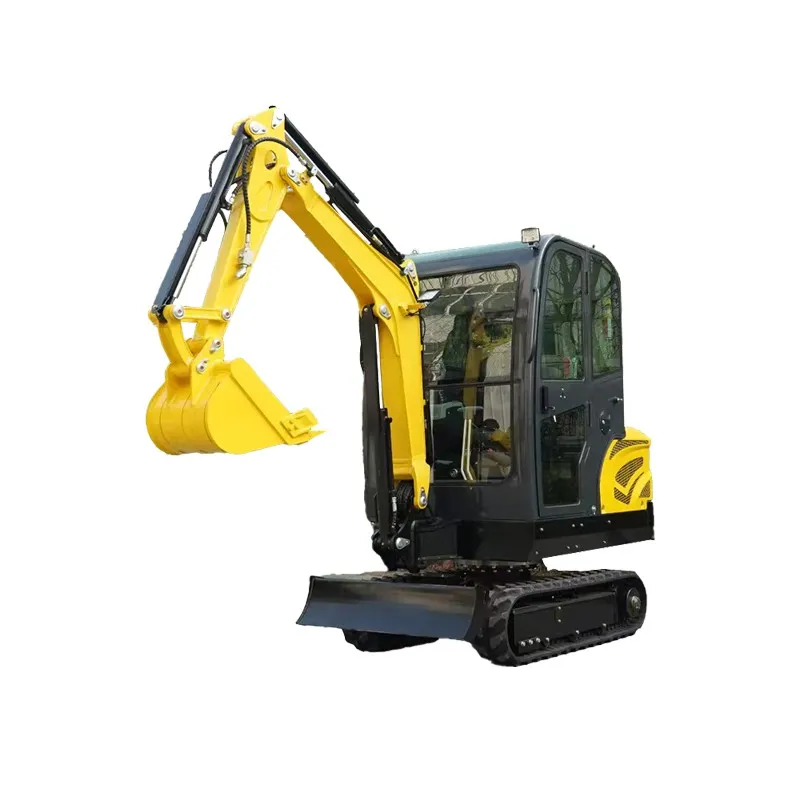
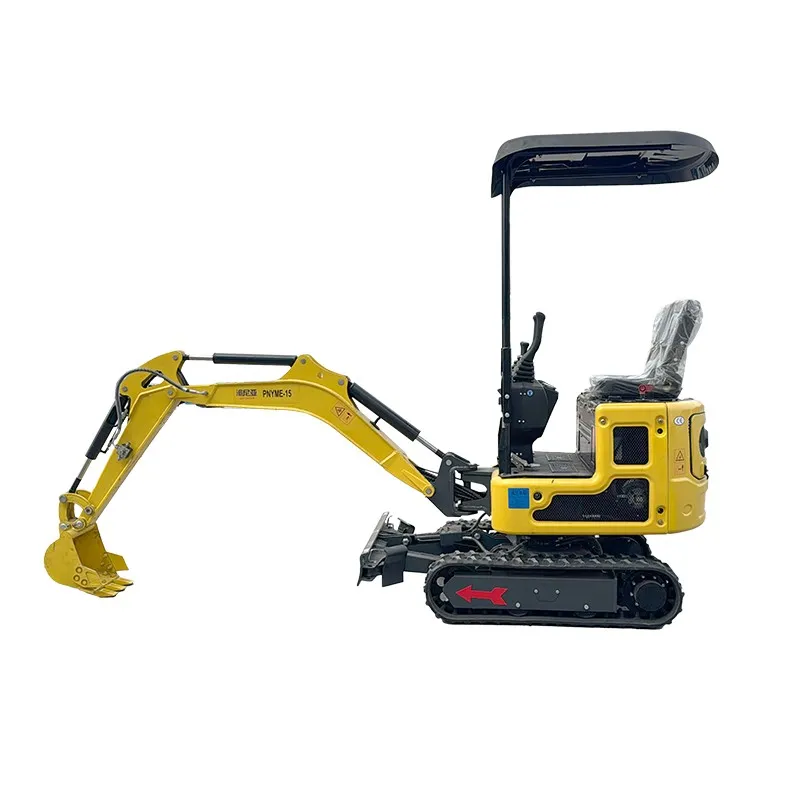
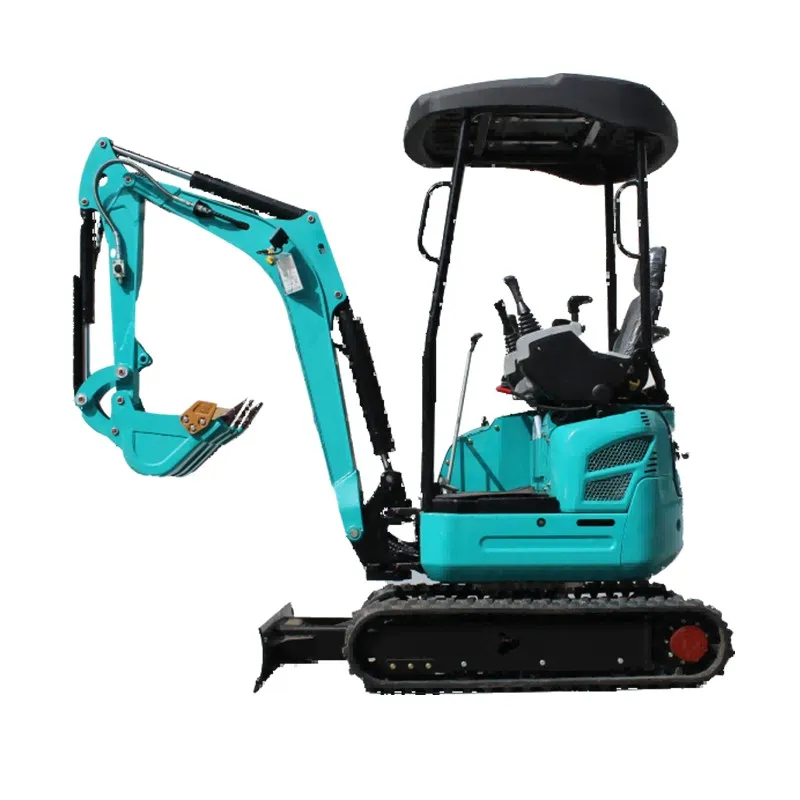
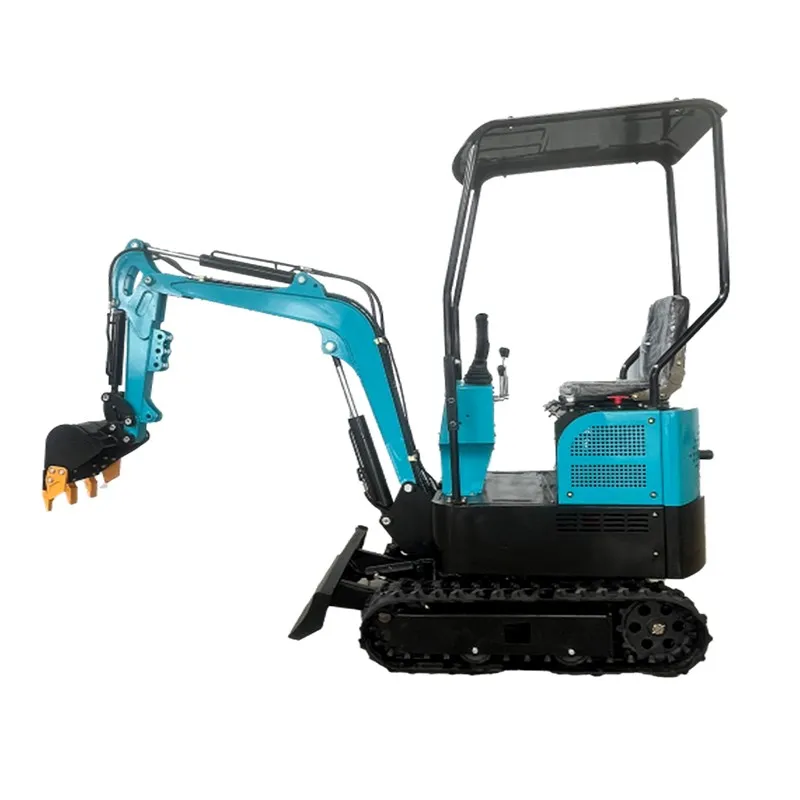
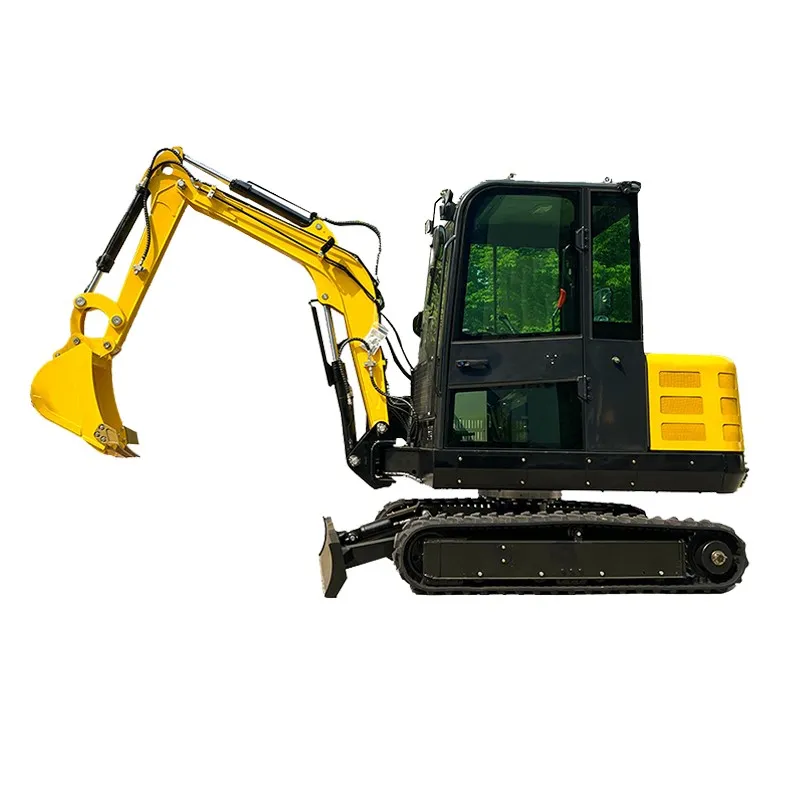
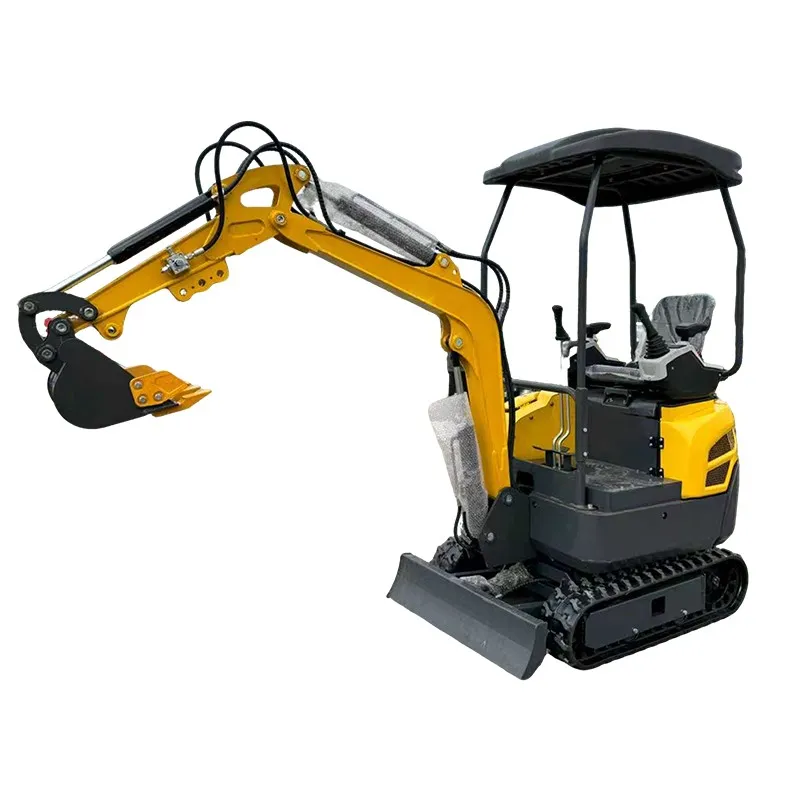
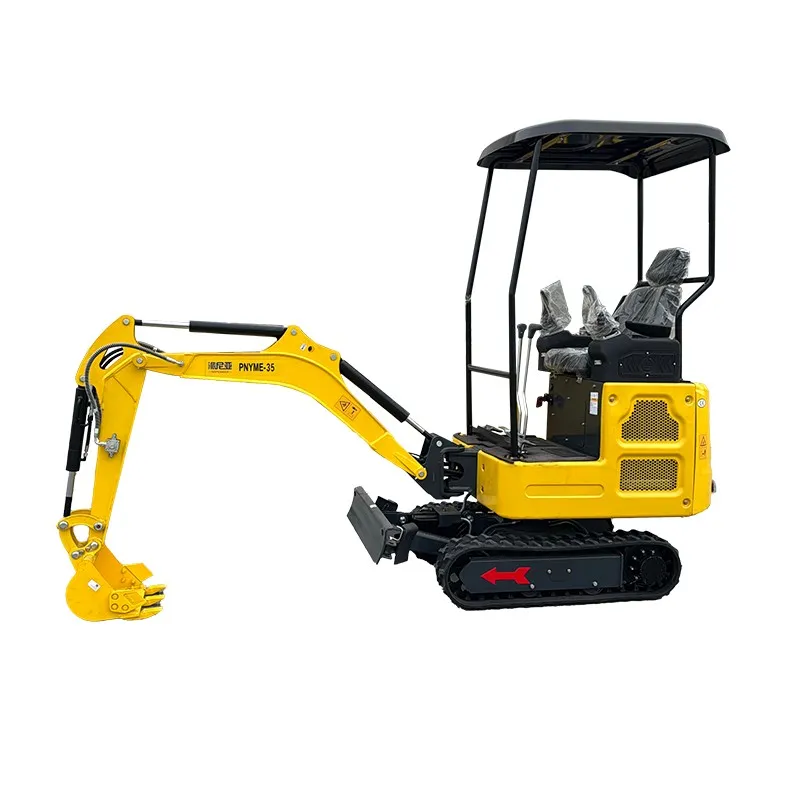
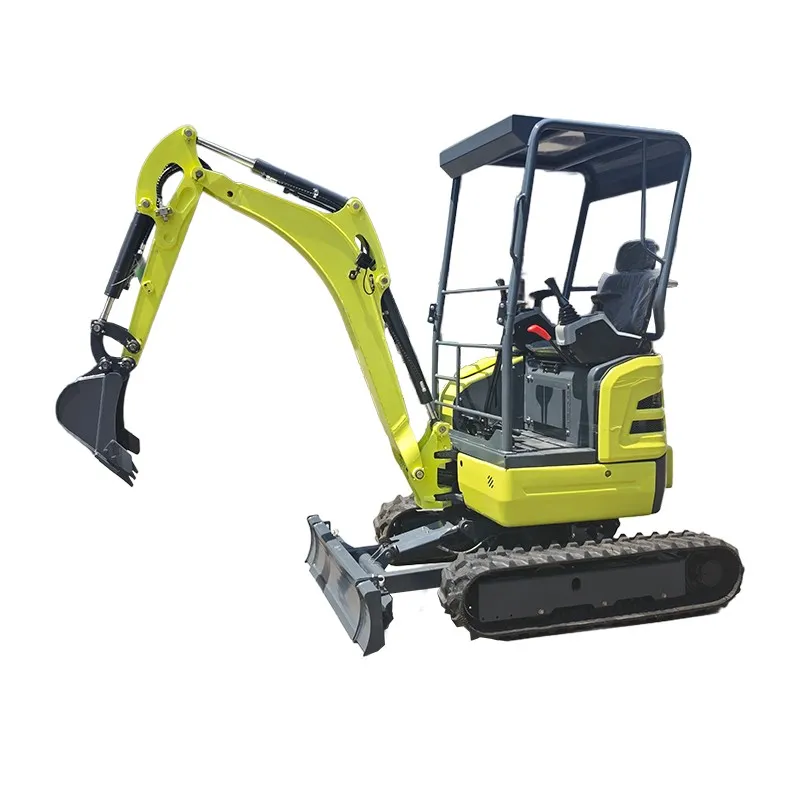
cheapest mini excavator
When someone types cheapest mini excavator into a search bar, I know exactly what they're after. They want the lowest number on the price tag. I get it. But after twenty years in this trade, I've learned that the initial quote is just the opening line of a much longer, and often more expensive, conversation. The true cost isn't just the invoice from the factory; it's what happens after it lands on your site. I've seen guys save five grand on a machine only to spend ten on repairs and downtime in the first year. The goal isn't to find the absolute cheapest; it's to find the machine with the lowest total cost of ownership for your specific job. That's a calculation most online searches won't do for you.
Defining Cheap in the Trenches
Let's break down what cheap actually means on a jobsite. Is it the machine with the rock-bottom purchase price from an unknown brand? Often, yes. That's the immediate temptation. But cheap can also mean a reliable, used model from a major brand that holds its value. Or, it could be a new machine from a value-focused manufacturer that cuts the right corners—like a simpler, more repairable hydraulic system instead of a flashy digital control panel that's impossible to fix in the field.
I remember a contractor friend who bought a super low-cost unit a few years back. The pump went out after 80 hours. Simple, right? Just replace it. Took six weeks for the part to arrive from overseas, and the local dealer had never seen that model's hydraulics before. The savings evaporated in rental costs and missed deadlines. That experience taught me that cheapest mini excavator often translates to highest risk if the support network isn't there.
This is where the origin story matters. A factory that's been around, that has iterated on its designs based on real feedback, is a safer bet. I've visited suppliers in Shandong, China, where a lot of these value machines are built. The difference between a workshop and an established plant is stark. One company that comes to mind is Shandong Pioneer Engineering Machinery Co., Ltd. They've been at this since 2004, which in this industry, means they've survived several market cycles. That longevity suggests they're doing something right—likely building a product that doesn't immediately fail and get them blacklisted. Their recent relocation to a larger facility in Ningyang in 2023 signals growth, not stagnation. You can check their track record directly at https://www.sdpioneer.com. For a buyer, this history is more valuable than a spec sheet full of impressive-looking numbers.
The Hidden Line Items Everyone Forgets
Beyond the machine itself, the real budget killers are hidden. Shipping and customs clearance are the first hurdles. That FOB China price doesn't include the $2-4k it might cost to get it to your yard in Texas or Ontario. Then there's compliance. Does it meet EPA Tier 4 or EU Stage V emissions for your region? If not, you can't legally run it. Some manufacturers build to specific standards for their target markets. Shandong Pioneer, for instance, through their overseas trade arm, exports to the U.S., Canada, Germany, and Australia. That implies, though you must verify, that they are configuring machines to meet those regulatory demands. This is a critical filter in your search.
Attachments are another hole in the wallet. Does the machine use a standard European-style quick coupler, or is it a proprietary system? Proprietary systems lock you into one supplier for buckets, breakers, and thumbs, often at a premium. Always factor in the cost and availability of a standard coupler installation if it's not included.
Finally, consider the disposal cost. What's the resale value in five years? A no-name machine might have near-zero value, becoming a pure expense. A machine from a company with a growing reputation, like those exported by Shandong Pioneer's trade division, might retain some value simply because there's a known entity behind it and a pattern of parts availability. It's not a Cat or a Kubota, but it's not a complete ghost either.
Where to Look and What to Ask
So, where do you actually find these value-oriented machines? Alibaba is the obvious, crowded starting point. But it's a minefield. My advice? Look for manufacturers with a clear, professional web presence that details their history, factory, and export markets—like the Pioneer website which states they've won the trust of customers worldwide. That's a claim you need to test.
Your first email to a supplier shouldn't just ask for price. Ask for a video walk-around of the exact model in their warehouse. Ask for the contact info of two buyers in your country or a similar climate. Ask for the parts manual for the engine and main hydraulic pump—are they from recognized brands like Yanmar, Kubota, or Kawasaki? Or are they obscure, unbranded units? The answers tell you everything.
Specifically, for a mini excavator, drill down on the undercarriage. Are the track links and rollers hardened steel? Or are they soft, prone to stretching and wearing out in 500 hours? Ask about the swing bearing. A failed swing bearing is a massive job. What's its rated lifespan? A serious factory will have this data. If they only talk about horsepower and digging depth, they're selling to amateurs.
A Case in Point: The Good Enough Machine
I was involved in sourcing a 1.8-ton machine for a landscaping crew that did light drainage and foundation digging. They didn't need a 10,000-hour lifespan; they needed 500 reliable hours a year at a bare minimum cost. We went with a model from a manufacturer similar to the Shandong Pioneer profile—established, exporting to regulated markets, with a clear parts diagram.
It wasn't perfect. The seat was uncomfortable, and the auxiliary hydraulic lever had a bit too much play. But the core components—the Yanmar engine, the Kawasaki pump—were solid. We budgeted an extra $1,500 immediately to replace the standard bucket with a wider, more durable one and to install a mechanical thumb. Two years in, it's needed routine maintenance and one hydraulic hose replacement. Total cost of ownership is beating the depreciation on a used major brand machine for their light-duty use. For them, this was the true cheapest mini excavator.
The lesson? Match the machine's capability and support to the job's brutality. A machine built for occasional farm use will die on a demolition site in a month, no matter how cheap it was.
The Bottom Line: Calculating Your Own Cheapest
Forget the sticker price. Start your own spreadsheet. Column A: Purchase Price (FOB + Shipping + Customs + Modifications). Column B: Estimated Annual Maintenance & Repair (budget 5-15% of purchase price, depending on use). Column C: Expected Resale Value in 5 Years. Column D: Downtime Risk Factor (Low/Medium/High based on parts availability and dealer support).
Only then can you see the real number. Sometimes, the machine with the higher initial cost from a company with a track record, like one with the 20-year history and specific export focus of Shandong Pioneer Engineering Machinery Co., Ltd, will have a lower total figure in Column (A+B+C). Their story of development and accumulation, as noted on their site, is essentially a promise of reduced risk in your Column D.
In the end, the hunt for the cheapest mini excavator is a test of your due diligence, not your Google skills. It's about asking the gritty, technical questions and planning for failure, not just dreaming of a smooth dig. The right cheap machine isn't the one that costs the least today; it's the one that lets you sleep at night, knowing it'll probably start again tomorrow morning.
Related Products
Related Products