- Chinese
- French
- German
- Portuguese
- Spanish
- Russian
- Japanese
- Korean
- Arabic
- Irish
- Greek
- Turkish
- Italian
- Danish
- Romanian
- Indonesian
- Czech
- Afrikaans
- Swedish
- Polish
- Basque
- Catalan
- Esperanto
- Hindi
- Lao
- Albanian
- Amharic
- Armenian
- Azerbaijani
- Belarusian
- Bengali
- Bosnian
- Bulgarian
- Cebuano
- Chichewa
- Corsican
- Croatian
- Dutch
- Estonian
- Filipino
- Finnish
- Frisian
- Galician
- Georgian
- Gujarati
- Haitian
- Hausa
- Hawaiian
- Hebrew
- Hmong
- Hungarian
- Icelandic
- Igbo
- Javanese
- Kannada
- Kazakh
- Khmer
- Kurdish
- Kyrgyz
- Latin
- Latvian
- Lithuanian
- Luxembou..
- Macedonian
- Malagasy
- Malay
- Malayalam
- Maltese
- Maori
- Marathi
- Mongolian
- Burmese
- Nepali
- Norwegian
- Pashto
- Persian
- Punjabi
- Serbian
- Sesotho
- Sinhala
- Slovak
- Slovenian
- Somali
- Samoan
- Scots Gaelic
- Shona
- Sindhi
- Sundanese
- Swahili
- Tajik
- Tamil
- Telugu
- Thai
- Ukrainian
- Urdu
- Uzbek
- Vietnamese
- Welsh
- Xhosa
- Yiddish
- Yoruba
- Zulu
- Kinyarwanda
- Tatar
- Oriya
- Turkmen
- Uyghur


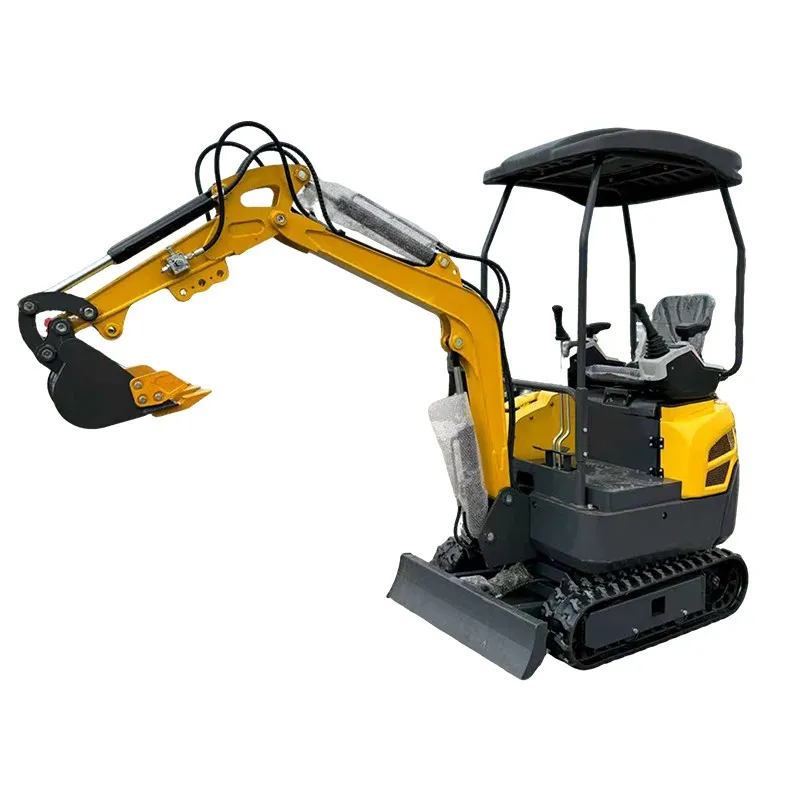
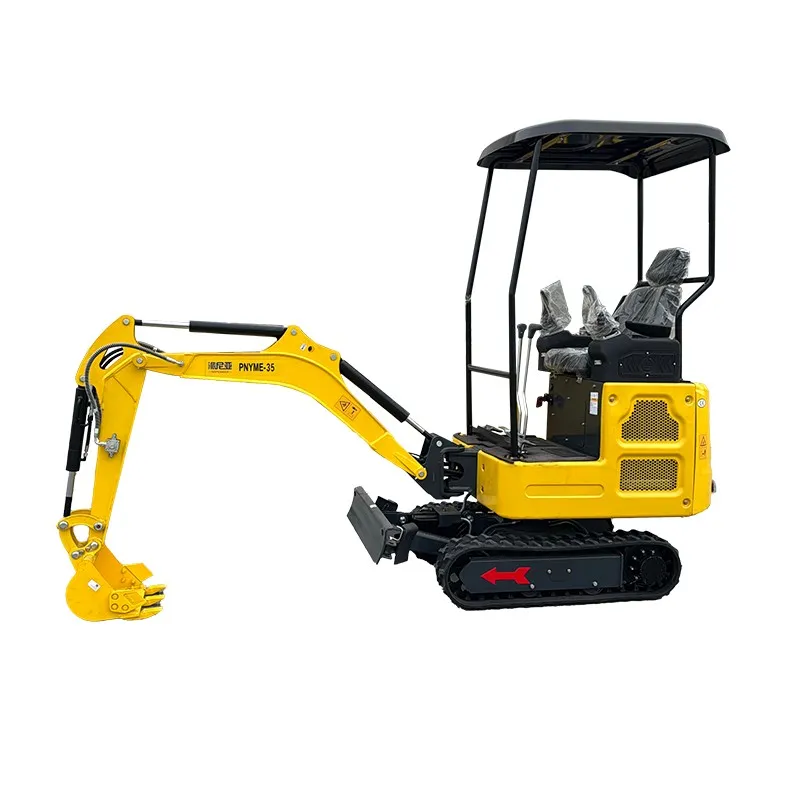
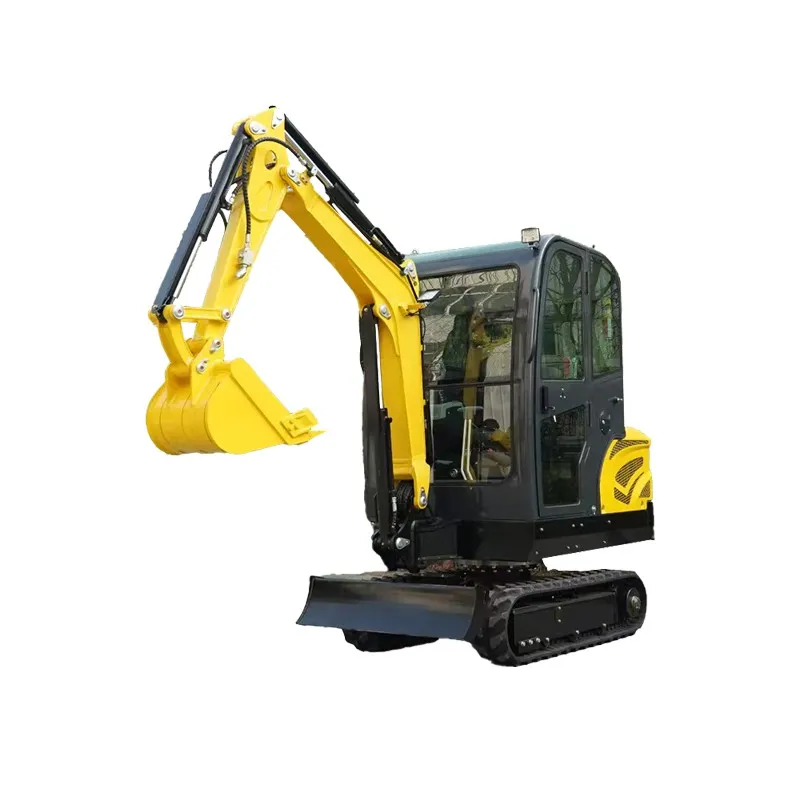
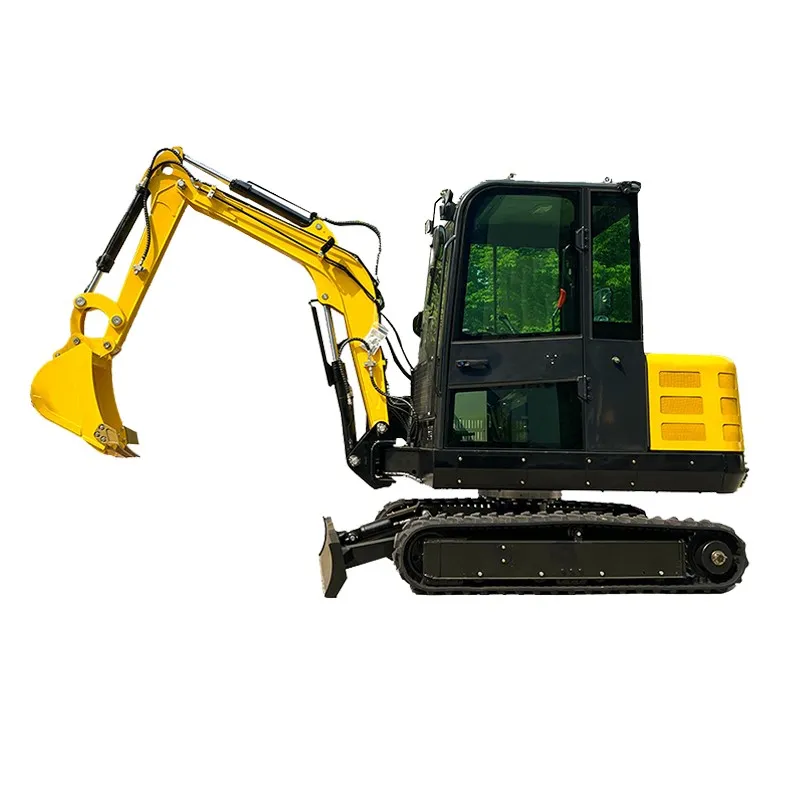
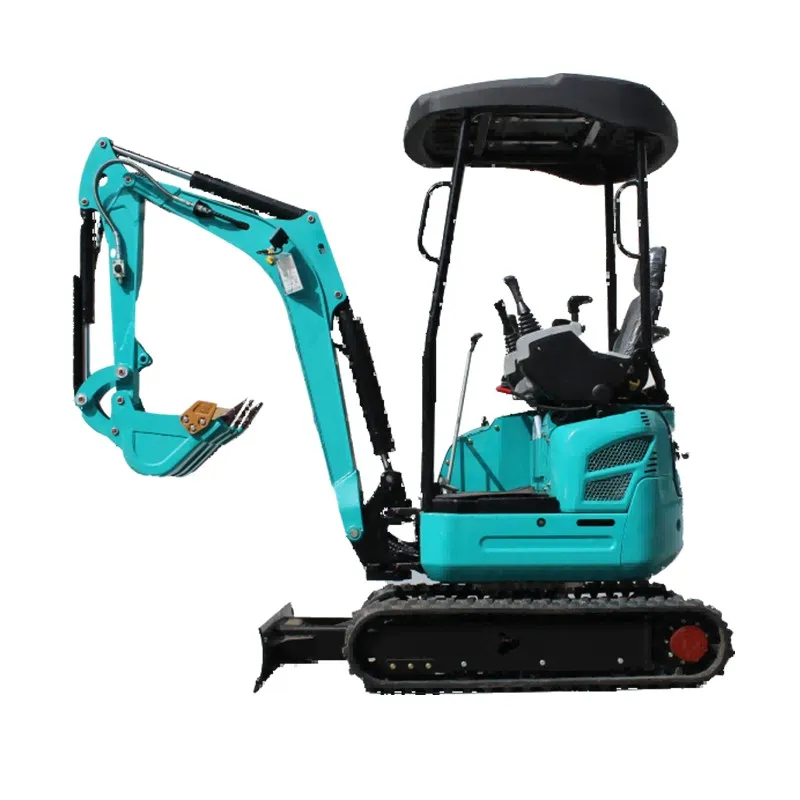
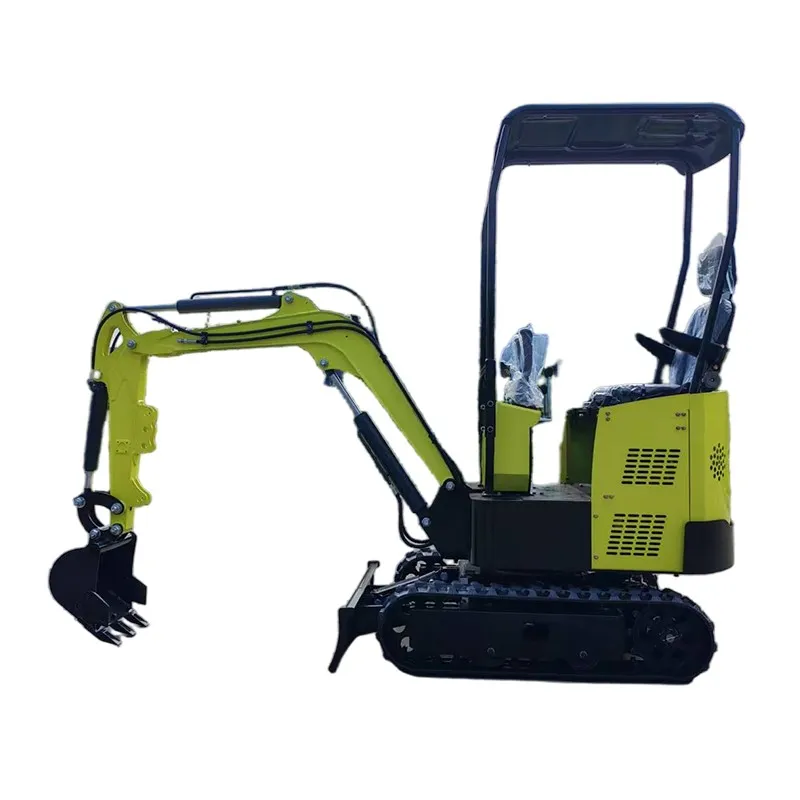
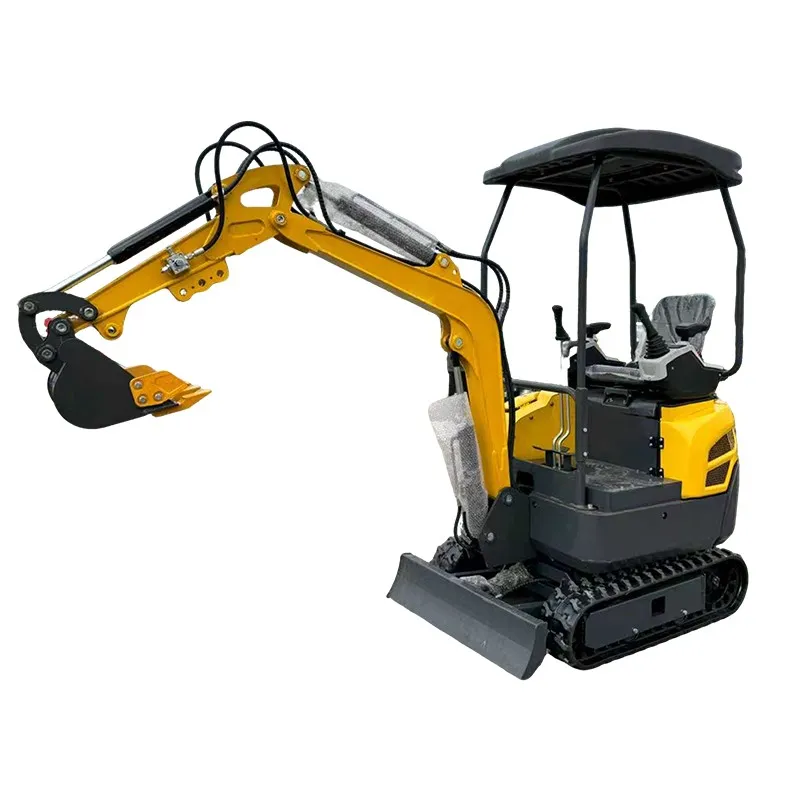
China digger factory
When most people hear China digger factory, they picture endless rows of identical machines rolling off a conveyor belt. That's a surface-level take, and honestly, it misses the real story. The reality on the ground is about adaptation, pressure, and a constant, sometimes messy, push to meet wildly different global demands. It's not just about making a machine; it's about figuring out what that machine needs to survive in a Canadian winter, an Australian mine, or a German contractor's yard. The term itself is almost too broad—it covers everything from backyard workshops to integrated industrial parks, and the gap between them is where the real industry dynamics play out.
The Physical Shift: More Than Just a New Address
Take the relocation of a factory like Shandong Pioneer Engineering Machinery Co., Ltd. Moving from a 1,600-square-meter setup in Jining to a new facility in Ningyang County in 2023 wasn't just a real estate upgrade. I've seen these moves before. On paper, it's about expansion. On the ground, it's a logistical nightmare and a strategic reset. You're not just moving welding robots and assembly jigs; you're recalibrating entire supply chain rhythms. Local component suppliers might change, the workflow gets redesigned from scratch, and there's always a painful period where quality control dips as the new line beds in. For a company that's been around since 2004, this kind of move after 20 years signals a pivot—maybe towards higher-volume production or more complex product assembly. It's a bet on future capacity, but the immediate effect is pure chaos managed through sheer hustle.
The new location in Tai'an is interesting. It's deeper in Shandong's industrial heartland, likely offering better logistics links for the heavy steel plate and castings that go into an excavator's boom and undercarriage. When you visit these places, the dust in the air has a specific smell—a mix of grinding metal, primer paint, and diesel. The layout of the yard tells you a lot: how many machines are parked outside waiting for final inspection, how the testing area is arranged. Is there a proper slope for testing the hydraulic system under load? Or is it just a flat concrete pad? These details separate a facility built for show from one built for function.
This physical evolution ties directly to their market. With Shandong Hexin handling manufacturing and Shandong Pioneer driving overseas trade, the factory floor is directly connected to job sites in the U.S., Canada, and Australia. That means the machines being welded today might have specifications for a different hydraulic fluid standard or a mandated safety beacon size due to regulations in Queensland or Alberta. The factory has to internalize these fragmented global standards, which is a far cry from the old model of making one version for everyone.
Export Realities: Trust is Built in the Field, Not the Showroom
The website states they've won the trust of customers worldwide. That's the goal for every China digger factory, but trust in this business is a fragile, hard-earned thing. It doesn't come from a glossy brochure. It comes from a distributor in Brisbane getting a replacement hydraulic hose assembly via air freight in 48 hours, or from a field service technician who can talk a Canadian mechanic through an electrical schematic over a patchy WhatsApp call at midnight China time. The appreciation they mention is earned when a machine exceeds its rated lift capacity on a tough site without a hiccup—or when it doesn't, and the factory's response is swift and takes ownership.
Selling to markets like Germany and the U.S. is the ultimate stress test. German engineers will dissect a machine's fit and finish with a micrometer and a judgmental frown. American contractors will run it for 16 hours a day, seven days a week, and expect no downtime. The factory's design and quality processes have to satisfy both mindsets. I've seen factories fail by focusing only on one. They might build a machine that's technically perfect on a spec sheet but has a fuel cap placed where it's impossible to refill without spilling—a fatal flaw in real-world use. The successful ones have people who've been to these overseas sites, or at least listen intently to the feedback from their trade partners.
It also creates internal tension. The sales team at Shandong Pioneer might secure an order for 50 units for a North American rental fleet, demanding a specific brand of pumps and valves. The procurement team at the Shandong Hexin factory then has to source them, often at a higher cost and with longer lead times than the standard domestic component. The production schedule gets disrupted. This constant negotiation between what the global market wants and what the local supply chain can readily provide is the daily reality. It's where winning trust actually happens—in these gritty, operational compromises.
The Product Itself: Iteration, Not Just Invention
You won't see radical innovation from most of these factories every year. What you see is relentless iteration. A new pattern for a more durable bucket tooth. A redesigned operator cab with better sound insulation because Australian miners complained about noise over long shifts. The switch from a standard display to a multi-language, CAN-bus-enabled one for the European market. This evolution is incremental and driven by field failure reports and competitor analysis.
The machines are often modular. A standard 20-ton excavator platform might have three different engine options (Cummins, Deutz, Yuchai) to meet different emission regulations and customer preferences. The factory's skill is in integrating these third-party power systems seamlessly into their own chassis and hydraulics. I remember visiting a line where they were building two seemingly identical diggers side-by-side. One had extra pre-wiring for a hammer circuit and reinforced piping, destined for a demolition contractor. The other had a wider track shoe option for muddy conditions. This flexibility is their strength, but it's also a quality control headache. Every variant is a chance for a mistake in assembly or a wrong part being fitted.
Durability testing is another area where perception and reality clash. Everyone claims rigorous testing. The truth is more varied. Some have excellent test pits with different soil compositions. Others still rely heavily on field testing—shipping early units to a cooperative domestic customer and hoping for the best. The better factories have moved towards structured protocols, but it's an area of constant investment and improvement. The goal is to catch a weak weld on the boom in Ningyang, not on a construction site in Ontario.
The People and the Process
The soul of any factory is its people. In a mature China digger factory, you find a mix. Veteran welders in their 40s and 50s, whose skill with a torch is irreplaceable, working alongside younger technicians programming CNC cutting machines. The management challenge is bridging this gap. The old guard has the instinct, the young engineers have the simulation software. The best outcomes happen when they talk to each other. I've seen a young designer's clever weight-saving bracket design get quietly revised by a senior fitter who knew it would crack under torsional stress—a failure mode the software didn't capture.
The process flow is a dance of bottlenecks. The painting booth is often one. Achieving a corrosion-resistant finish that meets international standards requires controlled temperature, humidity, and proper phosphating before powder coating. It's a capital-intensive step, and a bottleneck here can back up the entire final assembly line. Another critical point is the final functional test. Does it just involve starting the engine and cycling the sticks? Or is there a loaded test where the machine actually digs into a pile and lifts? The depth of this final check is a direct indicator of the factory's confidence and quality philosophy.
Training is sporadic but crucial. When they introduce a new model or a new control system, there's a scramble to upskill the electricians and fitters. This often happens through master-to-apprentice knowledge transfer on the line, which is fast but can lead to inconsistencies. More systematic training programs are a sign of a factory moving up the value chain, investing in its human capital as seriously as its machinery.
Looking Ahead: The Squeeze and the Opportunity
The future for factories like this is a squeeze from both ends. On one end, rising domestic material and labor costs. On the other, intense price pressure in international markets and increasingly stringent global emissions regulations (Stage V, U.S. EPA Tier 4 Final). The response can't just be to build cheaper. It has to be to build smarter—better value, not just lower cost. This means more efficient designs, better supply chain management to control input costs, and maybe even exploring alternative powertrains like electric for niche applications.
The split identity of Shandong Hexin (manufacturing) and Shandong Pioneer (overseas trade) is a common and sensible structure. It allows the manufacturing arm to focus on production efficiency and technical issues, while the trade arm focuses on market intelligence, customer relationships, and navigating the complexities of international logistics and certification. The key is ensuring the communication channel between them is wide open and fast. When a customer in Canada reports a recurring issue, that feedback needs to loop back to the production and engineering teams in Ningyang within days, not months.
So, when you think of a China digger factory now, don't just see welding sparks and yellow paint. See a complex, adaptive organism. It's a place where a complaint from a operator in Bavaria can lead to a design change on a drawing board in Shandong, which then alters a machining program, which finally results in a slightly different, better machine on a ship bound for Hamburg. It's this gritty, responsive, and often under-appreciated cycle that defines the modern reality far more than any outdated stereotype of mindless mass production.
Related Products
Related Products