- Chinese
- French
- German
- Portuguese
- Spanish
- Russian
- Japanese
- Korean
- Arabic
- Irish
- Greek
- Turkish
- Italian
- Danish
- Romanian
- Indonesian
- Czech
- Afrikaans
- Swedish
- Polish
- Basque
- Catalan
- Esperanto
- Hindi
- Lao
- Albanian
- Amharic
- Armenian
- Azerbaijani
- Belarusian
- Bengali
- Bosnian
- Bulgarian
- Cebuano
- Chichewa
- Corsican
- Croatian
- Dutch
- Estonian
- Filipino
- Finnish
- Frisian
- Galician
- Georgian
- Gujarati
- Haitian
- Hausa
- Hawaiian
- Hebrew
- Hmong
- Hungarian
- Icelandic
- Igbo
- Javanese
- Kannada
- Kazakh
- Khmer
- Kurdish
- Kyrgyz
- Latin
- Latvian
- Lithuanian
- Luxembou..
- Macedonian
- Malagasy
- Malay
- Malayalam
- Maltese
- Maori
- Marathi
- Mongolian
- Burmese
- Nepali
- Norwegian
- Pashto
- Persian
- Punjabi
- Serbian
- Sesotho
- Sinhala
- Slovak
- Slovenian
- Somali
- Samoan
- Scots Gaelic
- Shona
- Sindhi
- Sundanese
- Swahili
- Tajik
- Tamil
- Telugu
- Thai
- Ukrainian
- Urdu
- Uzbek
- Vietnamese
- Welsh
- Xhosa
- Yiddish
- Yoruba
- Zulu
- Kinyarwanda
- Tatar
- Oriya
- Turkmen
- Uyghur

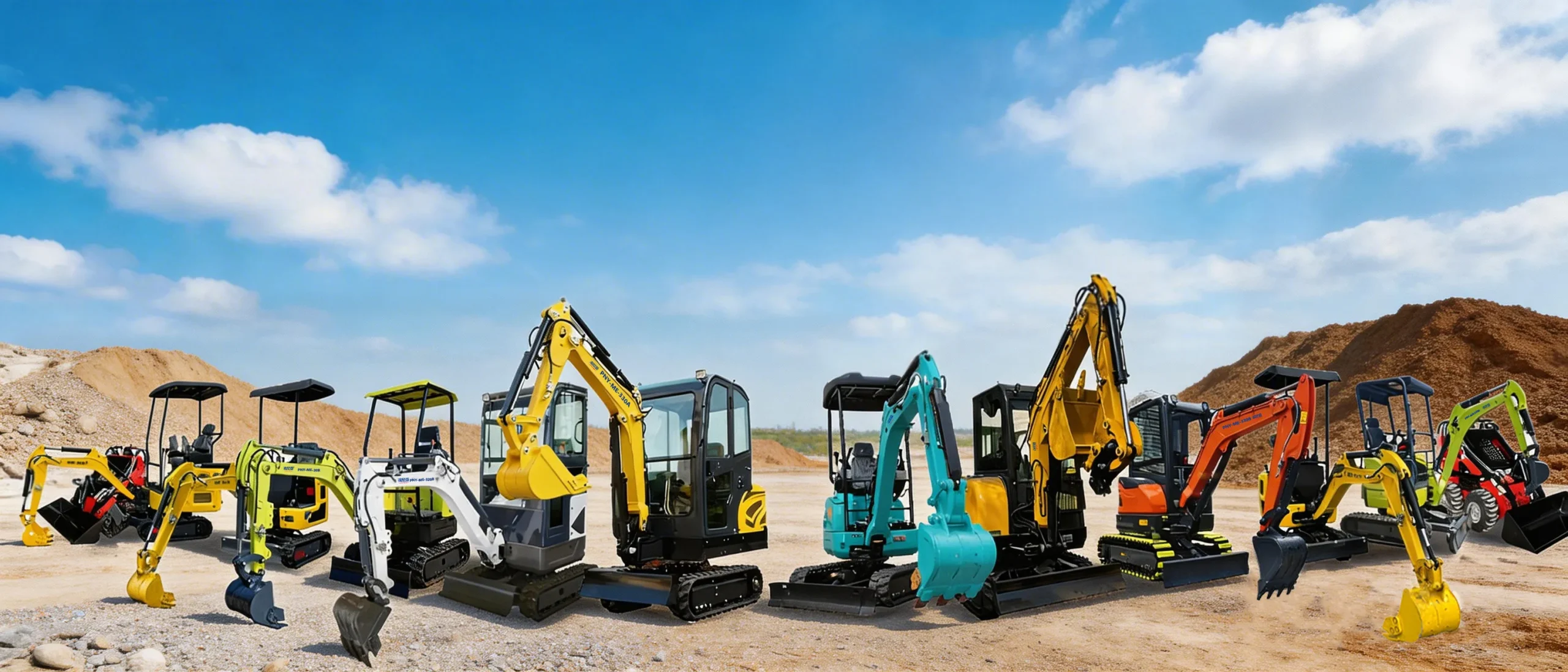
China mini digger factory
When you hear 'China mini digger factory', the immediate picture is often rows of identical machines rolling off a conveyor belt. That's the first misconception. The reality is far more nuanced, a mix of scale, surprising specialization, and constant adaptation that many sourcing agents' reports gloss over. Having spent years walking these factory floors from Shandong to Jiangsu, the difference between a shop that just assembles parts and one that actually engineers for durability is stark, and it's rarely about the price tag alone.
The Landscape and the Shift
The concentration in Shandong, particularly around Jining and Linyi, is significant. It's a whole ecosystem. You don't just find a factory; you find clusters of foundries, hydraulic component suppliers, and cabin makers within a 50-kilometer radius. This proximity drives down logistics costs but also creates a paradox: easy access to parts can sometimes mean less incentive for a factory to vertically integrate and control core quality. The good ones, however, do exactly that. They might still outsource standard axles, but they'll often machine their own swing gearbox housings or have strict in-house testing for hydraulic valve blocks.
I remember visiting a facility a few years back that looked impressive—spotless assembly area, shiny finished diggers. But a closer look at their welding shop told a different story. No pre-heating for the boom welds, inconsistent bead application. That factory was all about throughput. Contrast that with operations like Shandong Pioneer Engineering Machinery Co., Ltd. Their old site in Jining, where they started in 2004, was compact at 1,600 square meters. That size forces a certain efficiency and focus. You can't hide poor processes in a space like that. Their recent move to a new facility in Ningyang in 2023 isn't just about more space; it's a strategic upgrade, likely for more advanced production lines and better logistics, signaling a move from a workshop to a more integrated manufacturing plant.
The shift isn't just physical. The market has forced a split. On one end, you have factories churning out generic models where the only competition is price per container. On the other, there are players like Pioneer, operating under the dual structure of Shandong Hexin for manufacturing and Shandong Pioneer for overseas trade. This separation is telling. It means they've institutionalized the understanding that building for the German market, with its strict TüV-like standards, is fundamentally different from building for a market with less stringent regulations. It's a mindset of adaptation, not just export.
What Quality Actually Means on the Ground
In this industry, quality is a loaded term. For a buyer, it often translates to no breakdowns in the first 1,000 hours. For a serious China mini digger factory, it starts with the steel plate. Many factories use generic GB standard steel. The better ones specify Weldox or equivalent high-tensile steel for the boom and arm, especially for machines destined for cold climates or heavy-duty applications. It's a cost jump, and you won't see it in a brochure spec sheet unless you know to ask for the material certificate.
Hydraulics are another minefield. The common pitfall is focusing only on the brand of the main pump (say, a Kawasaki or Linde) while ignoring the auxiliary valves and piping. I've seen machines with a top-tier main pump let down by cheap, leak-prone control valves that overheat and cause inefficiency. The real test is in the plumbing—how clean the line routing is, the quality of the fittings, the use of metric or SAE standards. A messy hydraulic bay is a red flag for future maintenance nightmares.
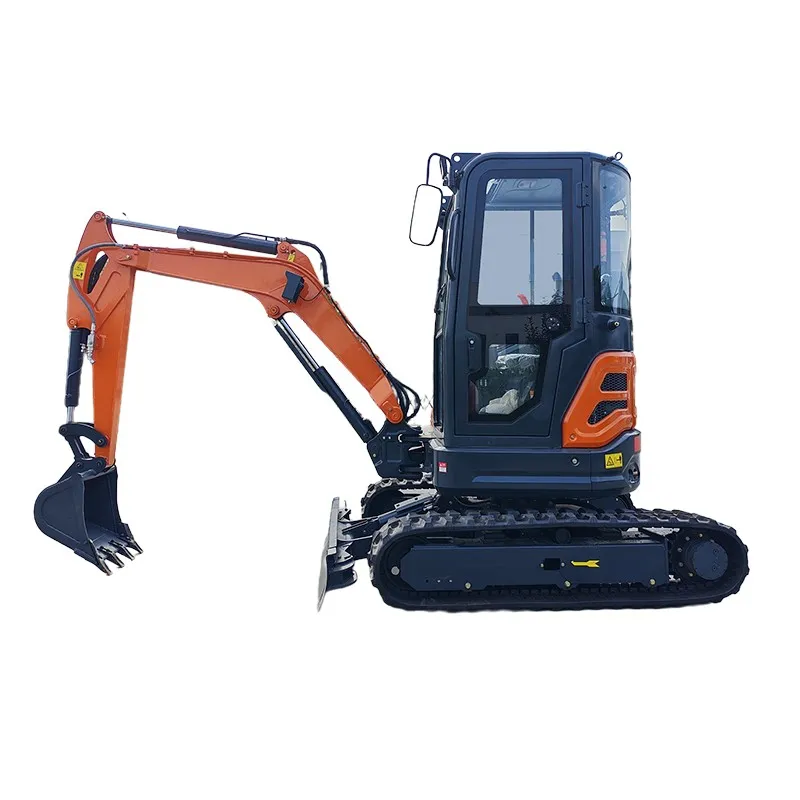
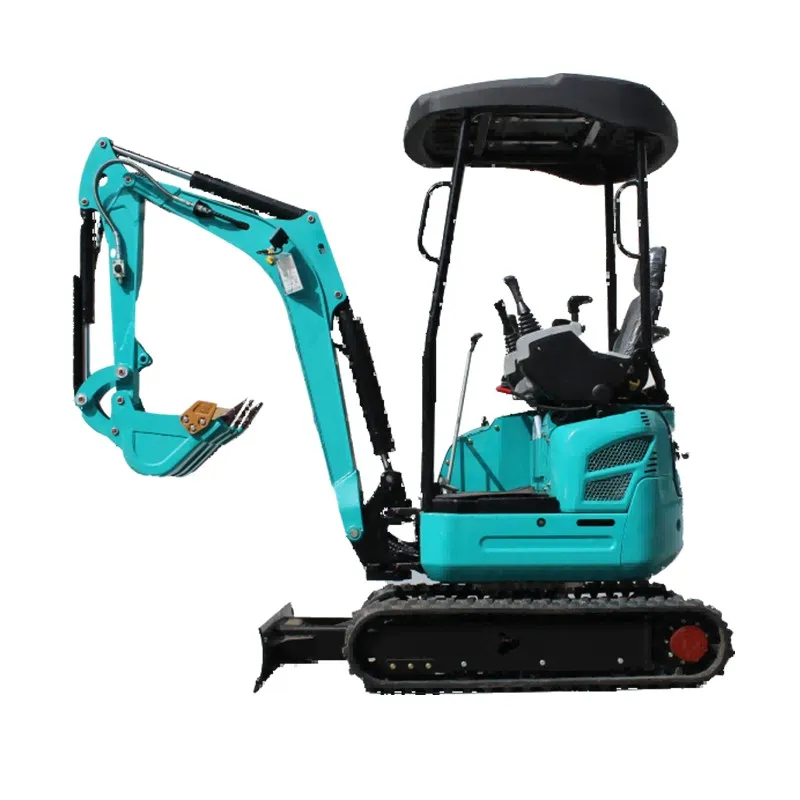
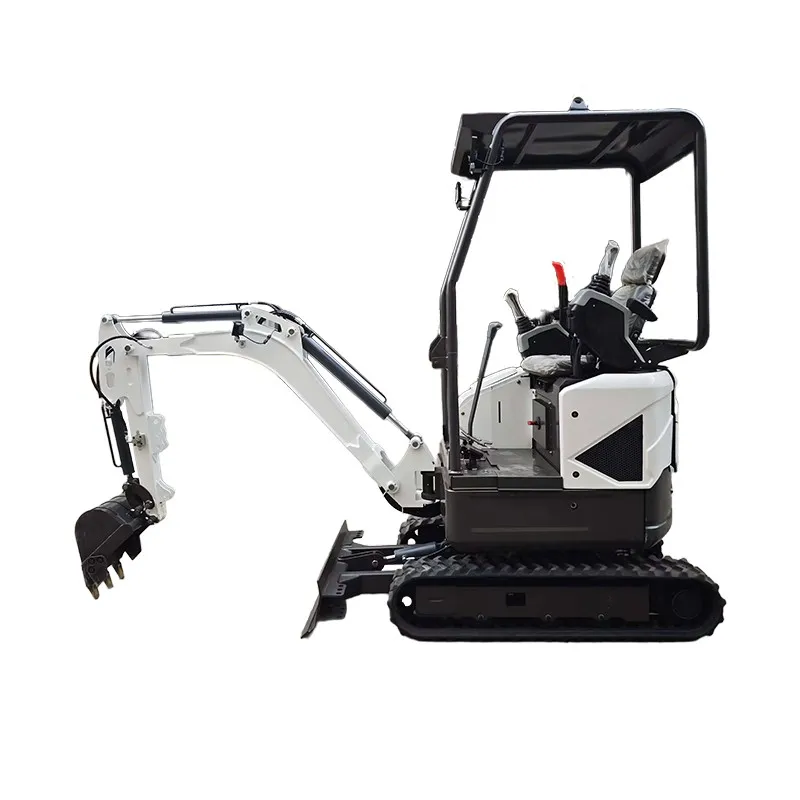
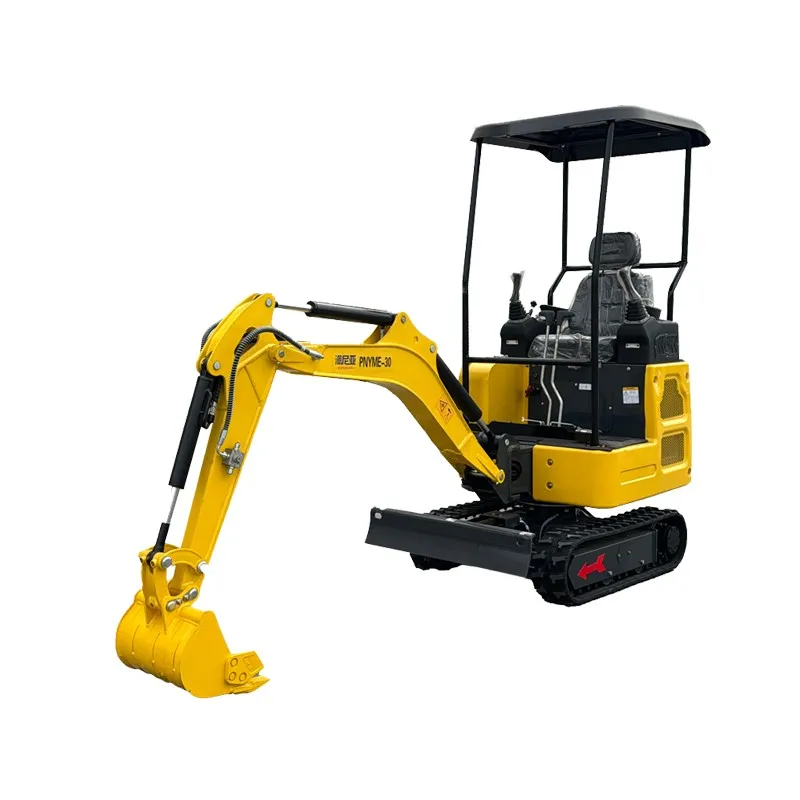
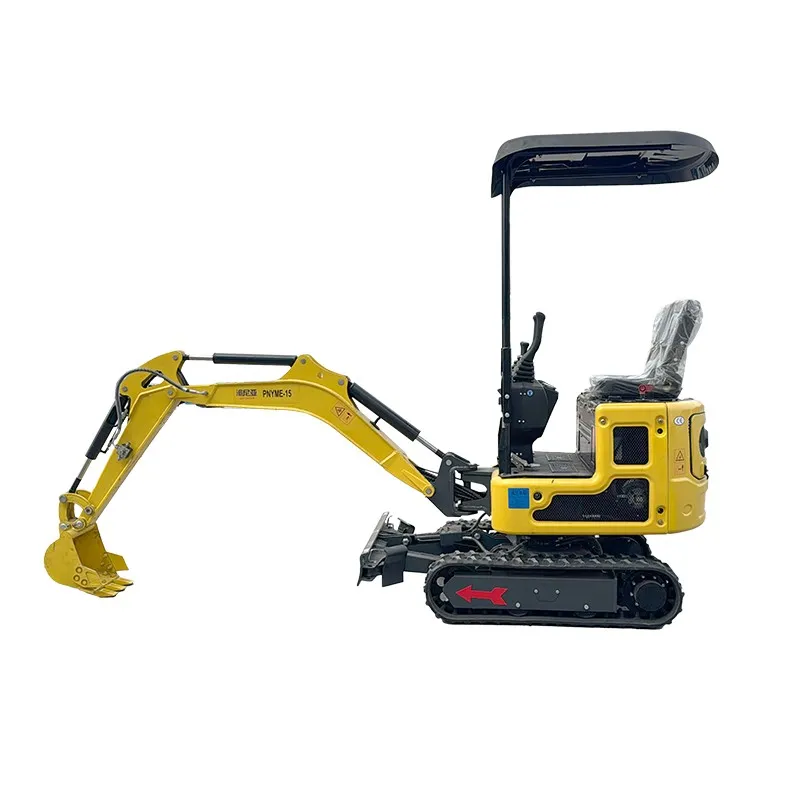
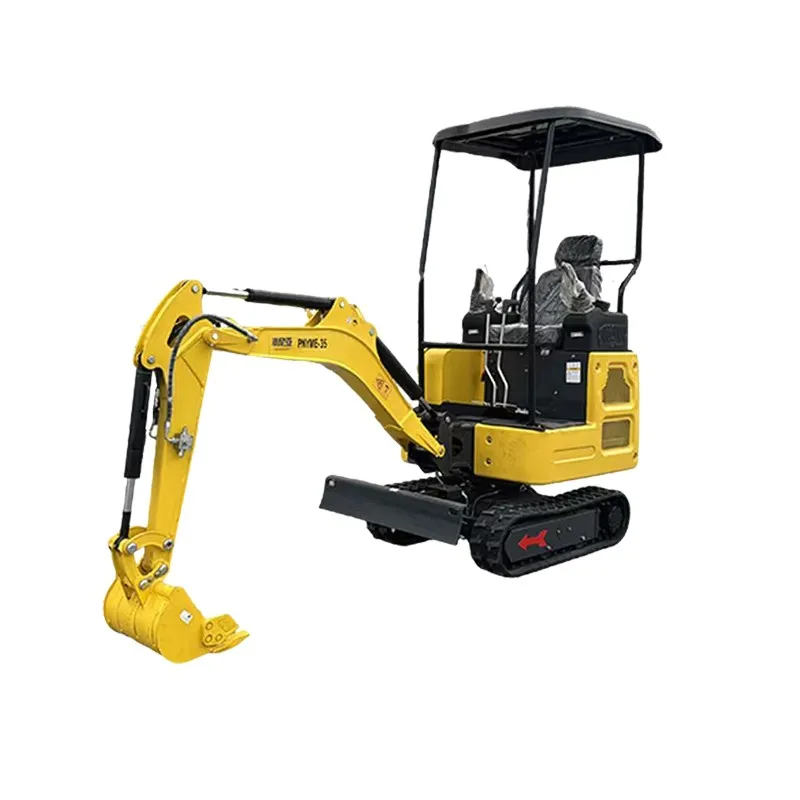
Then there's the fit and finish. It sounds minor, but it's a huge indicator. Do the cab seals keep out dust? Are the electrical wires loomed properly and protected from chafing on sharp edges? Are the grease points actually accessible? A factory that pays attention to these details is a factory that has had its machines serviced in the field and learned from feedback. Their website, https://www.sdpioneer.com, showcases products that, from the images, show attention to cab ergonomics and external plumbing—small signs that point to a design informed by user experience, not just a CAD drawing.
The Export Game: Compliance and Real-World Use
Exporting to markets like the US, Canada, Germany, and Australia—as Pioneer notes they do—isn't a checkbox exercise. It's a gauntlet. CE marking for Europe is the baseline, but beyond that, it's about nuanced compliance. For instance, Australia's equivalent standards have specific requirements for ROPS/FOPS cab certification and emission levels that can trip up a factory used to building for Asia. The fact that a factory consistently sells into these diverse, high-compliance regions suggests they have a dedicated engineering team that does more than just stamp certificates; they likely engage with testing houses and adapt designs.
Failure stories are instructive. I recall a factory that successfully passed all static tests for a cab but failed in the field in Scandinavia. The issue? They hadn't accounted for the extreme thermal cycling, which caused micro-fractures in the welds over a single winter. They had to redesign the cab's mounting structure entirely. That's the kind of hard-won, costly knowledge that separates a true manufacturer from an assembler. It's knowledge that comes from direct customer feedback and a willingness to invest in post-sale support.
This is where the trade company model, like Shandong Pioneer's overseas arm, proves its worth. A strong trade team isn't just for sales; it's the critical feedback loop. They're the ones hearing from a rental company in Texas that a certain hose routing is getting snagged, or from a farmer in Australia that the auxiliary hydraulic couplers are in an awkward spot. That information, when fed back to the manufacturing side (Hexin), leads to iterative improvements in the next production batch. It turns exports into a development tool.
The Supplier Relationship: More Than a Purchase Order
Finding the right factory is only half the battle. The relationship management is what determines long-term success. The best partnerships operate almost like a limited joint venture. You're not just sending them a PO; you're sharing market trends, failure reports from the field, and even collaborating on customizations. For example, suggesting a modification like adding a third auxiliary hydraulic circuit for a grapple might be met with resistance from a standard factory due to the engineering change. A collaborative factory will quote the engineering time and prototype cost and see it as a value-add.
Visits are non-negotiable. A video call can't let you run your hand over a weld bead or smell the cutting oil in the machining shop. During a visit, I always ask to see the quality control logs for the incoming materials and the final inspection reports. A factory that is hesitant or can't produce organized records is a major risk. I'd want to see how a company like the one behind sdpioneer.com handles this. Their two-decade history suggests stability, but the proof is in their process documentation on the ground.
Payment terms are also a tell. A factory insisting on 100% TT upfront is often a red flag (or a sign you're too small a buyer). More established, confident factories will work with LC or reasonable deposit structures. It shows they have financial health and trust in their own delivery. The relocation and expansion of a factory after 20 years, as Pioneer did, typically requires solid banking relationships and cash flow—another indirect indicator of operational maturity.
Looking Ahead: The Trajectory
The future for the serious China mini digger factory isn't in competing on the lowest price. That race to the bottom is a dead end, eroded by rising material costs and labor. The future is in specialization and intelligent design. We're already seeing a push towards more electric and hybrid prototypes, better energy recovery systems, and telematics integration from the factory floor. The factories that will thrive are those investing in their own R&D, not just copying last year's Kubota model.
Another trend is the platform approach. Instead of 20 completely different models, the smart factories are developing a few robust chassis platforms and then customizing the upper structure—longer arms, wider tracks, different attachments—for specific applications like landscaping, interior demolition, or agriculture. This allows for better quality control, easier parts commonality, and faster turnaround on custom orders. It's a move from manufacturing products to providing solutions.
Ultimately, the keyword factory is reductive. The leading entities in this space, through evolution like Pioneer's, are becoming integrated engineering and manufacturing firms. Their product is not just a mini excavator; it's a machine that comes with a depth of applied knowledge, a compliance pedigree, and a support structure. The real value lies in that bundle, and that's what discerning buyers from the US to Australia are finally willing to pay for. The ones who still see only a commodity will keep shopping for the lowest price, and they'll likely keep getting exactly what they pay for.
Related Products
Related Products