- Chinese
- French
- German
- Portuguese
- Spanish
- Russian
- Japanese
- Korean
- Arabic
- Irish
- Greek
- Turkish
- Italian
- Danish
- Romanian
- Indonesian
- Czech
- Afrikaans
- Swedish
- Polish
- Basque
- Catalan
- Esperanto
- Hindi
- Lao
- Albanian
- Amharic
- Armenian
- Azerbaijani
- Belarusian
- Bengali
- Bosnian
- Bulgarian
- Cebuano
- Chichewa
- Corsican
- Croatian
- Dutch
- Estonian
- Filipino
- Finnish
- Frisian
- Galician
- Georgian
- Gujarati
- Haitian
- Hausa
- Hawaiian
- Hebrew
- Hmong
- Hungarian
- Icelandic
- Igbo
- Javanese
- Kannada
- Kazakh
- Khmer
- Kurdish
- Kyrgyz
- Latin
- Latvian
- Lithuanian
- Luxembou..
- Macedonian
- Malagasy
- Malay
- Malayalam
- Maltese
- Maori
- Marathi
- Mongolian
- Burmese
- Nepali
- Norwegian
- Pashto
- Persian
- Punjabi
- Serbian
- Sesotho
- Sinhala
- Slovak
- Slovenian
- Somali
- Samoan
- Scots Gaelic
- Shona
- Sindhi
- Sundanese
- Swahili
- Tajik
- Tamil
- Telugu
- Thai
- Ukrainian
- Urdu
- Uzbek
- Vietnamese
- Welsh
- Xhosa
- Yiddish
- Yoruba
- Zulu
- Kinyarwanda
- Tatar
- Oriya
- Turkmen
- Uyghur

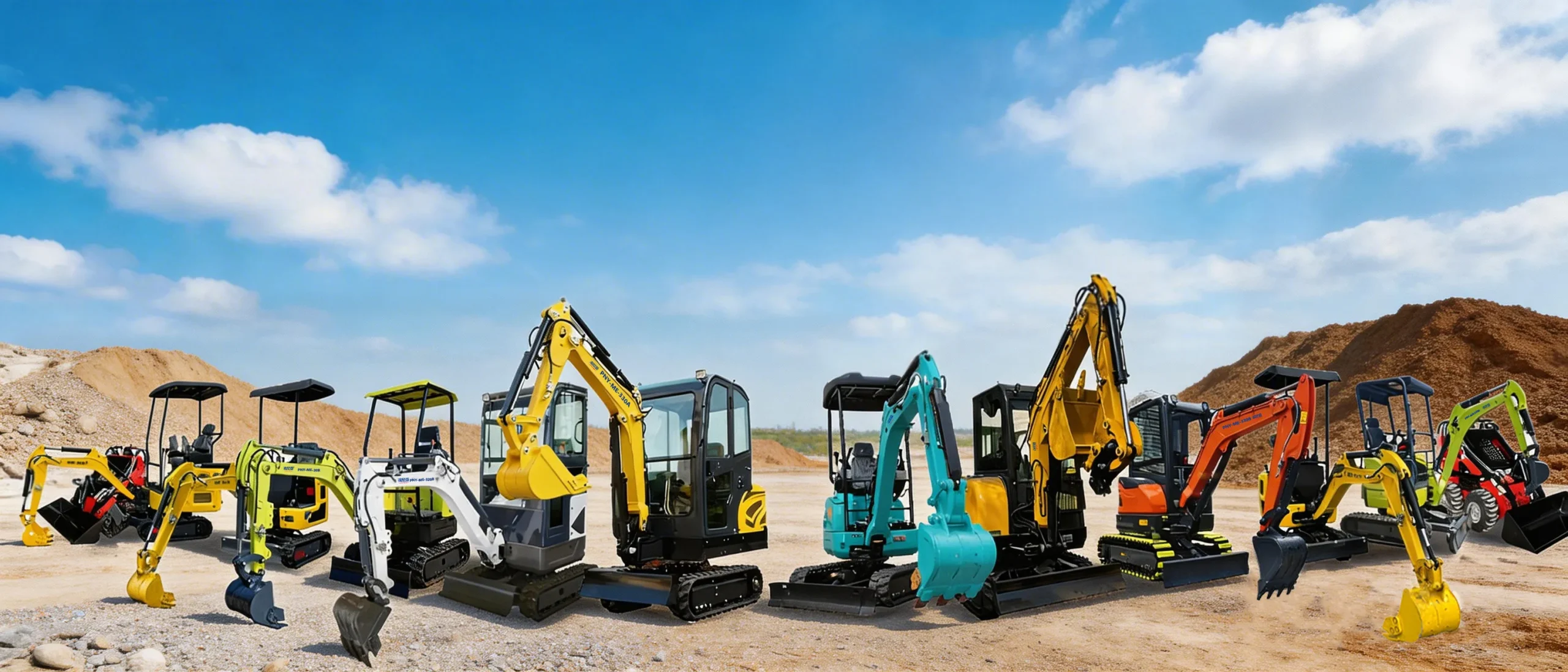
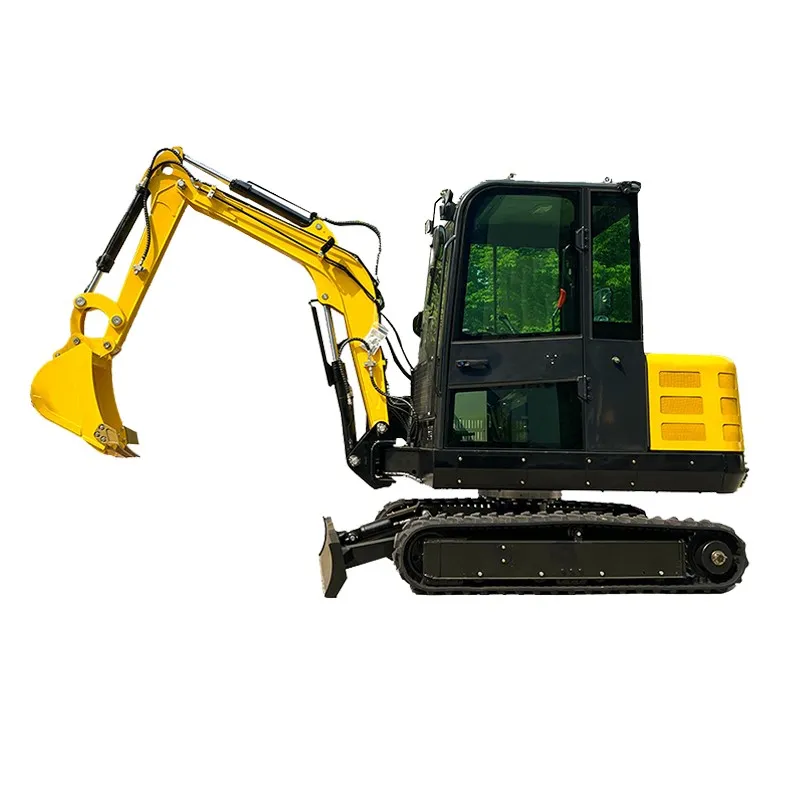
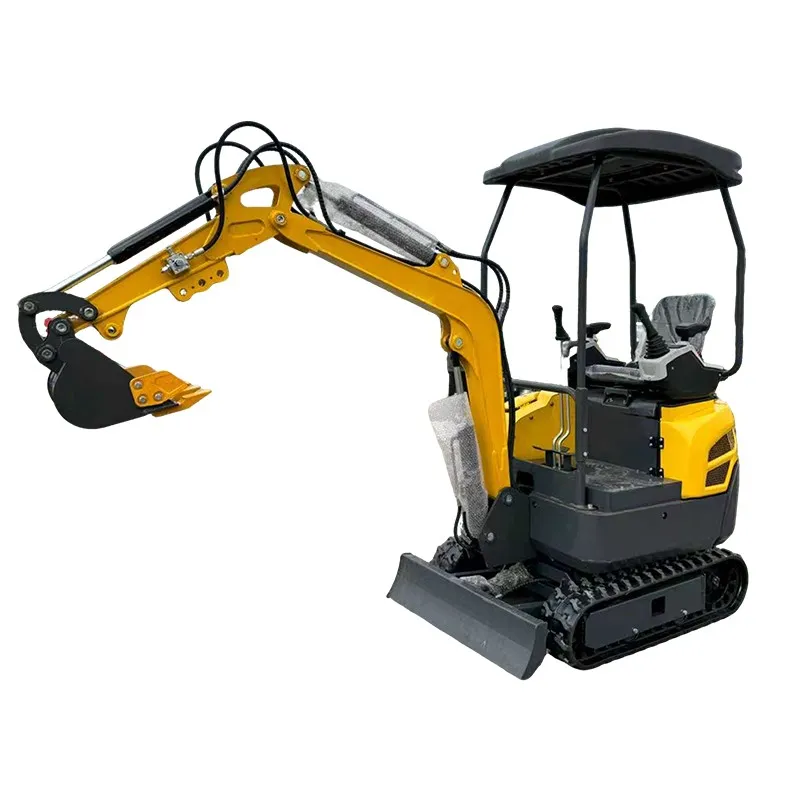
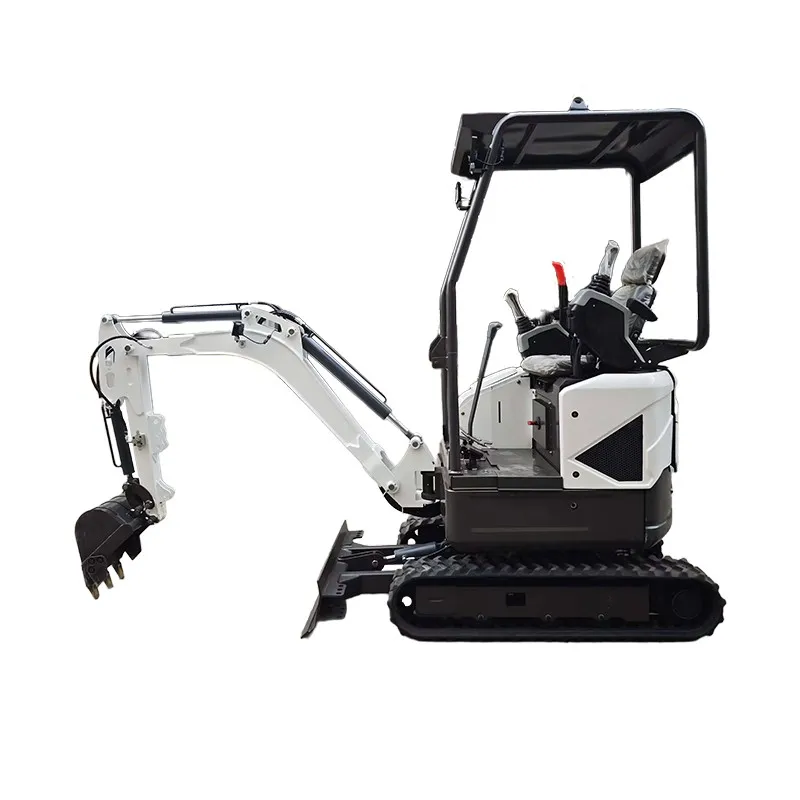
China mini excavator manufacturer
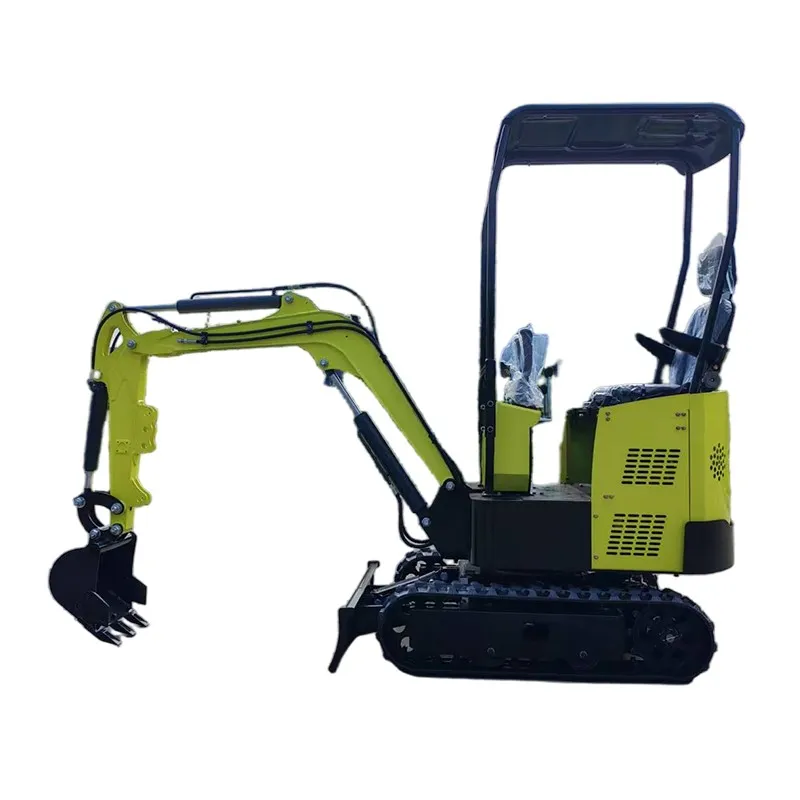
When you hear 'China mini excavator manufacturer', what comes to mind? For many, it's a blur of Alibaba listings and generic factory images. The reality is far more nuanced, and the assumption that all manufacturers are the same is the first pitfall. Having been involved in sourcing and specification for projects from residential landscaping to light utility work, I've learned that the label hides a vast spectrum, from workshops assembling knock-offs to firms like Shandong Pioneer Engineering Machinery Co., Ltd that have genuinely evolved through two decades of trial, error, and listening to the market.
The Foundation: More Than Just a Factory Floor
A company's history and physical footprint often tell you more than a glossy brochure. Take the case of Shandong Pioneer. Established in 2004 in Jining, they operated from a 1,600 sqm facility for nearly 20 years. That's a significant period of accumulation—not just of machinery, but of institutional knowledge. You don't survive that long in this competitive field without solving a lot of problems. Their relocation in 2023 to a new site in Ningyang County, Tai’an, signals growth, but more importantly, a deliberate step to streamline and modernize production. It's a practical move you see from serious players, not those chasing quick turnover.
This evolution is critical. Early on, many Chinese manufacturers, including likely Pioneer in their early days, focused on replicating basic Japanese and Korean designs. The goal was functionality at a cost. But the market has shifted. Buyers in places like Germany or Australia aren't just looking for a cheap machine; they need reliability for rental fleets or compliance with specific emission standards. The shift from pure manufacturing (handled by their associated entity, Shandong Hexin) to dedicated overseas trade under the Shandong Pioneer brand is a strategic recognition of this. It's not just about making excavators; it's about understanding what an operator in Canada actually needs from his 1.8-ton machine on a frozen worksite.
I recall a visit to a different factory years ago where the production head proudly showed me a welding robot. It was impressive, but the real test was in the parts yard. Are castings consistent? Is the hydraulic hose routing thought out for easy service? These are the gritty details that separate a product from a commodity. From Pioneer's timeline, you can infer they've spent years in that parts yard, figuring things out.
The Product Reality: Between Spec Sheets and Job Sites
Every manufacturer has a spec sheet boasting about engine horsepower, digging depth, and auxiliary hydraulic flow. The real differentiation happens in the interpretation. For instance, many factories will list a standard Kubota or Yanmar engine—which is good—but the integration is where it can falter. Does the engine mount properly dampen vibration? Is the cooling system adequate for sustained high-temperature operation? A China mini excavator manufacturer that exports successfully to the US and Australia has had to answer these questions through painful feedback loops.
We tested a unit from a smaller maker once, a 3.5-ton model. On paper, it matched a major brand. In practice, the control pattern felt mushy, and the swing deceleration was jarring. It wore out the operator. Contrast that with machines from established exporters. The controls are often calibrated for a smoother, more linear response—a detail that comes from iterating based on operator input, not just engineering theory. This is where a company's longevity, like Pioneer's 20-year journey, translates into tangible product refinement. They've had the time to collect that feedback from numerous countries and regions and act on it.
Another point is the mini in mini excavator. It's not one size. The needs for a 1-ton micro excavator for indoor demolition are wildly different from a 5-ton model for utility trenching. A capable manufacturer doesn't just scale a design up or down; they understand these niche applications. Their website, https://www.sdpioneer.com, likely showcases this range, but the deeper knowledge is in knowing which model to recommend for a forestry mulching attachment versus a breaker.
The Export Game: Trust is a Hard-Currency Earned
Winning the trust and appreciation of customers worldwide is a line you see often. In reality, it's a grueling process built on managing a thousand small crises. Exporting heavy machinery isn't like shipping toys. There's customs clearance, compliance with destination country regulations (CE, EPA Tier 4, etc.), spare parts logistics, and after-sales support. The fact that Shandong Pioneer has carved out a presence in markets as stringent as Germany and the US suggests they've invested in navigating this complexity.
I've seen export deals fail not because of the machine's quality, but because of documentation errors or a lack of clear communication when a hose bursts on a job site 8,000 miles away. The separation of Shandong Hexin (manufacturing) and Shandong Pioneer (overseas trade) is a smart structural move. It allows the trade arm to focus entirely on the customer interface—understanding market trends, providing localized support, and building relationships. The manufacturing arm can then focus on production quality. This isn't just corporate structuring; it's a lesson learned from the inefficiencies of trying to do everything from one desk in Jining.
A case in point: adapting for the North American market often requires different lighting, ROPS/FOPS certifications, and sometimes even different control patterns. A manufacturer only invested in bulk, generic production won't bother. One that is serious about long-term partnerships will. This adaptability is a key filter when evaluating any China mini excavator manufacturer.
Pitfalls and Practical Considerations
It's not all success stories. The landscape is littered with failed partnerships. One common mistake is fixating solely on the ex-works price. A cheaper machine might use lower-grade steel in the boom, which may not fail immediately but will fatigue faster, leading to costly downtime and repairs. The total cost of ownership is the metric that matters. Companies that have been around, like Pioneer, understand that their reputation hinges on this long-term calculus.
Another practical issue is parts commonality. In the early 2000s, many manufacturers used proprietary parts to lock in aftermarket sales. This backfired with international buyers. Now, the smarter players design around commonly available components—branded hydraulic pumps, standard metric hoses, common bearing sizes. This makes field maintenance possible. When reviewing a company's offerings, I always ask for a major components list. It's a quick tell.
Also, never underestimate the value of a clear, functional website like https://www.sdpioneer.com. It's a basic touchpoint. It doesn't need flashy graphics, but it must have accessible technical data, clear contact channels, and evidence of real-world deployments. It's the digital front door to their operation.
Looking Forward: The Trajectory of a Mature Supplier
So, where does a manufacturer go after 20 years? The relocation in 2023 is a data point. It likely means investment in more automated production lines, better QC stations, and R&D focused on efficiency and emissions. The next frontier isn't just copying, but innovating—perhaps in electric powertrains for mini excavators or advanced telematics for fleet management.
The trust they've built is their biggest asset. In this business, your last shipment is your best salesperson. A machine that performs reliably in the hands of a contractor in Melbourne becomes a reference for a buyer in Vancouver. This organic growth, driven by performance, is what sustains a company beyond the initial price advantage.
In the end, evaluating a China mini excavator manufacturer requires looking past the keyword. It's about digging into their history (like that 2004 founding date), their structural choices (the manufacturing/trade split), and their proven ability to solve real-world problems for a global clientele. It's a sector that has matured dramatically, and the players who have grown with it, through accumulation and adaptation, are the ones defining what Made in China means in this equipment class today. They're not just suppliers; they've become solution providers, and that's a crucial distinction.
Related Products
Related Products